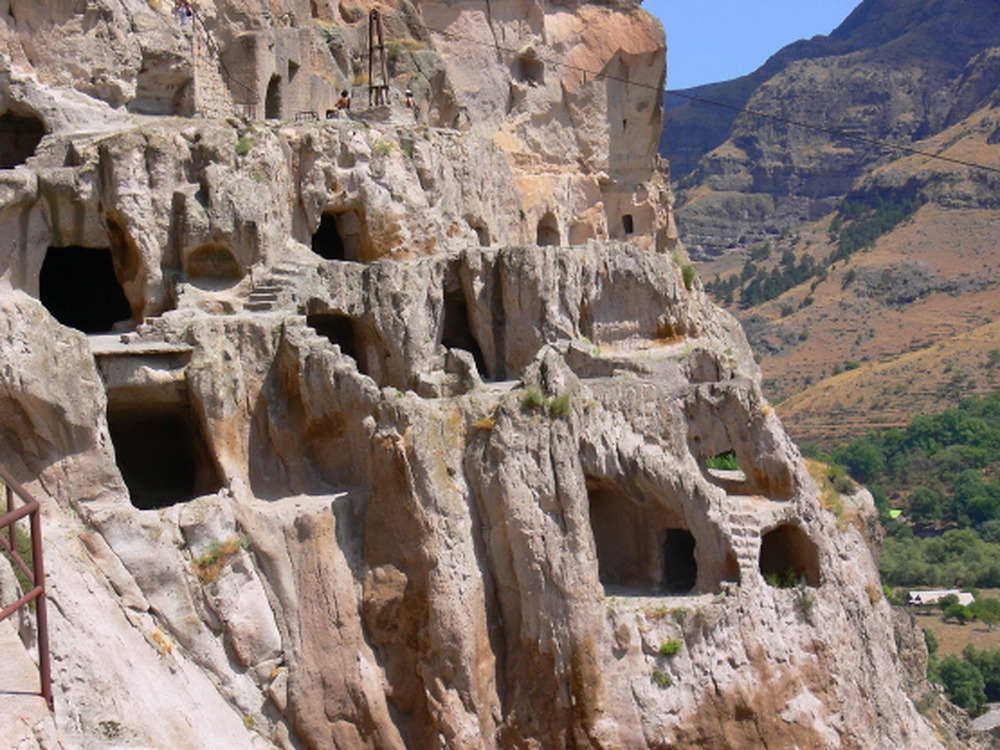
Georgia is a small country in the Caucasus, situated between Europe and Asia, with an extraordinary variety of landscapes. Within its borders are the towering Caucasus Mountains, thick forests, dry rocky valleys, ancient cave cities, and a coastline along the Black Sea. What initially attracted me was the opportunity to explore a country with such a long and complicated history, yet one that received relatively little attention from international travelers at the time.
When I visited Georgia in 2006, the country still had a reputation as a somewhat risky destination. I found the reality to be quite different. The people I encountered were generally friendly and helpful, and I felt comfortable exploring its cities, mountains, and historical sites. Georgia was also undergoing significant political changes following the 2003 Rose Revolution, with efforts to reduce corruption and reform institutions, particularly the police. Although tensions with neighboring Russia remained a major concern, the country was clearly going through a period of transformation.
What impressed me most was the combination of natural scenery and history. I could explore churches dating back centuries, walk through ancient settlements carved directly into mountains, and visit places connected to some of the most consequential events of the twentieth century. Georgia offered considerably more variety than I had expected, and it remains one of the more distinctive countries I’ve traveled through.
Explore Tbilisi
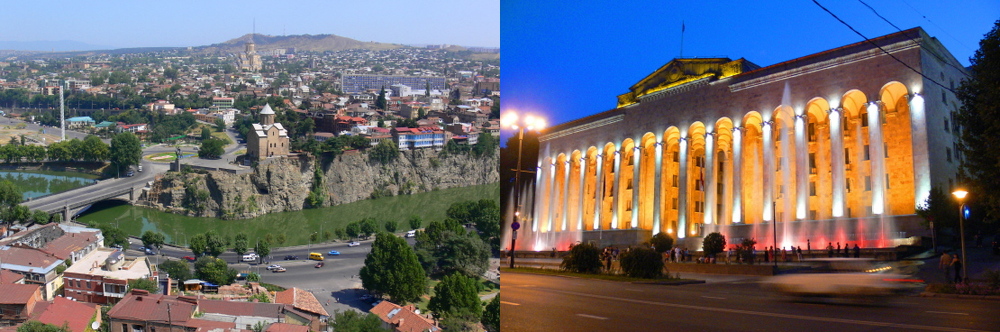
Tbilisi, Georgia’s capital and largest city, occupies a dramatic setting along the Mtkvari River, with historic neighborhoods spreading across the surrounding hills. Founded in the fifth century according to Georgian tradition, the city developed at a crossroads of important trade routes linking Europe and Asia. Its long history of Persian, Byzantine, Arab, Mongol, and Russian influence is reflected in a distinctive mixture of architecture, religious traditions, and cultural landmarks.
Among Tbilisi’s most recognizable attractions are Narikala Fortress, the historic Metekhi Church, and the enormous Holy Trinity Cathedral, also known as Sameba. The older neighborhoods feature traditional wooden balconies, narrow streets, and houses perched above the river, while public squares, restaurants, and cafés give the city a lively atmosphere. Nearby Mtskheta, Georgia’s ancient capital, is home to some of the country’s most important early Christian monuments, including Jvari Monastery overlooking the confluence of the Aragvi and Mtkvari rivers.
Explore Gori
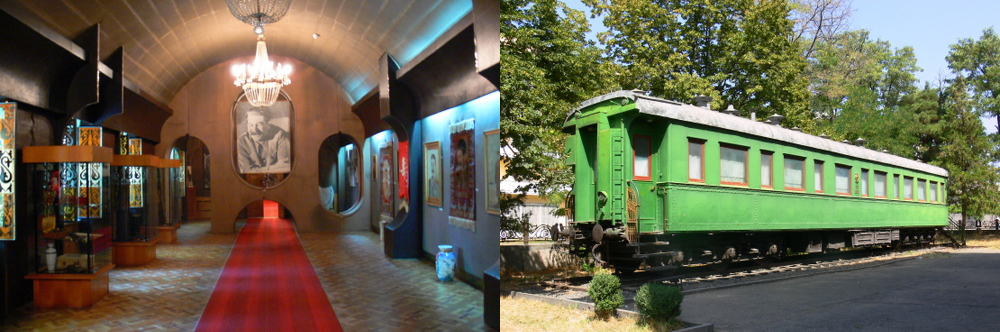
Gori is a historic city in central Georgia, situated along the Mtkvari River and best known internationally as the birthplace of Joseph Stalin. Born in 1878, Stalin rose from modest beginnings to become the dictator of the Soviet Union, presiding over decades of industrialization, war, political repression, forced collectivization, and mass deportations. His legacy remains deeply controversial, both in Georgia and throughout the former Soviet Union.
The city’s principal attraction is the Joseph Stalin Museum, which preserves the small house where he spent his earliest years, along with photographs, documents, and personal belongings associated with his political career. One of its most unusual exhibits is his preserved armored railway carriage, which visitors can enter to see the compartments and furnishings used during his travels. Gori also has a much older history, with the medieval Gori Fortress overlooking the city from a prominent hill.
Explore Borjomi
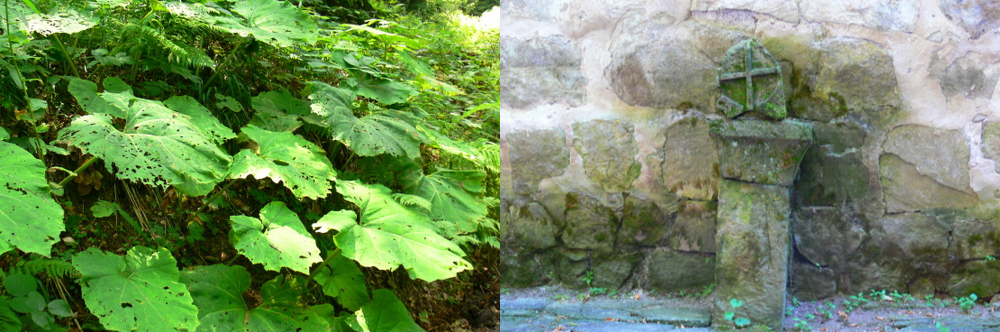
Borjomi is a mountain resort town in central Georgia, famous for its natural mineral springs and the bottled Borjomi water that has become one of the country’s most recognizable products. Surrounded by the forested mountains of the Lesser Caucasus, the region offers a very different landscape from the dry valleys and rocky hills found elsewhere in central Georgia. Its mineral springs and mountain climate helped establish Borjomi as a popular resort destination during the nineteenth century.
The nearby Borjomi-Kharagauli National Park protects extensive forests, mountain ecosystems, and wildlife habitats, with hiking trails passing through wooded valleys and rugged terrain. Bears, deer, and numerous bird species inhabit the surrounding wilderness. Another notable attraction is Green Monastery, a historic Orthodox religious site hidden among the trees and associated with local legends about monks killed during an attack. Together, the mineral springs, forest scenery, and religious heritage make Borjomi one of Georgia’s most appealing destinations for nature and outdoor recreation.
Explore Uplistsikhe
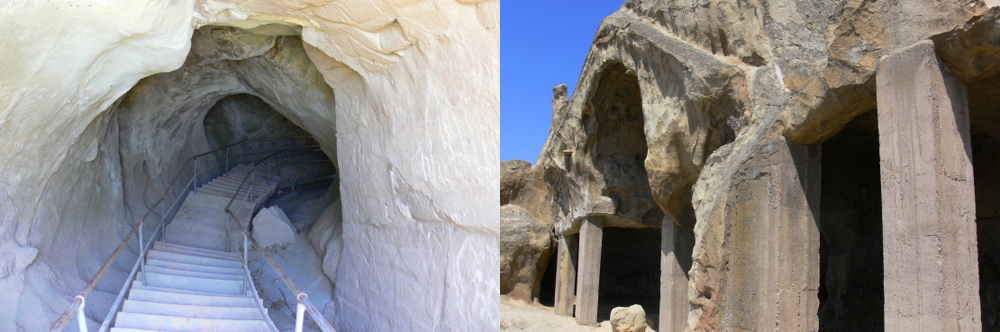
Uplistsikhe, meaning “Lord’s Fortress,” is one of Georgia’s oldest and most remarkable archaeological sites. Located near Gori above the Mtkvari River, the ancient settlement was carved directly into sandstone cliffs, with its origins reaching back to the first millennium BC. It became an important religious, political, and commercial center in the ancient Georgian kingdom of Iberia, particularly before Christianity became the dominant religion of the region.
The surviving complex contains rock-cut halls, chambers, passageways, ceremonial spaces, and the remains of structures developed over many centuries. Visitors can explore much of the settlement on foot, moving between rooms excavated from the sandstone and overlooking the surrounding river valley. An underground tunnel provided access through the rock toward the river, while carved channels and other architectural features reveal how the inhabitants adapted the natural terrain to support a functioning city.
Explore Vardzia
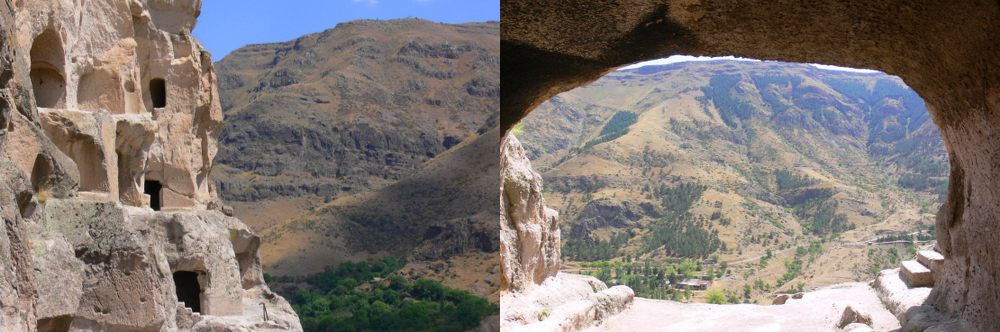
Vardzia is an extraordinary medieval cave monastery carved into a mountainside in southern Georgia near the Turkish border. Construction began during the twelfth-century reign of King George III and continued under his daughter, Queen Tamar, during Georgia’s medieval golden age. The complex developed into an extensive settlement containing thousands of rock-cut spaces, including residential chambers, chapels, storage areas, and passageways connected across multiple levels of the mountain.
Much of Vardzia was originally concealed within the cliff, but a powerful earthquake in 1283 caused part of the mountainside to collapse, exposing many of the chambers visible today. Visitors can climb ancient stairways, enter rooms carved into the rock, and explore narrow tunnels connecting different parts of the complex. Among its greatest surviving treasures are the medieval frescoes inside the Church of the Dormition, including historic depictions of Queen Tamar and King George III. The combination of engineering, religious history, and dramatic mountain scenery makes Vardzia one of Georgia’s most impressive historic landmarks.