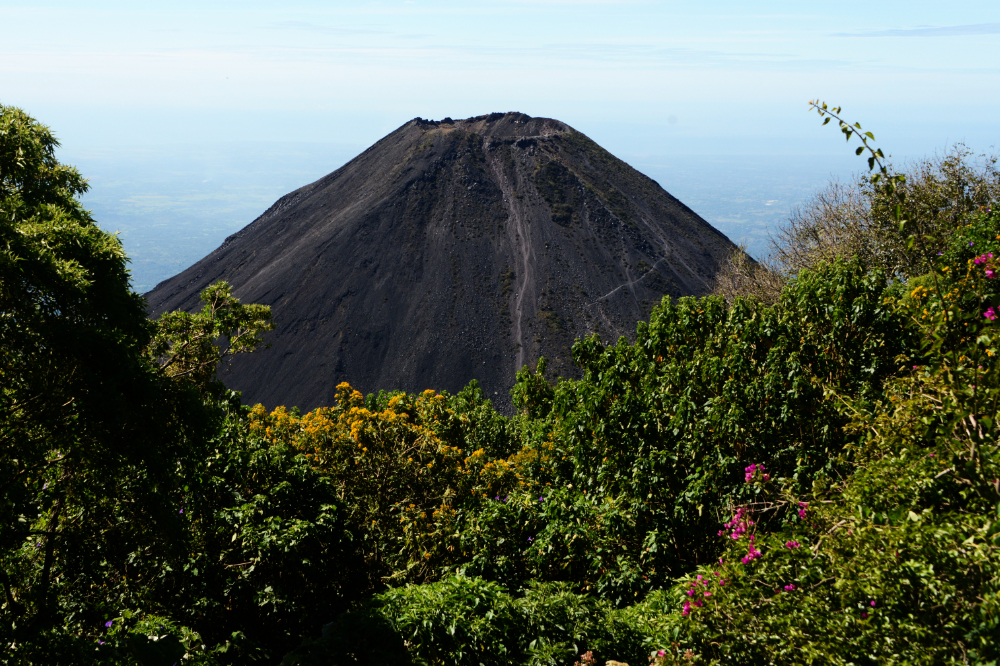
El Salvador is the smallest country in Central America, but it packs a surprising amount into a relatively compact area. Travelers can explore volcanic mountains, Pacific beaches, colonial towns, Indigenous and Maya history, colorful villages, and the country’s lively capital without having to travel enormous distances between destinations.
My trip took me from San Salvador into the mountains and national parks, down to the coast at La Libertad, and through several of the country’s most important archaeological sites. El Salvador’s size makes it especially easy to combine cities, nature, history, and beaches during a single trip.
Explore San Salvador
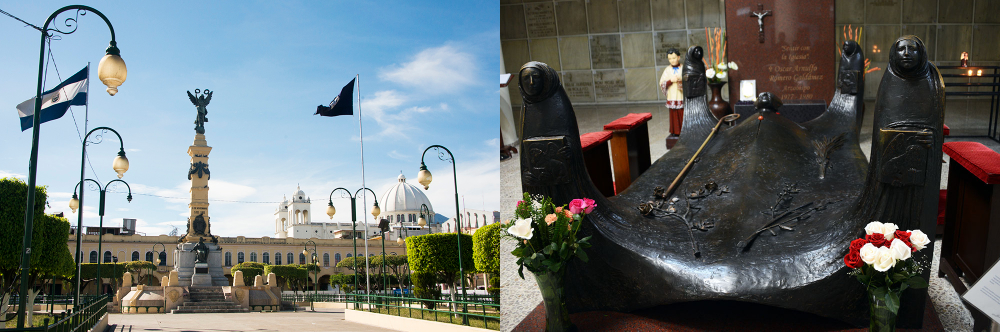
San Salvador is the country’s capital and largest urban center, surrounded by dramatic volcanic scenery. Visitors can explore the historic center, visit the Metropolitan Cathedral and the tomb of Saint Óscar Romero, experience the city’s restaurants and nightlife, and use the capital as a base for exploring nearby volcanoes and archaeological sites.
Explore Cerro Verde
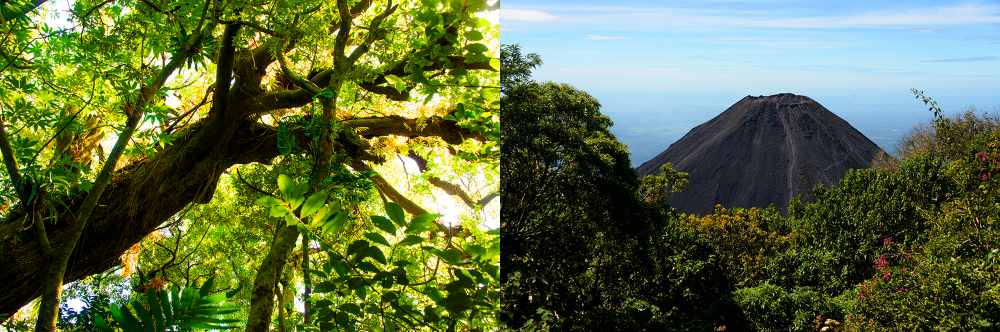
Cerro Verde is an extinct volcano and one of El Salvador’s best-known mountain destinations, with spectacular views across the surrounding volcanic landscape. Nearby Santa Ana and Izalco volcanoes dominate the scenery, while hiking, birdwatching, and the cool forests and coffee-growing highlands offer a sharp contrast to the country’s tropical coast.
Explore La Libertad
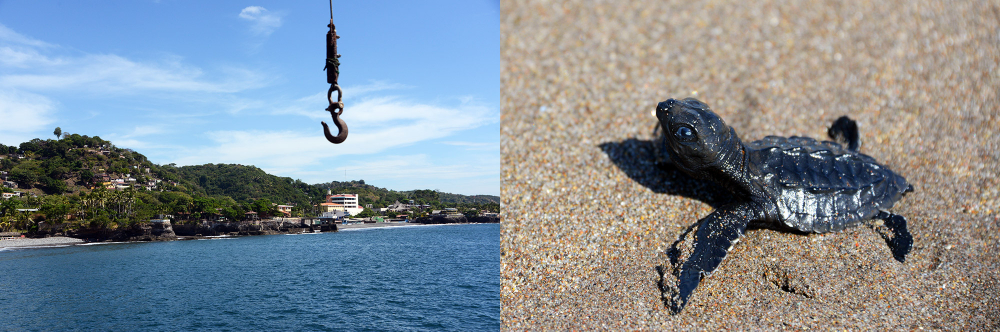
La Libertad is one of El Salvador’s best-known coastal destinations. Fresh seafood, Pacific beaches, surfing, and the busy fishing wharf give the town a completely different atmosphere from the country’s mountain regions. The surrounding coastline is also known for its marine wildlife, including sea turtles that nest along El Salvador’s Pacific beaches.
Explore Joya de Cerén & San Andrés
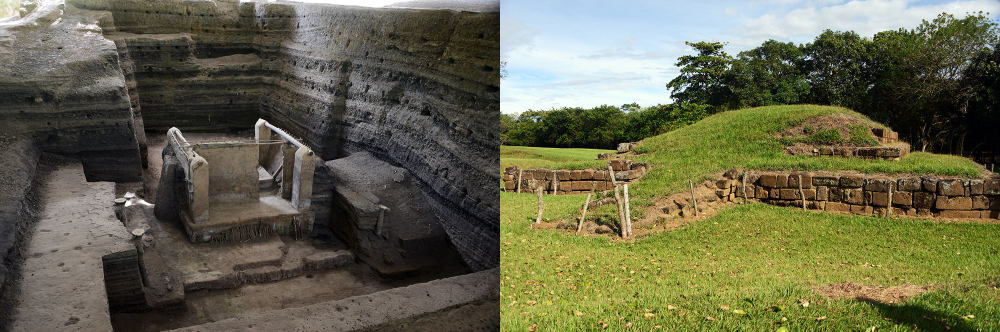
Joya de Cerén is one of El Salvador’s most fascinating archaeological sites. Sometimes compared to Pompeii, the Maya farming village was buried beneath volcanic ash following the eruption of the nearby Loma Caldera around AD 600. Unlike monumental Maya sites centered on temples and palaces, Joya de Cerén preserves an unusually detailed glimpse into everyday life, including homes, household objects, agricultural areas, and other traces of the community. Nearby San Andrés reveals a very different side of the region’s Maya history through its ceremonial structures and monumental architecture.
Explore Tazumal & La Ruta de las Flores
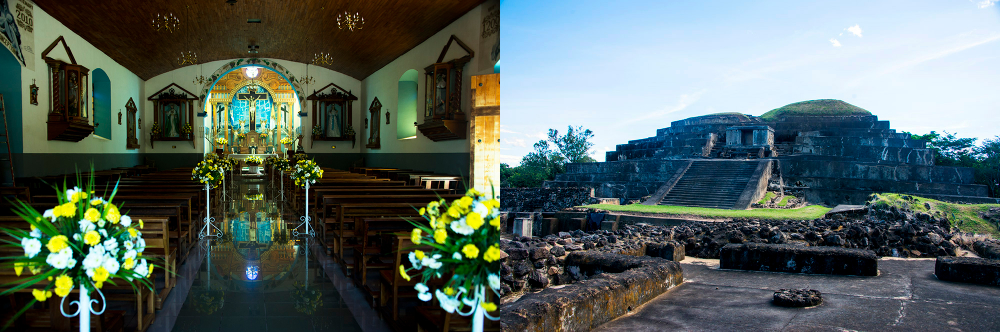
Tazumal, in the ancient settlement area of Chalchuapa, is one of El Salvador’s most impressive Maya archaeological sites, dominated by a large ceremonial complex rising above the surrounding landscape. The nearby museum displays artifacts recovered from the area. A trip through western El Salvador can also be combined with La Ruta de las Flores, a route through mountain towns such as Juayúa, Apaneca, and Concepción de Ataco, known for colorful streets, markets, cafes, flowers, and the surrounding coffee country.