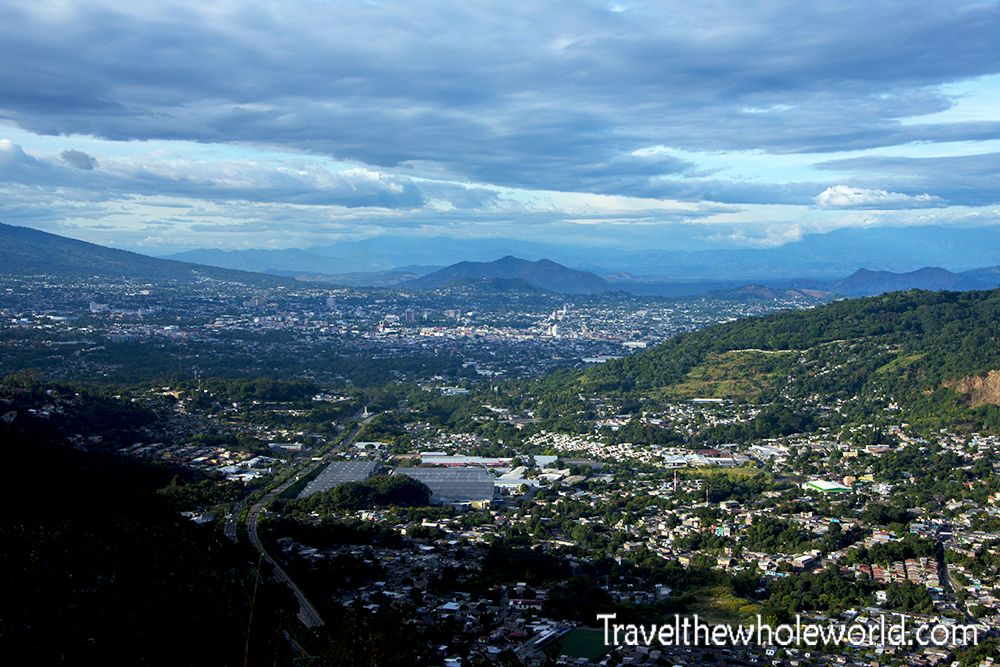
San Salvador is the capital and largest city of El Salvador. Despite its size, the city felt more like an enormous collection of neighborhoods and suburbs than a dense city with a dramatic skyline. There are some taller buildings scattered around the capital, but the surrounding mountains and volcanoes are often more noticeable than the buildings themselves. This view shows much of San Salvador spread out below.
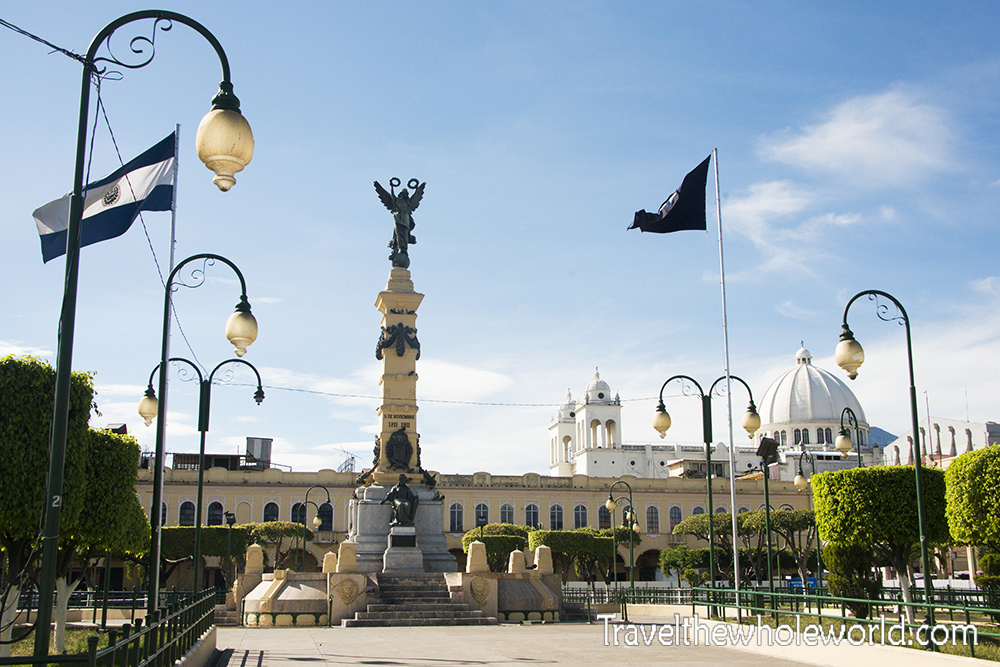
San Salvador still has an interesting historic center. One of my favorite places was Plaza Independencia. For some reason the plaza was blocked off during my visit and a guard wouldn’t let me enter, although he was nice enough to let me step inside briefly to take this photograph. In the background is the Metropolitan Cathedral, one of the city’s most impressive landmarks.
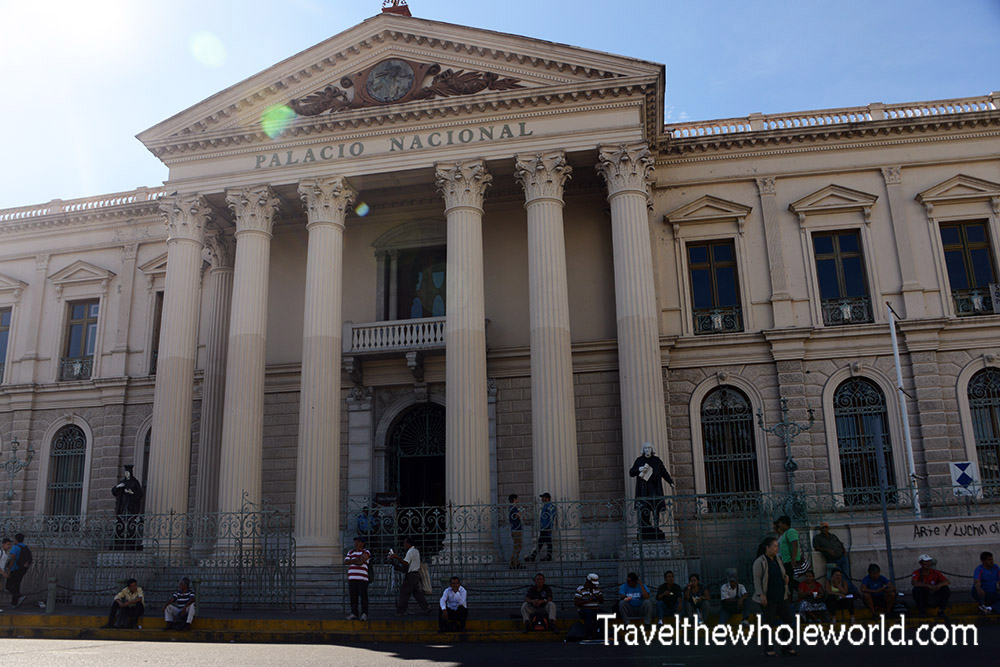
Only a few blocks away is the National Palace. It’s a fairly large building in the center of the city and one of the most recognizable historic structures in San Salvador.
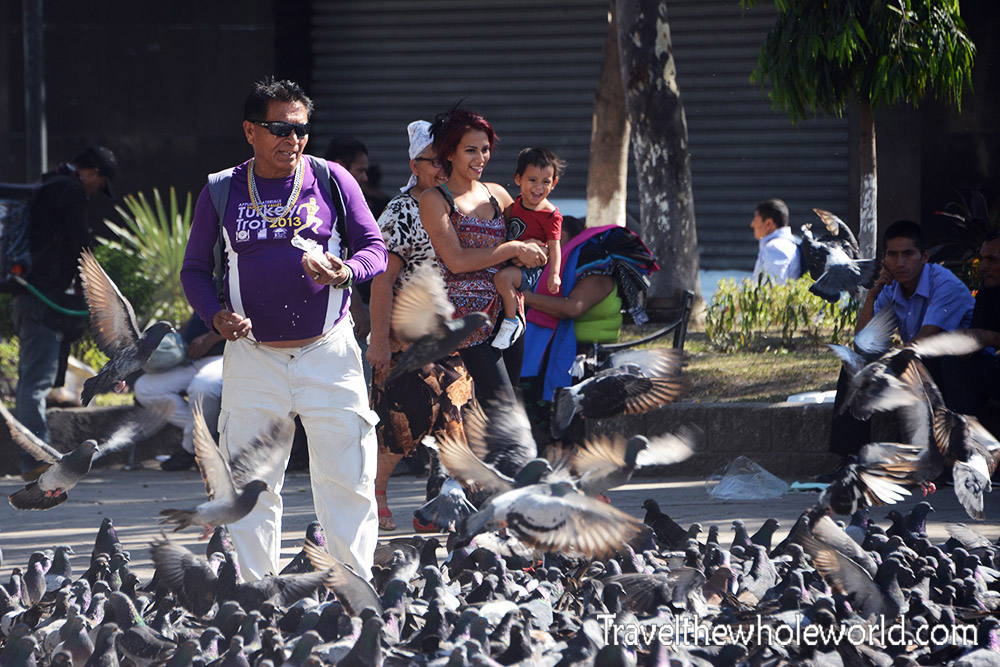
Directly in front of the palace is Plaza Civica, where plenty of people were hanging out when I visited. Nobody seemed to mind my photography. The most memorable person there was this pigeon whisperer!
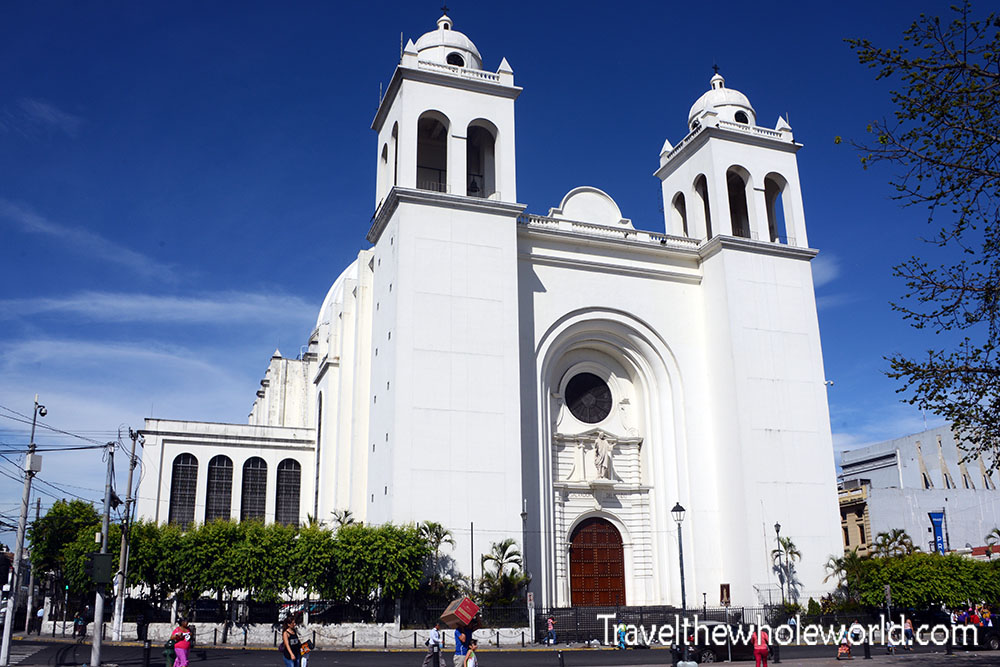
Next to Plaza Civica is the Metropolitan Cathedral of San Salvador. It’s one of the most important churches in the country, and while the exterior is impressive, I found the inside even more interesting.
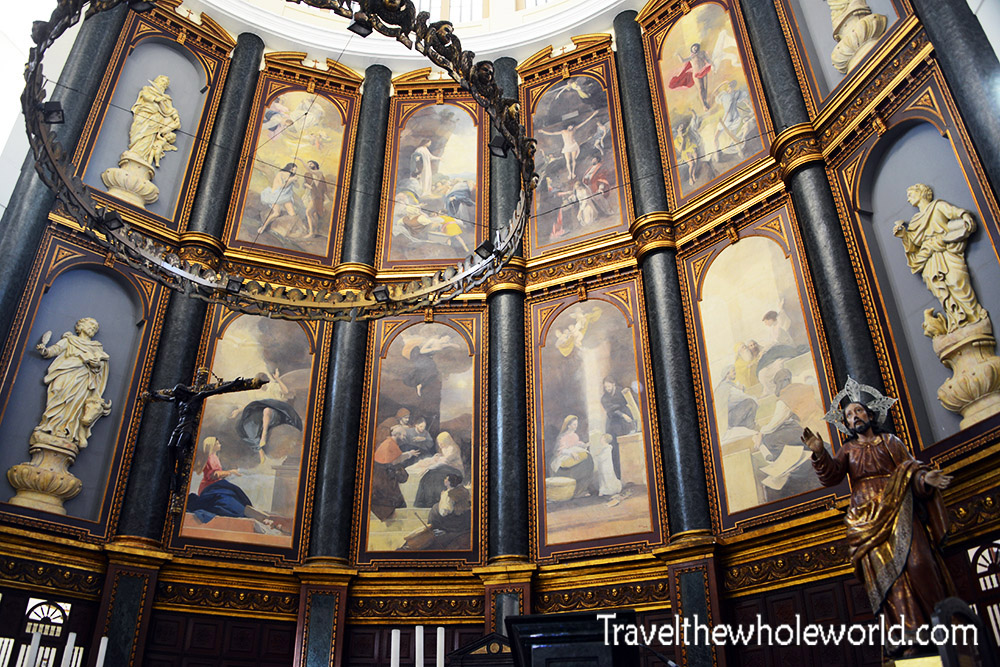
The interior is filled with paintings, religious artwork, and architectural details. Walking around almost felt like visiting a free art gallery.
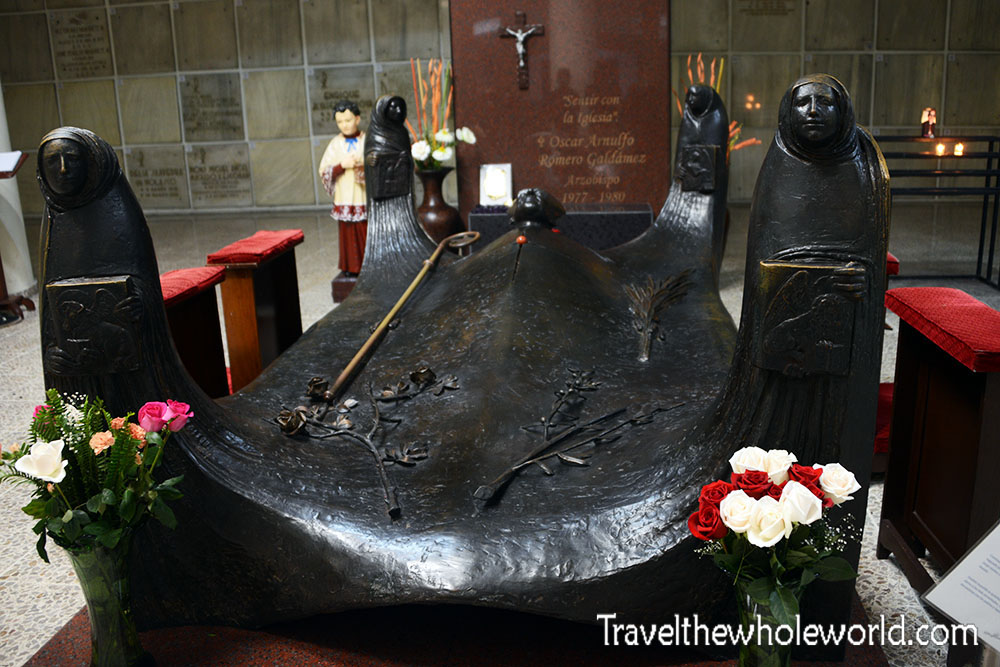
The cathedral is also home to the tomb of Oscar Romero, one of the most important figures in modern Salvadoran history. Romero was the Catholic archbishop of San Salvador and became famous for speaking publicly about violence, poverty, and abuses taking place in the country. He was assassinated in 1980 while celebrating Mass.
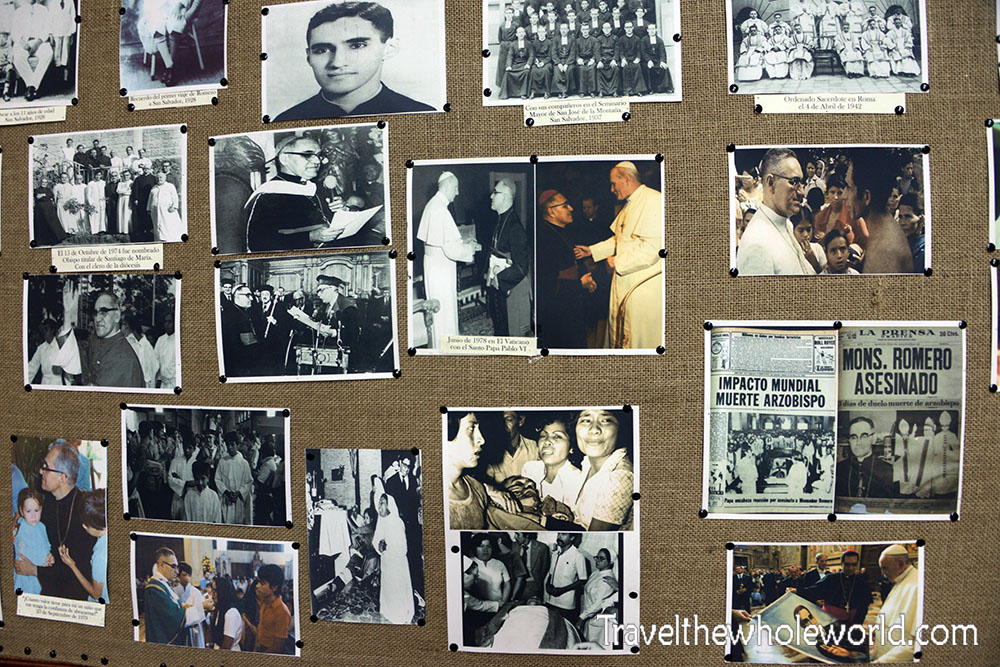
Displays inside the cathedral document different periods of Romero’s life and death. His story appears repeatedly throughout San Salvador, and I would encounter it again later during my visit.
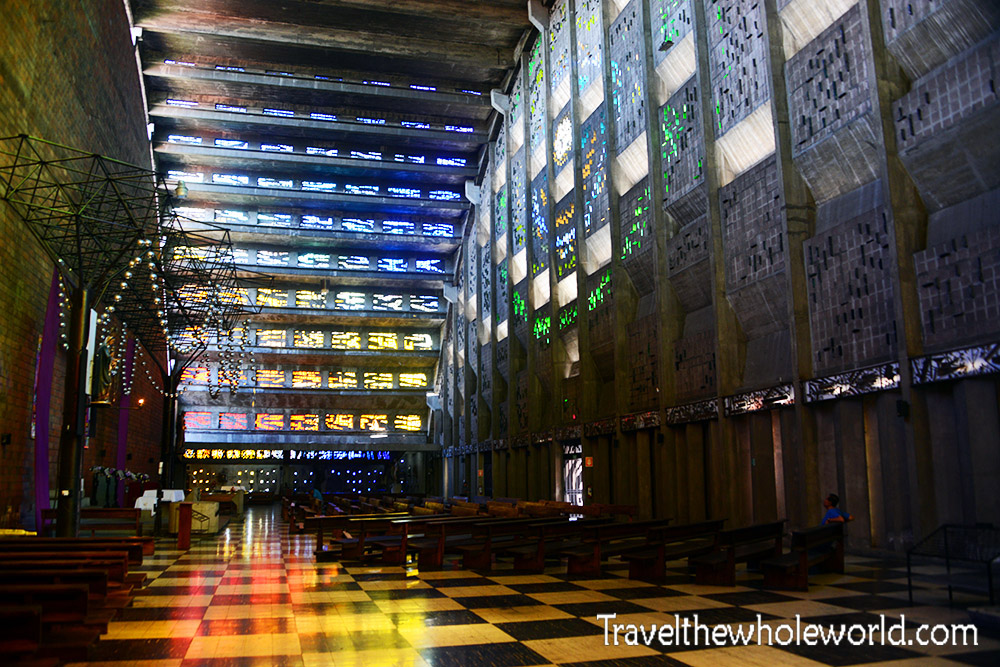
Another church nearby is El Rosario. It has one of the most unusual church designs I’ve ever seen. From the outside, the curved concrete building almost looked like a large industrial structure to me, and when I first saw it I wasn’t even sure it was still being used.
Inside is a completely different story. Huge sections of stained glass fill the church with colored light. The building also carries scars from El Salvador’s civil war, including damage still visible on the structure.
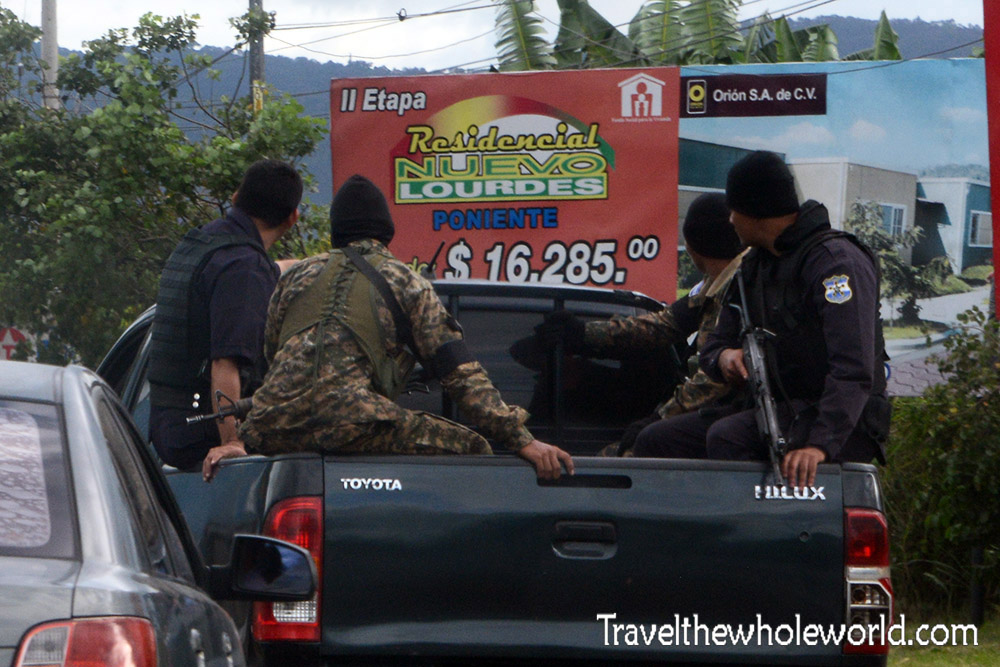
A lot of people asked whether I was concerned about safety while traveling in El Salvador. At the time of my trip, the country was dealing with serious gang violence and San Salvador had a particularly difficult reputation. Armed security was a common sight throughout parts of the city.
My own experience was much less dramatic. I traveled around the normal commercial, historic, and residential areas of San Salvador without encountering any problems. The people I met were overwhelmingly friendly, although I was also aware that parts of the city had very different conditions from the neighborhoods I was visiting.
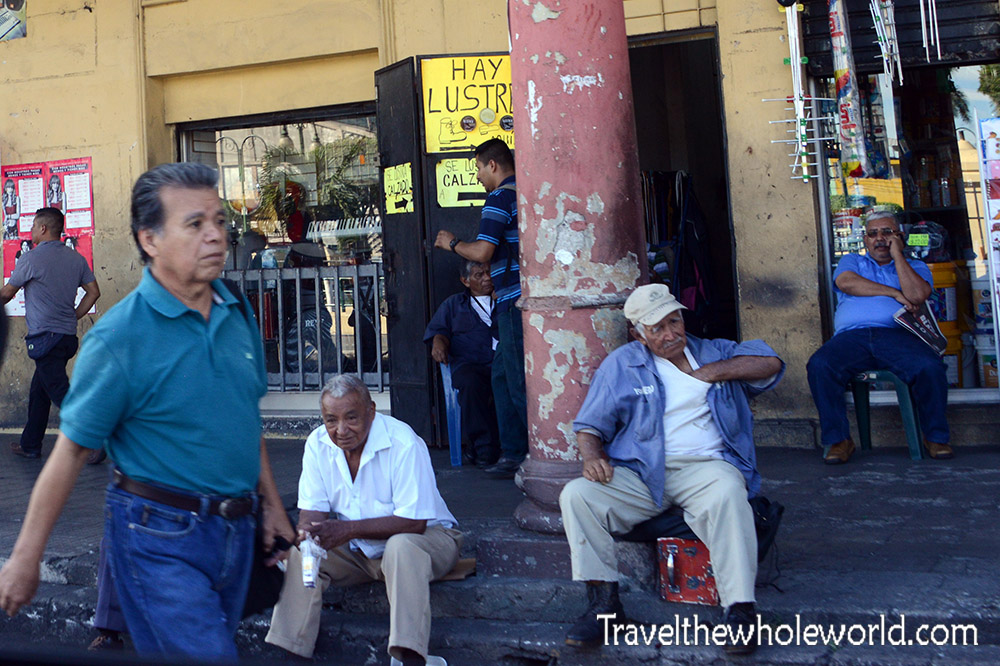
Some sections of downtown were pretty rough around the edges, but they were also crowded with normal everyday activity.
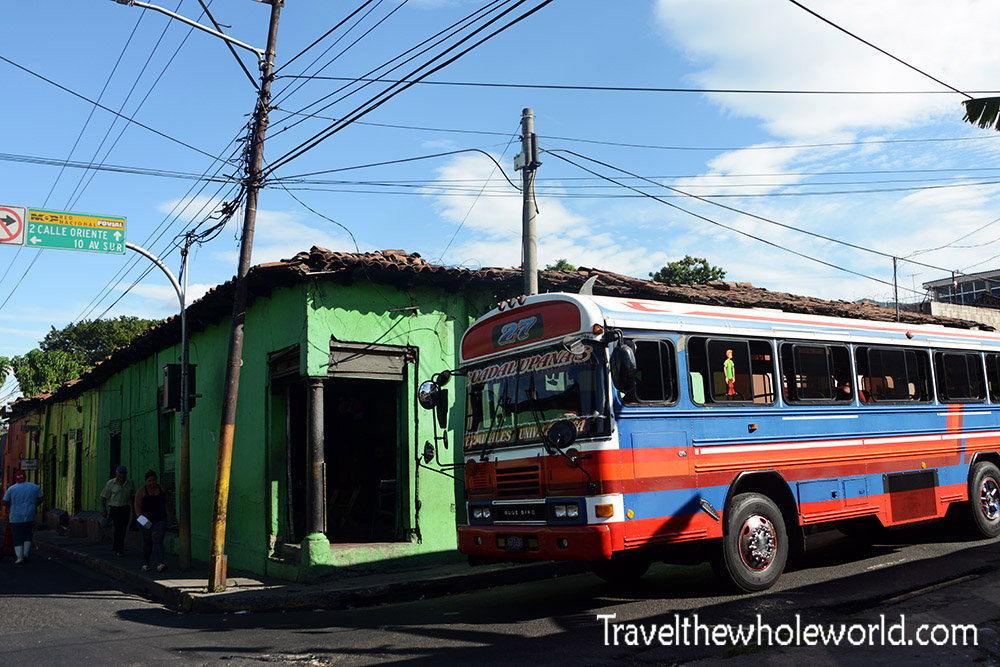
This was another typical downtown street scene. Much of my time in San Salvador was simply spent walking around and seeing what I came across.
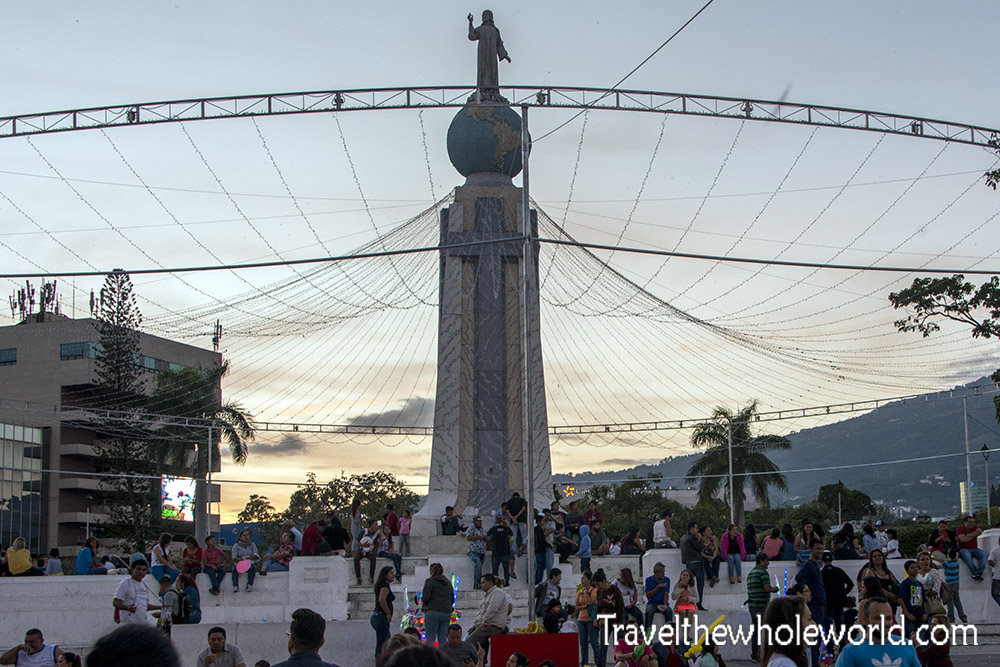
One place I specifically wanted to see was the Monumento al Divino Salvador del Mundo. I walked several miles through the city to reach it and eventually returned after dark. The monument wasn’t nearly as large as I had imagined, but the surrounding plaza was packed with people of all ages enjoying the evening.
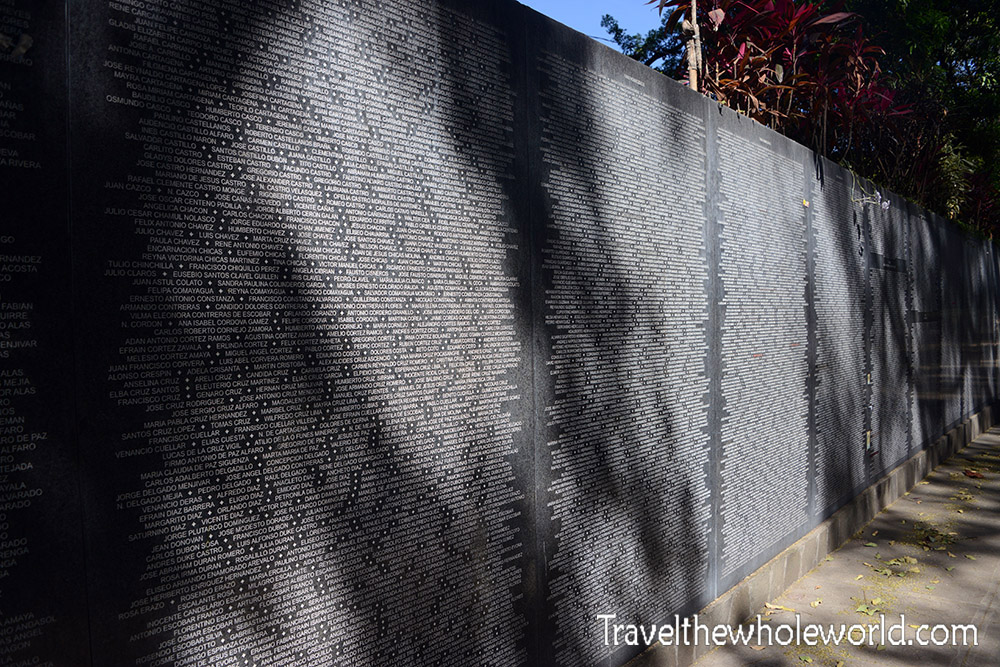
Another interesting place to visit is San Salvador’s memorial wall commemorating victims of the country’s civil war. The conflict lasted more than a decade and left tens of thousands of Salvadorans dead. The names carved into the wall make the enormous human cost of the war feel much more personal than simply reading the numbers in a history book.
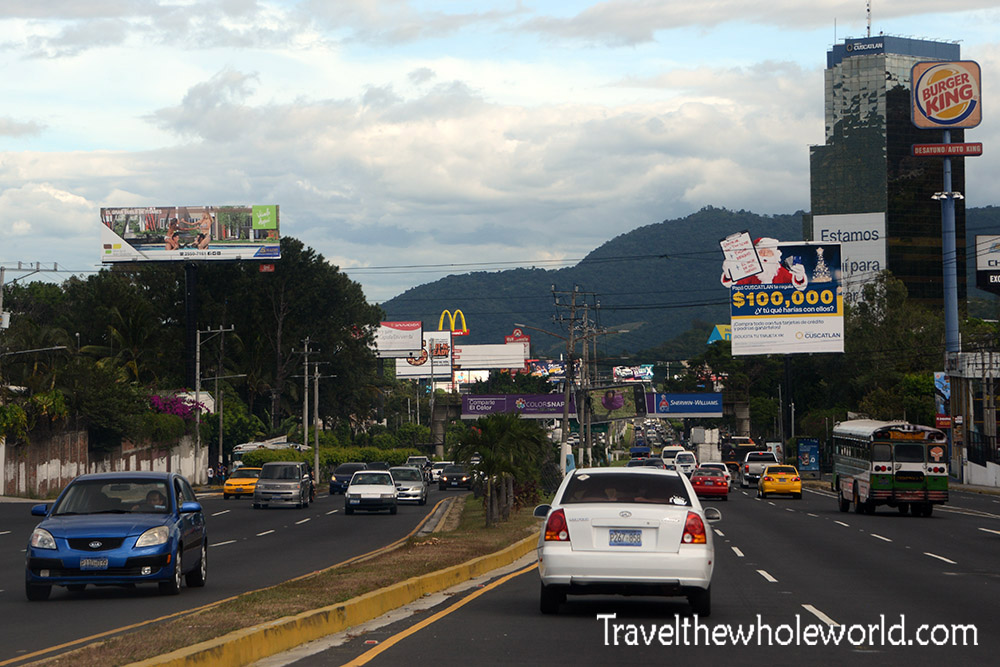
Something I found interesting about San Salvador was how ordinary many parts of the city looked compared with its international reputation. This is one of the main highways entering the capital from the east. Driving past familiar restaurants and businesses sometimes made it feel surprisingly similar to suburban areas back home.
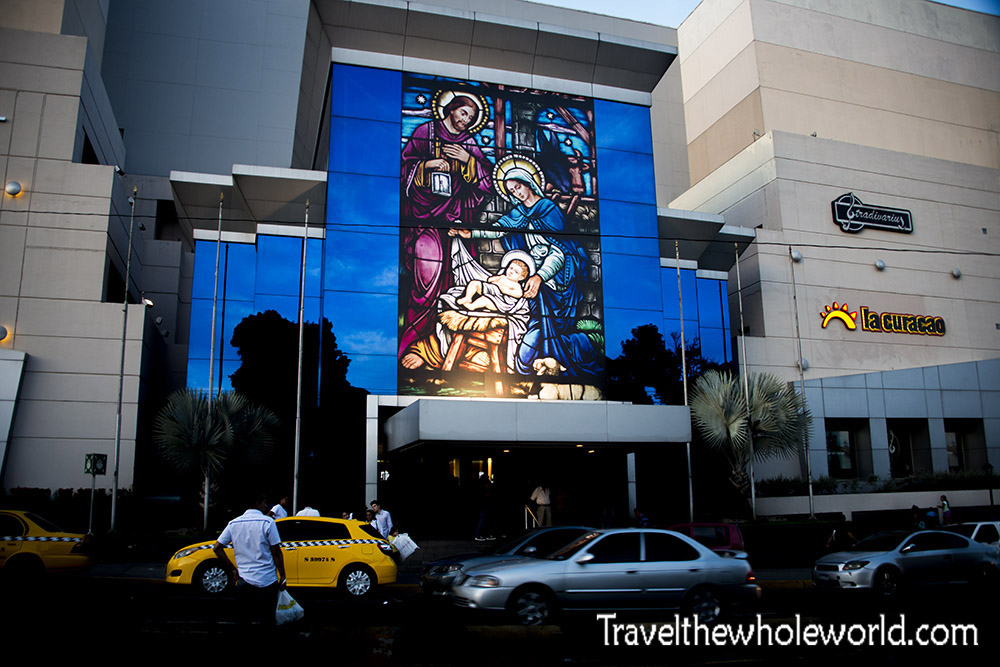
San Salvador also has plenty of modern shopping plazas and malls. I was surprised by how many familiar international restaurants and stores I came across around the city.
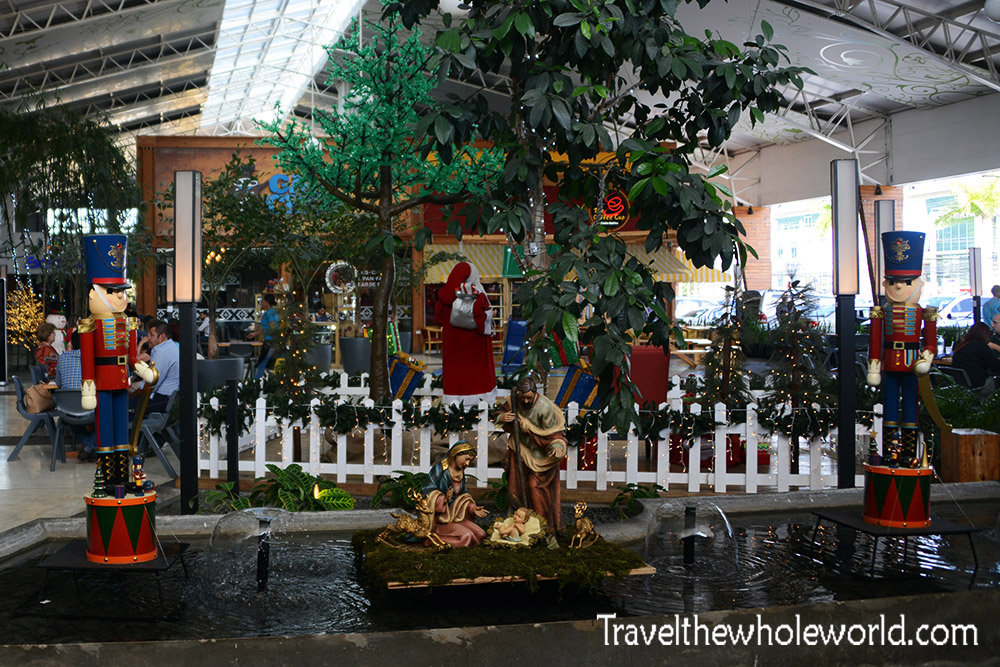
I ate at an outdoor shopping center like this one and occasionally sat by myself with my laptop while using the Wi-Fi. Plenty of locals were doing exactly the same thing, and these parts of San Salvador felt like any modern commercial district.
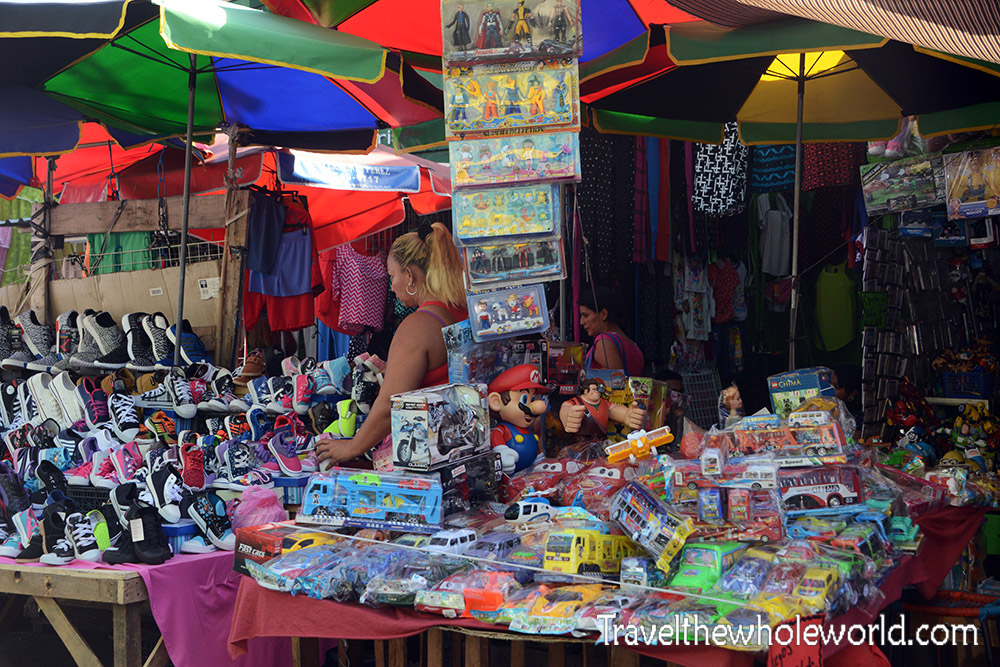
While exploring the city I also discovered this enormous market. At first I figured it would take up a single city block, but it felt like it continued for half a dozen. Most of what I saw was typical city-market merchandise: produce, clothing, inexpensive electronics, and household goods.
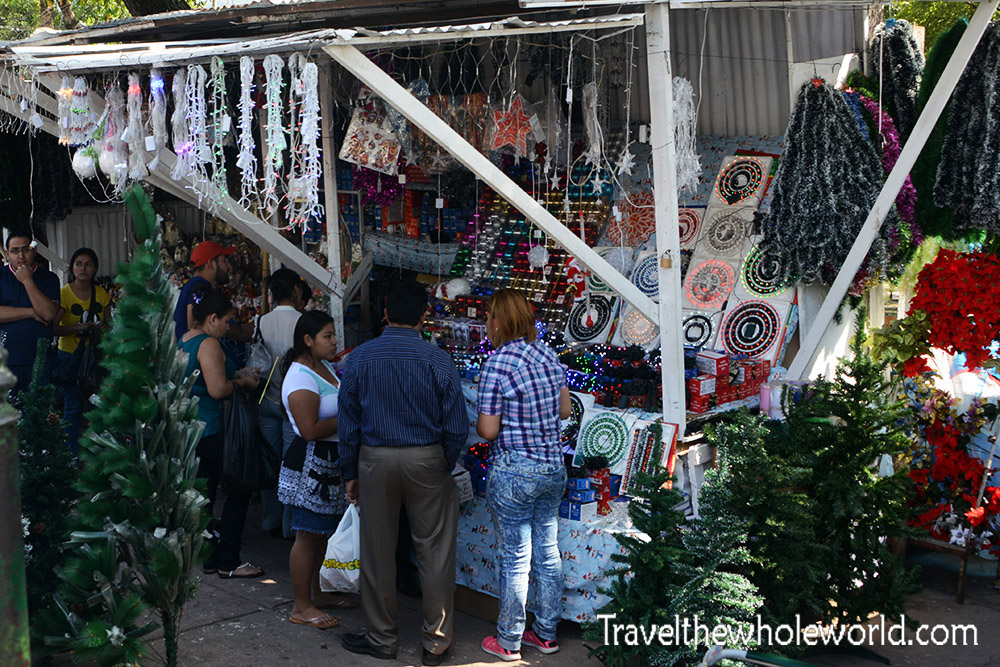
I visited close to December, so Christmas decorations were appearing throughout the city. In another neighborhood I came across this Christmas market.
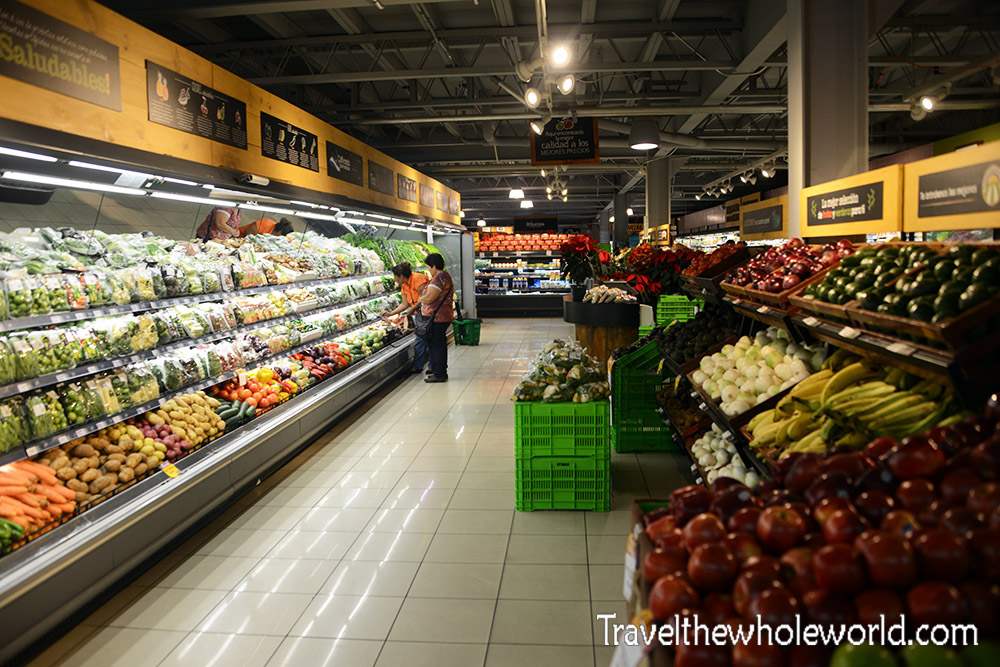
Alongside the crowded traditional markets were modern supermarkets like this one. They were no different from grocery stores you’d find in many other countries. This particular store was even offering samples of mixed drinks made with Irish cream.
I tried explaining the drink known back home as an Irish Car Bomb, but my Spanish was terrible. Between my attempts to explain Ireland, whiskey, and the unfortunate name of the drink, I’m pretty sure the woman giving out the samples thought I was completely crazy.
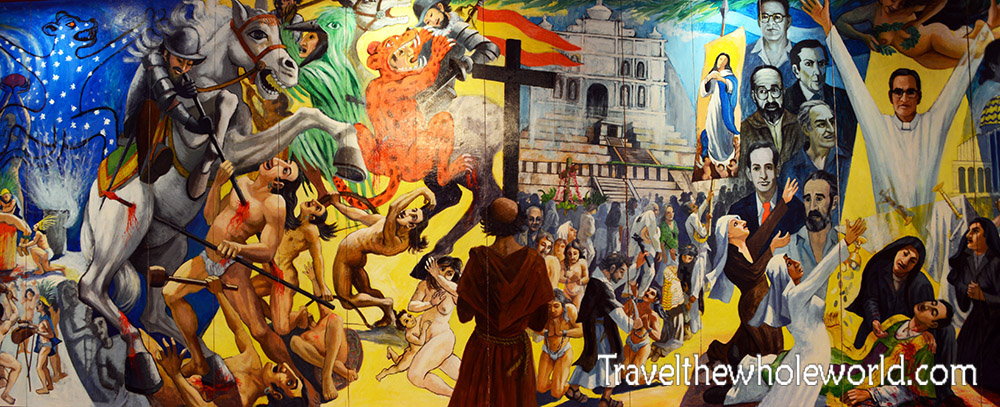
Half the time I simply wandered around San Salvador, but one place I made sure to visit was the national museum. The museum covers the country’s history and culture through several different sections. This mural presents a timeline stretching from Indigenous civilizations and the Spanish conquest into modern Salvadoran history.
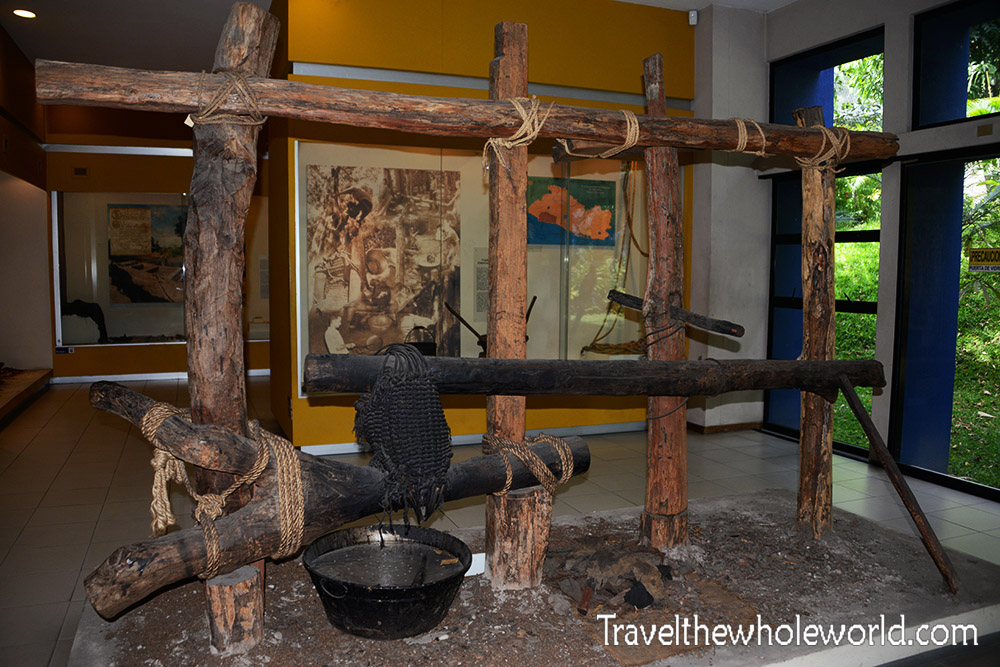
The museum has sections covering agriculture, migration, and everyday life. This exhibit included some of the tools and equipment historically used in Salvadoran agriculture. There were also plenty of ancient ceramics, adding to the huge collection of pots and pans I’d already seen at places like Joya de Cerén and Tazumal.
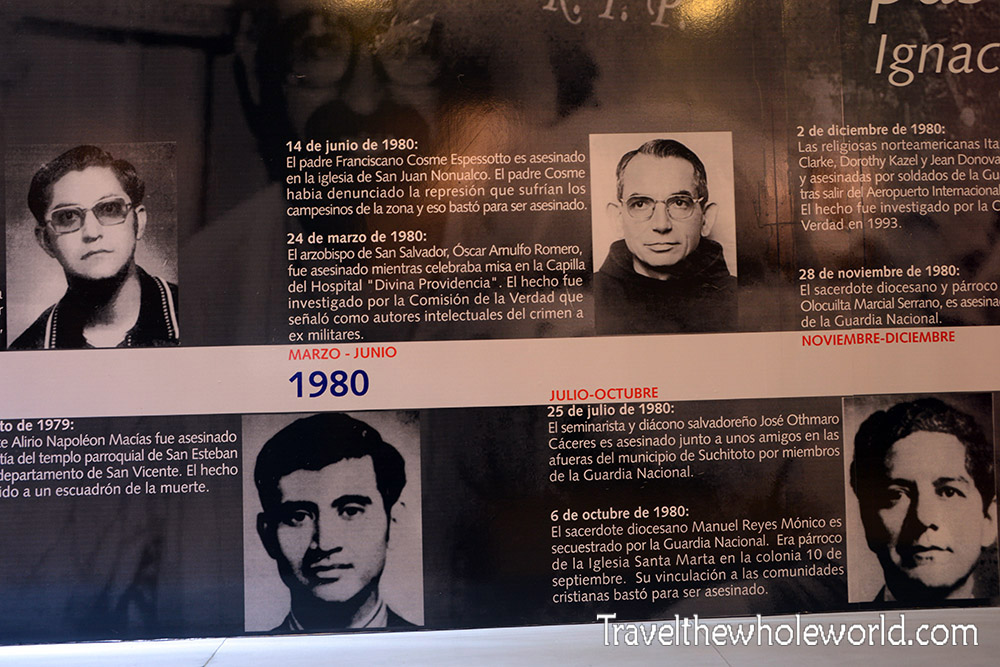
I was especially interested in learning about El Salvador’s civil war. The museum had extensive material on Romero and other religious figures who were assassinated during the conflict. This exhibit focused on some of those victims and the many people whose lives were lost during the war.
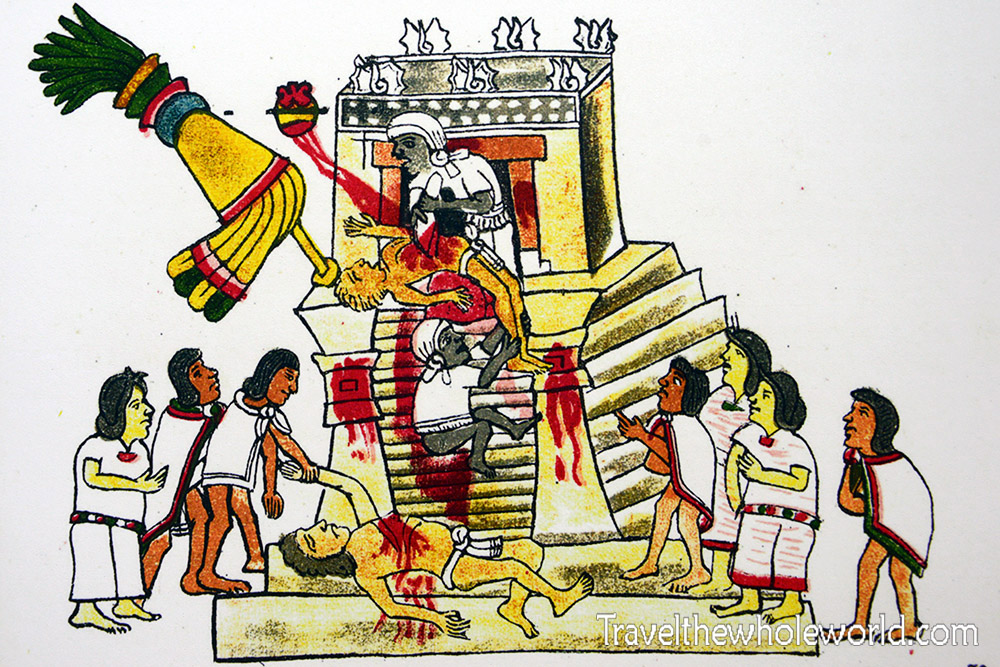
Another section of the museum covered Maya civilization. Like many ancient societies, Maya history included warfare, ritual bloodletting, and human sacrifice. This artwork depicts one of those religious ceremonies. At the same time, the museum also showed the much broader Maya culture through its agriculture, art, religion, architecture, and everyday objects.
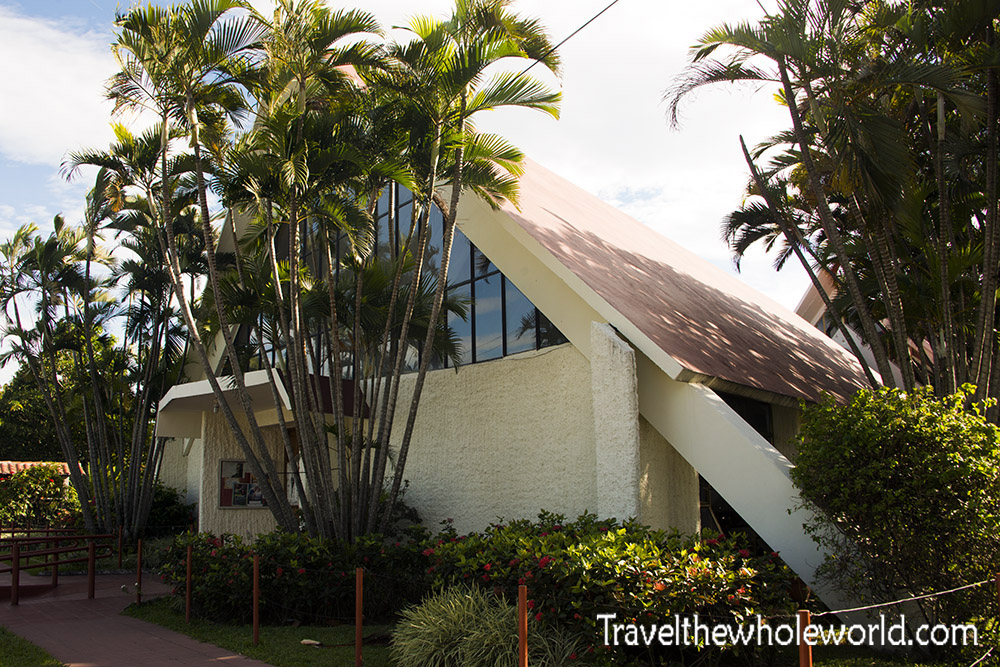
Second only to the national museum, I’d recommend visiting the chapel connected to Oscar Romero’s story. The chapel remains in use and is located beside the hospital where Romero lived and worked.
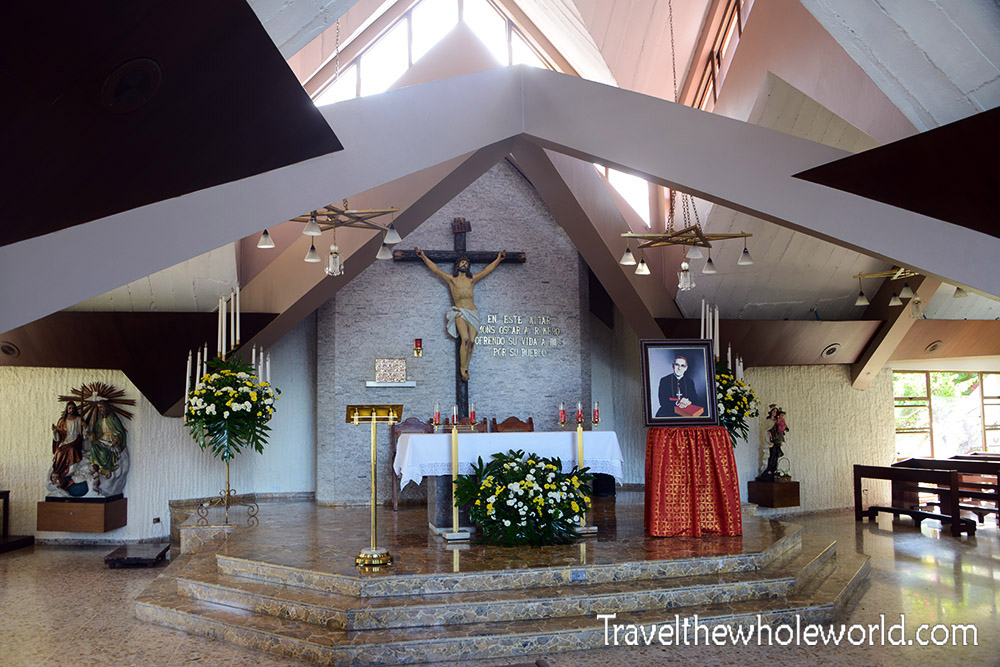
Romero was assassinated inside this chapel while celebrating Mass. Standing in the exact place where it happened made the history much more immediate than simply reading about it in a museum.
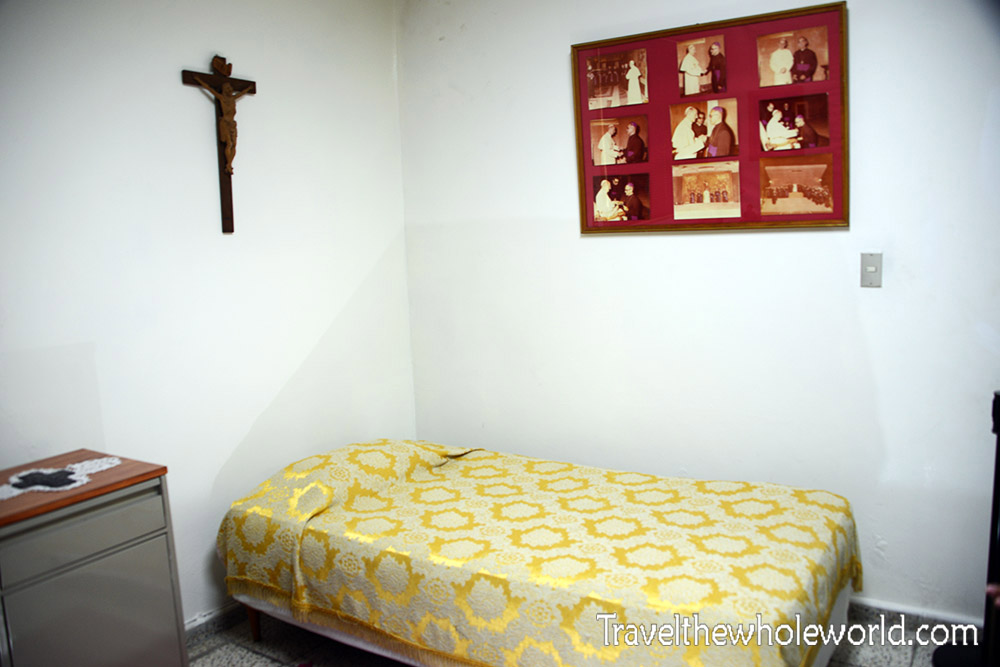
Romero lived in a humble residence beside the chapel that has since been preserved as a museum. His bedroom remains incredibly simple, especially considering the enormous importance he eventually came to have in Salvadoran history.
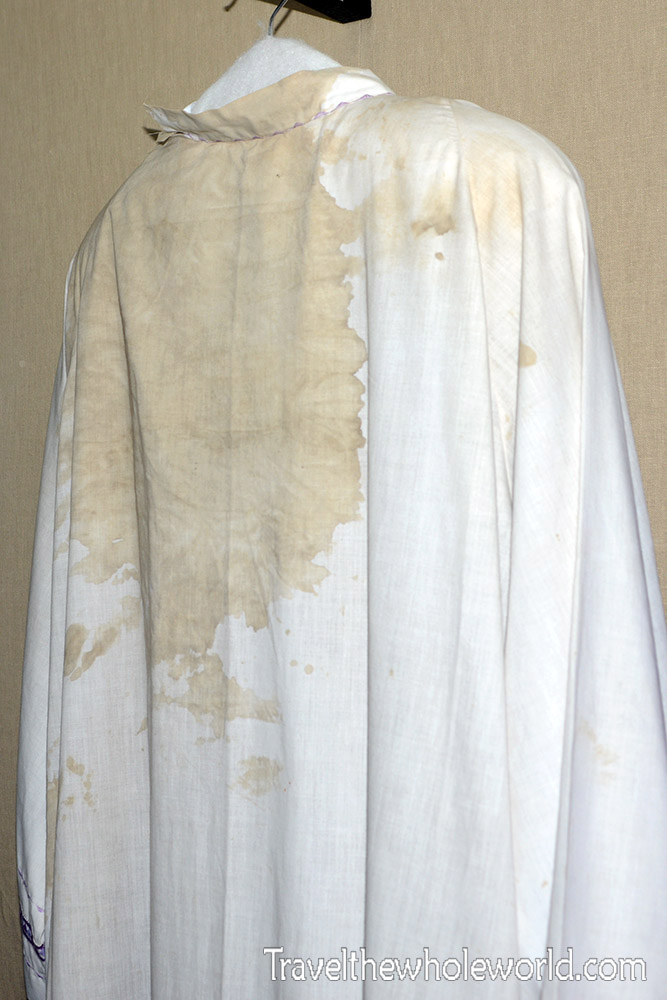
The museum contains photographs, personal belongings, and Romero’s car, but the most powerful display for me was the bloodstained clothing he was wearing when he died. I’ve visited museums and memorials around the world, but seeing something this personal made his story especially difficult to forget.
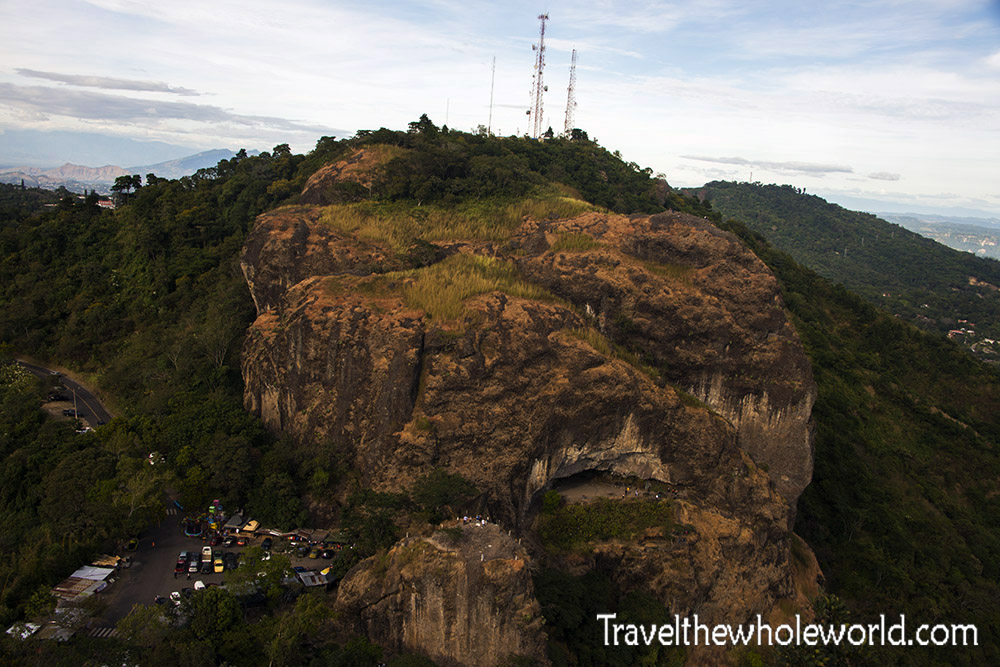
The chapel certainly isn’t the happiest place to visit in El Salvador, so for something completely different I headed outside the city to Puerta del Diablo. It’s a short trip from San Salvador and combines great views with some easy outdoor activities. The large rock formations are popular for hiking, climbing, and zip lining.
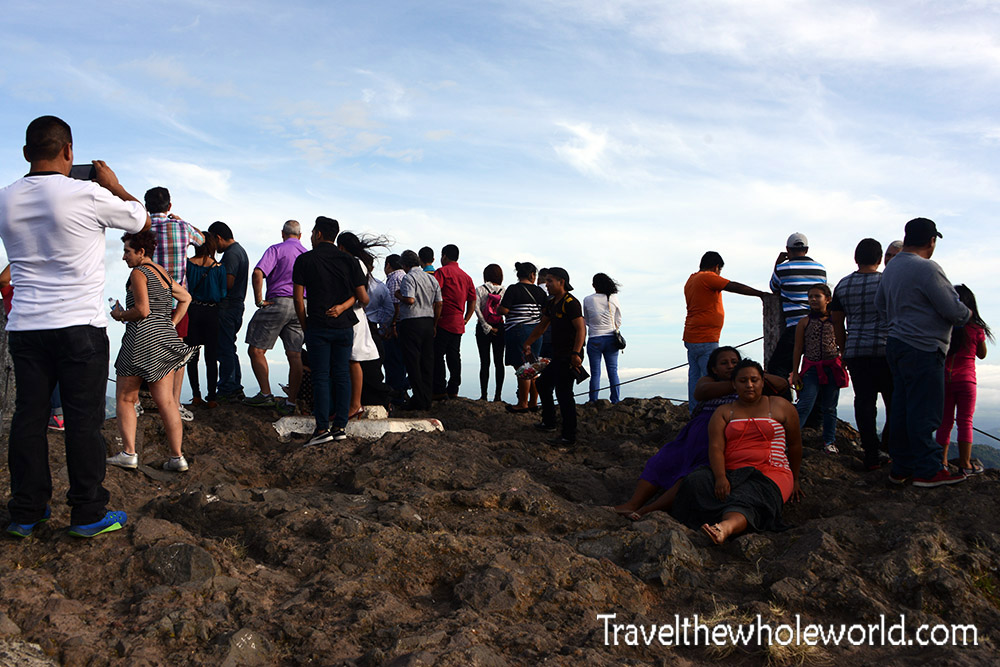
The hike to the lookout point is short but steep. I think it took me less than ten minutes to reach the top. It was clearly popular with locals, with families, couples, and groups of friends scattered around the viewpoints.
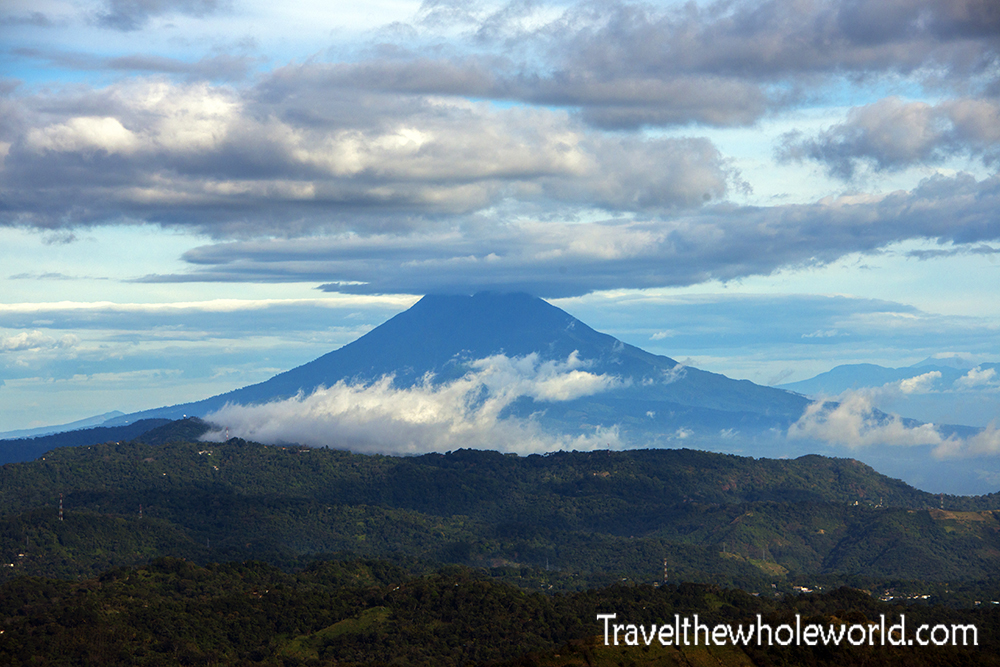
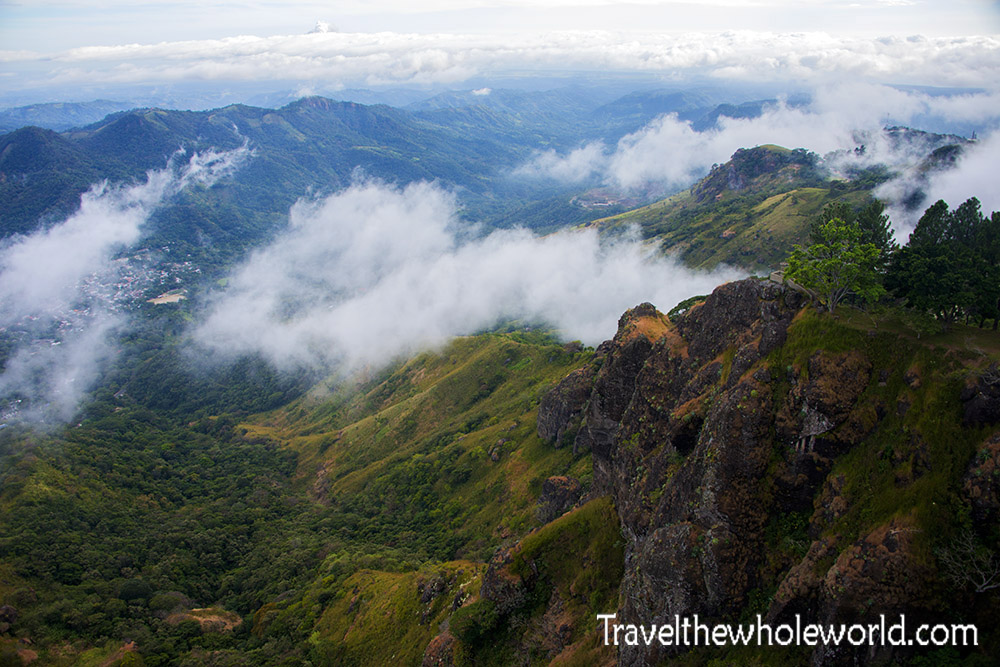
The views from Puerta del Diablo were some of the best I saw in the country. In one direction you can look toward San Salvador, while the opposite side opens toward mountains and volcanic scenery.
Between the historic center, museums, churches, markets, modern neighborhoods, and mountain scenery just outside the capital, San Salvador ended up being far more varied than I expected before visiting.