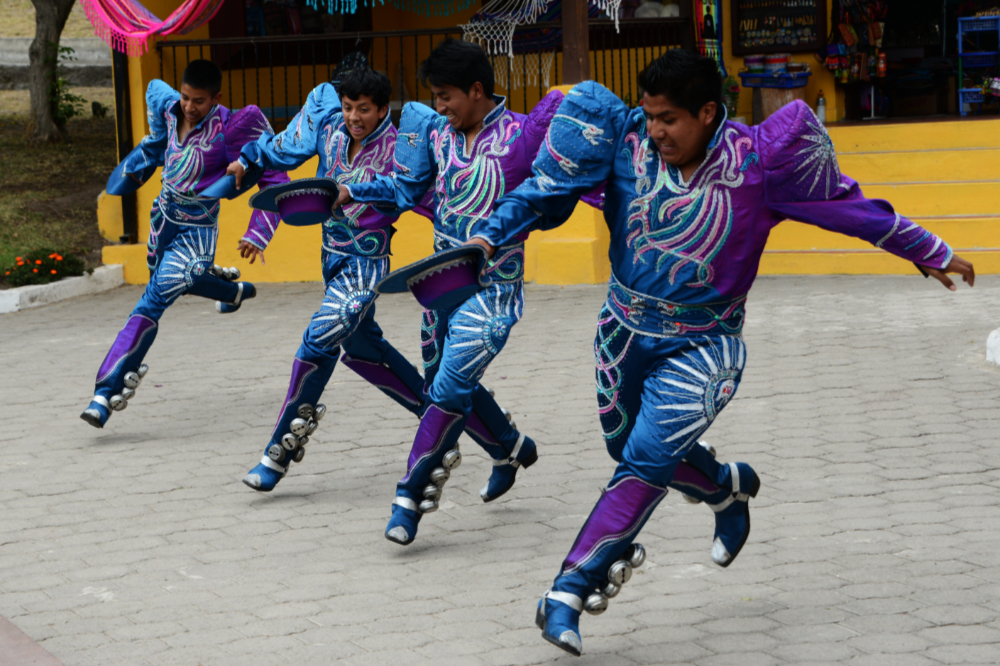
Ecuador may be one of South America’s smaller countries, but it is also one of its most geographically diverse. The Andes run through the heart of the country, creating spectacular opportunities for hiking and mountaineering. To the east lies the Amazon Basin, while the west descends toward tropical lowlands and the Pacific coast. Far offshore, the Galápagos Islands are home to some of the most extraordinary wildlife on Earth.
My travels through Ecuador took me from the historic streets of Quito to the high volcanic peaks of the Andes, the colorful markets of Otavalo, and the remarkable biodiversity of the country’s rainforests and islands. The landscapes, wildlife, and cultures change dramatically over relatively short distances. For its size, Ecuador offers an incredible variety of experiences, and it remains one of my favorite countries I’ve visited.
Explore Quito
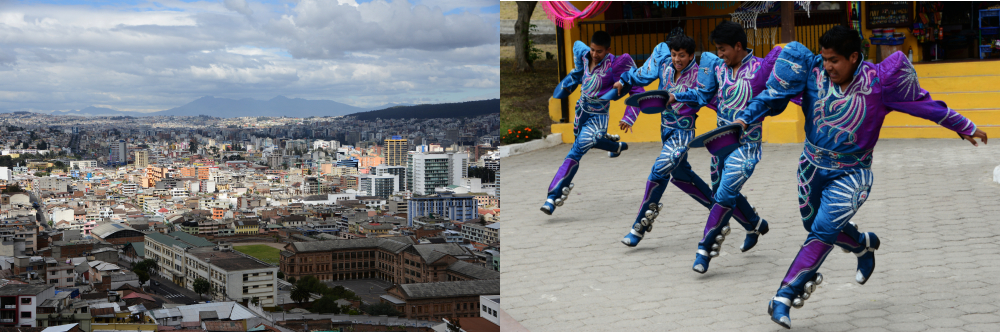
Located approximately 2,850 meters (9,350 feet) above sea level, Quito is one of the world’s highest national capitals. Its position in the Andes gives it a mild, often cool climate despite being situated almost directly on the equator.
Quito is particularly famous for its remarkably preserved historic center, which was among the first places designated a UNESCO World Heritage Site in 1978. Colonial churches, plazas, and narrow streets reveal centuries of architectural and cultural history. Beyond the old town, visitors can explore the lively La Mariscal district, enjoy sweeping views from the surrounding hills, and visit attractions marking the equator north of the city.
Explore Cotopaxi
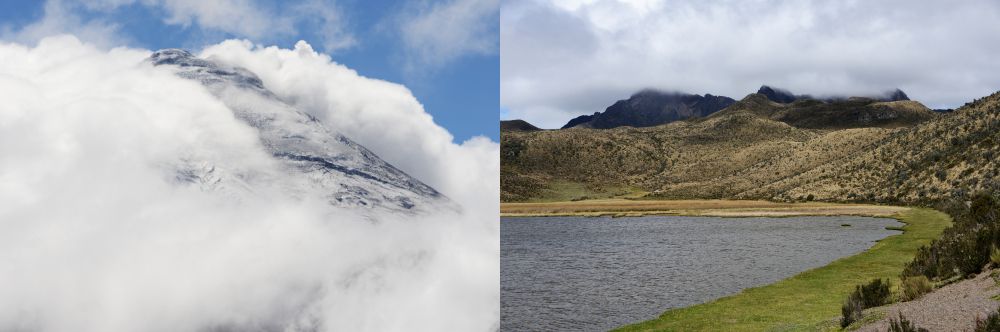
Rising to approximately 5,897 meters (19,347 feet), Cotopaxi is one of the world’s highest active volcanoes and one of Ecuador’s most recognizable natural landmarks. Its nearly symmetrical, snow-covered cone dominates the surrounding Andean landscape and can be seen from great distances on clear days.
Cotopaxi National Park protects a vast area of high-altitude grasslands, volcanic terrain, and mountain ecosystems. Visitors can explore hiking trails, observe wildlife such as wild horses and Andean birds, and experience the dramatic scenery of the páramo. The volcano is also a popular mountaineering objective, although summit access depends on volcanic activity, weather, and glacier conditions.
Explore Illiniza Refuge
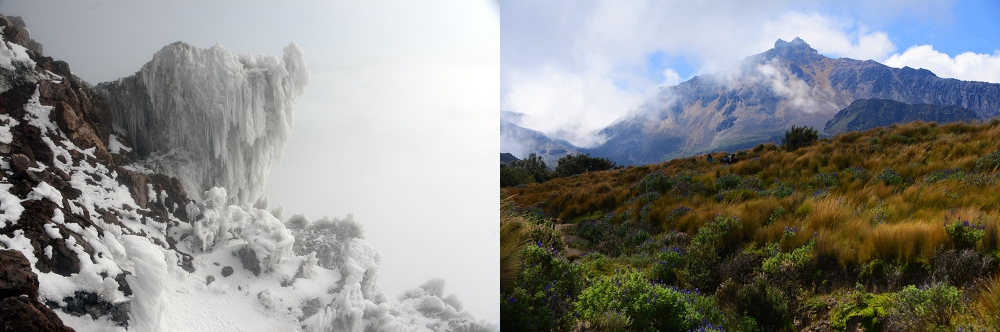
The Illinizas are a pair of dramatic mountain summits southwest of Quito, consisting of Illiniza Norte and the higher, more technical Illiniza Sur. Rising above the surrounding Andean grasslands, these peaks offer some of Ecuador’s most impressive high-altitude scenery.
The Illiniza Refuge, situated between the two summits at approximately 4,700 meters (15,400 feet), serves as a base for climbers and hikers exploring the mountains. Illiniza Norte is a popular scrambling and acclimatization objective, while Illiniza Sur presents a more serious alpine climb involving steep snow and ice when conditions permit. The surrounding reserve offers opportunities to experience Ecuador’s rugged volcanic landscapes away from the country’s busiest tourist destinations.
Explore Otavalo
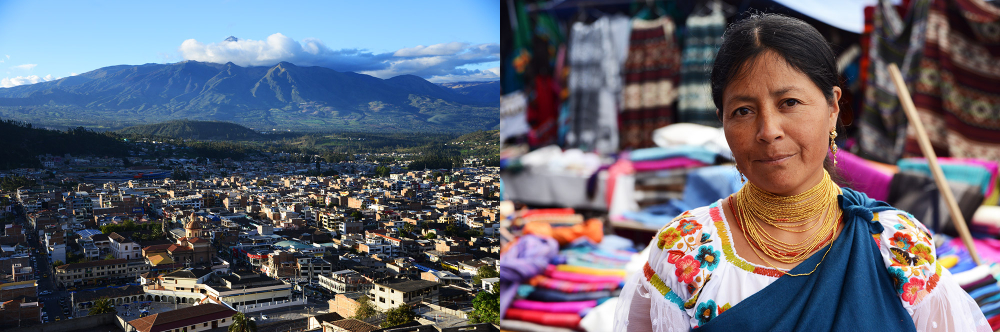
Otavalo is a highland town north of Quito, internationally known for its Indigenous Kichwa culture and traditional markets. Its famous Plaza de los Ponchos is filled with colorful textiles, clothing, handicrafts, and other goods, making it one of Ecuador’s best-known cultural destinations.
Beyond the market, the surrounding region offers beautiful mountain scenery, traditional communities, and numerous opportunities for outdoor exploration. Nearby attractions include Lake San Pablo, the volcanic landscapes of Imbabura, and the waterfalls and trails around Peguche. Otavalo combines Andean culture with access to some of northern Ecuador’s most attractive natural landscapes.
Explore the Cloud Forests
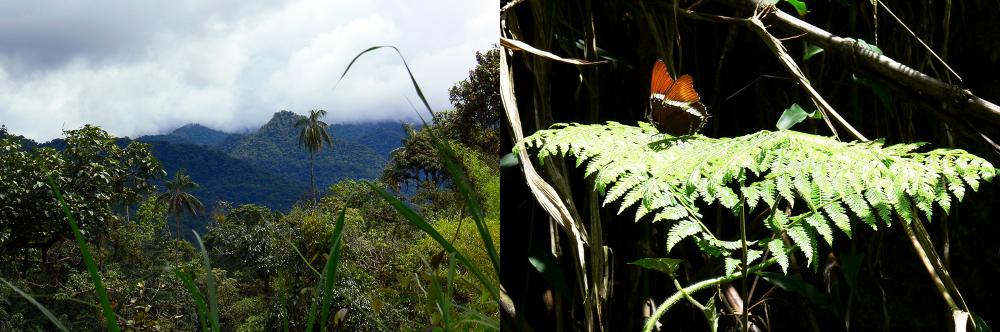
Ecuador’s cloud forests are among the country’s richest natural environments, covering humid mountain slopes where clouds and mist frequently envelop the vegetation. These forests support extraordinary biodiversity, with countless orchids, bromeliads, mosses, and other plants thriving in the consistently moist conditions.
Rapid changes in elevation create different habitats over short distances, allowing wildlife and vegetation to vary dramatically during a single hike. The cloud forests northwest of Quito, particularly around Mindo, are internationally recognized for birdwatching, with hummingbirds, toucans, tanagers, and many other species. Hiking, waterfalls, and wildlife observation make these forests a rewarding contrast to the high mountains and lowland rainforest.
Explore the Amazon
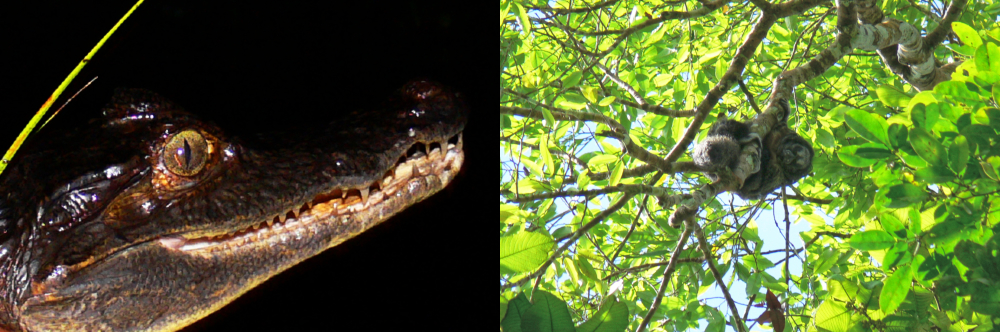
Eastern Ecuador extends into the Amazon Basin, one of the most biologically diverse regions on Earth. Its tropical rainforests, winding rivers, and remote wetlands provide habitat for an enormous variety of birds, monkeys, reptiles, amphibians, and other wildlife.
Protected areas such as Yasuní National Park and the Cuyabeno Wildlife Reserve offer opportunities to explore the rainforest through guided walks, canoe excursions, and stays at remote lodges. Some destinations are accessible only by boat, providing an experience far removed from Ecuador’s major cities. The region is also home to numerous Indigenous communities whose histories, cultures, and relationships with the rainforest remain central to the Amazon’s identity.
Explore the Galápagos Islands
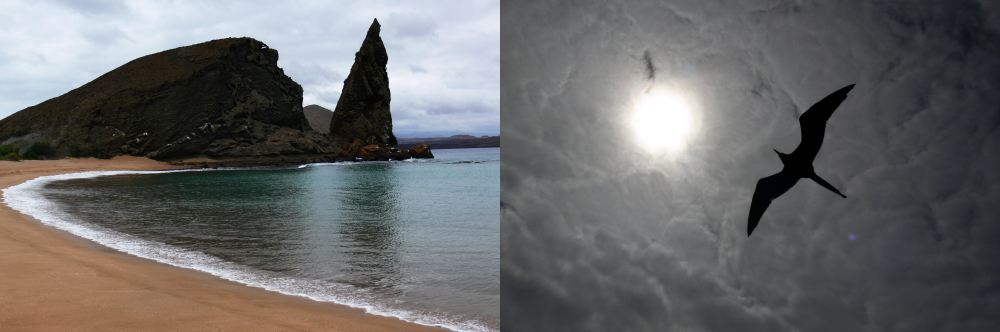
Located roughly 1,000 kilometers (620 miles) west of mainland Ecuador, the Galápagos Islands are among the world’s most remarkable wildlife destinations. The volcanic archipelago is famous for its unusually approachable animals and the important role its wildlife played in Charles Darwin’s thinking about evolution by natural selection.
Many of the islands’ species are found nowhere else on Earth, including marine iguanas, Galápagos giant tortoises, and several species of Darwin’s finches. Visitors can encounter sea lions, blue-footed boobies, penguins, and an extraordinary variety of marine life. Snorkeling, scuba diving, wildlife excursions, and walks across volcanic landscapes make the Galápagos one of Ecuador’s most distinctive destinations.