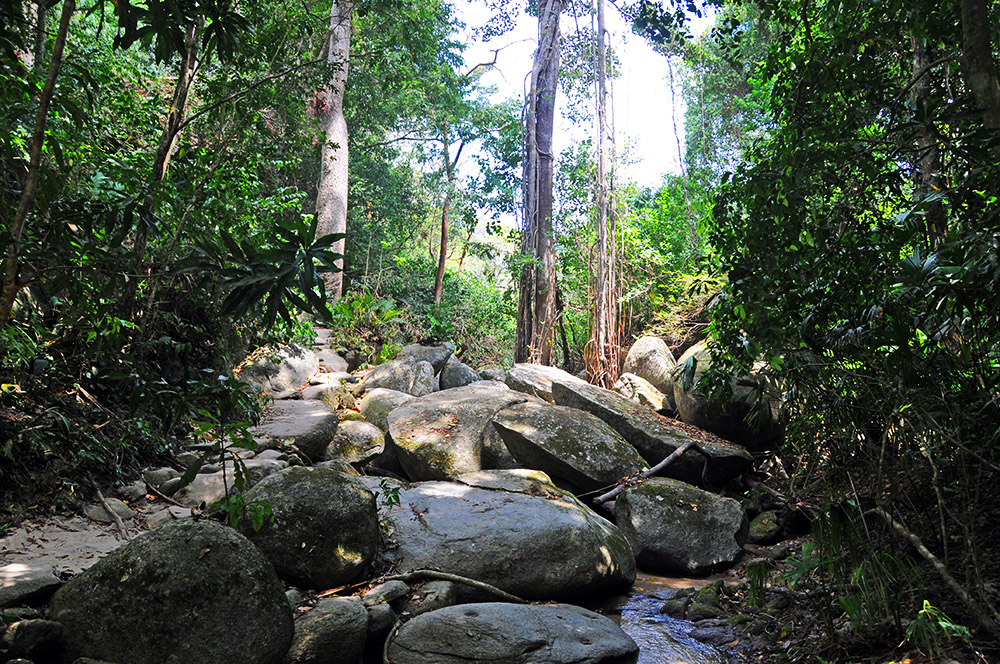
Colombia’s Tayrona National Park lies along its northern Caribbean coast. Full of jungle, beaches, wildlife, and ancient indigenous sites, Tayrona is one of the best natural places I’ve visited in the country. What I liked most was being able to enter the jungle on trails that made me feel completely lost in the wilderness, only to suddenly emerge along the beautiful Caribbean coast a few hours later. The photo above was one of the first I took as I entered the jungle.
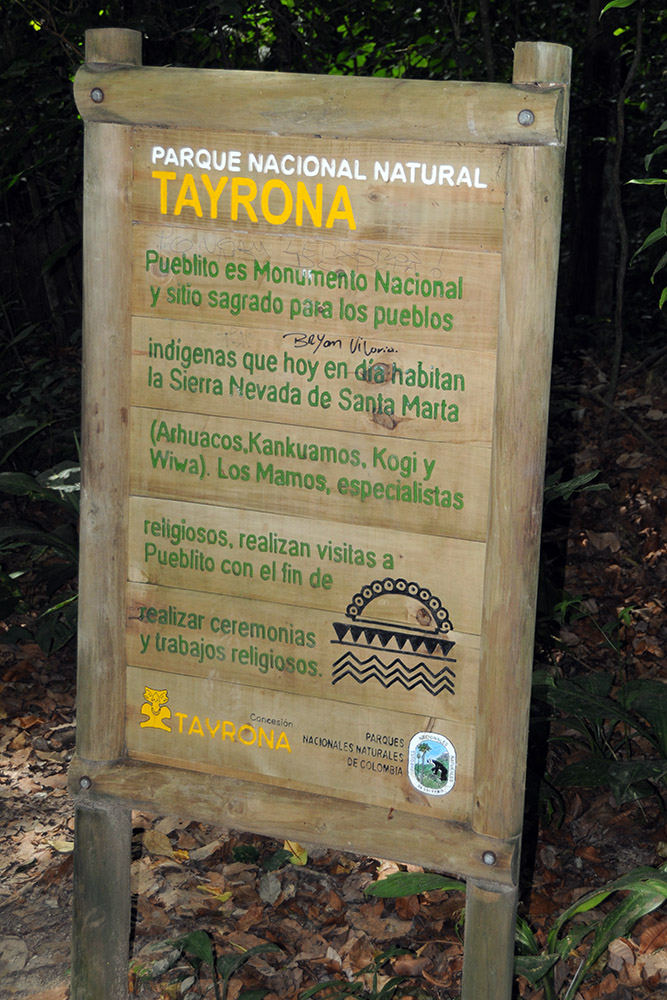
Above is a sign near the beginning of my hike through Tayrona. It describes different aspects of the park, including the indigenous peoples of the region such as the Arhuaco, Kankuamo, Kogi, and Wiwa.
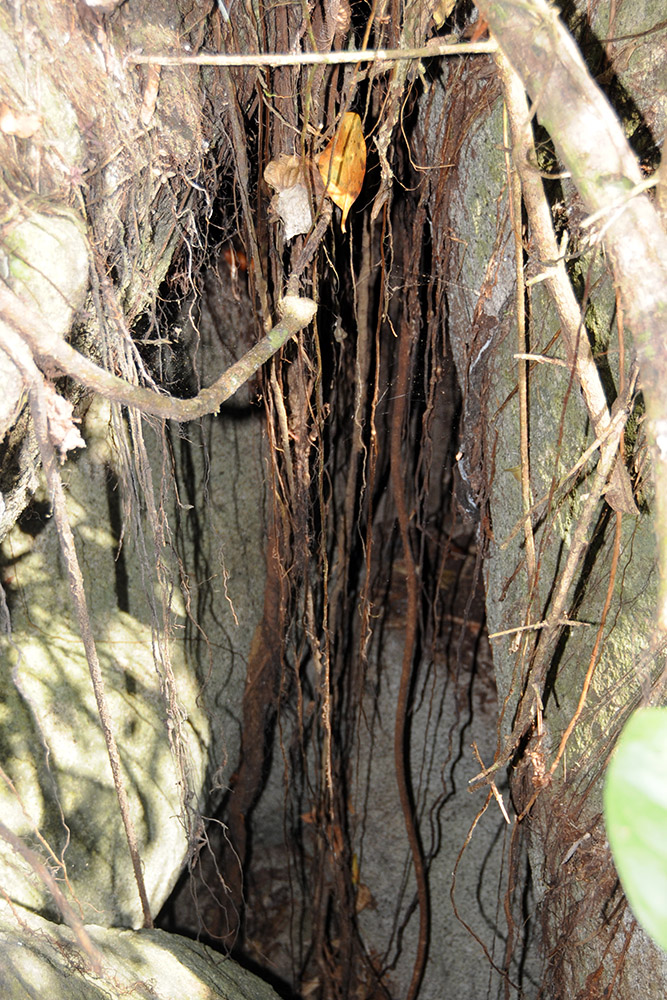
The trail through the jungle isn’t a flat dirt path. It winds over fallen trees and climbs up and down steep terrain. Some sections are almost a scramble, with large holes in the ground like this one above. There are certainly a few places where one wrong step could mean a twisted ankle or worse.
Indigenous Communities of Tayrona
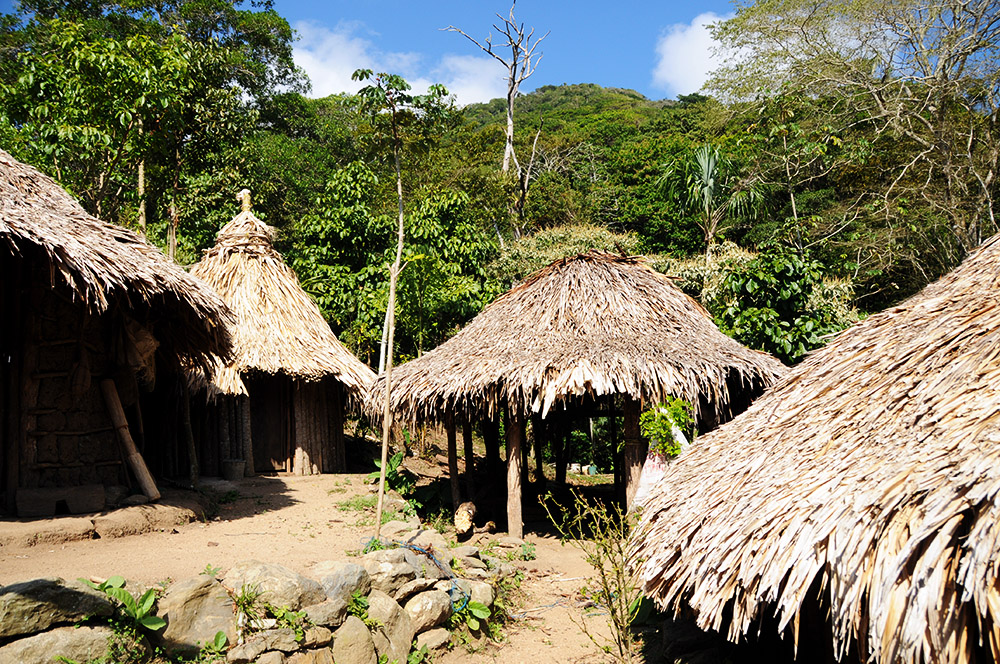
During my hike through the jungle, I visited a small Kogi settlement. The community was accustomed to travelers passing through, and some people were selling souvenirs to visitors. I decided not to take or post photographs of the people themselves, but I did photograph some of the traditional huts. The indigenous communities of the Sierra Nevada de Santa Marta have lived throughout these mountains for centuries, including in areas much farther from the heavily traveled coastal trails.
Pueblito
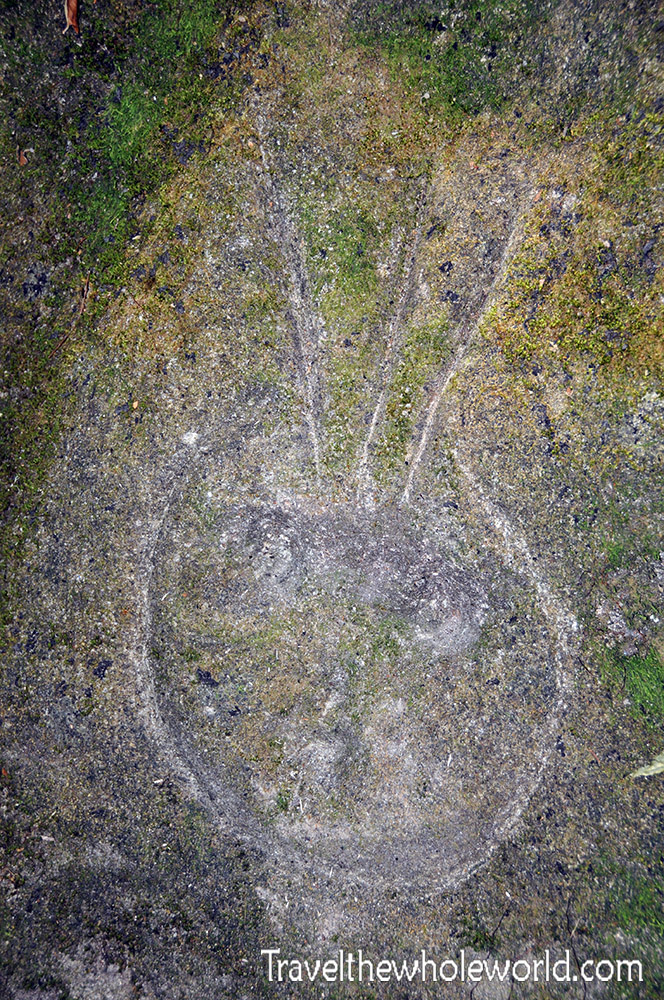
My main reason for choosing this hike was to reach the remains of Pueblito, an ancient indigenous settlement hidden within the jungle. Originally I had planned to visit Ciudad Perdida, or the Lost City, which is believed to be more than 1,000 years old. Reaching the Lost City requires a multi-day trek, so I eventually changed plans because I wanted more time along the coast.
Pueblito offered a much shorter alternative and gave me a chance to see the remains of another ancient settlement. Above was my first sign that I was approaching the site, an animal carving left behind in the rock.

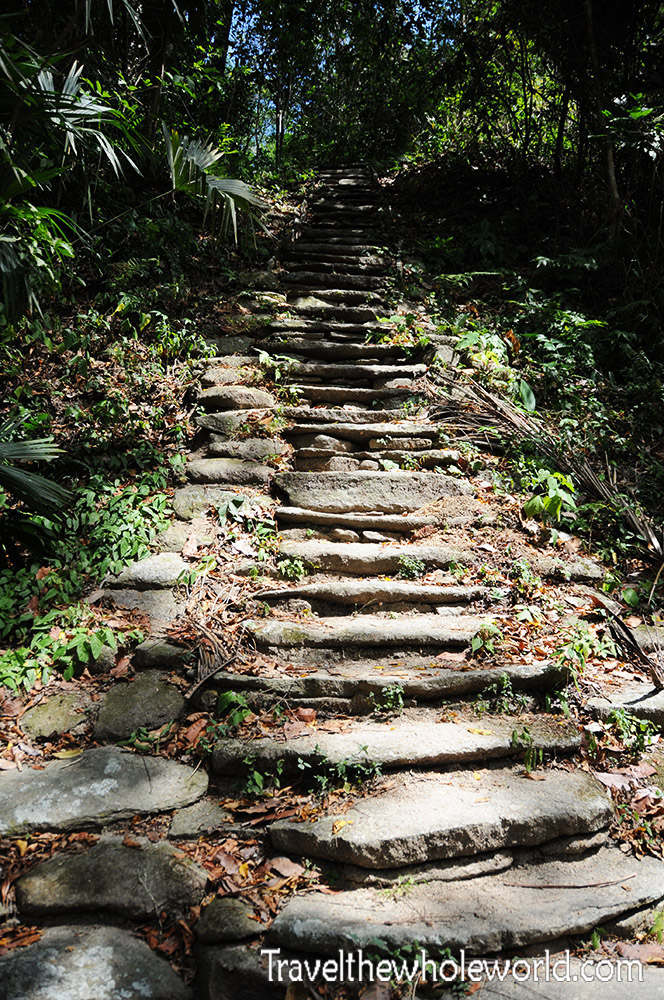
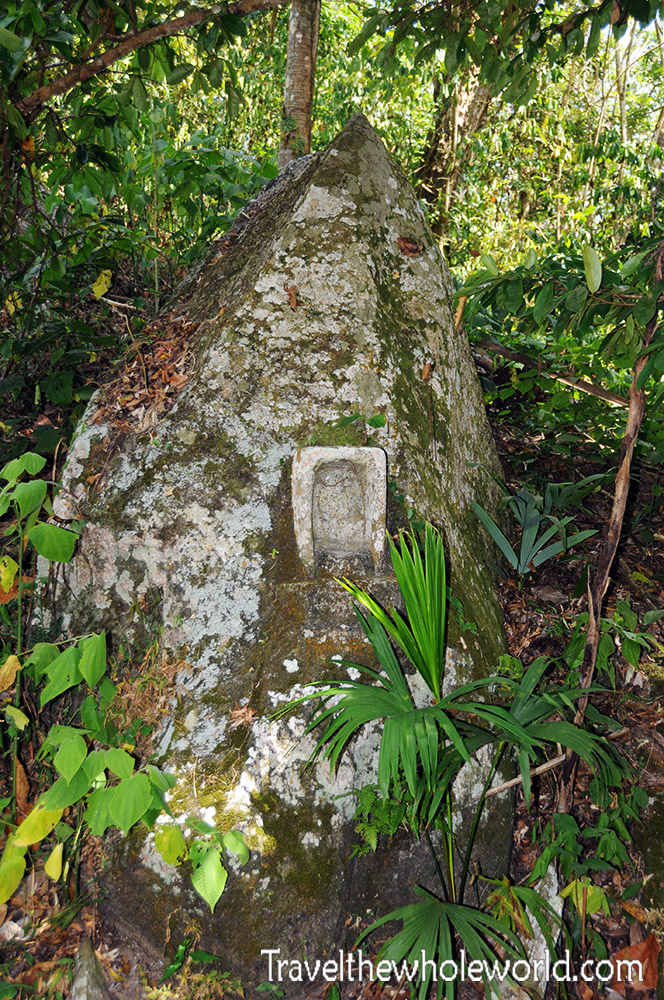
Above are some of the remains of Pueblito, including a long set of ancient stone stairs through the jungle. Other parts of the settlement included walkways and terraces where structures once stood. I also came across a large boulder with a section carved into it that was apparently used to hold sacred objects.
Reaching the Caribbean Coast

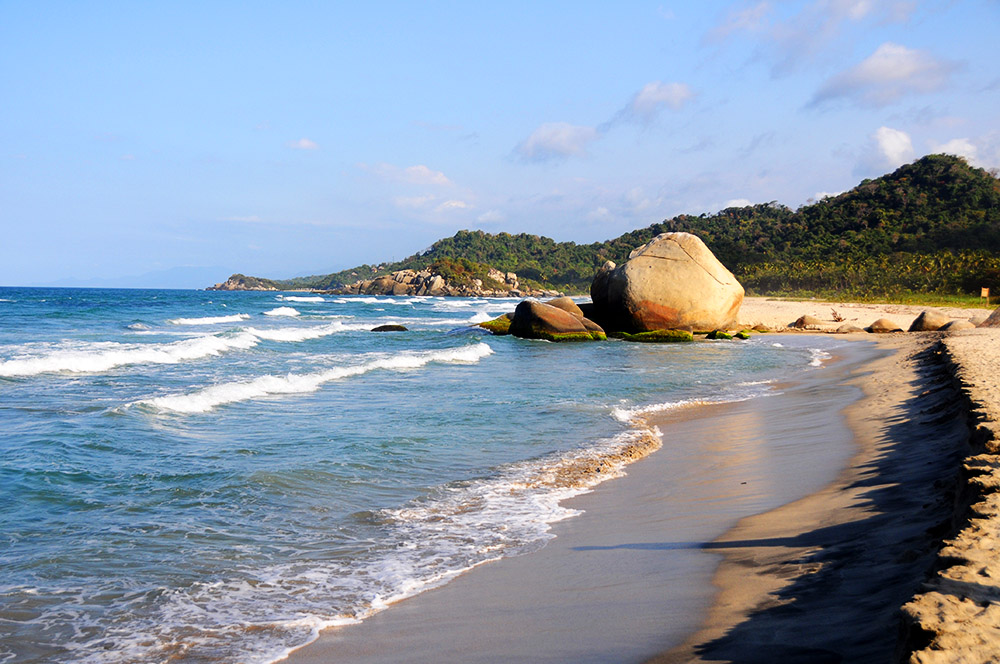
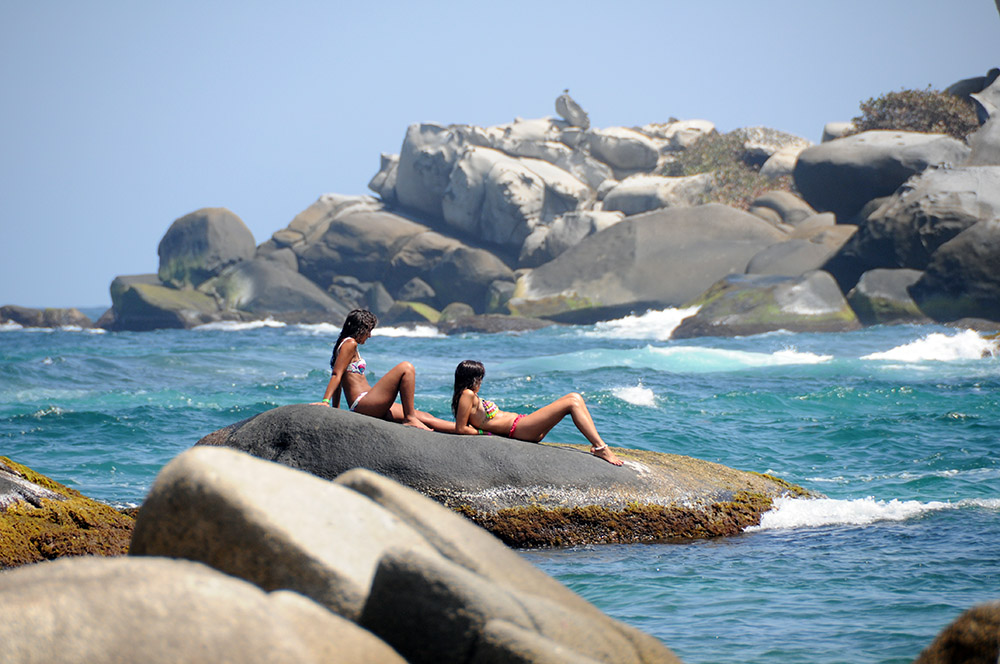
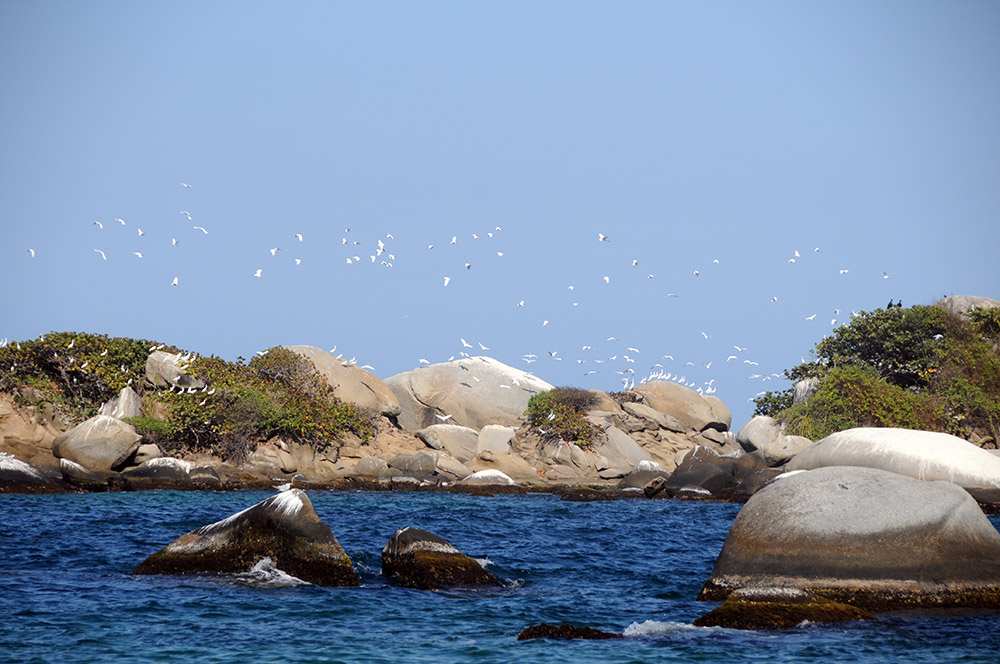
After Pueblito, I had some more challenging hiking before the jungle finally opened up to the beach. Here I came across some of the most beautiful coastline I had ever seen. This part of the coast was accessible by boat or through the jungle trails, which made arriving after hours of hiking even better.
Despite being hours from the nearest road, there were a few bungalow restaurants and campsites with travelers spending the night. The beaches extend for miles, though, so walking another 20 minutes or so was enough to find much quieter stretches of coastline.
I went swimming, although the water was surprisingly cold. Afterward, I walked along the beach for more than an hour enjoying perfect weather and completely new scenery. A trail following the coast eventually led me back toward civilization, where I shared the route with other travelers, local Colombians, and even people on horseback.
Wildlife in Tayrona
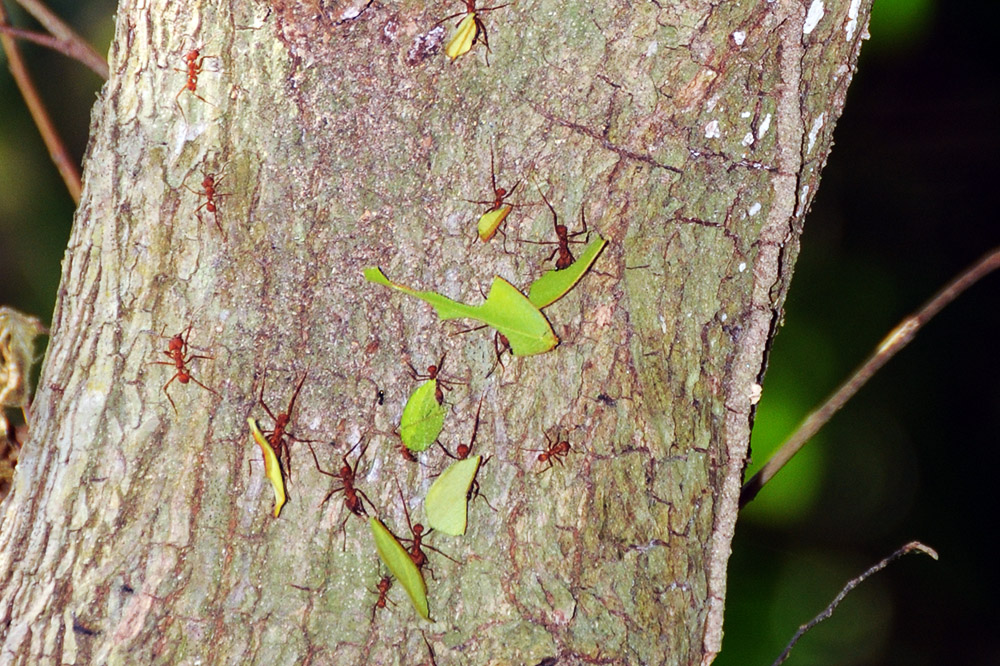
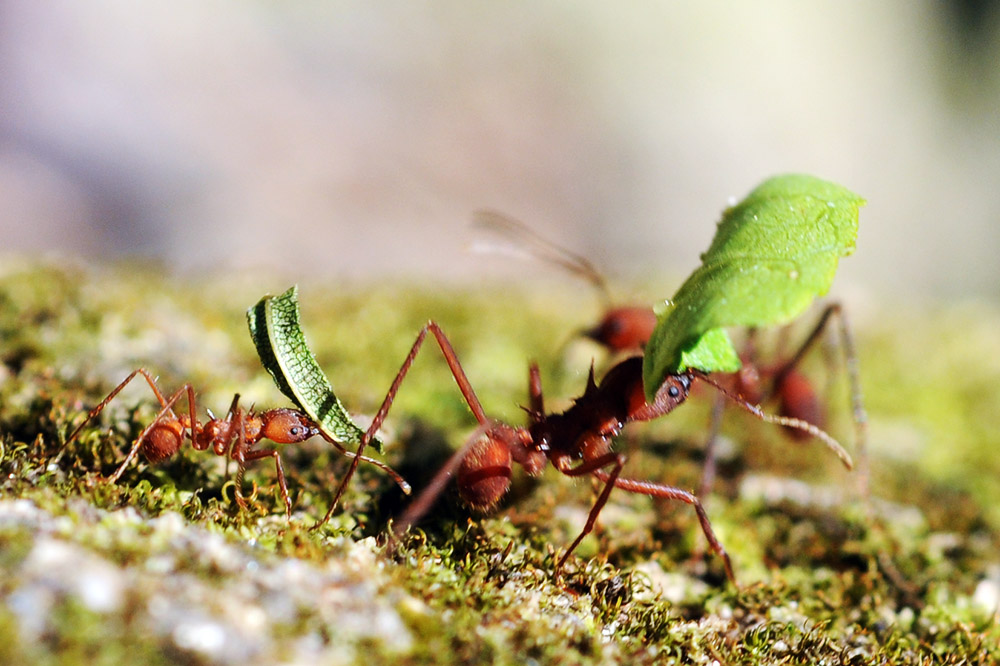
I’d seen leafcutter ants on a previous trip to South America, but that was during my pre-photography days when I didn’t have a camera and knew very little about them. What fascinates me about leafcutter ants is that they’re essentially farmers. They cut pieces of leaves and carry them underground, where the plant material is used to cultivate the fungus that feeds the colony.
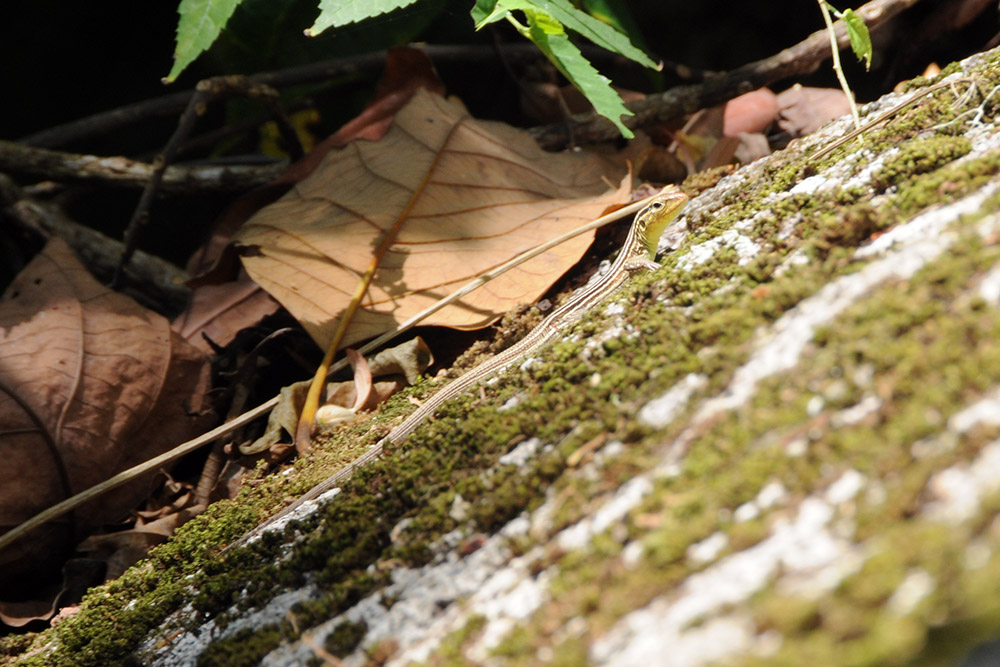
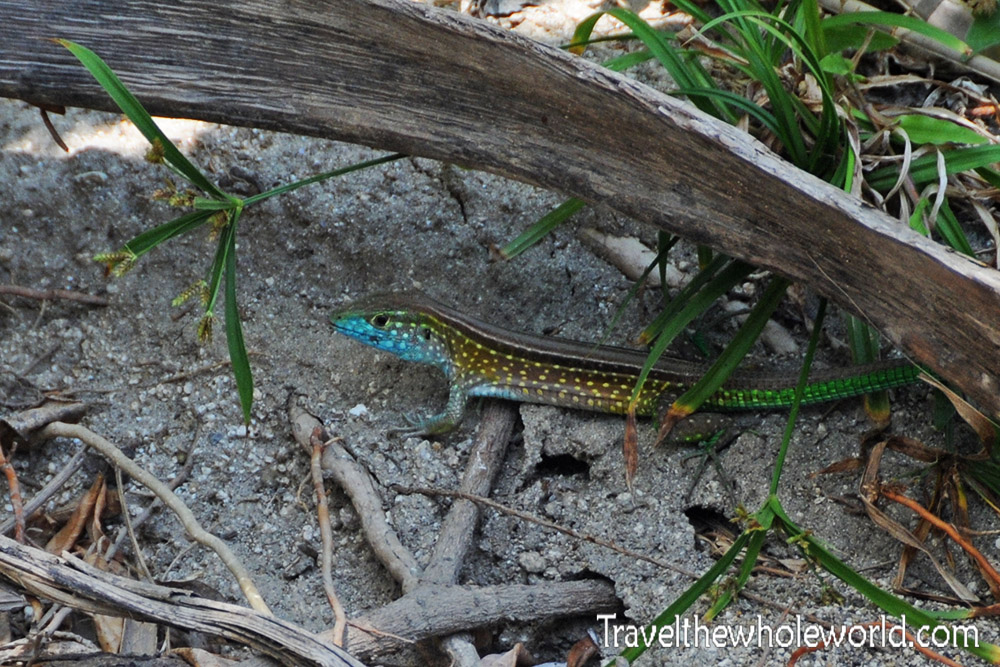
I saw the smaller species of lizard many times during my hike. These guys were fast, constantly darting away and making them difficult to photograph. The more colorful lizard I only saw as I neared the coast. The smaller lizards were maybe three or four inches long, while the larger one was closer to a foot.
The wildlife I could see wasn’t what bothered me during the hike. Instead, I was attacked by a swarm of tiny biting flies that left sores that itched much worse than mosquito bites. It was difficult to sleep that night because I itched and burned all over.
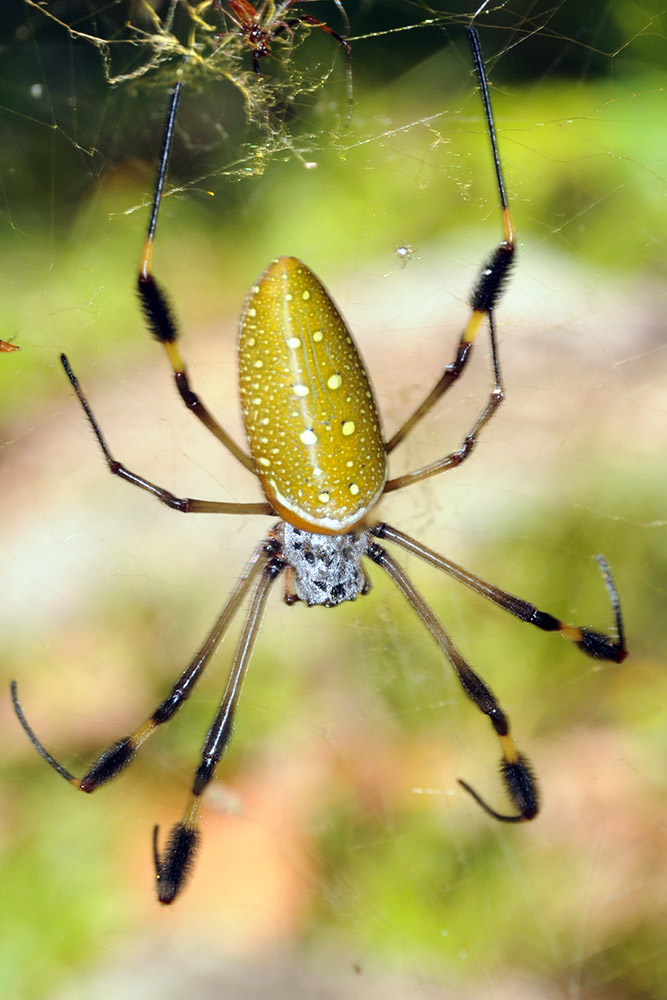
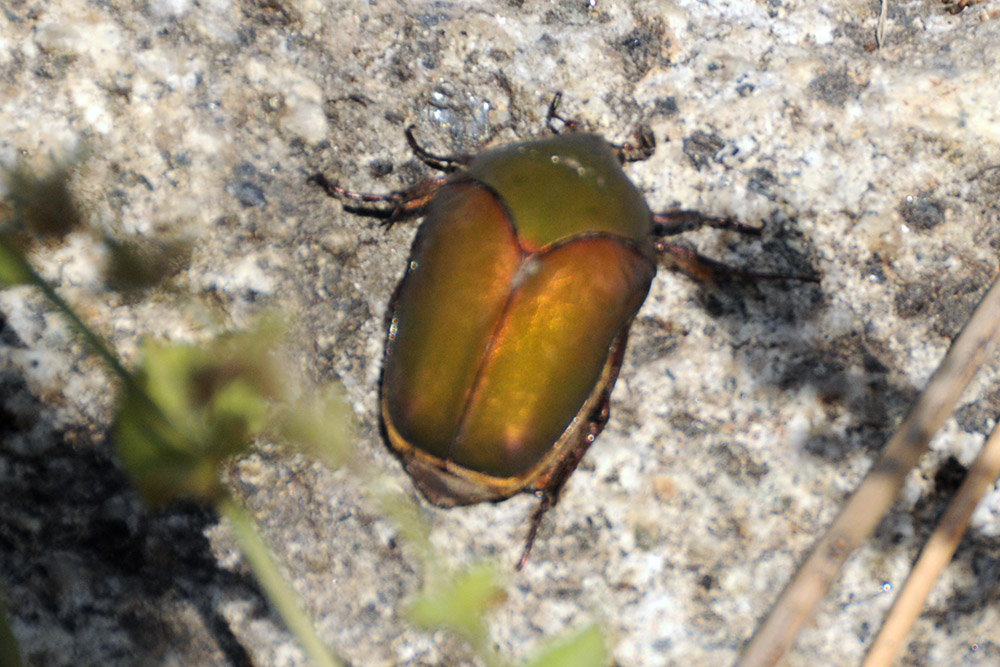
These larger bugs didn’t bother me nearly as much since I could actually see them. I wasn’t sure what species of spider this was, although I’d seen similar ones during other travels. The beetle was harmless enough that I even picked it up for a while before sending it back on its mission in life.
Food Growing in the Jungle
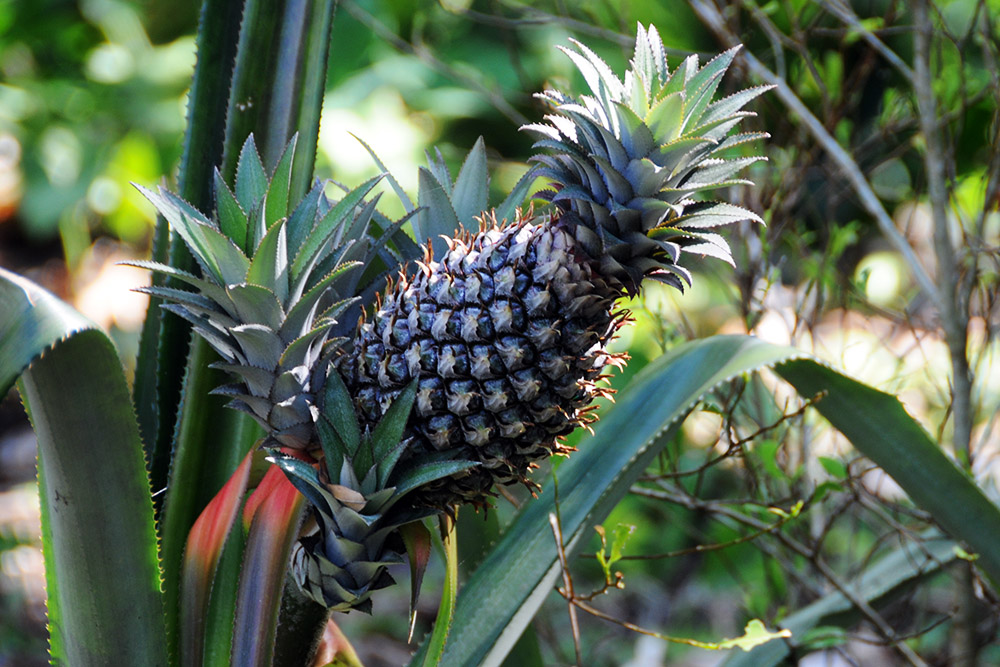
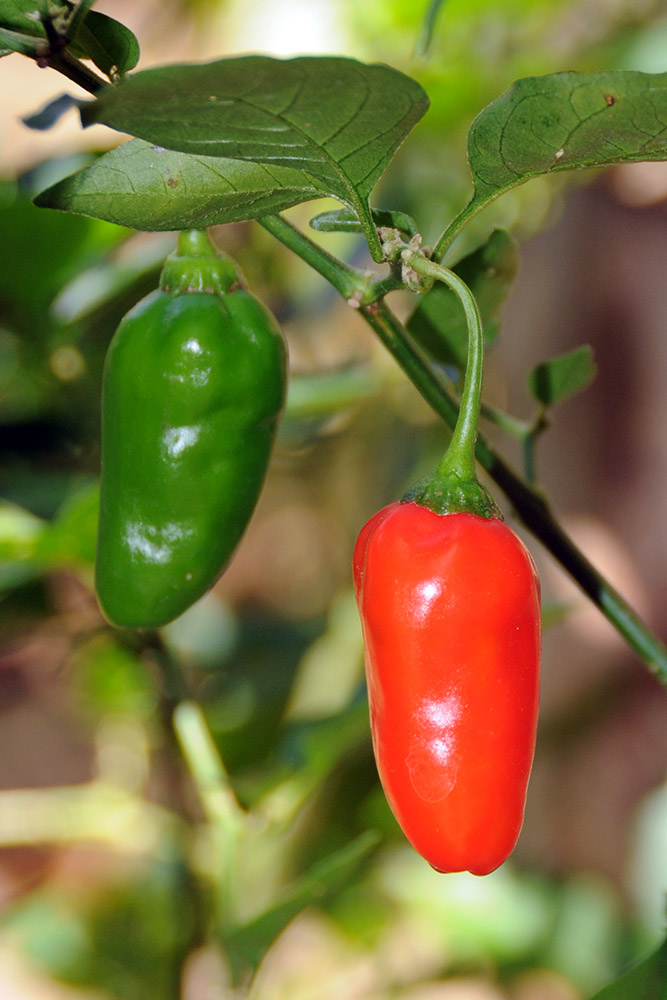
Nothing is better than hiking through the jungle and finding food you’d normally buy at the supermarket growing in its natural environment. Above are a pineapple and some hot peppers I came across along the way. For some reason, I had always thought pineapples grew on large trees. You learn something new every day on the road!
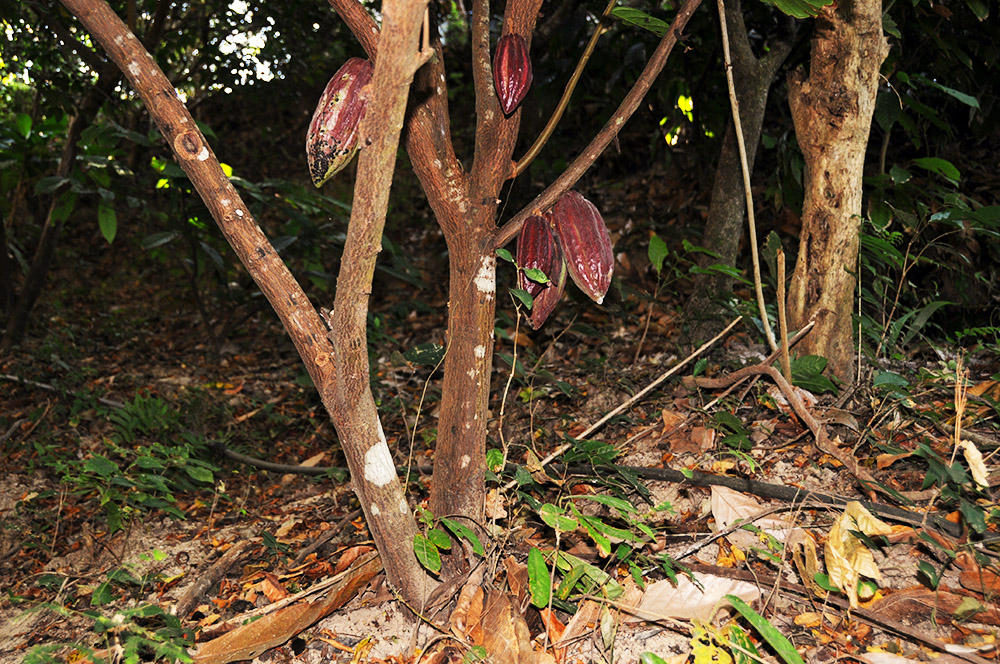
The one that really stood out to me was cacao. After a lifetime of eating chocolate, it was incredibly cool to finally see the plant it comes from growing here in the tropical environment where cacao naturally thrives. It also made me think about how much this one plant has changed the world. Cacao was used by Indigenous peoples of the Americas long before Europeans arrived, and over the centuries it became the foundation of chocolate and a global crop consumed by billions of people. Seeing a cacao pod growing in the jungle made something I had known my entire life suddenly feel much more real.
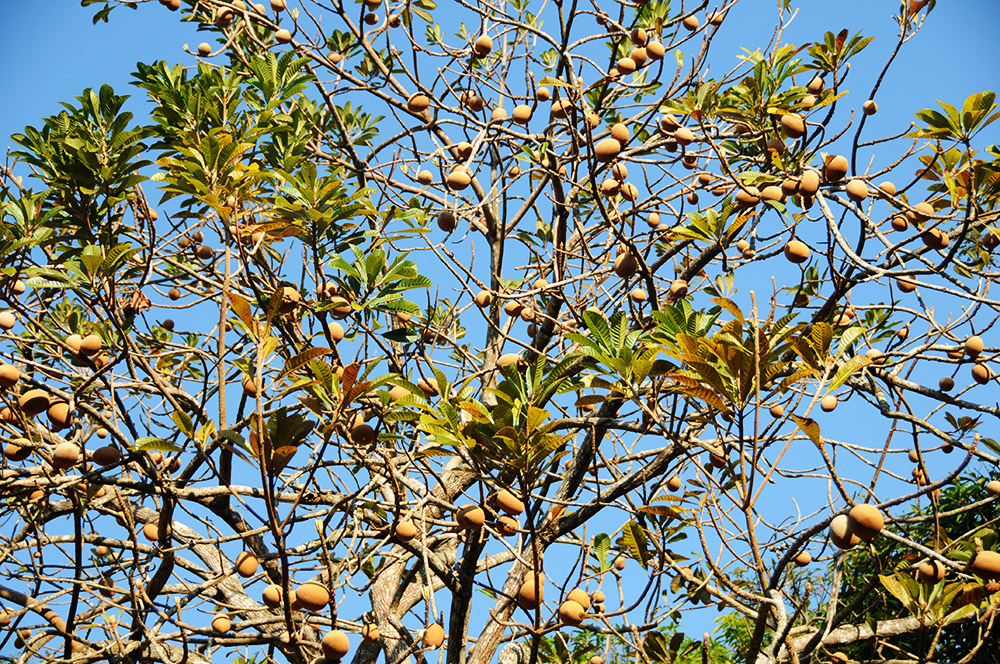
I also came across this fig tree. Like the cacao, it was interesting to see such a familiar food growing as part of the landscape rather than packaged in a store. Finding plants like these along the trail was another reminder of how many everyday foods begin in environments that can feel completely removed from the way most of us encounter them.
Explore More of Colombia
Bogota • Cartagena • Santa Marta • Tayrona National Park • Zipaquira