China had been on my list of places to visit ever since I became serious about traveling. After so many trips focused on miserably cold mountain climbs or trying to visit some of the most dangerous countries in the world, China felt almost like a vacation from my vacations.
Ironically, the main reason I came to China in the first place was because I needed to travel through Beijing on my way to North Korea. After returning from North Korea, I had plenty of time to start exploring China itself.
I found China surprisingly easy to backpack through, the people friendly, and the number of places to visit almost endless. After some of my previous trips, I’d nearly forgotten what it was like traveling somewhere with a well-developed tourism and transportation network.
China is nearly the size of the United States and contains an enormous range of landscapes, cultures, cities, and historical sites. Its long succession of kingdoms and dynasties also left behind some of the most impressive historical monuments I’ve seen anywhere.
On this trip I explored Beijing, walked along the Great Wall, visited Xi’an, climbed Mount Huashan, and saw some of the wildlife native to the Qinling Mountains. I also later traveled through Tibet and climbed Mount Everest from the Tibetan side. There is still an enormous amount of China I’d like to see, especially the mountains, forests, and tropical regions farther south and west.
Beijing
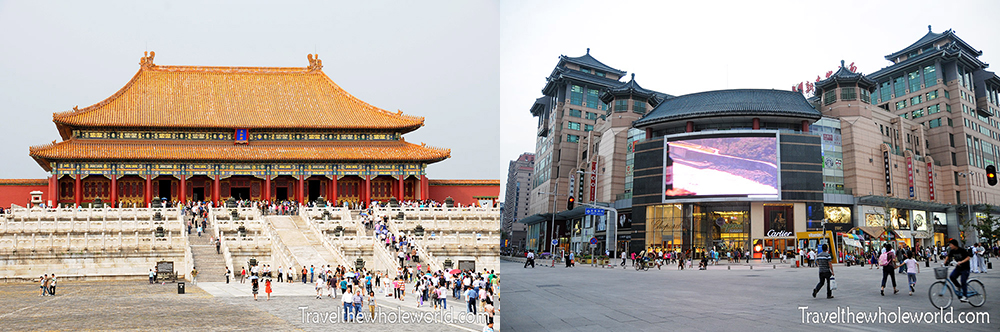
Beijing is both China’s capital and one of its great historical centers. The city’s recorded history stretches back more than 3,000 years, although Beijing did not become the capital of all China until the Yuan dynasty under Kublai Khan. It remained the country’s political center through most of the Ming and Qing dynasties and again became the national capital in 1949.
Some of Beijing’s most famous sites include the Forbidden City, Tiananmen Square, and the Temple of Heaven. Beyond the historic center, Beijing is an enormous modern metropolis with neighborhoods and districts stretching far beyond the parts most visitors ever see.
Xi’an
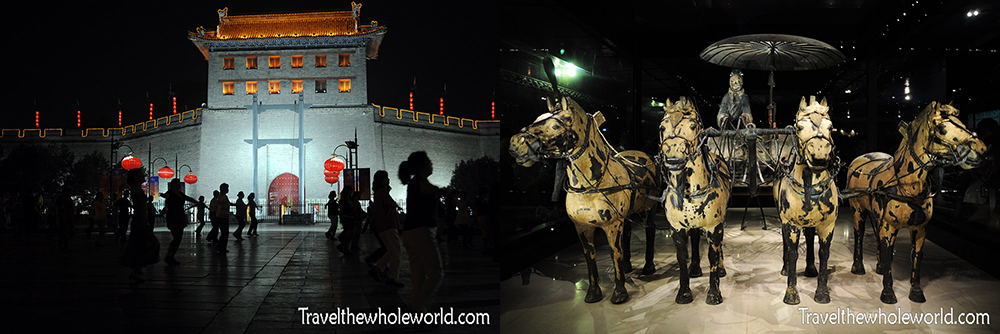
Xi’an has more than 3,000 years of history and served as the capital of several major Chinese dynasties under earlier names, including Chang’an. For anyone interested in Chinese history, it is one of the most fascinating cities in the country.
One of the best ways I found to explore Xi’an was by bicycle. The old city is still surrounded by its massive Ming-era wall, which is considered the largest and best-preserved ancient city wall in China. The city also contains historic temples, pagodas, the Great Mosque, and layers of architecture from completely different periods of Chinese history.
Just outside Xi’an is its most famous archaeological treasure: the Terracotta Army. Thousands of life-size clay soldiers, horses, and chariots were created more than 2,000 years ago to accompany China’s first emperor, Qin Shi Huang, into the afterlife.
Great Wall of China
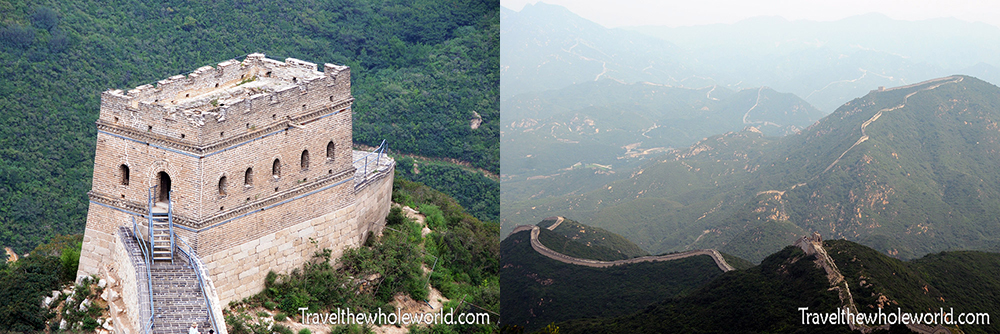
The Great Wall of China is one of the most recognizable structures on Earth, although the famous claim that it can easily be seen from space is a myth. Even astronauts in low Earth orbit generally cannot distinguish it with the naked eye.
What surprised me most was how different the wall could look from one section to another. Some areas are heavily restored, with enormous towers and stone staircases, while others are little more than crumbling walls slowly disappearing beneath vegetation. Hiking along it gave me a much better appreciation for just how enormous the entire defensive system once was.
Mount Huashan
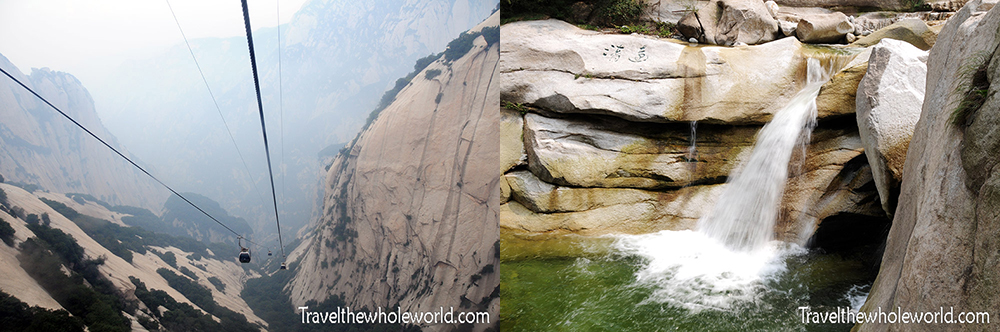
Mount Huashan was one of the highlights of my time in China. It is one of China’s Five Great Mountains and combines dramatic granite peaks with temples, steep stairways, cable cars, and some famously exposed hiking routes.
Visitors can make the mountain as easy or as difficult as they want. You can ride a cable car high onto the mountain, stay overnight near the summit, or climb the much steeper trails from below. The combination of sheer cliffs, narrow ridges, temples, and enormous views made Huashan one of the most memorable mountain areas I visited in China.
Zhouzhi Wildlife Reserve
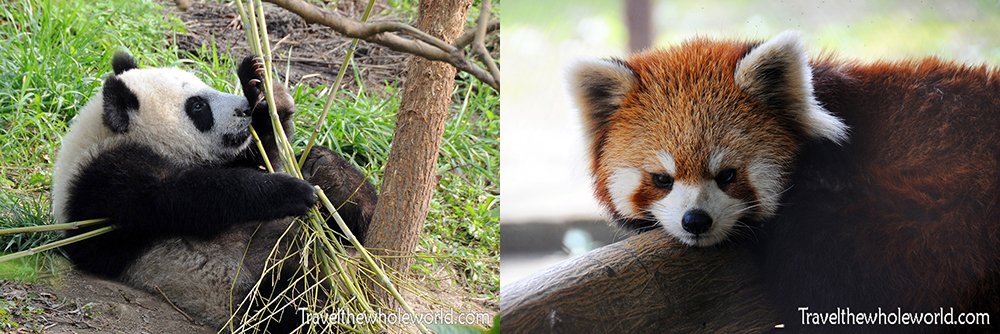
Zhouzhi lies along the northern side of the Qinling Mountains west of Xi’an, an area with some of the richest wildlife habitat in central China. The Zhouzhi National Nature Reserve protects forests that are home to rare species including giant pandas, golden snub-nosed monkeys, and Qinling takins.
The area is particularly important for the Qinling population of giant pandas. Nearby wildlife research and conservation facilities also work with pandas and other endangered animals native to the mountains.
Tibet
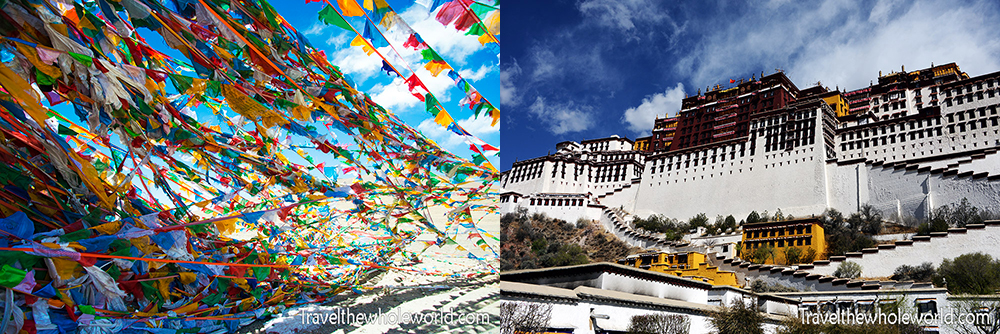
Tibet was one of the most memorable places I visited anywhere in Asia. The Tibetan Plateau combines ancient monasteries and distinctive Tibetan culture with some of the highest and most dramatic mountain landscapes on Earth.
Lhasa is the cultural and historical center of Tibet, but much of what interested me most was outside the capital. Traveling across the plateau took me through small settlements, monasteries, enormous valleys, high mountain passes, and eventually toward Mount Everest itself.
Mount Everest
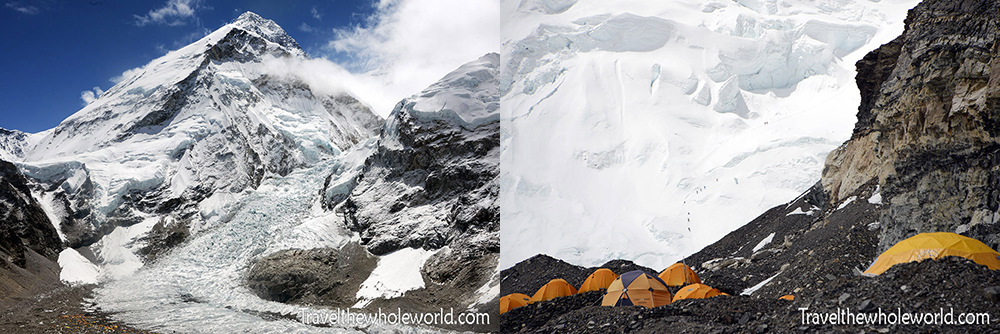
Mount Everest is the highest mountain on Earth and sits along the border between Nepal and Tibet. The two sides of the mountain offer completely different experiences.
I climbed Everest from both Nepal and Tibet and photographed both routes. Nepal approaches the mountain through the Khumbu Valley and the famous trek to Everest Base Camp, while the Tibetan side offers broad views of Everest itself and follows the North Col and Northeast Ridge toward the summit.