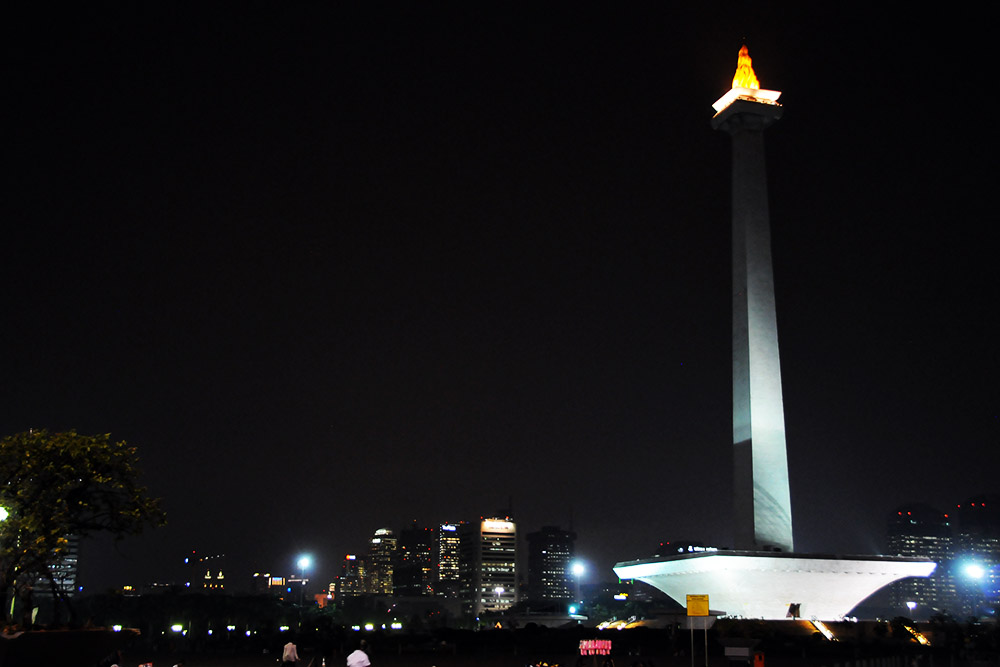
Jakarta was a place I felt like I never completely figured out. The massive city seemed to have high-rise buildings and busy districts extending in every direction. After spending a day traveling around, I’d think I had finally seen most of the central areas, only to head out again and discover an entirely different part of the city. One landmark I could always recognize was Monas, the National Monument rising above Merdeka Square and one of Jakarta’s most famous sights.
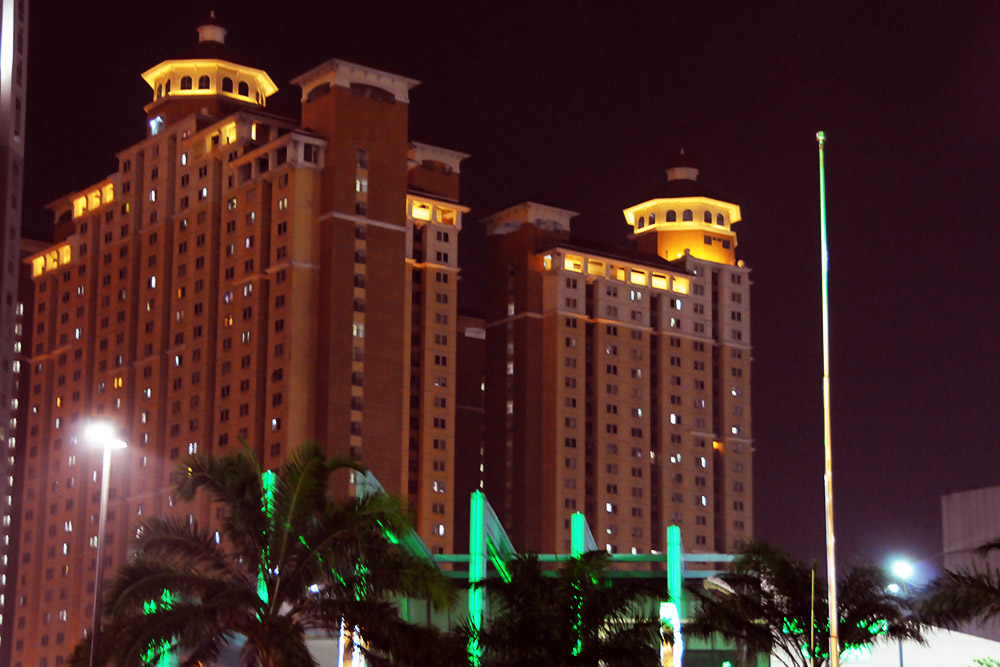
Jakarta is by far Indonesia’s largest city, and the scale of the place is difficult to appreciate until you’re actually traveling through it. Modern high-rises, hotels, shopping centers, traditional neighborhoods, markets, and residential areas are all packed into the enormous metropolitan area. The contrasts could be dramatic, with modern towers like those above sometimes only a short distance from much older and less developed neighborhoods.
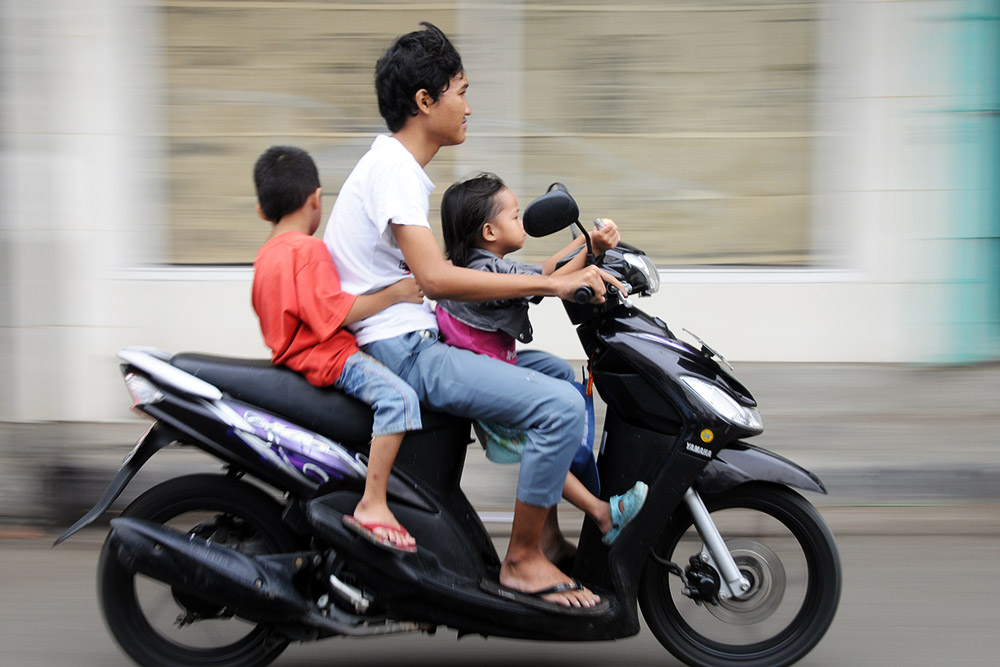
One thing that was impossible to ignore in Jakarta was the traffic. Motorbikes were everywhere and provided one of the easiest ways to weave through streets that could become completely gridlocked. When I visited, Wi-Fi wasn’t nearly as common as it is today, yet I even came across taxis equipped so passengers could continue working while sitting in traffic. With the amount of time people could spend trying to cross the city, I could understand why.
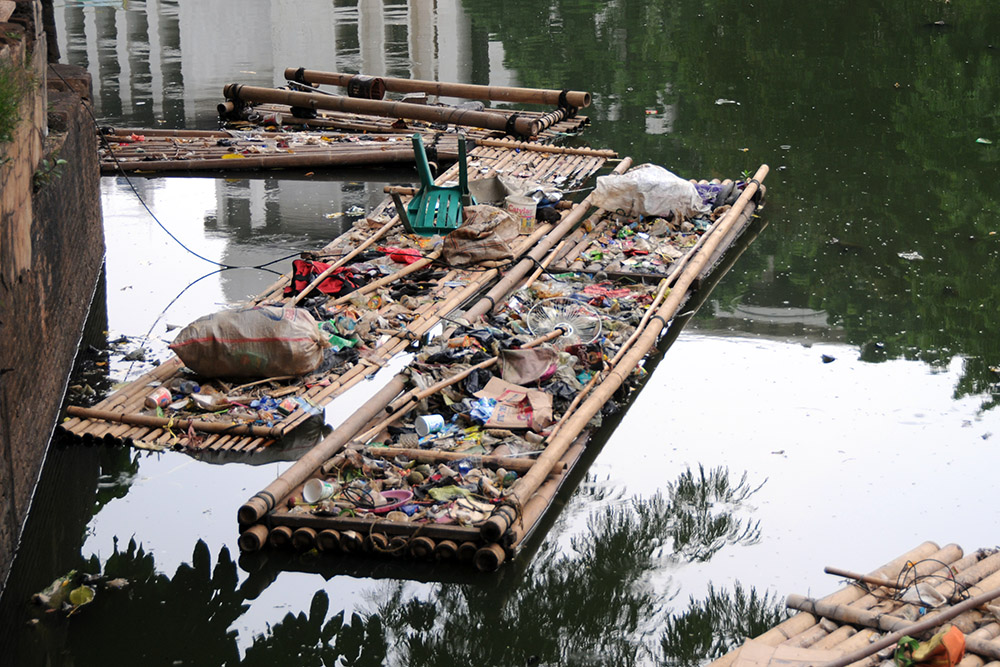
In another part of Jakarta, I came across a completely different form of transportation: these simple rafts carrying people across the water. In a city famous for traffic jams, they might have had the right idea.
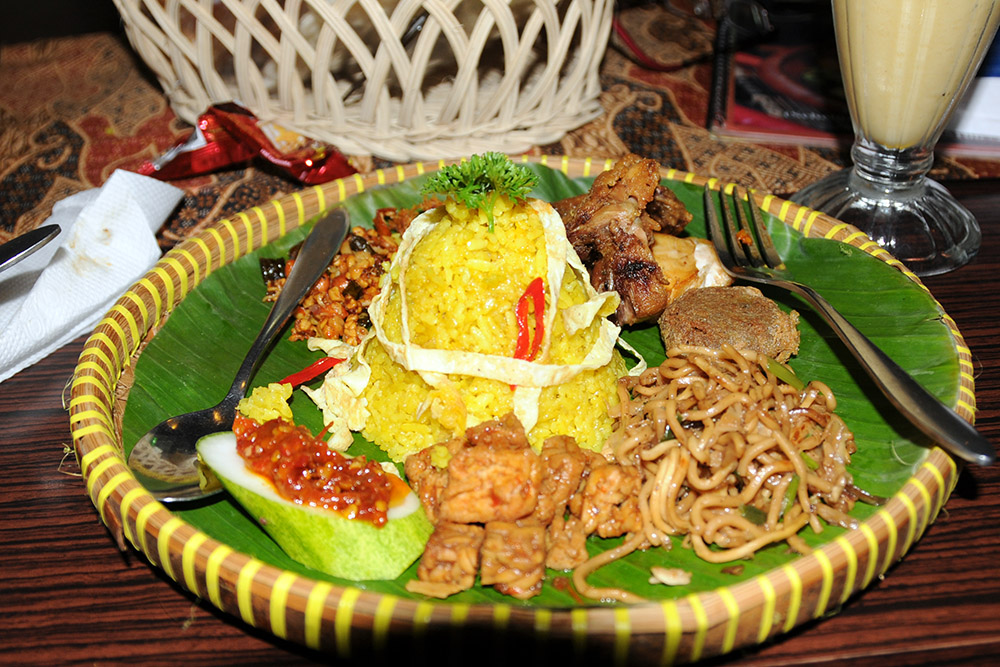
Indonesian food became one of my favorites in Southeast Asia. I almost never photograph my meals unless something really impresses me, but this small and surprisingly fancy dinner was probably the best meal I had in Jakarta. I paired it with a fruit smoothie, and the entire meal was still reasonably priced. I assumed the little tower of rice was meant to resemble one of Indonesia’s many volcanoes.
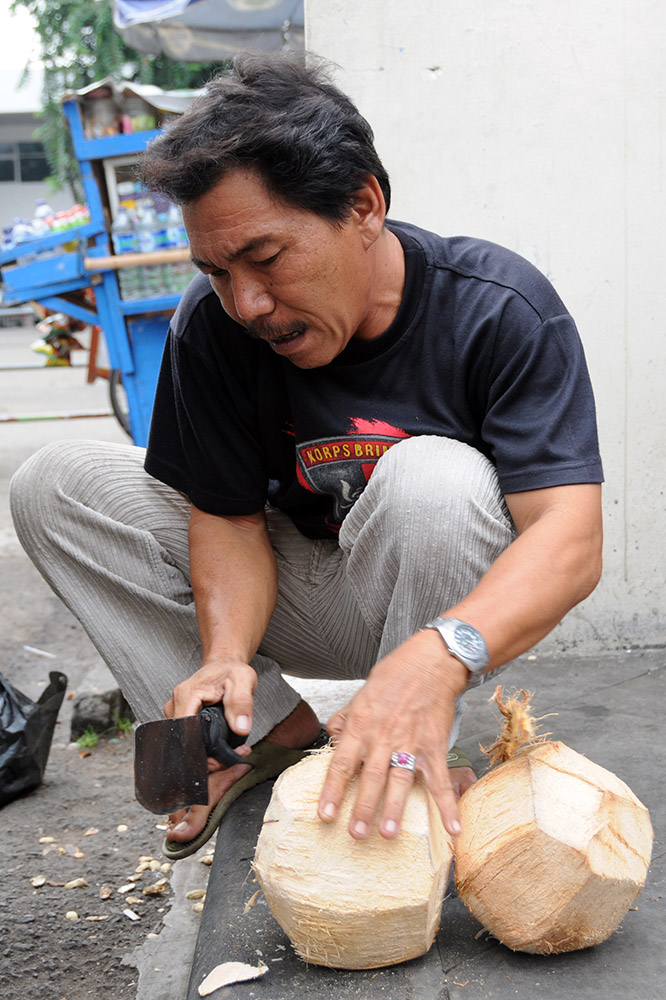
For something much simpler, I regularly bought coconuts from street vendors. They weren’t as cold as the refrigerated ones I sometimes found in supermarkets, but they were refreshing, inexpensive, and became something I enjoyed almost every day.
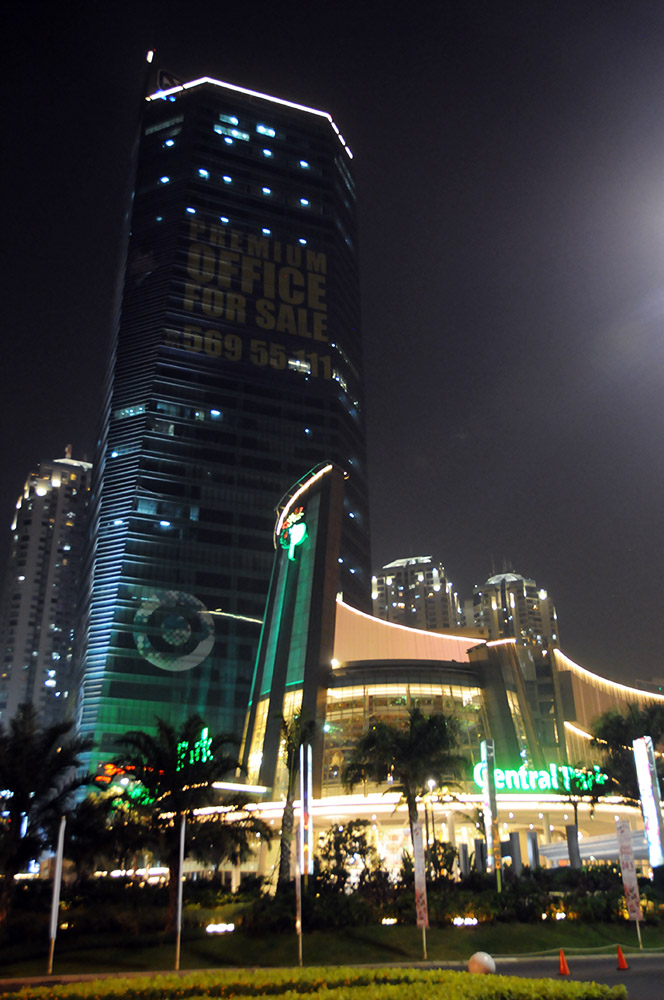
Downtown Jakarta seemed to have an endless supply of shopping malls and restaurants. Despite all the international brands and modern development, I didn’t see nearly as many foreign travelers as I expected. At one point a local recommended that I visit Central Park. Based on the name, I naturally imagined a large green space and even wondered whether it had been inspired by New York’s Central Park. Instead, I arrived to discover that Jakarta’s Central Park was a massive shopping complex.
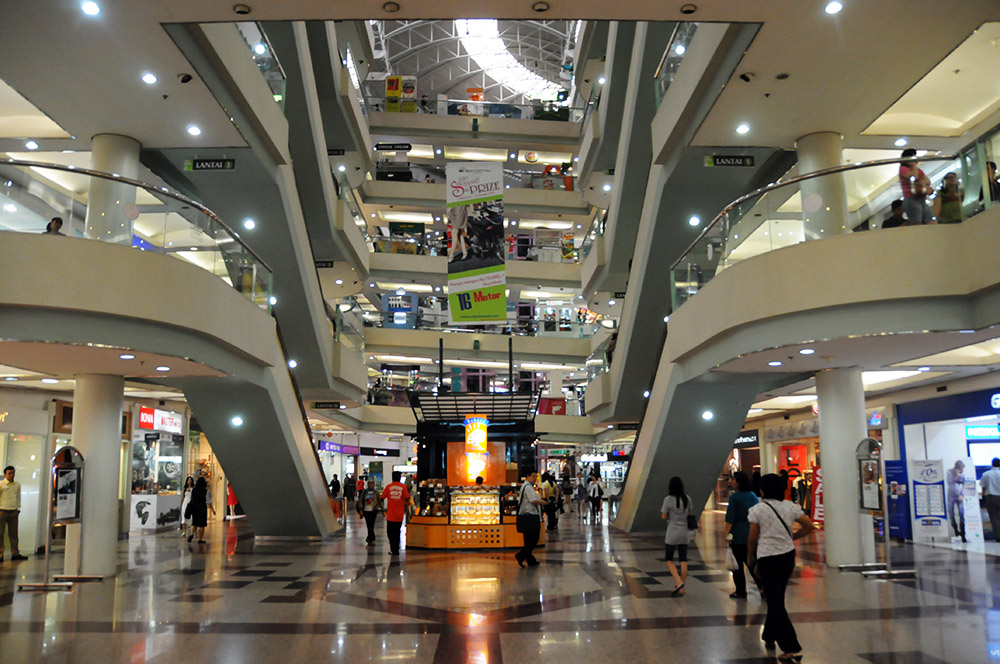
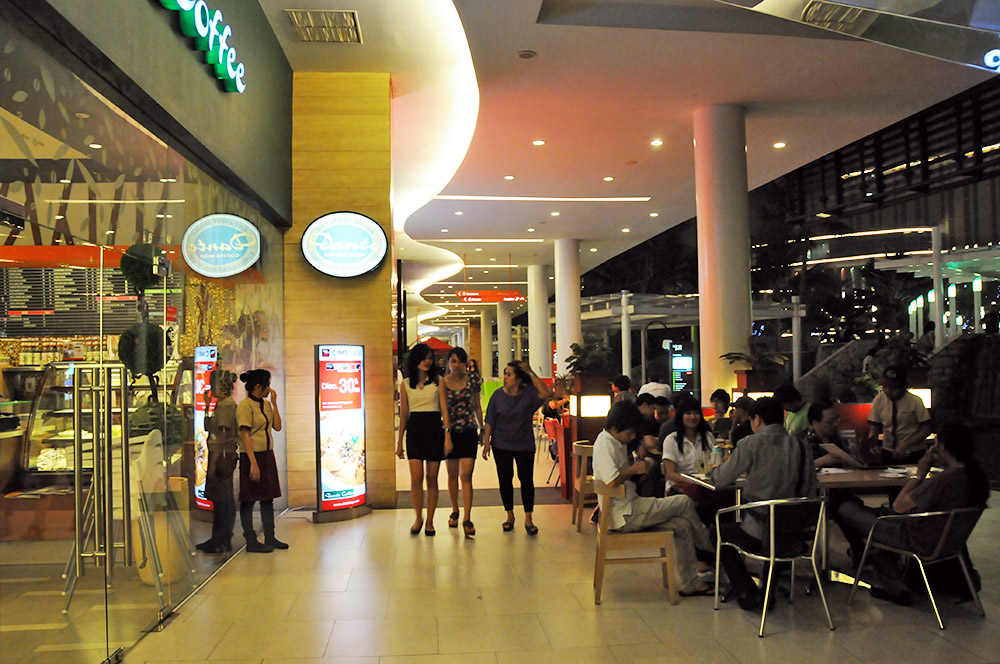
I’d normally never seek out a shopping mall as part of a travel experience, but malls are such a major part of life in Jakarta that they’re difficult to ignore. To be fair, I had also recently returned from a three-week expedition climbing Carstensz Pyramid in West Papua, so air conditioning, restaurants, stores, and all the comforts of a modern city suddenly sounded pretty good. The malls themselves were also far more impressive than I expected, so I’m glad I didn’t completely avoid them.
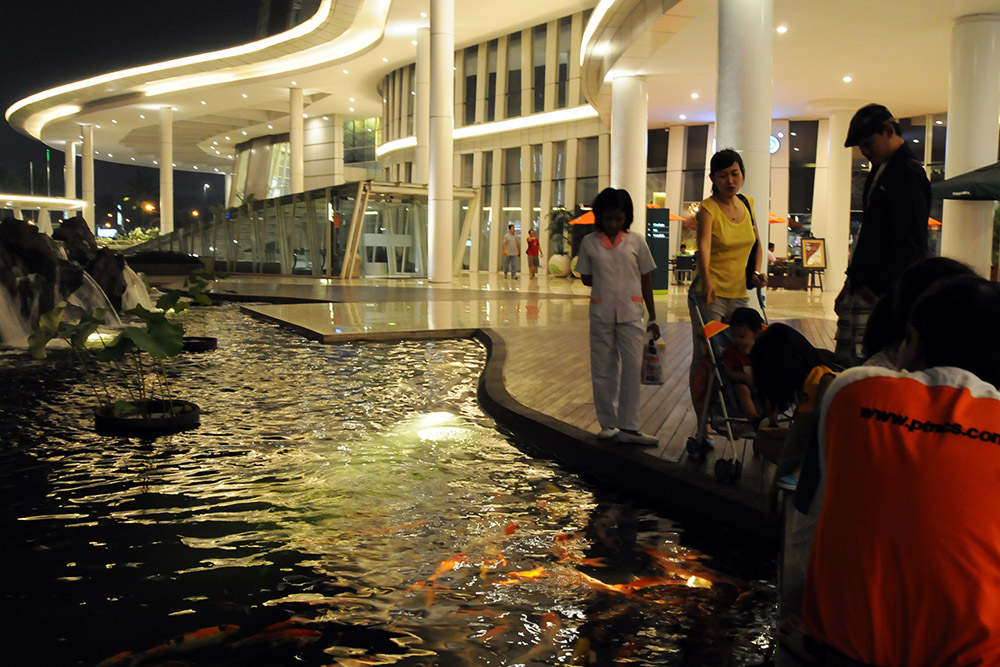
Central Park did at least have some landscaped outdoor areas around the complex, including this pond surrounded by the city’s high-rises.
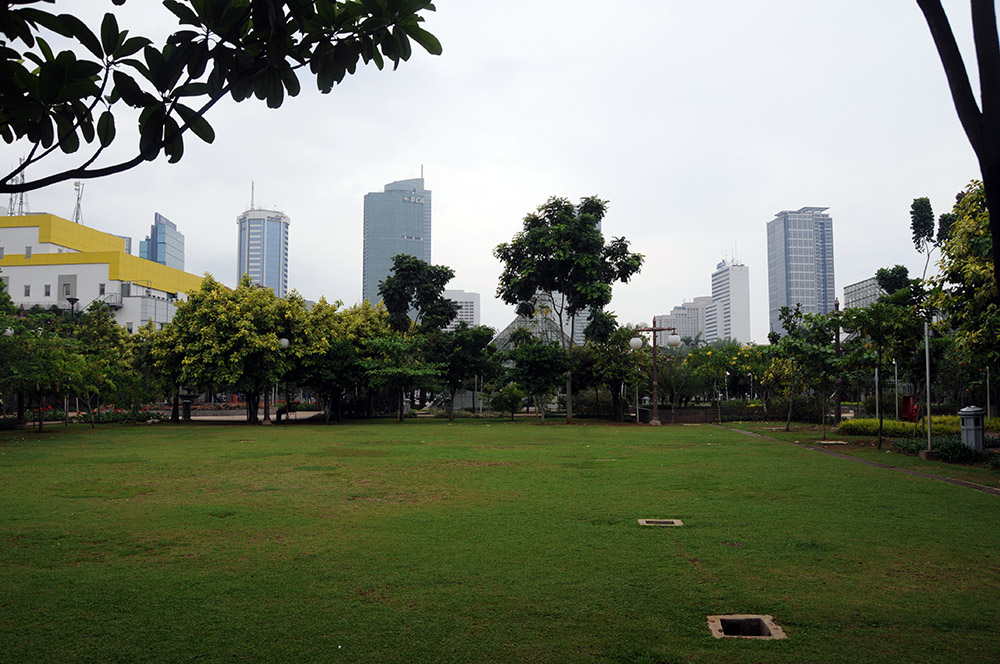
I eventually found an actual city park elsewhere in Jakarta. Despite the nice weather, the place was surprisingly empty when I visited. In such an enormous and crowded city, finding a large green space with almost nobody around felt unusual.
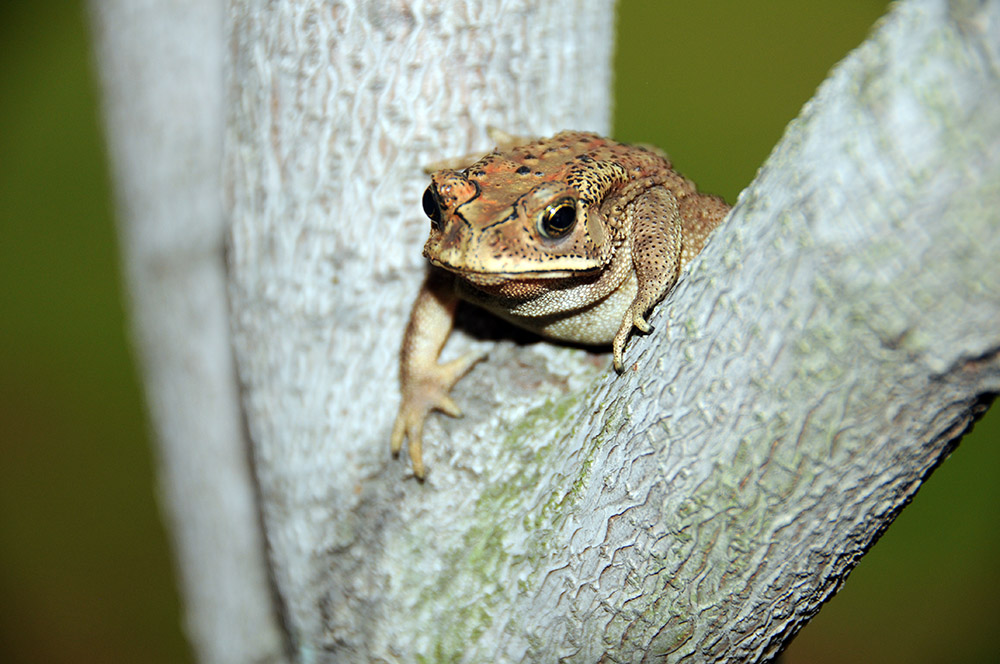
I wasn’t completely alone, though. This frog was one of the few other visitors I encountered while walking through the park.
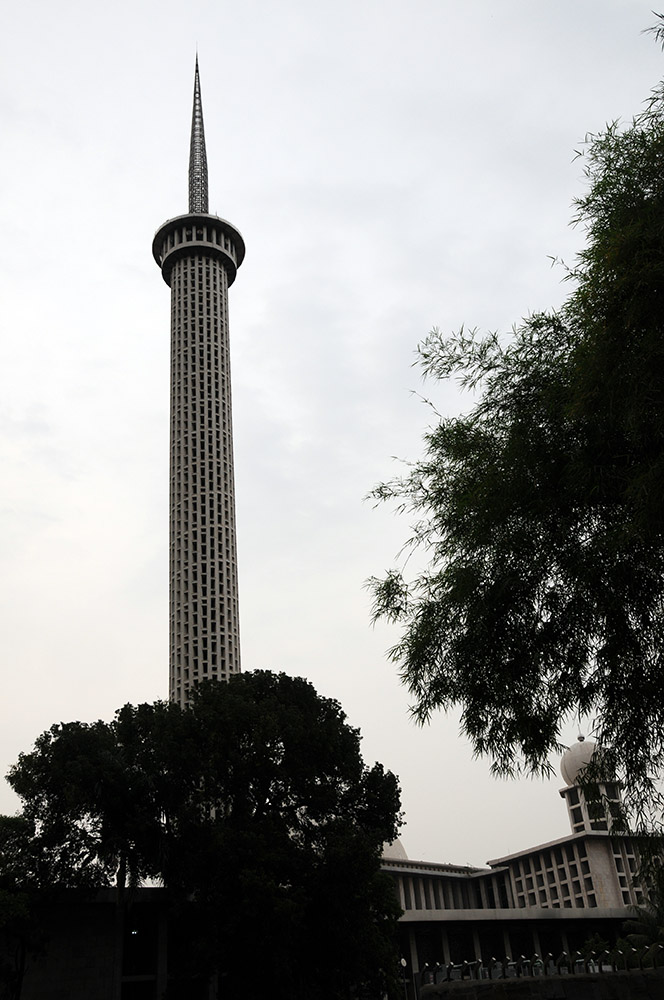
One destination I specifically sought out was Istiqlal Mosque, the national mosque of Indonesia and one of the largest mosques in the world. A security guard working there offered to show us around the enormous complex. The towering minaret above is one of the first features that gives you an idea of the mosque’s scale.
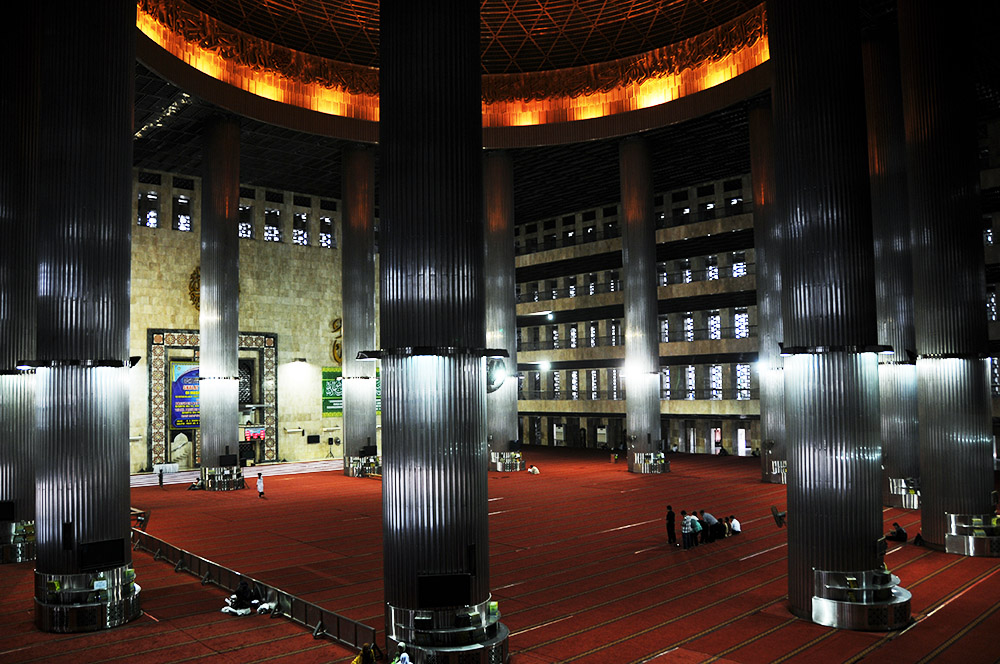
Istiqlal Mosque opened in 1978 and was designed to accommodate an enormous number of worshippers. The main prayer hall is a vast open space beneath the mosque’s huge central dome. Visitors of other faiths are also welcomed, and being shown around by someone who worked there made the visit much more interesting than simply walking around the exterior.
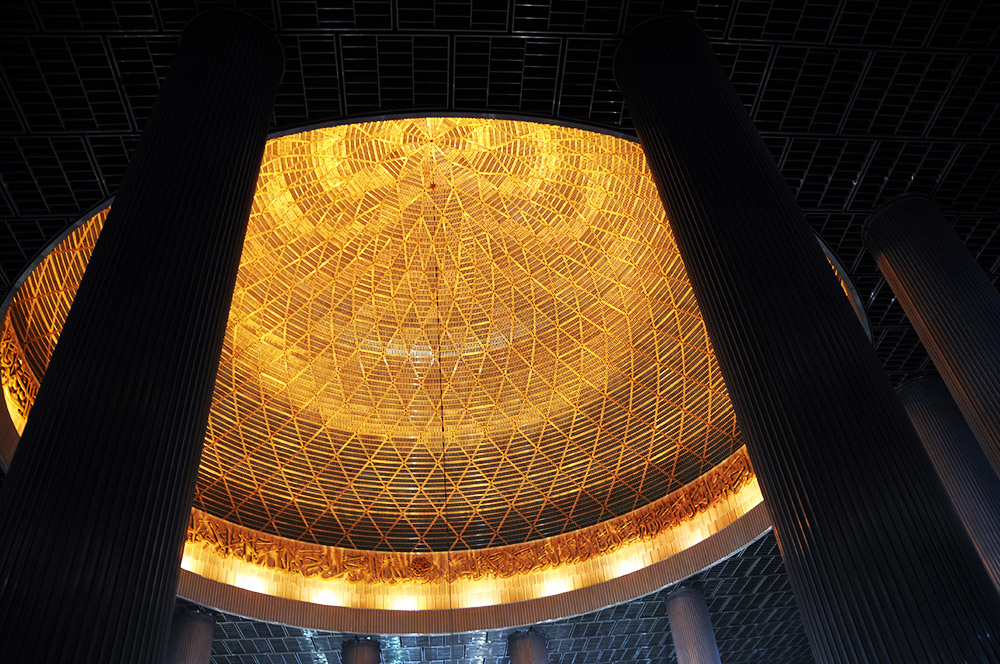
The enormous dome dominates the interior and helps convey just how large the mosque really is. I had visited impressive mosques elsewhere in the world, including the mosques of Sanaa in Yemen, but Istiqlal stood out more for its immense scale than elaborate decoration.
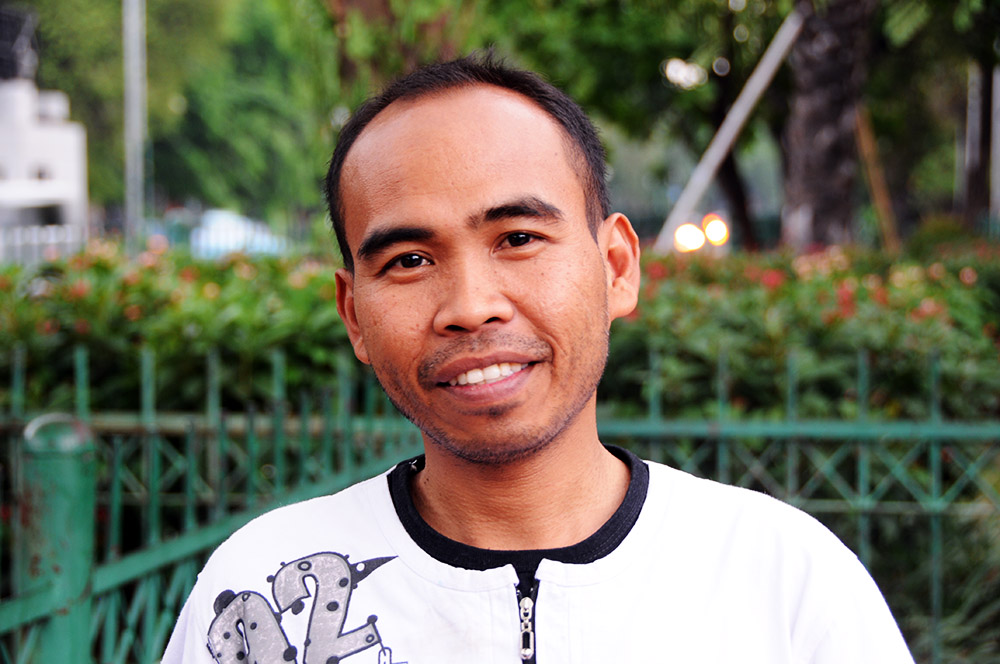
Outside the mosque I met this random man who struck up a conversation with me and then wanted to take my picture. I never really figured out why, but he was friendly and didn’t ask for money or anything else afterward. Maybe he simply enjoyed meeting travelers and taking photographs as much as I did.
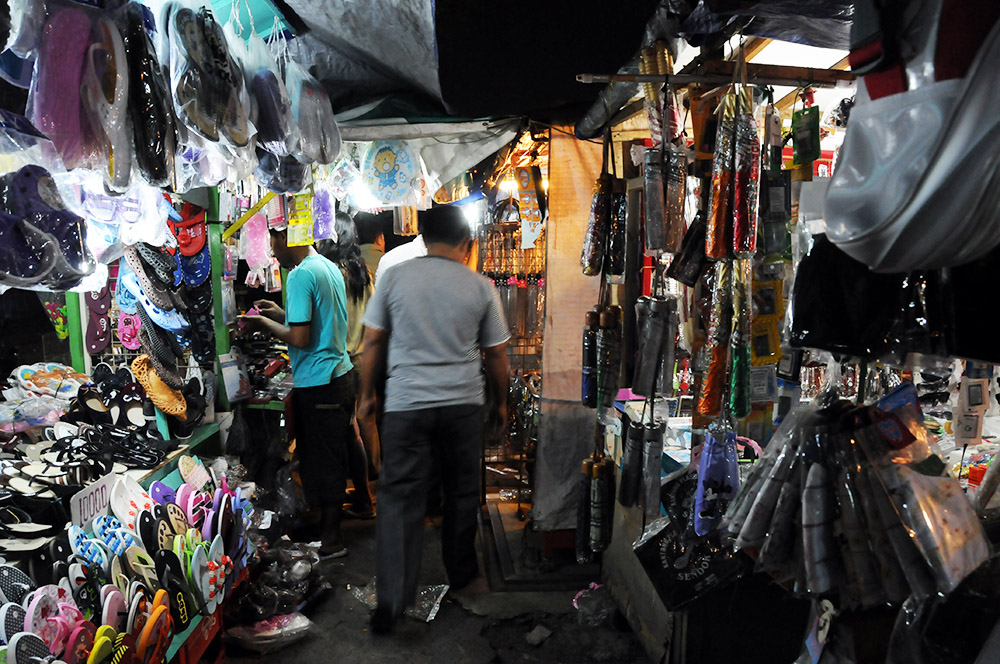
Jakarta’s markets showed another side of the city. Between all the high-rises and enormous shopping malls, there were still plenty of crowded traditional markets filled with inexpensive goods and everyday activity. I bought a pair of headphones at the market above for almost nothing. Unfortunately, they also lasted almost no time and stopped working the next day.
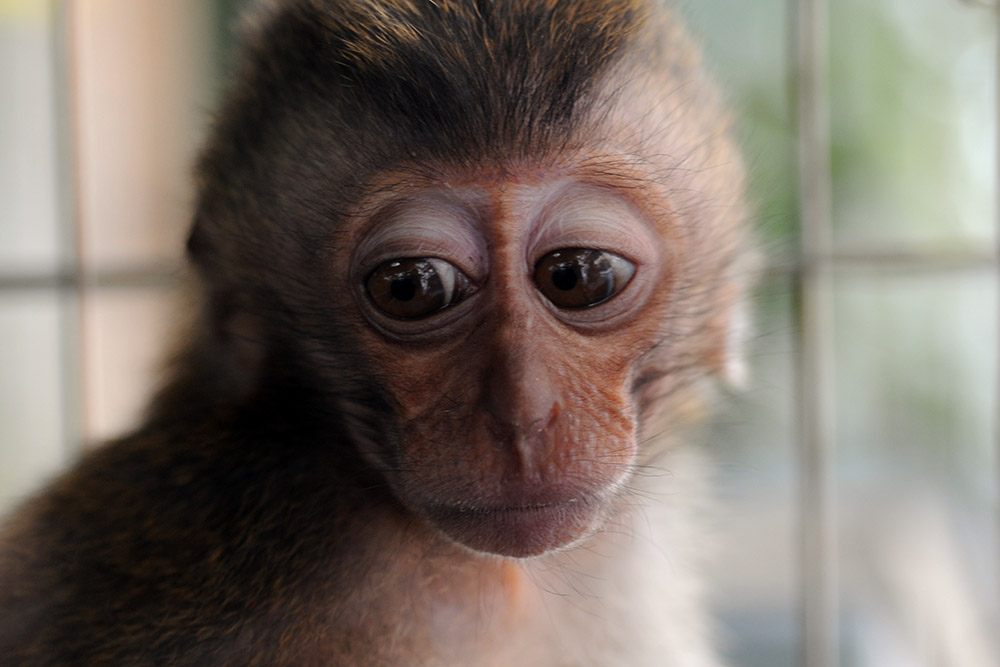
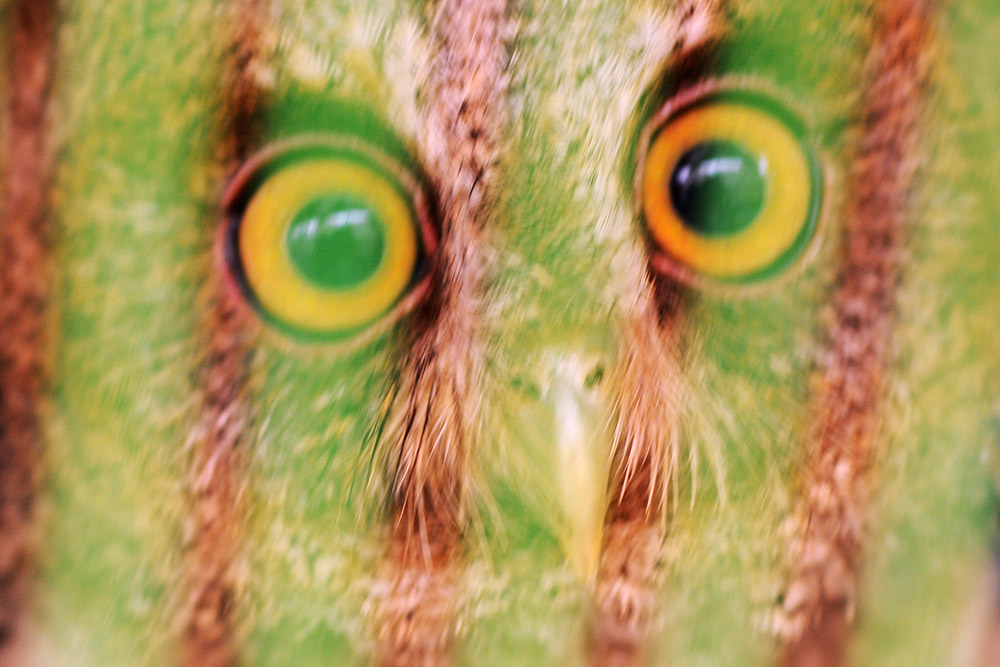
One of the stranger markets I stumbled across sold exotic animals rather than typical pets. I saw a monkey, an owl, turtles, reptiles, and several kinds of small birds. Because of the language barrier I couldn’t learn much about the animals or even what they cost. Mostly I felt sorry for them because many were being kept in very small cages.
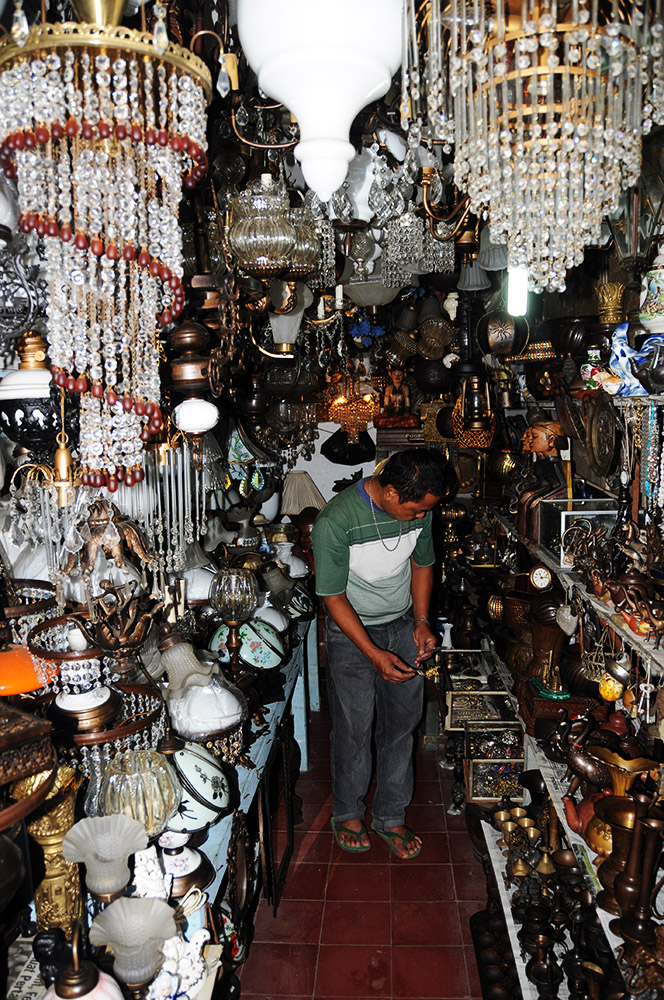
A much more interesting market to me was Jalan Surabaya, famous for its antique shops and cultural souvenirs. Indonesia’s long history as a Dutch colony means many of the shops contain old European household items alongside Indonesian antiques, carvings, coins, decorations, and other collectibles. The market is located in a more upscale part of Jakarta and was a fascinating place to browse even without buying anything.
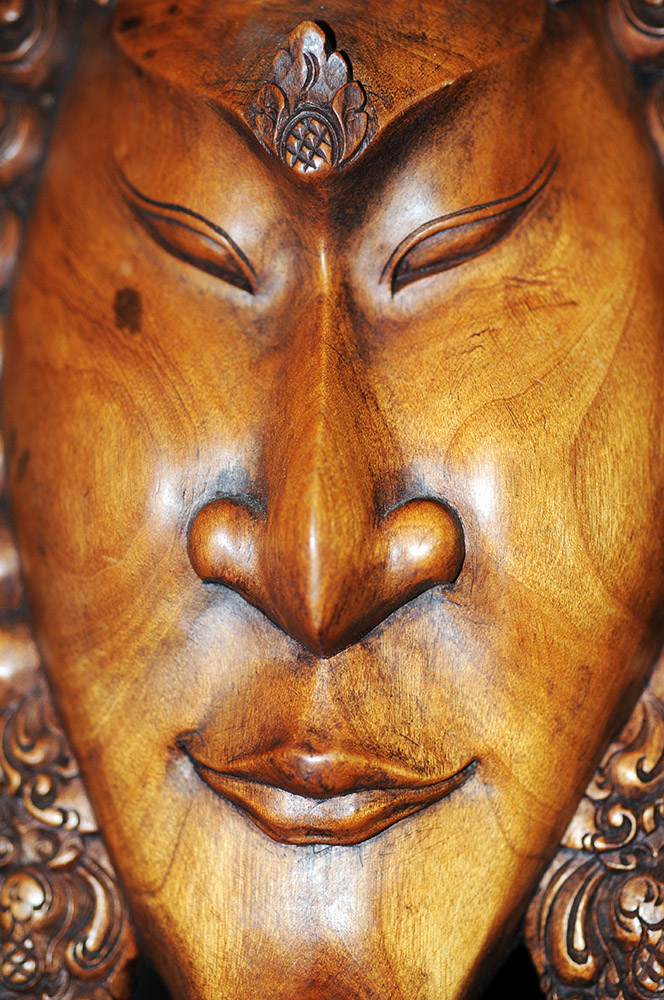
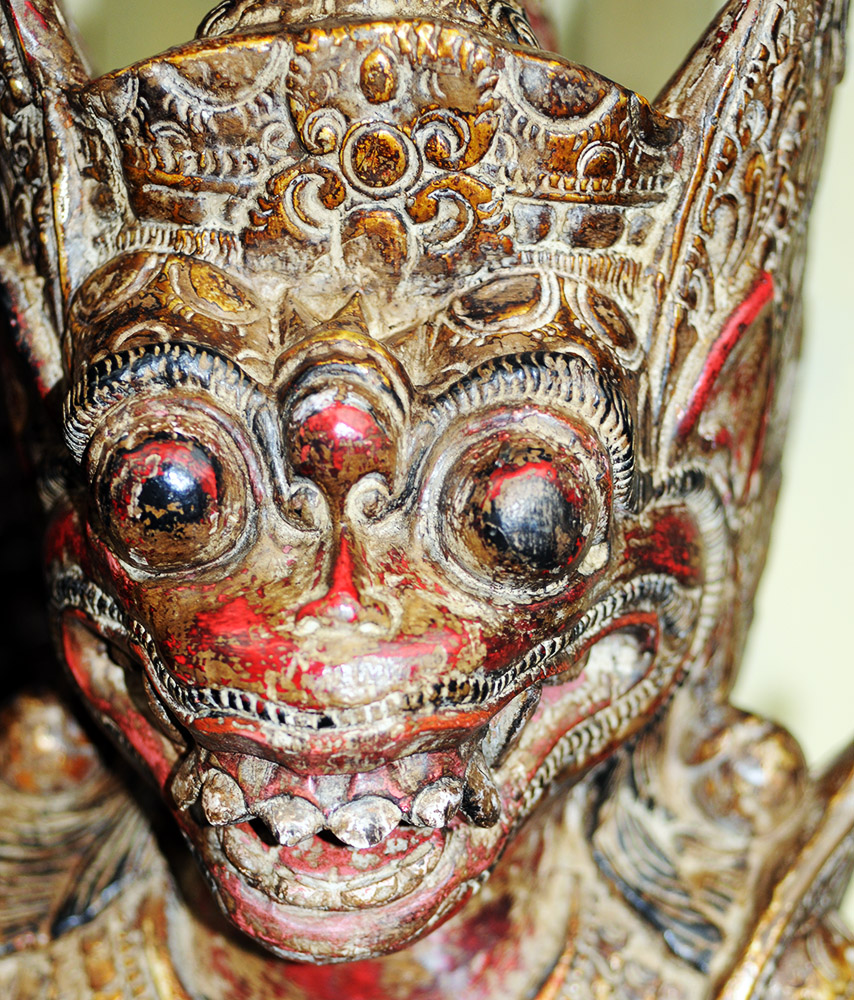
Some of my favorite pieces were the traditional carvings and masks. I seriously considered bringing one home and still think I made a mistake by leaving without one. Pieces like these were exactly the kind of souvenirs I enjoyed finding while traveling because they felt far more distinctive than something from a conventional souvenir shop.
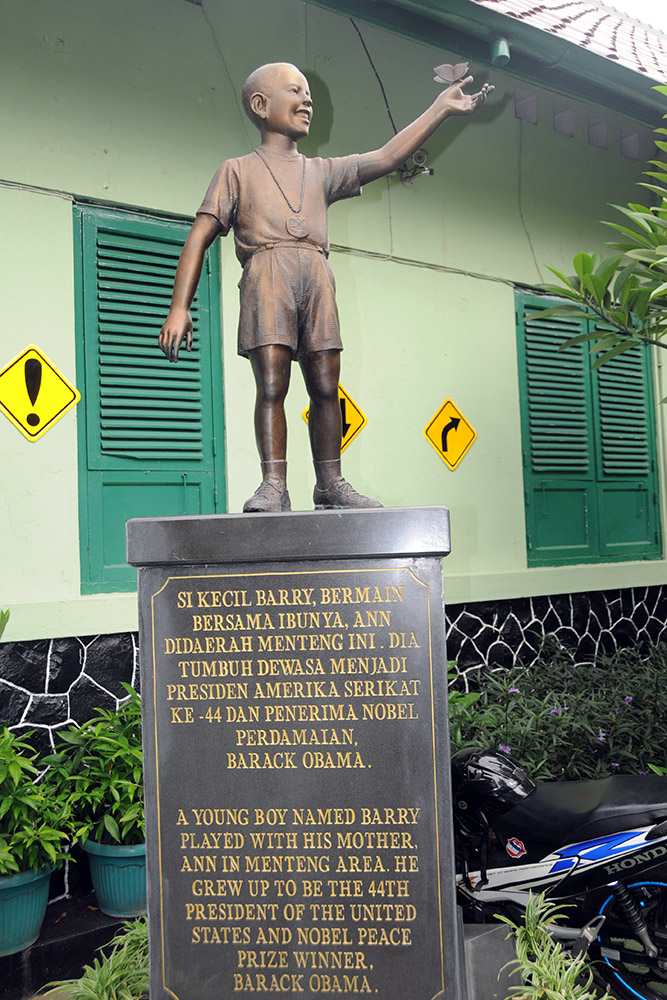
While I was in the same general area, there was one unusual stop I wanted to make. Barack Obama was president of the United States during my visit and happened to be in Indonesia at the same time for the ASEAN Summit. He had a special connection with Jakarta because he spent several years of his childhood living in the city. At the elementary school he attended, I found this statue commemorating its former student.
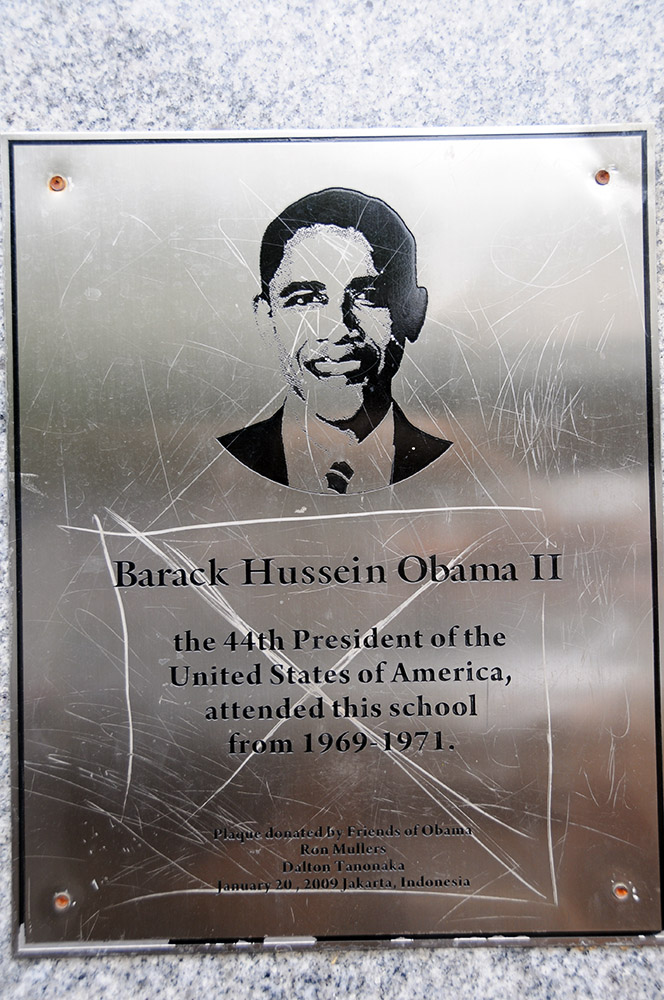
Obama attended the school from 1969 to 1971 while living in Jakarta with his mother and Indonesian stepfather. Being from the United States, I was frequently asked about him while traveling through Indonesia, so seeing the school where he had once been a student was an interesting connection between the two countries. I imagine it must also be pretty inspiring for students there to know that a future president of the United States once sat in classrooms at their own school.
Explore More of Indonesia
Sugapa • Bali • Jakarta • Lombok • West Papua • Yogyakarta