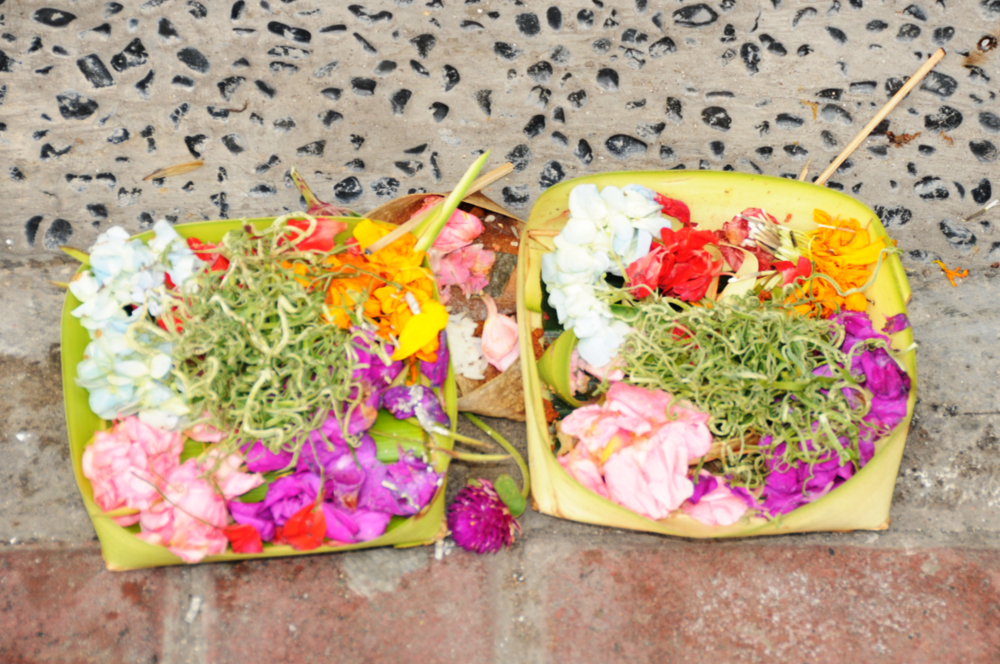
After Lombok, the next island I visited in Indonesia was the world-famous Bali. Bali is located directly west of Lombok and is by far the most popular destination in the country. Almost immediately after arriving, I could see how different the culture and religion were from much of the rest of Indonesia. Hindu temples and statues are found throughout the island, and outside many homes, restaurants, and businesses you’ll see small dishes filled with flowers, food, and other items.
On my first day I was clumsy enough to accidentally kick one of these offerings halfway across the street and, knowing it was almost certainly religious, quickly fled the area. I later learned they are known as canang sari and are an important part of daily Balinese Hindu tradition.
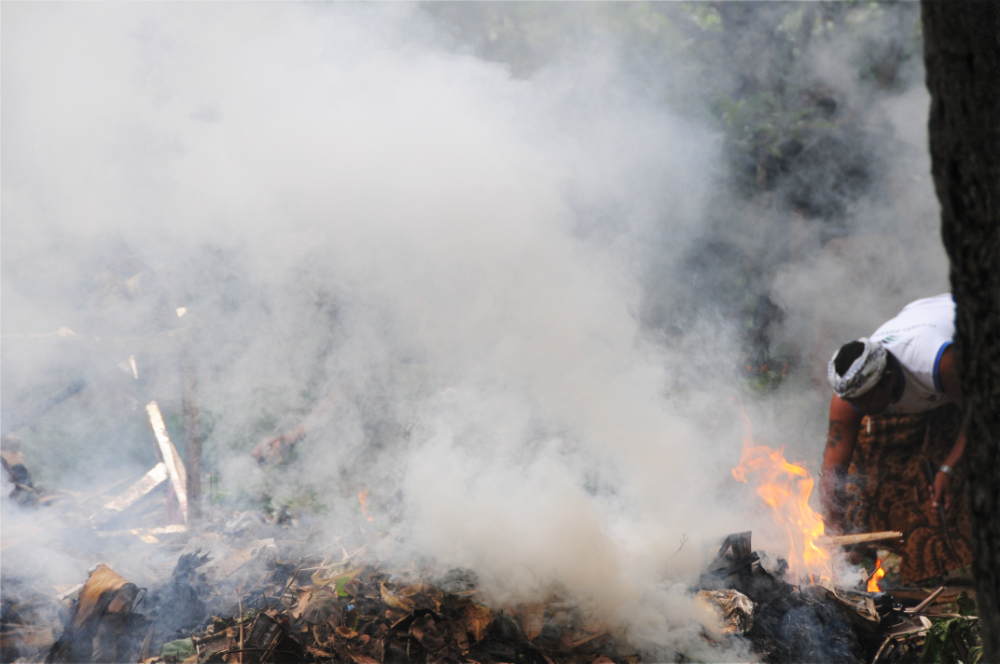
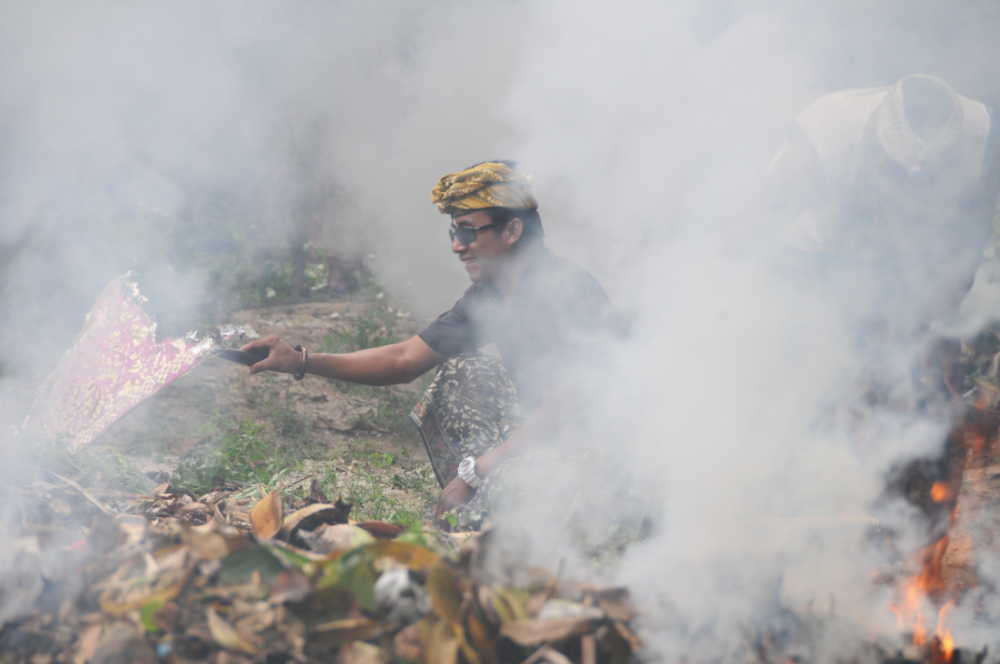
One day in Bali I noticed huge plumes of smoke rising from an area in front of a small temple. At first I thought people were burning trash, but the size of the gathering made it obvious that some kind of ceremony was taking place. From what I understood at the time, it appeared to be connected to a funeral or cremation ceremony.
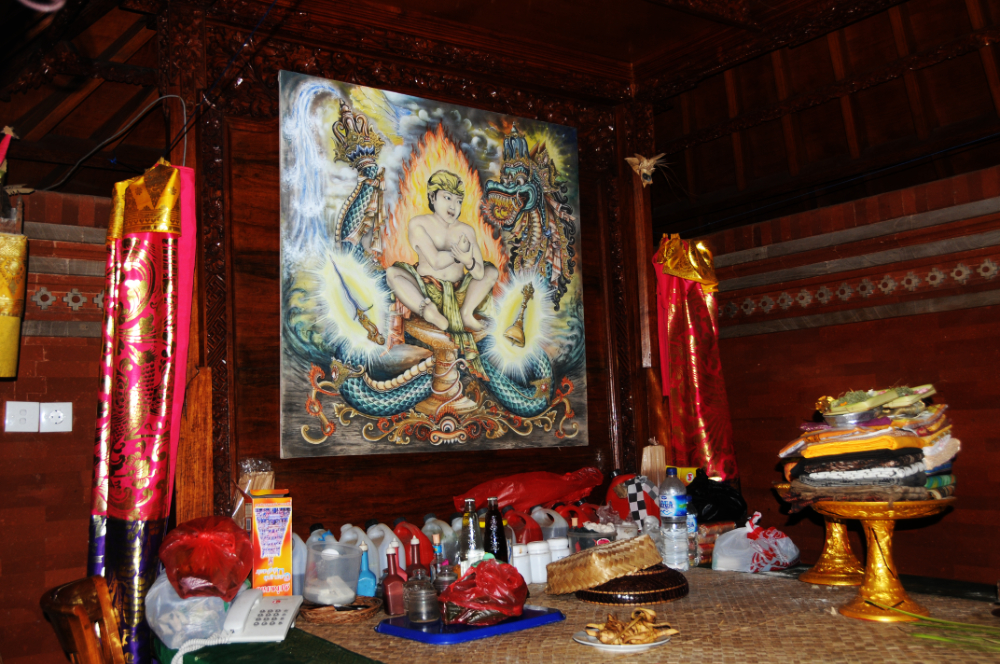
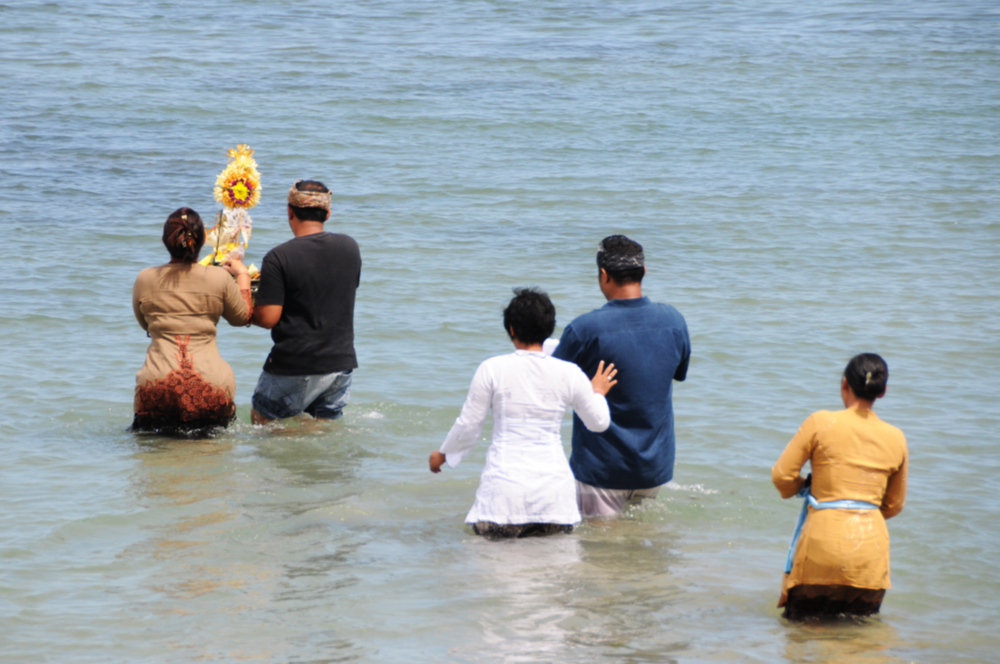
The following day I saw another religious ceremony nearby, with people carrying items toward the ocean and then wading surprisingly far into the water. The ceremony continued for quite a while. I wasn’t sure whether it was connected to what I had witnessed the previous day or was an entirely separate ritual, but both experiences gave me an unexpected look at Balinese religious traditions that I knew very little about before arriving.
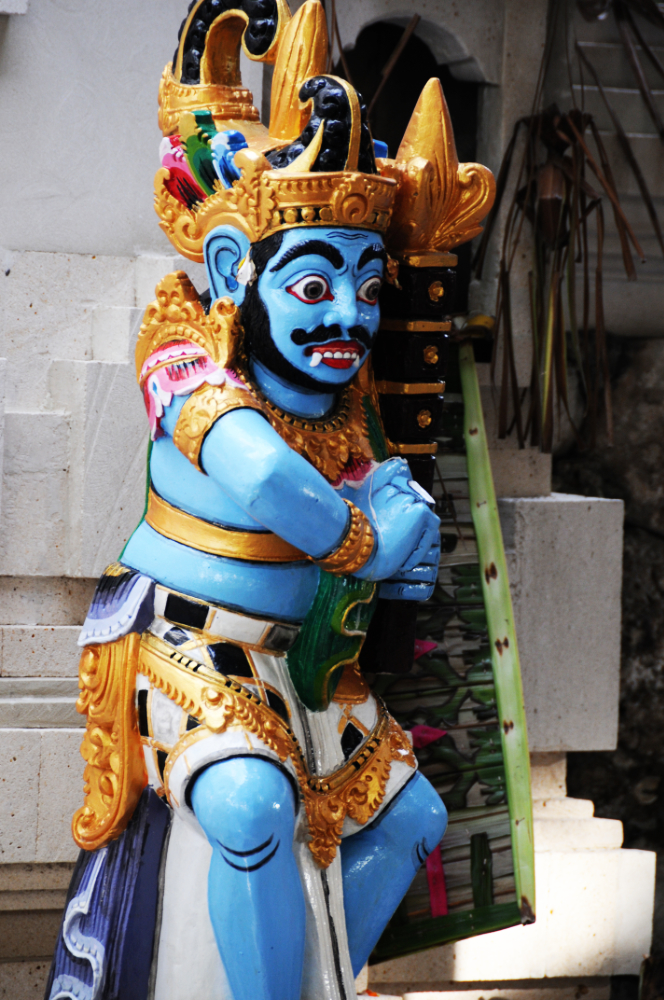
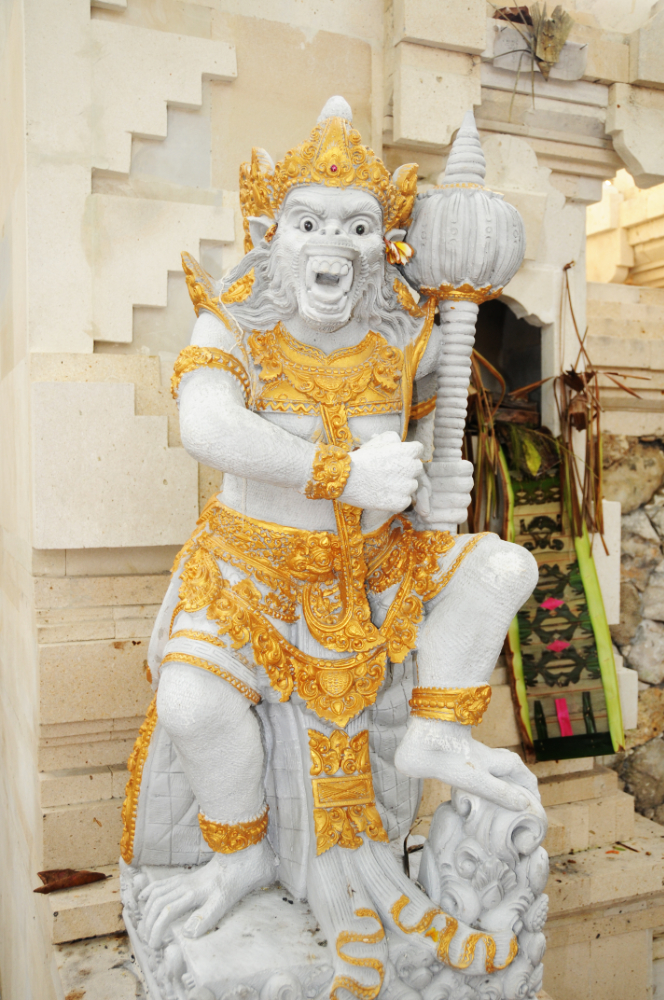
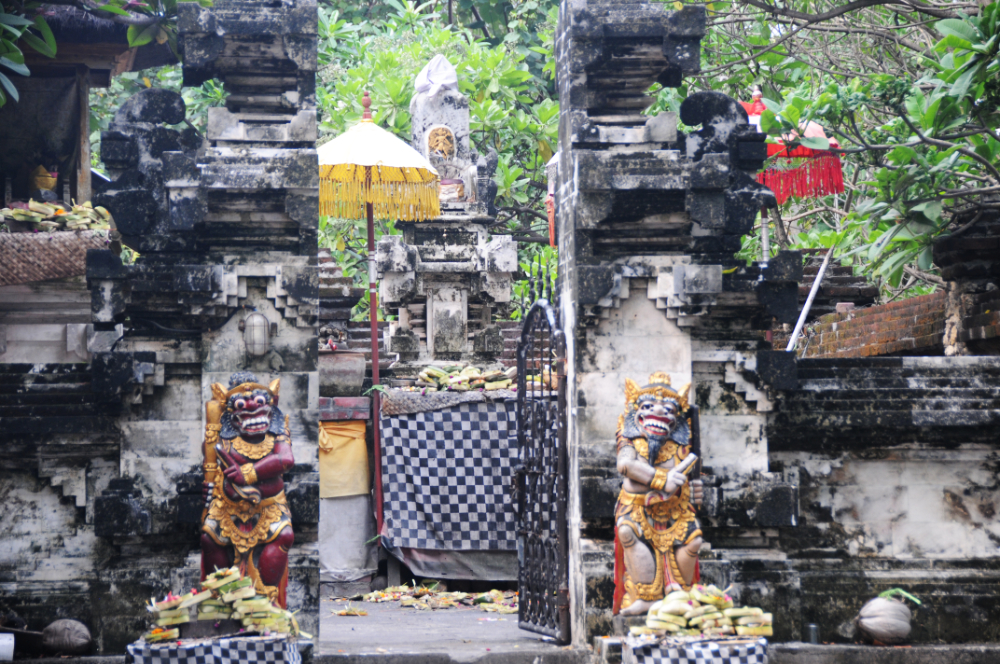
These two large statues were part of a larger Hindu temple I came across while exploring the island. Many of the religious places I had seen were small shrines tucked between buildings or located on private property, while this was a much larger complex that appeared to serve as a gathering place for worship. Bali has temples and shrines almost everywhere, and even though I didn’t have time to visit many of the most famous ones, religious architecture seemed to be a constant part of the landscape.
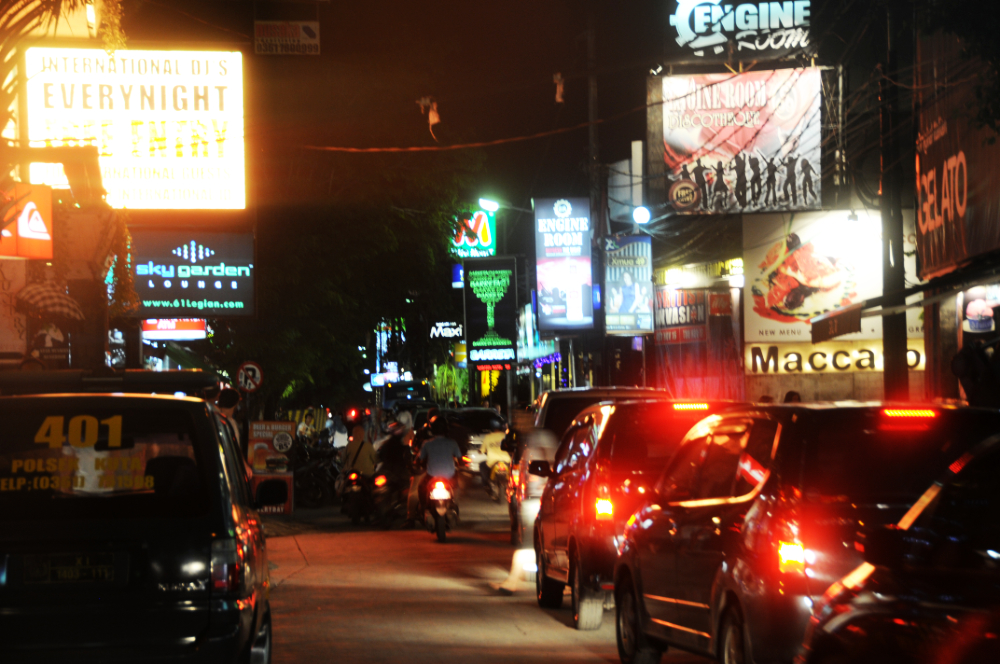
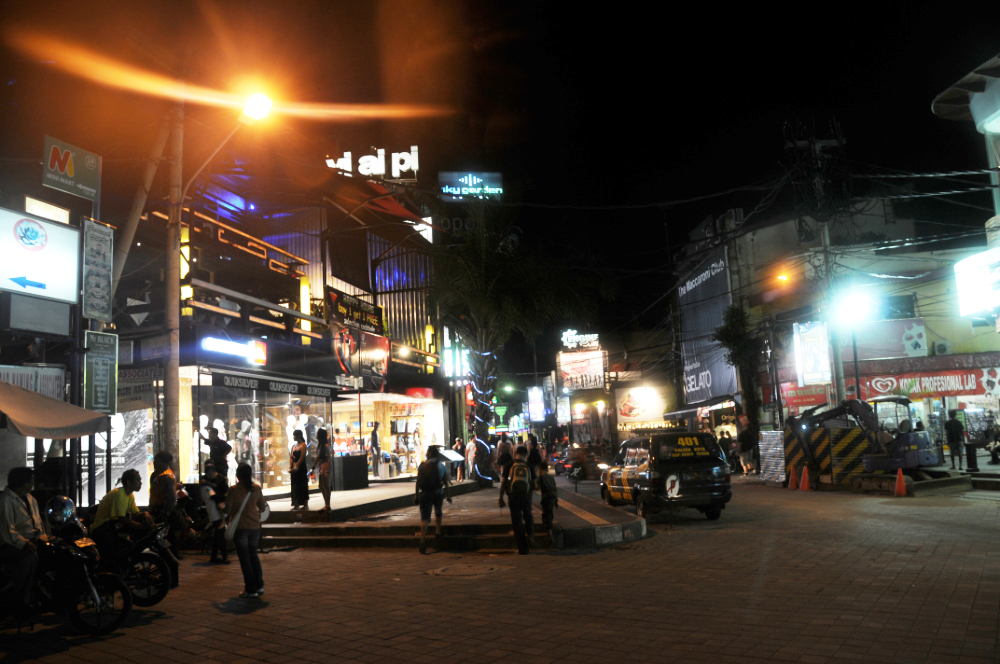
Kuta showed me an entirely different side of Bali. The area is packed with hotels, restaurants, shops, bars, and nightclubs, and attracts travelers from around the world. Compared with the quieter parts of Indonesia I had visited, the atmosphere here was much more focused on tourism and nightlife.
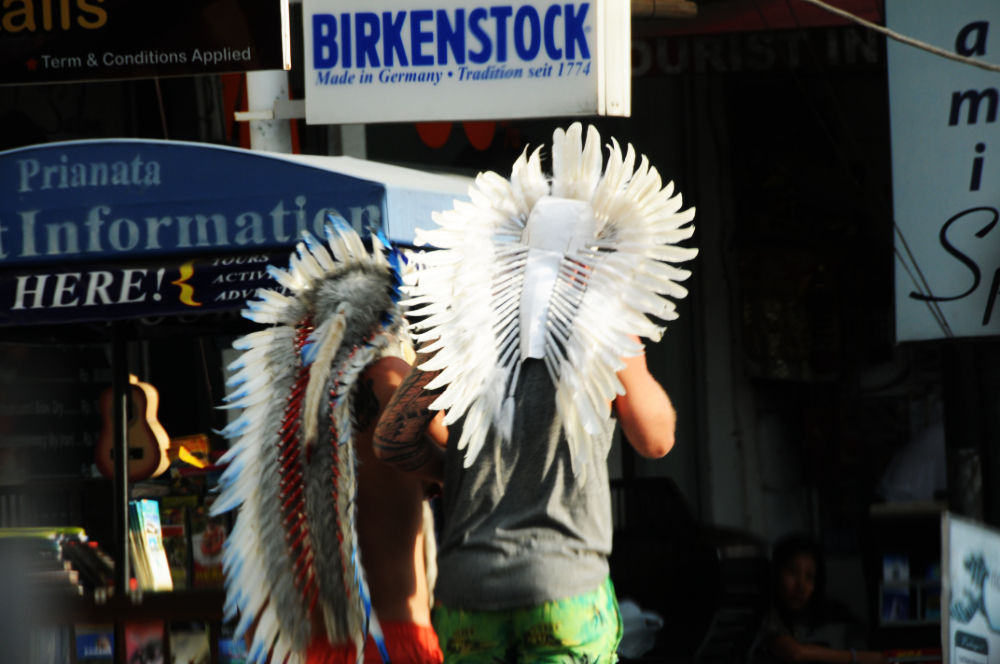
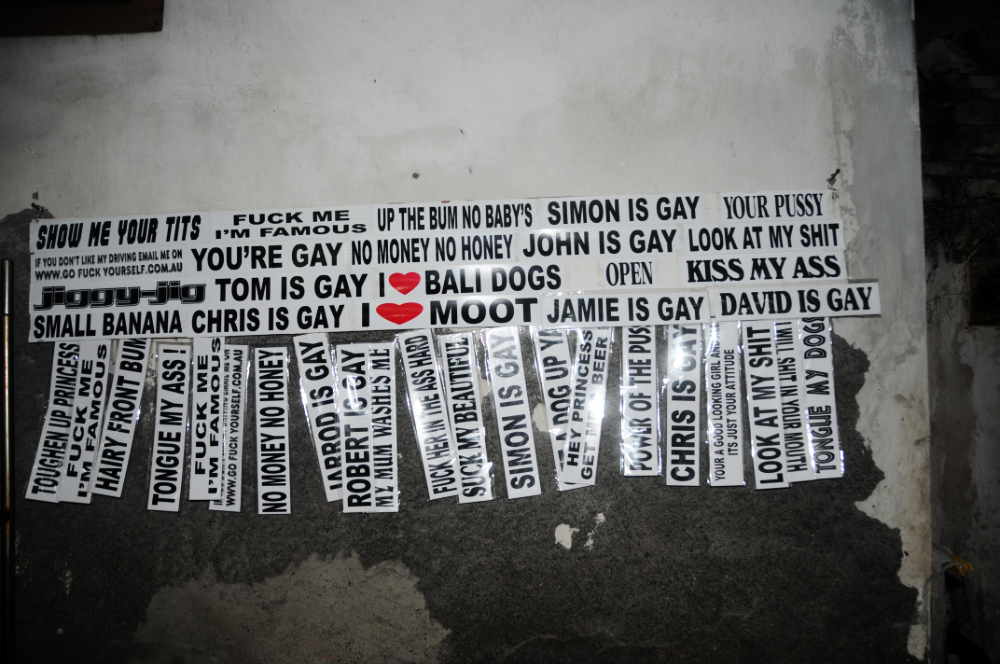
Foreign travelers filled the streets throughout the day and night, and Kuta definitely had a reputation as Bali’s party center. I came across plenty of intoxicated travelers along with shops selling intentionally outrageous shirts, signs, stickers, and other souvenirs. It was entertaining to walk through for a while, although this wasn’t really the side of Bali I enjoyed most.
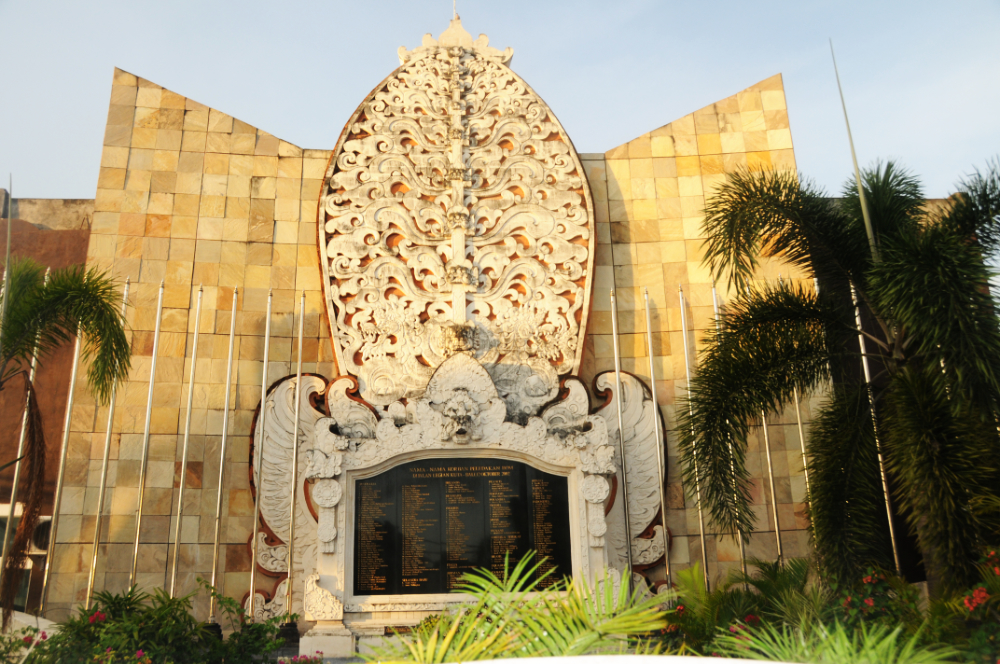
Kuta is also the site of one of the darkest events in Bali’s recent history. In 2002, coordinated bombings in the nightlife district killed more than 200 people, including Indonesians and visitors from numerous countries. The memorial above now stands near the site of the attack and lists the names of those who were killed.
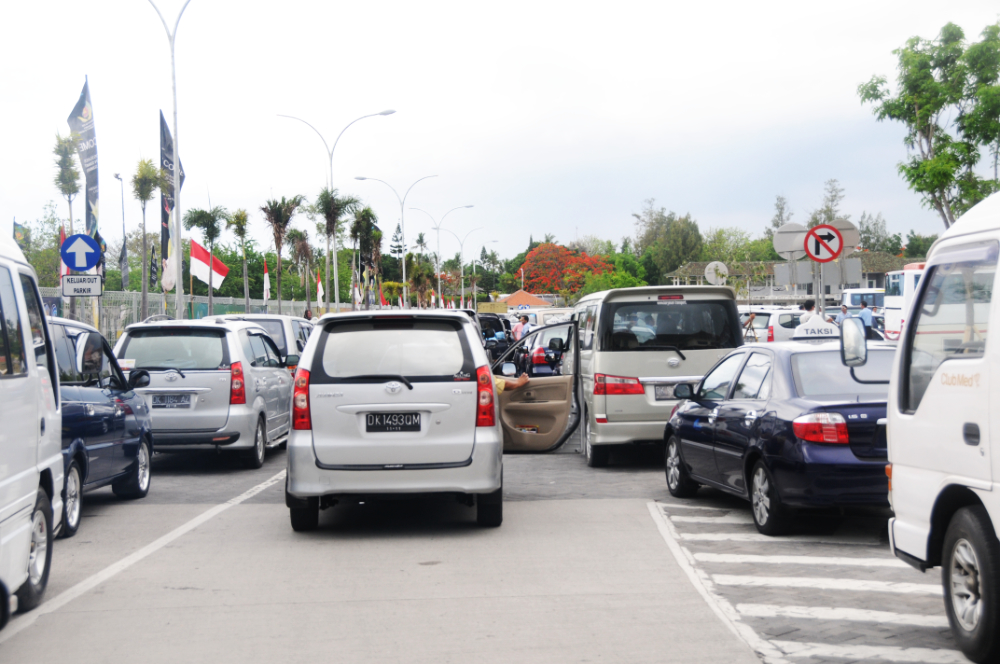
During my second visit to Bali, President Barack Obama happened to be leaving the island. Security around the airport temporarily shut down nearby roads, bringing traffic to a complete standstill. Eventually people began getting out of their cars and standing around waiting for the motorcade and restrictions to clear.
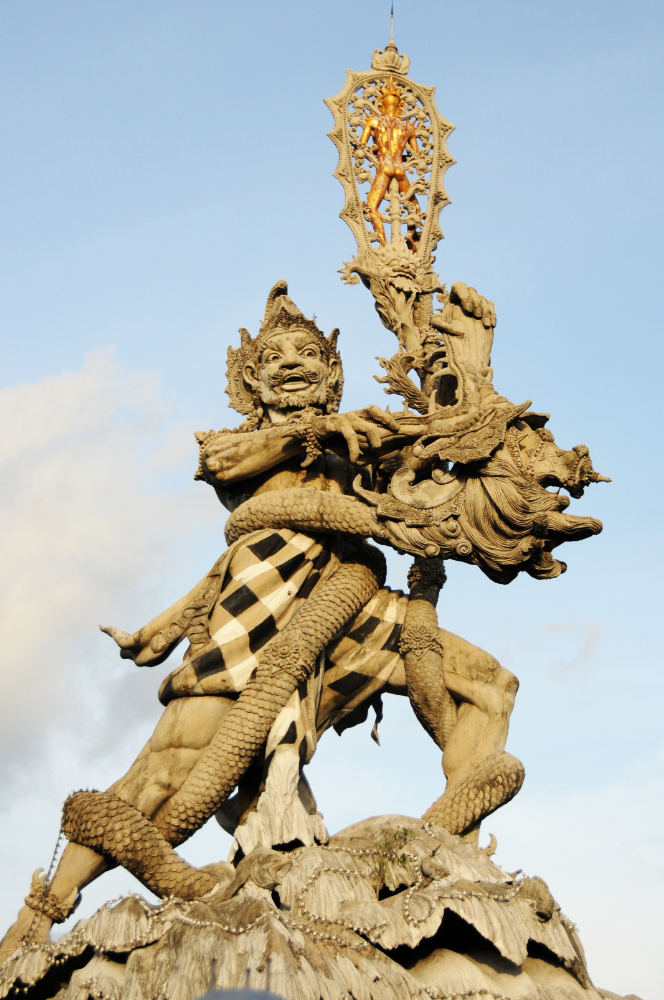
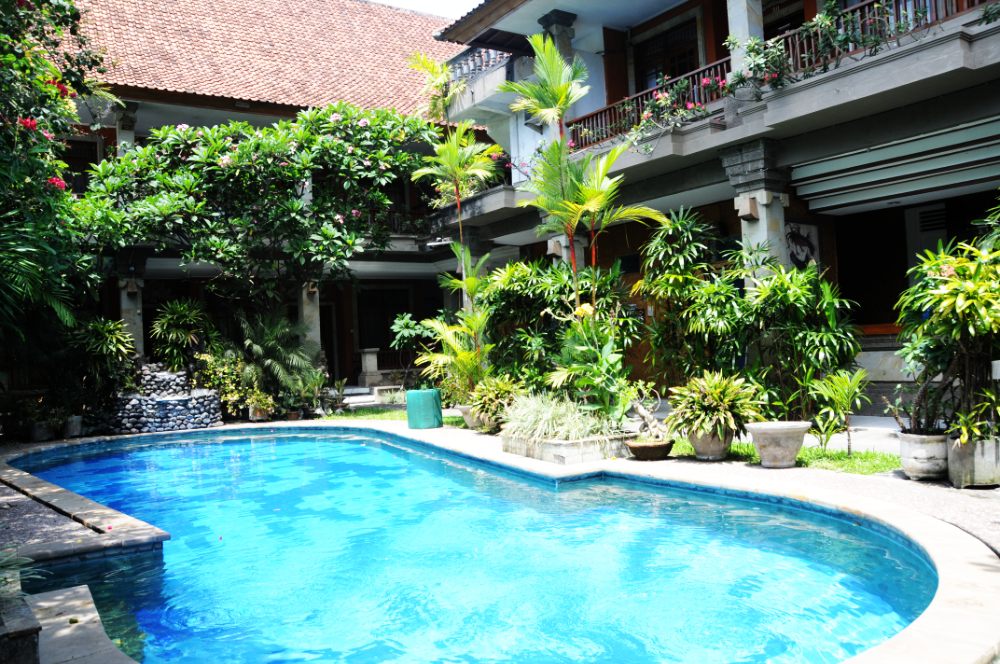
A quieter area that I preferred over Kuta was Sanur. There were still plenty of tourists, restaurants, hotels, and activities, but the atmosphere felt much more relaxed than Kuta’s intense party scene. The statue above was one of many interesting pieces of Balinese artwork I came across, while the second photo gives an idea of the tropical accommodations available around the area. Swimming pools seemed almost standard.
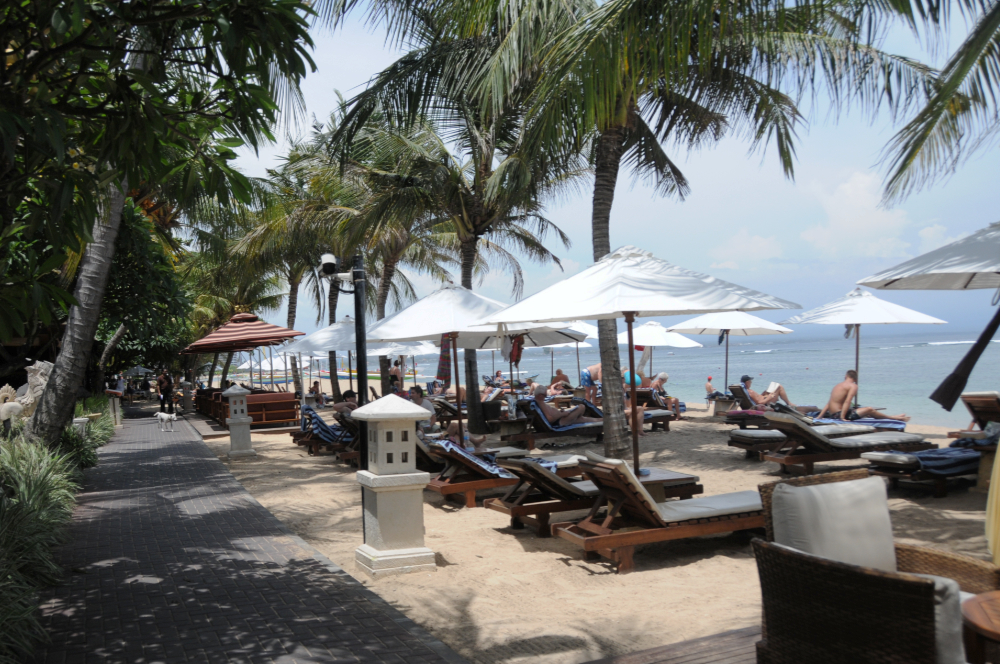
Sanur’s beachfront boardwalk is lined with beaches, restaurants, lounge chairs, and places offering massages and water activities. Kayaks and other beach equipment were also easy to rent, and the slower atmosphere made this one of my favorite areas to simply walk around and relax.
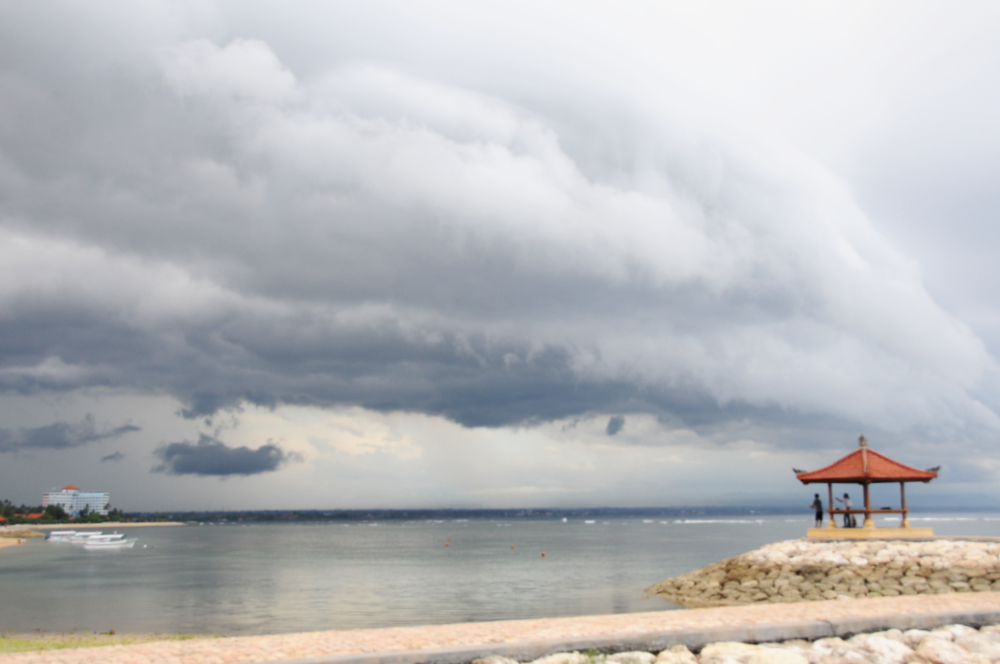
I visited around the beginning of the rainy season, so the weather could change quickly. A sunny tropical afternoon could suddenly turn dark as heavy storm clouds rolled in from the ocean.
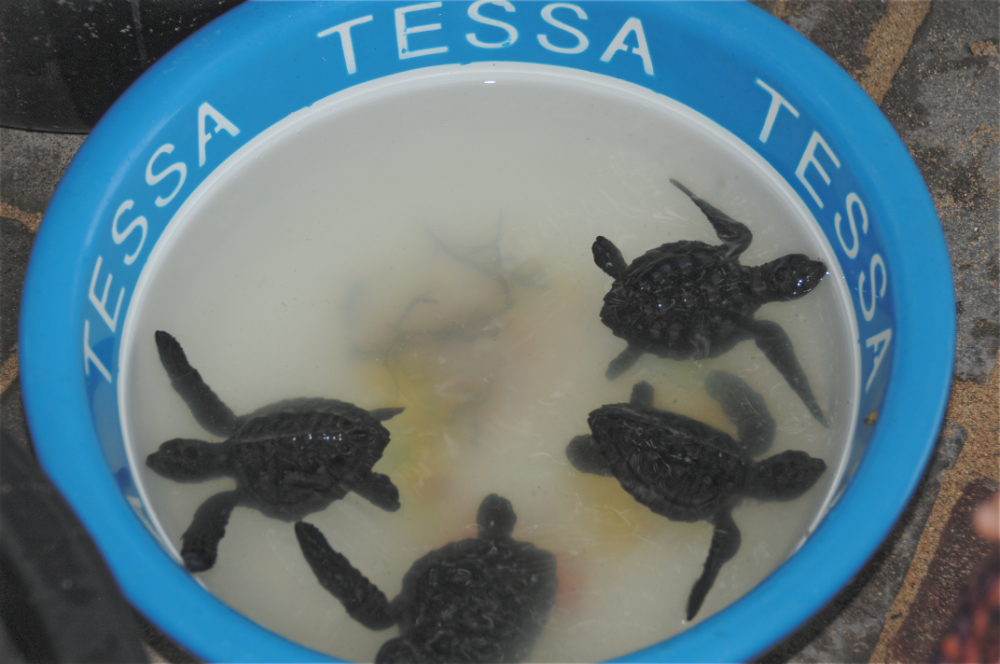
While walking along the beachfront, we came across these baby sea turtles being kept in a small container. After seeing conservation warnings about sea turtles elsewhere in Indonesia, I wasn’t sure what was happening at first. A woman working at the nearby restaurant explained that the turtles had hatched on the beach in front of the property and were being kept temporarily before eventually being released into the ocean.
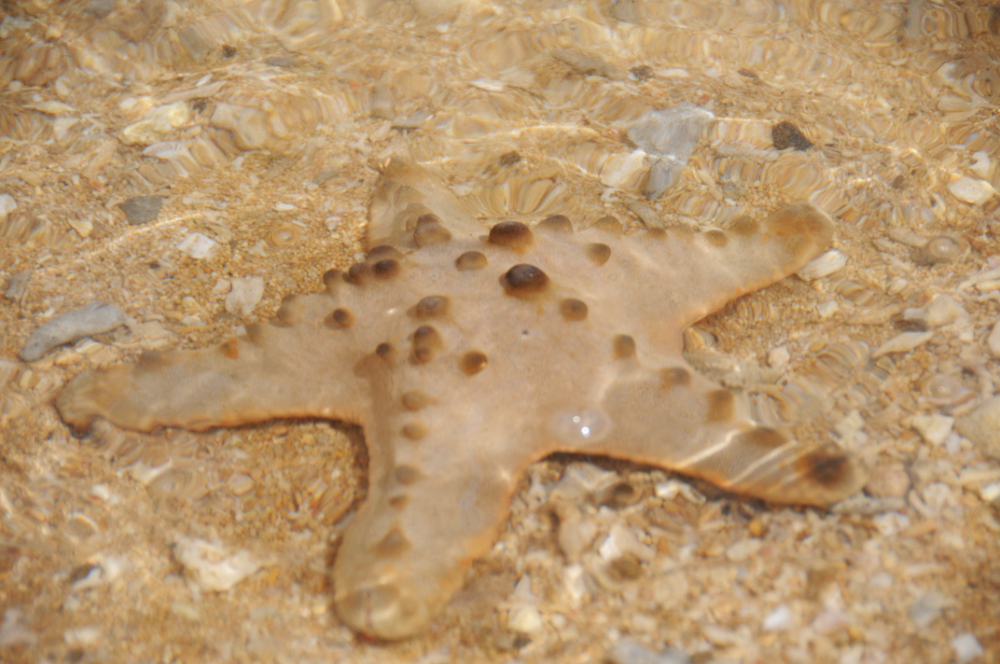
I also found this large starfish while swimming through a shallow section of water covered with vegetation. Bali’s beaches weren’t just places to sit along the sand; even relatively close to shore there was plenty of marine life to discover.
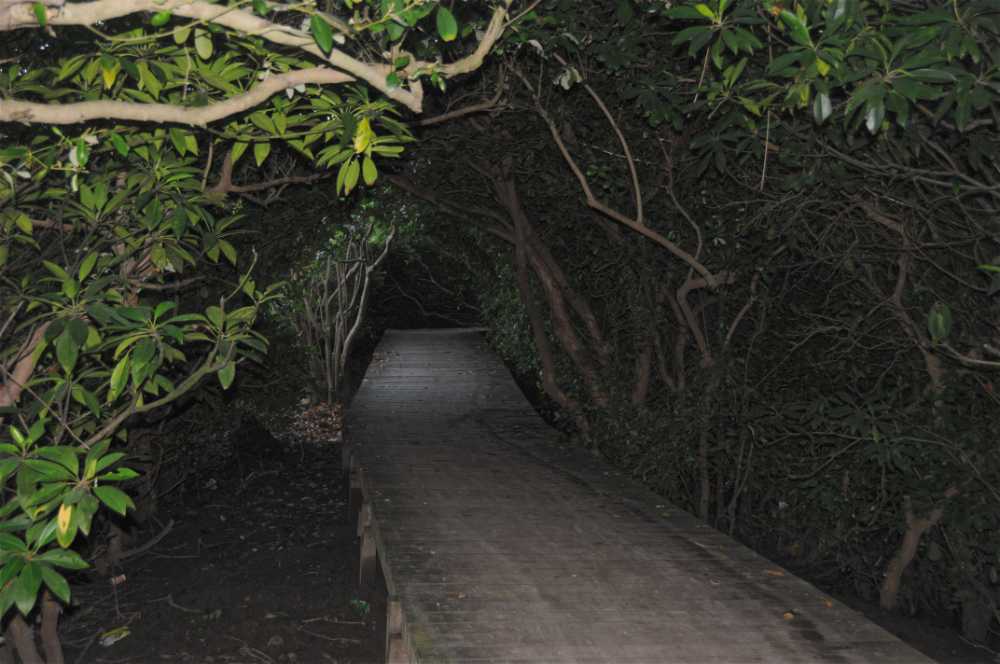
One of my last attempted excursions in Bali was a visit to the mangrove forest. As someone who loves nature and the outdoors, this was something I really wanted to explore, especially after a local recommended it to me. Unfortunately, when I arrived I was told that the boardwalk was closed. Because of the language barrier I never completely understood why, although I suspected I had simply arrived too late in the day.
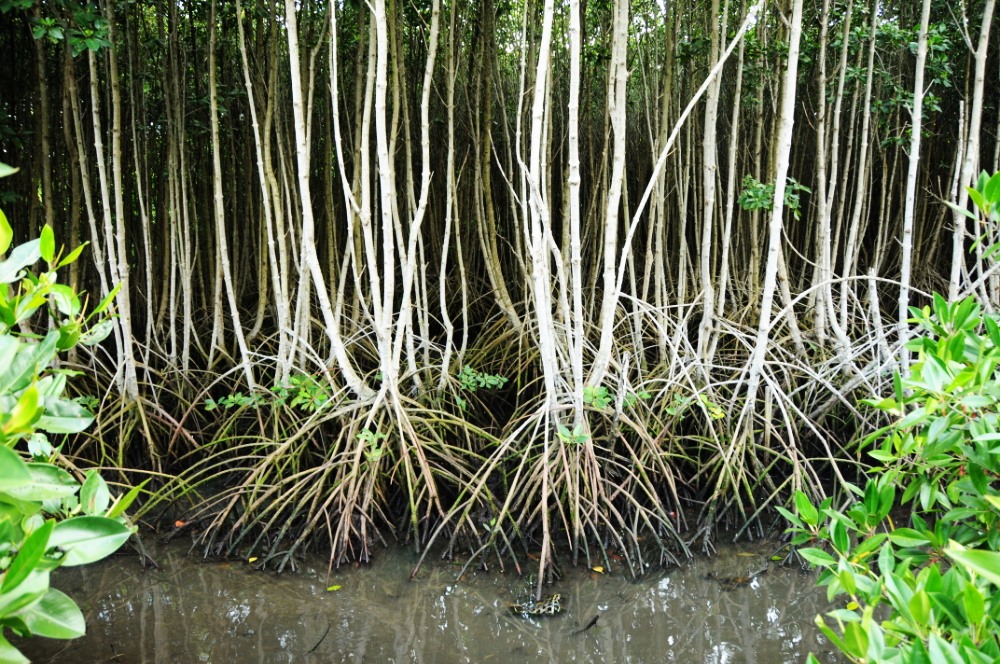
I wasn’t able to explore the boardwalks or birdwatching towers, but I could still see portions of the mangrove forest from outside. Even that limited look showed a completely different environment from Bali’s beaches, temples, and crowded tourist districts.
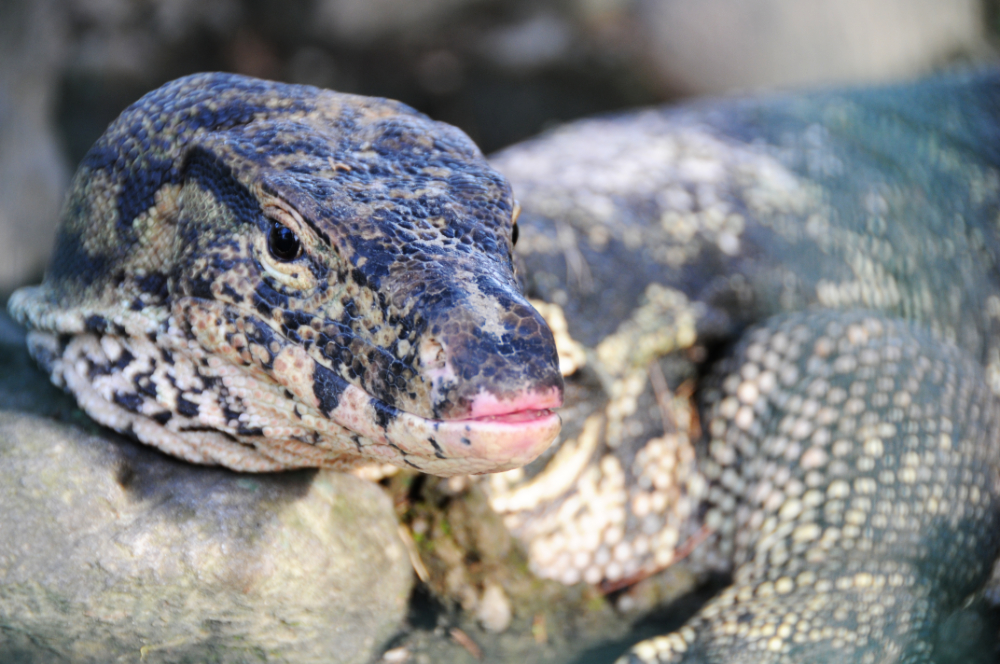
This monitor lizard was being kept at the mangrove forest, although wild monitor lizards also live around Bali and other parts of Indonesia. They’re surprisingly large animals and exactly the kind of wildlife I had hoped to encounter while exploring the mangroves.
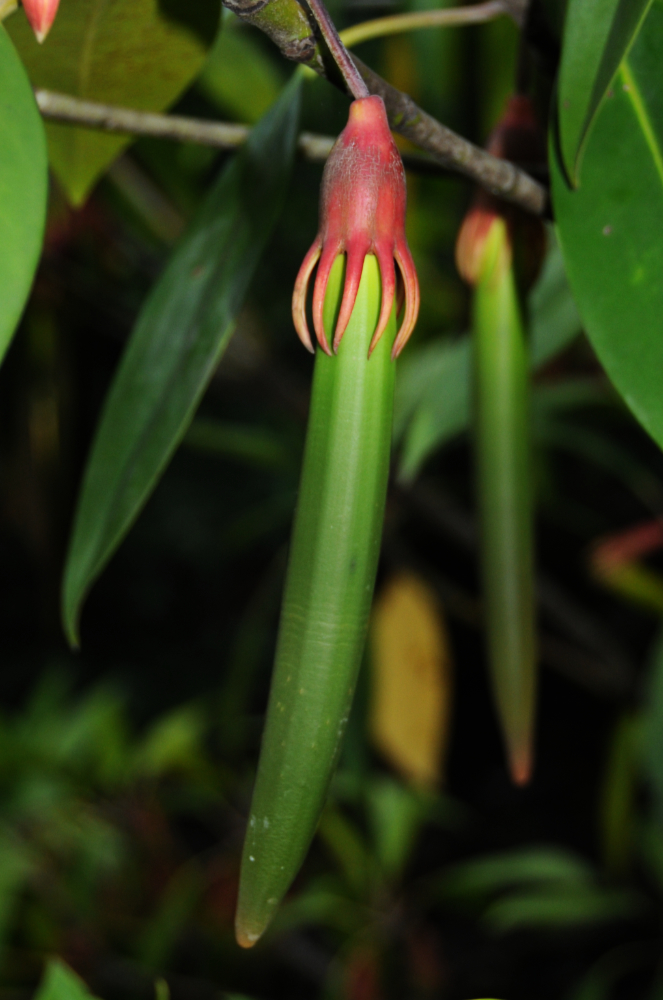
The final photo shows one of the unusual plants I came across near the mangroves. Even though my attempt to explore the forest didn’t go according to plan, it was still an interesting final glimpse of Bali’s natural side. Between the temples, ceremonies, nightlife, beaches, wildlife, and quieter areas like Sanur, Bali ended up being much more varied than its reputation as simply a tropical resort island might suggest.
Explore More of Indonesia
Sugapa • Bali • Jakarta • Lombok • West Papua • Yogyakarta