Made up of thousands of islands, Indonesia is the largest archipelago in the world and one of the most culturally diverse countries I’ve traveled through. Although the majority of Indonesians are Muslim, traditions, languages, religions, and ways of life can change dramatically from one island to another. Traveling between different parts of the country can sometimes feel like entering an entirely different place. Beyond its culture, Indonesia is also home to volcanoes, tropical forests, beautiful beaches, coral reefs, and some of the most unique wildlife on the planet.
Visit Jakarta →
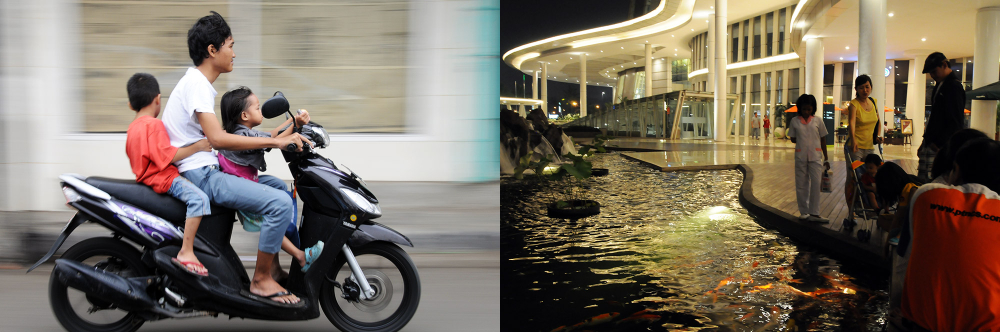
Indonesia’s capital is one of Southeast Asia’s largest cities, with neighborhoods and districts sprawling for miles in every direction. Exploring Jakarta can take time, especially because of the city’s famously heavy traffic. The central part of the city is home to national monuments, government buildings, and the Presidential Palace, while other areas are filled with museums, markets, shopping, restaurants, and nightlife.
Visit Yogyakarta →
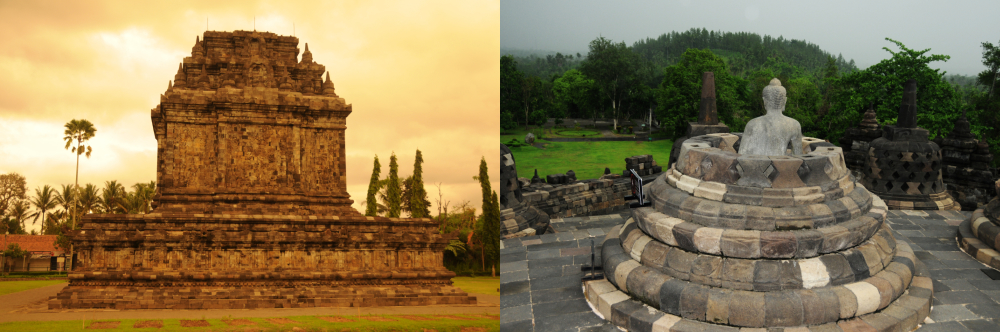
Yogyakarta is one of the cultural centers of Java and a great place to experience the island’s history and traditions. The region is surrounded by ancient temples, volcanic landscapes, and reminders of the civilizations that flourished here centuries ago. One of its most famous attractions is Borobudur, the enormous Buddhist temple complex that has become one of the most recognizable landmarks in Indonesia.
Visit Bali →
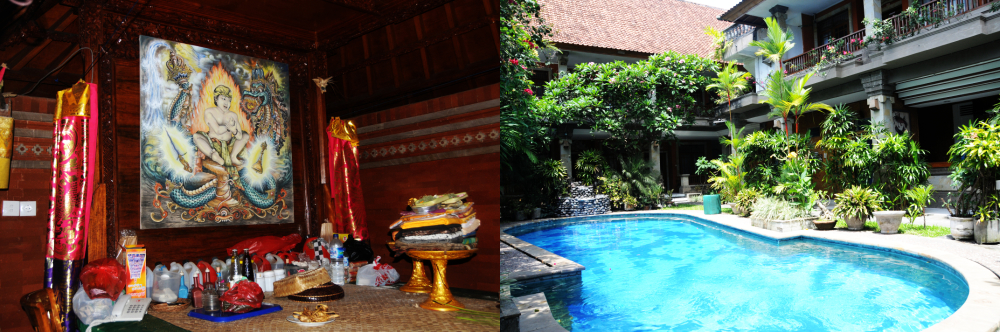
Bali stands apart from much of Indonesia because of its predominantly Hindu culture and the traditions that have developed on the island over centuries. It’s also Indonesia’s most internationally famous travel destination, with everything from beaches and nightlife to temples, rice terraces, volcanoes, and small villages. Whether you’re looking for outdoor adventure, culture, or simply somewhere to relax, Bali offers an incredible variety of experiences on a relatively small island.
Visit Lombok →
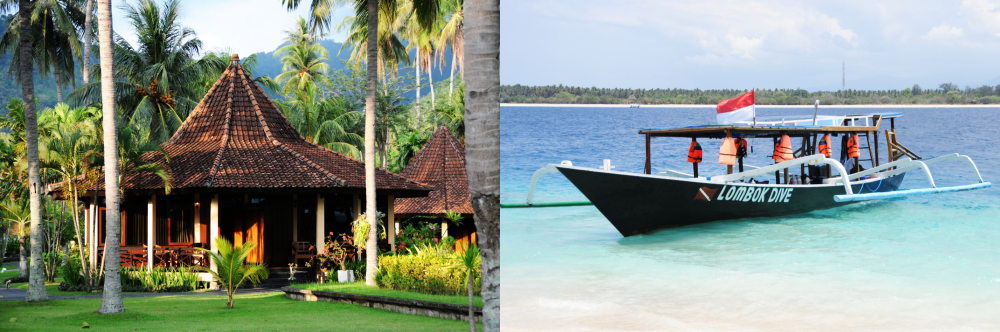
Lombok shares much of Bali’s tropical scenery but has a very different atmosphere. The island has a predominantly Muslim population and is generally quieter than its famous neighbor, while still offering beautiful beaches, mountain scenery, diving, and plenty of places to explore. Just offshore are the small Gili Islands, known for their clear water, beaches, snorkeling, and scuba diving.
Visit West Papua →
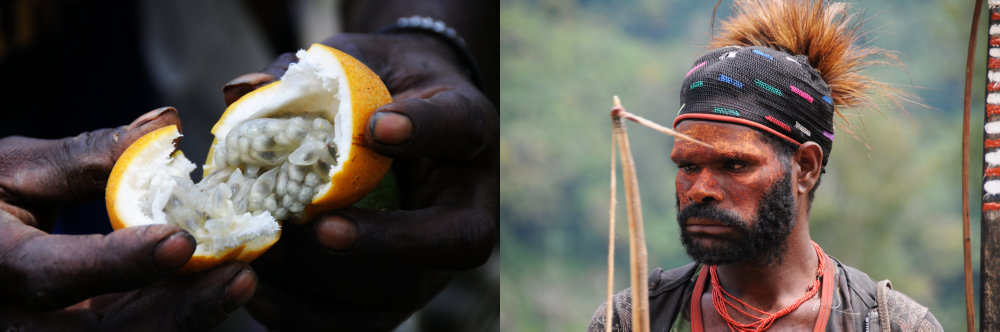
West Papua occupies the western portion of New Guinea and is one of the most geographically and culturally distinctive parts of Indonesia. Its enormous mountains, dense rainforests, remote valleys, and isolated communities make traveling here completely different from visiting places such as Java or Bali. Many Indigenous communities have preserved languages and traditions found nowhere else, while the surrounding forests and waters contain an extraordinary variety of plants and wildlife. For travelers interested in remote landscapes and cultures, this is one of the most unique regions of Indonesia.
Climb Carstensz Pyramid →
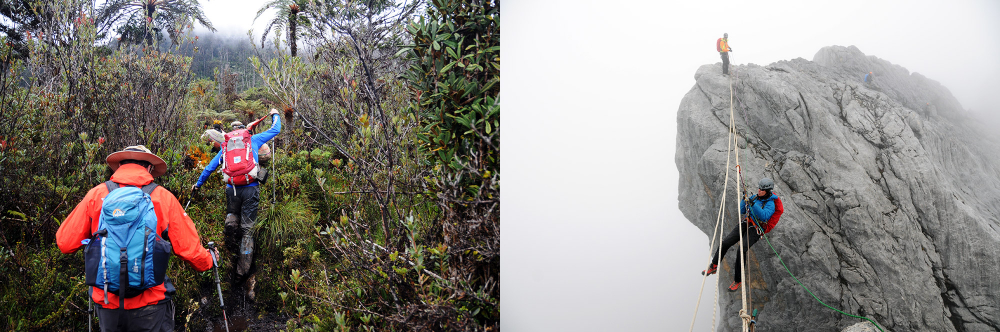
Carstensz Pyramid, also known as Puncak Jaya, rises from the remote mountains of western New Guinea and is the highest mountain on an island anywhere in the world. It is also one of the Seven Summits and is unusual among them for its steep limestone climbing and equatorial location. The surrounding mountains were once covered by considerably larger glaciers, although these have retreated dramatically. More than a decade ago, reaching Carstensz could involve an incredibly difficult expedition lasting weeks, trekking through dense rainforest, deep mud, swamps, remote highland villages, and rugged mountain terrain before the climbing even began. Today, expeditions generally fly across much of this terrain, making access considerably faster, but Carstensz remains one of the world’s most unusual major mountain destinations.
