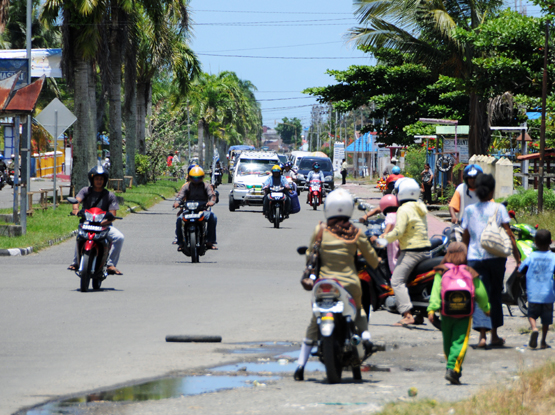
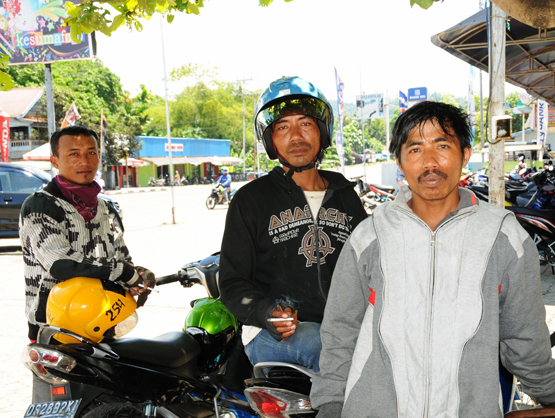
My main reason for visiting West Papua was to climb Carstensz Pyramid, so I didn’t spend as much time independently exploring the region as I normally would. Even so, getting to the mountain required traveling through coastal cities, remote highland communities, and eventually days of rainforest, giving me some fascinating experiences along the way. West Papua occupies the western half of the island of New Guinea, and the cultural and ethnic differences from other parts of Indonesia were immediately noticeable. My journey began in Nabire, a coastal city that served as one of my gateways into the interior.
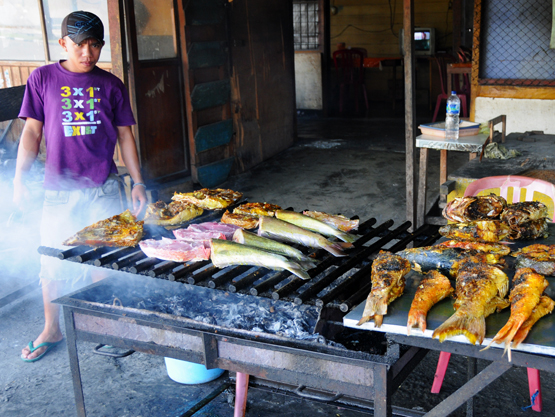
Nabire had a tropical coastal environment that felt very different from the mountainous interior I was about to enter. Palm trees grew throughout the area, while markets and roadside vendors sold food and other everyday necessities. This fish vendor was one of the scenes I came across while exploring around town.
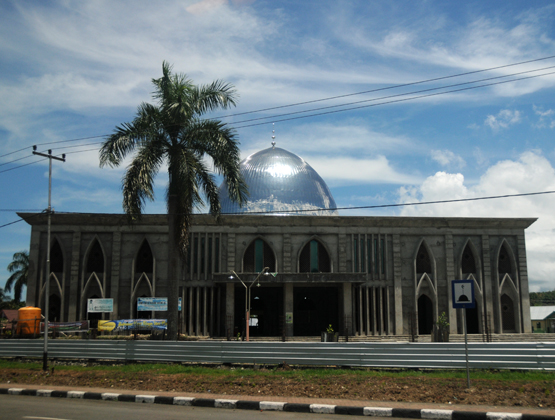
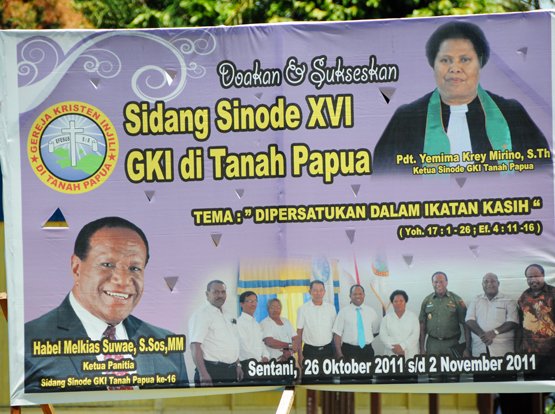
Nabire also showed some of the cultural diversity of West Papua. Islam is widespread among Indonesians who have migrated to the region, while Christianity is common among many indigenous Papuan communities. During my time in Nabire I photographed both a mosque and a billboard for a local church, examples of the different religious traditions that coexist in the region.
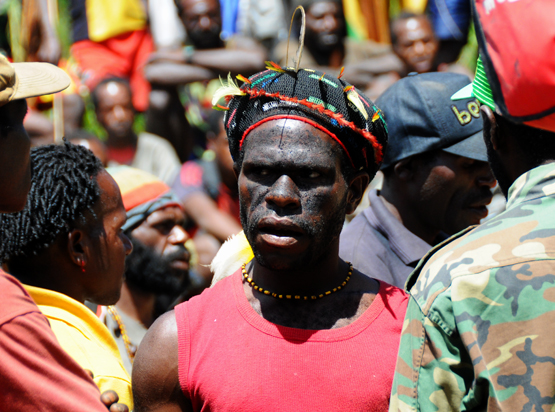
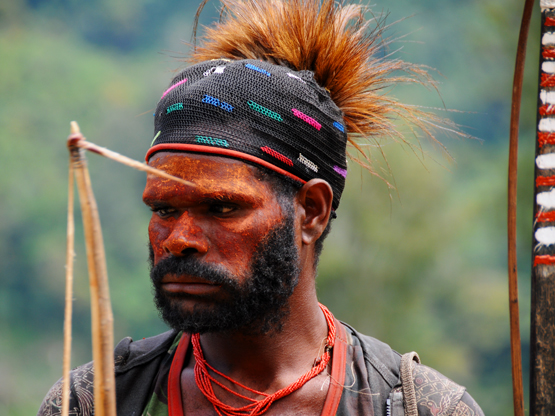
From Nabire I flew into Sugapa in the highlands, where the journey changed completely. At the time of my visit, there were no major roads connecting the area with the coast, making small aircraft an essential connection with the outside world. Indigenous communities throughout the highlands maintained traditions and ways of life that were very different from anything I had experienced elsewhere in Indonesia. Sugapa was also the starting point for the overland portion of my Carstensz Pyramid expedition, and from here I would continue on foot through the mountains and rainforest.
Explore my climb of Carstensz Pyramid, also known as Puncak Jaya or Nemangkawi.
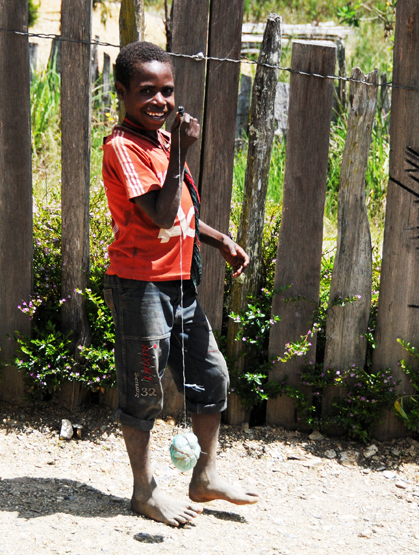
One of the things I enjoyed seeing was how children created their own toys from whatever materials were available. This boy was playing with a homemade ball, while other children rolled large wheels made from vines down steep hills and raced after them. With very little in the way of manufactured toys, they had no shortage of ways to entertain themselves.
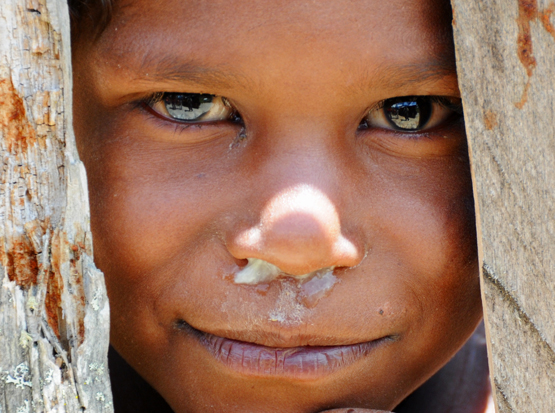
Conditions in the highland villages could also be rugged. Many of the children spent their days outside in the cool, wet mountain climate, often barefoot and seemingly completely unfazed by conditions that I found uncomfortable. Experiences like this were a reminder of just how different everyday life could be in these isolated communities.
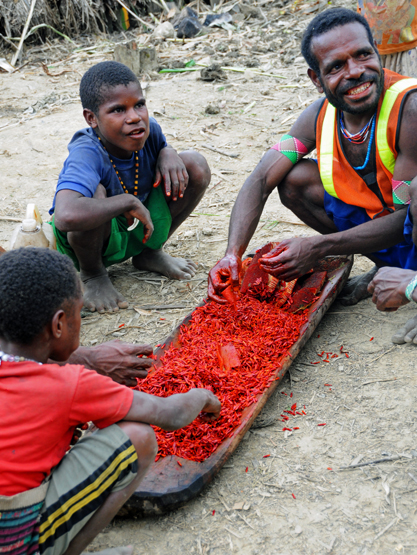
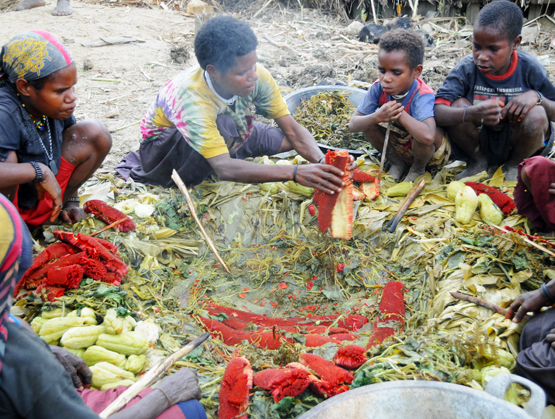
While passing through the villages, I also had opportunities to watch people preparing food. Much of what I saw consisted of locally grown vegetables and other plants, while pigs and chickens were kept within fenced areas around the villages. Food production here was closely connected to the surrounding land, especially once we traveled farther from the settlements supplied by aircraft.
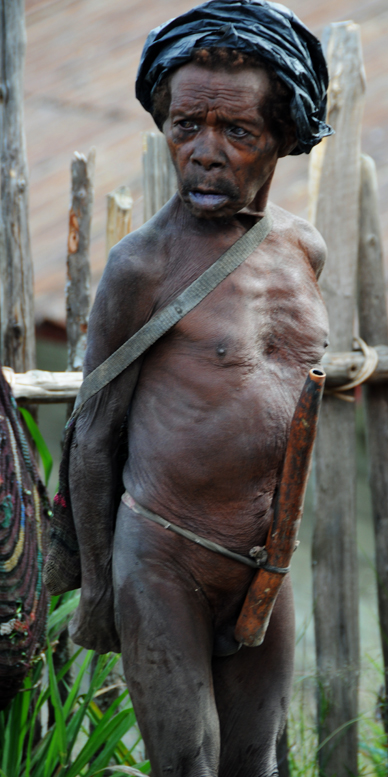
One of the most distinctive traditions I encountered in the highlands was the koteka, a traditional penis sheath worn by men among several indigenous peoples of New Guinea. Although modern clothing had become common by the time of my visit, traditional dress was still very much present in some of the communities I traveled through.
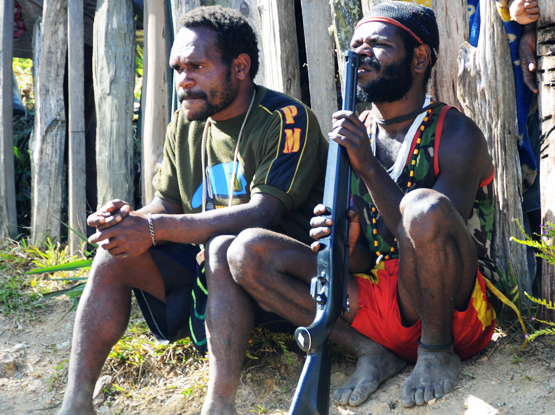
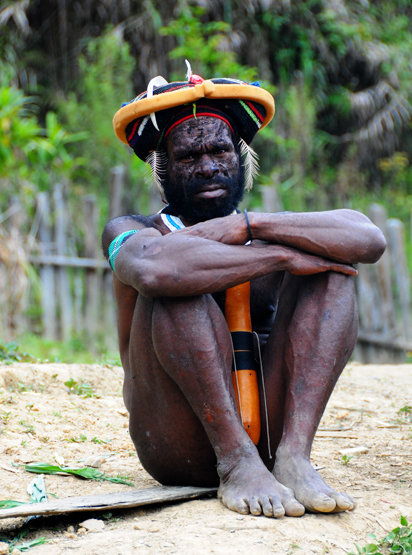
The contrast between traditional and modern influences was visible everywhere. People might wear traditional ornaments or clothing while also carrying or using manufactured objects brought in from elsewhere in Indonesia. Rather than existing completely apart from the modern world, the communities I encountered seemed to combine outside influences with traditions that had survived for generations.
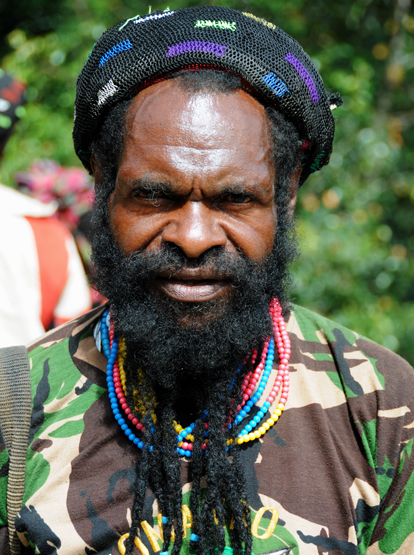
Most of the men I encountered wore everyday modern clothing such as shorts and T-shirts, sometimes combined with traditional necklaces and other personal decorations. This man was wearing a military-style shirt along with necklaces, while his impressive beard certainly made him stand out.
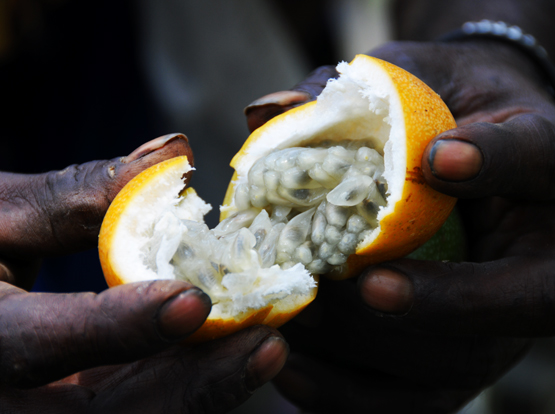
I was offered this fruit during the journey and initially had absolutely no idea what I was looking at. The inside didn’t look especially appetizing to me, so at first I declined. Hunger eventually won and I gave it a try, only to discover that it was sweet and tasted great. I was even more surprised when I learned that it was passion fruit. I had heard of passion fruit plenty of times before this trip but had never actually seen the inside of one.
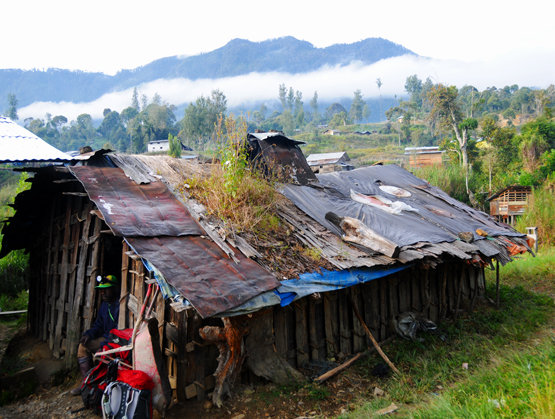
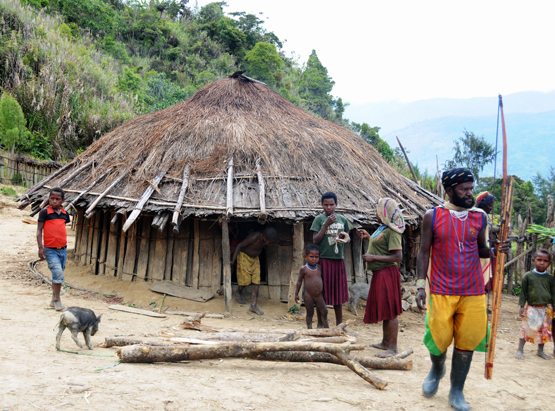
These are two of the highland villages I passed through during the expedition. Some communities were seeing new construction and increasing contact with outsiders, including missionaries, traders, government officials, and climbers traveling through on their way toward Carstensz Pyramid. At the same time, their isolation and surrounding landscape gave the villages a character unlike anywhere else I had traveled.
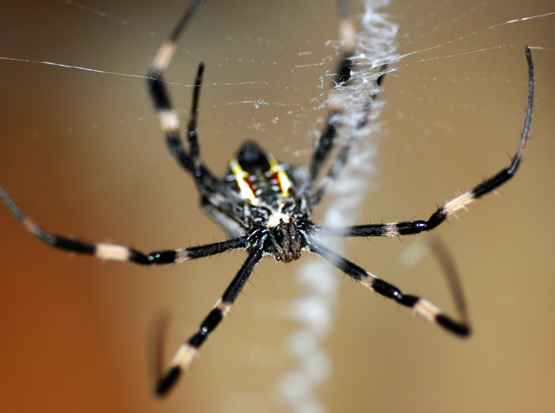
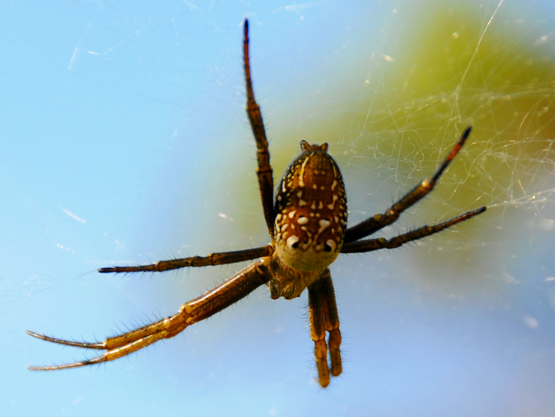
I spent roughly two weeks trekking through West Papua on the way to Carstensz Pyramid, crossing rainforest, mountain valleys, and swampy bogs. I was surprised that I didn’t see more large wildlife, although I did encounter plenty of birds that unfortunately escaped my camera. Huge spiders were considerably easier to find. These are two different species I encountered along the route, and their size was more than enough to convince me to leave them alone.
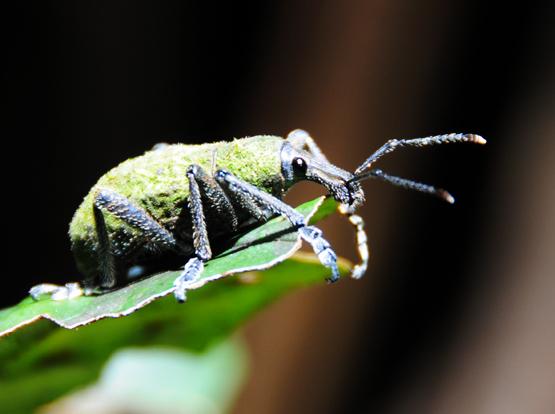
One of the more unusual insects I found was this enormous weevil, which I remember being more than an inch long. I actually encountered two of them during the expedition and regretted not taking out my macro lens for a closer photograph.
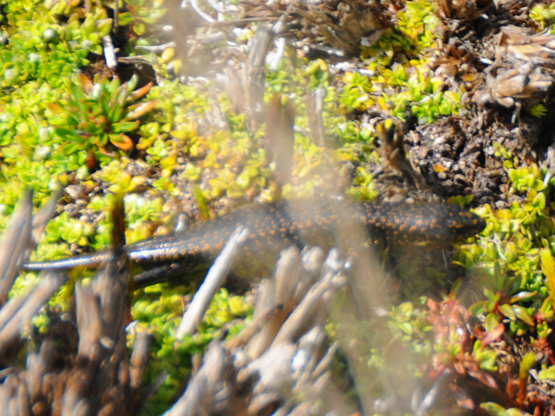
This small lizard was one of the few reptiles I managed to photograph. It darted through the vegetation so quickly that I barely had enough time to get a picture. New Guinea is famous for its extraordinary biodiversity, and huge areas of its forests and mountains remain difficult to access. Even though I didn’t encounter as much wildlife as I had hoped, trekking through such remote rainforest made West Papua one of the most unusual environments I had experienced during my travels.
Explore More of Indonesia
Sugapa • Bali • Jakarta • Lombok • West Papua • Yogyakarta