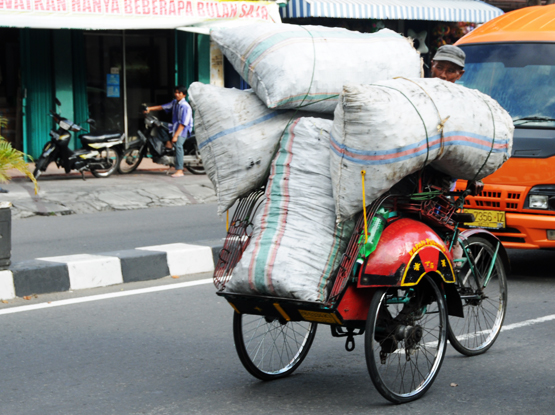
My next destination in Indonesia took me back to the island of Java, this time to Yogyakarta. Compared with enormous Jakarta, Yogyakarta felt much smaller and easier to explore, although traffic could still get surprisingly busy. The city is one of Java’s great cultural centers and also makes an excellent base for visiting some of Indonesia’s most important ancient temples.
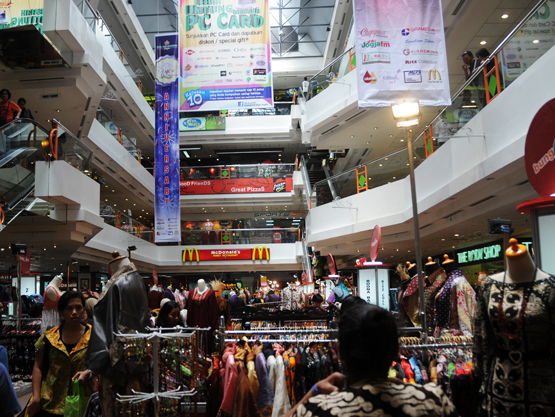
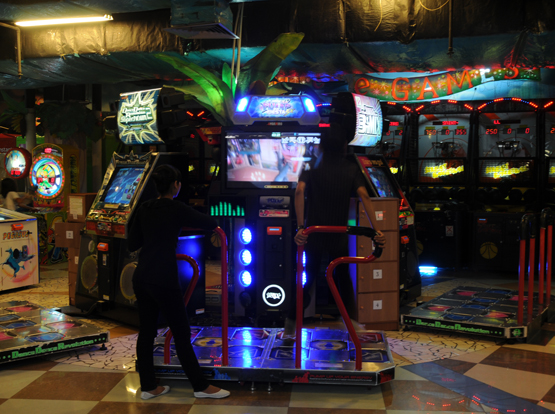
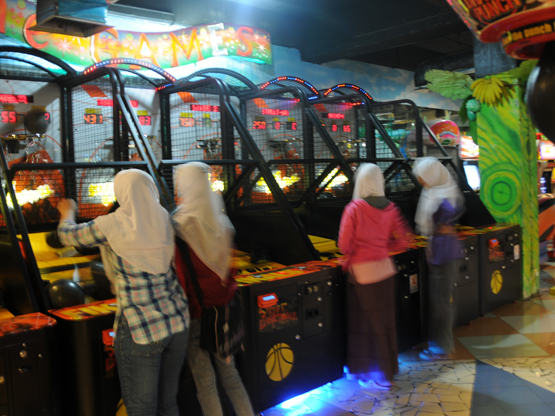
I spent some time exploring the shops and restaurants around the city. One of the larger malls had a McDonald’s and Pizza Hut along with a huge arcade on its upper floor. With the games costing very little, it was easy to spend more than an hour there. I had forgotten how much fun arcades could be since they had become increasingly difficult to find back home.
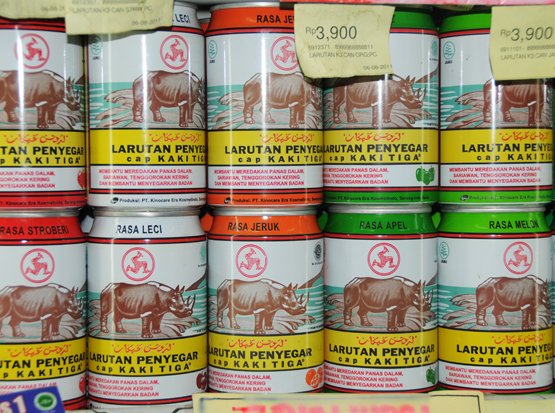
Coffee shops were also popular in Yogyakarta, as they were throughout much of Indonesia. I wasn’t sure what the bottled drink below was, but the rhinoceros on its label caught my attention. Java is home to the critically endangered Javan rhinoceros, an animal I would have loved to see during this trip. I looked into visiting the area where they survive, but the trip was extremely expensive and there was no guarantee I would actually see one.
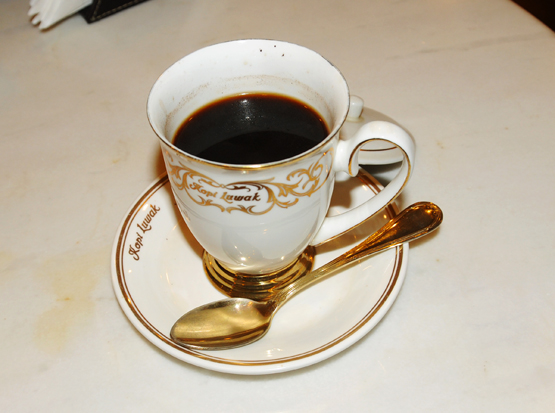
Something I did get to try was kopi luwak, the famous Indonesian civet coffee. The beans are eaten by Asian palm civets and collected after passing through their digestive systems. I had previously seen a small cup selling for about $45 in Australia, while here in Indonesia I could try one for around $8. Even though I’m neither a fan of coffee nor particularly enthusiastic about drinking something produced this way, I couldn’t pass up the opportunity. The flavor was definitely different from ordinary coffee, although not enough to convince me to spend $45 on another cup!
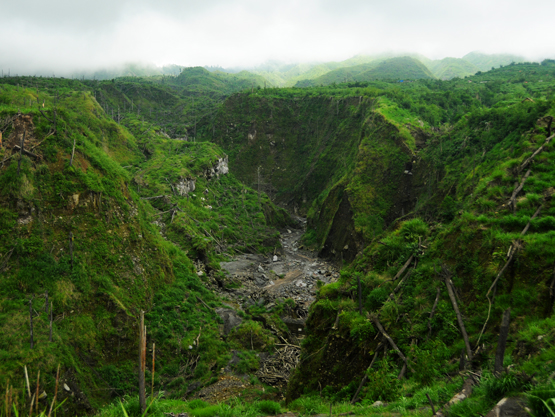
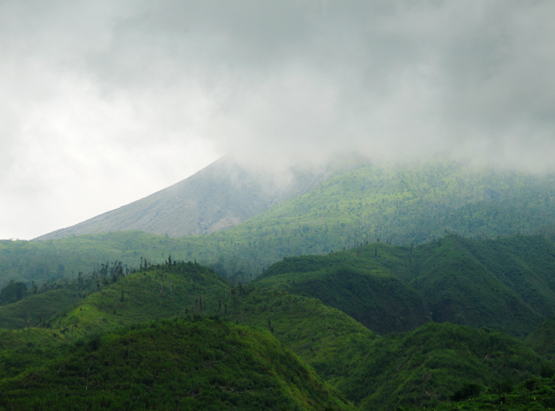
Just outside Yogyakarta is Mount Merapi, one of Indonesia’s most active volcanoes. Communities have lived around its fertile slopes for generations despite the danger posed by its frequent eruptions. I was visiting during the rainy season, and unfortunately the clouds completely covered the summit. The valley and volcanic landscape were still impressive, but the slope disappearing into the clouds was about as much of Merapi as I was able to see.
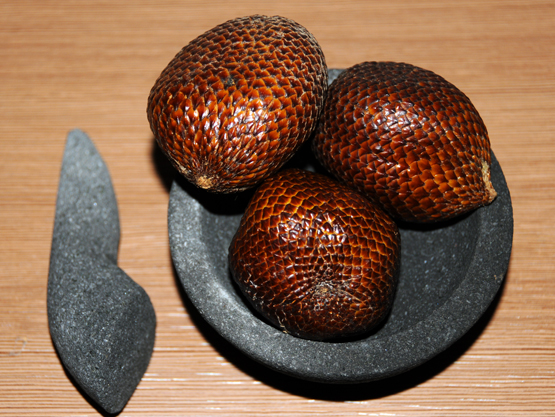
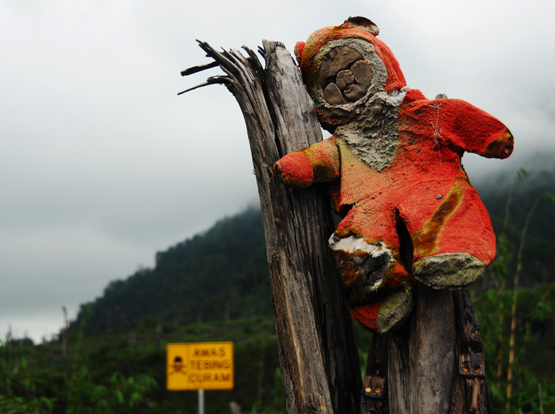
While exploring the area I also tried salak, commonly called snake fruit because of its scaly skin. I wasn’t impressed by the first bite, but strangely enough I liked it more with each one that followed. The bowl holding the fruit was made from volcanic rock from Mount Merapi. Volcanic stone is used for all kinds of things around Yogyakarta, including bowls, cooking tools, carvings, and souvenirs. I also came across the strange doll hanging from a tree nearby, although I never figured out what it represented.
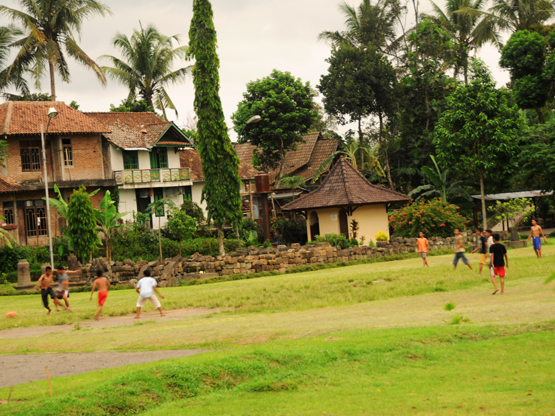
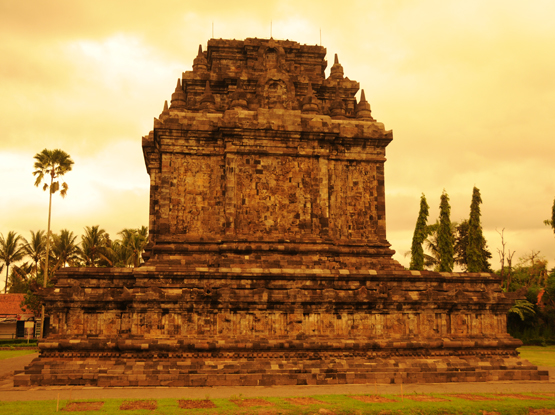
From Mount Merapi I headed toward Borobudur. Along the way we passed a small ancient temple standing beside a field where kids were playing soccer. It was an interesting reminder of just how much history is scattered throughout this part of Java.
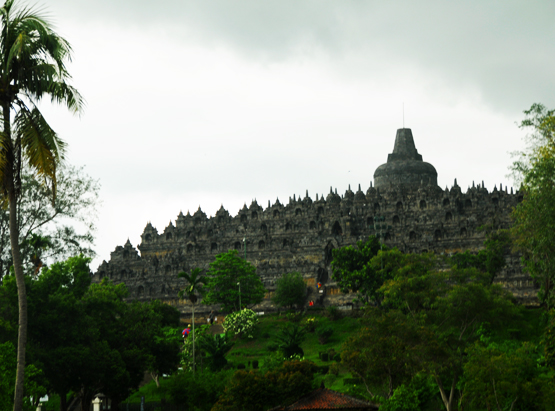
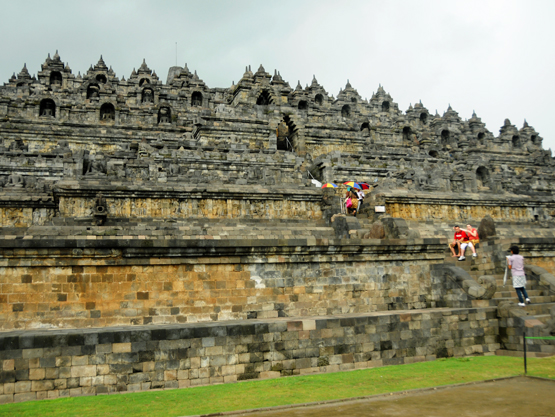
Not much farther away was Borobudur, the largest Buddhist temple in the world. Built during the 8th and 9th centuries, the enormous monument rises through a series of terraces covered with stone reliefs and Buddha statues. Unfortunately it was nearly dark by the time I arrived, so I had to rush through parts of my visit and some of my photographs suffered for it. Even with limited time, the scale of Borobudur was incredible.
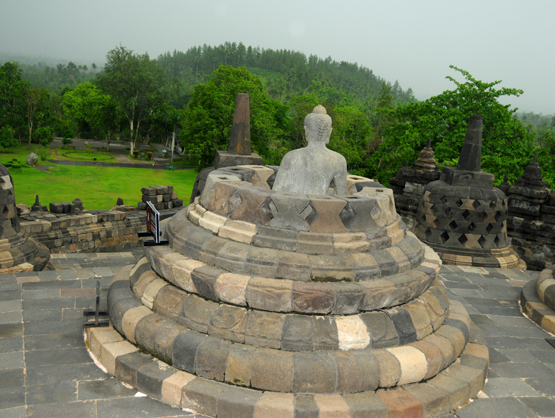
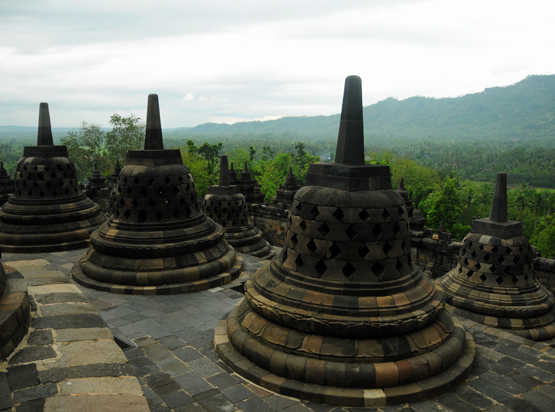
The upper levels of Borobudur are surrounded by 72 perforated stupas, each containing a seated Buddha statue. The temple was eventually abandoned as the political and religious center of Java shifted elsewhere, and for centuries vegetation and volcanic ash helped conceal the monument. Major restoration projects eventually brought Borobudur back from deterioration, and today it is once again an important place of Buddhist pilgrimage as well as one of Indonesia’s greatest historic sites.
The walls throughout Borobudur are covered with detailed relief panels illustrating Buddhist teachings and scenes of life in ancient Java. Walking among carvings created more than a thousand years ago gives you a remarkable glimpse into the beliefs, clothing, architecture, and everyday world of the people who built the temple.
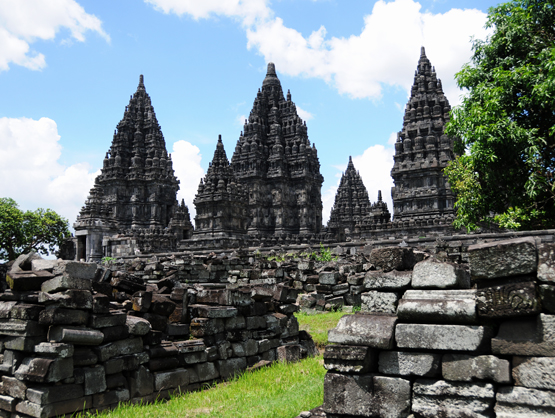
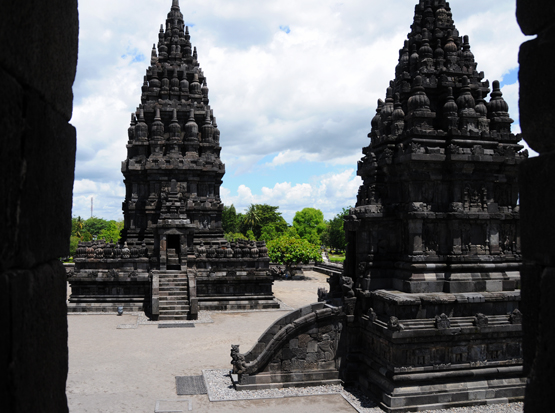
Almost rivaling Borobudur is Prambanan, an enormous Hindu temple complex also built in Central Java during the 9th century. Its construction is associated with the Hindu Sanjaya dynasty of the Mataram Kingdom. Hundreds of temples once stood throughout the complex, although earthquakes, volcanic activity, and centuries of abandonment left many of them in ruins. Extensive restoration has brought many of the most important structures back to life.
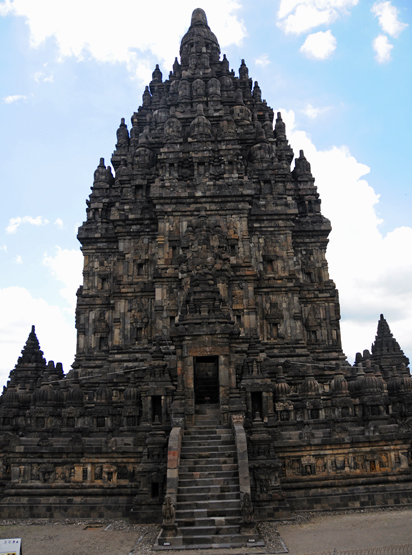
The tallest and most impressive structure at Prambanan is the Shiva temple, which rises about 47 meters, or 154 feet. It stands at the center of the complex alongside temples dedicated to Vishnu and Brahma, the three major Hindu deities represented here. Climbing the steep stone stairs leads into chambers containing statues connected with the Hindu traditions represented throughout the complex.
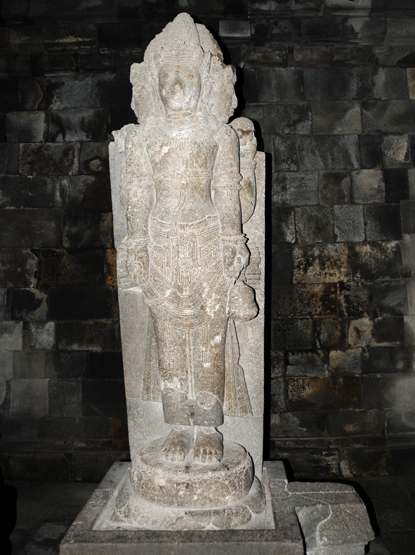
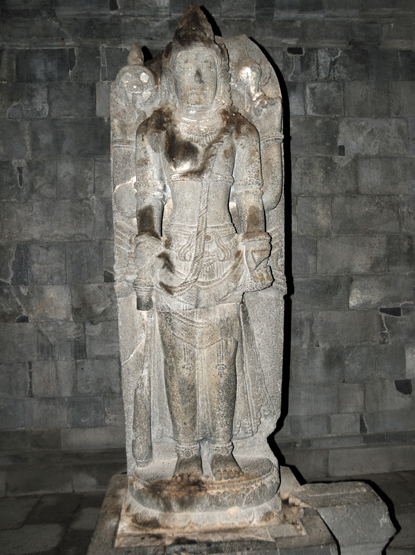
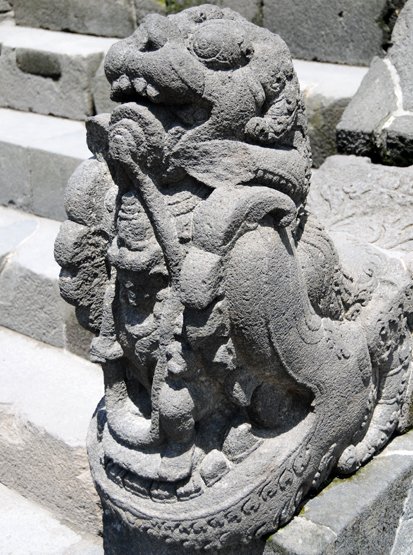
Inside and around the temples are numerous statues and religious figures. Being able to walk up the stairways and enter some of these ancient stone structures made Prambanan feel very different from simply viewing the complex from a distance.
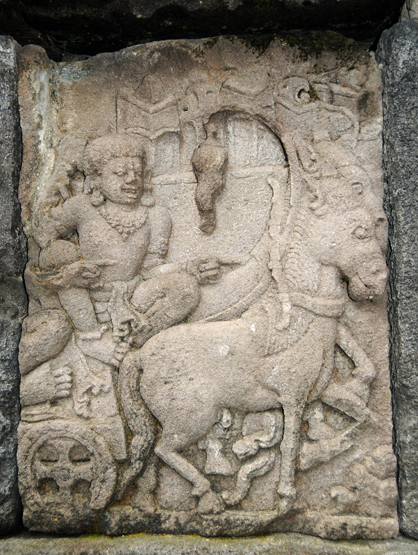
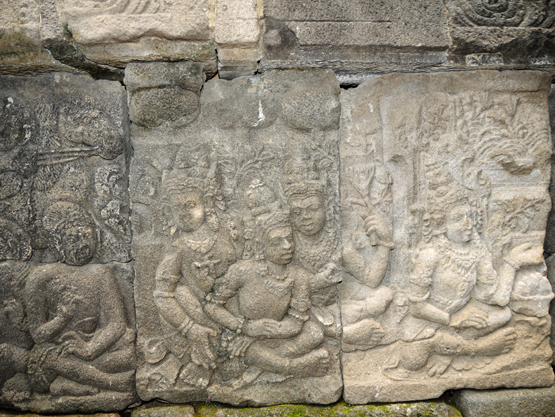
Like Borobudur, Prambanan is covered with elaborate stone carvings. I found many of the carvings here particularly clear and detailed, with figures and scenes still remarkably easy to make out despite their age.
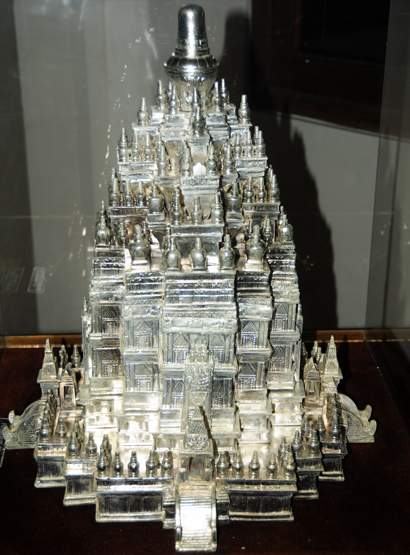
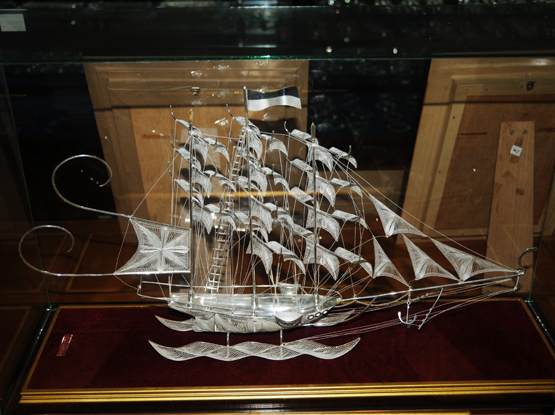
One last interesting stop I made in Yogyakarta was a silver workshop. Yogyakarta has a long tradition of silversmithing, and I was able to meet some of the people making jewelry and decorative pieces by hand. The shop had an entire floor filled with silver items, ranging from rings and small trinkets to elaborate works of art. Some of the most impressive were detailed silver models, including a model of Prambanan and the sailing ship photographed above.
Explore More of Indonesia
Sugapa • Bali • Jakarta • Lombok • West Papua • Yogyakarta