If you’re not into scenery and the outdoors, then West Virginia probably isn’t going to be your favorite destination! For me, though, it’s one of the best places in the Mid-Atlantic for hiking, camping, and getting into the mountains. Monongahela National Forest covers a huge portion of eastern West Virginia, and over the years I’ve made numerous weekend trips throughout this part of the state. What started with a random visit to Watoga State Park eventually turned into trips to places such as Blackwater Falls, Seneca Rocks, Spruce Knob, and Snowshoe.
Blackwater Falls
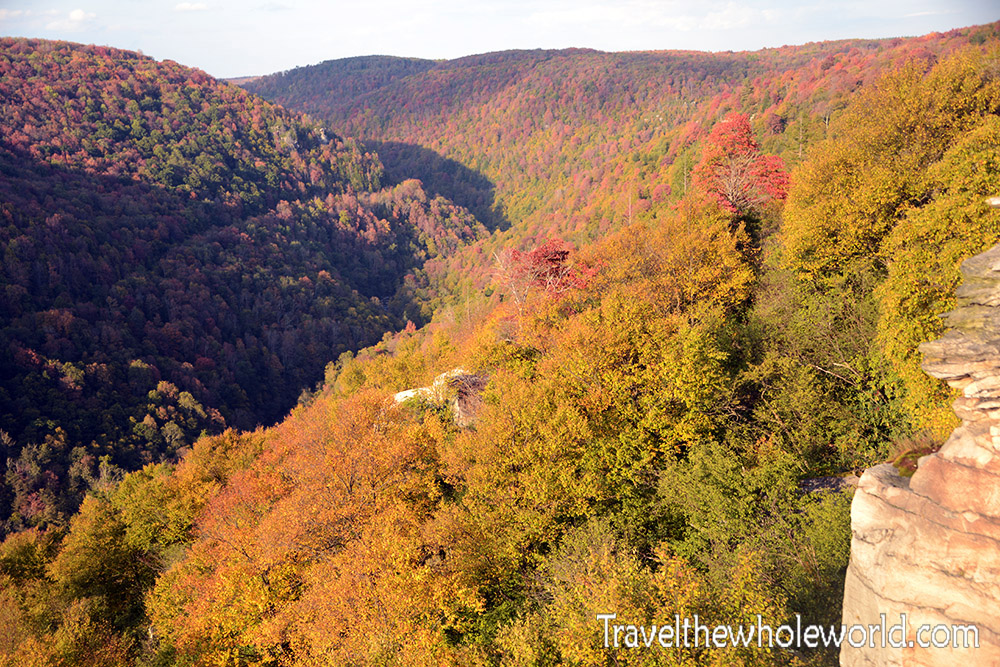
I’ll start with photos from one of my more recent trips to West Virginia. These were taken with a much better camera than many of the older photos farther down the page, so the quality is noticeably different. I visited Blackwater Falls State Park during the fall when the leaves were close to peak color, making it one of the most beautiful times of year to explore the area. Above is a view into Blackwater Canyon.
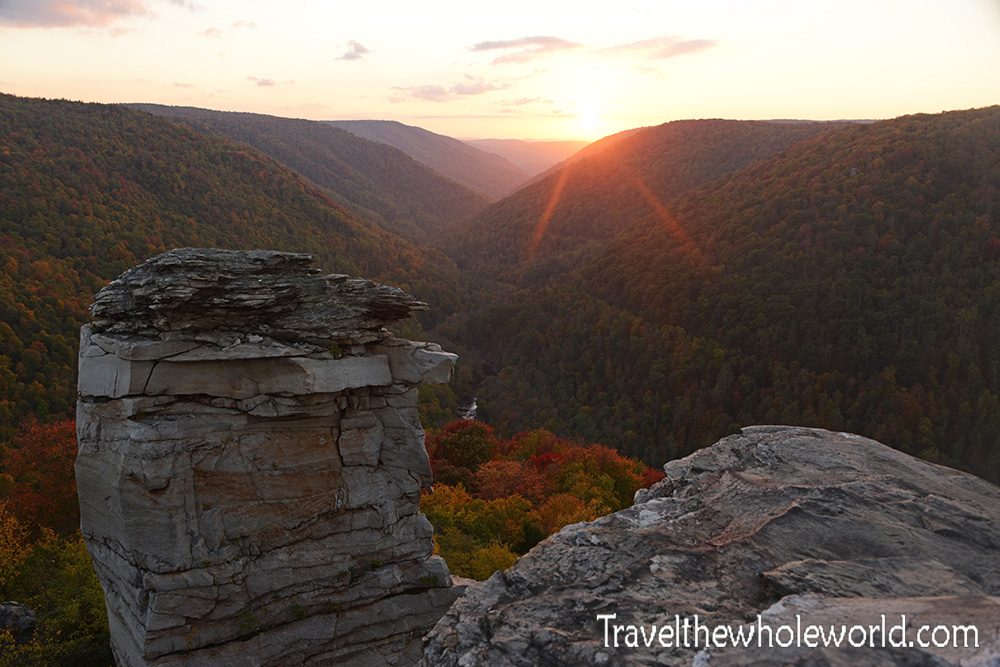
Above is Lindy Point, one of the best overlooks in Blackwater Falls State Park and easily one of my favorite views in this part of West Virginia. In terms of pure scenery, Blackwater Falls has a lot to offer. My experience with the hiking was a little more mixed because many of the trails were short and scattered around different parts of the park rather than forming one long route. Still, for viewpoints and waterfalls, it’s an excellent place to explore.
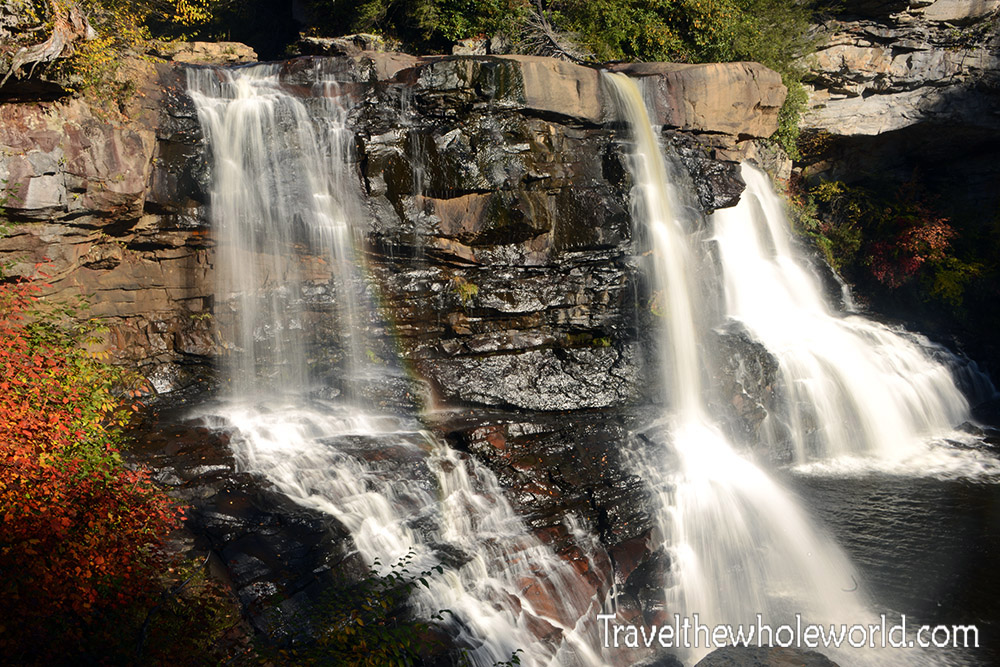
The park is named for Blackwater Falls, photographed above. The waterfall drops about 57 feet (17 meters) over a broad sandstone ledge. The water gets its dark amber color from tannins released by fallen hemlock and red spruce needles upstream.
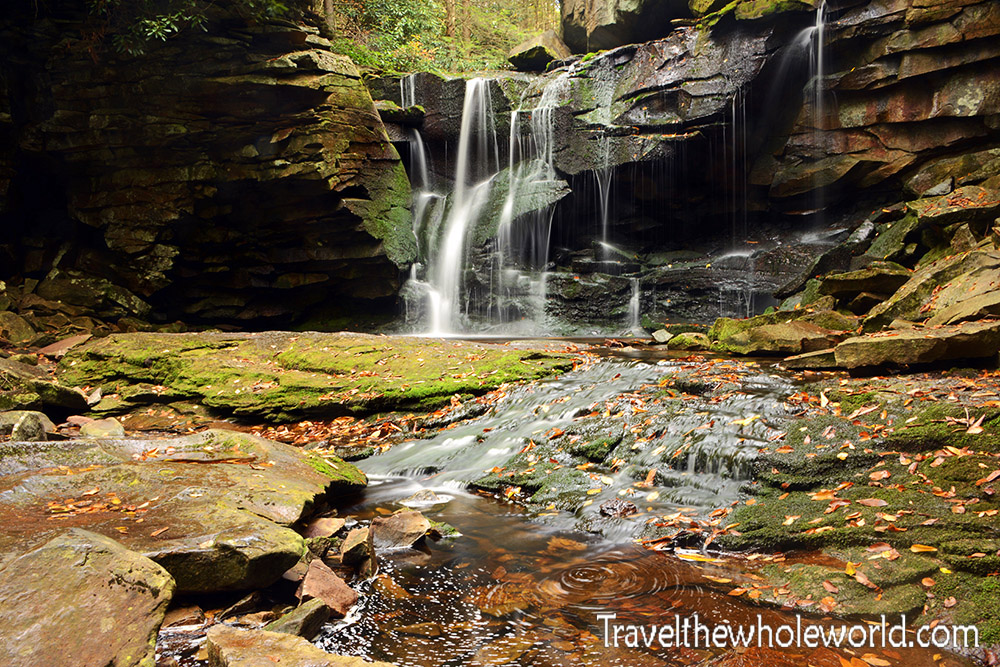
My favorite waterfall in the park was Elakala Falls. It isn’t as large or dramatic as Blackwater Falls, but I thought the setting was more beautiful. Elakala is actually a series of cascades, and the waterfall above is the upper section. I wish I had photographed more of the lower falls while I was already there, so that’s something I’ll have to correct on another visit.
Seneca Rocks
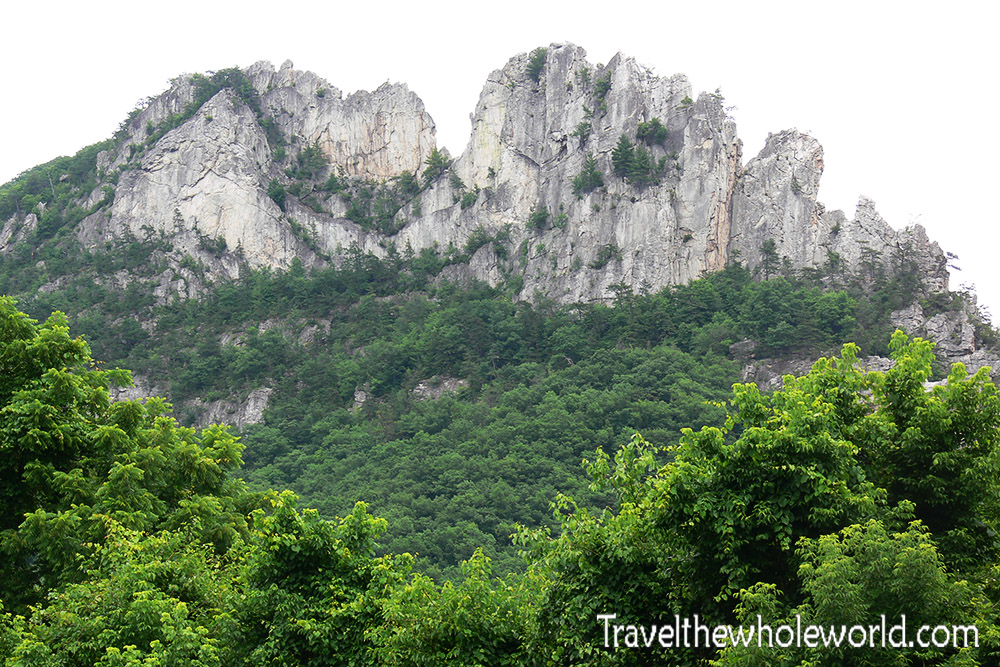
The rest of these photos were taken years earlier with my older camera. Above is Seneca Rocks, one of the best-known climbing destinations in the eastern United States. The narrow fins of Tuscarora quartzite rise dramatically above the surrounding valley and provide hundreds of traditional climbing routes. Even if you aren’t a climber, there’s a hiking trail to an observation platform that gives excellent views of the formation and surrounding mountains.
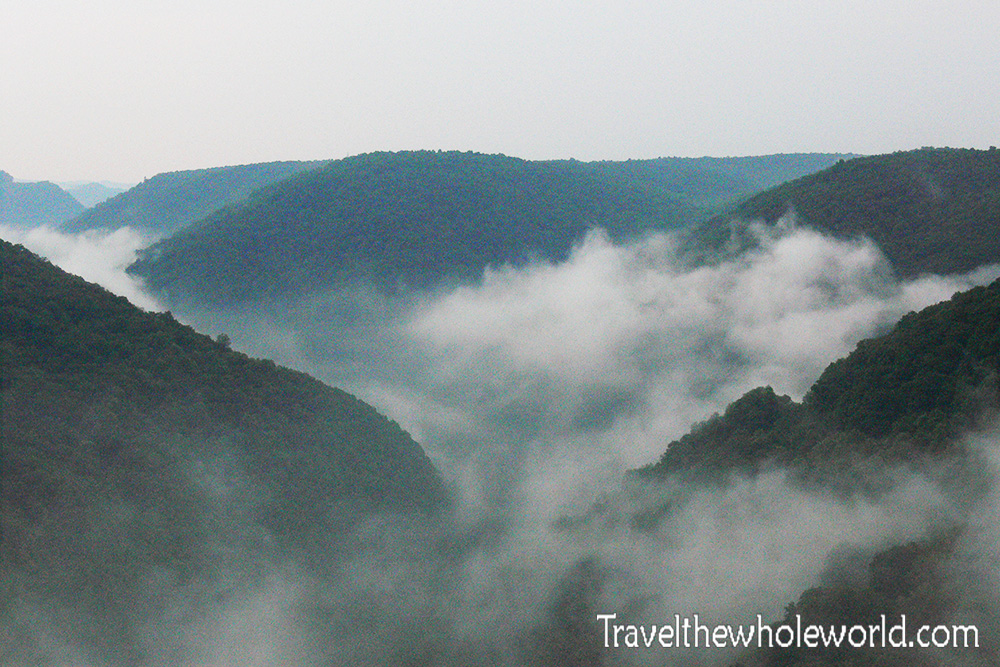
One of the things I like about this part of West Virginia is that you can stumble across impressive scenery even while driving between destinations. My friend and I passed this cloud-filled gorge nearly ten years before some of my later trips. The old camera doesn’t really do the scene justice, but it was an impressive sight in person.
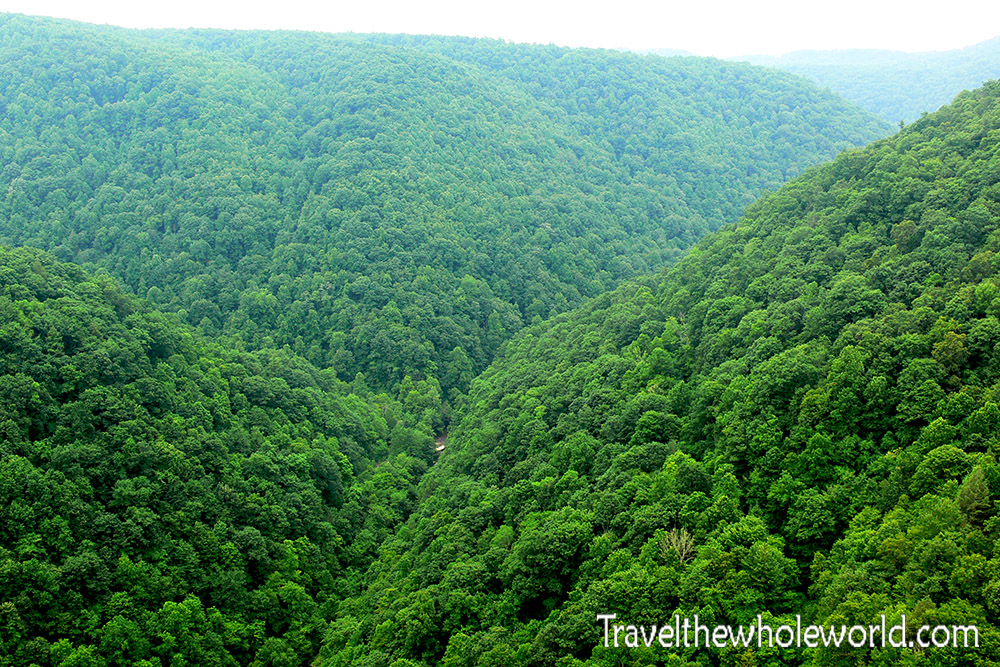
Views like this explain why West Virginia has long used the phrase “Wild and Wonderful.” Much of the eastern part of the state is covered in forested mountains, and Monongahela National Forest alone protects an enormous landscape of ridges, valleys, streams, and wilderness.
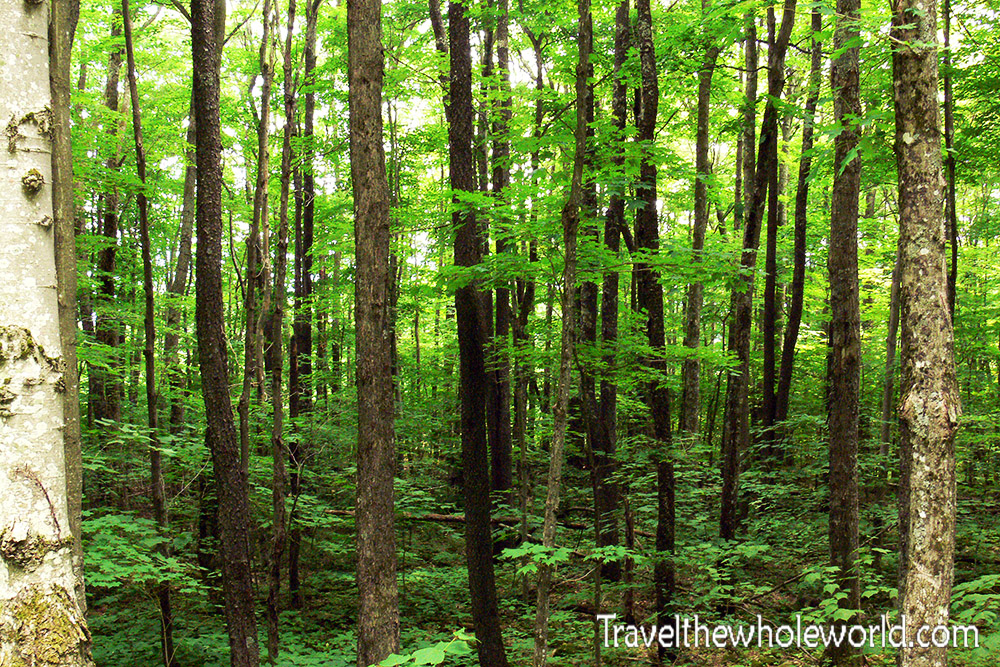
Above is another view from the forests of eastern West Virginia. Depending on the elevation and season, these mountains can look completely different—from dense green forest in summer to colorful hardwoods in fall and snow-covered ridges in winter.
Wildlife
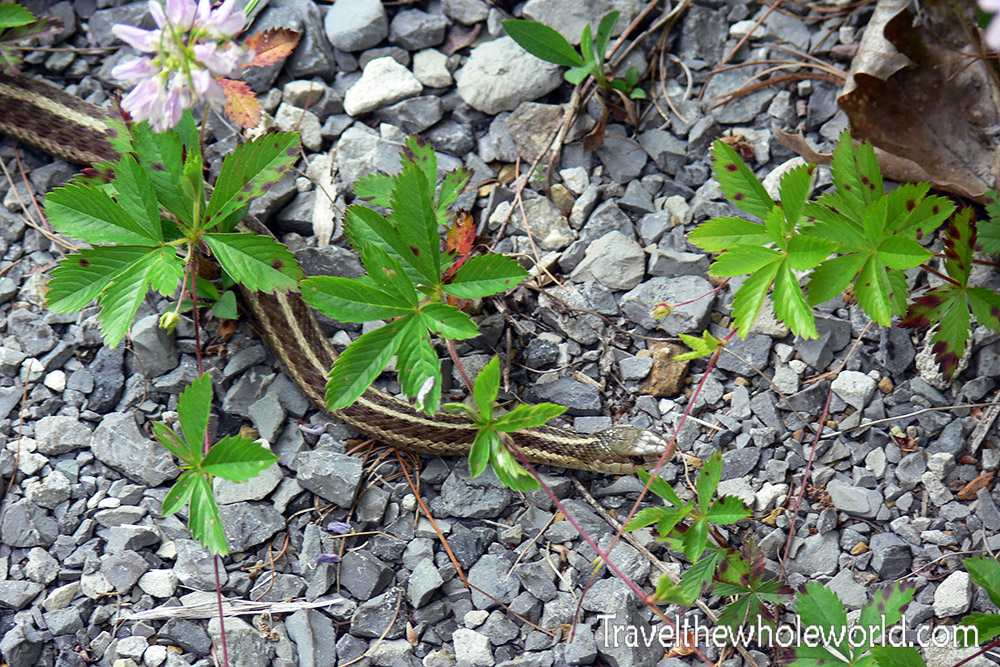
On one of my early trips, my friend and I hiked several miles through the mountains. We didn’t come across any black bears, but we did find a few smaller animals. Above is a ribbon snake, a slender and generally harmless species often found near water.
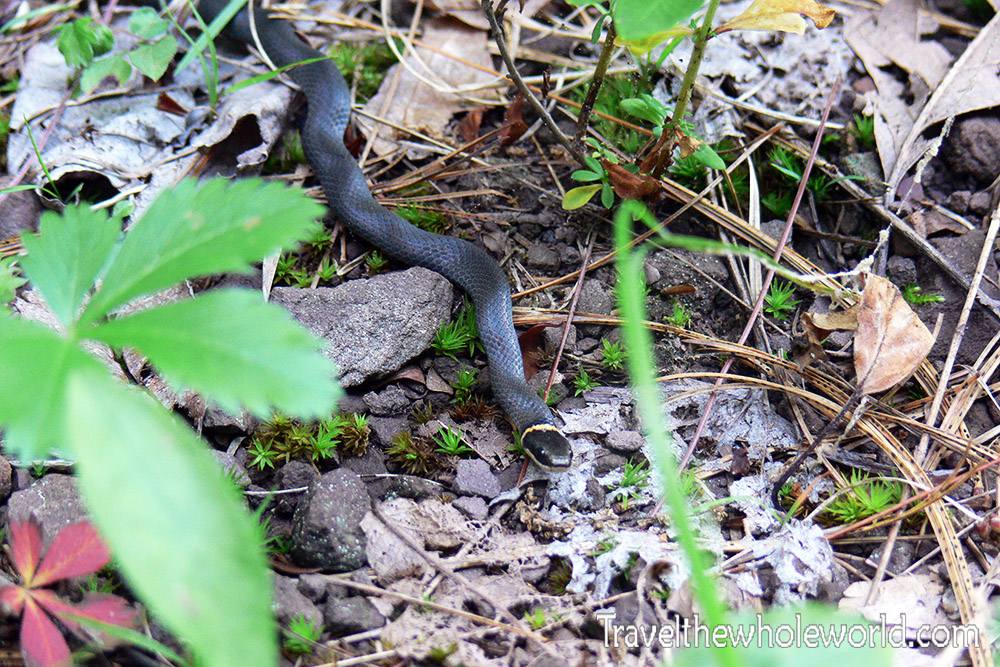
Above is a ring-necked snake, another small species that spends much of its time hidden beneath rocks, logs, and leaf litter. West Virginia also has venomous timber rattlesnakes and copperheads, although I’ve never been lucky enough to photograph either one here.
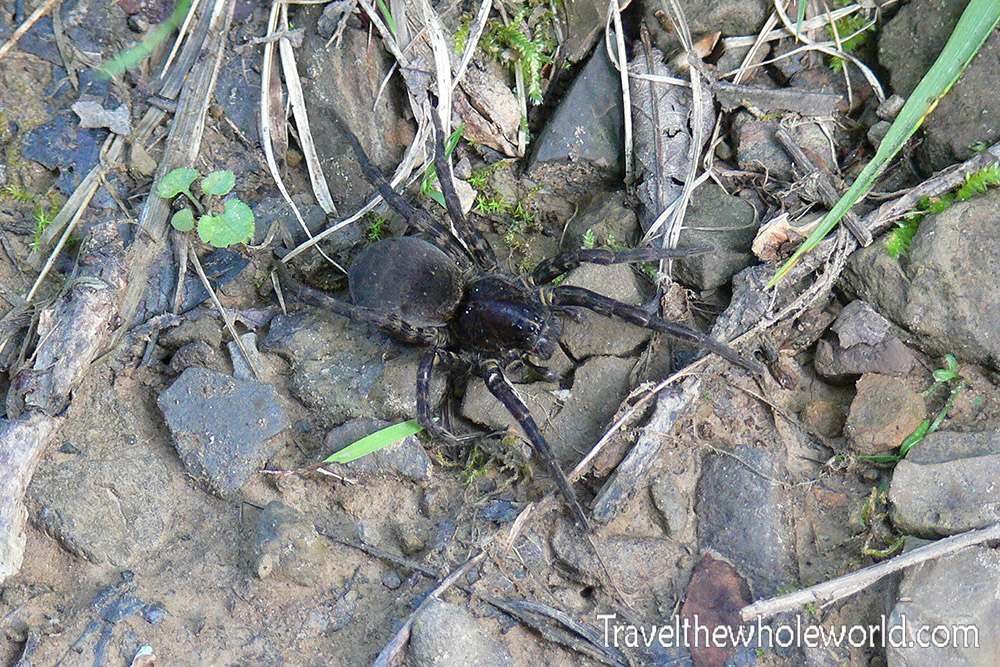
Above is what I believe is a wolf spider. I’ve seen wolf spiders throughout my life, but I still enjoy photographing the smaller wildlife that most hikers probably walk right past.
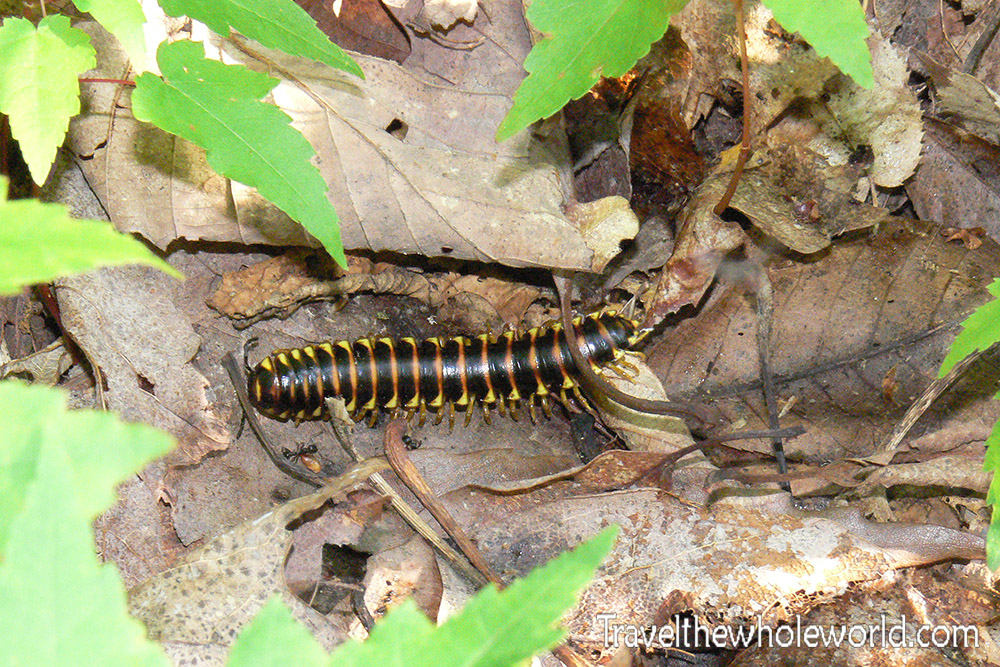
This centipede was more unusual to me. I had seen plenty of centipedes before, but I don’t remember coming across one quite like this until hiking in West Virginia.
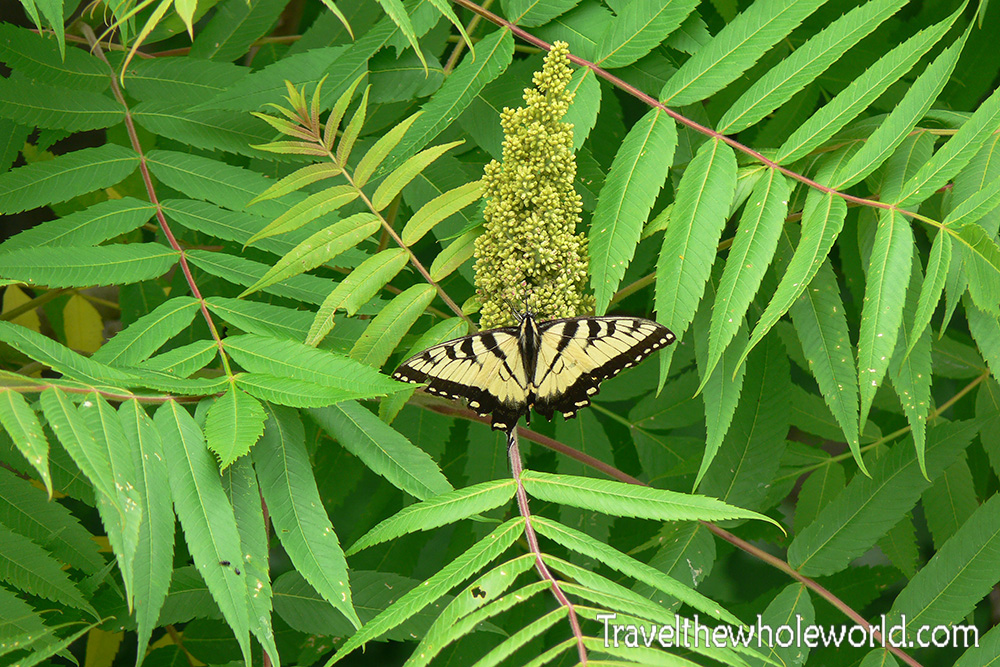
West Virginia is packed with wildlife, although the easier animals to see aren’t always the easiest ones to photograph. Butterflies like the swallowtail above are common during the warmer months, while larger animals such as black bears and bobcats usually disappear before you can get a camera ready.
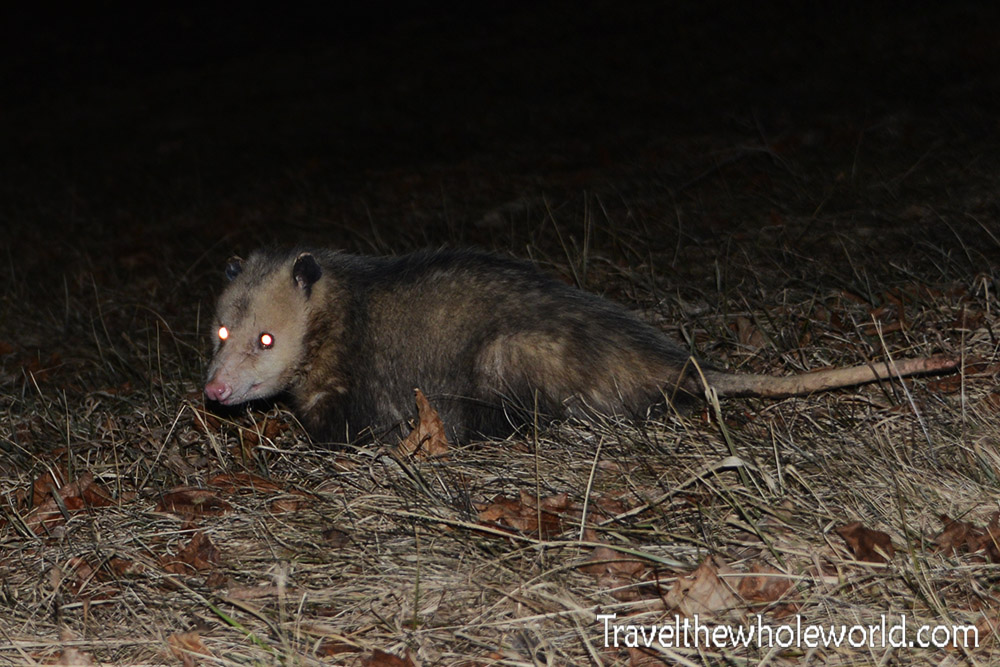
One night while driving through the mountains, my friends and I saw a fox, bobcat, deer, raccoon, and opossum within about an hour. Out of all of them, this opossum was the only one patient enough for a photograph. Opossums are especially interesting because they’re North America’s only native marsupials, meaning females carry their young in a pouch.
Watoga State Park
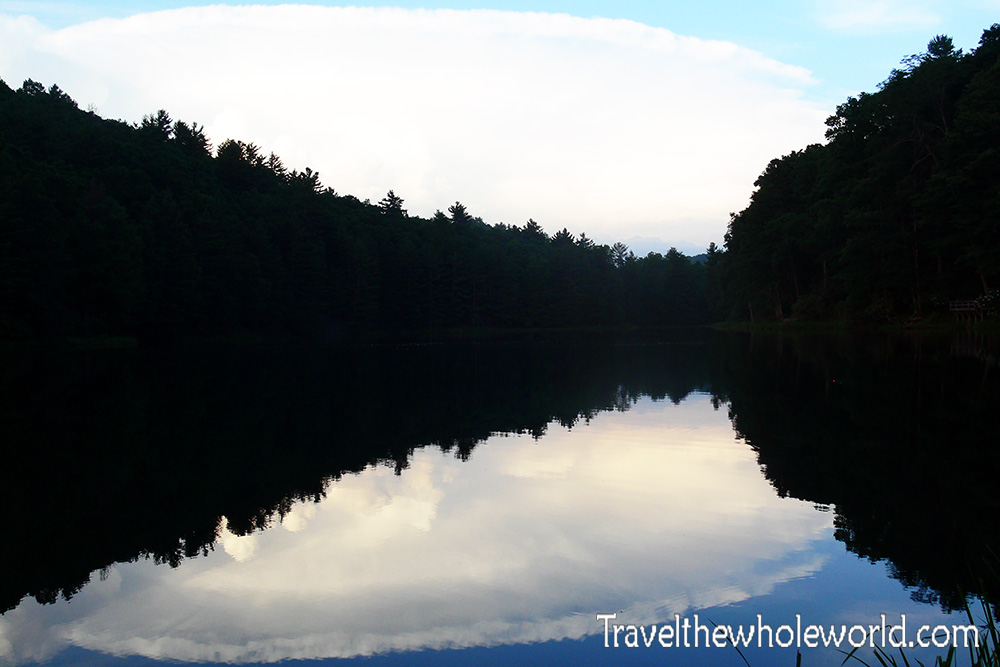
Above is Watoga Lake in Watoga State Park, one of the places that helped start my habit of taking weekend trips into the West Virginia mountains. The lake is popular for fishing and boating, while the surrounding park has hiking and biking trails, camping, cabins, and plenty of forest to explore. I’ve only visited once, but it’s the kind of quiet mountain destination that made me want to keep returning to this part of the state.
Spruce Knob
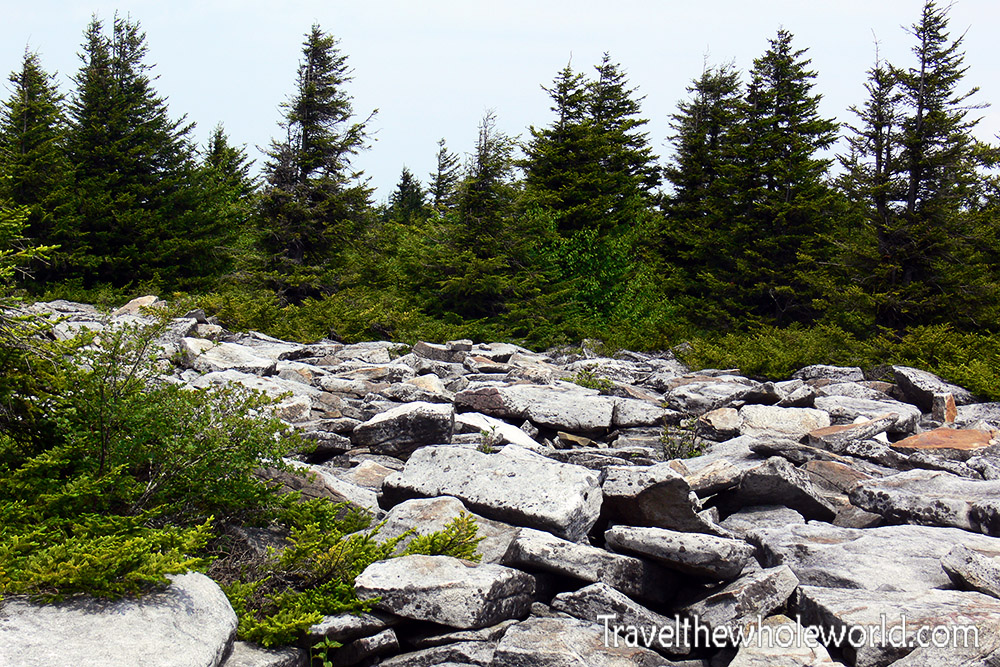
Above is a summer view from Spruce Knob, the highest point in West Virginia at 4,863 feet (1,482 meters). This photograph was taken nearly ten years before my winter visit below. On this first trip we simply drove directly to the summit, enjoyed the view, and took a few photos before continuing on.
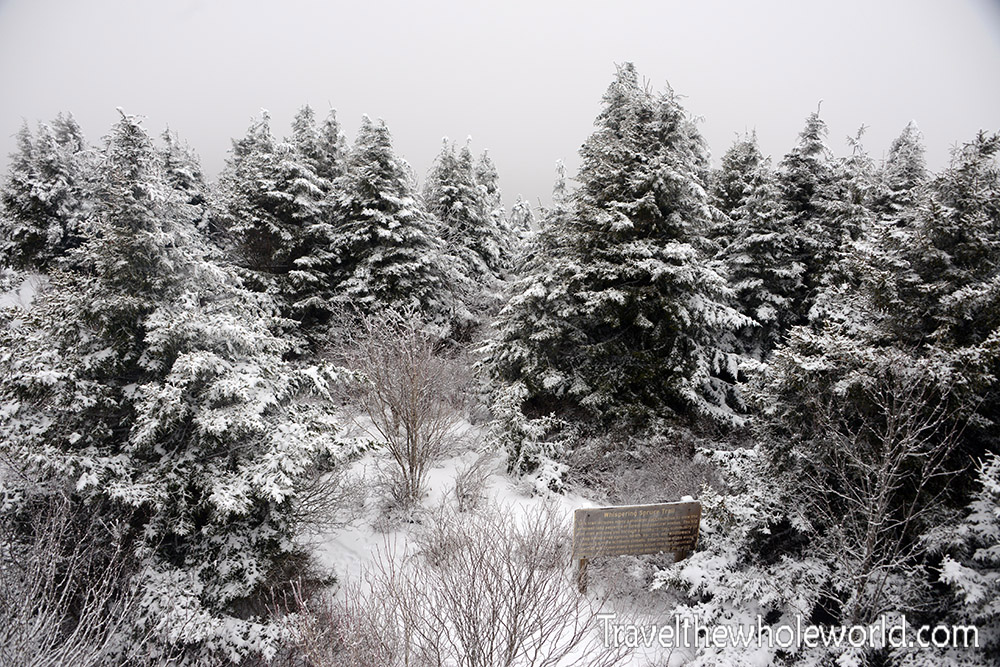
Years later I returned in winter and reached the summit the much harder way. I designed a roughly 30-mile, two-day hiking route through the surrounding mountains as training for one of my Himalayan climbs. It included plenty of elevation gain, creek crossings, winter camping, and snow. I’ve since repeated variations of the route several times.
See my winter hike to Spruce Knob.
Snowshoe Mountain
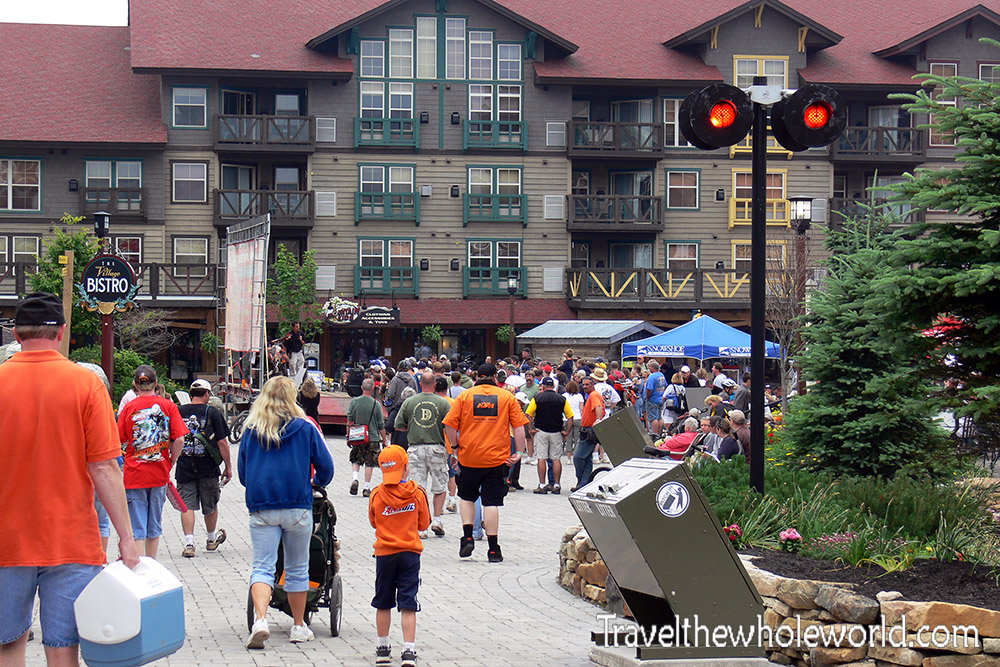
Another major mountain destination in West Virginia is Snowshoe. Built high in the Allegheny Mountains, the resort has hotels, restaurants, shops, and outdoor activities throughout the year. I’ve only visited a couple of times, but for many skiers and snowboarders from the Washington DC region, Snowshoe is one of the most popular winter destinations within driving distance.
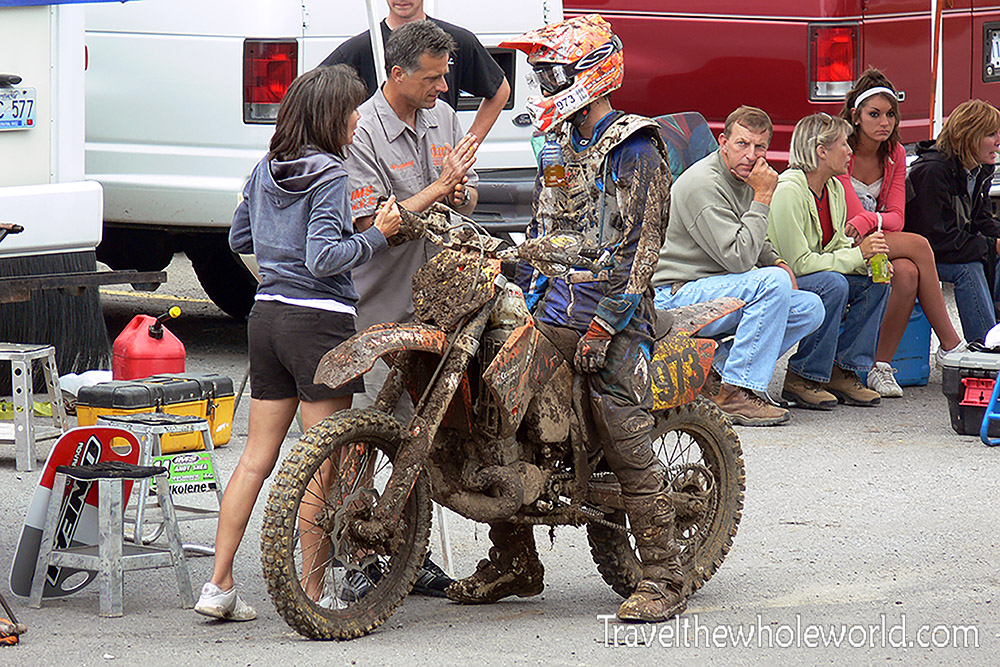
Snowshoe isn’t only a winter destination. When I visited during the warmer months, there was a dirt bike event taking place. Hiking and mountain biking also become major activities after the snow disappears.

Above are more riders during the event. The mountain terrain that works so well for skiing in winter becomes equally useful for biking and racing during the warmer months.
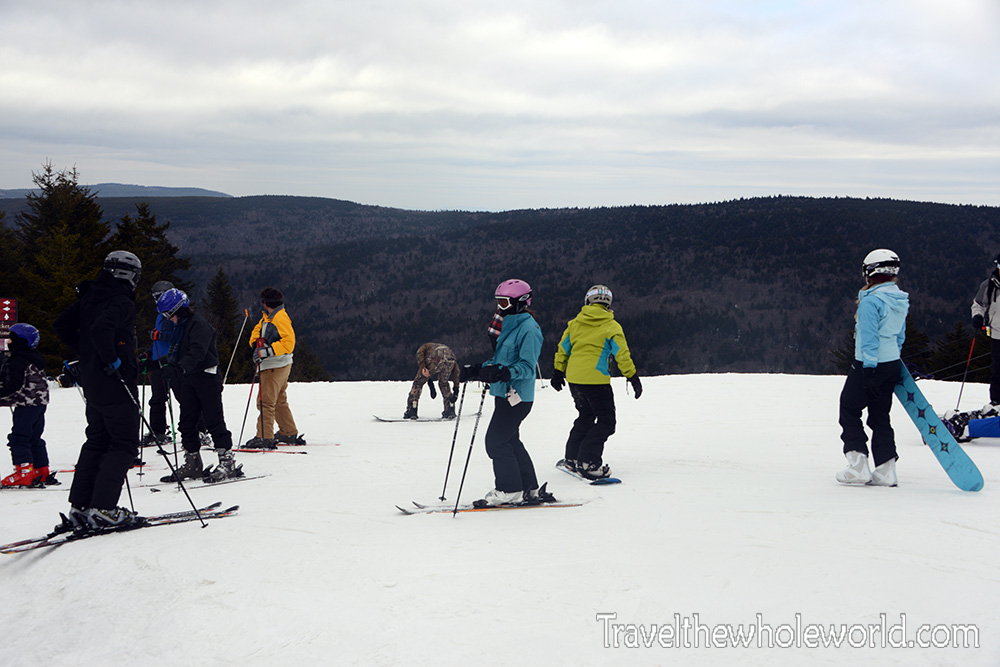
As one of the better-known ski resorts in the Mid-Atlantic, Snowshoe had long been on my list of places to ski. Sitting above 4,000 feet in elevation, the resort gets considerably more winter weather than the lower valleys around it.
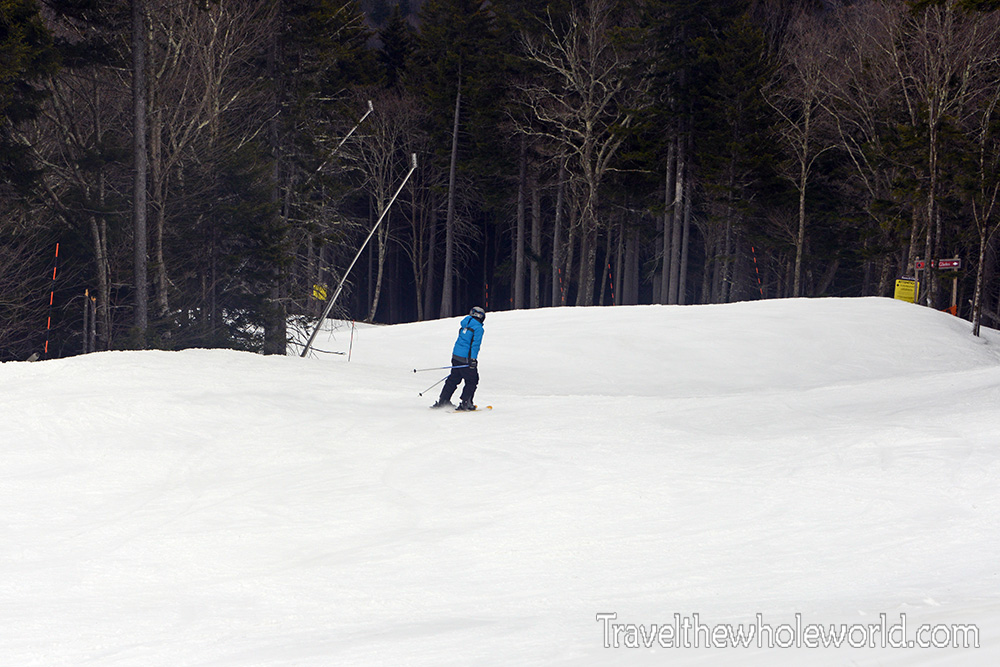
When I finally went skiing at Snowshoe, it was only my second attempt at the sport. Needless to say, there were plenty of falls and embarrassing moments. At the time I was focused heavily on mountaineering and didn’t want to risk injuring myself before one of my overseas climbs, so skiing ended up taking a back seat. Even terrain that looks pretty harmless in this photo felt considerably more serious when I was actually standing on skis!
Explore More of West Virginia
Monongahela Forest • Spruce Knob • Charleston • Harpers Ferry • the Greenbrier Hotel