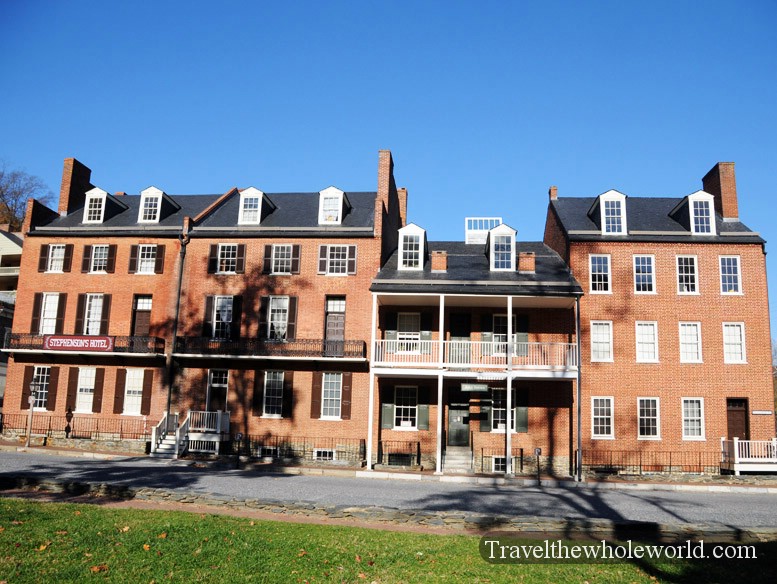
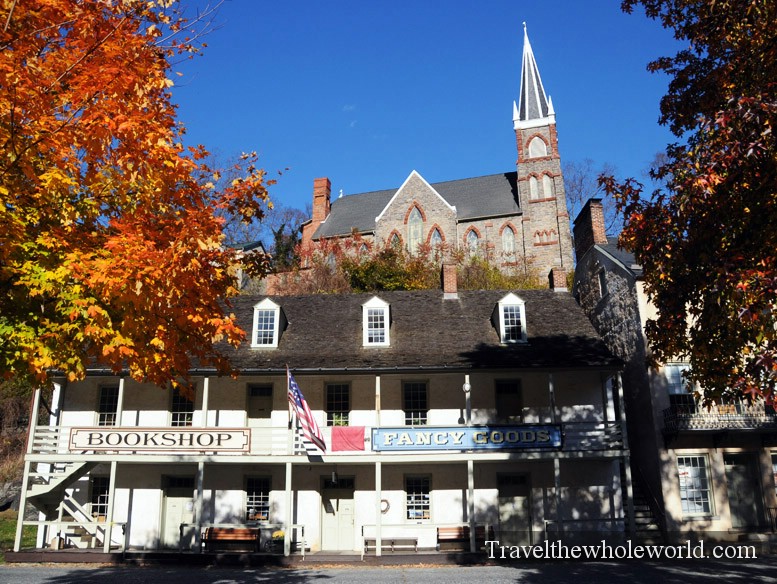
One of my favorite towns in West Virginia is Harpers Ferry. It’s so different from Washington, D.C. that it’s hard to imagine the two are only about an hour apart. While cities around the region have grown dramatically, Harpers Ferry has remained tiny, with only a few hundred people living within the historic town itself.
Its importance goes back to the earliest years of the United States. George Washington recognized the strategic value of the location where the Potomac and Shenandoah Rivers meet and supported establishing a federal armory here. Harpers Ferry eventually became one of the country’s major weapons-manufacturing centers.
The town’s most famous event came in 1859, when abolitionist John Brown and a small group of followers seized the federal armory in hopes of starting a broader uprising against slavery. Only a few years later, Harpers Ferry found itself directly in the middle of the Civil War. Because of its strategic location, control of the town repeatedly changed between Union and Confederate forces. The photos above show part of the historic downtown, where many of the old buildings now contain museums and exhibits. :contentReference[oaicite:0]{index=0}
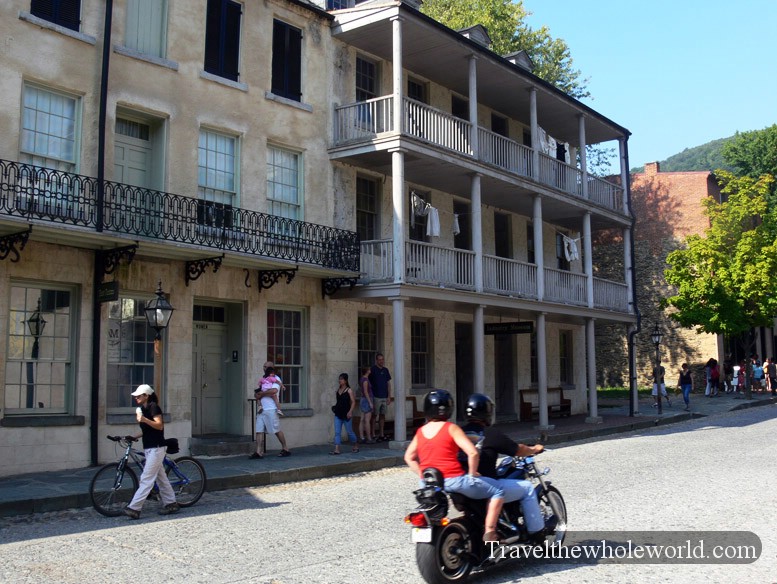
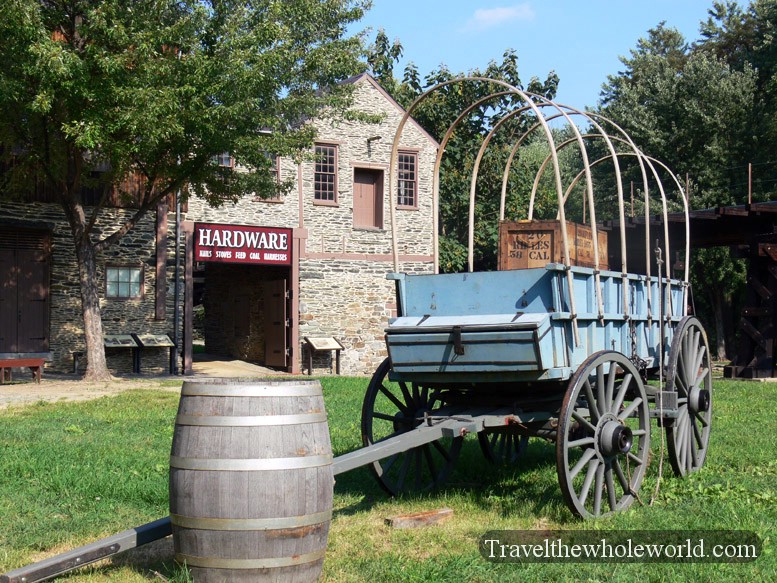
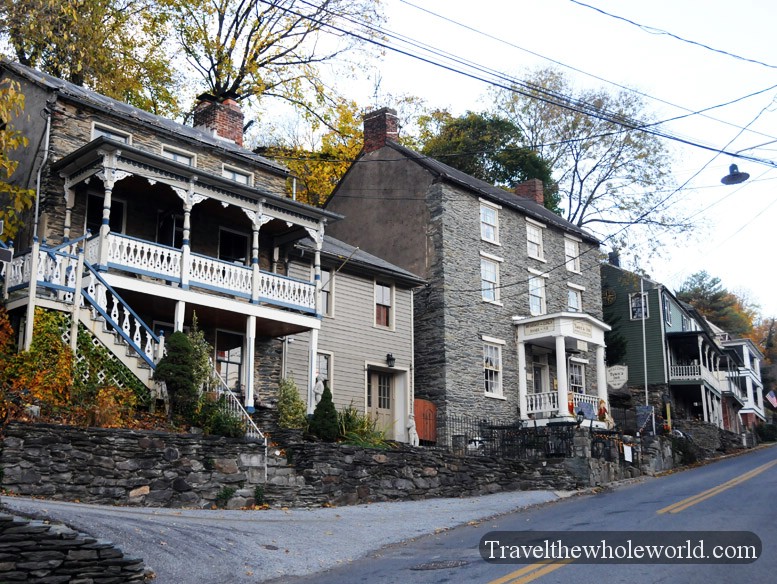
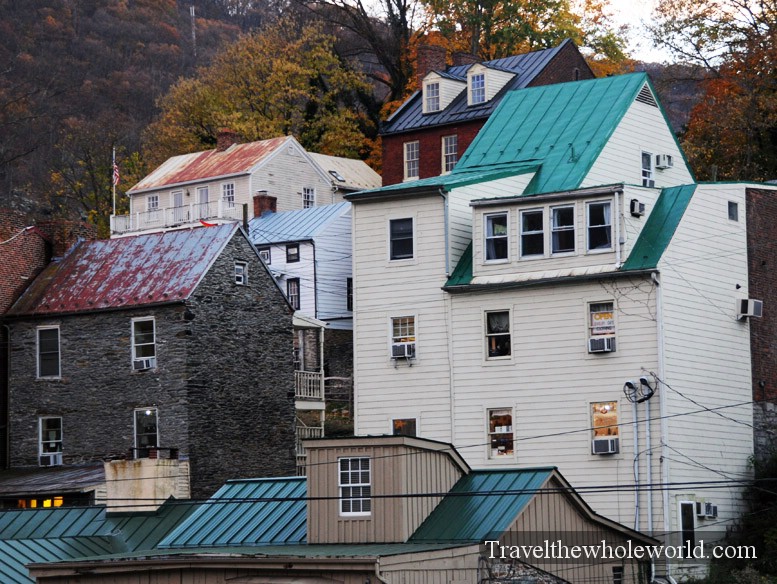
The entire town feels like an open-air museum. I had visited Harpers Ferry years earlier, but when I returned I had forgotten just how scenic it was. Many of the narrow streets are lined with historic homes and buildings tucked between steep hills and the two rivers.
John Brown and the Raid on Harpers Ferry
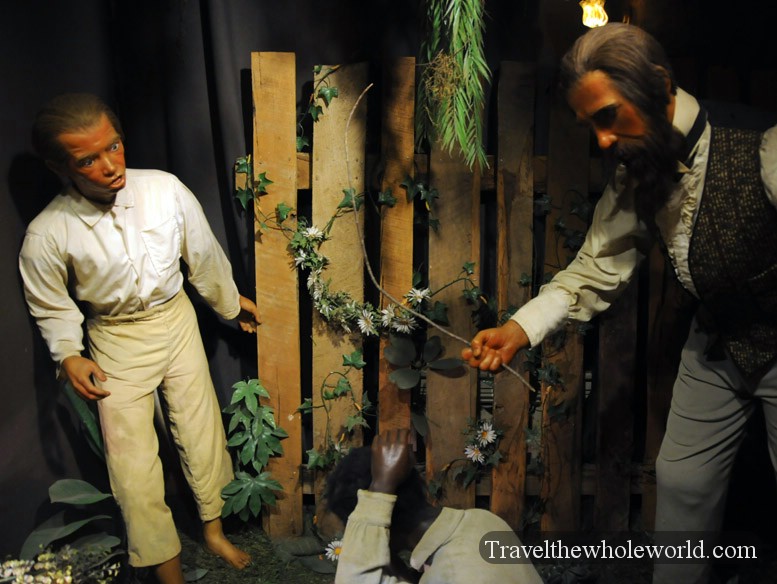
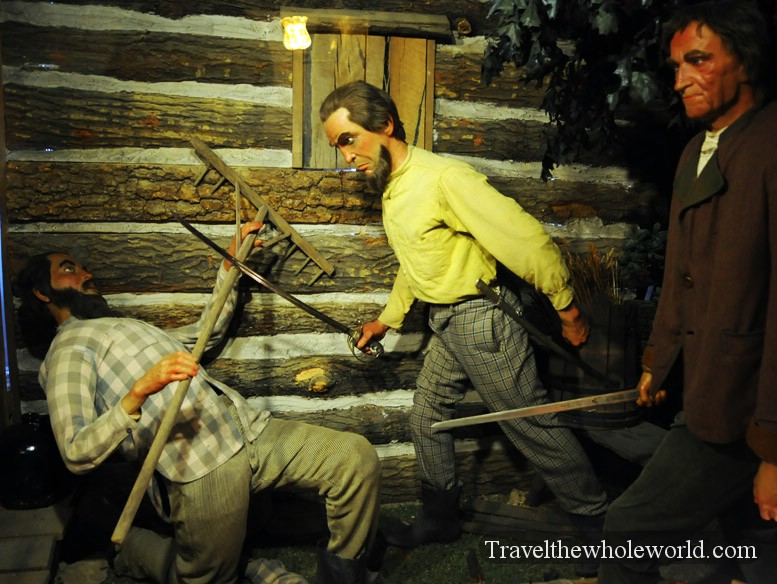
John Brown’s story is told throughout Harpers Ferry, including at the town’s wax museum. Different rooms recreate moments from his life, beginning with his early opposition to slavery and continuing through the increasingly violent actions that eventually led him to Harpers Ferry.
Brown had become fiercely committed to ending slavery and eventually concluded that armed action was necessary. His plan centered on capturing the federal armory at Harpers Ferry, taking its weapons, and using them to support a larger revolt against slavery.
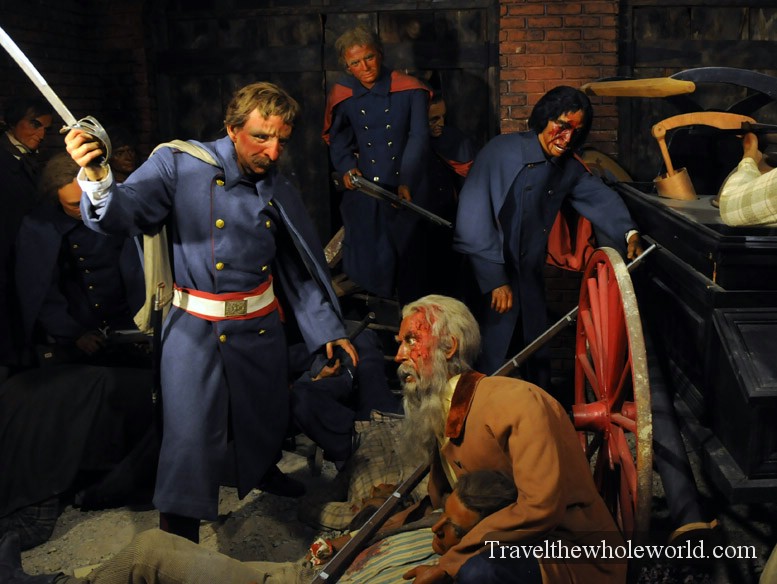
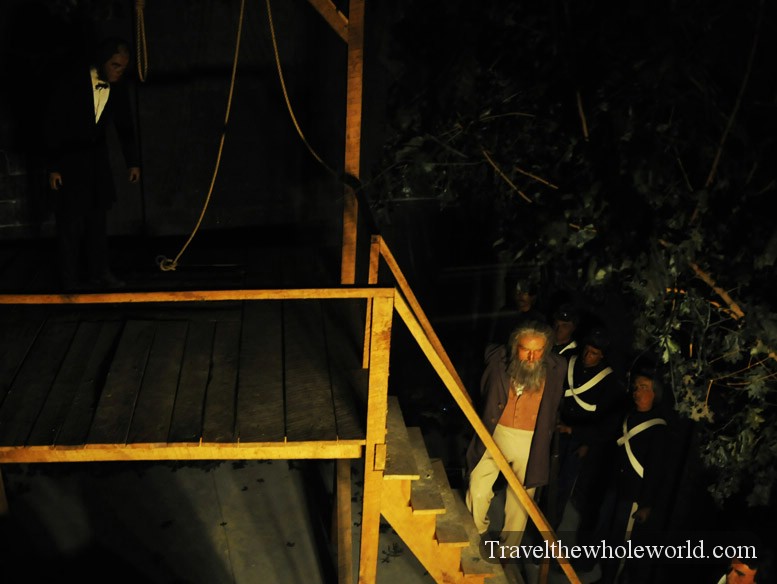
Brown and his followers successfully seized the armory in October 1859, but the uprising collapsed almost immediately. U.S. Marines under the command of Colonel Robert E. Lee were sent to retake the site. In less than two days, many of Brown’s men had been killed or captured and Brown himself was badly wounded.
One of the exhibits above shows Brown holding his mortally wounded son during the fighting. Brown survived the raid, was tried for treason against Virginia, murder, and inciting a slave insurrection, and was later executed. Although the raid failed militarily, it became one of the events that intensified the national conflict over slavery immediately before the Civil War.
African American History
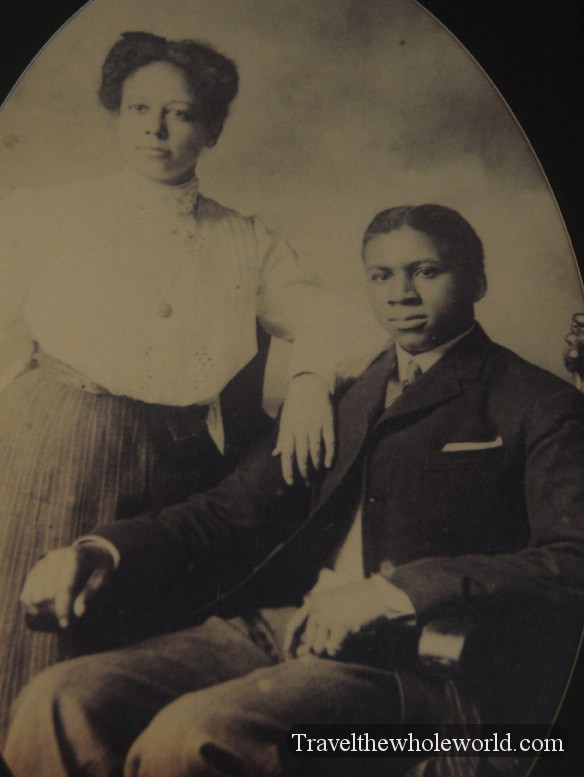
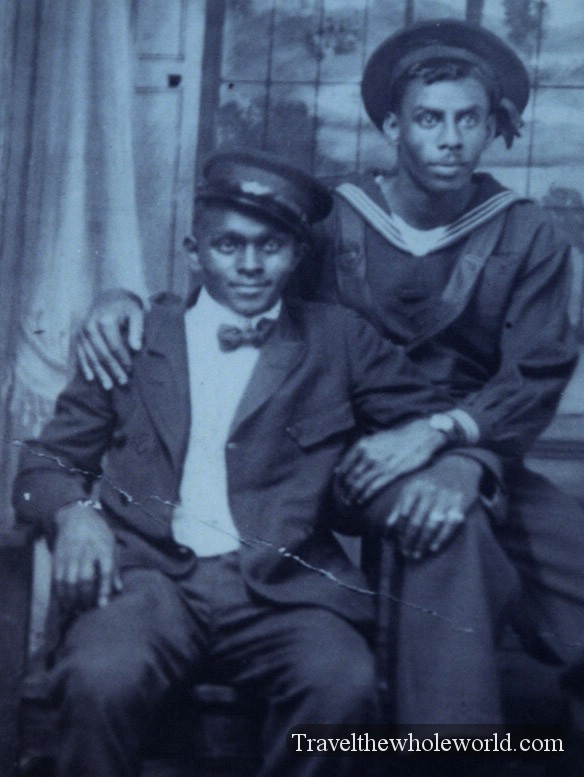
Harpers Ferry also has an important African American history extending well beyond John Brown’s raid. Free Black residents lived in the region before the Civil War, and after emancipation the town became an important center for education and community life.
One of the museums I visited focused specifically on African American history. Among the first things I saw were photographs documenting a family whose connection to Harpers Ferry stretched back generations. Like many of the historical exhibits around town, the museum was free to enter.
Shops and Streets
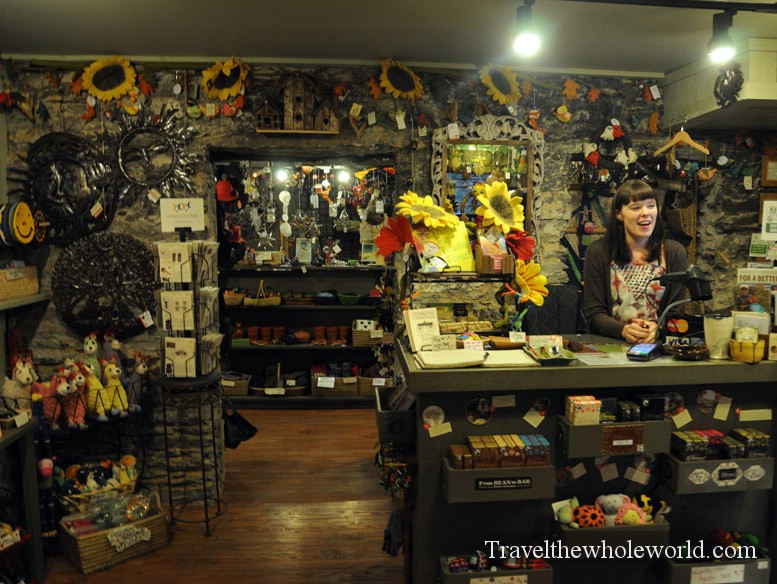

Despite how small Harpers Ferry is, there are plenty of restaurants, shops, bars, and ice cream stores packed into the historic district. The store on the left sold fair-trade products and souvenirs from West Virginia and around the world. Another shop had these unusual decorative holders for wine bottles.
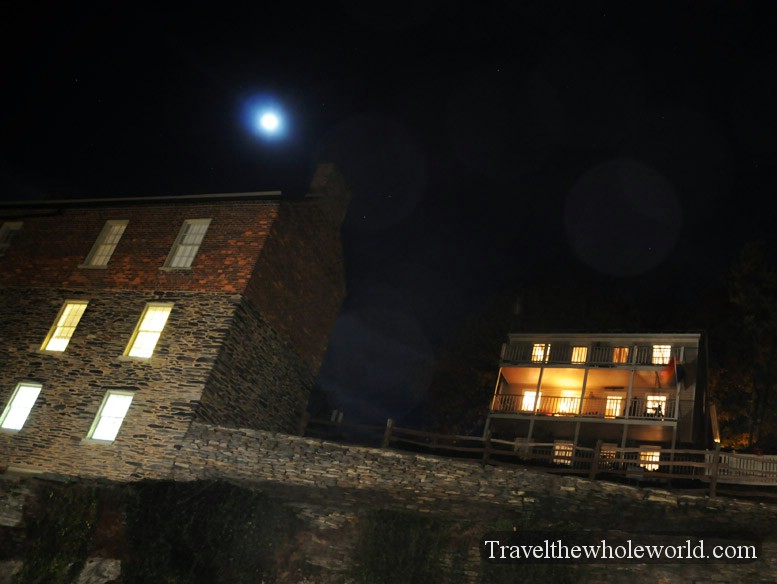
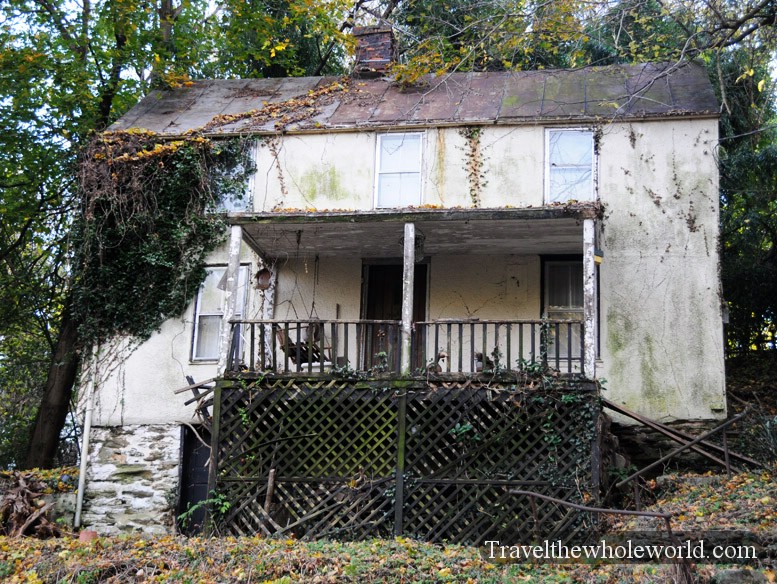
Most of the historic district seemed well preserved, although I did come across a few abandoned houses. Some looked especially spooky after dark, which probably helps explain why ghost tours are so popular here. With old stone buildings, narrow streets, Civil War history, and mountains rising around the town, Harpers Ferry definitely has the right atmosphere for them.
The Potomac and Shenandoah Rivers
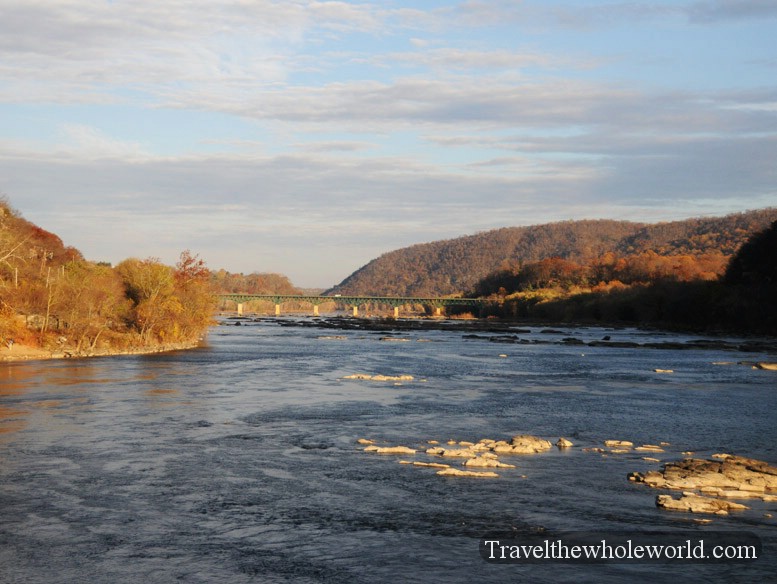
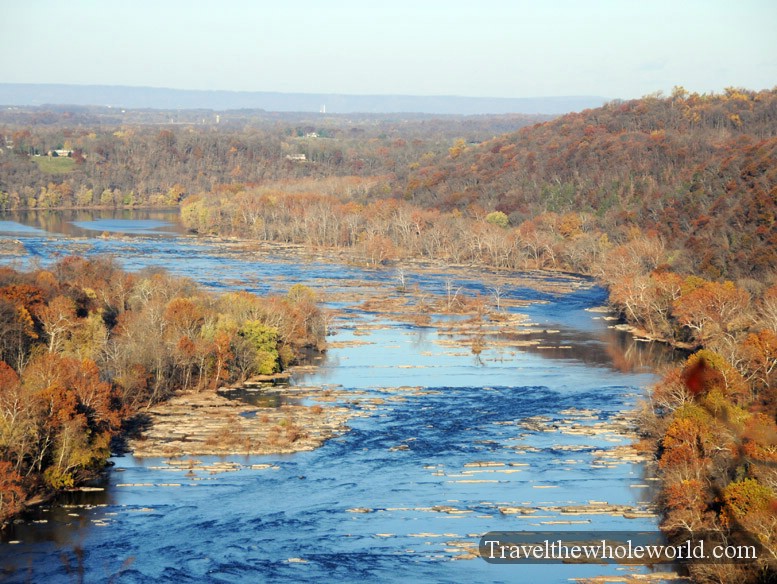
Harpers Ferry exists where the Shenandoah and Potomac Rivers meet, and the surrounding waterways are a huge part of the town’s scenery and history. The photo on the left shows the Potomac from a viewpoint inside town, while the photo on the right looks toward the Shenandoah from one of the nearby hiking trails.
The Appalachian Trail

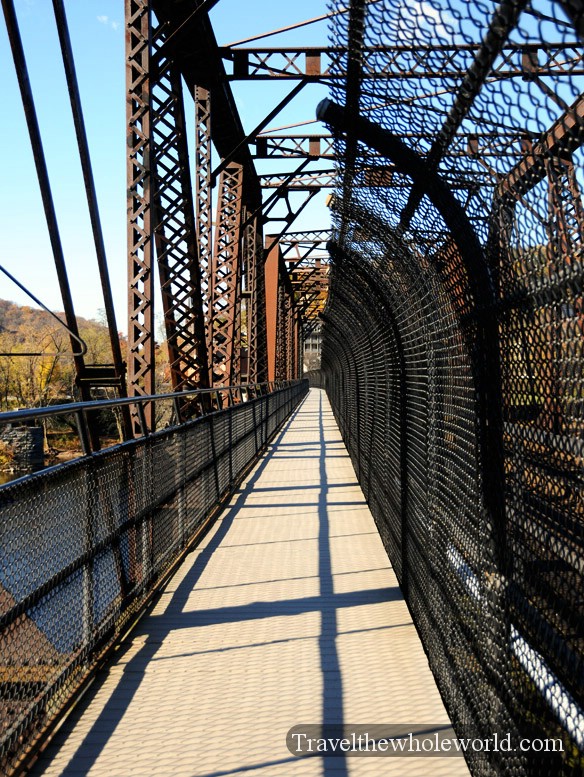
The Appalachian Trail passes directly through Harpers Ferry, making the town an important stop for long-distance hikers. You’ll see plenty of references to the trail around town, along with stores and businesses catering to hikers who need food, supplies, or simply a place to rest.
The photo on the left shows a collection of Appalachian Trail markers from along the route between Georgia and Maine. The bridge on the right carries the trail across the Potomac River from West Virginia into Maryland.
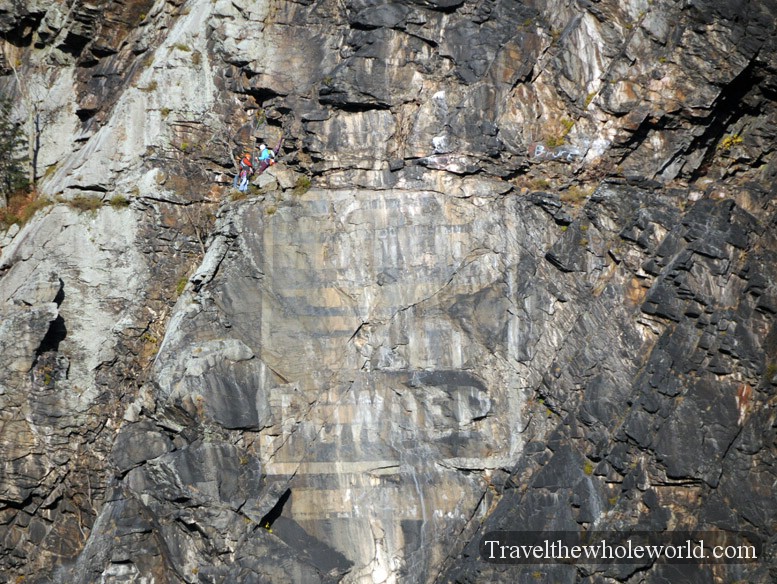
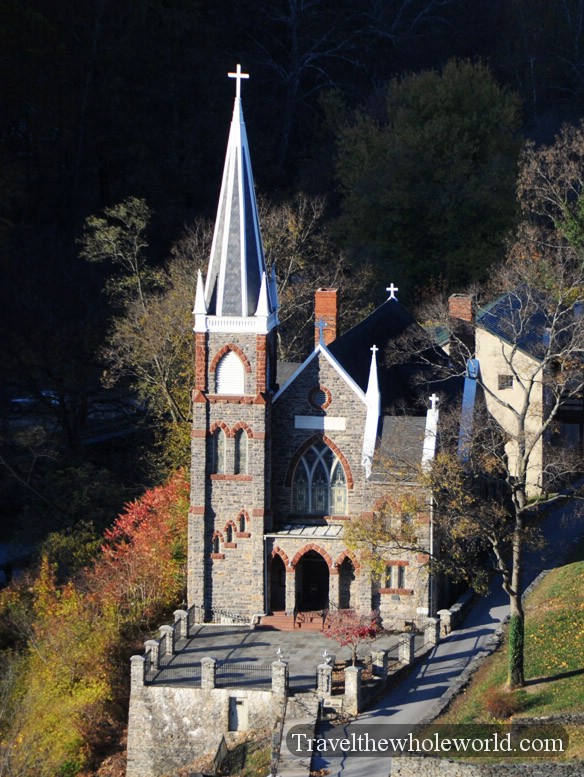
From the edge of town you can also see people standing on the cliffs above Harpers Ferry. I went up there the following morning and photographed the town and its church from above.
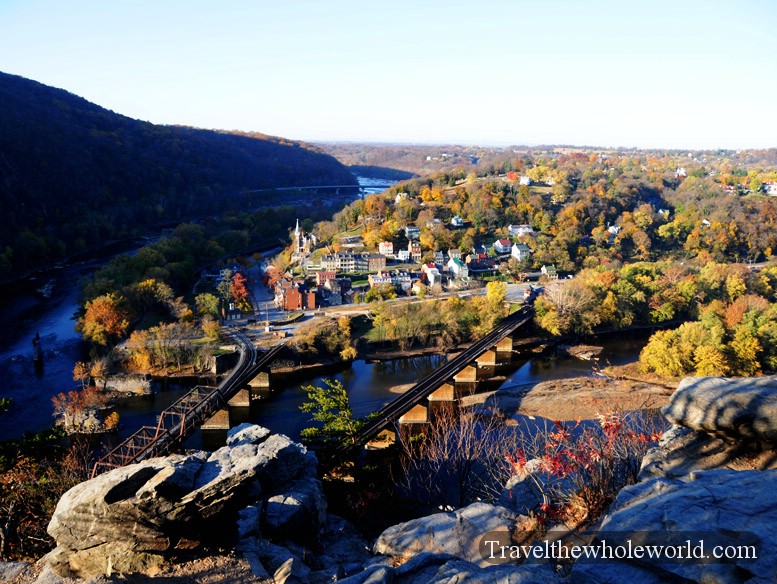
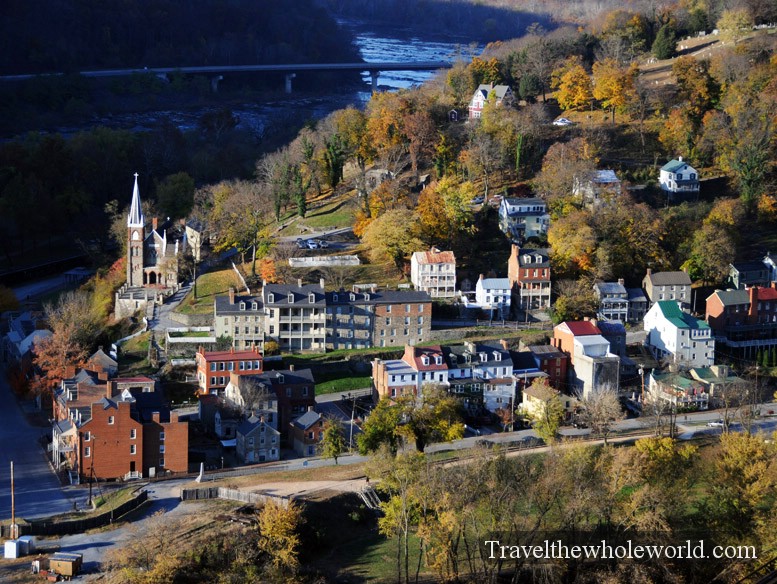
Just outside Harpers Ferry on the Maryland side of the river is a short but steep hike to one of the best viewpoints over town. I wanted the morning light, so I pitched a tent in the woods near the overlook the night before. A ranger eventually came by and informed me that camping there wasn’t allowed. Since I clearly wasn’t causing any trouble, he told me he’d look the other way as long as I packed everything up early and left no trace behind.
I reached the overlook just after sunrise, only to discover that half of Harpers Ferry was still buried in shadow because the surrounding mountains blocked the early sunlight. I waited around for nearly an hour until the light finally spread across the entire town. The photos above were worth the wait.
Between the rivers, mountains, Appalachian Trail, preserved buildings, and extraordinary concentration of American history, Harpers Ferry packs an incredible amount into a tiny town. It’s one of those places where you can spend the morning hiking above the Potomac and the afternoon walking through events that helped shape the country.
Explore More of West Virginia
Monongahela Forest • Spruce Knob • Charleston • Harpers Ferry • the Greenbrier Hotel