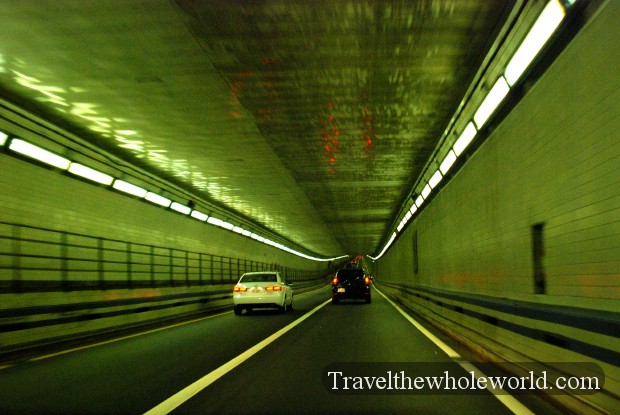
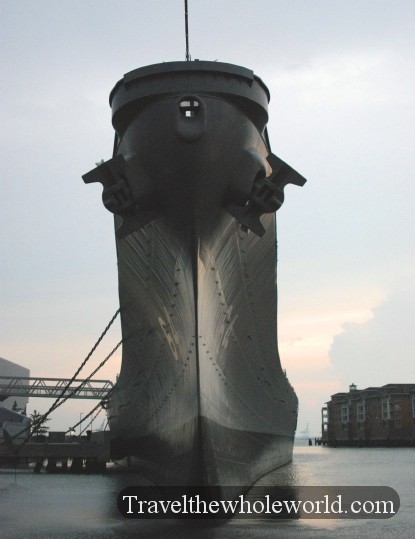
Southeastern Virginia is home to the Hampton Roads region, a large collection of cities built around the Chesapeake Bay, rivers, and Atlantic coast. Norfolk and Virginia Beach are two of the best-known cities here, and the area’s geography means bridges and underwater tunnels are a normal part of getting around. Norfolk is also home to Naval Station Norfolk, one of the largest naval installations in the world. On the right is the battleship USS Wisconsin, now preserved beside the Nauticus museum in downtown Norfolk.
Virginia Beach Oceanfront
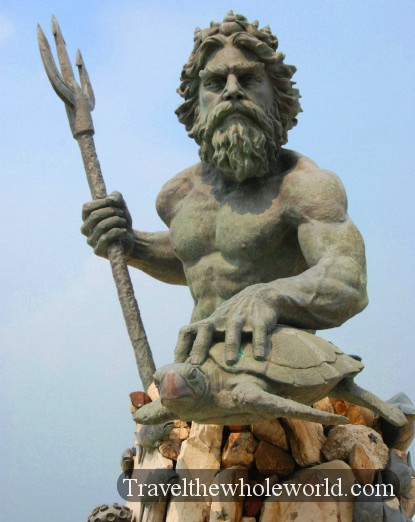
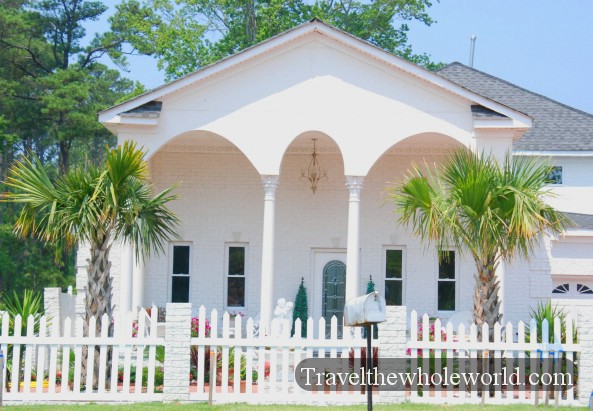
Virginia Beach is the state’s largest city and one of its most popular vacation destinations. The oceanfront is lined with hotels, restaurants, bars, and a long boardwalk running beside the Atlantic. One of the area’s most recognizable landmarks is the giant King Neptune statue photographed above. The coastal climate is also noticeably milder than much of inland Virginia, and you’ll see plenty of ornamental palms and other plants that feel more at home farther south.
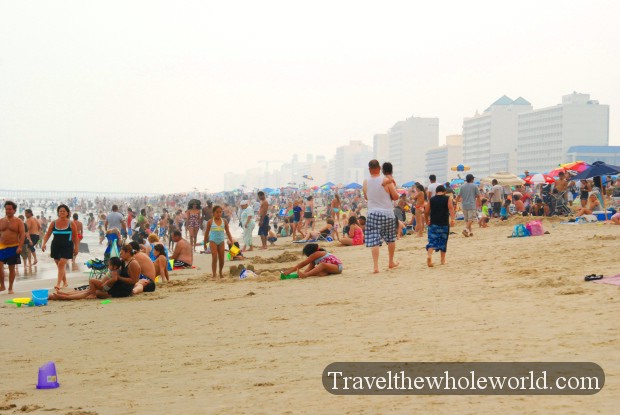
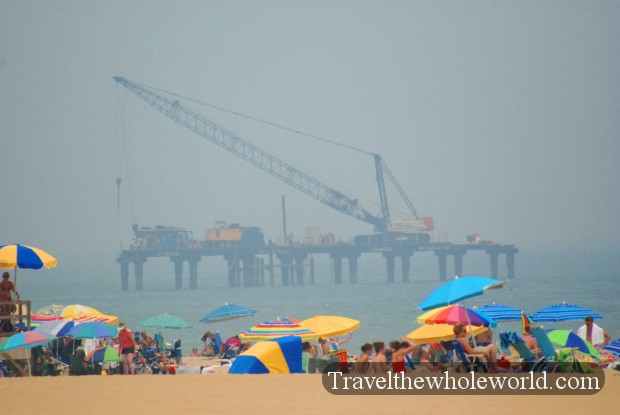
I visited during the Fourth of July weekend, so the beach was absolutely packed. Hundreds of people were swimming, relaxing, and filling nearly every open section of sand. Virginia Beach can feel very different depending on the season, but during a major summer holiday it becomes one of the busiest places in the state.
The large offshore structure in the photo on the right stood out dramatically from the beach. With the entrance to the Chesapeake Bay and the busy Port of Virginia nearby, large commercial and military vessels are a regular sight along this part of the coast.
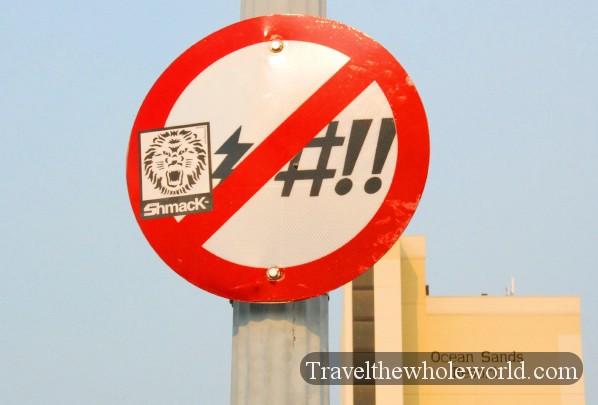
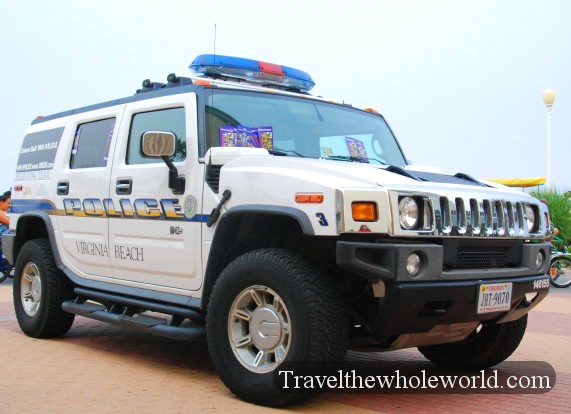
One of the stranger things I remember from the oceanfront were these signs discouraging profanity. Virginia Beach became known for installing them as part of an effort to make the resort area more family friendly. I always found the signs amusing because they seemed unusually specific compared with the normal rules you see posted around beaches and boardwalks. On the right is one of the police vehicles I saw patrolling the area.
Virginia Aquarium
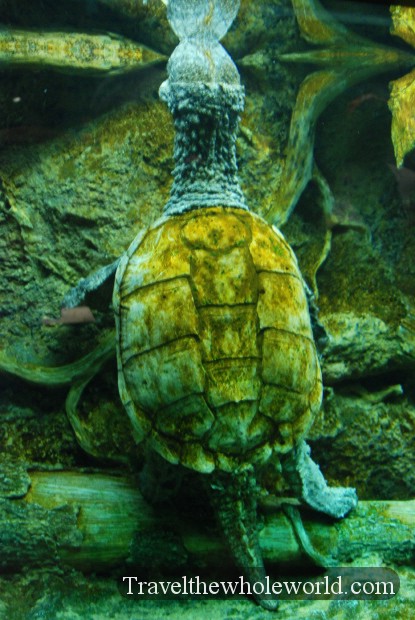
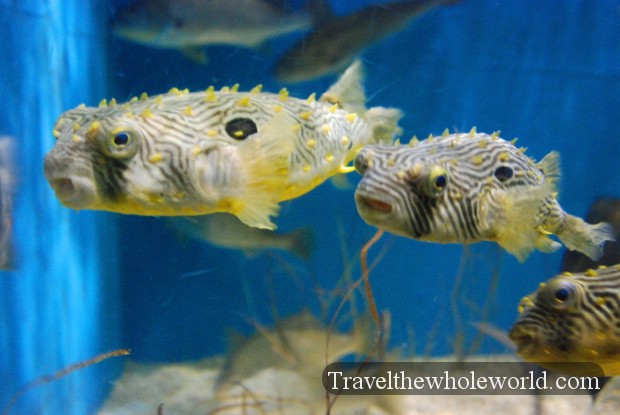
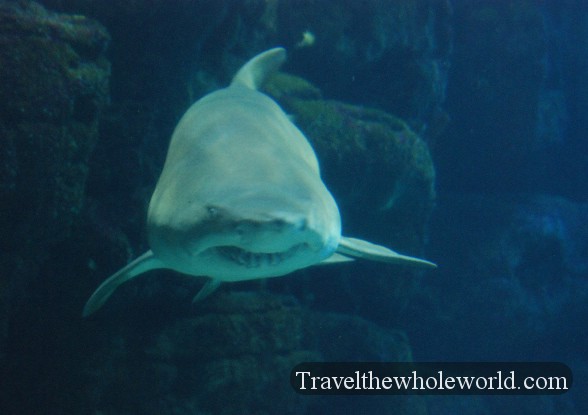
For anyone interested in the wildlife of the region, the Virginia Aquarium is one of the better attractions away from the beach itself. The exhibits focus heavily on animals found along Virginia’s coast, rivers, marshes, and surrounding Atlantic waters. Above are a large snapping turtle, pufferfish, and one of the sharks on display.
The aquarium is a good reminder that Virginia Beach is more than just a strip of hotels and sand. The surrounding region includes marshes, bays, tidal creeks, and protected natural areas that support a wide variety of marine and freshwater wildlife.
Fourth of July
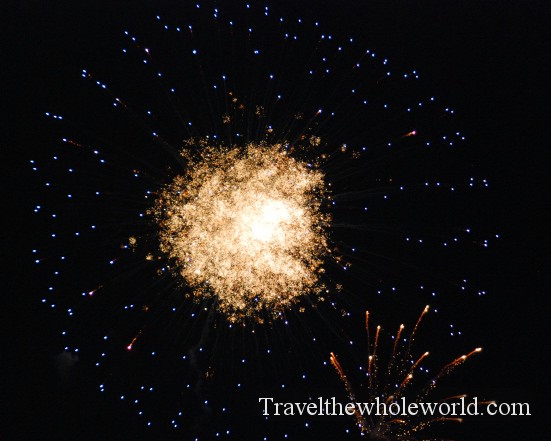
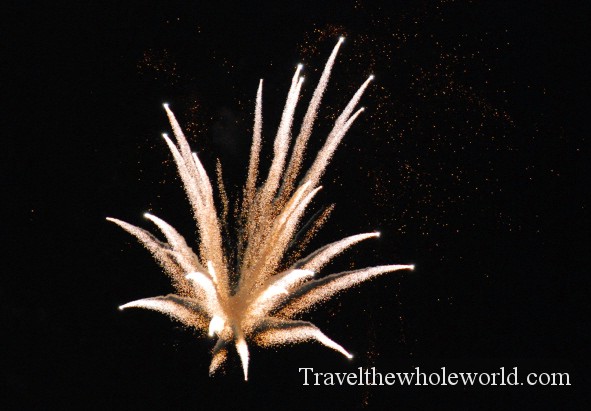
Spending the Fourth of July at Virginia Beach meant the day ended with a huge fireworks show over the ocean. Crowds filled the boardwalk and beach after sunset while fireworks were launched offshore. From certain angles, dozens seemed to rise from the horizon at the same time, creating an impressive display over the Atlantic.
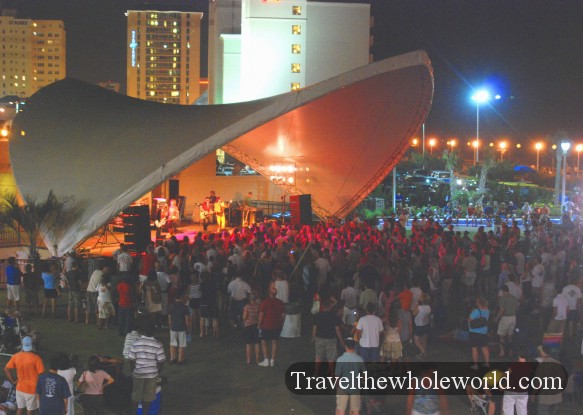
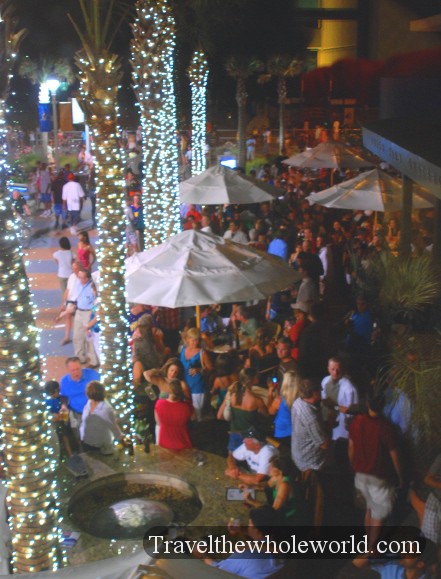
Once the fireworks ended, the celebration continued throughout the oceanfront. There were free concerts, crowded bars, restaurants, and people everywhere along the boardwalk. Virginia Beach can be a completely different place during the quieter months, but on Fourth of July weekend it definitely lives up to its reputation as one of Virginia’s biggest summer destinations.
This older trip only shows a small part of what Virginia Beach and the surrounding Hampton Roads region have to offer. Between the oceanfront, First Landing State Park, the Chesapeake Bay, nearby Norfolk, military history, museums, and coastal wildlife, there’s easily enough here for a much longer return visit.
Explore More of Virginia
McAfee Knob • Mt. Rogers • Alexandria • Charlottesville • Jamestown • Natural Bridge • Richmond • Shenandoah • Springfield • Virginia Beach