Visiting Shenandoah
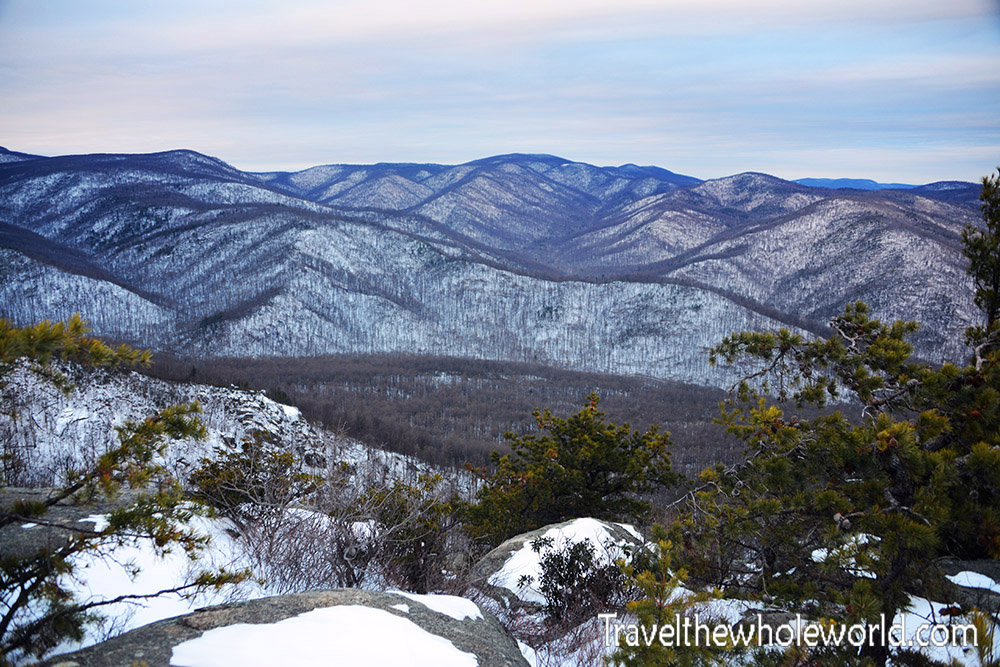
Shenandoah are a mountain range in Virginia that are covered in deciduous forests. The foothills are near sea level plains and rise up to elevations close of over 4,000 feet (1,200 meters). The forests and mountains here provide a small sanctuary for bears, bobcats, foxes, deer, flying squirrels as well as hundreds of species of birds, reptiles and amphibian species. Although Shenandoah lacks true alpine environments or high altitude, there’s still a great mix of activities here. This is perhaps the best place in the state for hiking and camping, rock climbing, and even canyoneering.
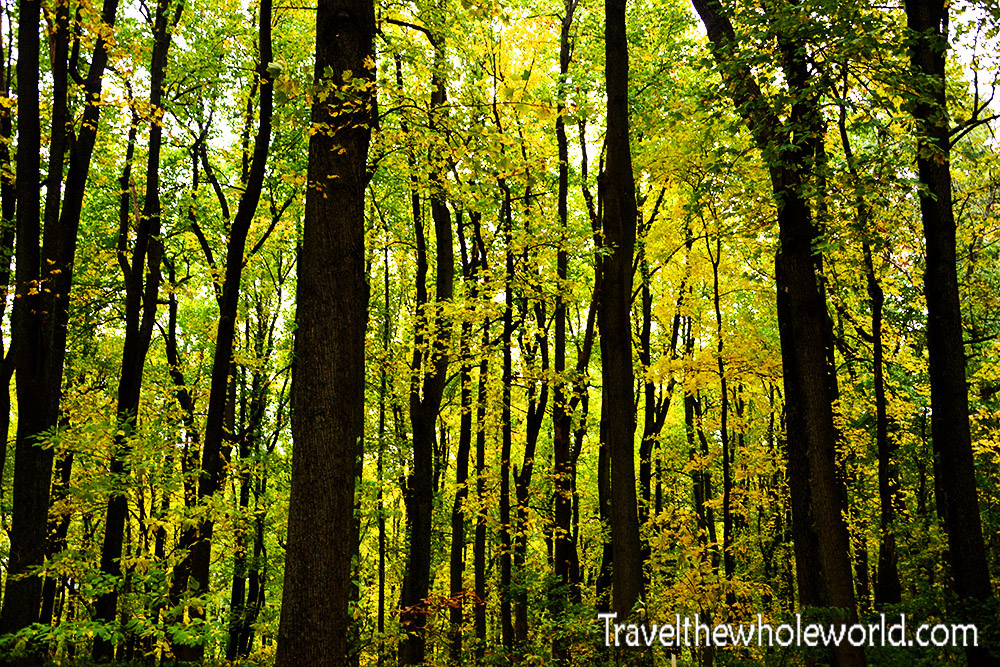
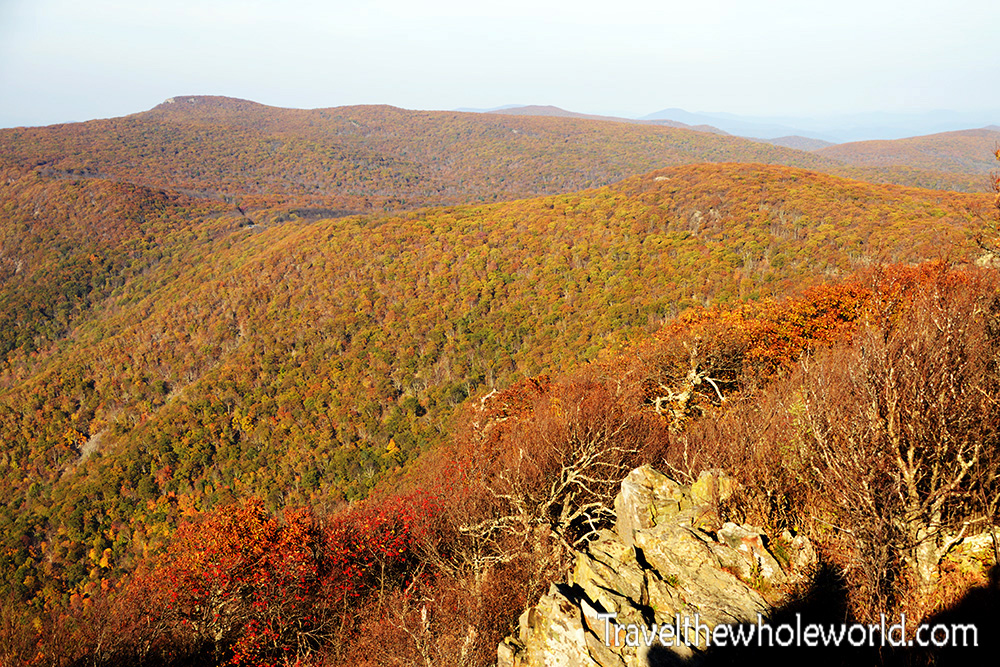
Shenandoah is definitely most popular in the fall and summer, but as a local I visit it all times of the year. During the fall it can be annoyingly crowded. For that reason I’ve only made a handful of trips during autumn, but I plan to change that. The photo above shows some early colors coming along while you can see peak colors below.
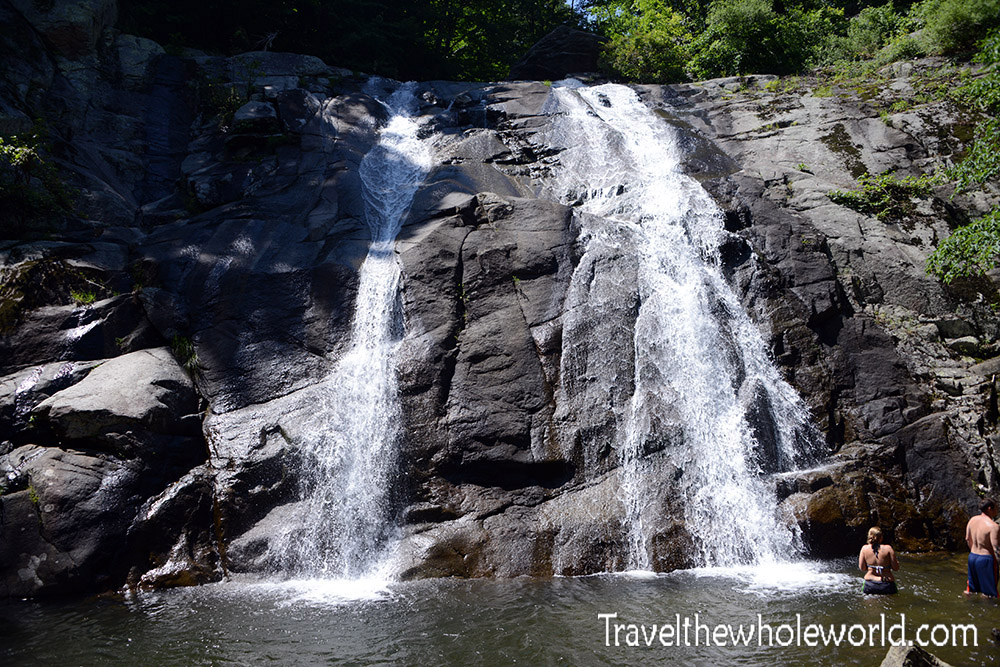
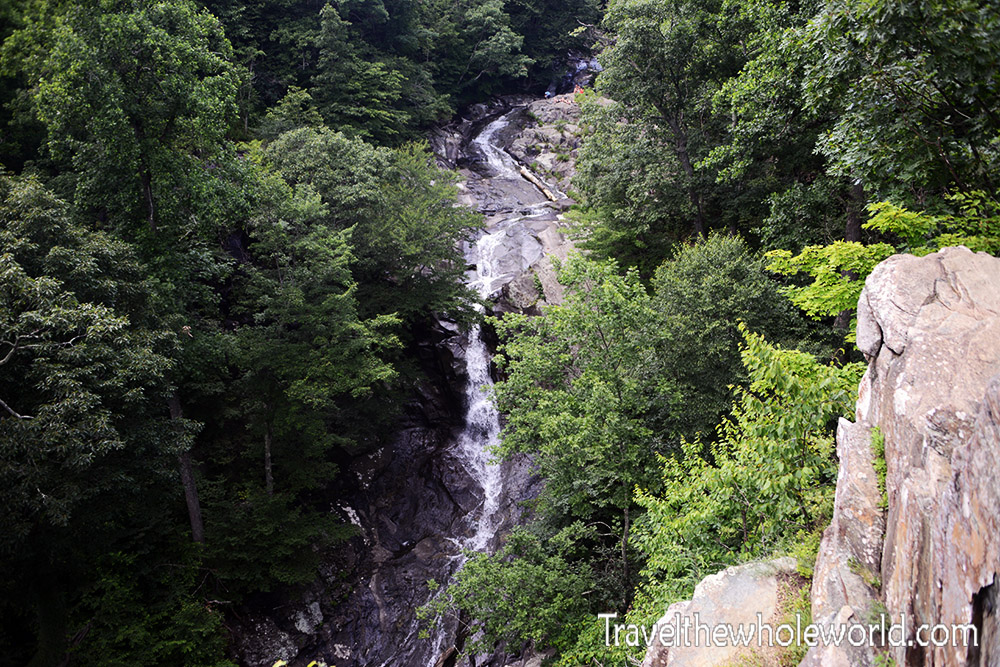
I’ve hiked in Shenandoah more times than I can remember. One of my favorite trails is White Oak Canyon, known for its waterfalls. If you’re smart enough to come in the summer with swimming gear you can even job in the water. White Oak Canyon has about 1,000 feet (328 meters) of elevation gain. This isn’t the much, but more than enough to hike past half a dozen waterfalls. This photo above is the first waterfall on the trail if you start at the bottom of the mountain. The photograph below shows Upper Falls and has a height of 86 feet (25 meters).
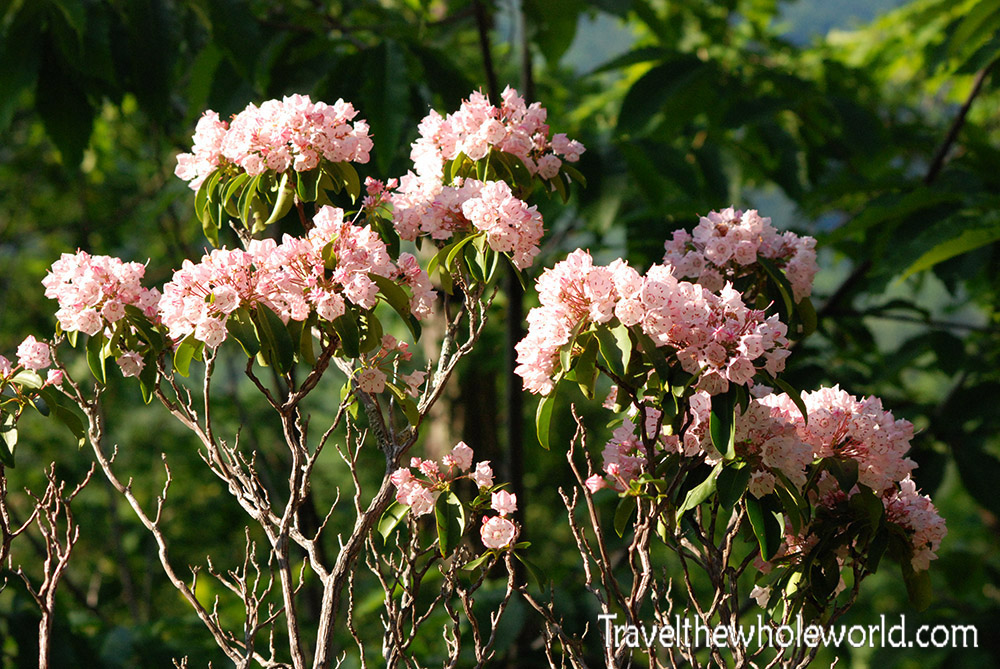
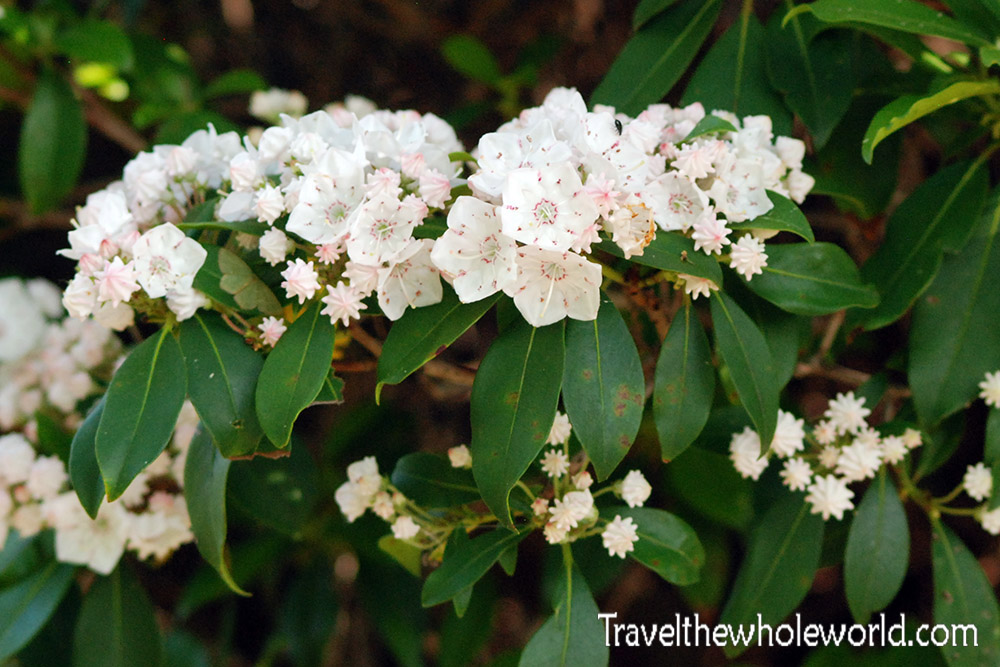
Hiking in different seasons of course can mean a whole new world in terms of scenery and wildlife. During the summer parts of the forest can seem like a jungle in comparison to the dry and lifeless place it had been only months before. Aside from the blooming flowers and dense green plants everywhere, the noises of the forest were like comparing a quiet village to a bustling city. Mostly the insects were the ones talking, but birds and occasionally small mammals would call out too. Above are some summer flowers, and below is a camouflaged moth.
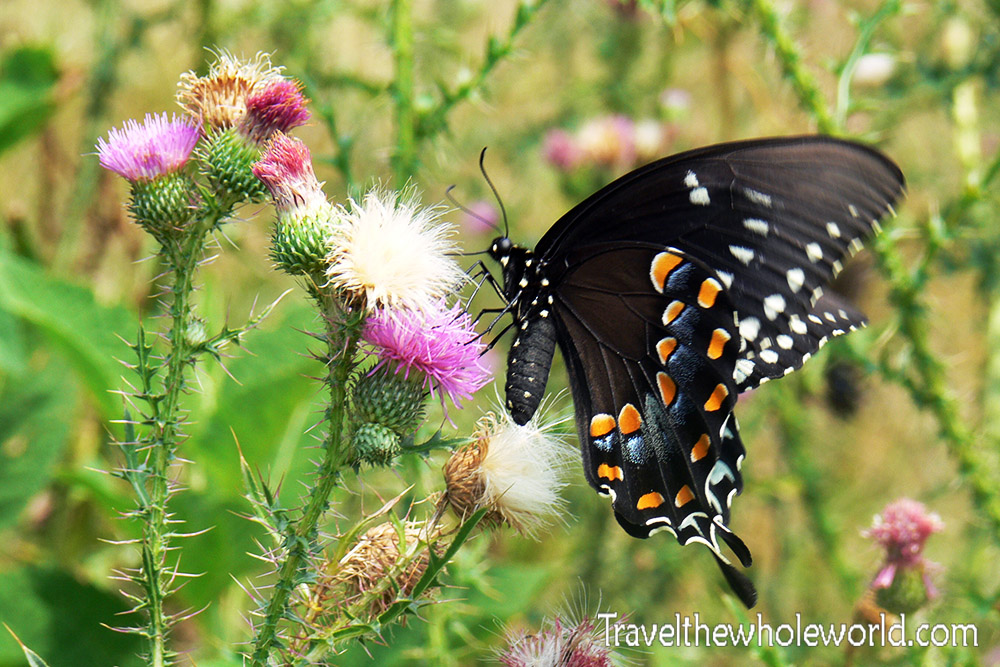
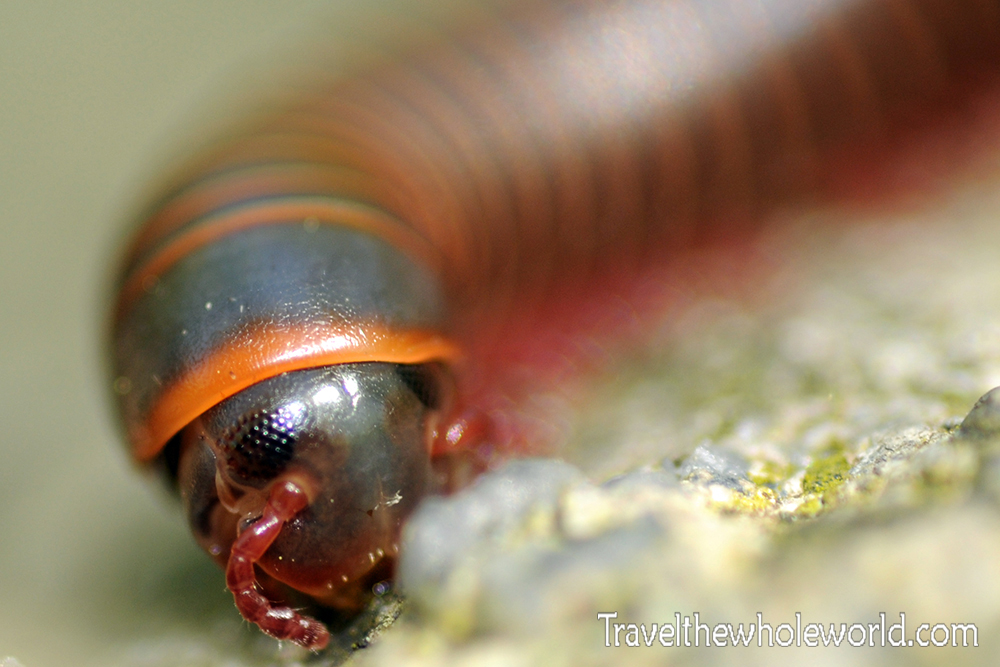
The photo above of a pipevine butterfly was taken early in my photography days. Almost a decade later I returned and this time even had a macro lens. These giant millipedes are all over the place during the summer. If you’re doing any scrambling you’ll be sure to acidently touch one! Luckily they are harmless.
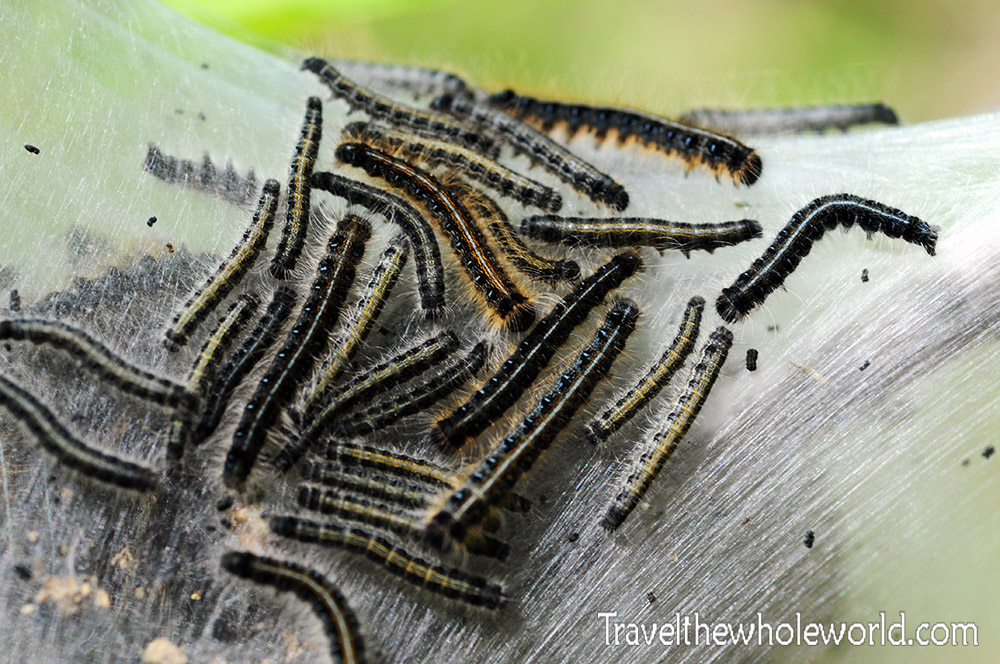
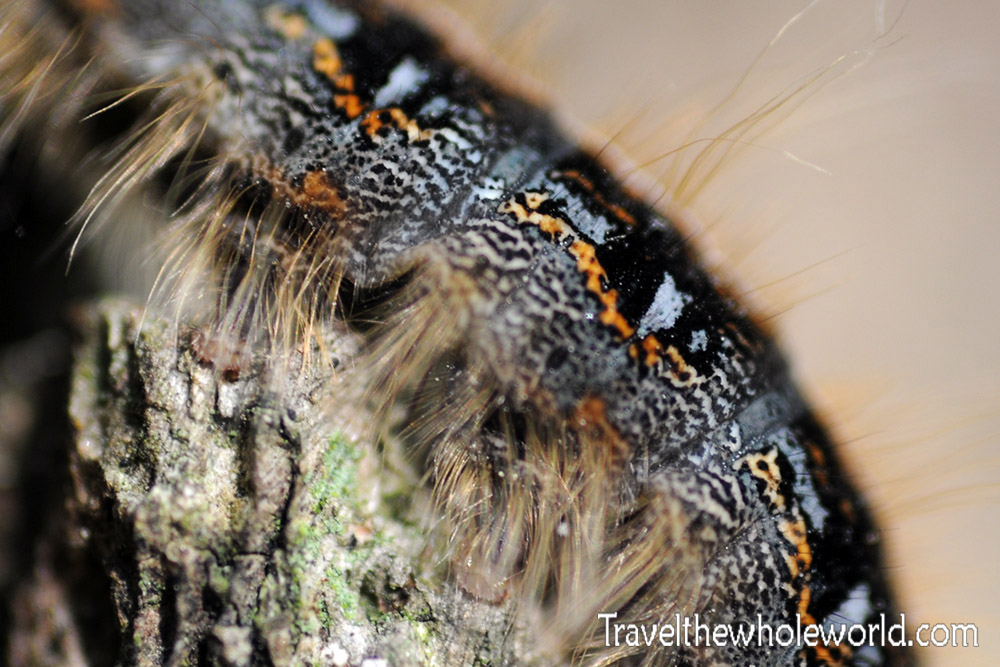
In the early spring I came across a hundreds of caterpillars walking around the trees and forest floor. In June they began to build cocoons while other species made nests; nasty! The photo below was taken with a macro lens to show some of the colorful details.
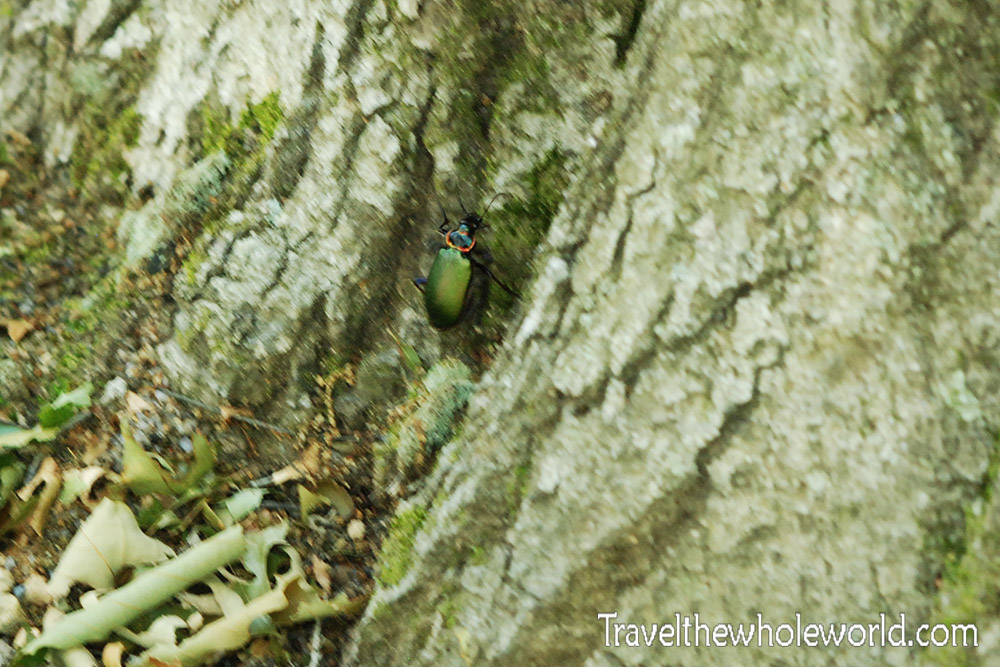
The caterpillars have one specific enemy in Shenandoah. This ground beetle is known as the caterpillar hunter, and with so many around here it must have an easy time surviving. I did find it to be annoying to photograph as it was always scurrying around and refused to stay still.
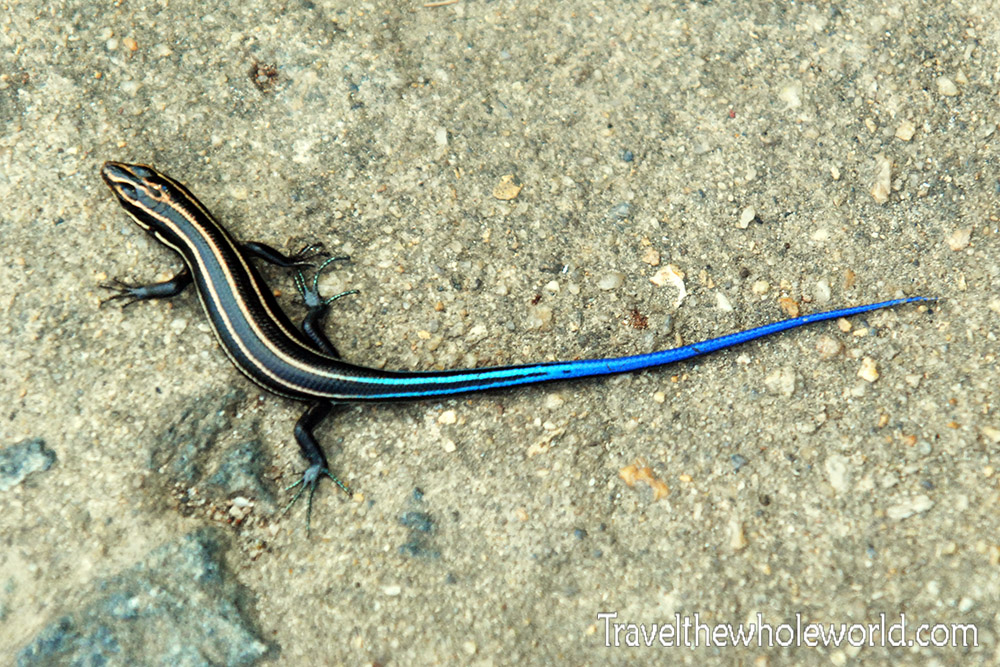
This lizard is somewhat rare in Virginia, I see these guys maybe once every five years despite how often I’m outside. Despite it’s incredibly blue tail, it’s named instead of its stripes and is called a five lined skink. I eve saw one of these in Sudan once!
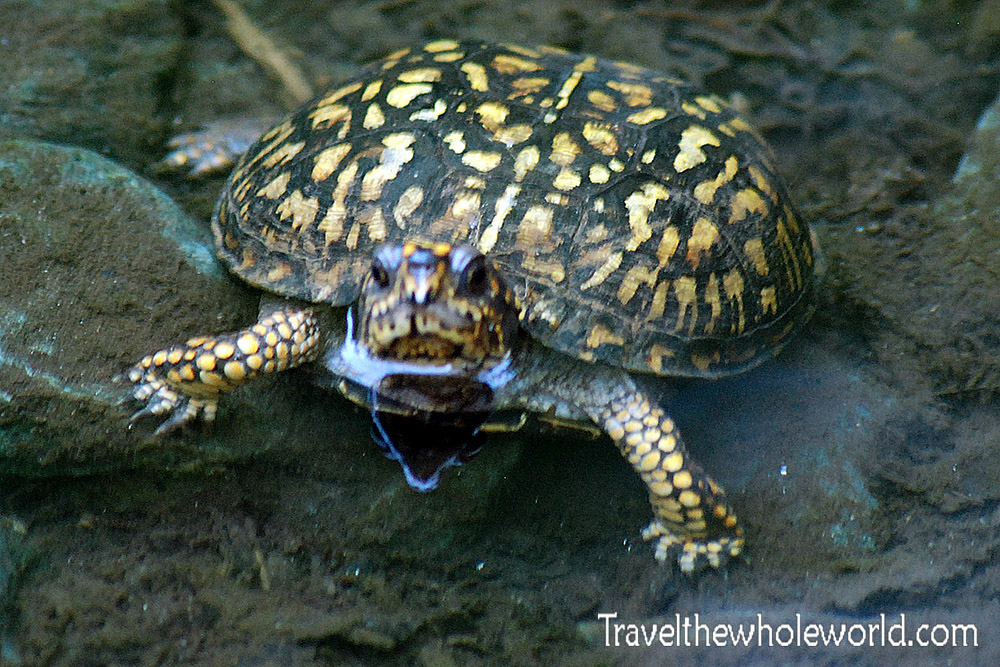
This box turtle on the other hand is much more common. I’m a bit upset of myself for having this blurry picture but until I take a better photo this is all I have to share. These guys are pretty relaxed animals and never seem to mind if you pick them up.
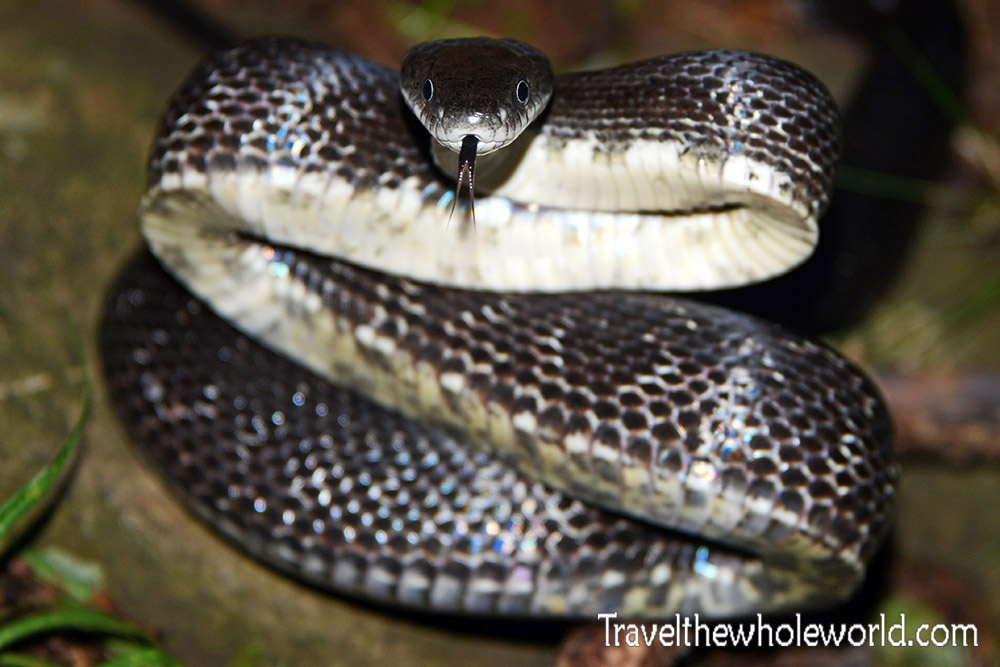
It might seem like there are a ton of animals out here, which there are, but remember these wildlife photos span over ten years. Once while hiking I came across this evil black rat snake. I’ve occasionally picked these guys up before and then sent them on their way, but this guy was violently striking at me and wouldn’t calm down. Usually black rat snakes are nice, so I’ve no idea what this ones problem is. One of my biggest regrets is visiting Shenandoah multiple times without my camera. I felt like I’ve been here so many times there was no need to bring it along, and of course that’s when I came across a rattlesnake and a copperhead, two of the most poisonous snakes in Virginia!
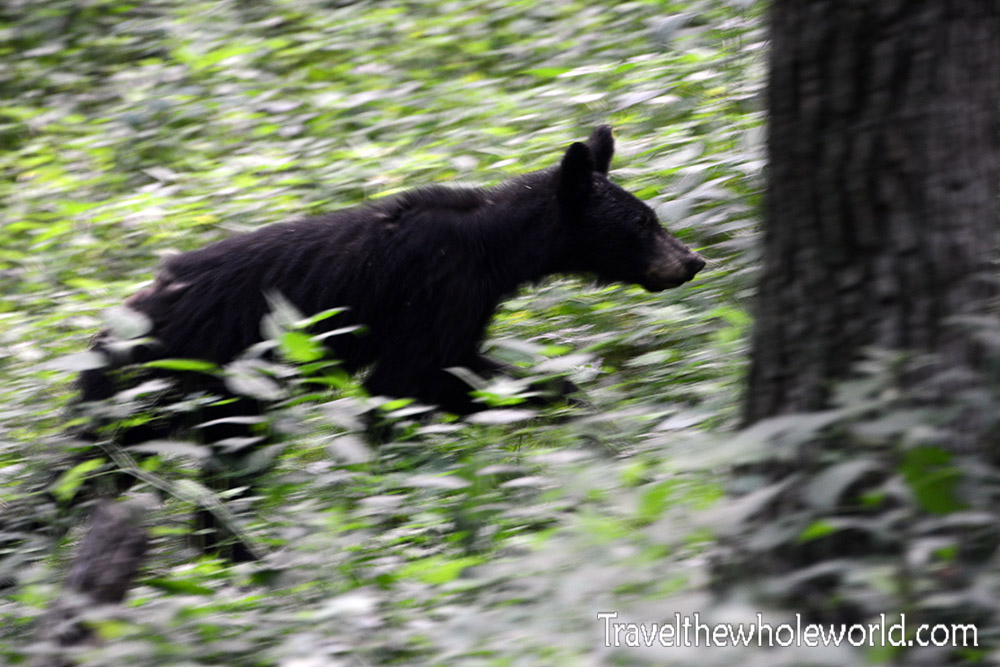
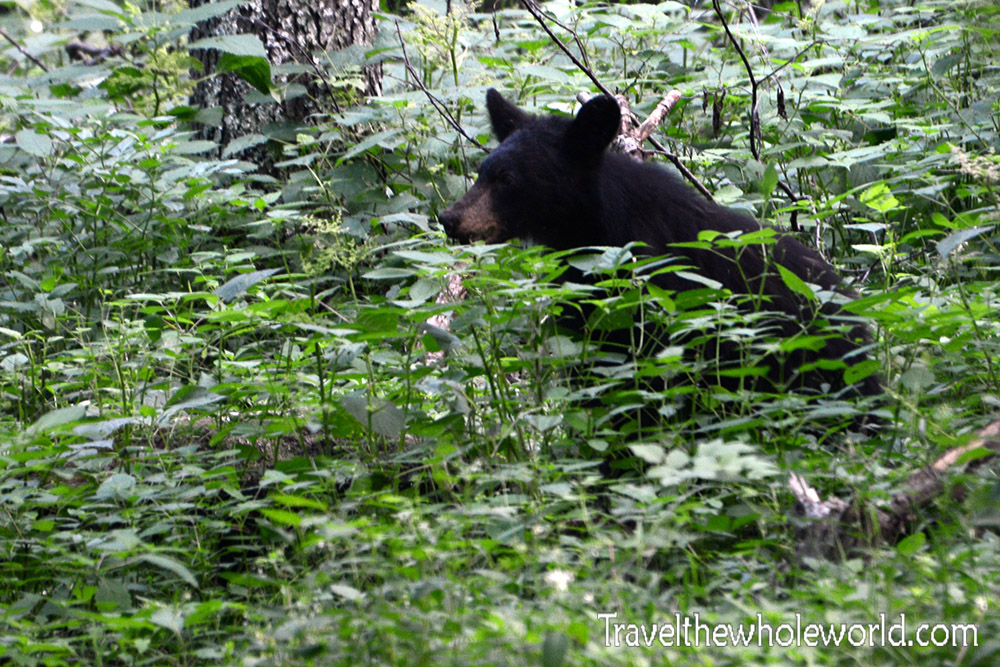
Something that has always annoyed me about Shenandoah is that I had hiked it for a full decade without seeing a single bear. I met more people than I can remember that have done a single hike and came across bears, so I was definitely having some bad luck. Finally one day I was hiking a popular trail and then it finally happened. I’ve seen bears again since, but these two photos show my first ever close encounter with a bear. He didn’t seem to care at all about my presence, so I didn’t feel threatened at all by him. Most of the bears I’ve seen look more like the photo above, and are often running past you through the woods. To my knowledge there has never been a black bear attack on a person in Shenandoah, so unless you do something you’re not supposed to like get too close, I’d say they are rather harmless.
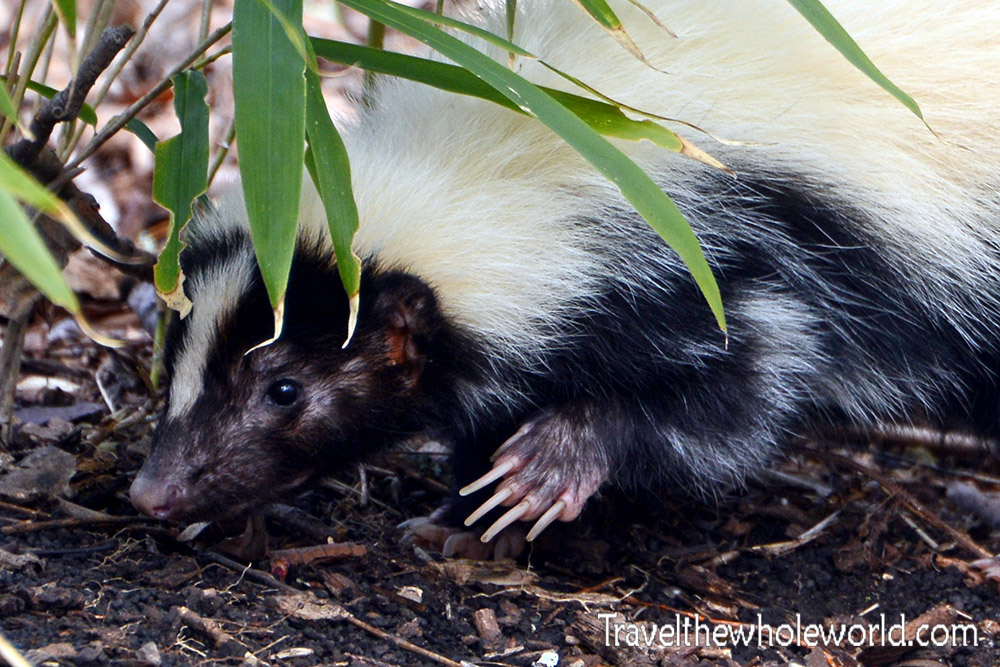
This small mammal is probably much harder to spot than a bear. Skunks are famous for releasing a nasty smell in order to ward off enemies. I’ve smelled them countless times while hiking or driving at night, but this was actually my first and only time ever seeing one. I had no idea they had such large claws!
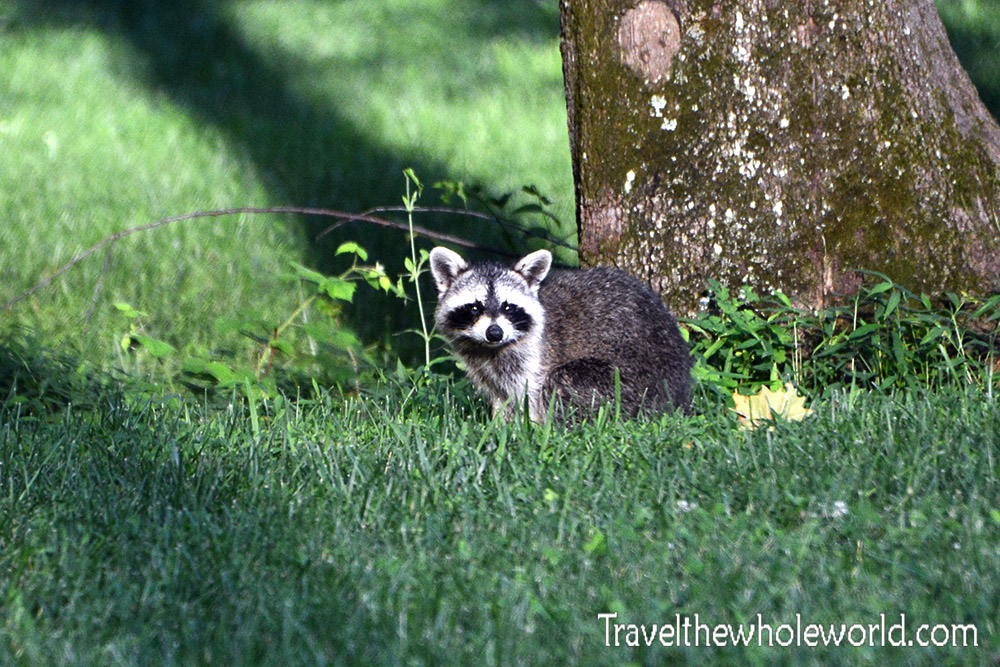
Like the raccoon below they are known for being nocturnal and are rarely seen during the day time. I’ve seen raccoons throughout my life, and they’re usually known for going through people’s trash in the early hours of the morning.
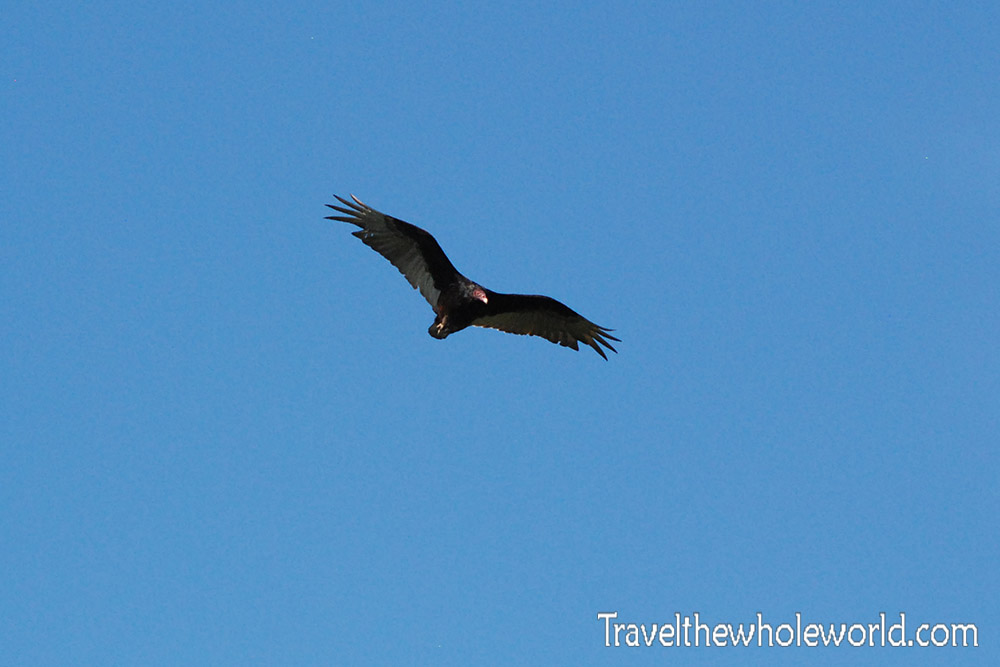
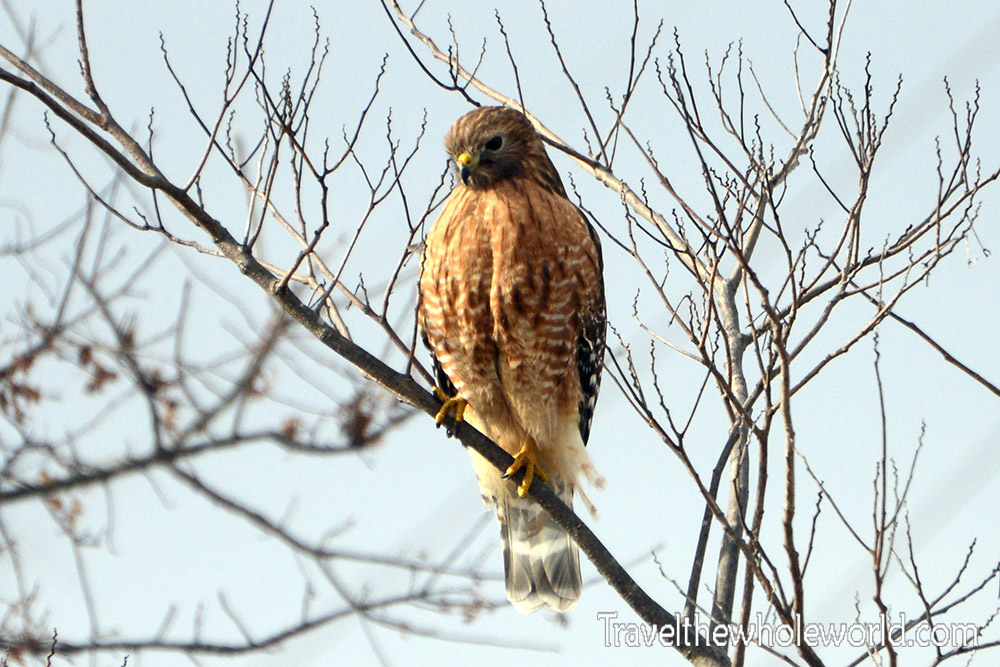
Shenandoah is also a great place for bird watching. I’ve see a lot but not captured any reasonable shots of except for this vulture and hawk. The turkey vulture is actually very common here, and it’d probably be rare for you not to see one regardless of which time of the year you visit. The red tailed hawk below is definitely requires a bit more luck but can be seen occasionally.
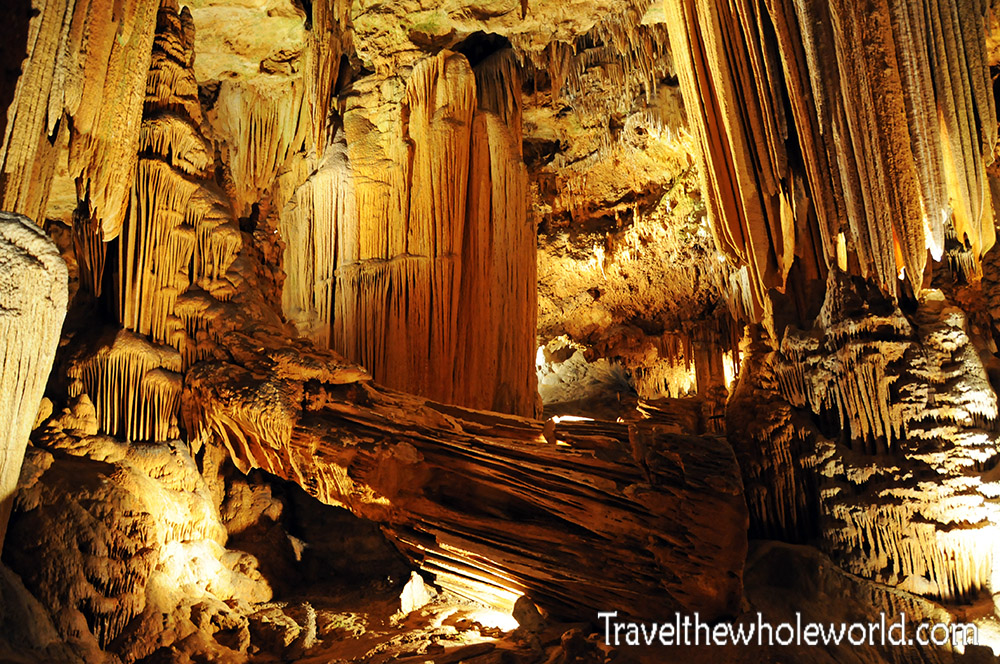
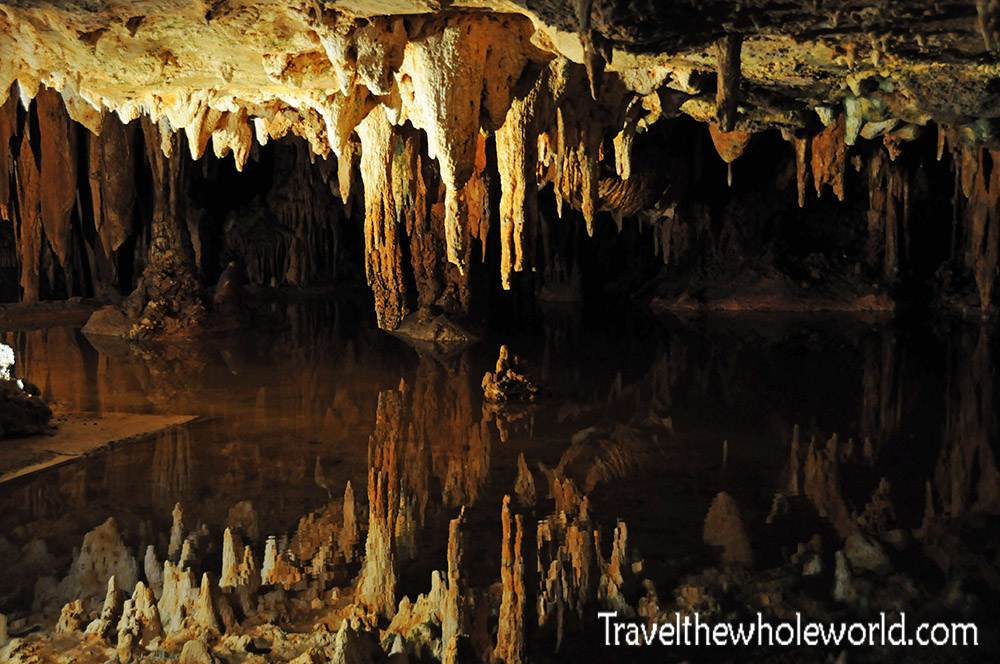
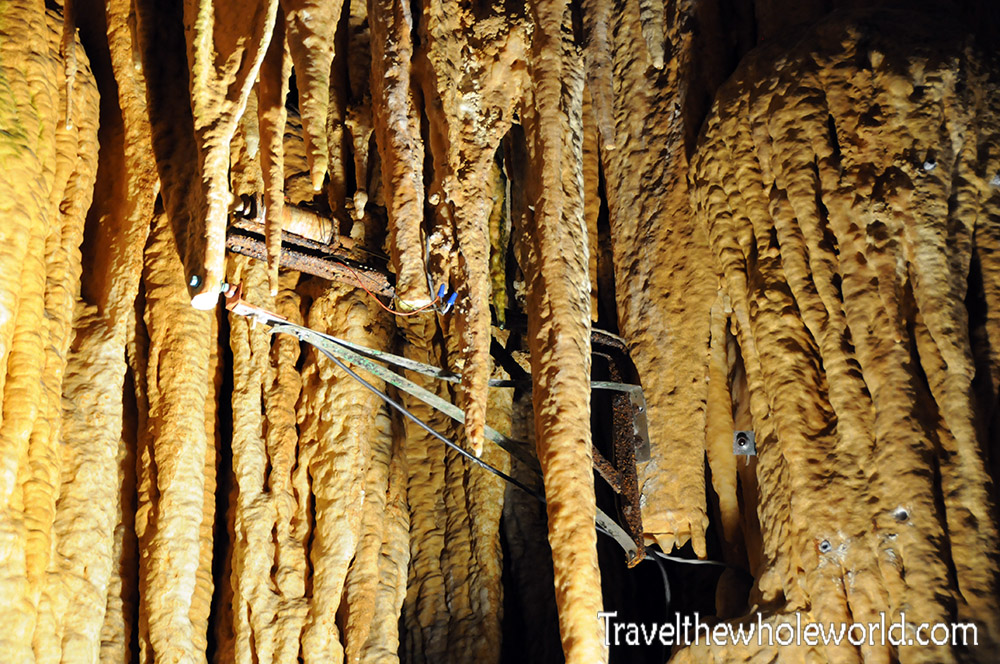
If you’re not a fan of hiking, or if there’s bad weather even, Shenandoah is one of the few national parks to have underground trails as well. Ever since their discovery in 1878, Luray Caverns have been bringing in tourists. They are among the largest and most popular caves in the east coast. I’ve been to several other caverns before around the world, and I have to say that Luray is definitely one of the most beautiful, especially with its reflective pools of water and giant collapsed Stalactites.

What makes Luray also unique is it’s home to the “Great Stalacpipe Organ”; the largest natural music instrument in the world! It was created by shaving down stalactites until they produced the proper notes, and then having mallets tied down to them that would hit the stalactites as someone played the organ. It’s still fully functional today, and is definitely worth a visit.
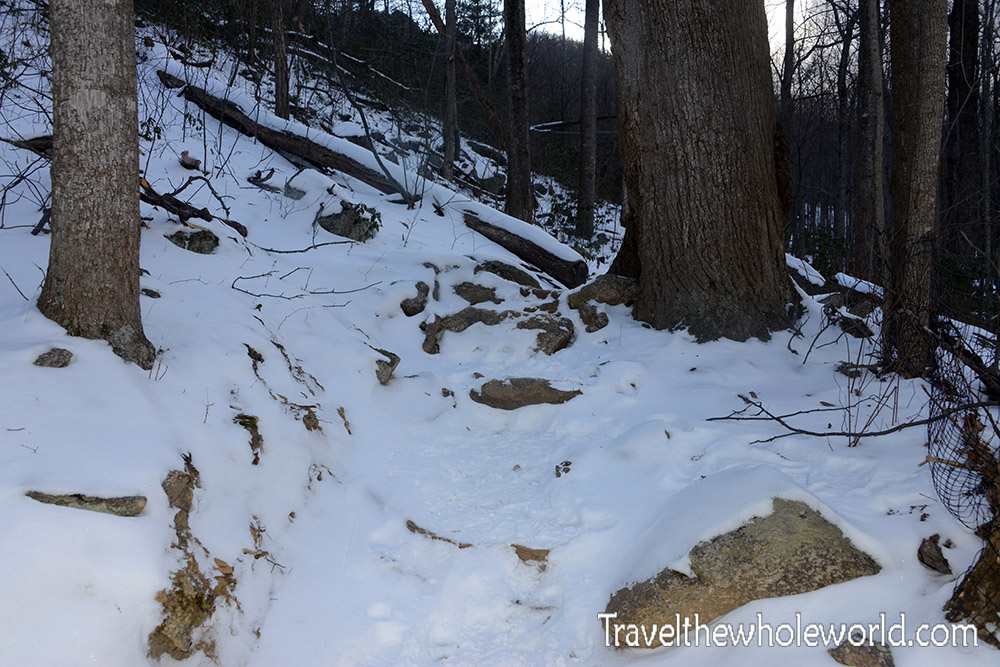
Now for my favorite part of Shenandoah – Old Rag! Now some will criticize Old Rag for being crowded, but I’ve found if you go in deep snow you’ll have the entire place to yourself. I’ve done Old Rag more times than I can remember, and this was a place that I used as my training ground for major peaks around the world.
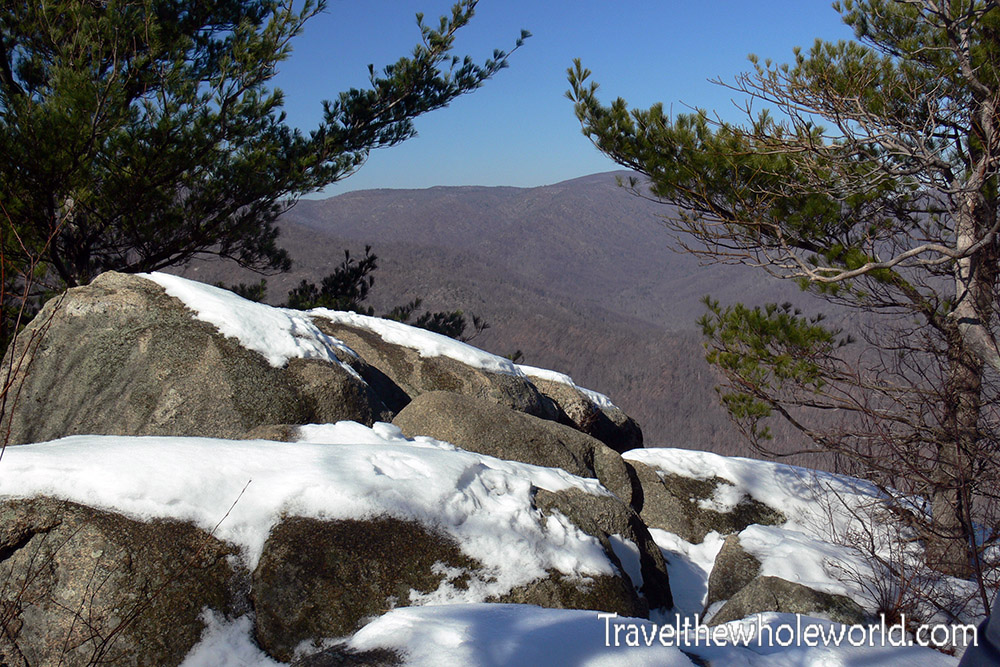
There are several reasons why Old Rag is such a great hike. Number one, its very scenic year around; I’ve done it during in all conditions you can think of from scorching summers, deep snow in winters, and those perfect crisp days in the fall and spring. Other things that make Old Rag stand is out among its Shenandoah peers is its 360 degree view you get from the summit. Most other hikes in the area are either lower in altitude or part of a ridge so you can only see out in one direction. Lastly, Old Rag is split up by a hike and followed by some great scrambling as you near the summit. The photo above is roughly where the trail ends from a regular hike to some light scrambling.
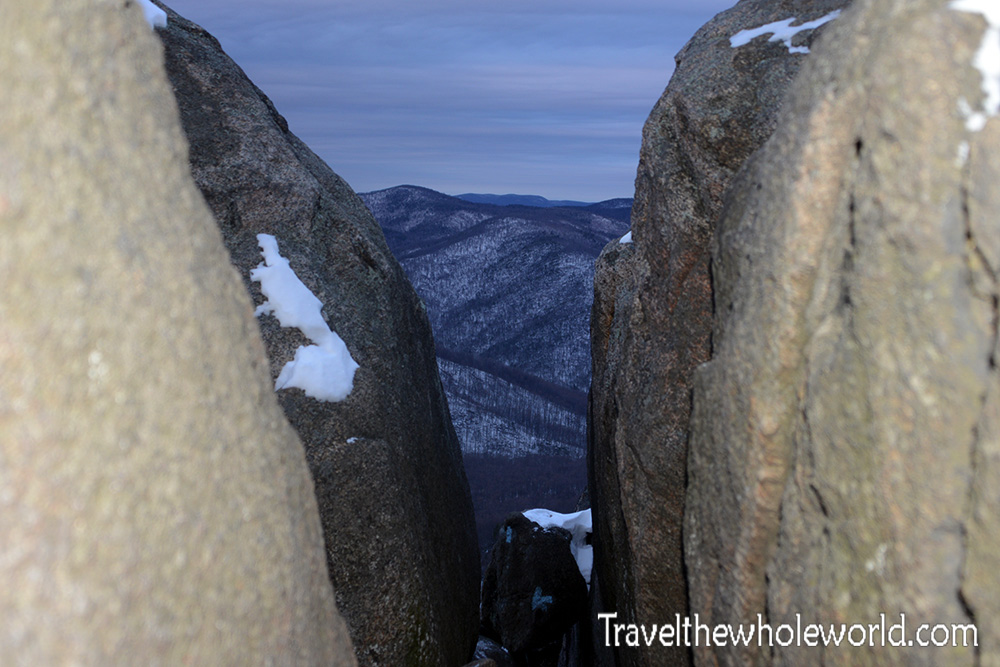
As you climb higher you’ll get into some really fun scrambling. There will be random boulders along the trail that you’ll have to navigate up and around. Some consider this scrambling a class II which still means a normal trail since the rocky areas are short easy moves. I think an easy class III would be fair rating though, and to my knowledge there is no other trail in the Mid Atlantic that comes close. One of the most famous features of the scramble area is the Gap, photographed above.
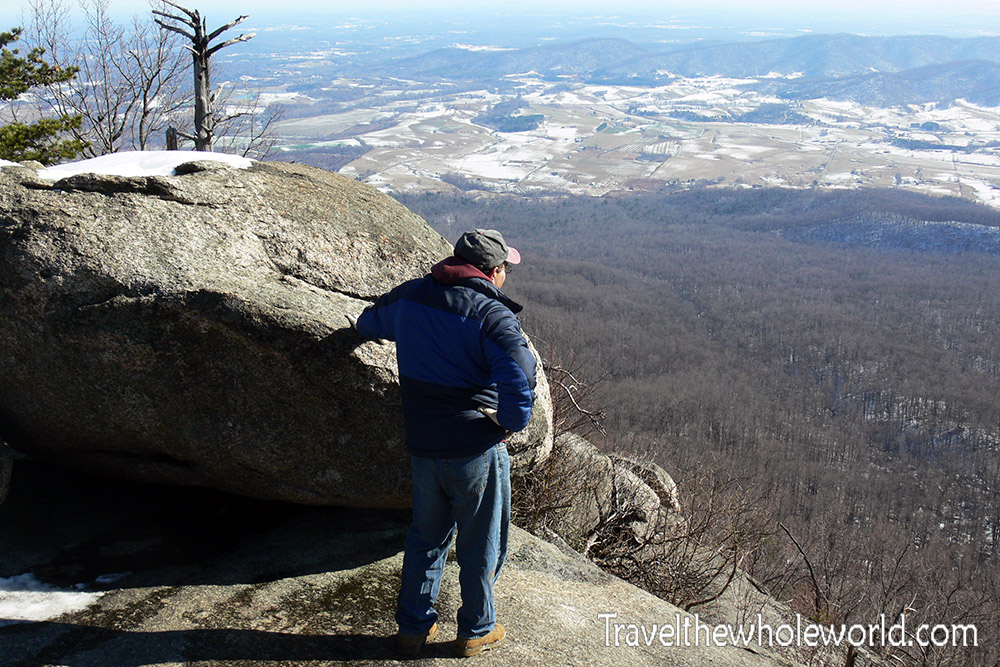
I’ve force everyone I can think of to joining me on a hike up Old Rag, including my father photographed above. This picture is roughly three quarters of the way up, and you can see that even there the views are impressive.
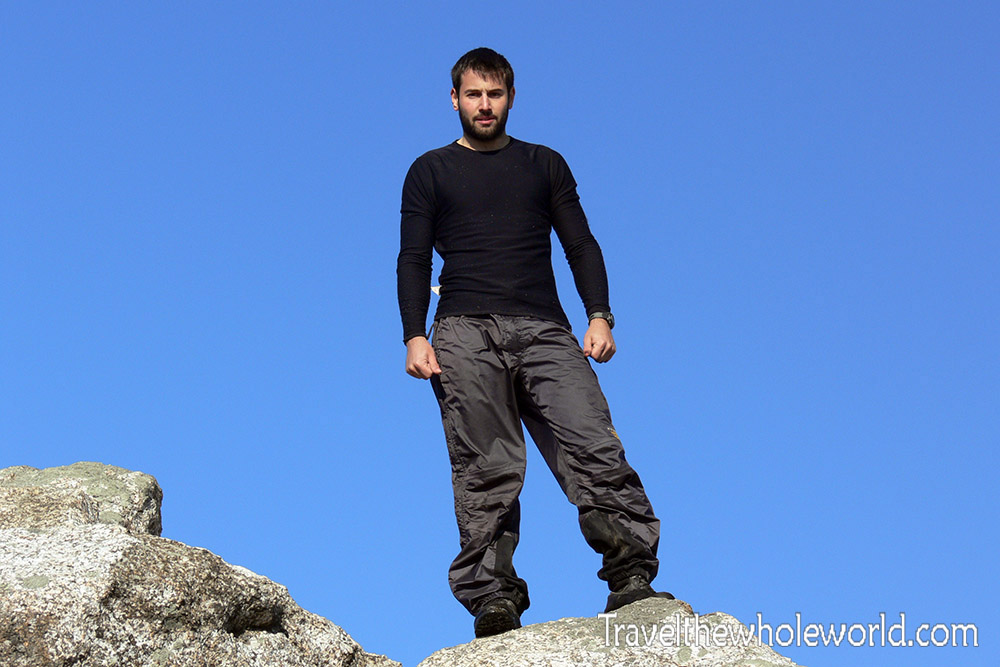
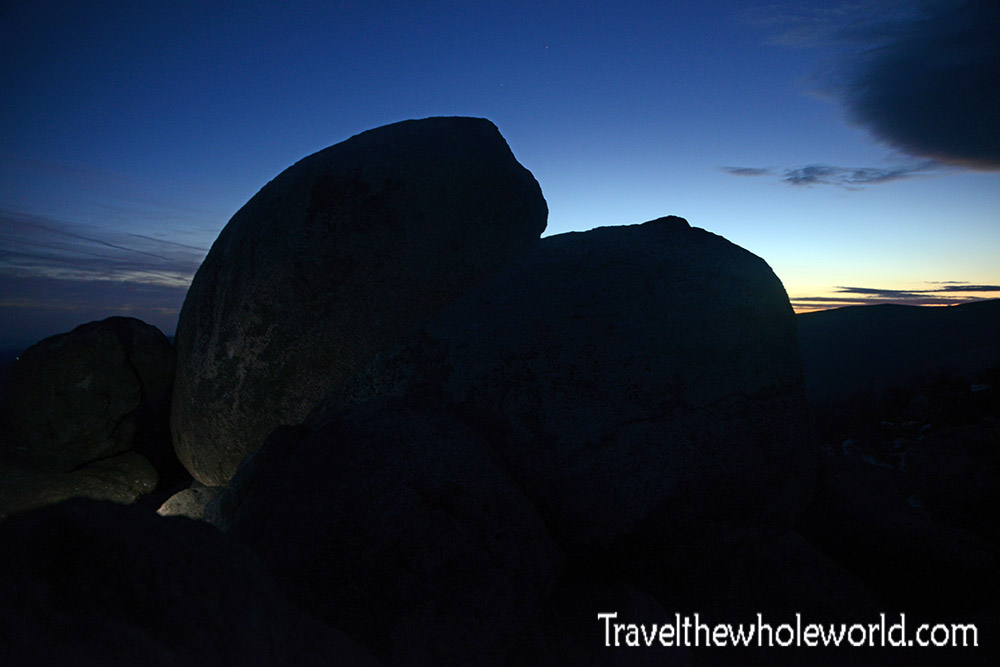
Old Rag’s summit sits at 3,284 (1,001 m), and is topped off by a few large boulders. Some people don’t feel the need to climb the boulders, but I always feel it’s necessary to feel I have truly made it to the top! The photo shows me on the summit when I was young and probably training for Aconcagua. The photo below was taken almost ten years later during a winter hike, when we arrived right as the sun was setting.