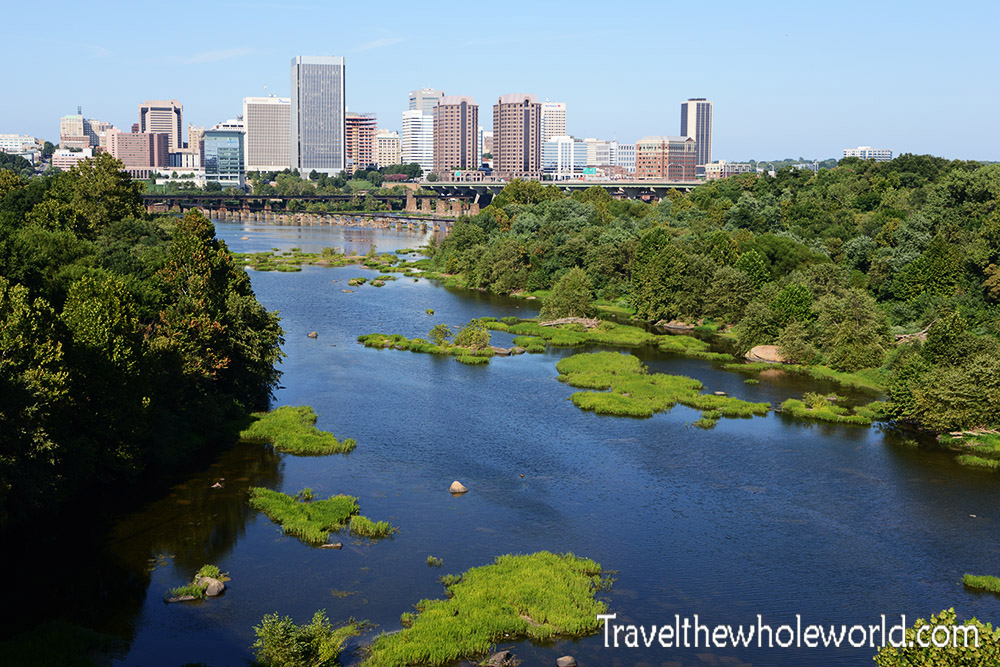
Richmond is the capital of Virginia and sits along the James River near the center of the state. The city is divided into several distinct neighborhoods and is especially known for its history, including its role as the capital of the Confederate States of America during most of the Civil War. The photo above shows Richmond as you approach the city along the James River.
When I was a little kid and passed through Richmond, I used to think it was an enormous city with an impressive skyline. When I got older and revisited, my opinion went in the opposite direction and I thought of Richmond as a relatively small city worthy of little more than a day trip. After returning several times, I realized how much I had overlooked. Between its historic neighborhoods, museums, restaurants, architecture, and the James River, Richmond has a lot more to explore than I originally gave it credit for.
Virginia State Capitol
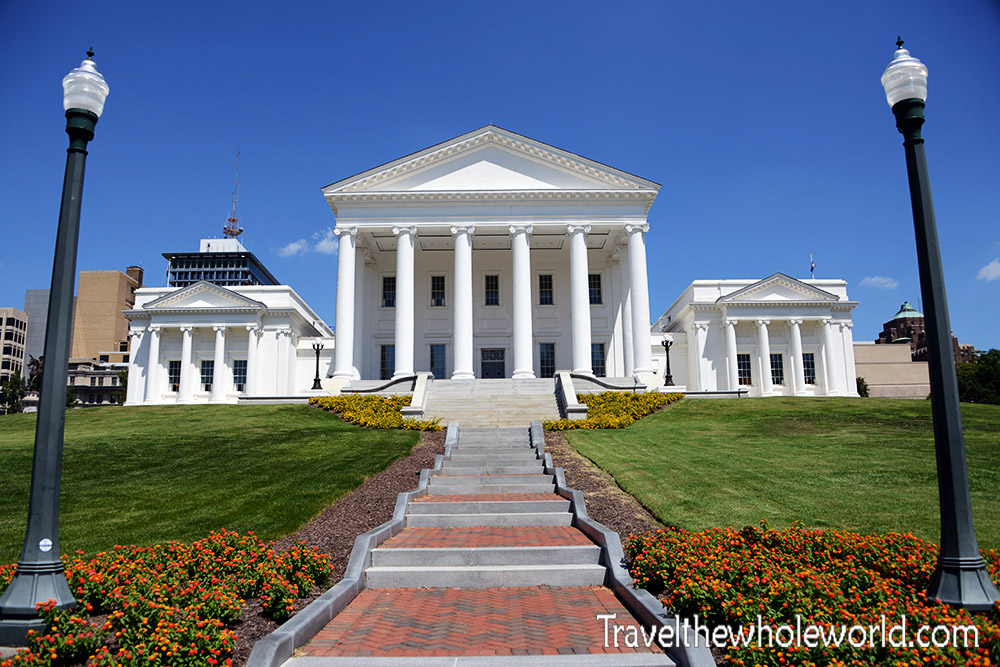
Above is Virginia’s State Capitol. The building looks quite different from many other state capitols because its design was inspired by classical Roman architecture. Thomas Jefferson helped design the building while serving as the U.S. minister to France, drawing inspiration from the ancient Maison Carrée in Nîmes. Completed in the late 18th century, it remains one of the oldest state capitol buildings still in continuous legislative use in the United States.
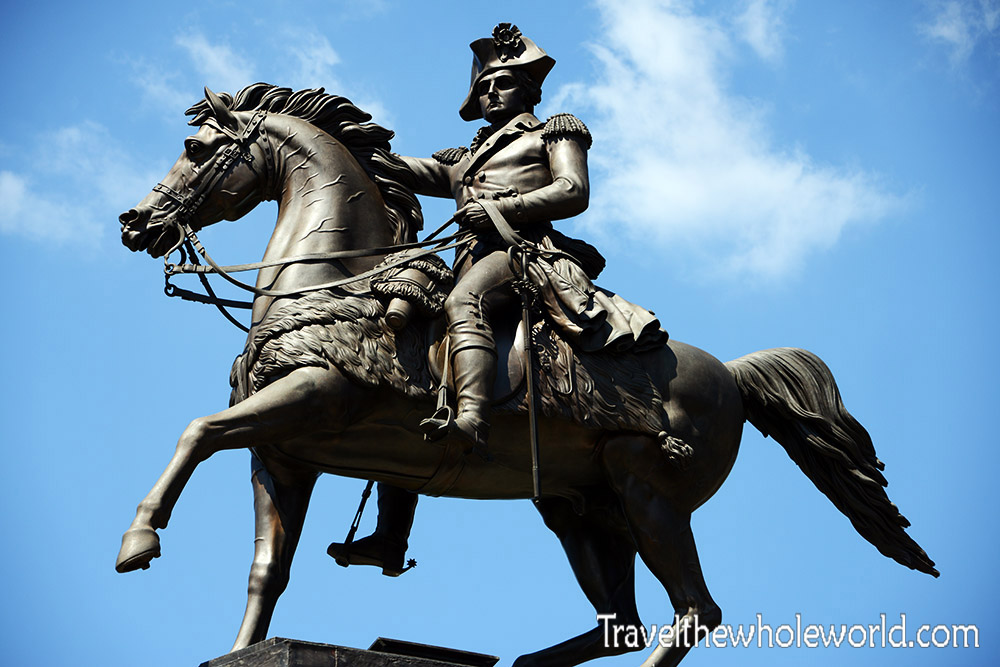
The Capitol grounds contain numerous monuments and memorials. One of the largest is the George Washington Monument above. Statues of Washington can be found throughout the country, but the connection feels particularly appropriate here since Washington was born in Virginia and spent much of his life in the state.
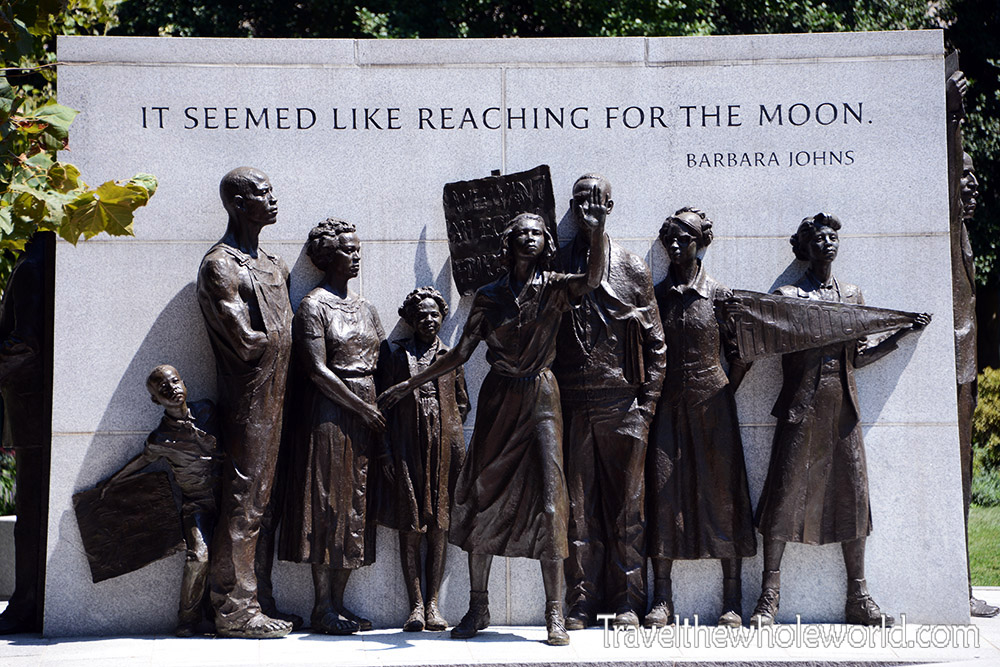
This memorial honors Barbara Johns, who at only 16 years old organized a student strike in 1951 to protest the unequal conditions at her segregated school in Farmville, Virginia. The resulting legal case became one of the cases incorporated into Brown v. Board of Education, the landmark Supreme Court decision that ruled racial segregation in public schools unconstitutional.
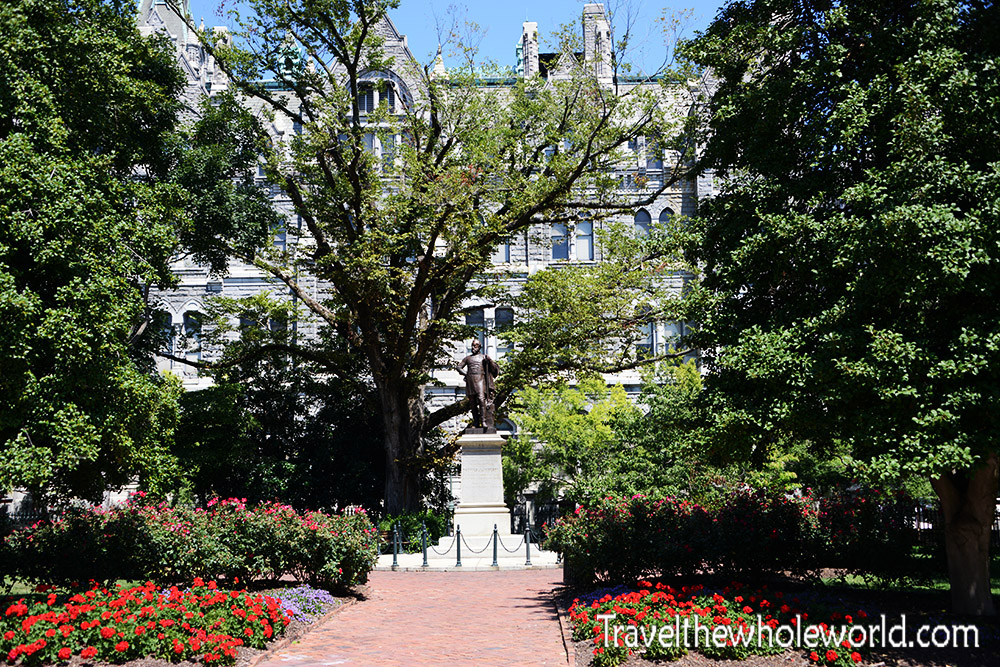
The landscaped grounds surrounding the Capitol are known as Capitol Square. Between the gardens, monuments, government buildings, and historic architecture, this is one of the better areas of Richmond to explore on foot.
Civil War History
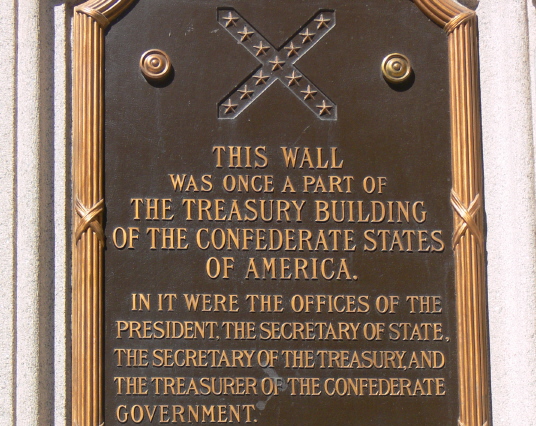
Richmond’s Civil War history is impossible to miss. The city became the capital of the Confederate States of America in 1861 and remained its political and industrial center until it fell to Union forces in April 1865. Richmond’s location relatively close to Washington, D.C. made it strategically vulnerable, but its population, manufacturing capacity, railroads, and other infrastructure made it extremely important to the Confederacy.
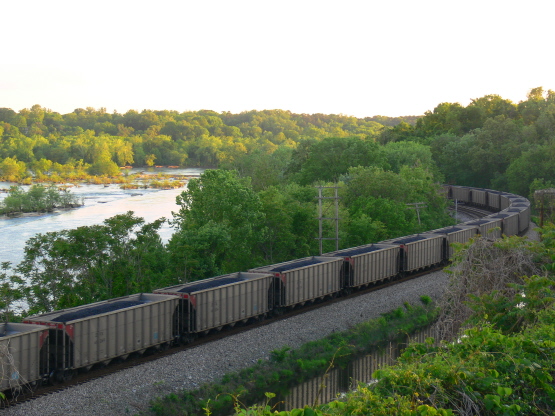
Richmond remains an important transportation center today. I happened to be in one of the city’s neighborhoods overlooking the James River when this coal train passed below. Unfortunately, this and a few other photos on the page were taken long ago and I no longer have higher-resolution copies.
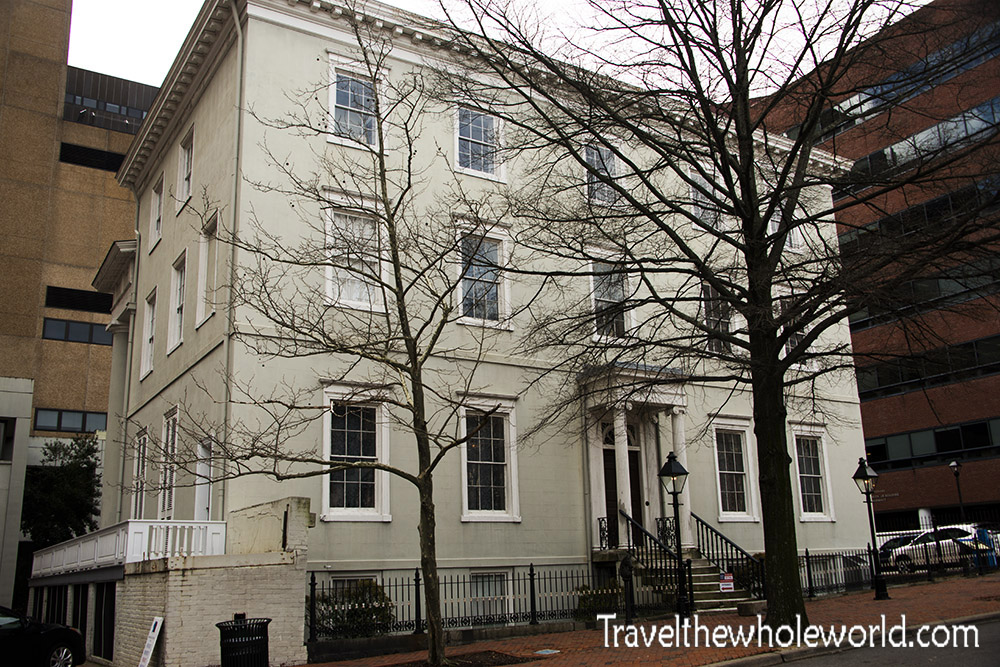
The White House of the Confederacy served as the executive residence of Confederate President Jefferson Davis and his family from 1861 until the end of the Civil War. I had previously visited the First White House of the Confederacy in Montgomery, Alabama, which served that role briefly before the Confederate capital was moved to Richmond. Today the Richmond house is surrounded by the modern VCU Medical Center.
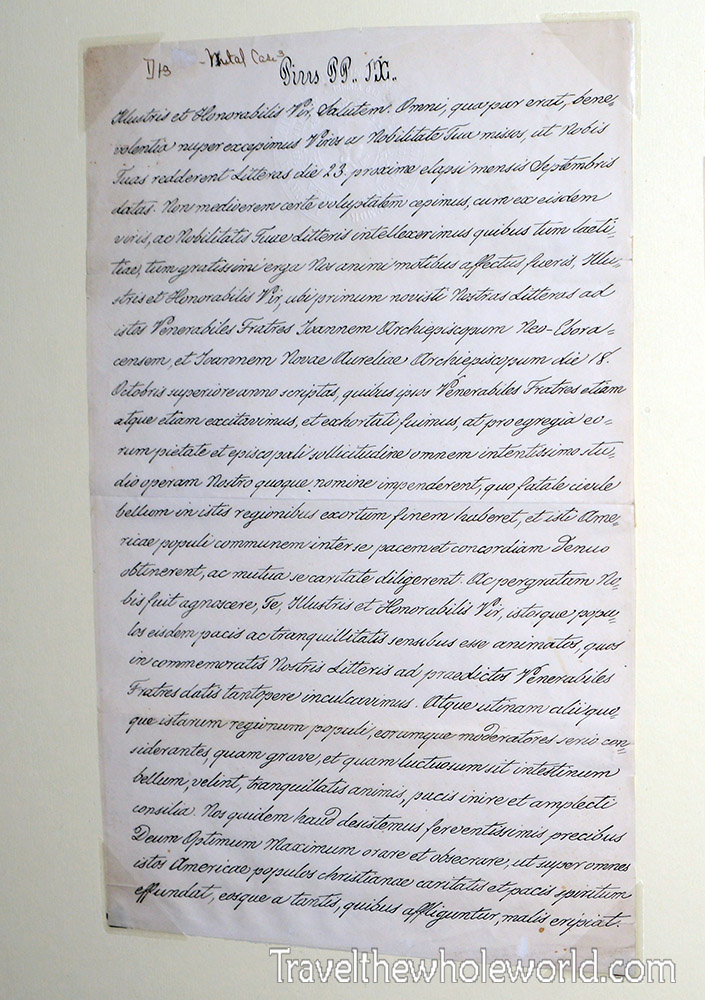
I toured the White House, although photography wasn’t allowed inside. The adjacent museum did permit photos and contained a large collection of Civil War artifacts. One item that caught my attention was this letter sent by Pope Pius IX to Jefferson Davis during the war. The correspondence is an interesting piece of the diplomatic history surrounding a conflict that was being closely watched far beyond the United States.
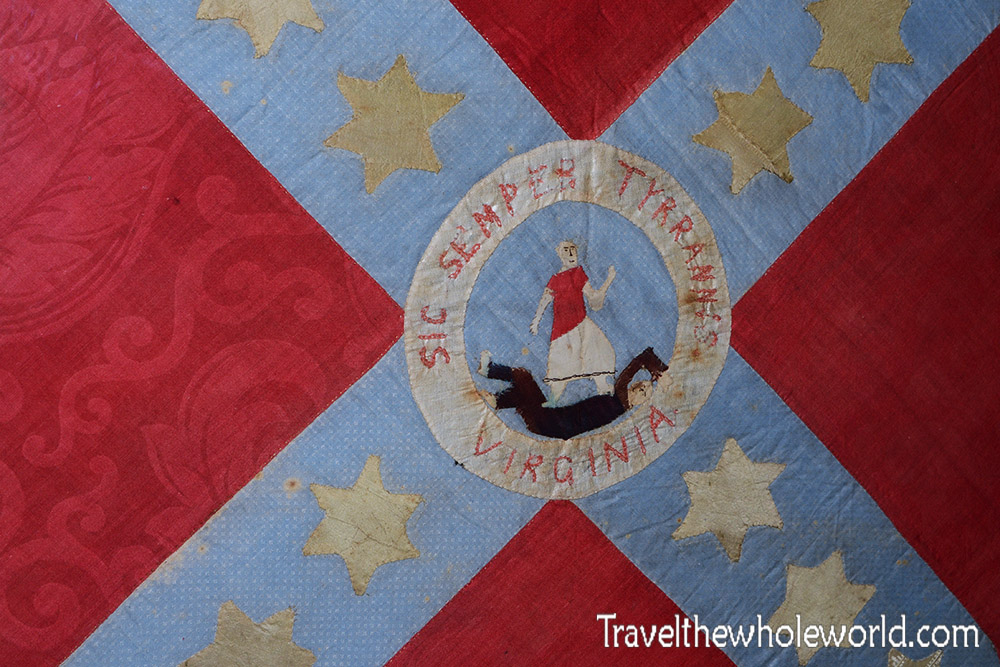
The museum contained numerous Confederate military flags. This one caught my attention because it belonged to the Army of Northern Virginia, the Confederate army most closely associated with Robert E. Lee and the major campaigns fought in Virginia, Maryland, and Pennsylvania.
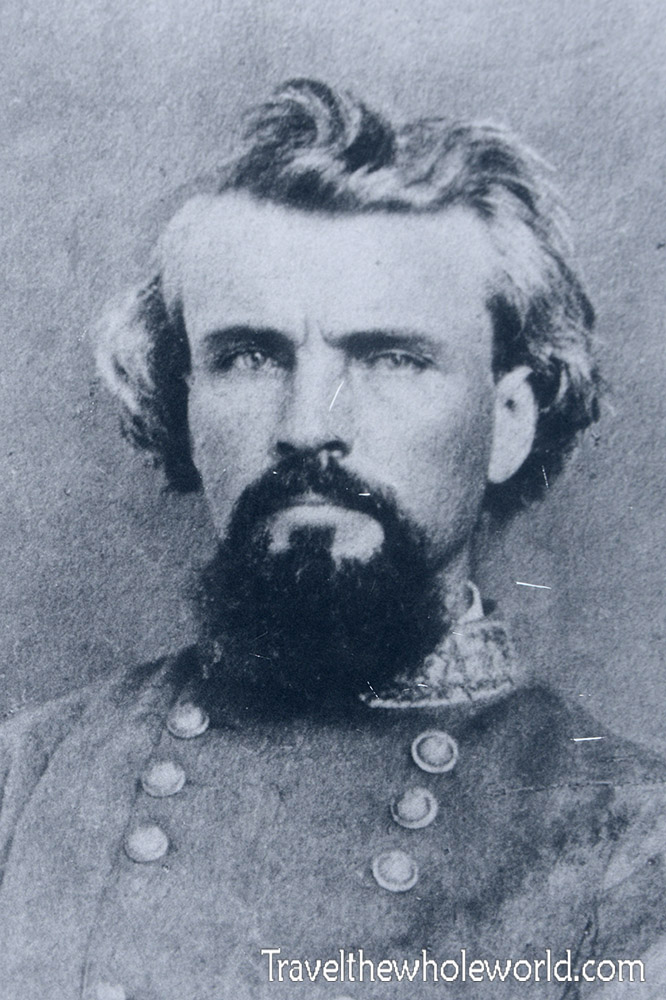
Among the many portraits was Confederate General Nathan Bedford Forrest. Forrest entered the Confederate Army as a private and rose rapidly through the ranks to lieutenant general. He became one of the Confederacy’s best-known cavalry commanders, although his legacy remains deeply controversial because of his involvement in the Fort Pillow massacre and his postwar association with the early Ku Klux Klan.
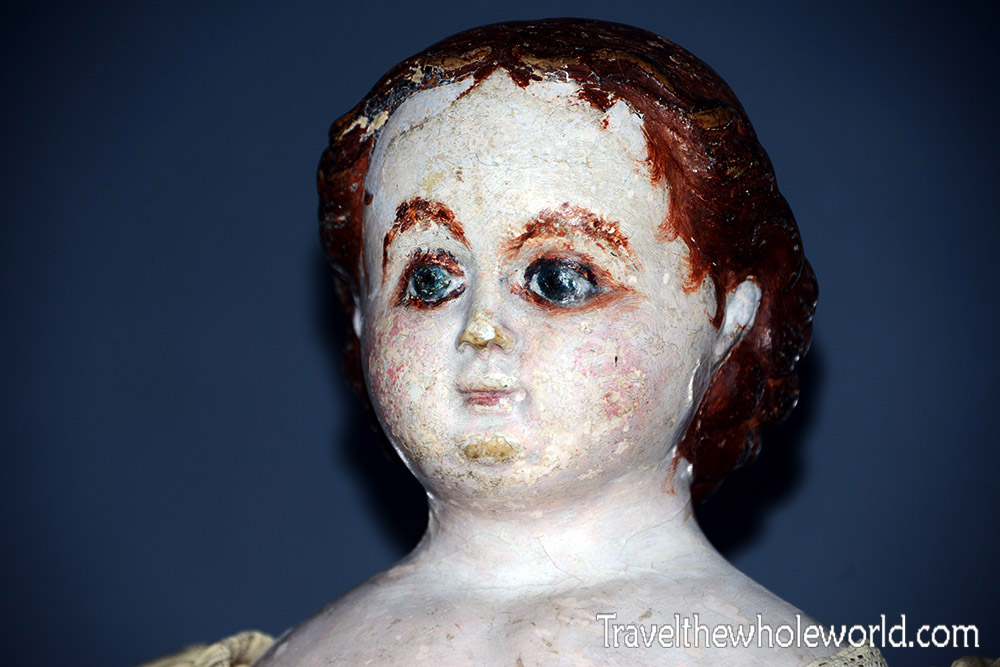
Another unusual artifact was this doll associated with smuggling medicine during the Civil War. Its head could be removed, creating a concealed compartment that could be used to transport supplies. Small artifacts like this were some of my favorite things in the museum because they showed aspects of daily life during the war that aren’t as obvious as the weapons, uniforms, and flags.
Downtown Richmond
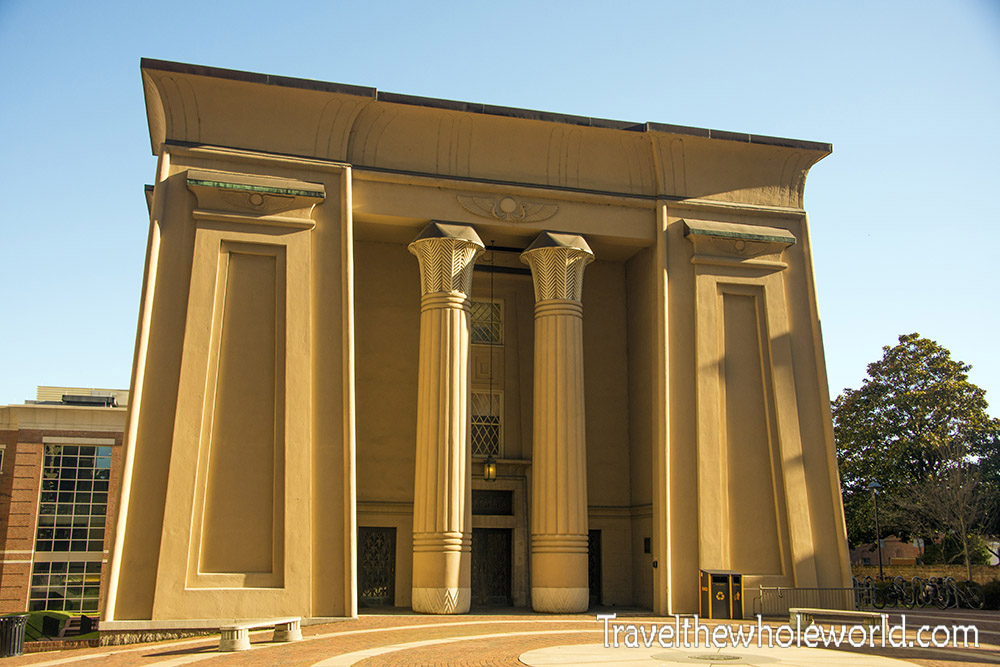
After leaving the Civil War museum, I began walking toward downtown and passed through the Virginia Commonwealth University medical campus. One building that immediately stood out was the Egyptian Building. Completed in 1845 for the Medical College of Virginia, its Egyptian Revival architecture makes it one of Richmond’s most distinctive historic buildings. It remains part of VCU’s medical campus today.
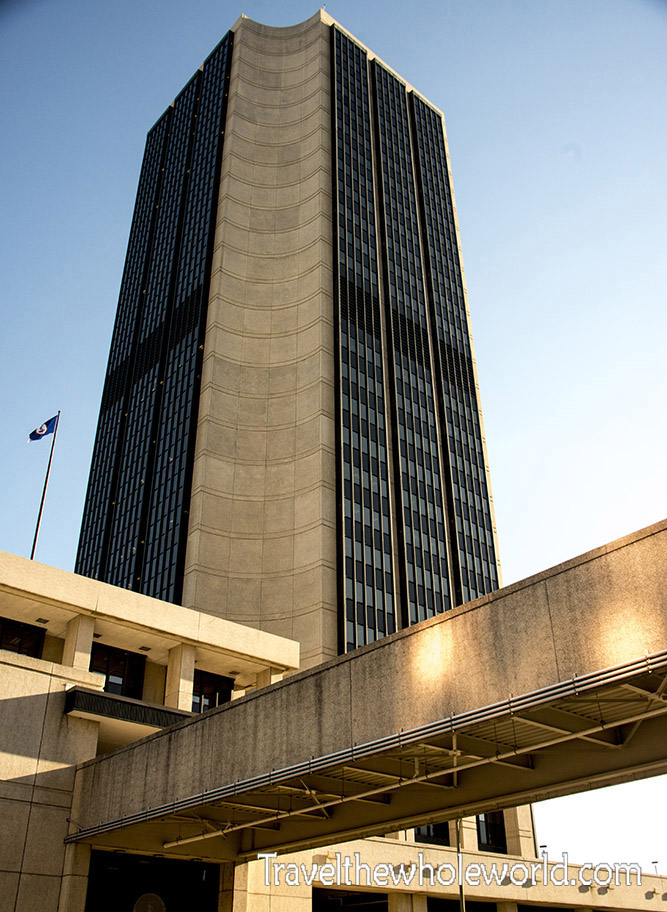
Continuing toward the city center, I passed the James Monroe Building. At 449 feet (137 meters), it has long been one of the most prominent buildings in Richmond’s skyline. Its narrow profile also makes it look considerably taller when viewed from the surrounding streets.
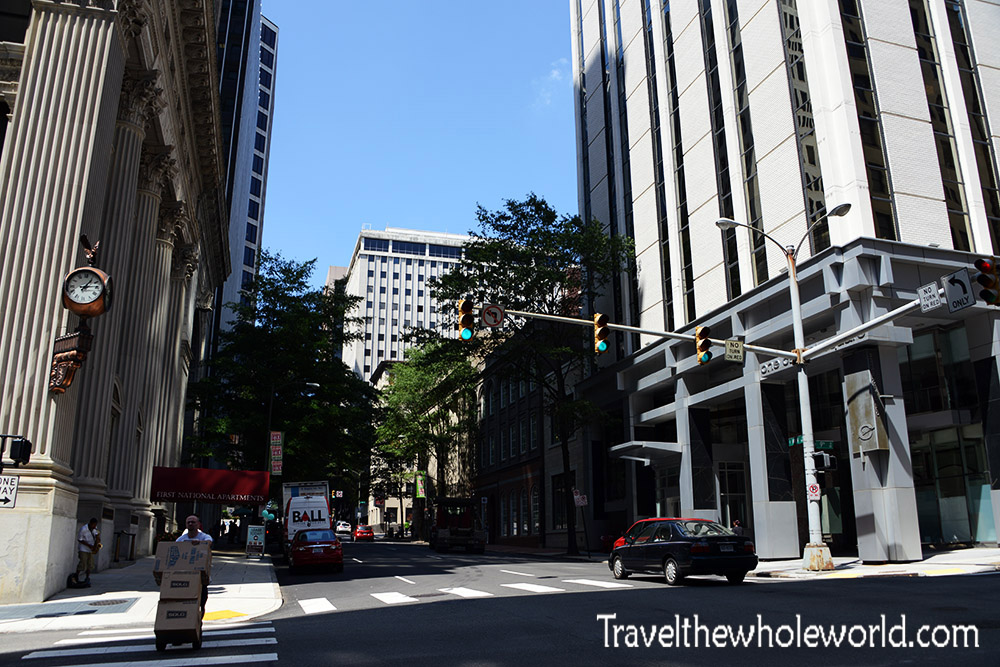
Main Street runs directly through Richmond’s central business district. I walked through during working hours and found the area busy with commuters, food vendors, and people moving between the office buildings. There were also several street musicians performing around downtown.
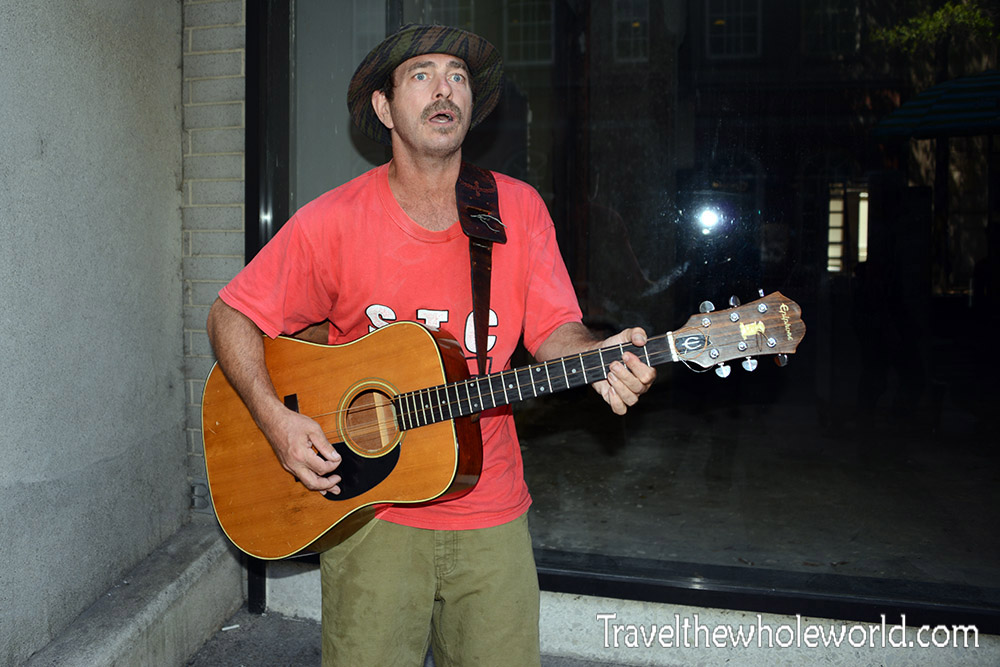
This musician thanked me for leaving him a tip and joked that he couldn’t compete with a saxophonist performing a block away. It’s one of those small interactions I probably would have forgotten completely if I hadn’t taken a photo.
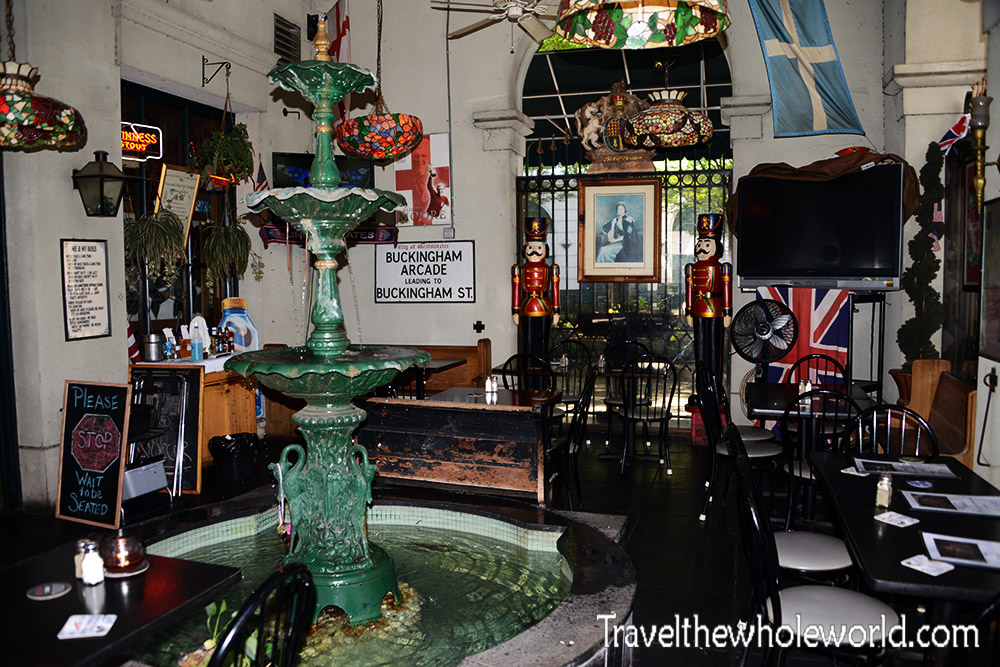
While downtown I ate at Penny Lane Pub. I knew I was going to London only a few weeks later, so all the British flags immediately caught my attention and made it an obvious choice for lunch. The interior had plenty of British decorations and felt completely different from the surrounding office district.
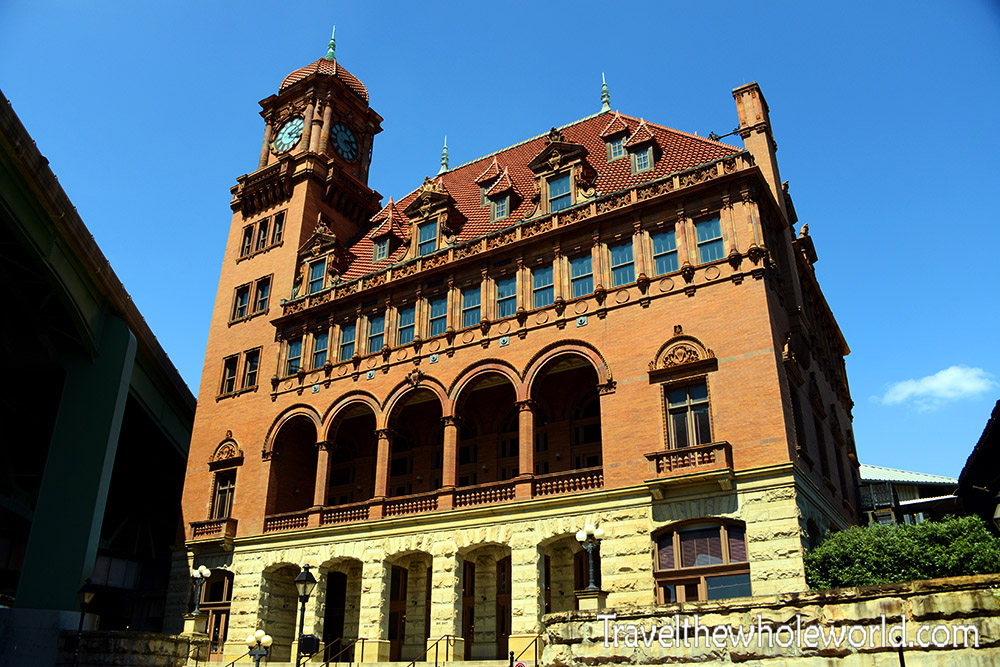
Anyone who has driven Interstate 95 through Richmond will probably recognize this clock tower. I remember seeing it countless times while traveling through the city as a kid. Because the highway is elevated here, you pass unusually close to the upper portions of the building. For years I had no idea what it actually was. Eventually I visited and learned that it’s Main Street Station, a historic railroad station that opened in 1901 and continues to serve passenger trains today.
Shockoe Bottom
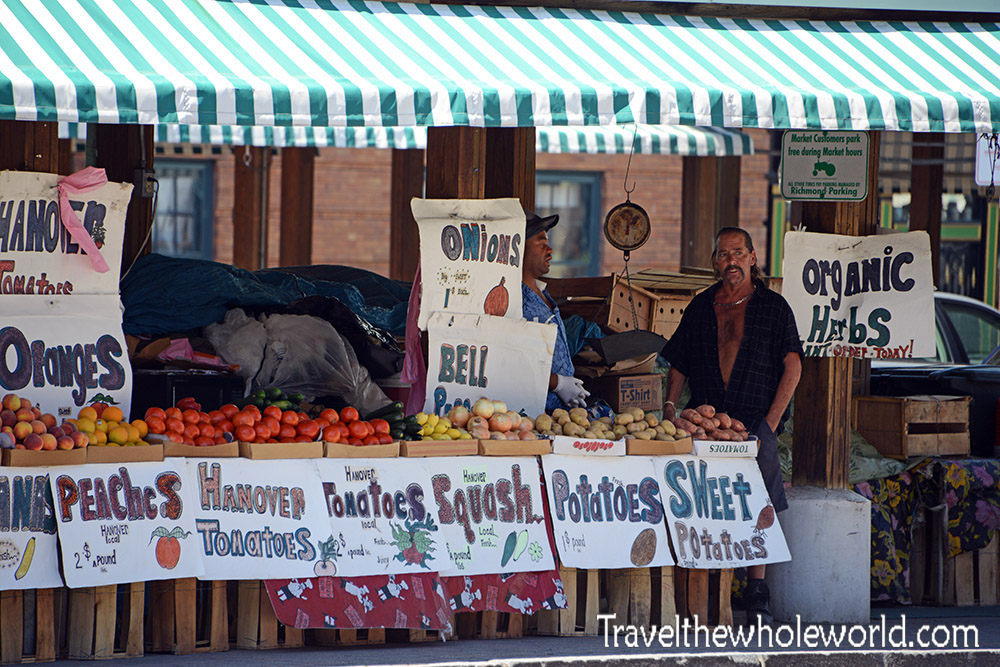
Continuing east brought me into Shockoe Bottom, one of Richmond’s oldest neighborhoods. The transition from the downtown business district is noticeable as modern office buildings give way to older brick warehouses, restaurants, shops, and historic streets.
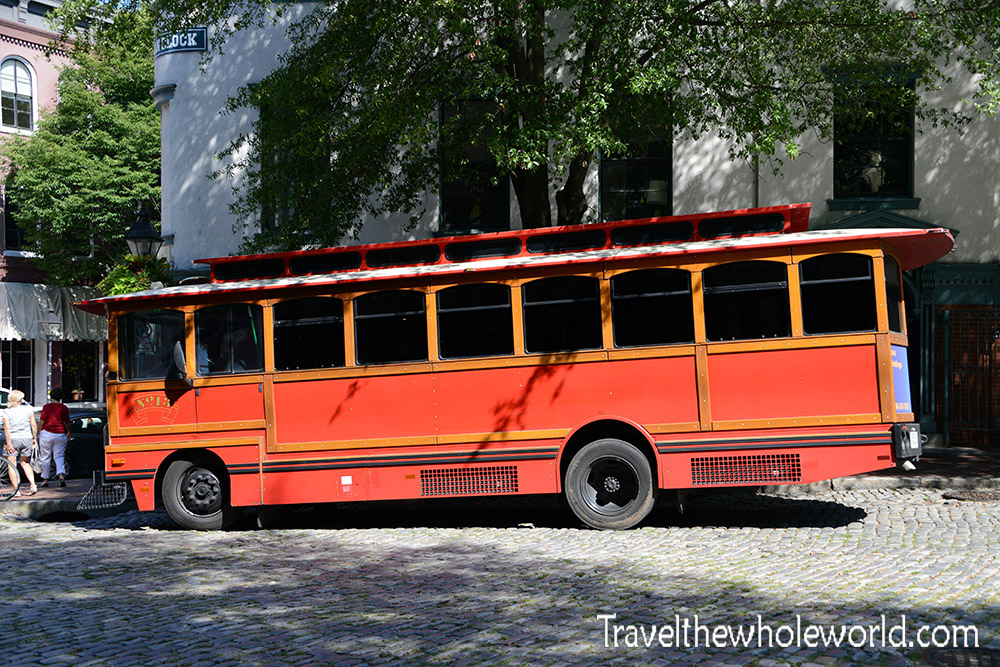
Heading toward East Cary Street changed the atmosphere even more. Cobblestone streets and historic brick buildings made parts of the neighborhood feel completely removed from the Richmond I had seen while simply passing through on the interstate.
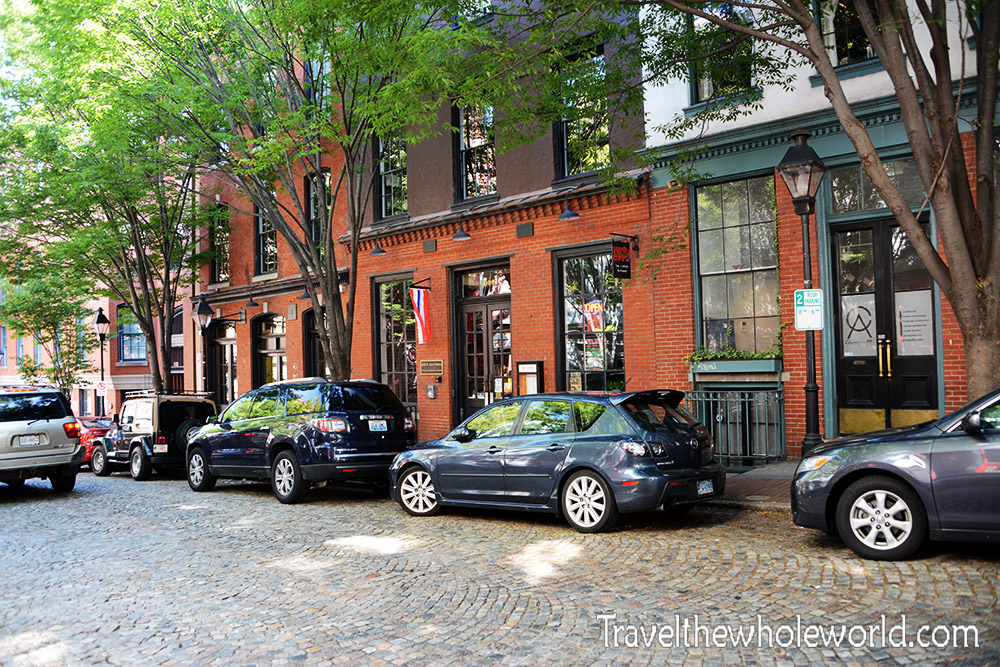
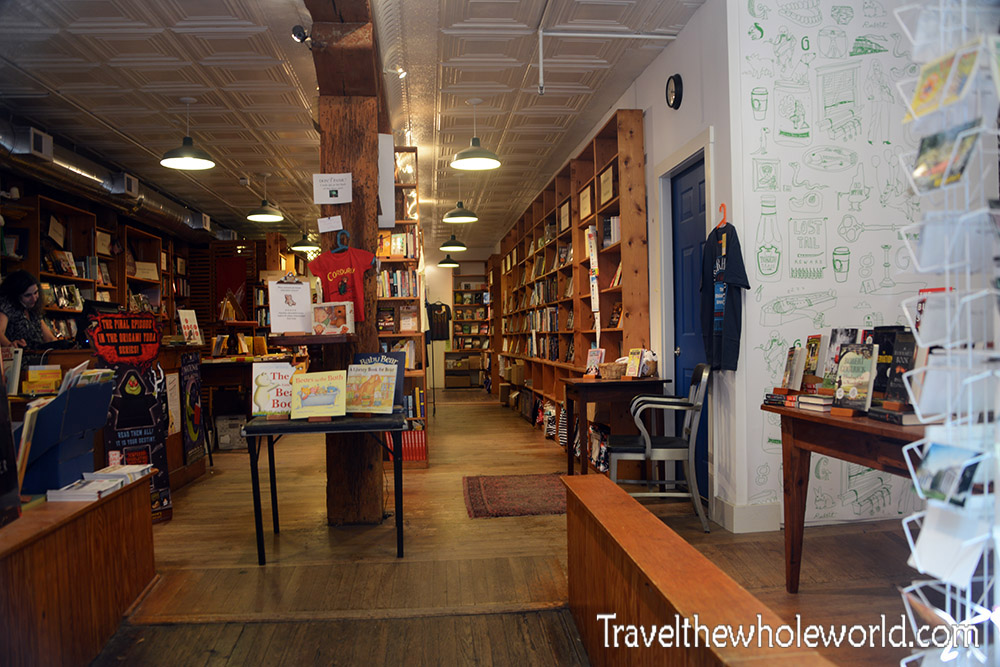
Shockoe Bottom isn’t enormous, but there are enough blocks of restaurants, bars, shops, and historic buildings to spend quite a while exploring. I stopped at a local coffee shop and wandered through several small stores, including the bookstore below.
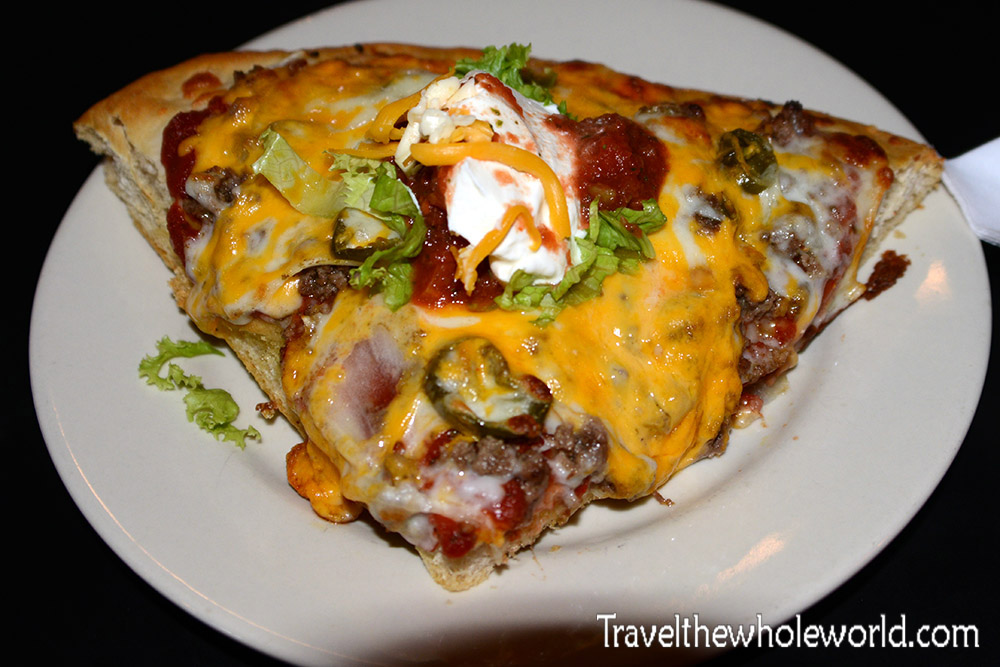
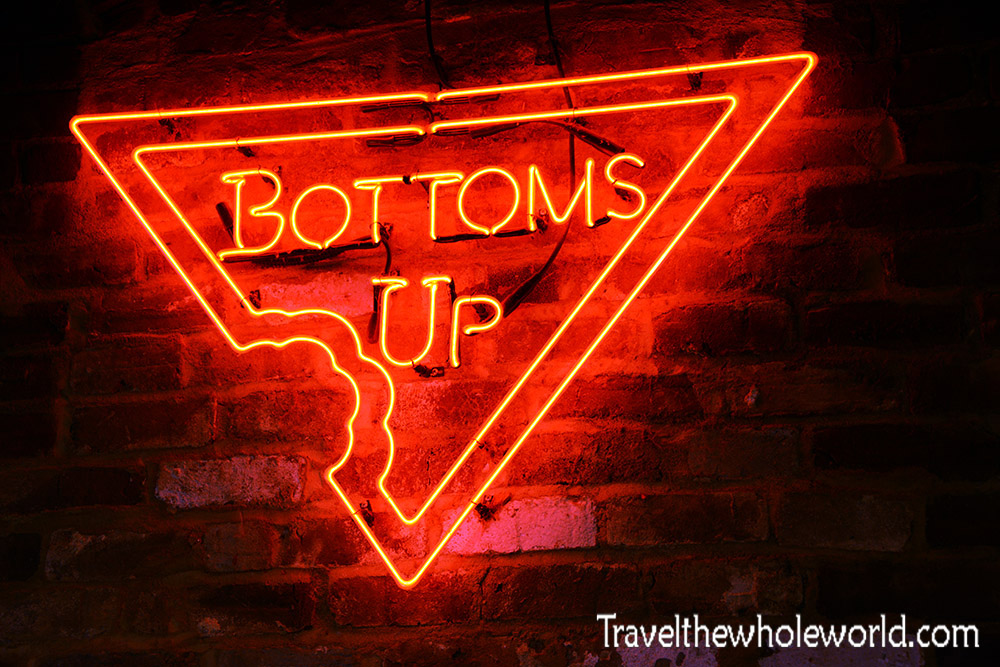
There are all kinds of places to eat around Shockoe Bottom, ranging from upscale restaurants to casual neighborhood spots. My favorite was Bottoms Up Pizza, which had been recommended to me by a local. The price per slice initially seemed high until I saw the portions. These were huge, thick slices that were closer to a meal than a quick snack.
I ordered the Mexican-style pizza, loaded with jalapeños, salsa, and sour cream. It was definitely one of the more memorable meals from my visits to Richmond.
Edgar Allan Poe Museum
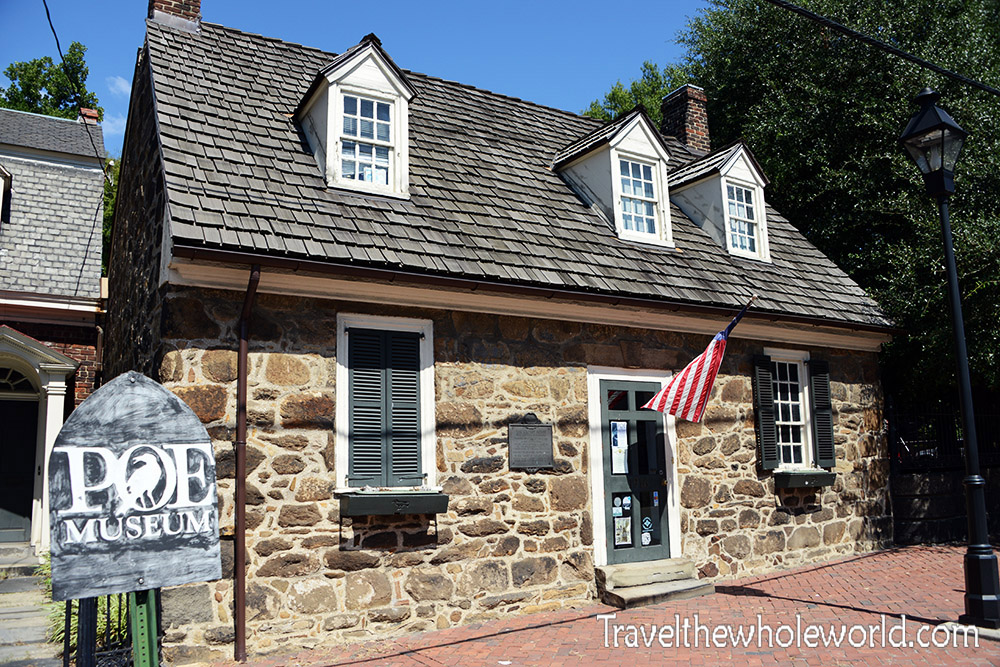
One of Shockoe Bottom’s best-known attractions is the Edgar Allan Poe Museum. The Old Stone House photographed above dates to the 18th century and is one of Richmond’s oldest surviving buildings. Poe never actually lived in this house, but he spent much of his early life in Richmond, and the museum preserves manuscripts, personal possessions, furniture, photographs, and other objects connected to his life.
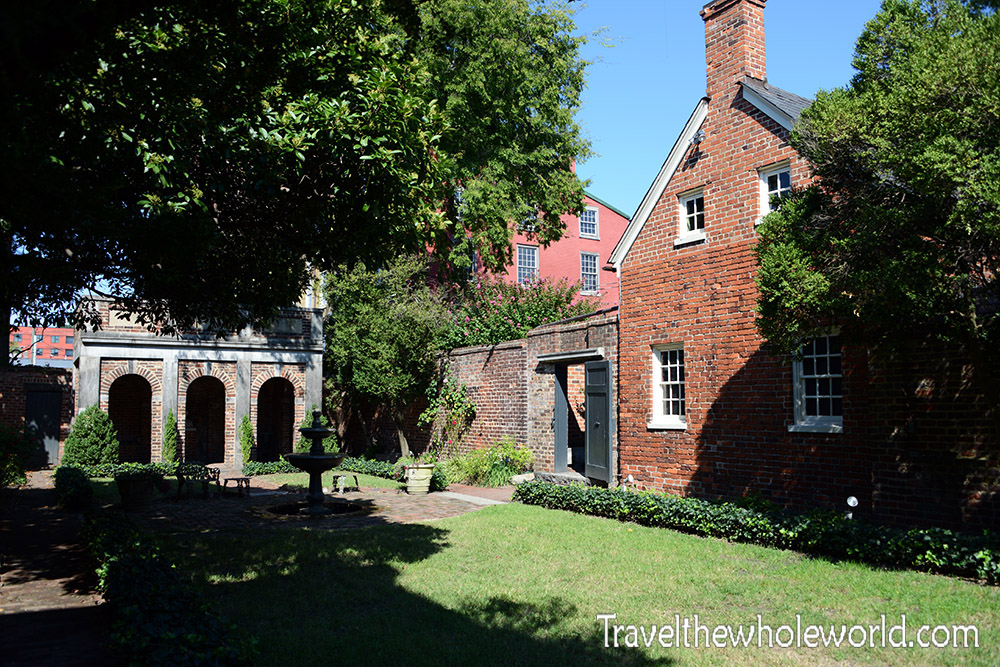
Behind the Old Stone House is the museum’s Enchanted Garden. The garden was created as a memorial to Poe and was inspired by imagery from his writing rather than being a garden that existed during his lifetime.
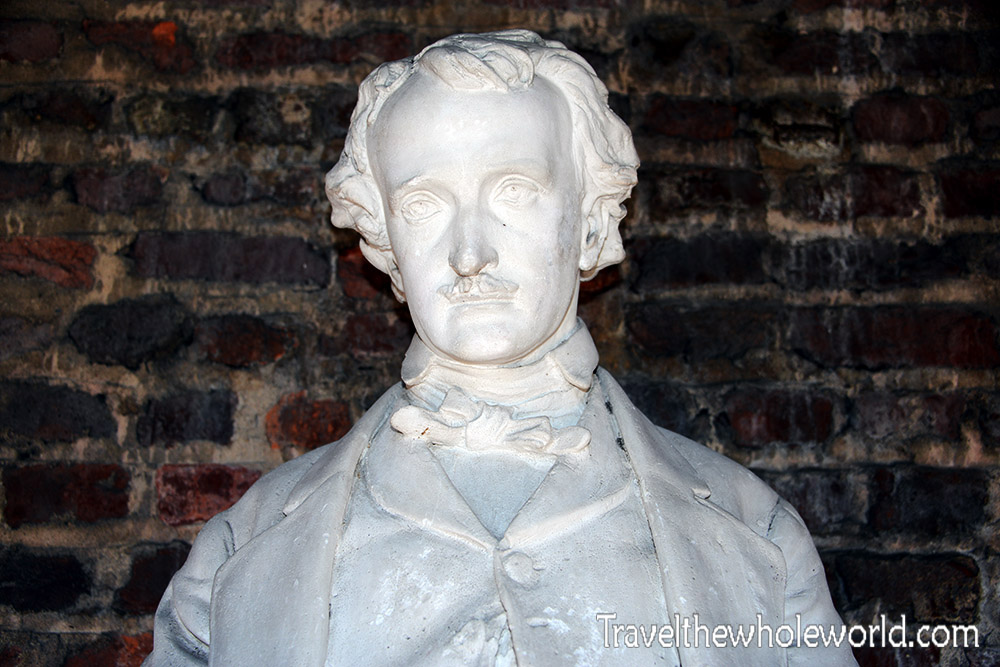
At the end of the garden is a small shrine dedicated to Poe. Other museum buildings surrounding the garden contain artifacts connected to his life and career, making the entire complex much larger than the little stone house initially suggests.
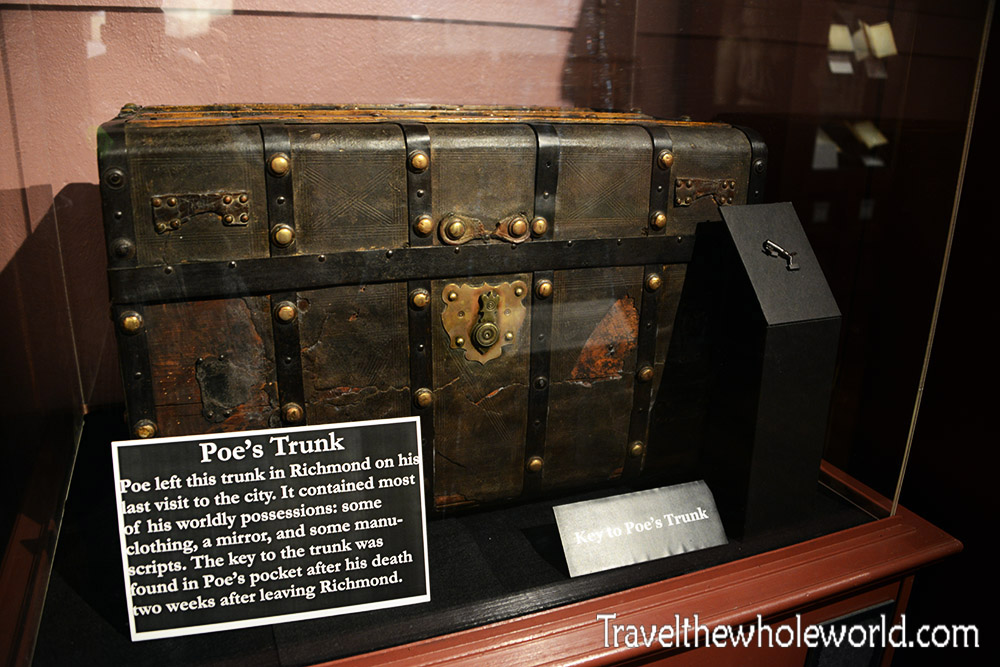
One artifact that particularly caught my attention was this trunk associated with Poe. Poe died in Baltimore on October 7, 1849 at only 40 years old. More than a century and a half later, the exact circumstances surrounding his final days and death remain uncertain, which only adds to the mystery surrounding his life.
Historic Richmond
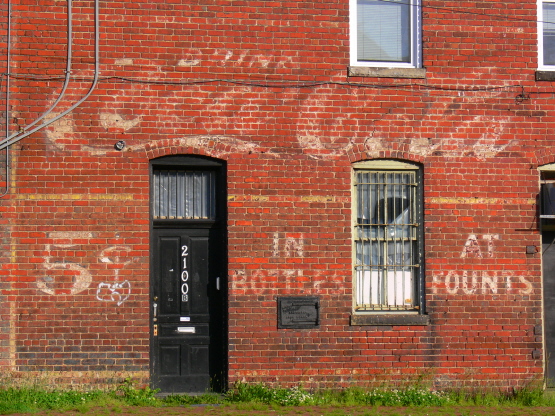
Richmond has plenty of reminders of its commercial history as well. Old advertisements painted directly onto brick walls can still be found around the city. I always find these interesting because they preserve everything from old logos and products to advertising styles and prices. Above is an old Coca-Cola advertisement from an era when a Coke cost only five cents.
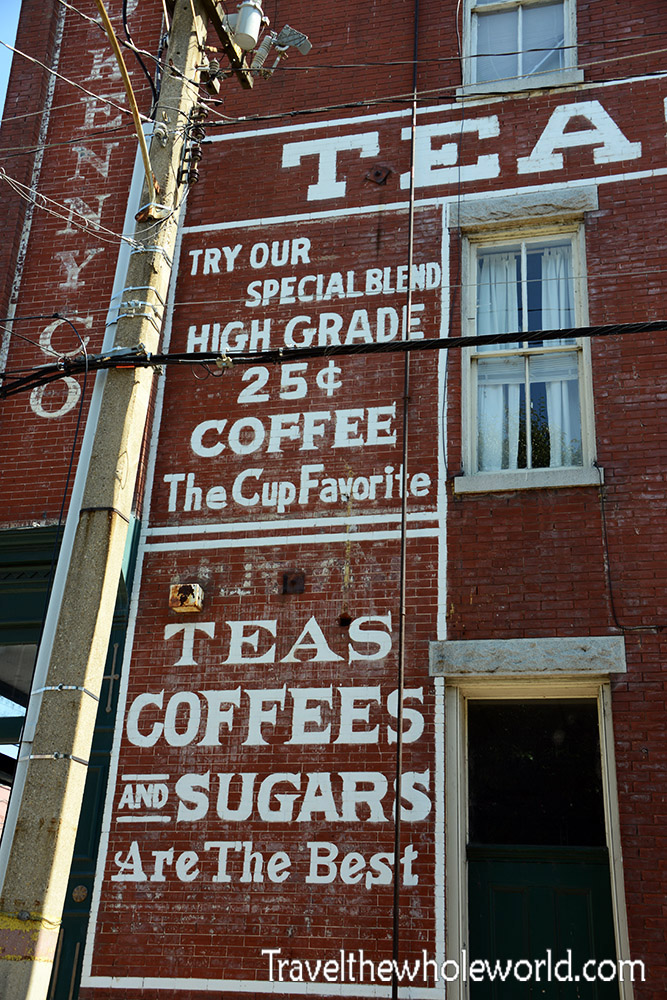
Another surviving advertisement promoted tea, showing how different products were marketed generations ago. Details like these are easy to walk past, but they add a lot of character to Richmond’s older neighborhoods.
Virginia War Memorial
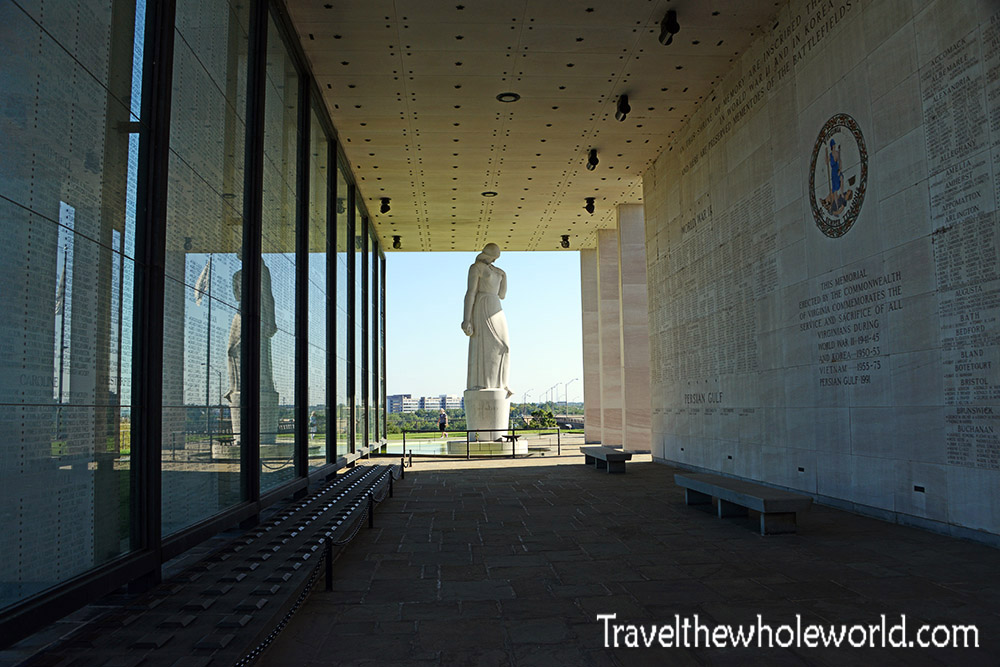
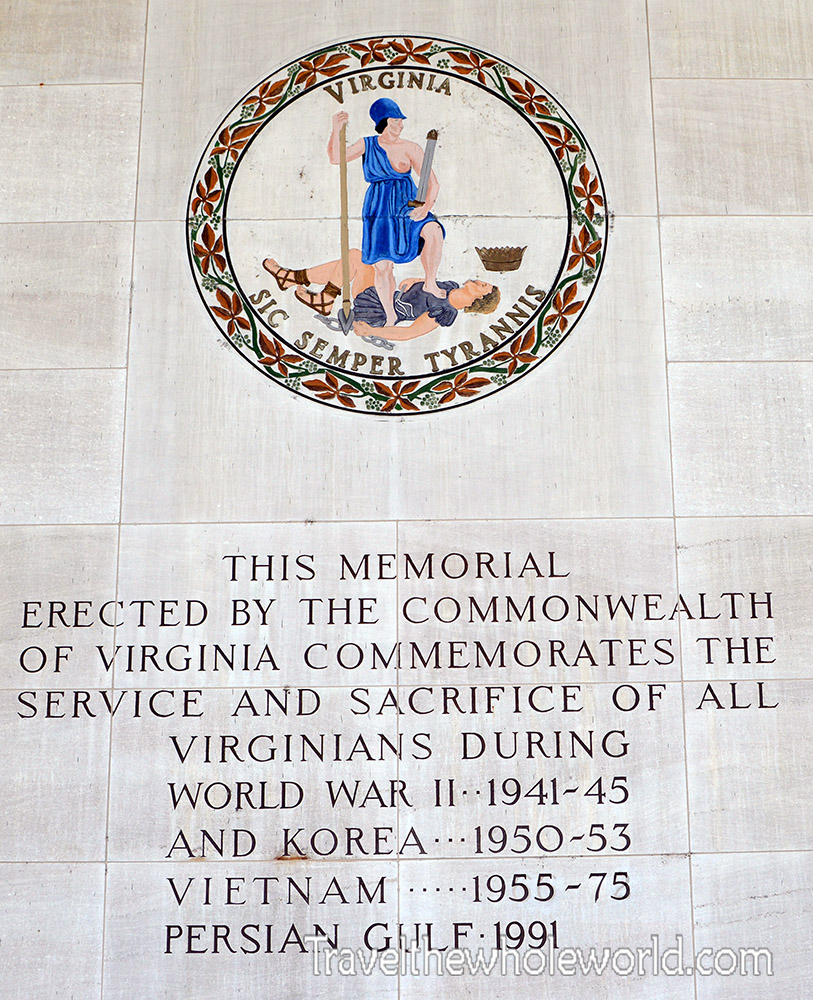
Just west of downtown and overlooking the James River is the Virginia War Memorial. The memorial honors Virginians who served and died in conflicts from World War II through more recent wars. Its elevated location also provides some great views toward downtown Richmond and the river.
Hollywood Cemetery
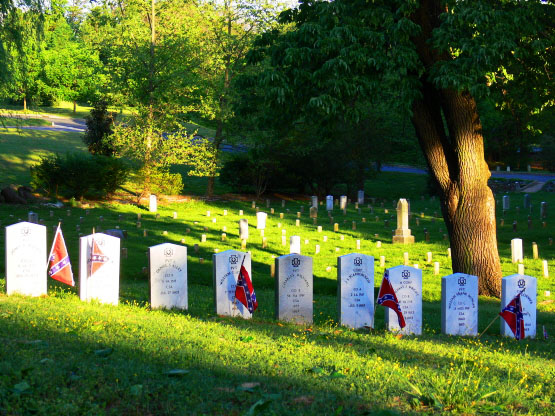
Hollywood Cemetery overlooks the James River and is one of Richmond’s most historic cemeteries. Thousands of Confederate soldiers are buried here along with numerous governors, military leaders, and other prominent Virginians. Two U.S. presidents, James Monroe and John Tyler, are also buried here, as is Confederate President Jefferson Davis.
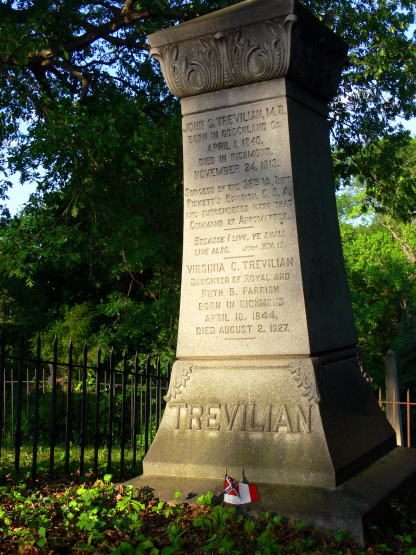
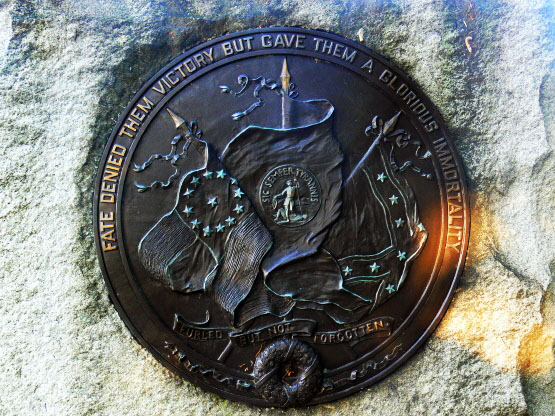
Much of the cemetery reflects Richmond’s Civil War history. Confederate graves and memorials are found throughout the grounds, including the monument above. Regardless of how the Confederacy is viewed today, Hollywood Cemetery preserves an enormous amount of the city’s 19th-century history and provides an interesting look at how previous generations chose to memorialize the war and its dead.
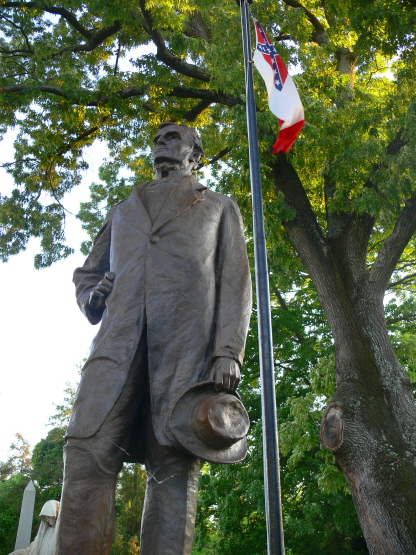
Jefferson Davis, president of the Confederate States of America, is also buried at Hollywood Cemetery. Davis was captured after the Civil War and imprisoned for approximately two years while awaiting trial for treason. He was eventually released and never brought to trial. He spent much of his later life writing about and defending the Confederate cause before dying in 1889.
Monroe Ward & Broad Street
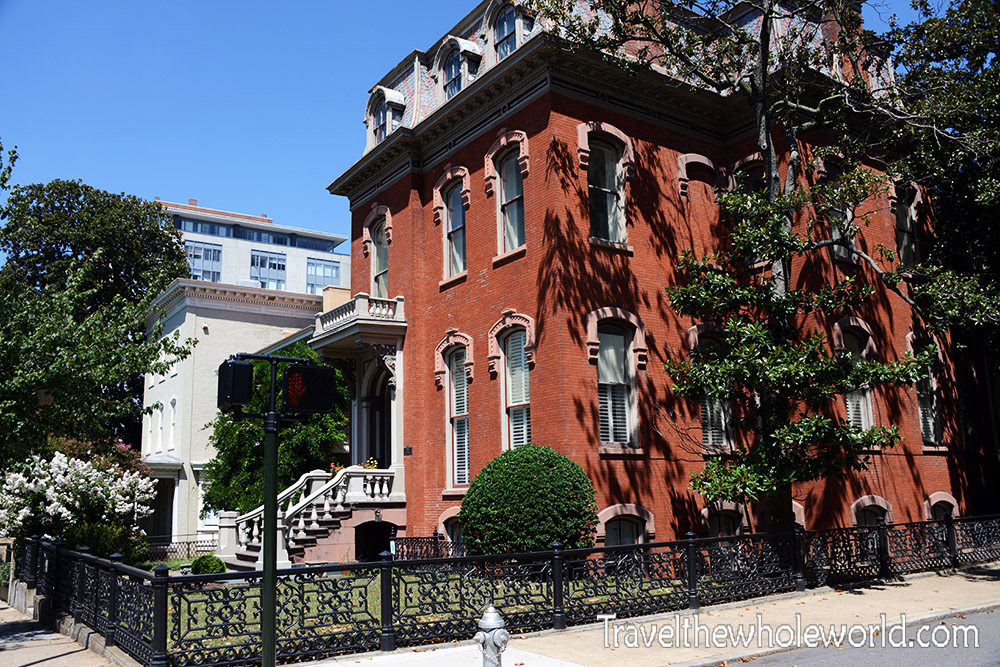
Northeast of Hollywood Cemetery and west of downtown is Monroe Ward, another neighborhood filled with historic architecture. I really enjoyed walking through this part of Richmond because the surviving 19th-century buildings give many streets a completely different appearance from the modern downtown only a short distance away.
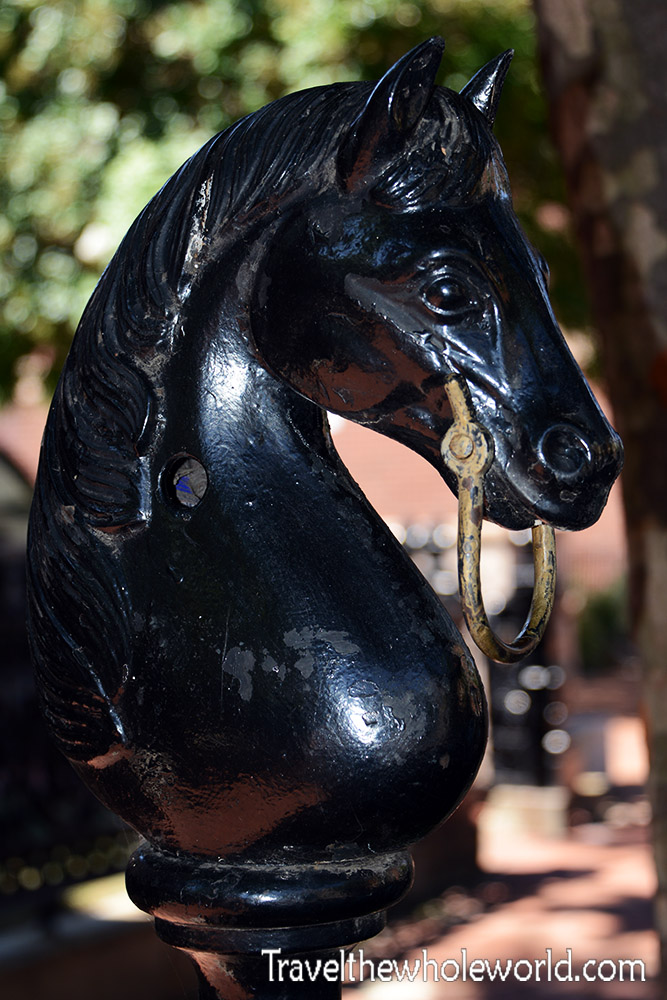
Even small details survive from earlier eras. Above is an old hitching post once used to secure horses along the street. Things like this are easy to miss but help show how much the neighborhood has changed while portions of its original streetscape remain.
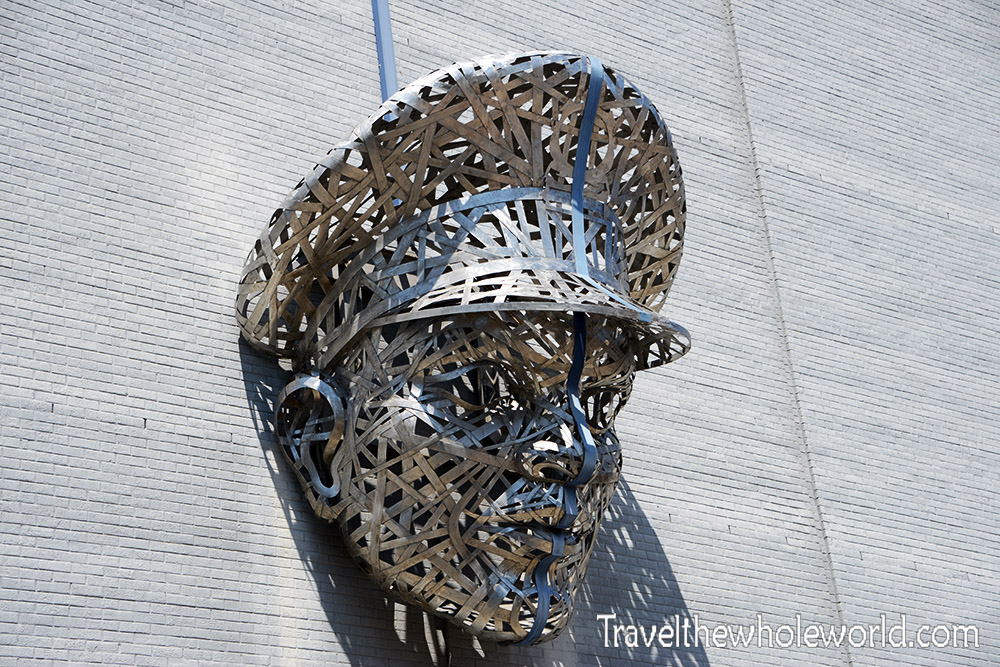
Mixed among the older architecture are much newer pieces of public art. This large sculpture of a police officer is mounted against the side of a building. Without someone standing beside it for scale, it’s difficult to tell from the photo just how large it actually is.
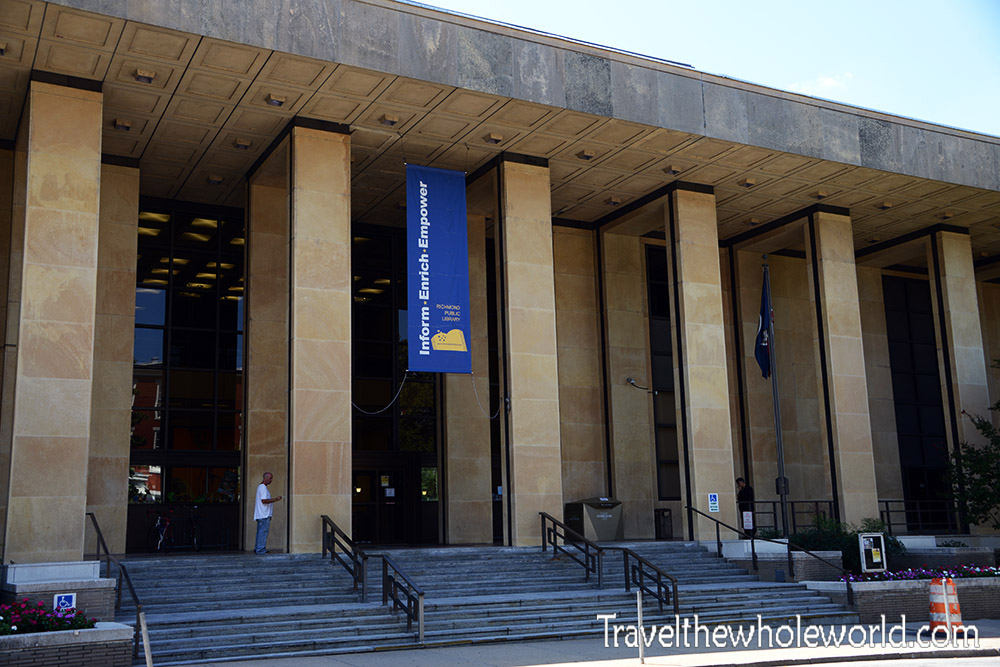
The neighborhood is also home to Richmond’s main public library. Between the government buildings, historic homes, businesses, restaurants, and public spaces, this part of the city was much more interesting to walk through than I had expected.
Richmond Street Art
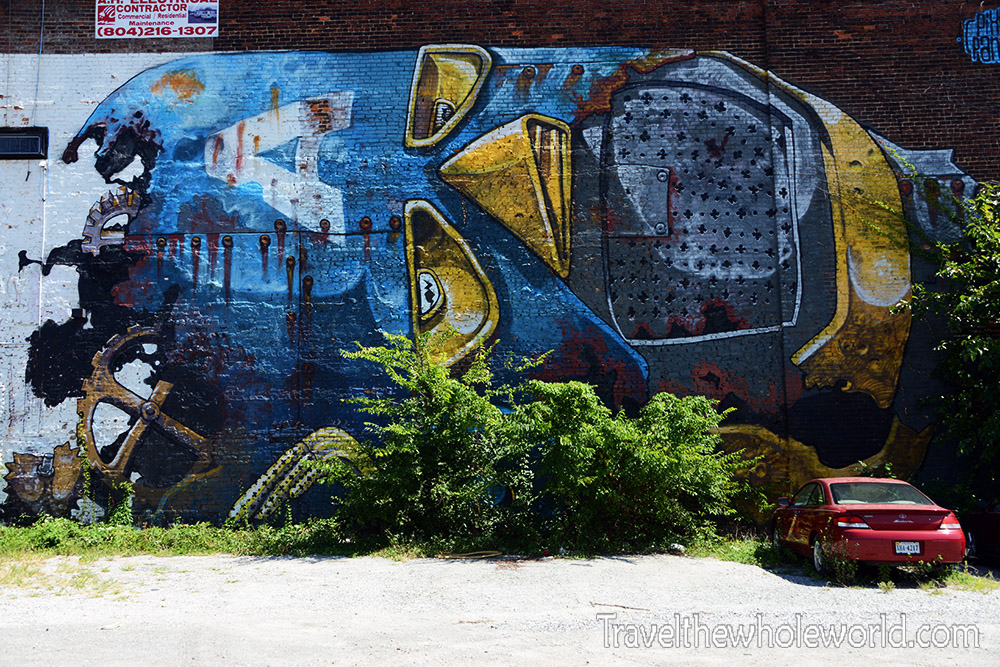
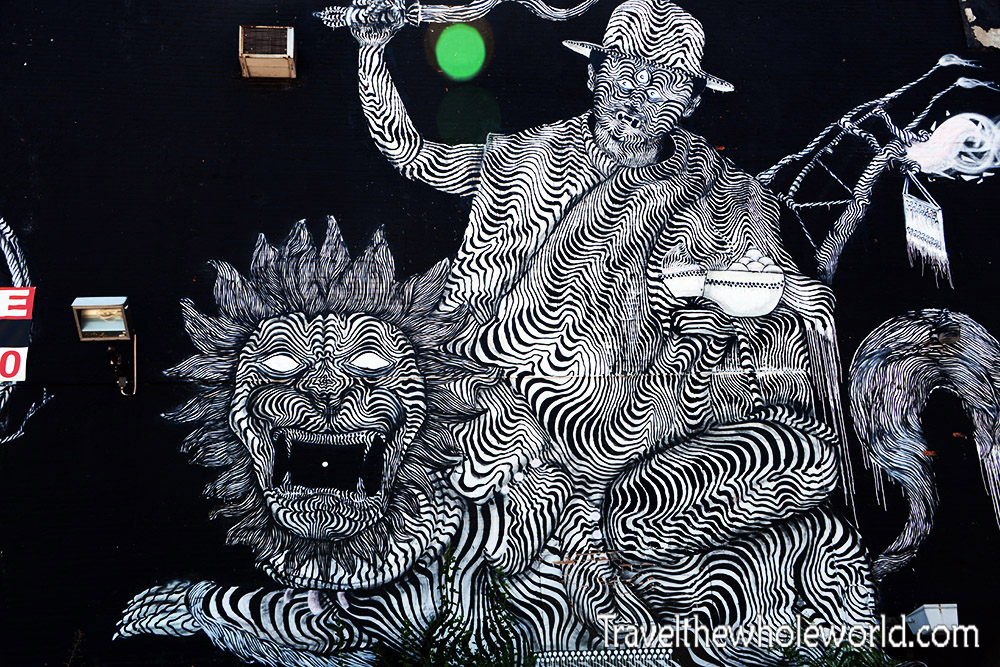
One thing I noticed throughout Richmond was the amount of street art. Murals and other artwork appeared on buildings in several neighborhoods rather than being concentrated in a single district. Shockoe Bottom, Main Street, and the neighborhoods west of downtown all had examples.
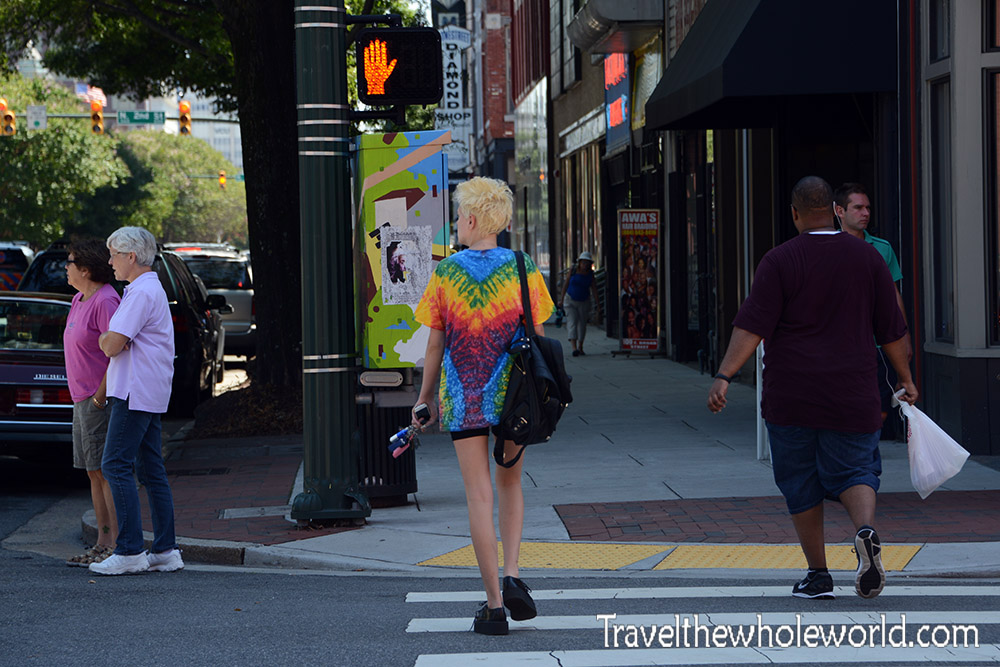
My original reason for heading into this part of Richmond was much less exciting: I needed a new memory card and lens cap for my camera. A horse had knocked my lens cap off while I was traveling in Kyrgyzstan and sent it into the rapids below where I couldn’t retrieve it. After finding a camera store and replacing everything, I continued exploring Broad Street and noticed just how many unusual buildings were mixed into the neighborhood.
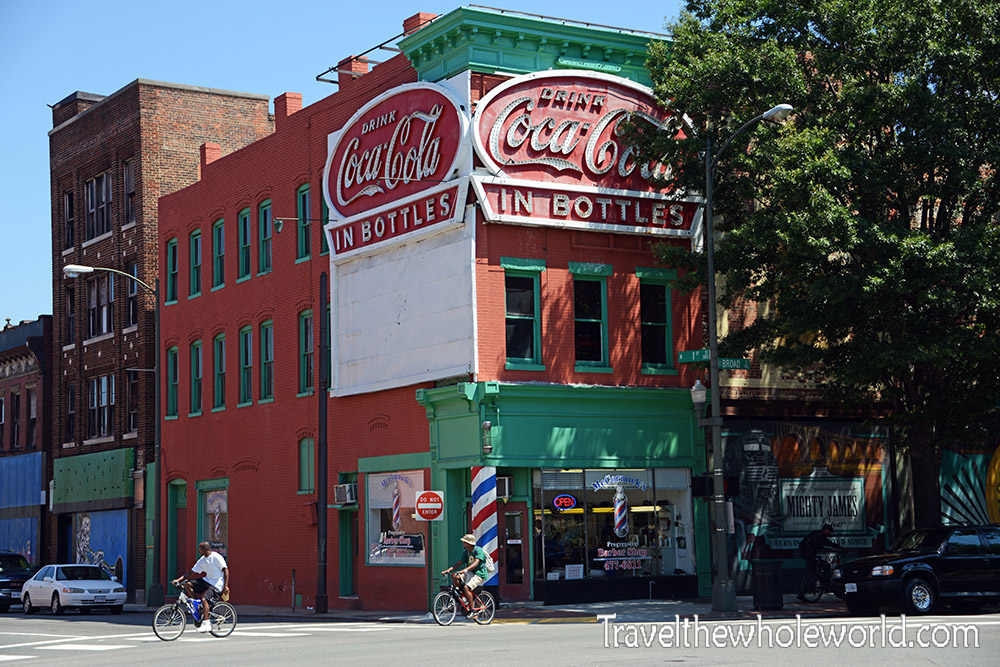
Above is one of the older Coca-Cola buildings I passed along Broad Street. Richmond’s mixture of historic commercial buildings, old advertisements, modern murals, and newer businesses gives the city a lot of visual character once you get away from the interstate and actually start walking around.
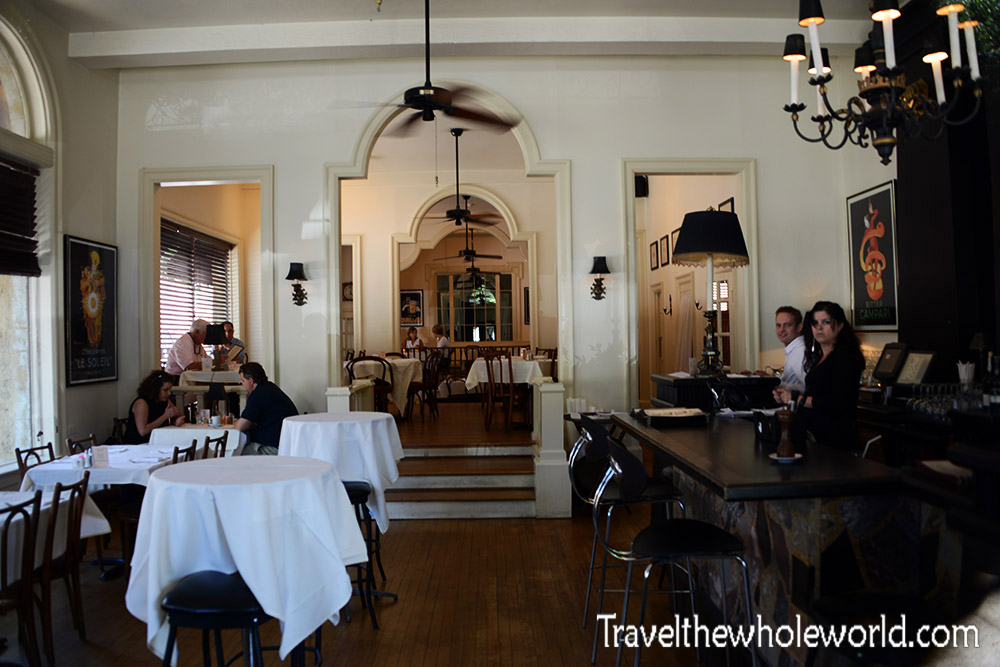
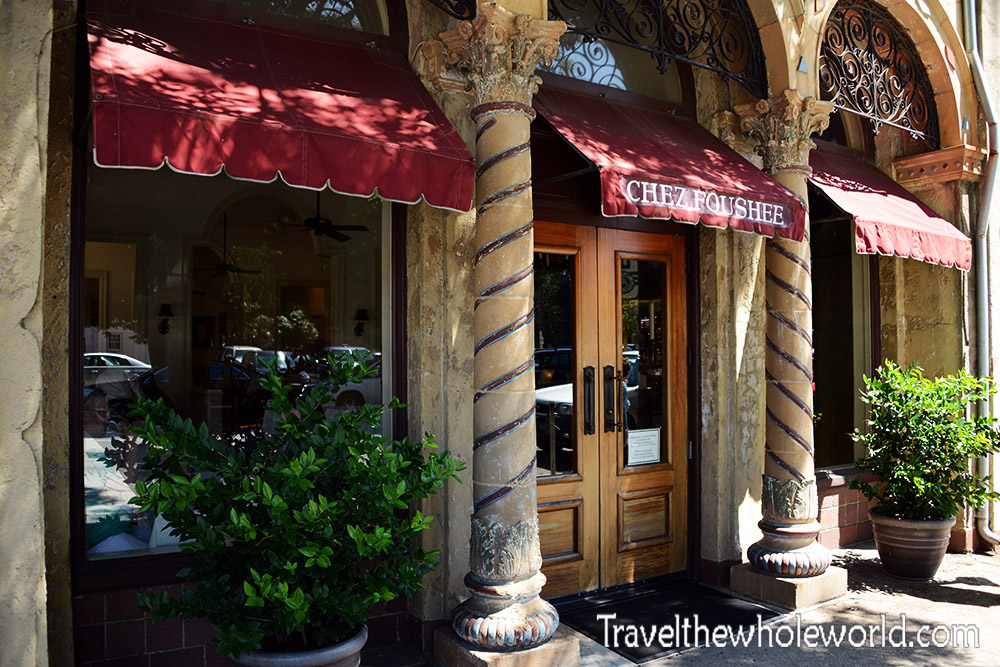
Richmond also has a much larger restaurant scene than I expected on my first visits. The options range from casual bars and neighborhood restaurants to more upscale places like Chez Foushee above. Food ended up becoming another reason I enjoyed exploring the different neighborhoods rather than treating Richmond as simply a place to pass through.
Richmond was a city that took me several visits to really appreciate. From the interstate it can be easy to see the skyline, the James River, and a few historic buildings and assume you’ve seen most of it. Once I started exploring on foot, I found completely different neighborhoods, an enormous amount of American history, great restaurants, museums, street art, and historic architecture. It’s now one of those places where I can return and still find another part of the city I haven’t properly explored.
Explore More of Virginia
McAfee Knob • Mt. Rogers • Alexandria • Charlottesville • Jamestown • Natural Bridge • Richmond • Shenandoah • Springfield • Virginia Beach