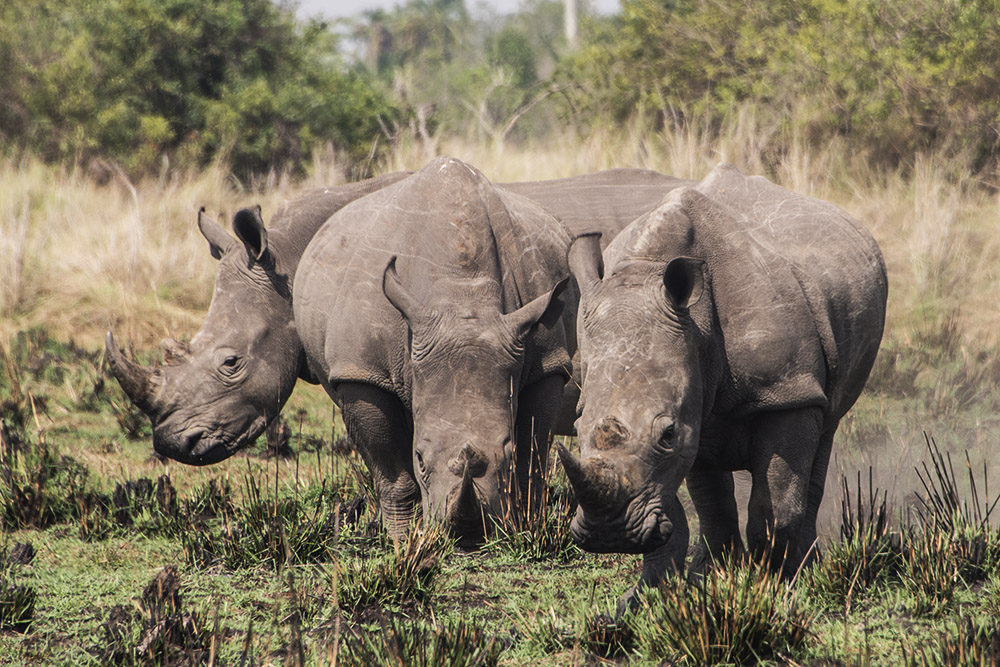
To understand the importance of the Ziwa Rhino Sanctuary, it helps to know what happened to Uganda’s native rhinos. The country was once home to both eastern black rhinos and northern white rhinos, but their populations collapsed during decades of poaching, political instability and armed conflict. By 1983, rhinos had disappeared completely from the wild in Uganda.
Fortunately, that wasn’t the end of the story. Ziwa Rhino Sanctuary was established as part of an effort to bring rhinos back to Uganda and eventually return them to protected areas around the country.
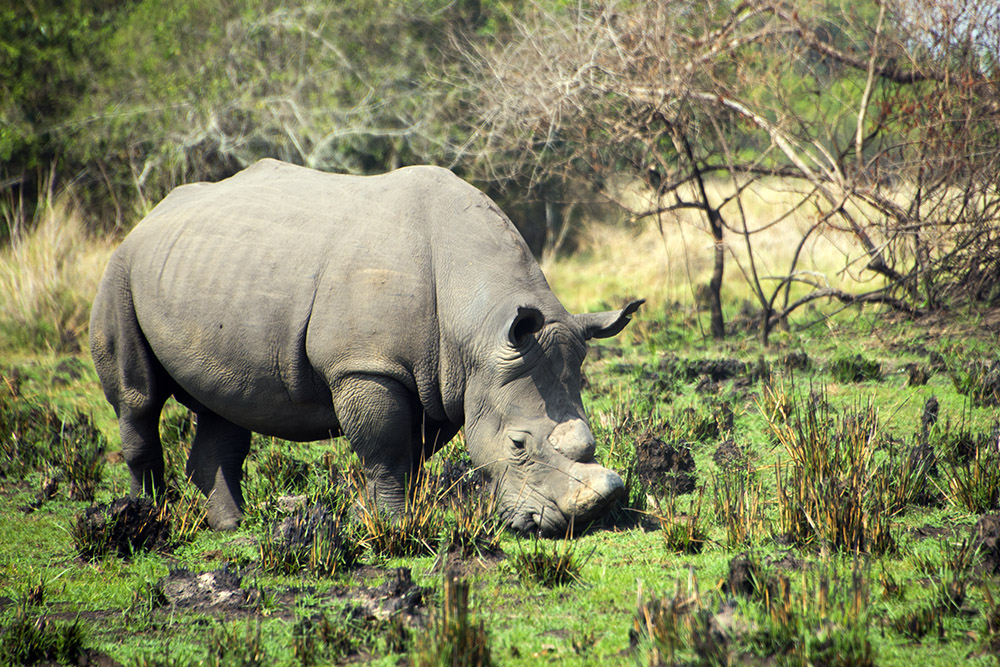
The breeding program at Ziwa began with six southern white rhinos introduced in 2005 and 2006. Four came from Kenya’s Solio Ranch, while two were donated by Disney’s Animal Kingdom in Florida. Southern white rhinos are not the same subspecies that historically lived in Uganda, but they were introduced as part of the country’s broader effort to restore rhinos to its landscapes.
The sanctuary gave the animals a large protected area in which to live and breed while teams of rangers closely monitored them. The bull photographed above was one of the rhinos brought from Kenya and had already been living at Ziwa for more than a decade when I visited.
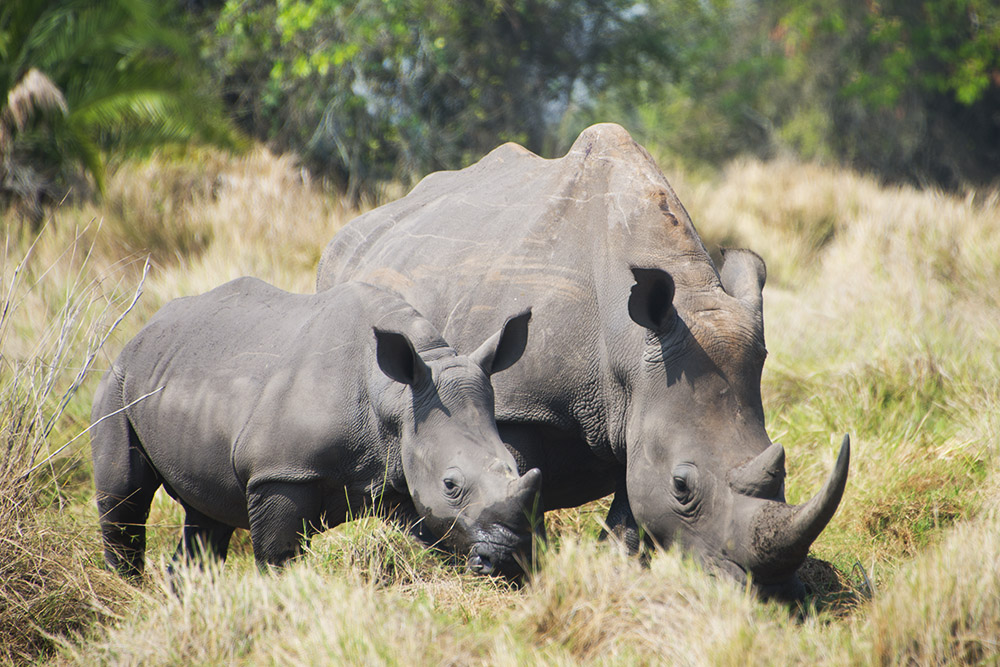
The breeding program proved remarkably successful. By the time I visited, there were 15 rhinos living at the sanctuary, including calves born right here in Uganda. The long-term goal was always much bigger than simply maintaining a sanctuary. Conservationists hoped to build a large enough population that rhinos could eventually be returned to national parks and other protected areas where they had disappeared decades earlier.
The young rhino above, photographed again below with its mother, was the youngest in the sanctuary during my visit.
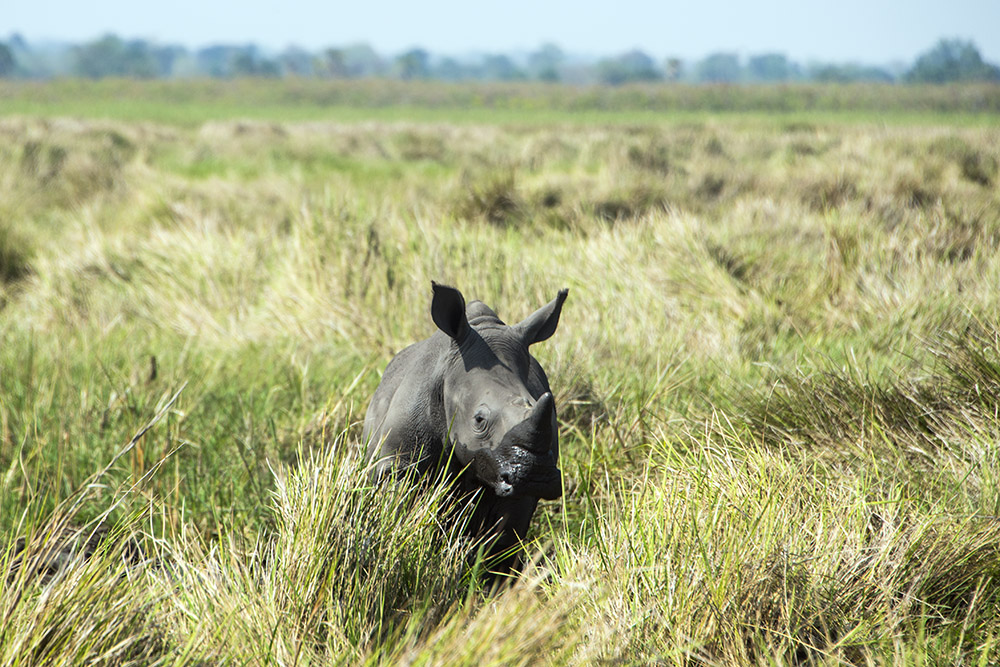
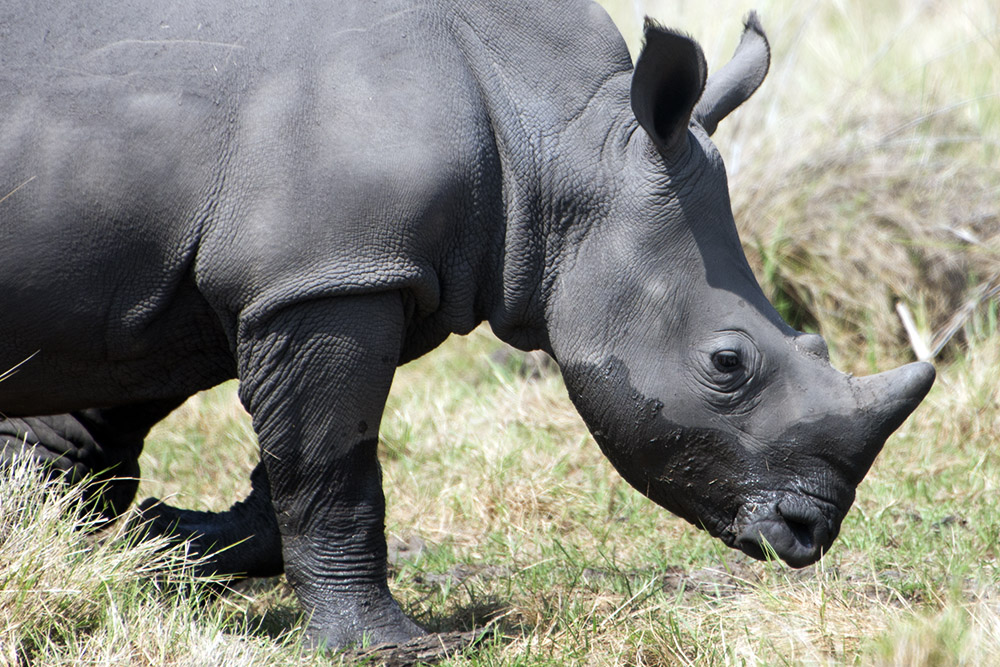
One of Ziwa’s best-known rhinos was Obama, born here in June 2009. His mother, Nandi, had been donated by Disney’s Animal Kingdom in the United States, while his father, Taleo, came from Kenya. Because he had an American mother and Kenyan father, just like then-U.S. President Barack Obama, the calf was given the same name. More importantly, Obama was the first rhino born in Uganda in nearly three decades, making his birth an important milestone for the country’s rhino recovery program.
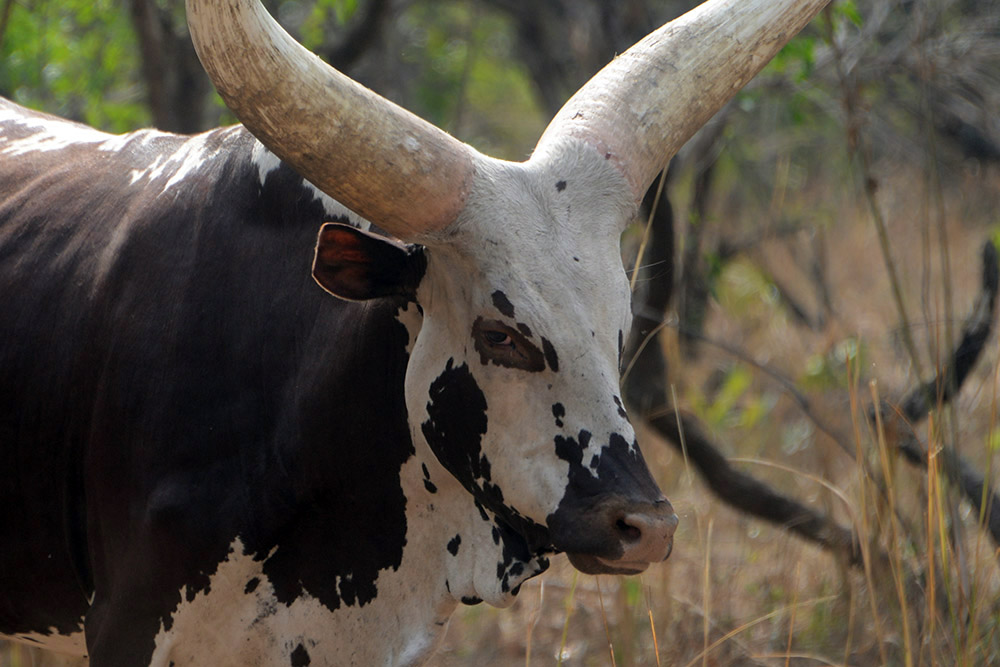
I had been to Africa many times before coming to Uganda and had also seen rhinos in zoos around the world, but this was by far my most intimate experience with them. Walking through the sanctuary and seeing them at relatively close range gave me an entirely different appreciation for these animals. Their enormous bodies, distinctive horns and thick folds of skin make them look almost prehistoric.
One thing that surprised me was seeing cattle roaming around the sanctuary. They actually played an important role in managing the habitat. White rhinos are grazers that prefer relatively short grass, and controlled cattle grazing was one of the methods used at Ziwa to prevent vegetation from becoming too tall and fibrous. Controlled burning and clearing of bushes and invasive plants were also used to maintain suitable habitat for the rhinos.
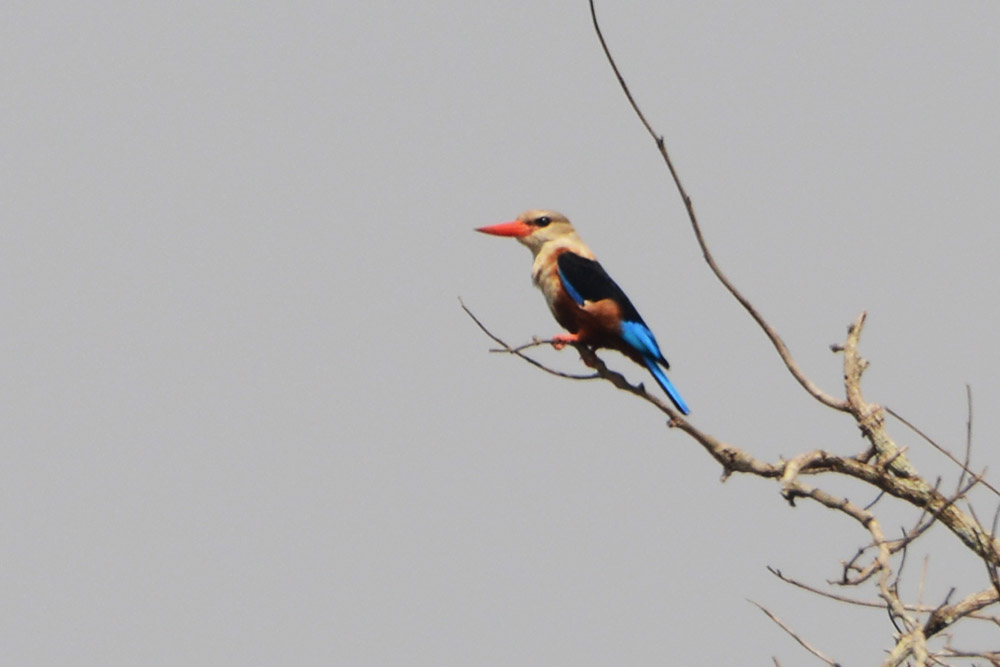
Rhinos might be the main attraction, but Ziwa is home to plenty of other wildlife as well. I saw antelope, warthogs and a variety of birds while exploring the sanctuary. One of the birds I photographed was the kingfisher below.
The biggest thing I missed was the shoebill. These bizarre-looking wetland birds can grow more than four feet tall and have enormous shoe-shaped bills that make them look almost cartoonlike. Ziwa’s wetlands are known as a good place to look for them, but I hadn’t arrived early enough for a proper shoebill excursion. That’s something I’ll have to make up for on another visit to Uganda.
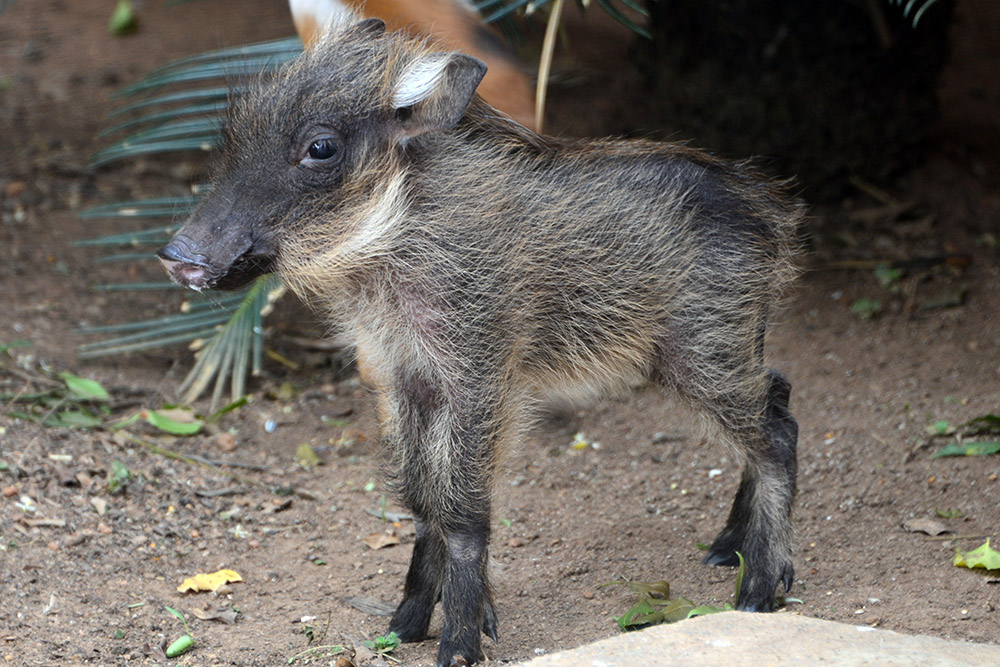
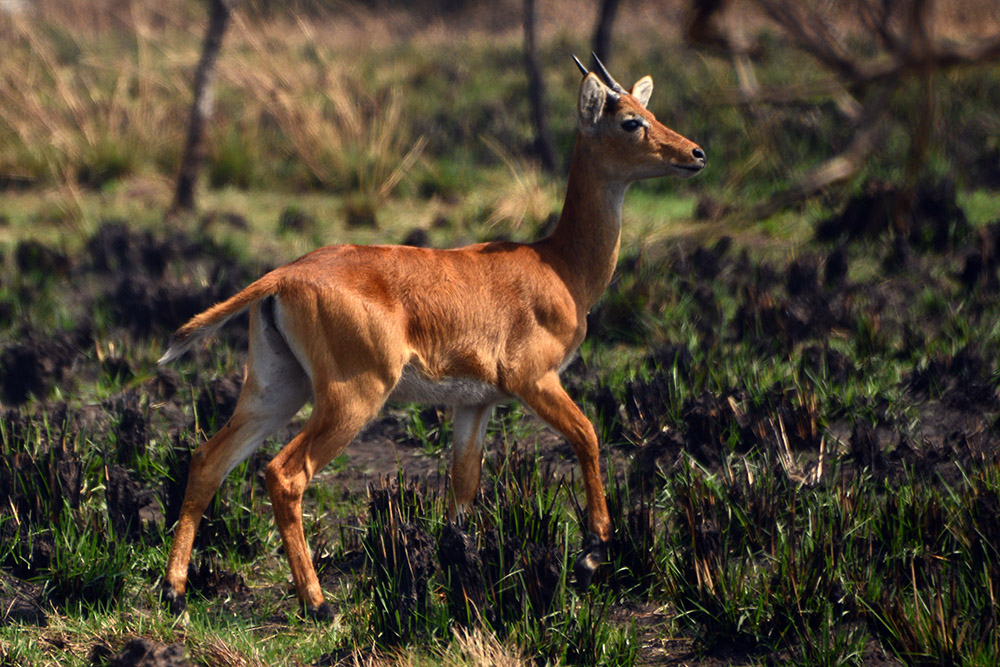
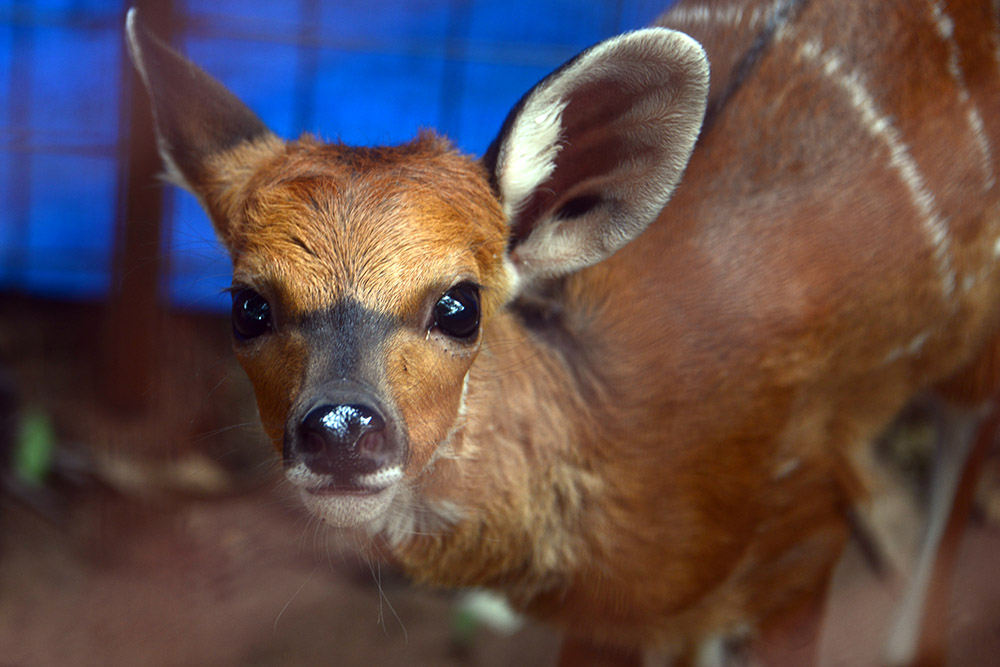
In addition to protecting rhinos, the sanctuary was also caring for injured wildlife when I visited. The warthog above and the antelope below had both been found injured and were being kept temporarily while they recovered enough to be released.
The warthog seemed surprisingly comfortable around people, while the antelope was much more nervous. It had only been brought in the previous day, so that wasn’t particularly surprising. I also got to watch the two animals interact with each other, something I probably never would have seen under normal circumstances in the wild.
Explore More of Uganda
Mt. Stanley • Rwenzori National Park • Kampala • Ziwa Rhino Sanctuary