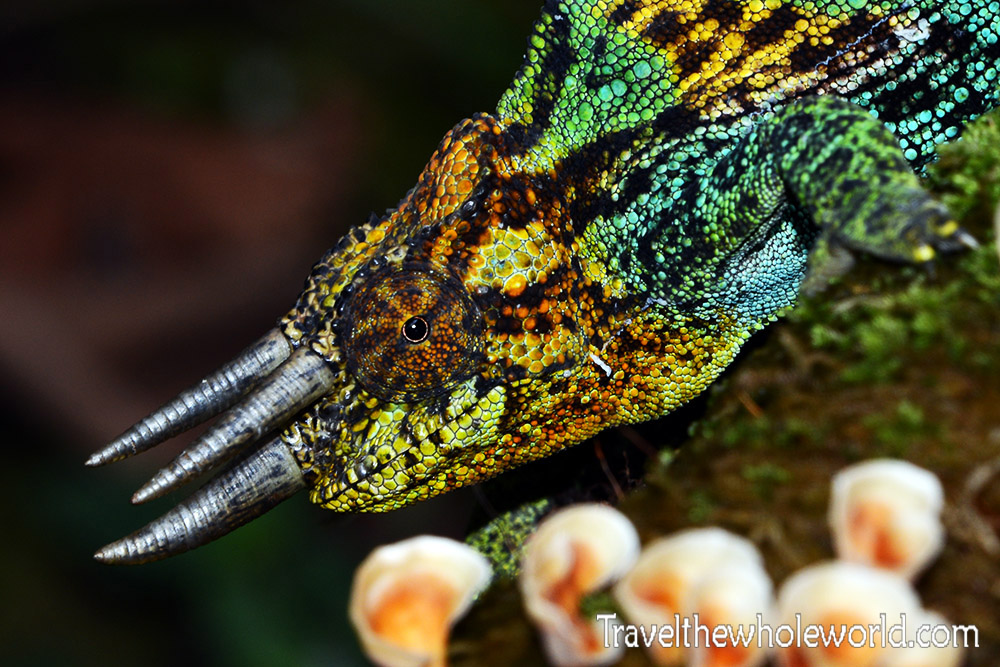
Uganda is one of Africa’s most geographically diverse countries, offering everything from bustling cities and wildlife-filled savannas to tropical rainforests and snow-covered mountains. Although it is smaller than many of its East African neighbors, Uganda is home to ten national parks, each protecting a different part of the country’s remarkable natural heritage.
My travels through Uganda took me from the busy streets of Kampala to the remote Rwenzori Mountains, where I trekked through rainforest and alpine bogs before climbing toward the glaciers of Mount Stanley. I also visited Ziwa Rhino Sanctuary, where conservation efforts have helped restore rhinoceroses to a country that lost its native rhino populations decades ago. These four destinations offer a glimpse of Uganda’s extraordinary variety of landscapes, wildlife, and experiences.
Kampala
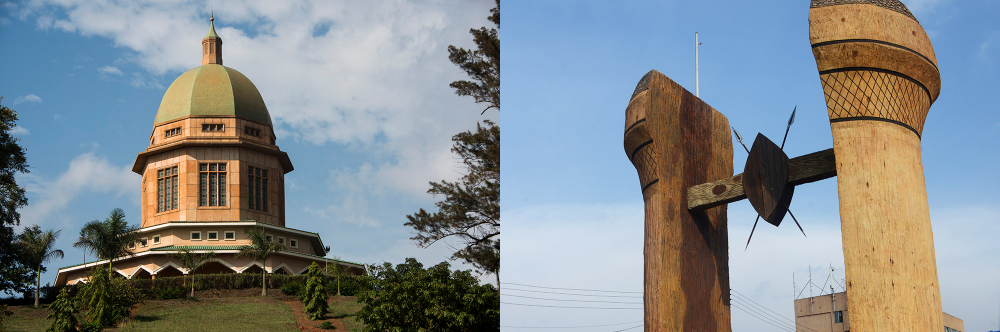
Uganda’s capital and largest city, Kampala, is a lively urban center known for its crowded streets, busy markets, and cultural diversity. Traffic congestion can make getting around challenging, but the city offers an interesting introduction to contemporary Ugandan life.
Among Kampala’s attractions are the Uganda Museum, the imposing Uganda National Mosque, historic religious landmarks, and a wide selection of restaurants and commercial districts. One particularly distinctive site is the Bahá’í House of Worship on Kikaaya Hill, which opened in 1961 as Africa’s first Bahá’í temple. Kampala provides a contrast to Uganda’s national parks and remote mountain regions, revealing another side of the country beyond its famous wildlife.
Rwenzori Mountains National Park
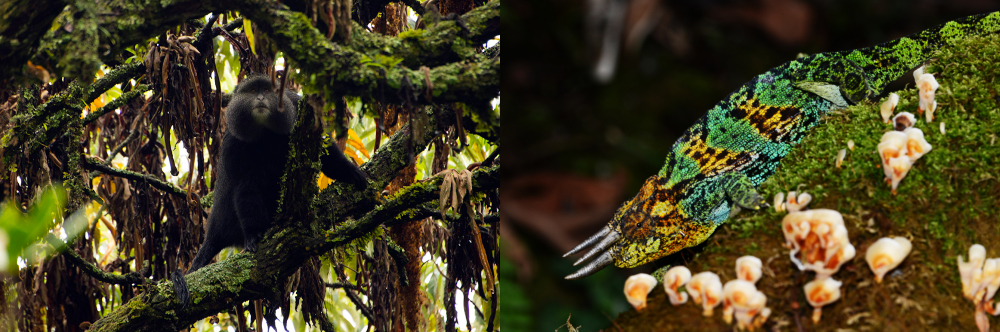
Known as the Mountains of the Moon, the Rwenzori Mountains rise along Uganda’s western border with the Democratic Republic of the Congo. Their steep slopes, extraordinary vegetation, and glacier-covered summits make them one of Africa’s most unusual mountain environments.
The landscape changes dramatically with elevation. Trails begin in humid tropical rainforest before climbing through bamboo forests, moss-covered trees, giant heather, and high-altitude wetlands. Higher still, giant lobelias and groundsels give the landscape an almost prehistoric appearance. The mountains are also home to numerous bird species, chameleons, monkeys, and other wildlife.
Unlike the more familiar volcanic peaks of East Africa, the Rwenzoris form a rugged mountain range with multiple high summits. Their glaciers have retreated considerably, but snow and ice remain on the highest peaks. Trekking through the park offers a remarkable journey through several distinct ecosystems, even without attempting a technical summit.
Climbing Mount Stanley
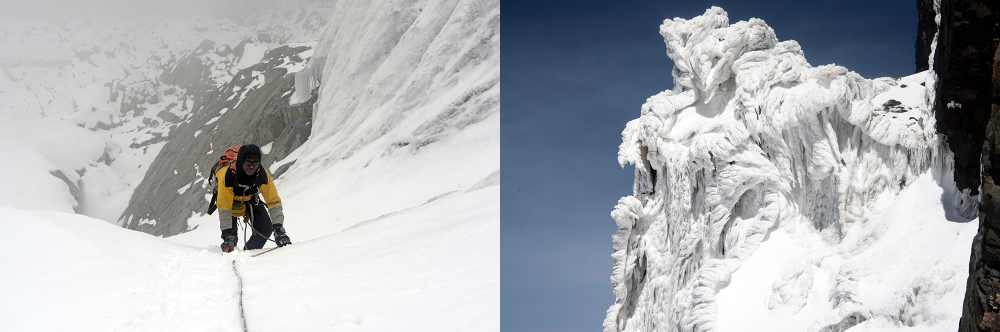
Mount Stanley is the highest mountain in the Rwenzori Range and the third-highest mountain in Africa. Its highest summit, Margherita Peak, reaches approximately 5,109 meters (16,762 feet), making it a major objective for mountaineers visiting Uganda.
Although considerably lower than Kilimanjaro, climbing Mount Stanley presents a different set of challenges. The approach involves several days of trekking through rainforest, saturated bogs, and steep mountain terrain. Near the summit, climbers encounter glaciers, exposed rock, and sections where ropes, crampons, and technical mountaineering skills are necessary.
The mountain’s remoteness, unpredictable weather, and combination of difficult trekking and alpine climbing make it one of East Africa’s more demanding high-altitude objectives. Its retreating glaciers also provide a striking reminder of how quickly the region’s high-mountain environment is changing.
Ziwa Rhino Sanctuary
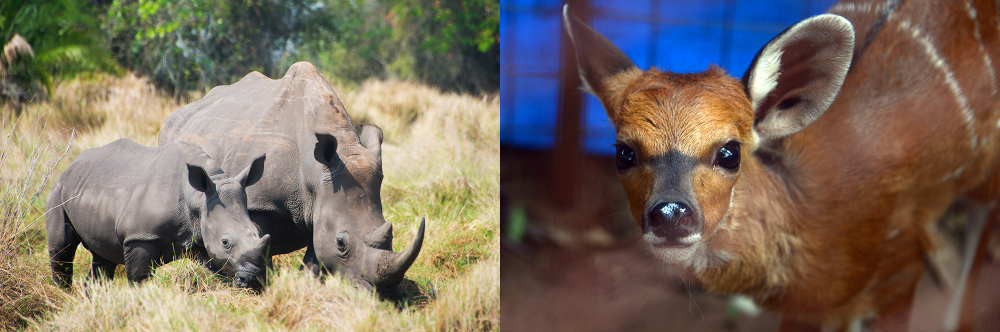
Located north of Kampala along the route toward Murchison Falls National Park, Ziwa Rhino Sanctuary has played a central role in restoring rhinoceroses to Uganda. Both the country’s native black and northern white rhinoceros populations disappeared from the wild by the early 1980s following decades of poaching, insecurity, and habitat loss.
Ziwa began its breeding program with six southern white rhinoceroses introduced from Kenya and the United States in 2005 and 2006. Under protection, the population grew substantially, creating an important foundation for Uganda’s wider rhinoceros recovery efforts.
In 2026, conservation authorities began relocating rhinoceroses from Ziwa to other protected areas, including Ajai Wildlife Reserve and Kidepo Valley National Park. Ziwa remains an important destination for visitors interested in seeing rhinoceroses and learning about the country’s efforts to restore these animals to their former habitats.
