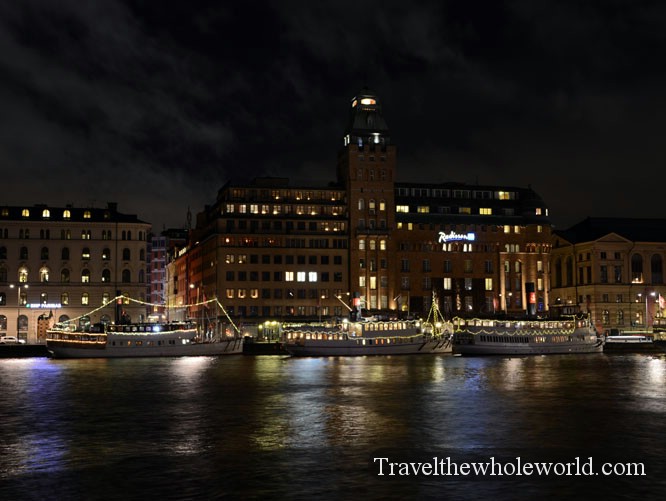
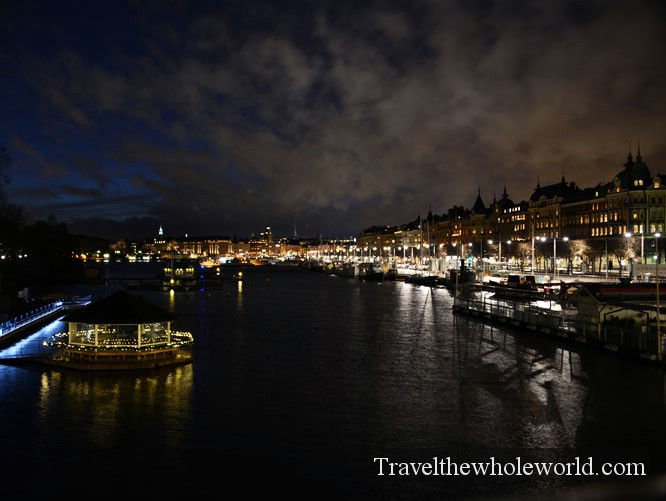
In my opinion, Stockholm is one of the best cities to visit in Scandinavia. There is lots to see and do, and although the city is expensive, it’s not outrageously so like some places in Norway. Just walking around Stockholm without a destination was one of the highlights of my visit. Since I was here in the winter, it was mostly overcast and gloomy during the day, so I enjoyed the city more at night. The southern parts of Stockholm were built across several islands, while the city center seen above is on the mainland. This area is known as Norrmalm, and the surrounding photos were taken there.
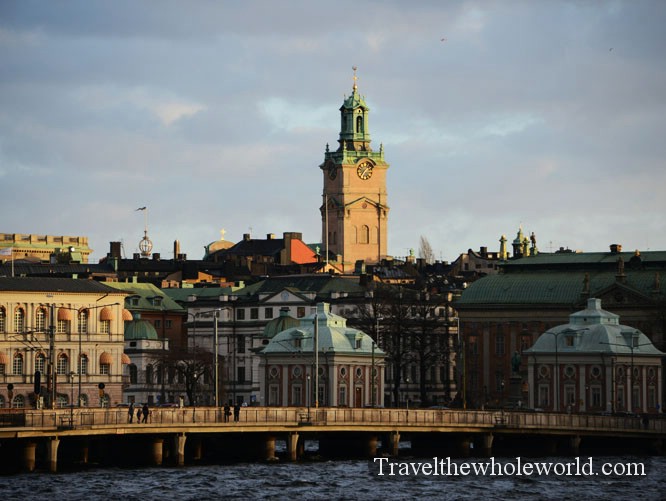
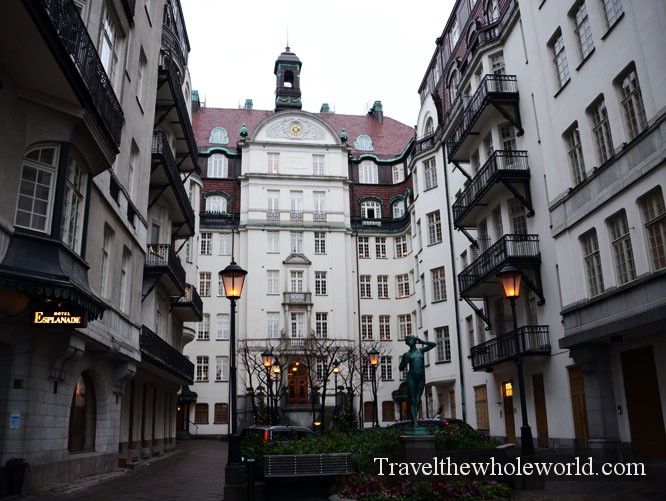
Södermalm

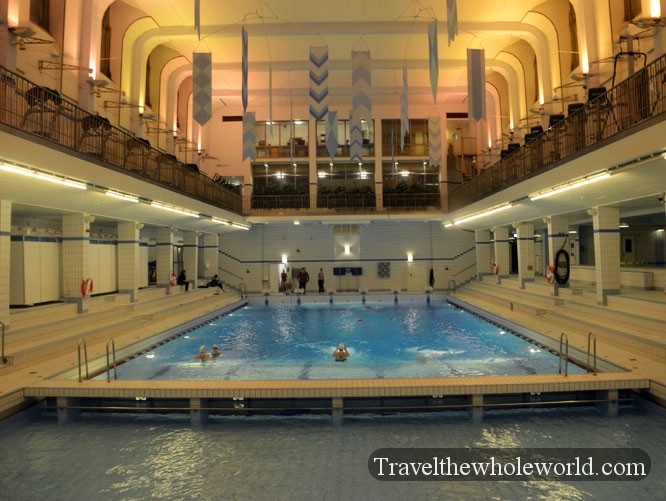
I stayed in the Södermalm district while I was in Stockholm. Södermalm has a little bit of everything within its borders, from old buildings to modern ones, plenty of bars and restaurants, and even this random swimming pool I passed from the street. Södermalm is nice because there is plenty to do and a wide range of accommodations and restaurants, making it a great area for a budget traveler like myself.
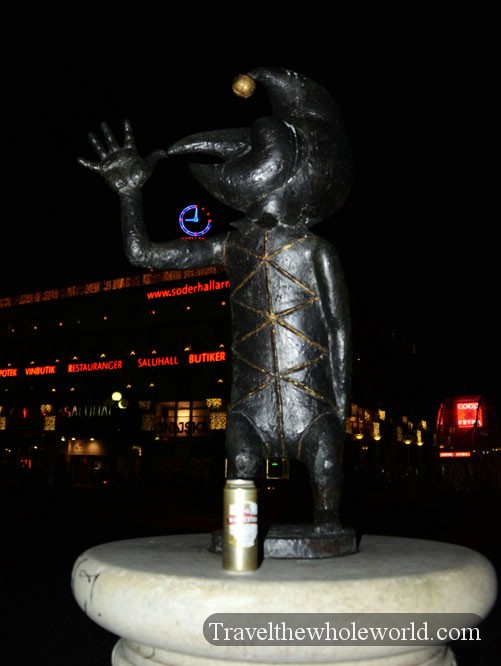
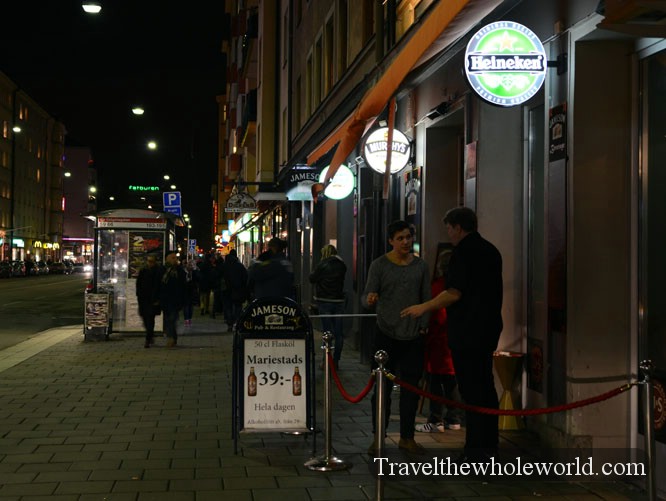
Above is a statue I came across in one of the neighborhood’s plazas, along with a strip of bars on one of the main streets.
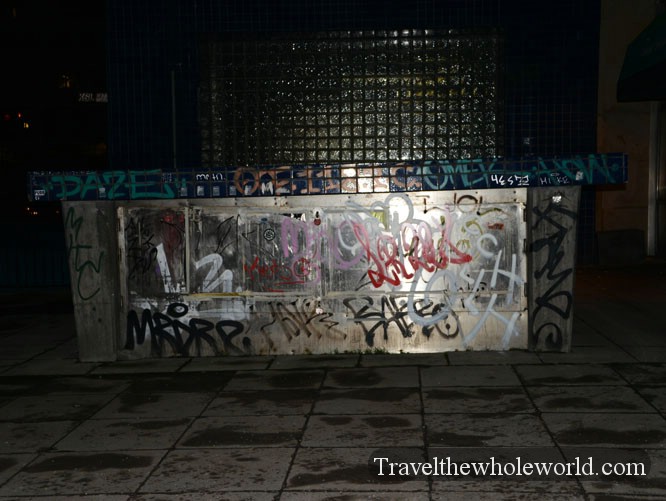
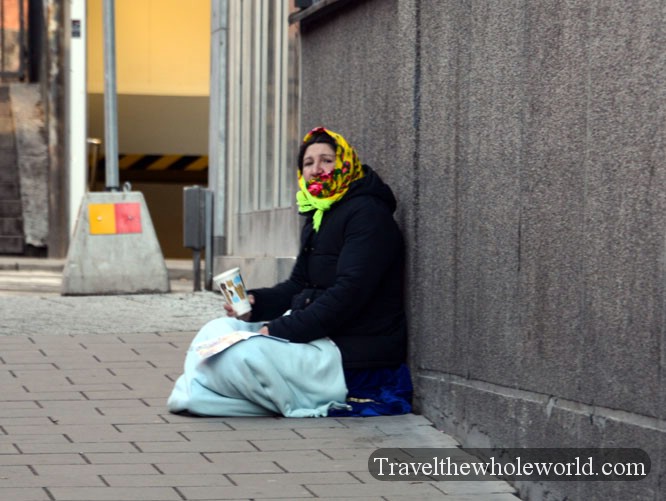
Södermalm felt very safe, although parts of it had a rougher appearance than the rest of the capital. I saw plenty of graffiti and some homelessness as I walked around the neighborhood. At one point, a drunk man stood directly in front of me and began preaching about something, but he left me alone when I kept walking.
Gamla Stan
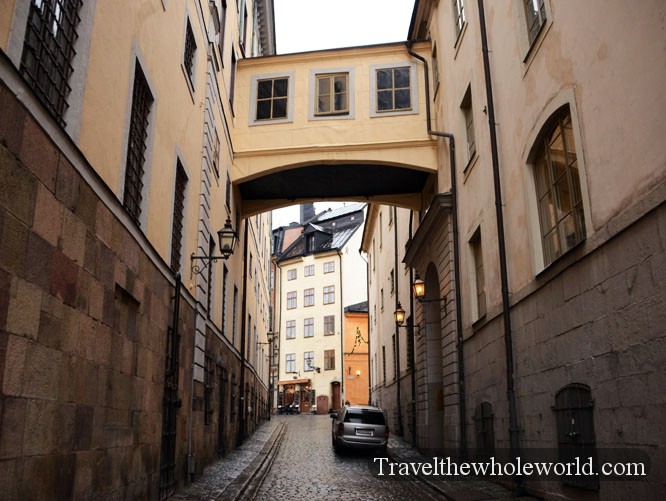
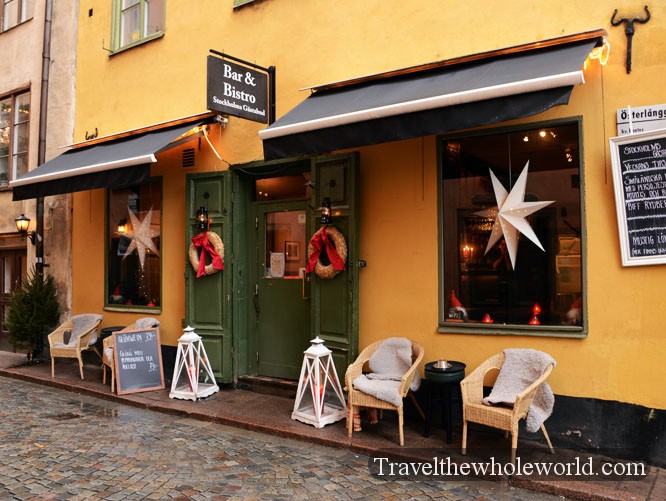
I could easily make a full page dedicated to all of Stockholm’s districts and islands, but instead I’ll share a little about each of the ones I visited. My favorite was probably the smaller island of Gamla Stan, Stockholm’s historic old town. The streets here were cobblestoned and filled with interesting shops and restaurants.
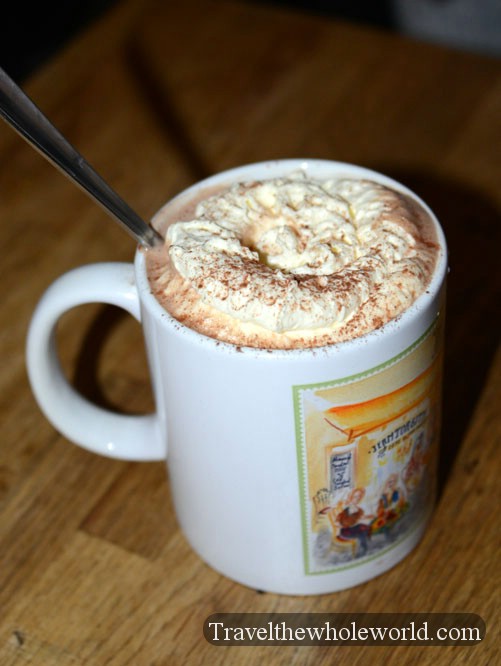
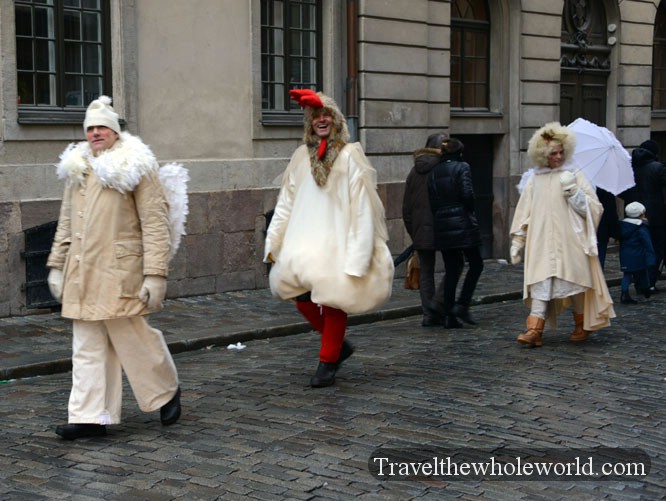
We went into a small café and ordered some hot chocolate. The guy preparing it was so nice that he had us try a sample first to make sure it was to our satisfaction. I also came across these smiling people dressed up as chickens and angels.
Christmas Market

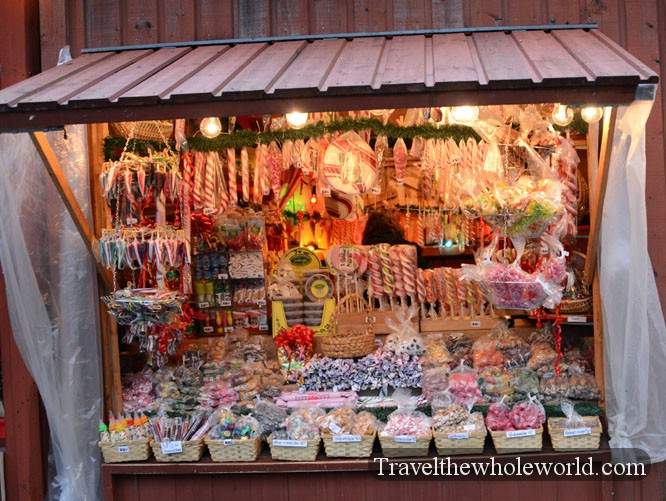
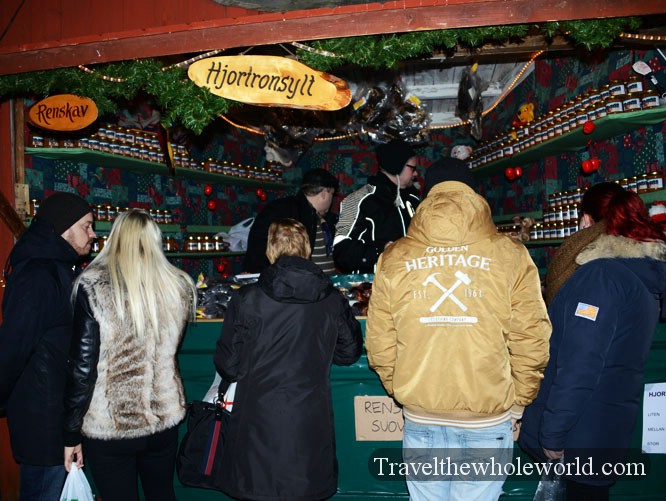
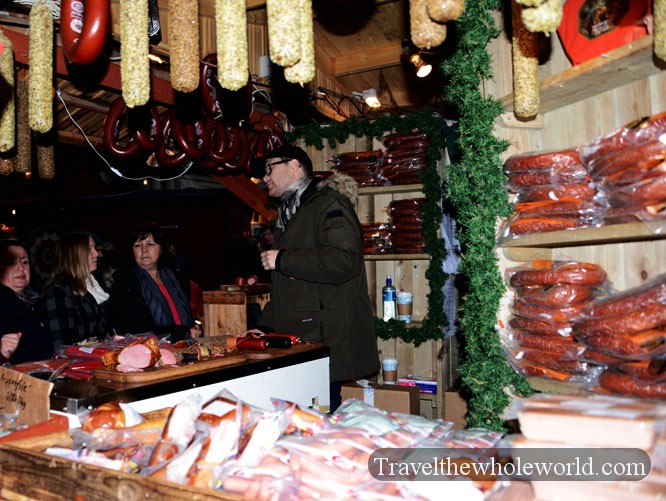
These photos are from the Christmas Market in Gamla Stan. It’s the oldest Christmas market in Stockholm, although to be honest it was much smaller than I expected. There were only a few dozen stands at most, selling everything from candy and winter clothing to meats and jams.
Stockholm Palace

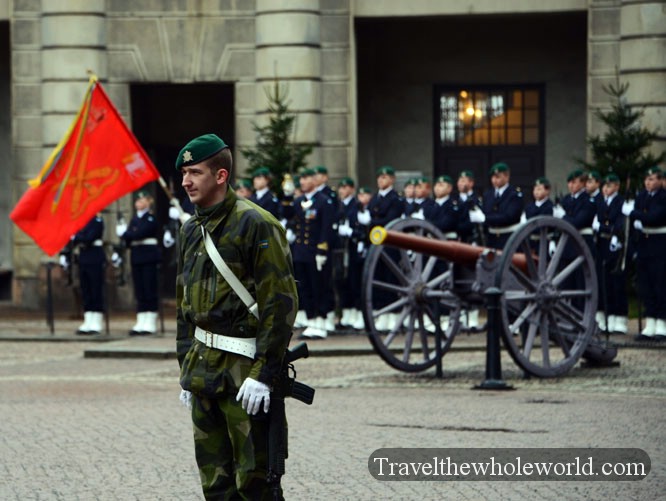
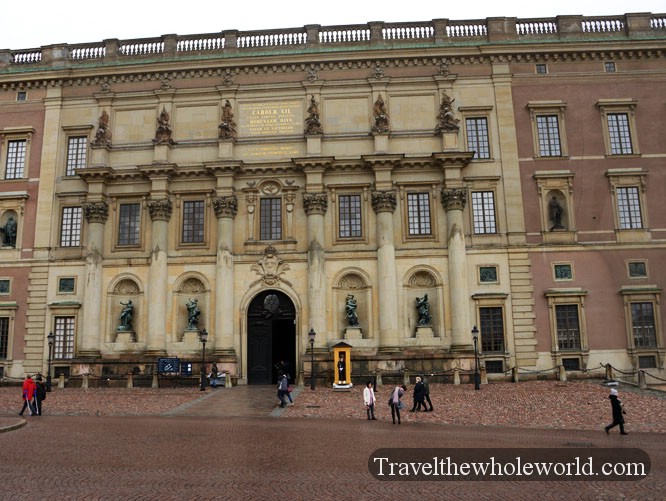
Also in Gamla Stan is the famous Stockholm Palace. The palace remains the official residence of the Swedish monarch, although the royal family primarily resides at Drottningholm Palace. Construction of the present palace began at the end of the 17th century and continued well into the 18th century.
At the time of my visit, Carl XVI Gustaf was King of Sweden, having occupied the throne since 1973. Sweden changed its succession laws in 1980 so that the monarch’s eldest child inherits the throne regardless of gender, making Crown Princess Victoria the heir apparent. The photo above shows one of the areas of the palace I was allowed to enter, along with a military ceremony that I happened to stumble upon.

Djurgården
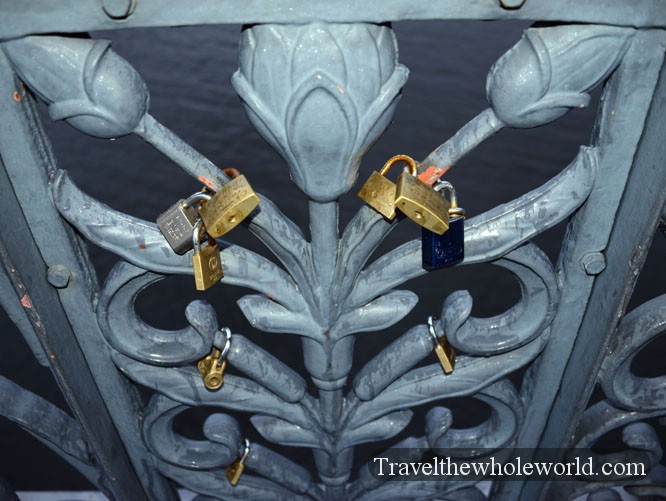

From Norrmalm, it’s a short walk to the island of Djurgården. This is where you’ll find many of Stockholm’s major attractions, along with forests, gardens and even an amusement park. Above is a photo of some locks on a bridge I crossed on the way to Djurgården. Once on the island, the Blue Gate was one of the first things I saw.
Nordic Museum
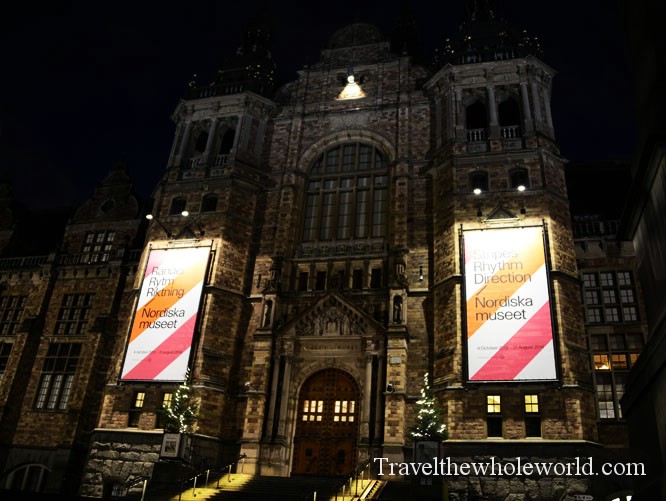
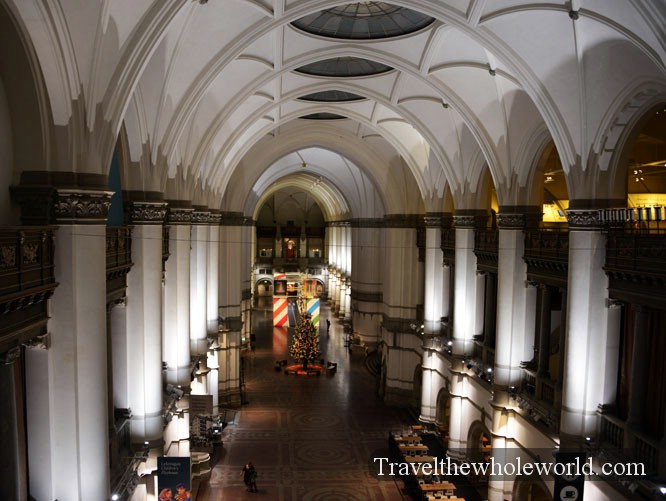
On Djurgården I visited the Nordic Museum, which focuses on the cultural history of Sweden. It’s an enormous museum with impressive architecture both inside and out. Some of the exhibits I saw included clothing and other items associated with the Sámi people of northern Scandinavia.

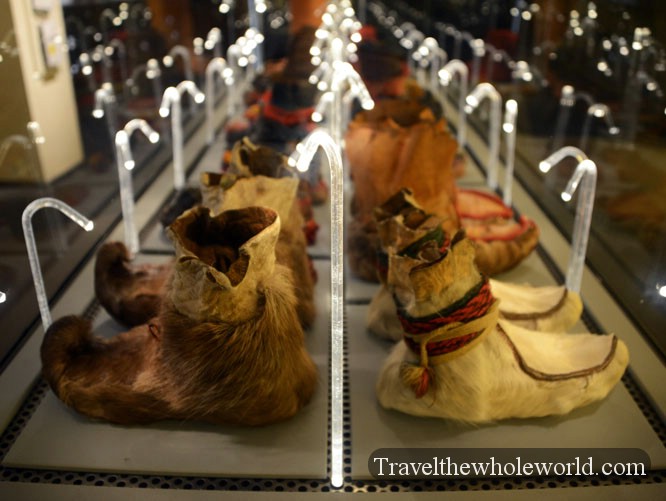
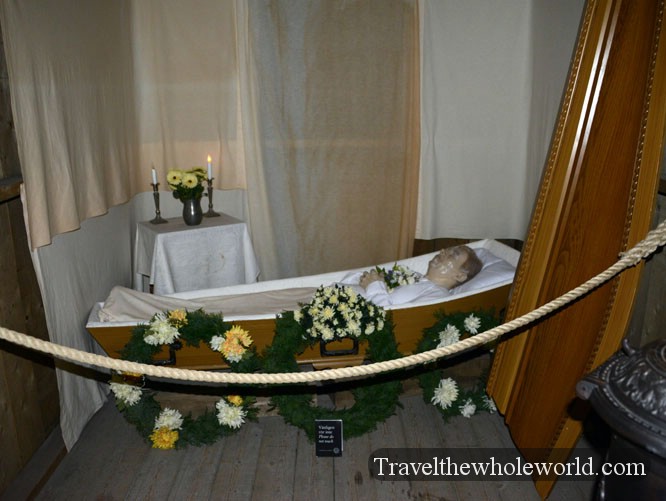

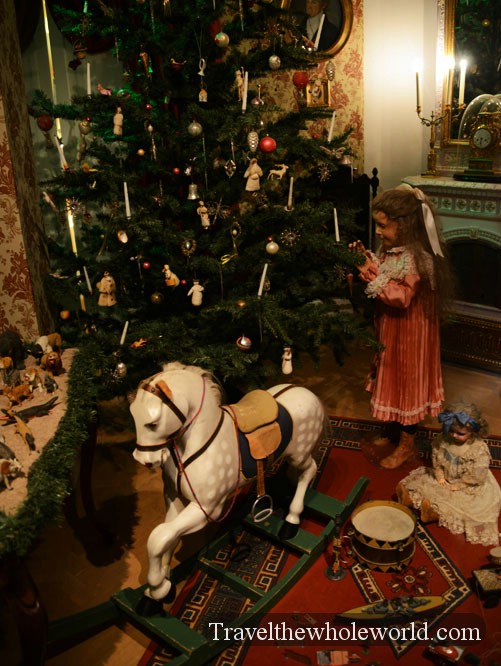
These photos are also from the Nordic Museum. One of the exhibits featured Gustav Vasa, who became King of Sweden in 1523 and played a major role in establishing Sweden as an independent kingdom. The museum covers Swedish culture and history from centuries ago through modern times.
I didn’t bring an audio guide because I normally prefer to read as I explore. Once inside, however, I discovered that much of the information around the exhibits was in Swedish, so there were definitely things I didn’t fully understand at the time.

Vasa Museum


By far the most impressive museum I visited in Stockholm was the Vasa Museum. In 1628, the brand-new warship Vasa sank on its maiden voyage in Stockholm Harbor. The disaster killed dozens of people while onlookers watched from the shore. More than 300 years later, the ship was raised from the seabed and painstakingly preserved. Today it sits inside a museum built around it. The Vasa is so large that no matter which angle you look at it from, it’s difficult to capture the entire ship in a single photograph.
After such an expensive and impressive warship sank almost immediately, there was naturally an investigation into what went wrong. Survivors and people involved in constructing the ship were questioned, but no one was ultimately punished. The Vasa was dangerously unstable, with its tall superstructure, heavy armament and insufficient stability contributing to the disaster. A gust of wind caused the ship to heel far enough for water to pour through its open lower gunports, and it quickly sank.
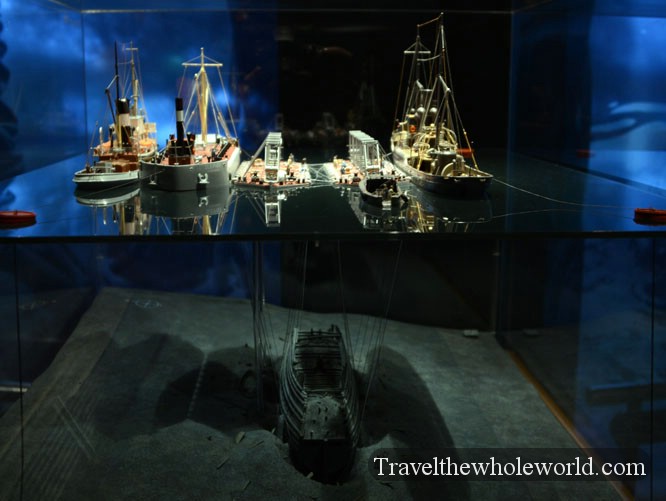
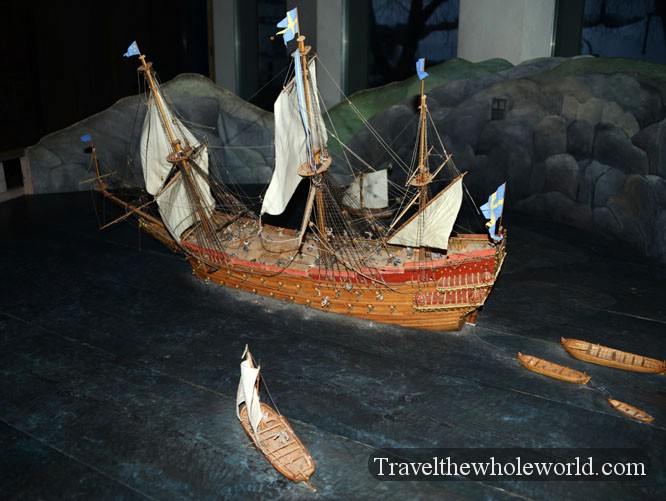
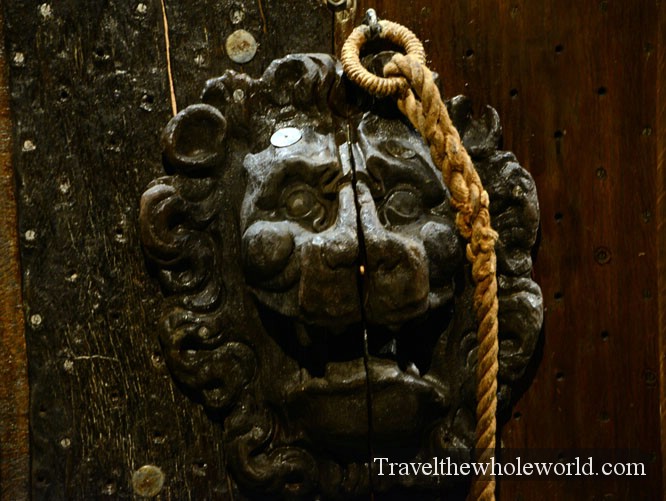
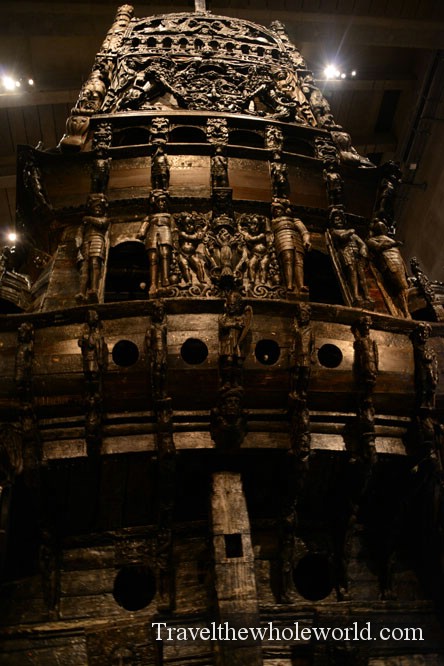
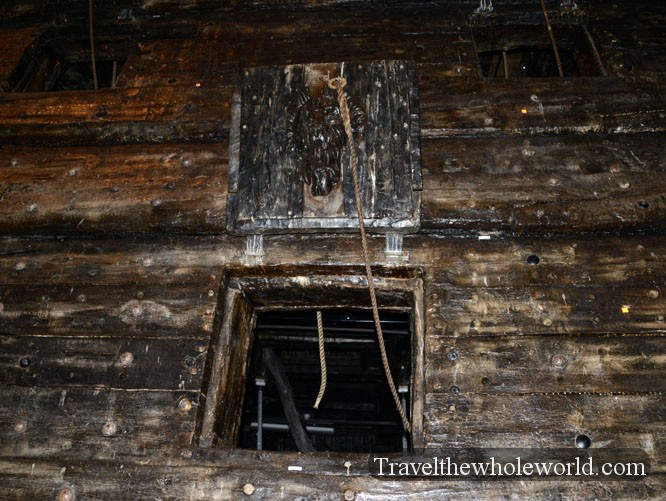
The photos above show an exhibit explaining how the Vasa was raised from the seabed and a model showing what the ship may have looked like in the 17th century. Below are some of the details that survived on the ship, including its gunports and elaborate wooden decorations.
Explore More of Sweden
Stockholm • Ostersund