Western Russia stretches across the eastern edge of Europe and includes many of the country’s best-known cities, including Moscow, St. Petersburg, Volgograd, and Sochi. My trip here was one of the more complicated ones I’ve taken, but it was also full of memorable experiences. Moscow especially surprised me with its architecture, history, monuments, and enormous scale. Farther south, Sochi and the Caucasus Mountains showed me a completely different side of Russia, from subtropical forests to some of the highest peaks in Europe. Considering Russia is the largest country in the world, I only saw a small fraction of what it has to offer.
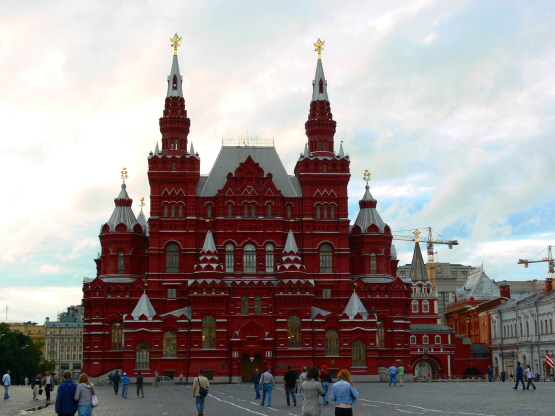
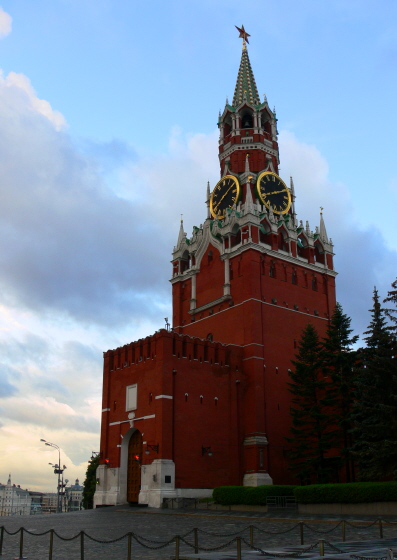
Russia’s most famous destination has to be Red Square in Moscow. The entire area is surrounded by landmarks that are instantly recognizable, including the Kremlin, St. Basil’s Cathedral, Lenin’s Mausoleum, and the historic GUM department store. The photo on the left shows one of the entrances into Red Square, while the one on the right shows an entrance into the Kremlin complex itself.
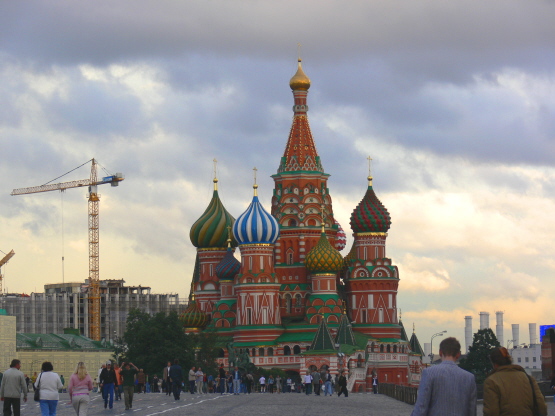
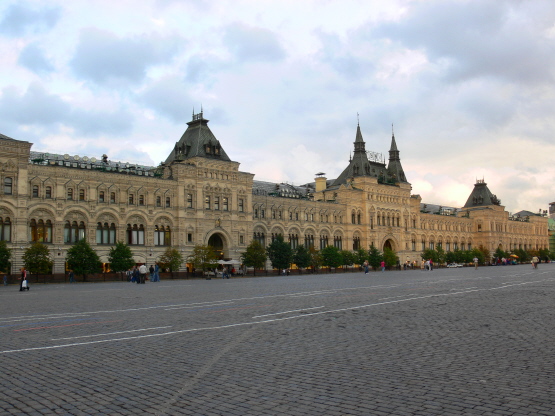
St. Basil’s Cathedral is easily one of the most distinctive buildings in Russia, with its colorful onion domes and almost storybook appearance. Across Red Square is GUM, pronounced roughly like “goom,” an enormous historic shopping arcade filled with stores, restaurants, and beautifully decorated interior galleries. Together, these buildings make Red Square feel less like a single attraction and more like an entire historic district packed into one open space.
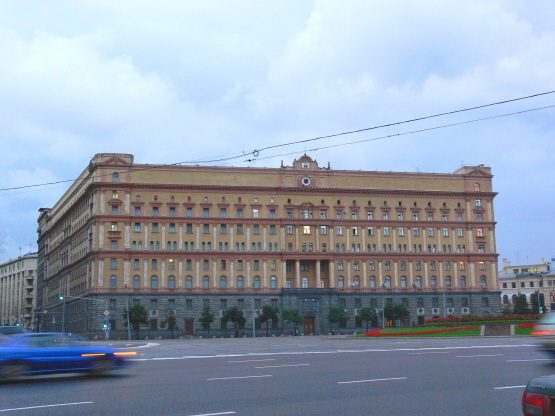
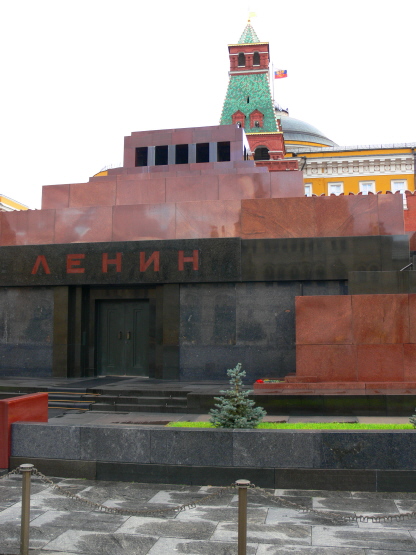
Two other important landmarks I visited were the Lubyanka Building and Lenin’s Mausoleum. The Lubyanka has a long association with Soviet and Russian security services and is one of the most historically significant government buildings in Moscow. On the right is Lenin’s Mausoleum in Red Square, where Vladimir Lenin’s preserved body is still displayed. Photography is not allowed inside, which made the visit feel very different from the open spaces surrounding it.
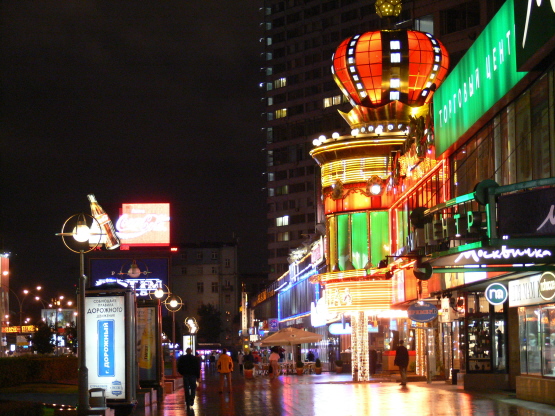
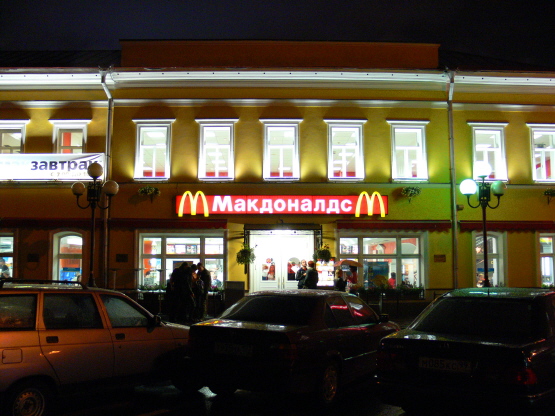
Moscow also has a completely modern side. Downtown is packed with restaurants, bars, shopping, nightlife, and busy streets that stay active well into the evening. I was never much of a nightclub person, but there were plenty of places to grab a drink and watch the city come alive after dark.
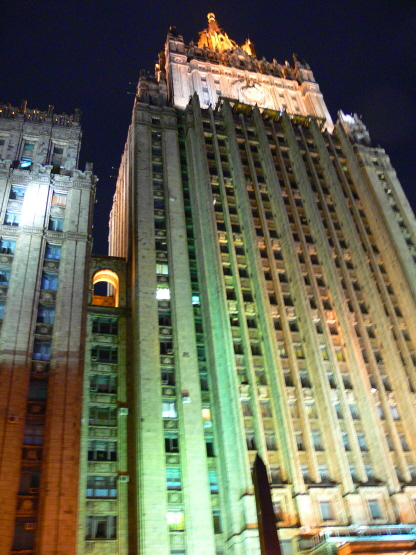
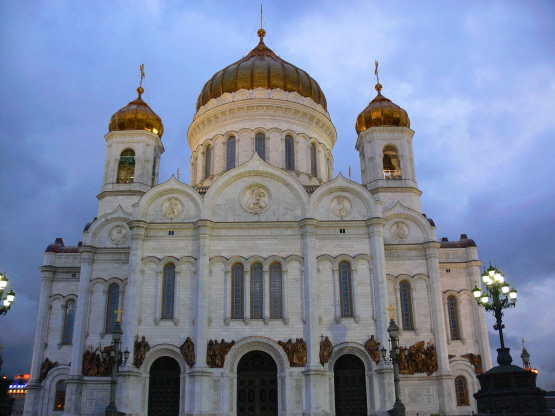
The building on the left is Russia’s Ministry of Foreign Affairs, one of the monumental Stalin-era skyscrapers that help define Moscow’s skyline. Buildings like this are part of what impressed me most about the city. On the right is one of Moscow’s many Russian Orthodox churches, another reminder of how dramatically the city’s architecture changes from one neighborhood to the next.

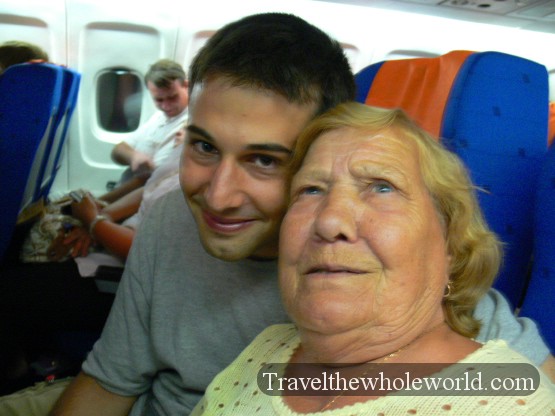
One of my more memorable personal experiences in Russia happened on my final flight from Sochi back to Moscow. I sat next to a man named Sergey who ordered what seemed like an endless supply of vodka shots and beer and was more than happy to share. By the end of the flight we were all having a pretty good time.
Sergey also told me about his family history after the collapse of the Soviet Union. His mother lived in Ukraine and had come to visit him, and he talked about how political borders had divided families that once lived within the same country. It was one of those random travel conversations that gave me a much more personal view of the region than anything I could have learned from simply visiting monuments.
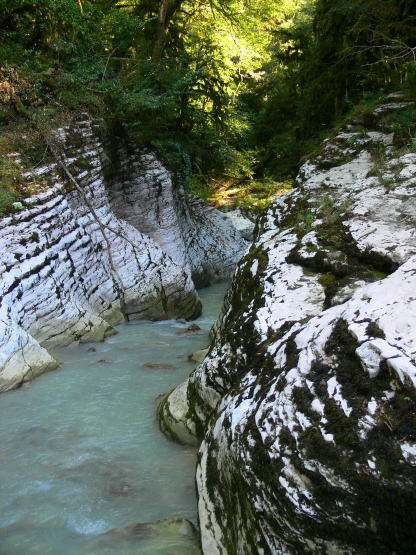
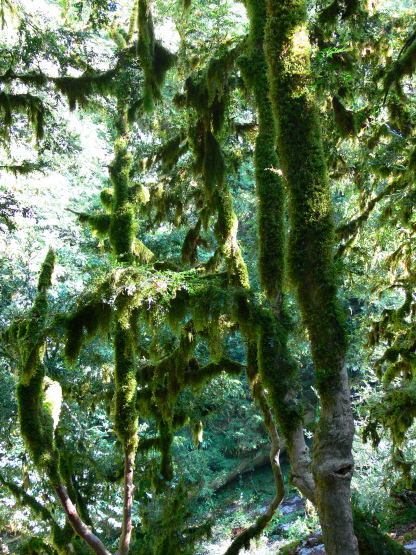
Sochi was one of the biggest surprises of my trip. Before visiting, I tended to imagine Russia as cold and snowy, so arriving in a humid subtropical city along the Black Sea completely changed that image. Sochi has beaches, forested mountains, rivers, hiking, and access to the Caucasus, making it an outdoor destination in both summer and winter.
I had just come down from Mount Elbrus, where I had been dealing with freezing temperatures, so the heat and humidity in Sochi felt especially intense. My hotel didn’t have air conditioning, and some nights felt almost tropical. The photos above and below were taken along a river outside the city where people came for hiking, swimming, and off-road adventures.
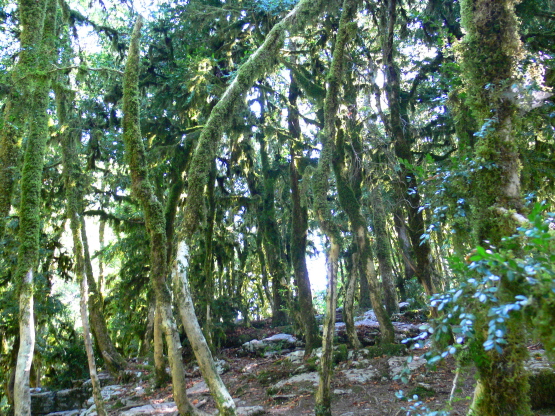

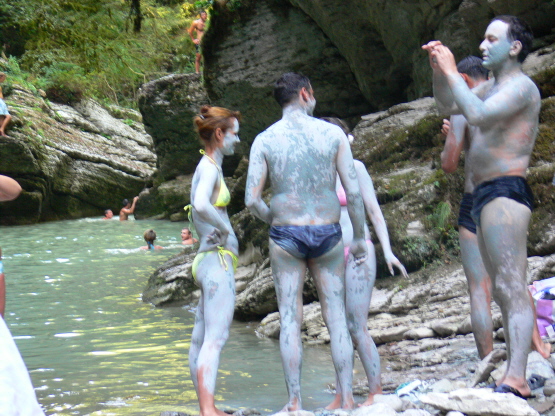
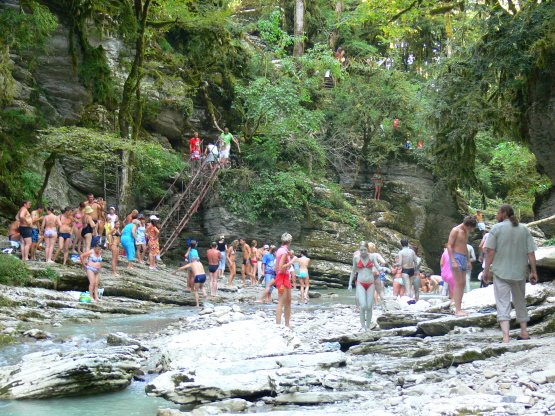
The rivers around Sochi were clearly popular places to spend the day. People were swimming, diving from rocks, hiking through the forest, and even covering themselves with mud along the riverbanks. I never figured out whether the mud was supposed to have some health benefit or whether people were simply having fun, but plenty of people seemed to be doing it.
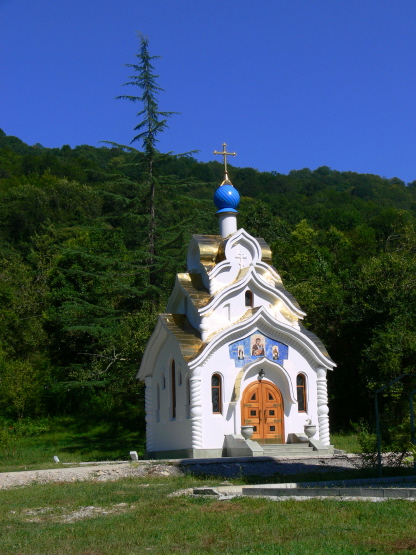
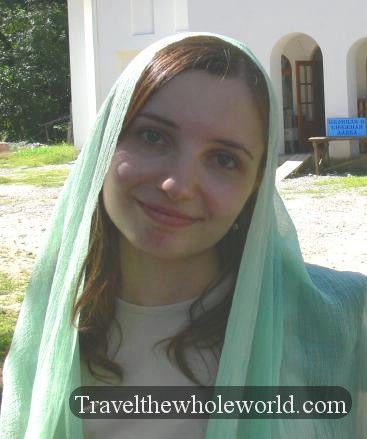
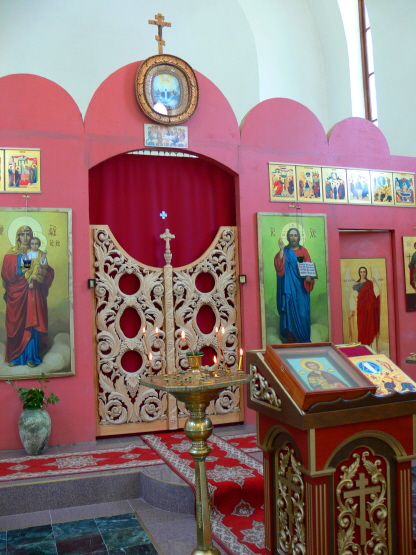
Sochi also had a number of smaller churches and religious sites outside the city center. I liked how colorful and intimate some of these places were compared with the enormous cathedrals found in Moscow. Several small churches stood together on the same grounds and were still actively used by local worshippers. As is common in many Orthodox churches, women entering were expected to cover their hair.

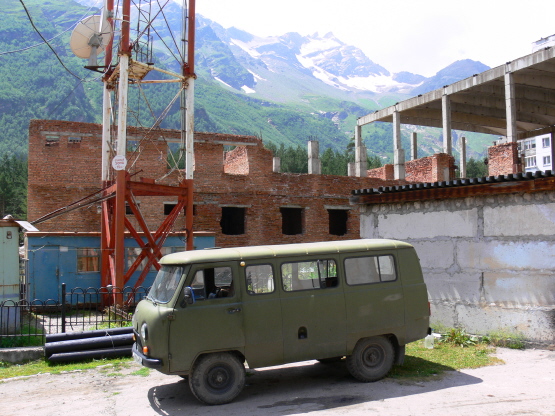
Farther southwest, Russia rises into the Caucasus Mountains, where Europe and Asia meet. This region felt completely different from both Moscow and Sochi, with small mountain communities, roadside markets, dramatic valleys, and some of the highest peaks on the continent. The photo on the left was taken after leaving Mineralnye Vody, while the one on the right shows one of the smaller mountain villages I passed along the way.
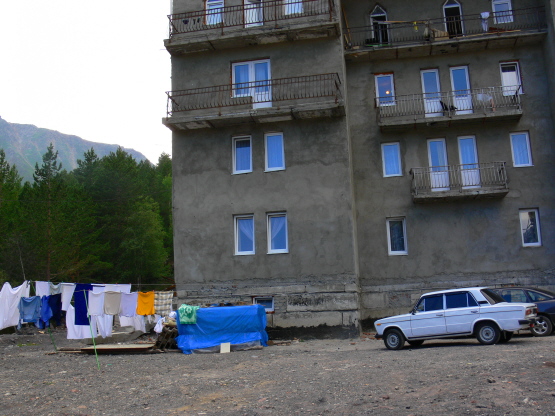
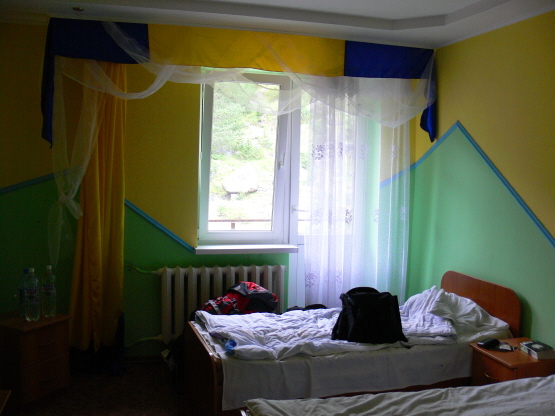
My hotel in the Caucasus didn’t look particularly fancy from the outside, but the interior was surprisingly comfortable and well maintained. That became a recurring theme during parts of the trip: buildings that looked plain from the road could be much nicer once you stepped inside.
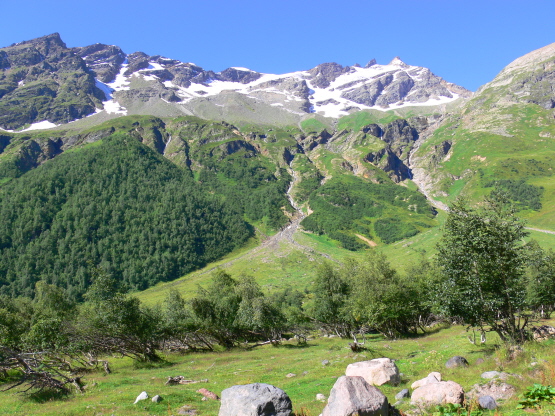
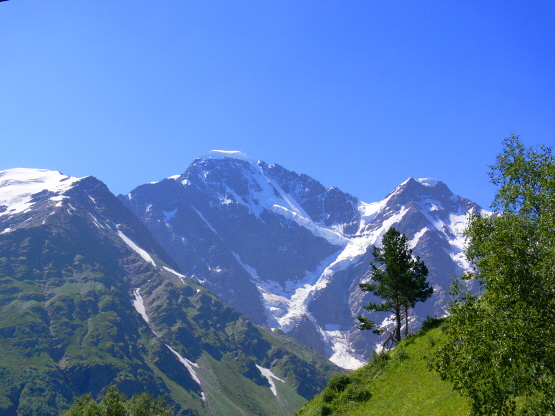
These were some of my first views of the Caucasus Mountains. The range has a completely different scale from most of the rest of Europe, with jagged peaks, steep valleys, glaciers, and several summits rising above 5,000 meters. Reaching this part of Russia was surprisingly straightforward, with a flight into Mineralnye Vody followed by a drive south into the mountains.
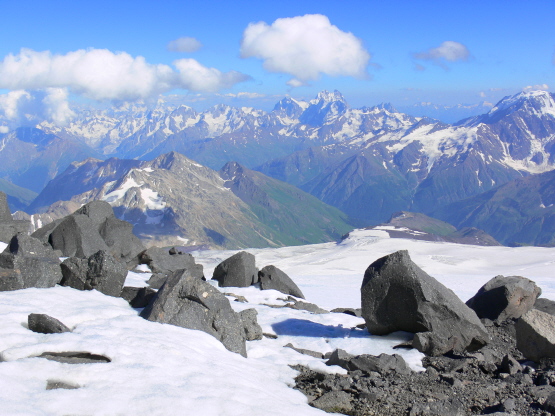
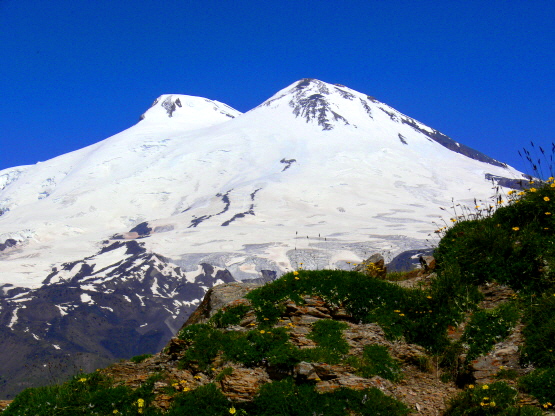
The Caucasus had some of the most beautiful mountain scenery I saw anywhere on this trip. These photographs were taken during my climb of Mount Elbrus, which rises to 5,642 meters, or 18,510 feet, and is generally considered the highest mountain in Europe. The photo on the left looks across some of the surrounding peaks, while the one on the right shows Elbrus itself.
Russia ended up giving me several completely different travel experiences in one country. Moscow impressed me with its history and monumental architecture, Sochi surprised me with its subtropical climate and outdoor life, and the Caucasus gave me some of the best mountain scenery of the trip. I certainly had some challenging moments while traveling here, but they didn’t define the entire experience. What I remember most are the places that surprised me and the people I met along the way.