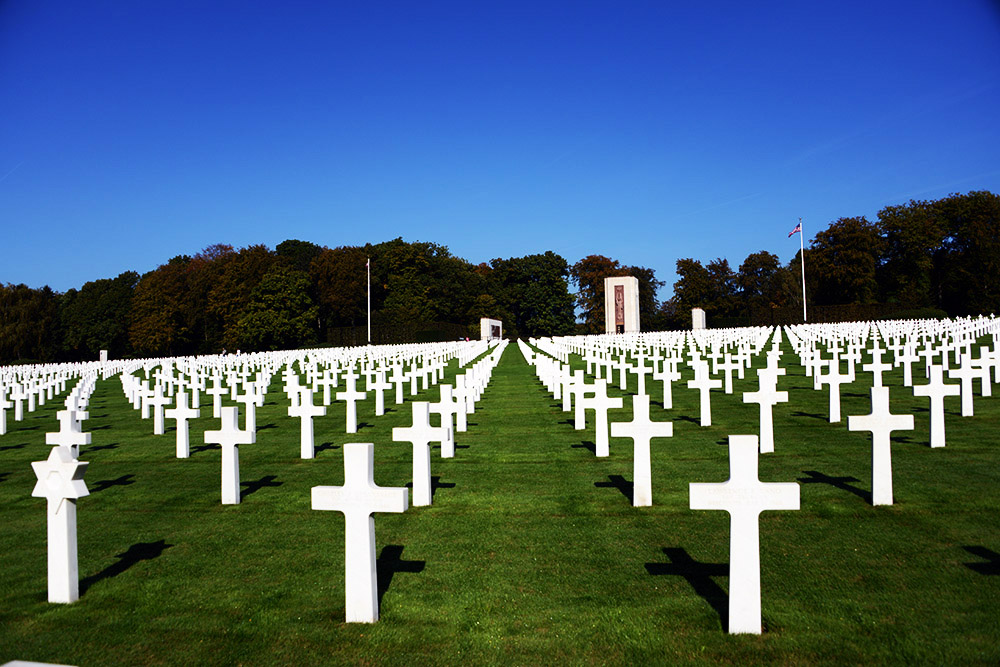
Just outside Luxembourg City is one of the largest American military cemeteries I have visited in Europe. Luxembourg American Cemetery contains the graves of more than 5,000 American service members, many of whom died during the Battle of the Bulge and the Allied advance toward Germany during the final months of World War II.
The cemetery was established in December 1944 while fighting was still taking place nearby. General George S. Patton’s Third Army operated from Luxembourg during the campaign, and Patton himself would eventually be buried here alongside the men he commanded.
Walking through thousands of nearly identical white crosses, I started paying attention to the home states engraved on the markers. These men had come from every corner of the United States and somehow ended up together in this small country thousands of miles from home. I decided to find and photograph at least one service member from every U.S. state that existed during World War II, along with Washington, D.C., and Hawaii.
What follows isn’t meant to make one grave more important than another. Each photograph represents one American among thousands buried here. Seeing the states one after another made the scale of the war feel much more personal to me than simply reading a casualty number.
Americans From Across the Country
Alabama
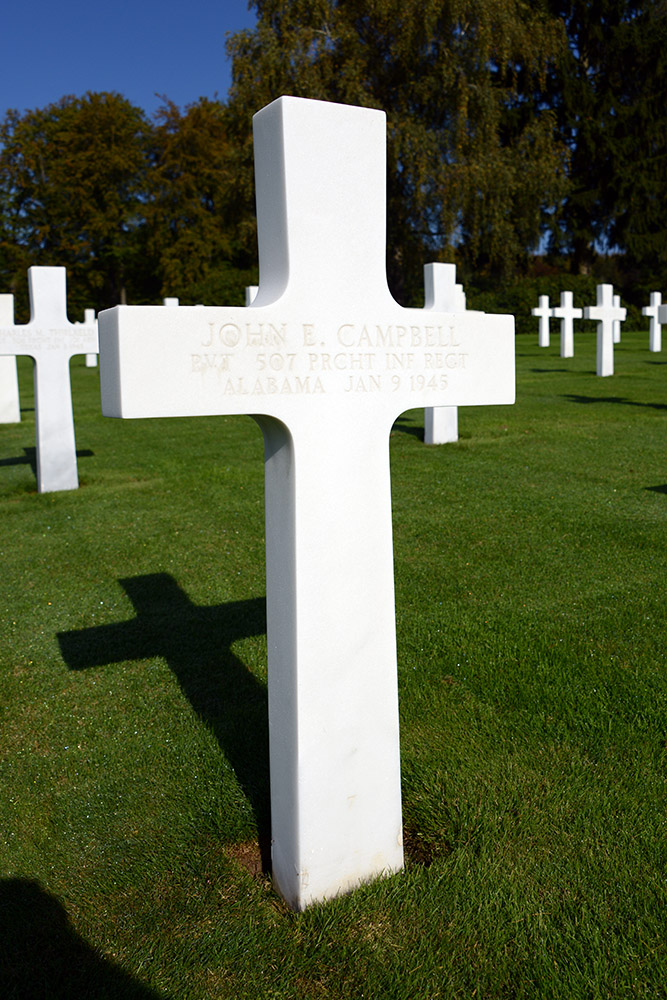
Arkansas
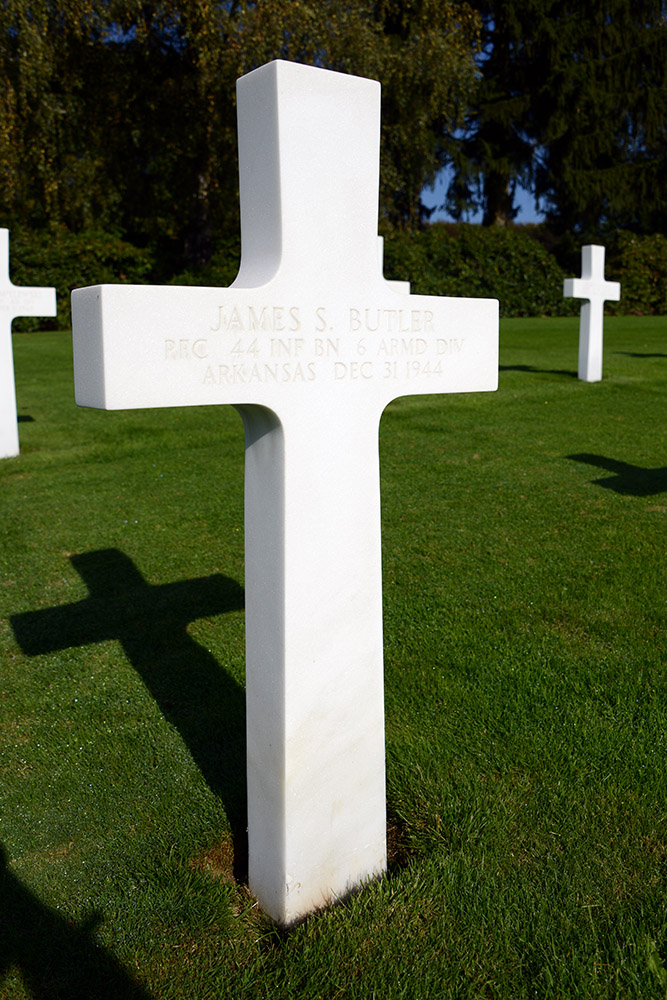
Arizona
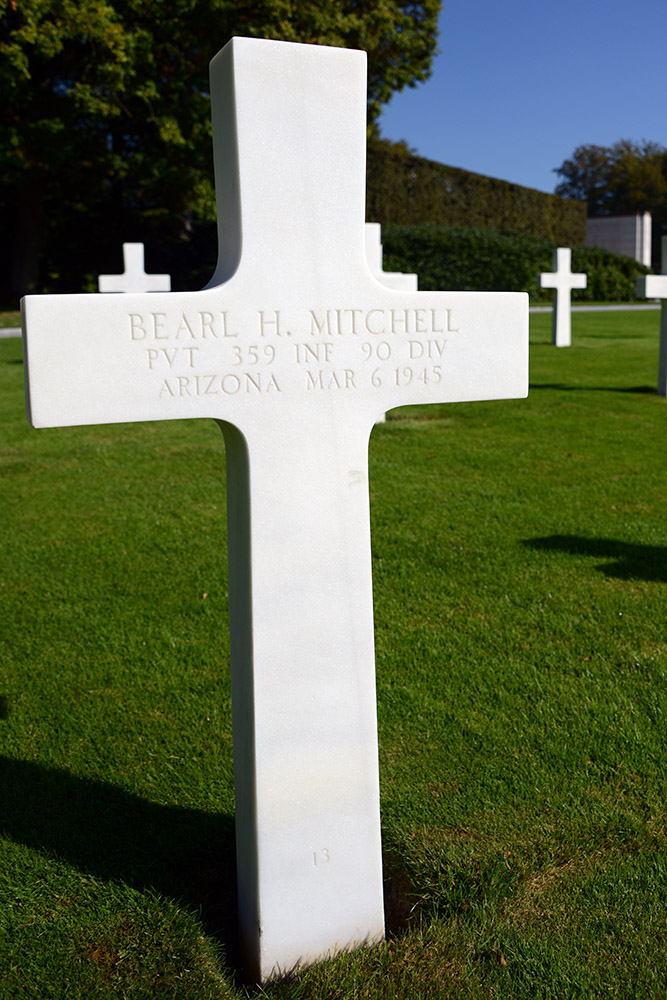
California
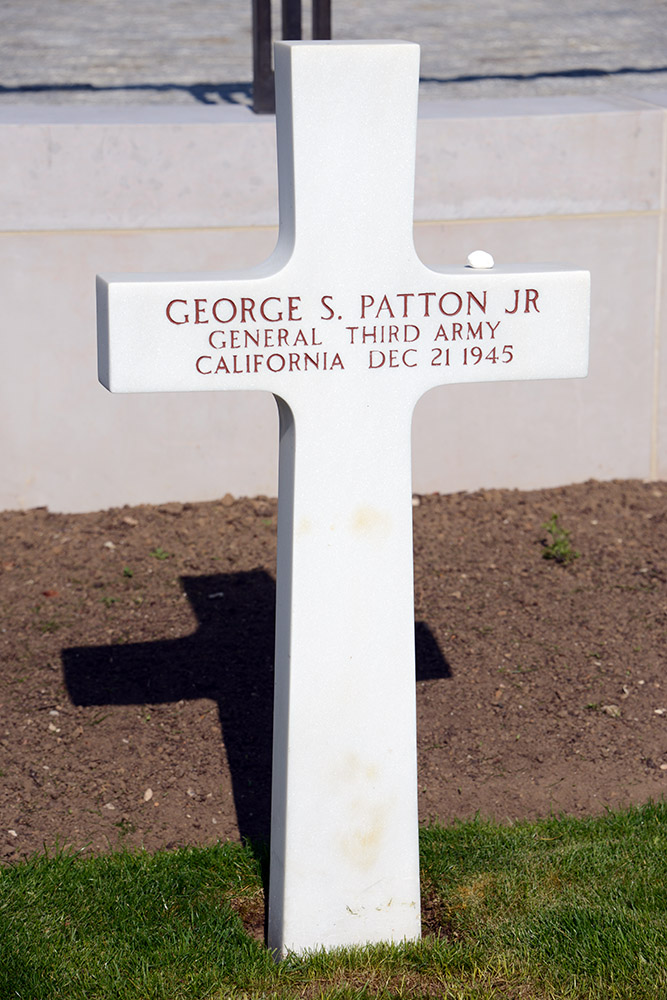
California happened to be represented by the most famous person buried here, General George S. Patton Jr. Patton commanded the U.S. Third Army during the fighting in this region and played a major role in the Allied response to the Battle of the Bulge. He survived the war but died in December 1945 following injuries from a vehicle accident in Germany. He was buried here among the soldiers who had served under his command.
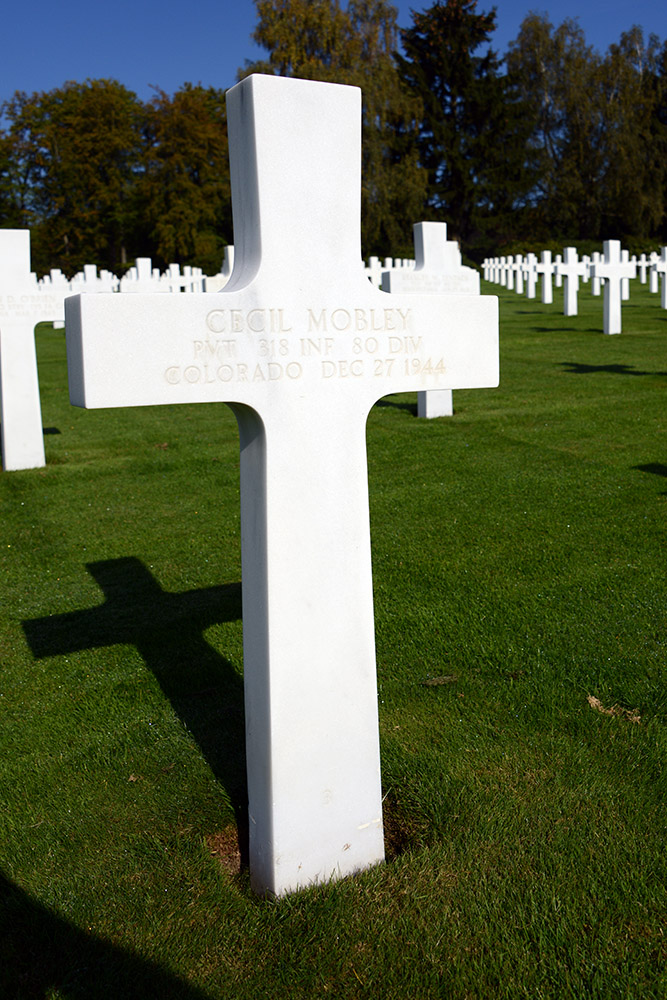
Colorado
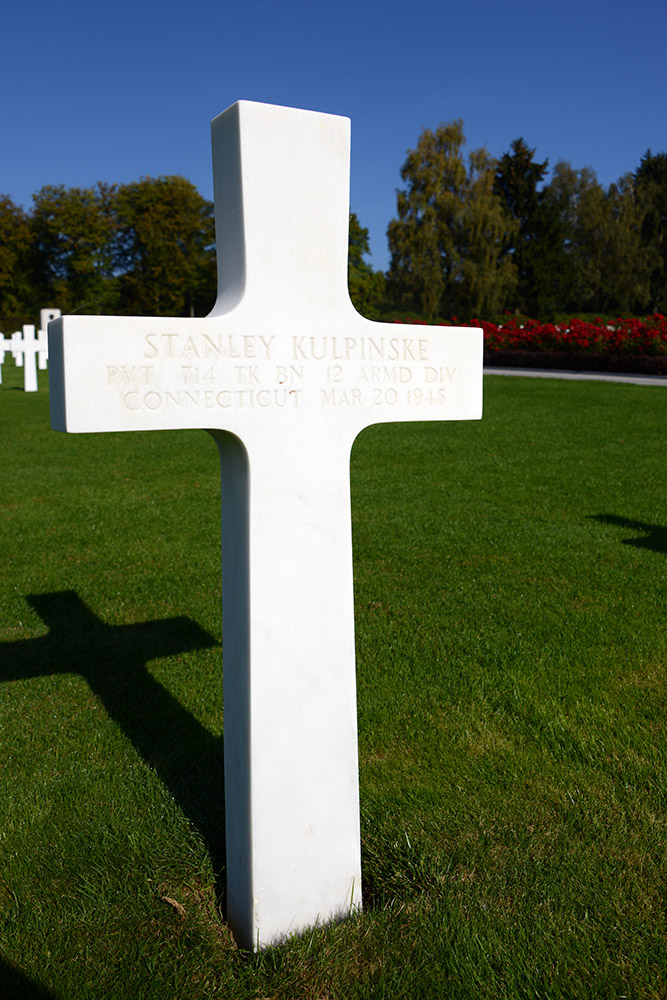
Connecticut
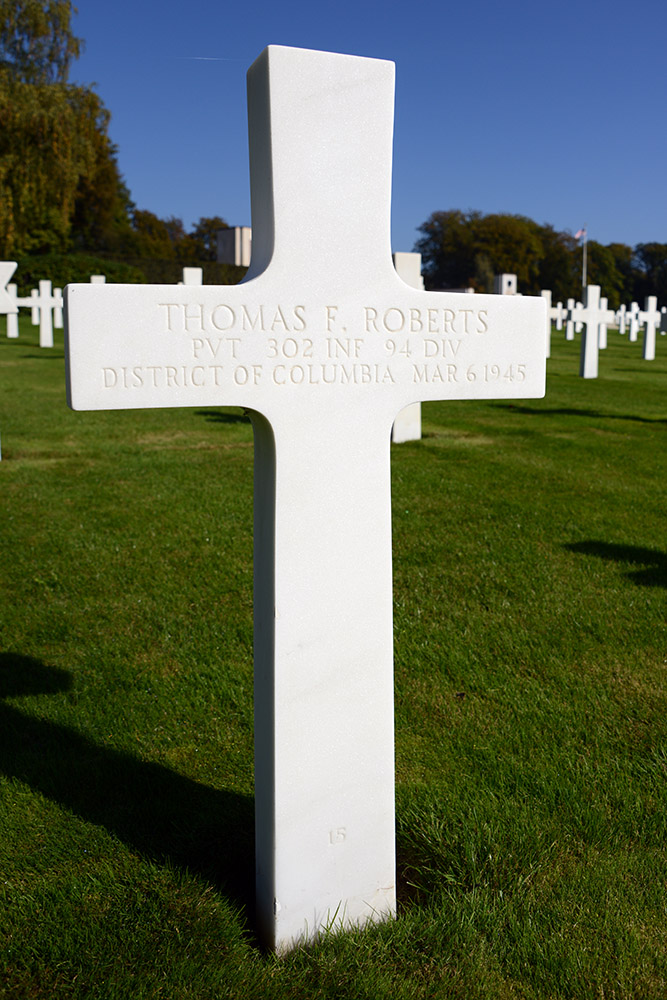
Washington, D.C.
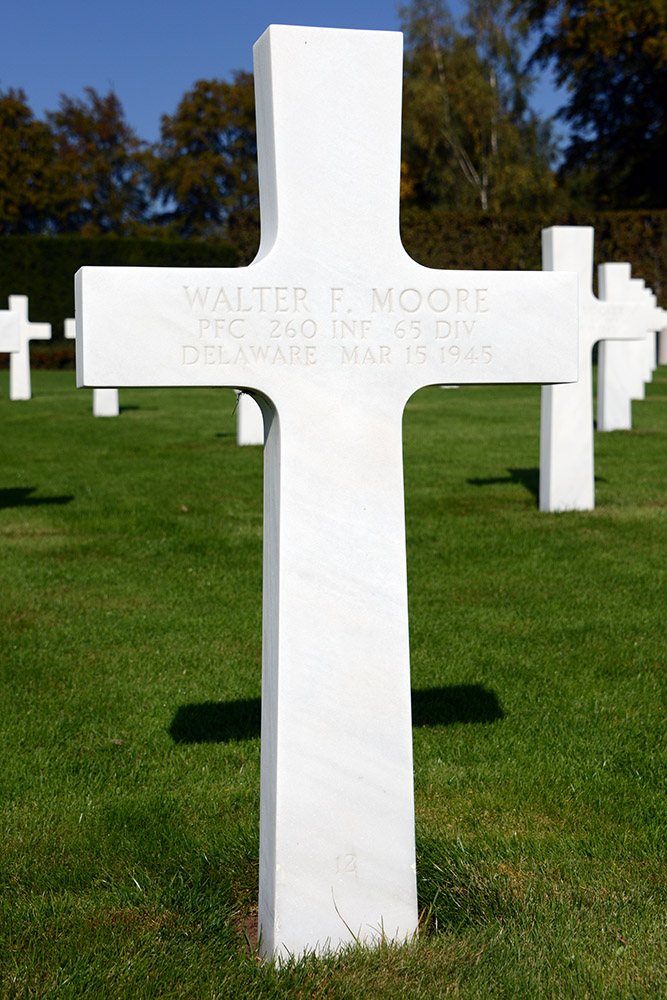
Delaware
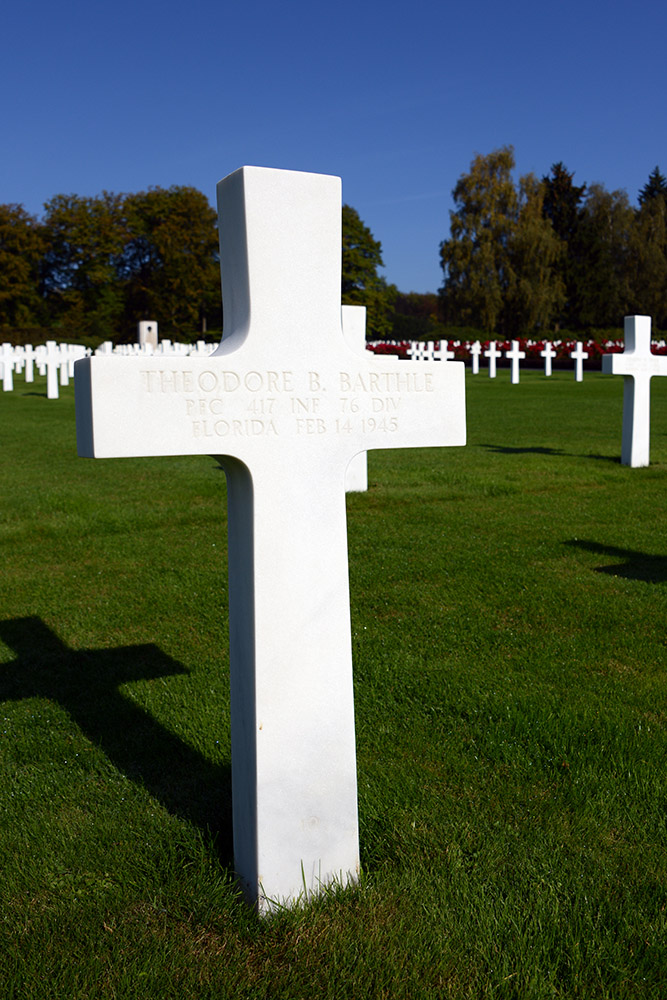
Florida
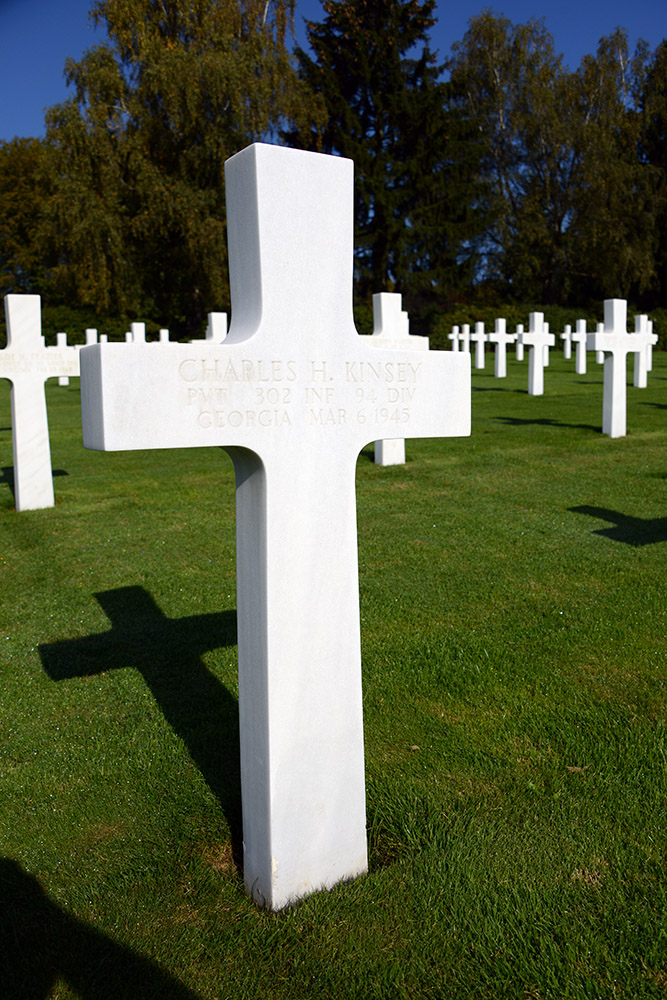
Georgia
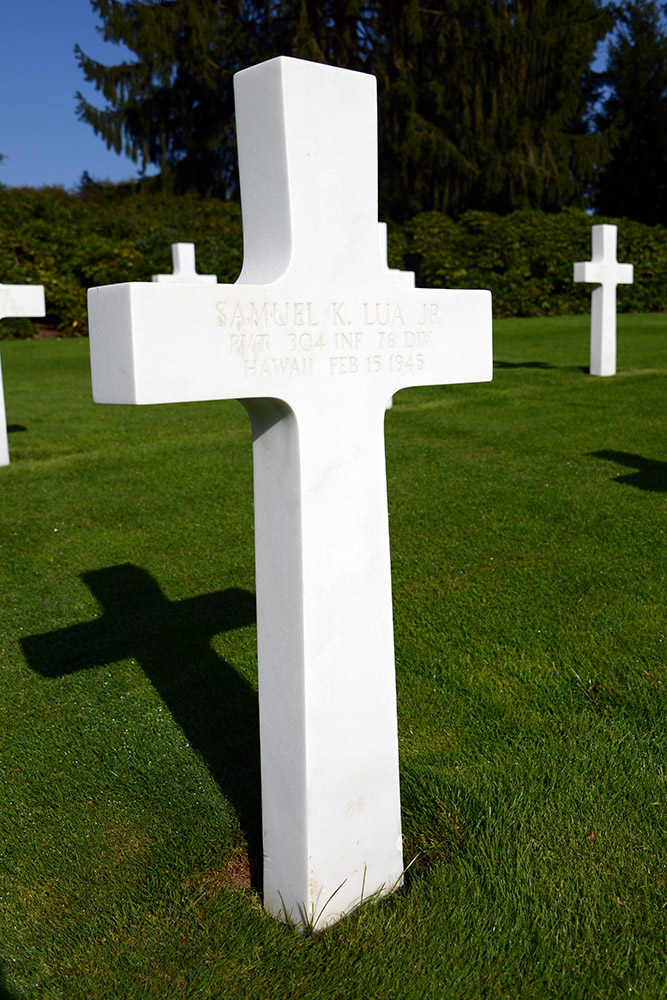
Hawaii
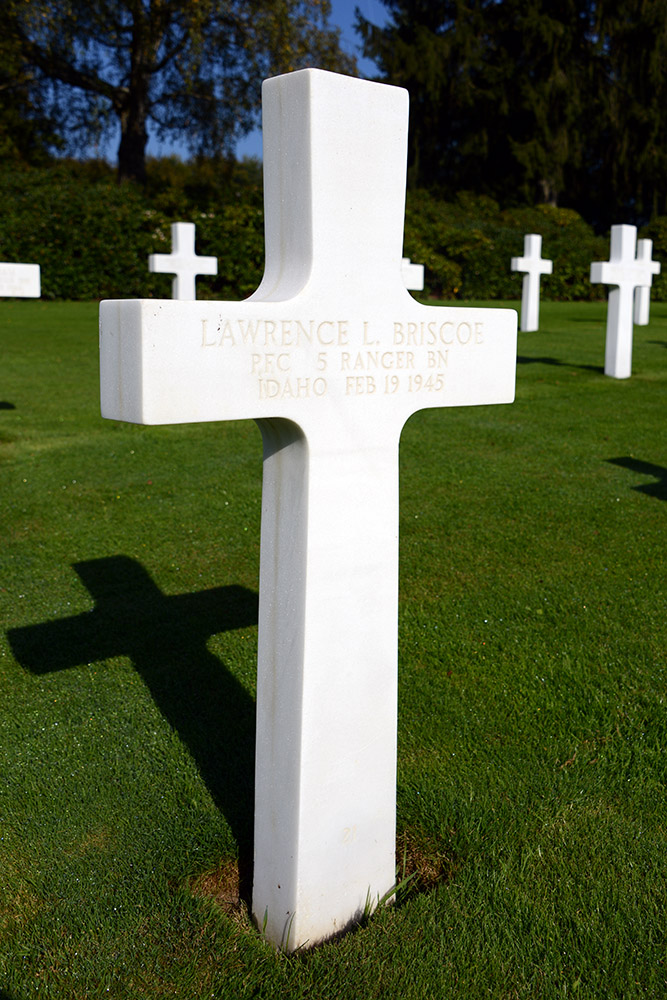
Idaho
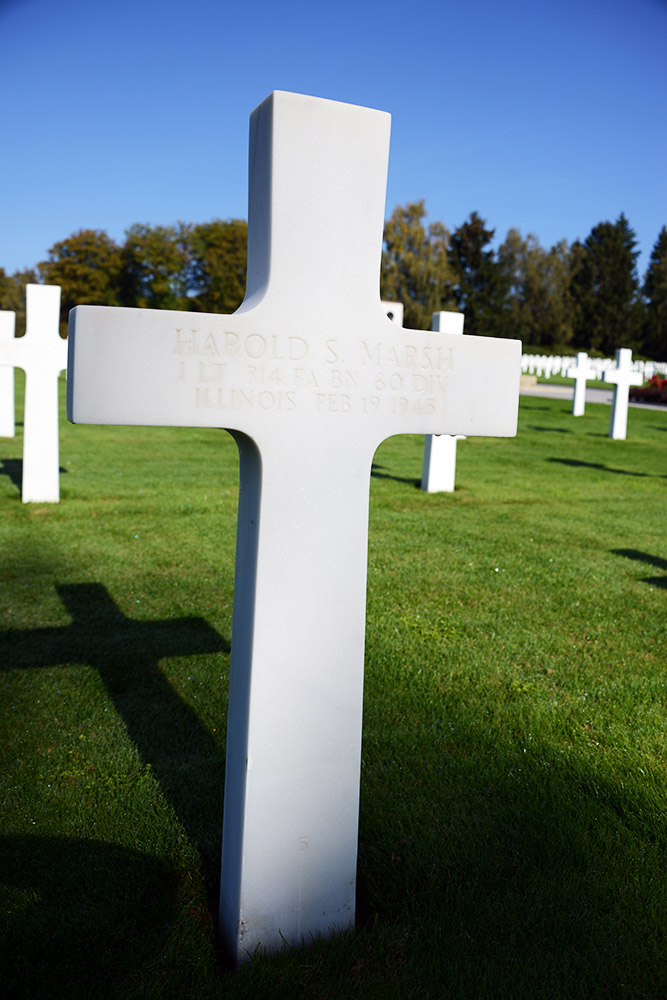
Illinois
Indiana
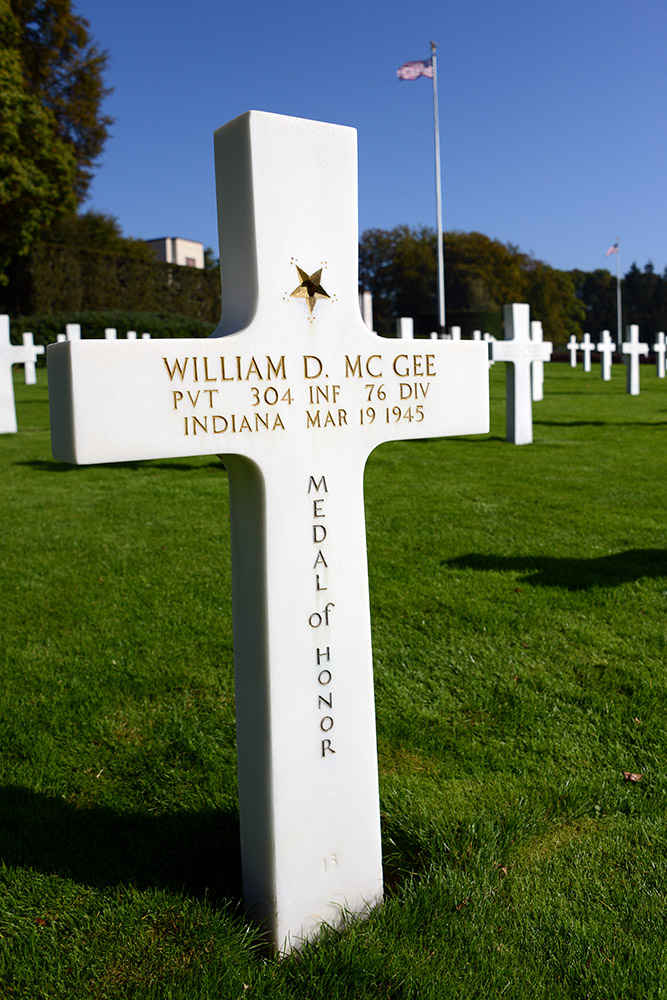
Private William McGee was one of the Medal of Honor recipients I came across while doing this project. During a night crossing of the Moselle River, two American soldiers were badly wounded inside a minefield. McGee entered the minefield on his own, carried one wounded man toward safety and returned for the second. He then stepped on a mine himself. Despite being mortally wounded, he warned the other soldiers not to enter the minefield to save him and risk more lives. His grave was one of the markers that made me stop looking at this simply as a fifty-state photography project and think more about the individual stories behind the names.
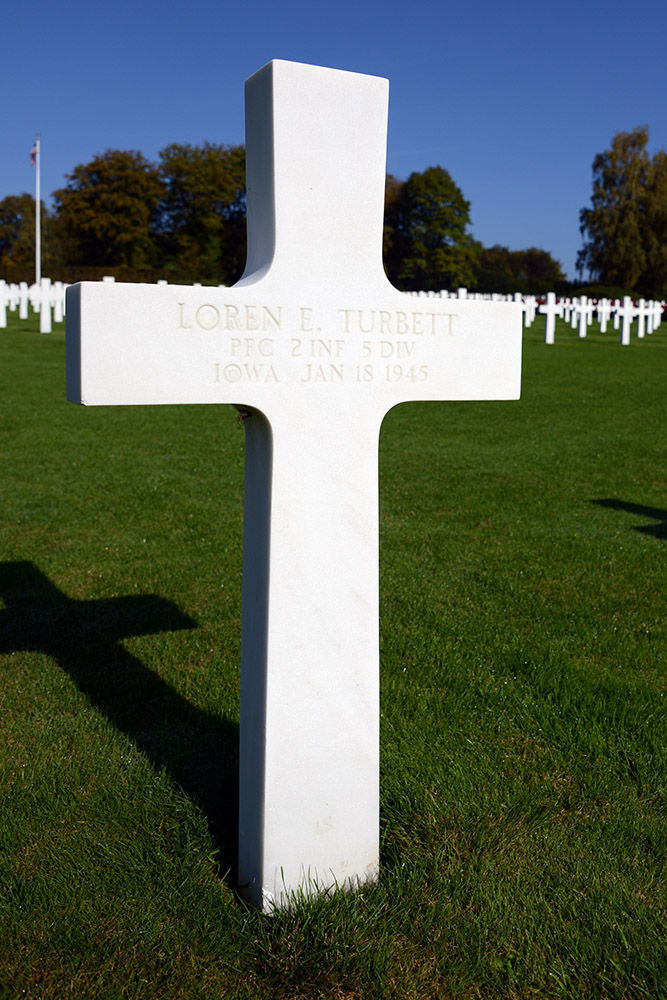
Iowa
Kansas
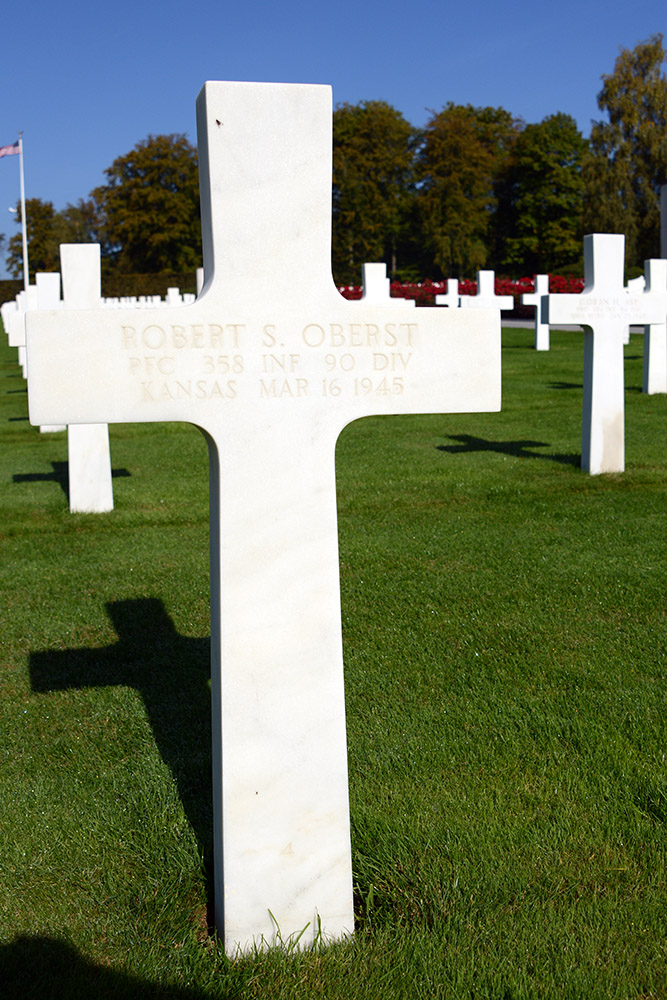
Kentucky
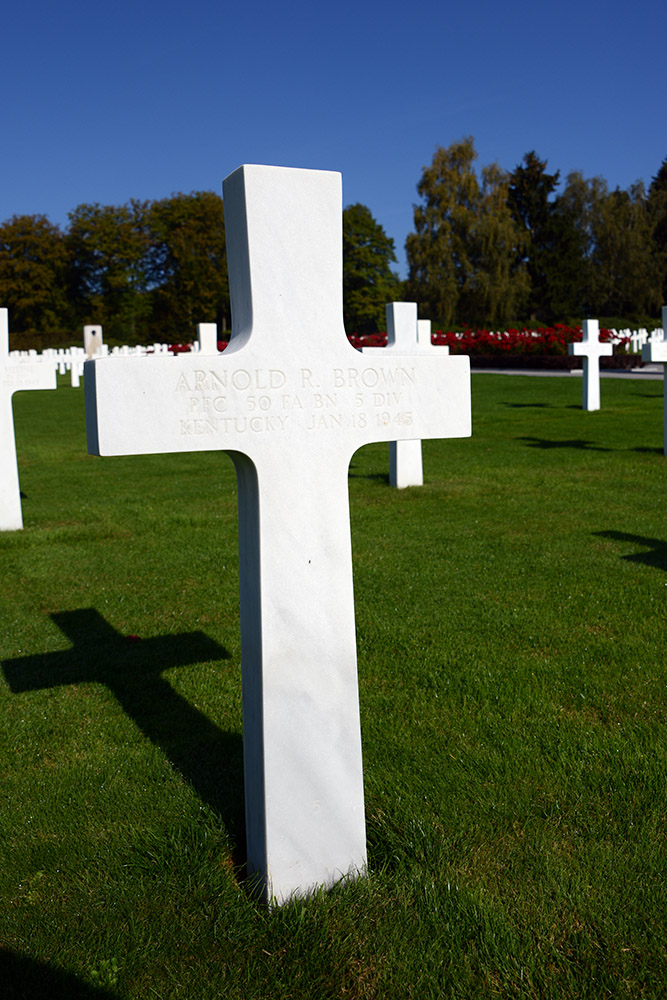
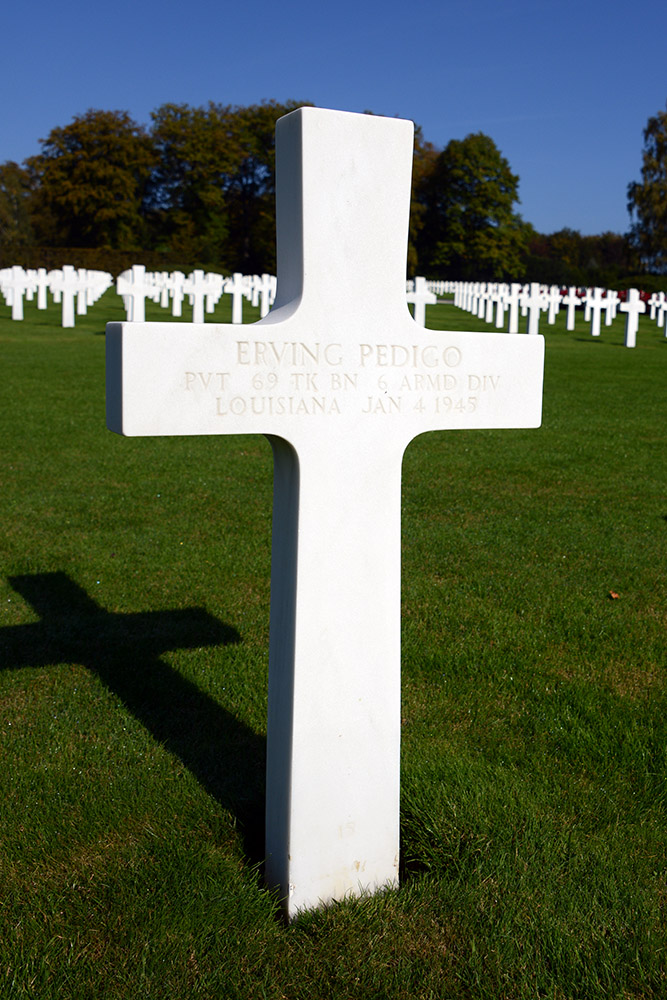
Louisiana
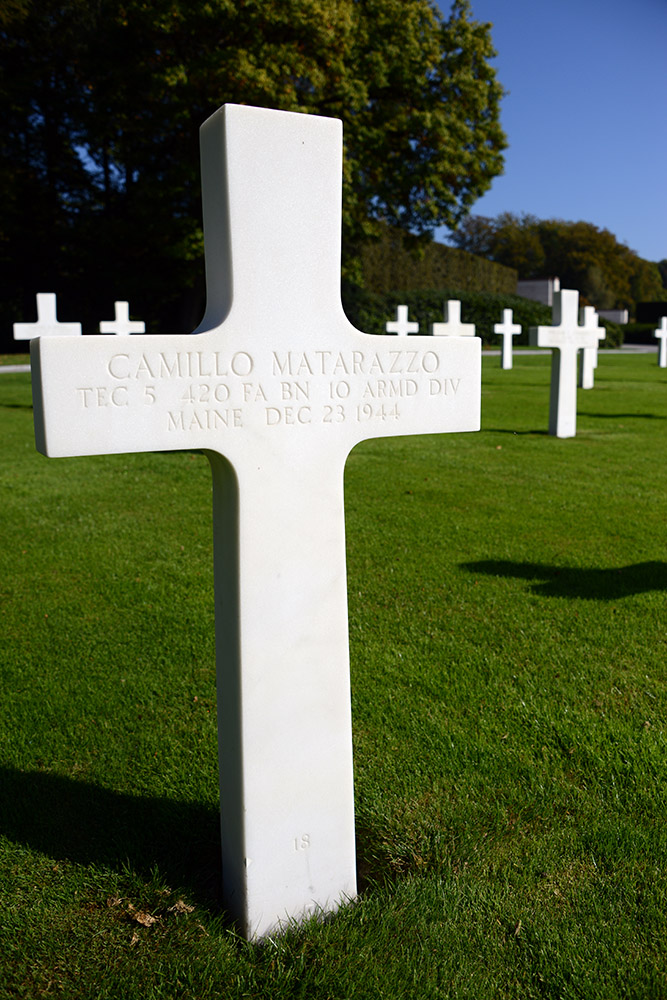
Maine
Maryland
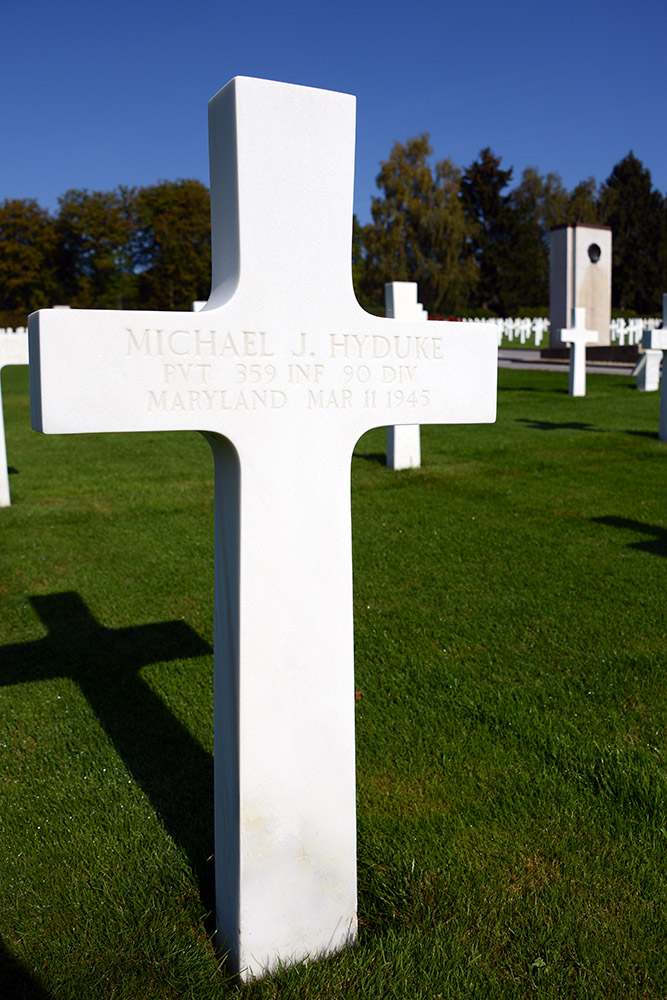
Massachusetts
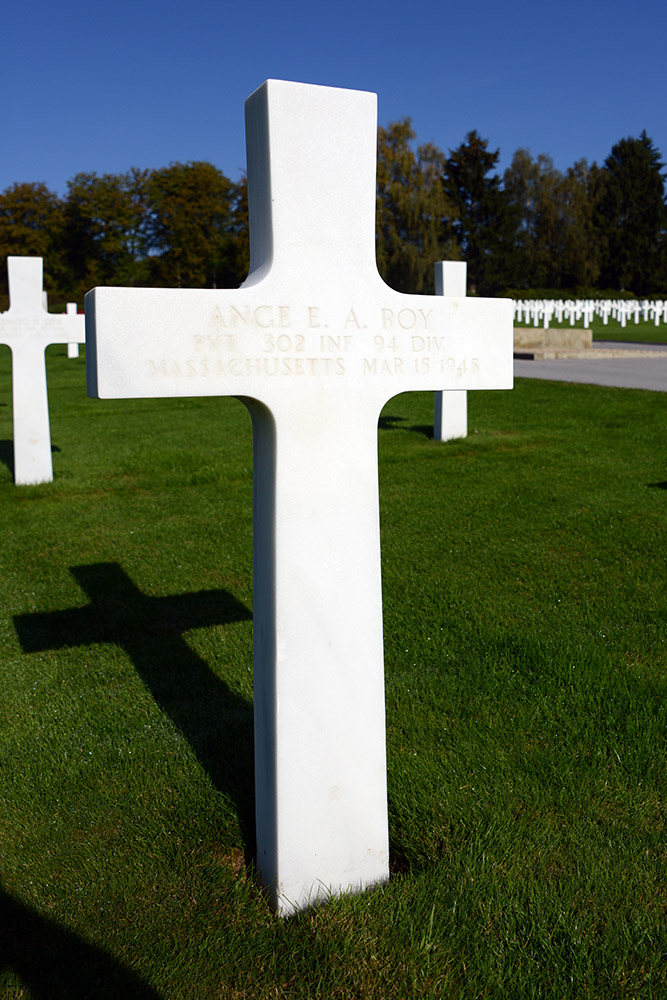
Michigan
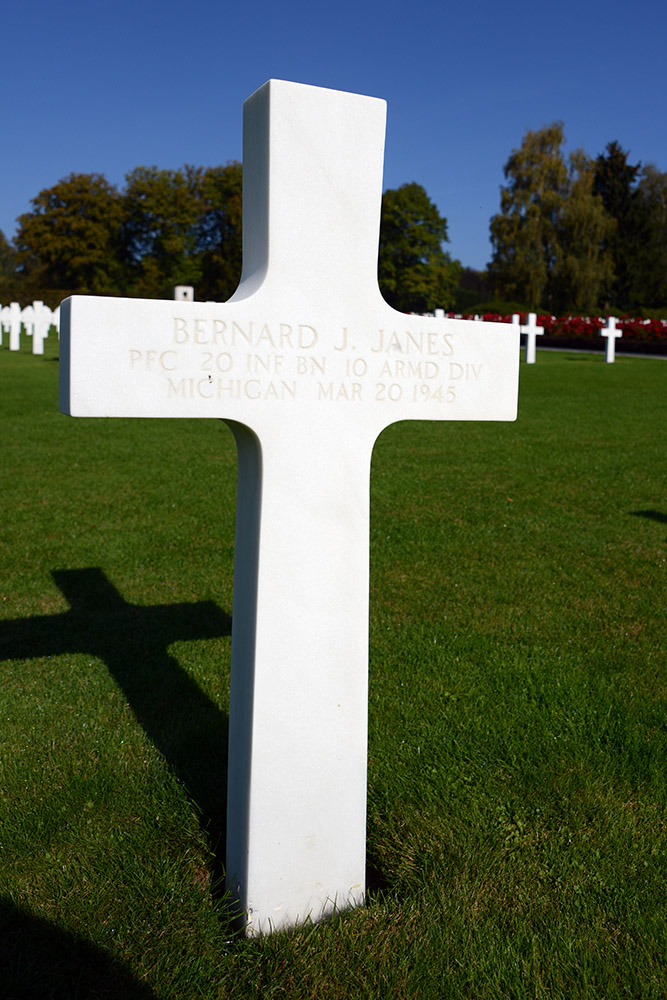
Minnesota
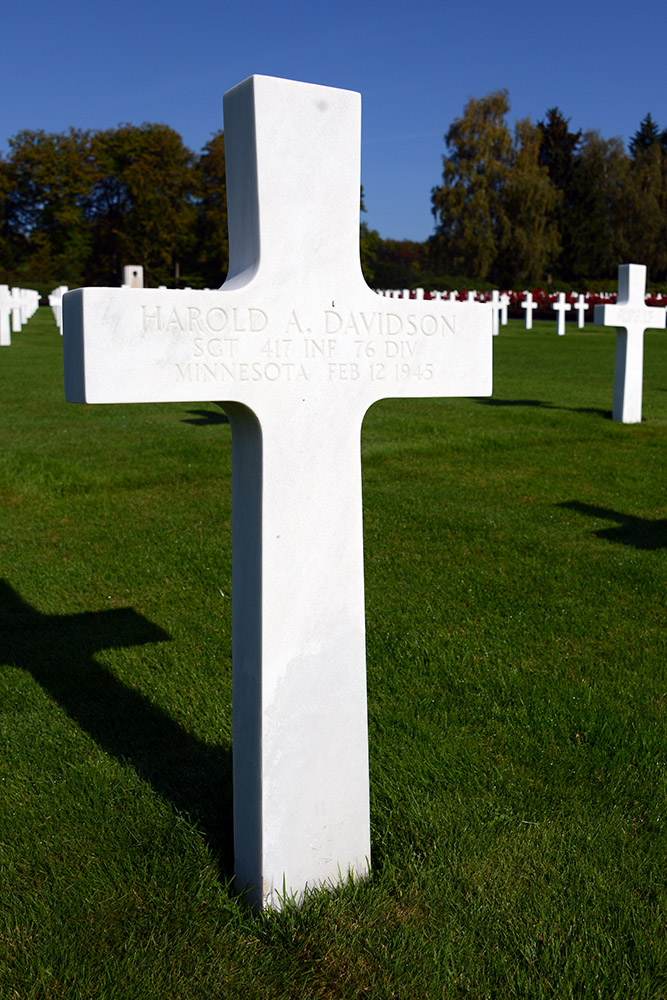
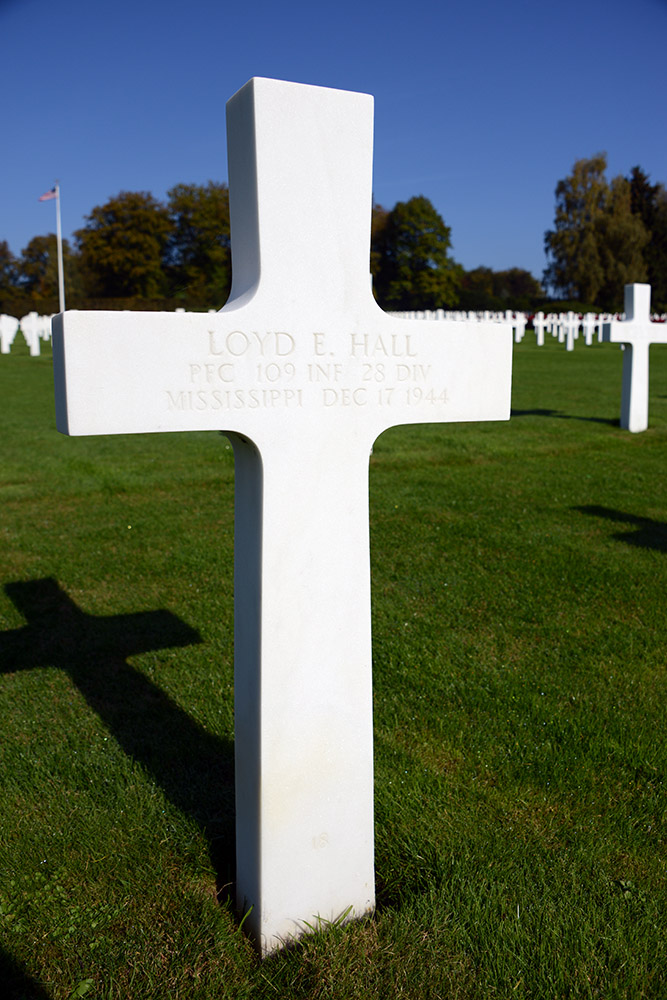
Mississippi
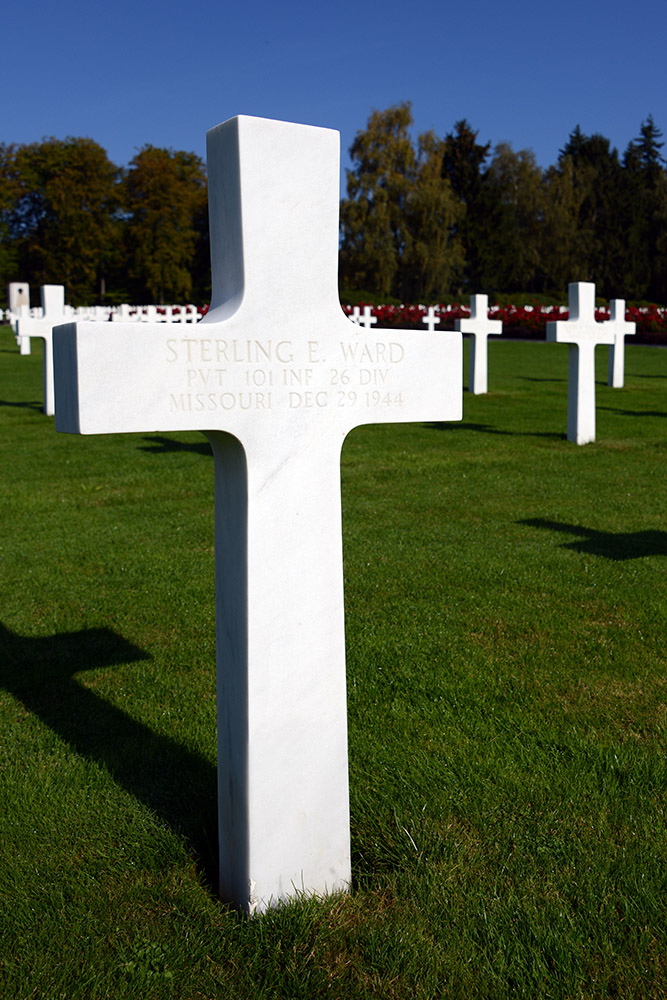
Missouri
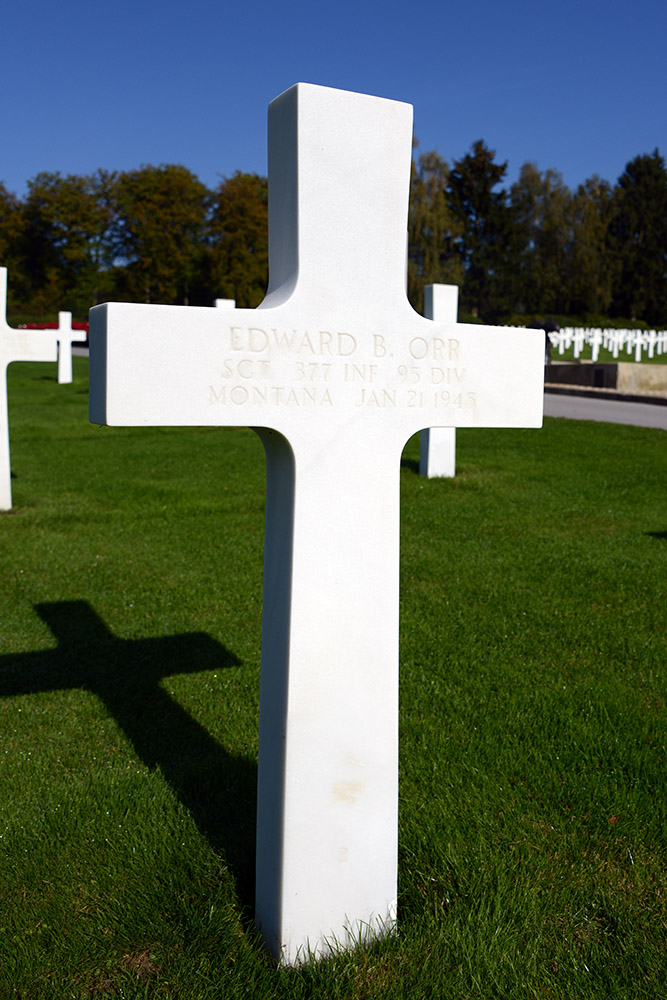
Montana
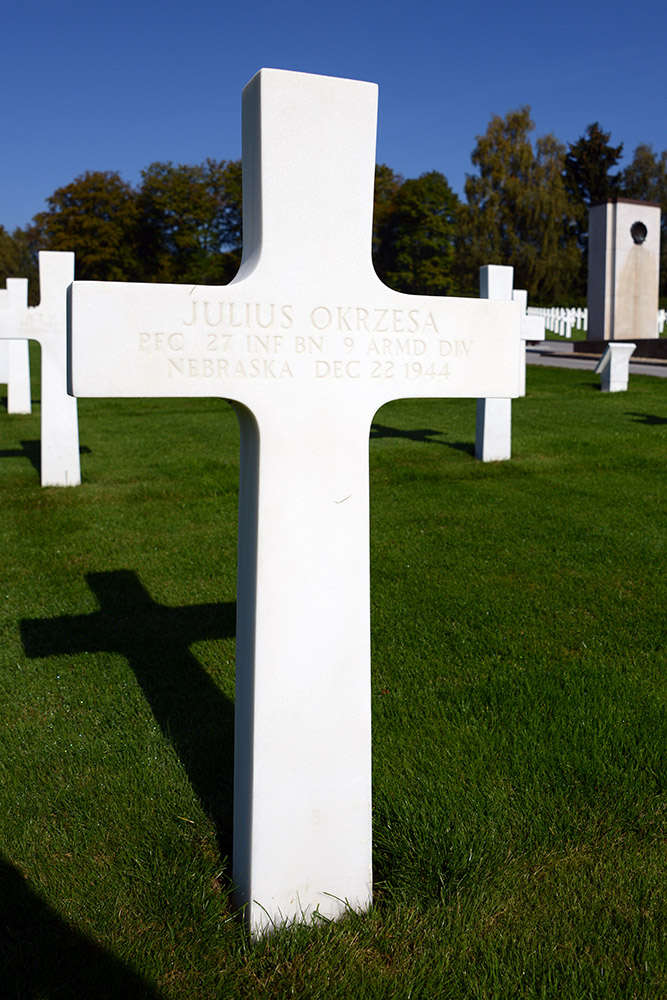
Nebraska
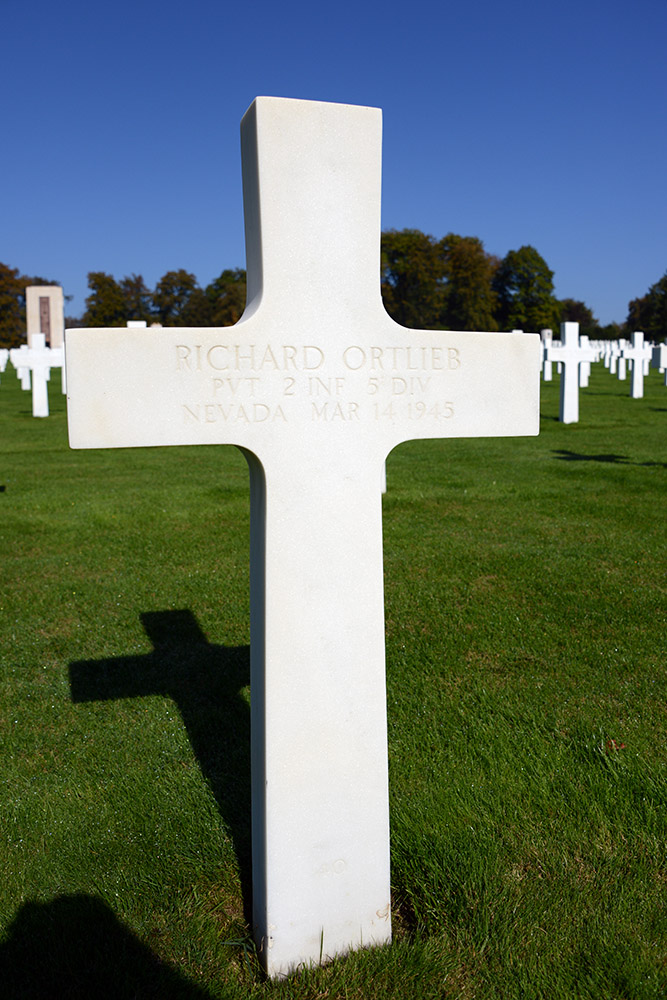
Nevada
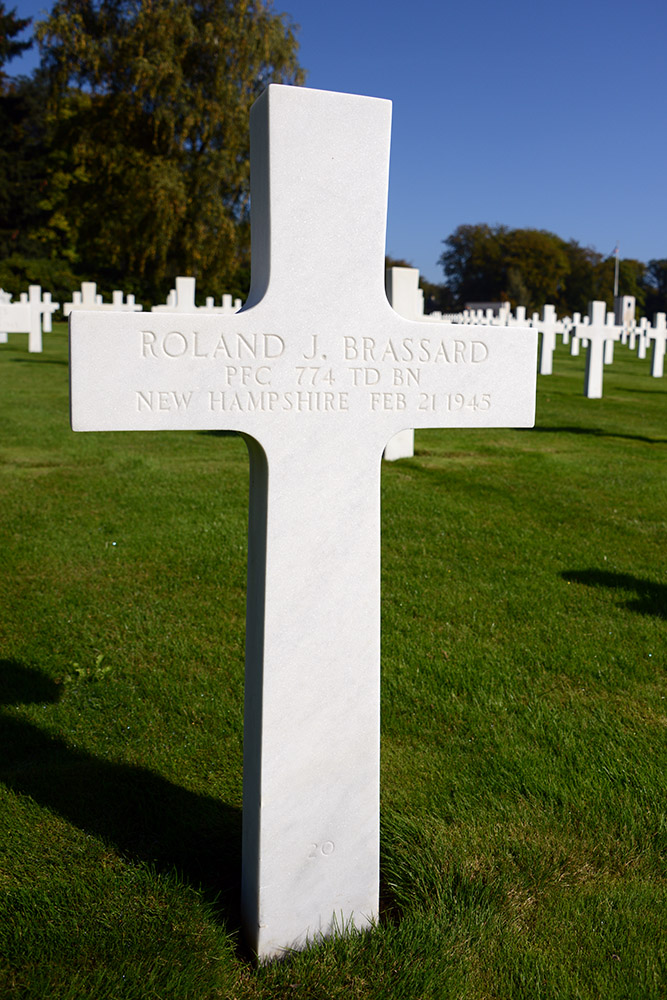
New Hampshire
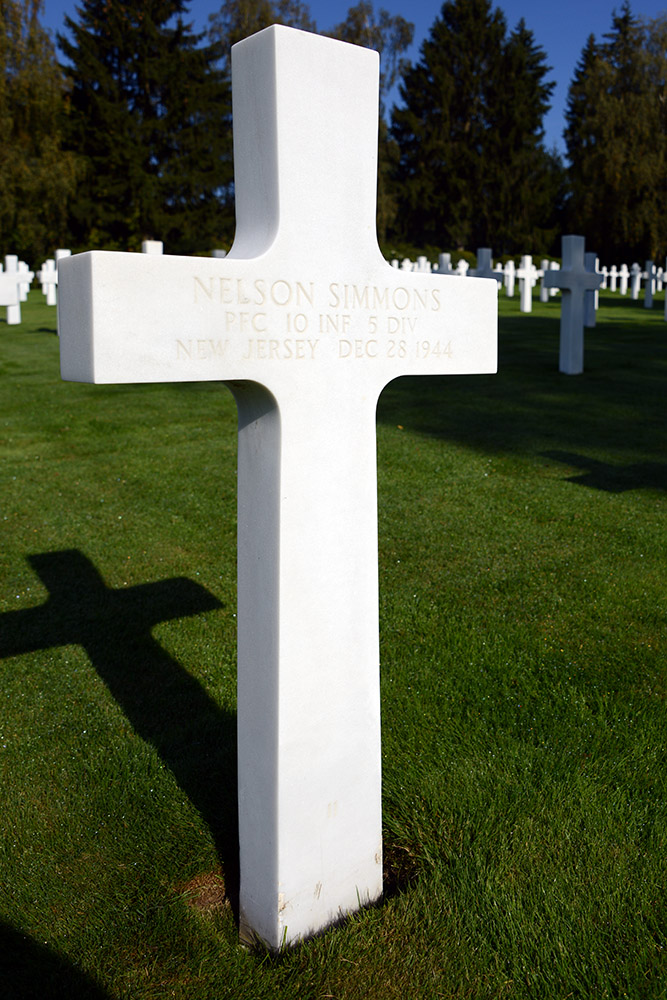
New Jersey
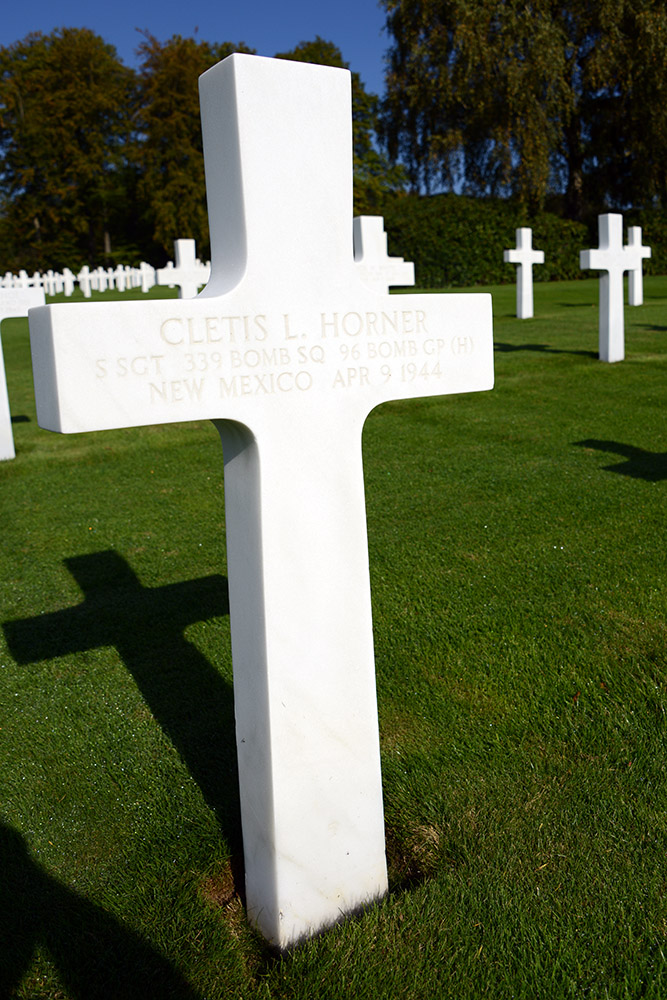
New Mexico
New York
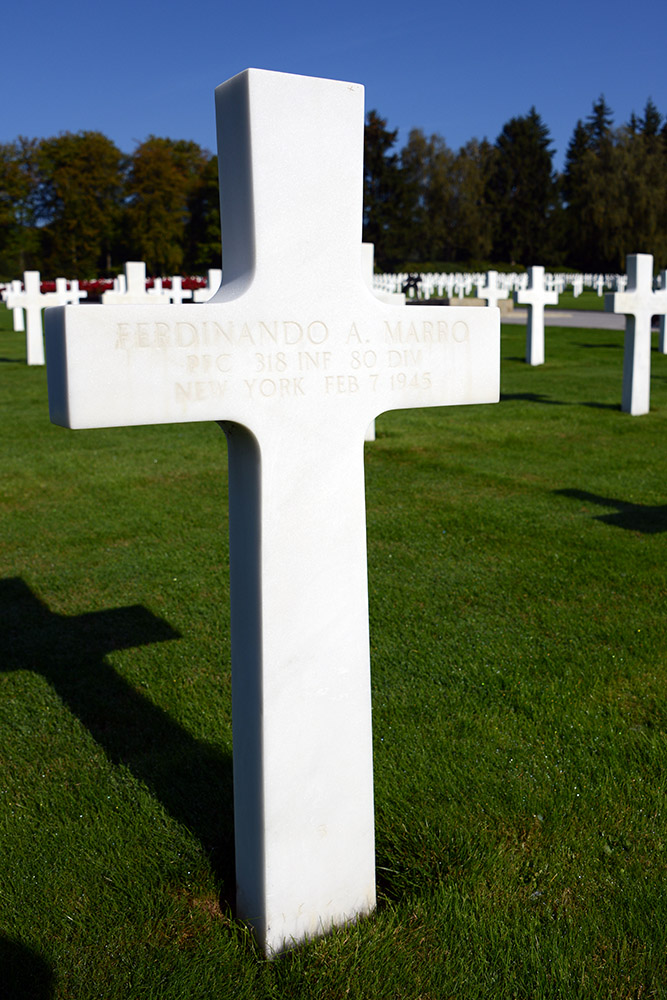
North Carolina
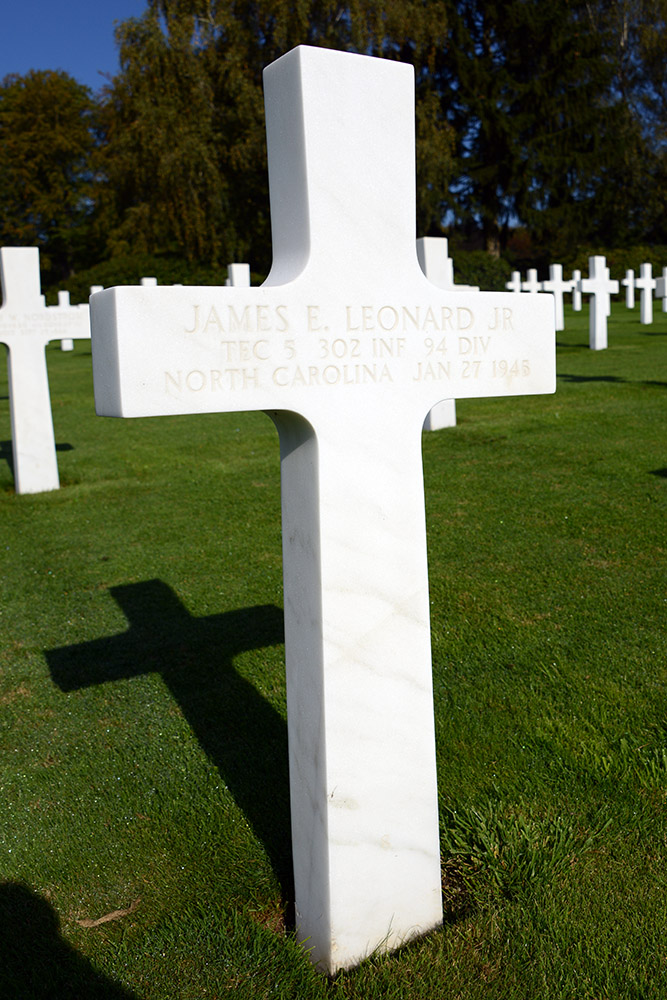
North Dakota
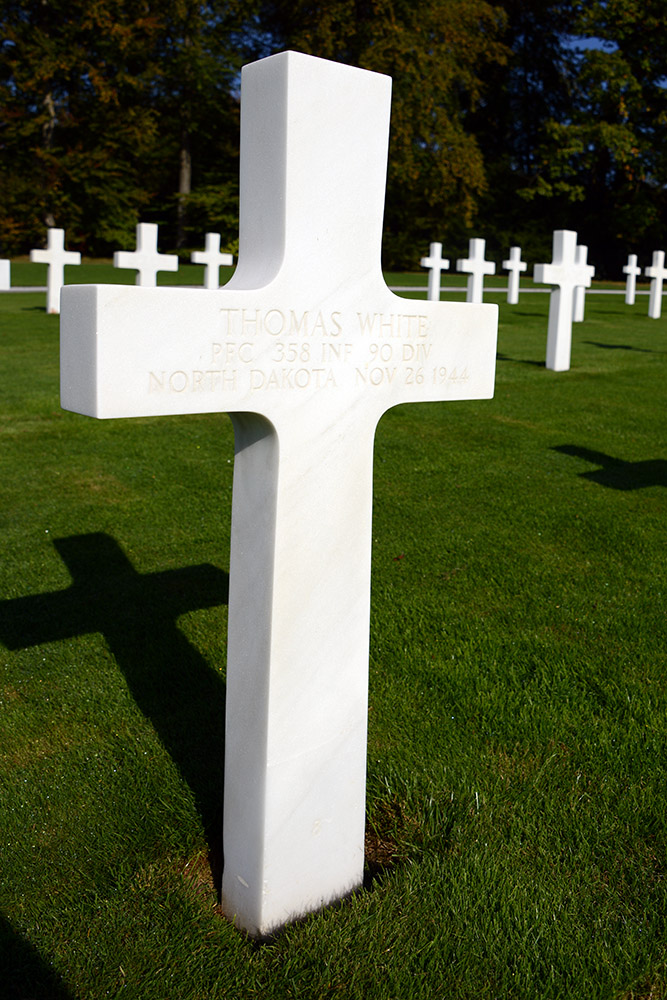
Ohio
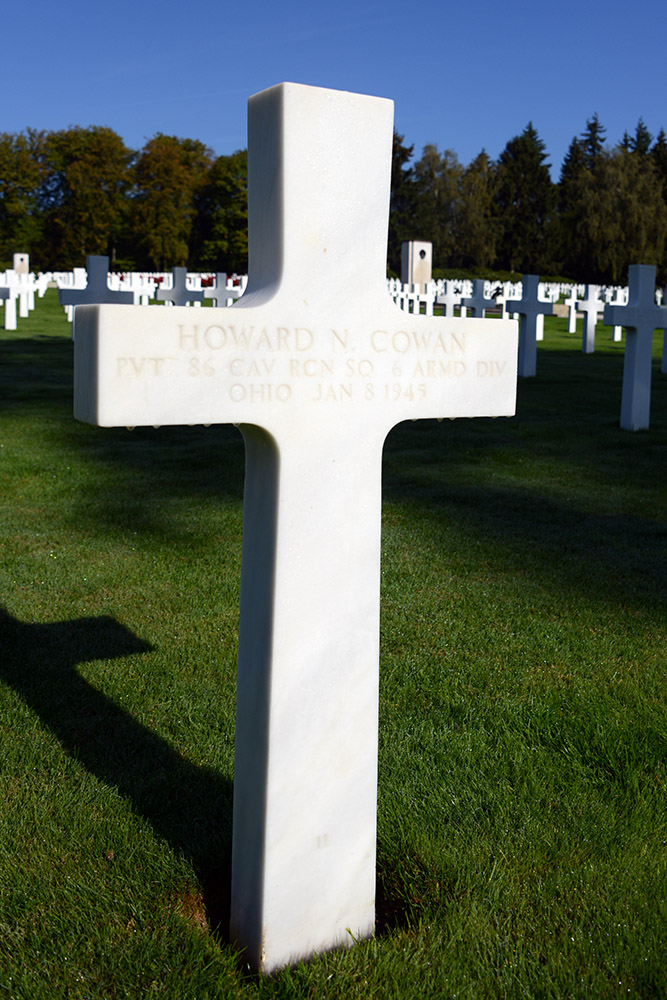
Oklahoma
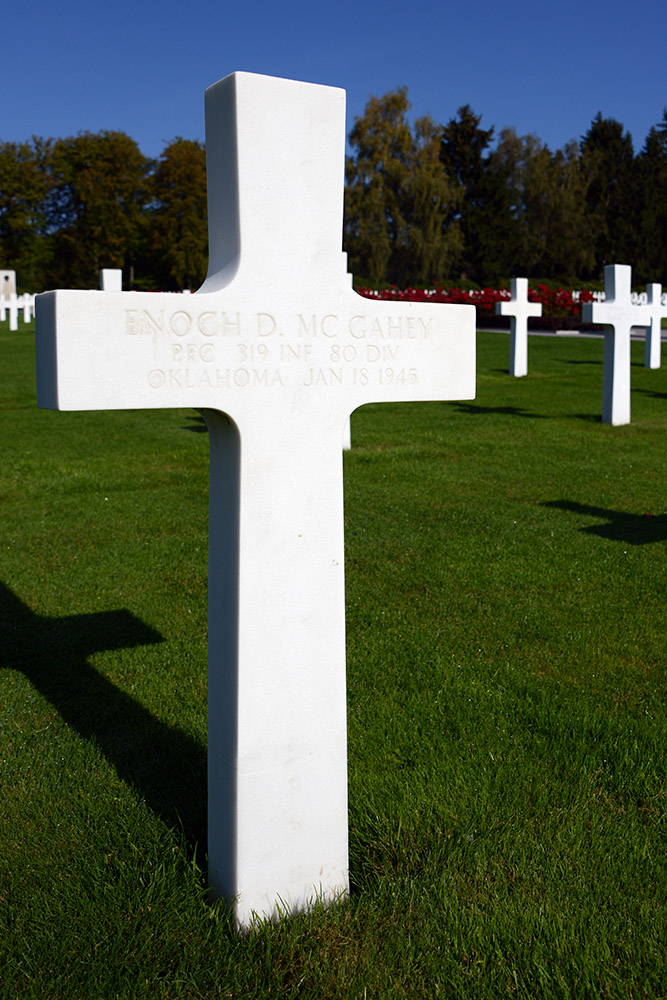
Oregon
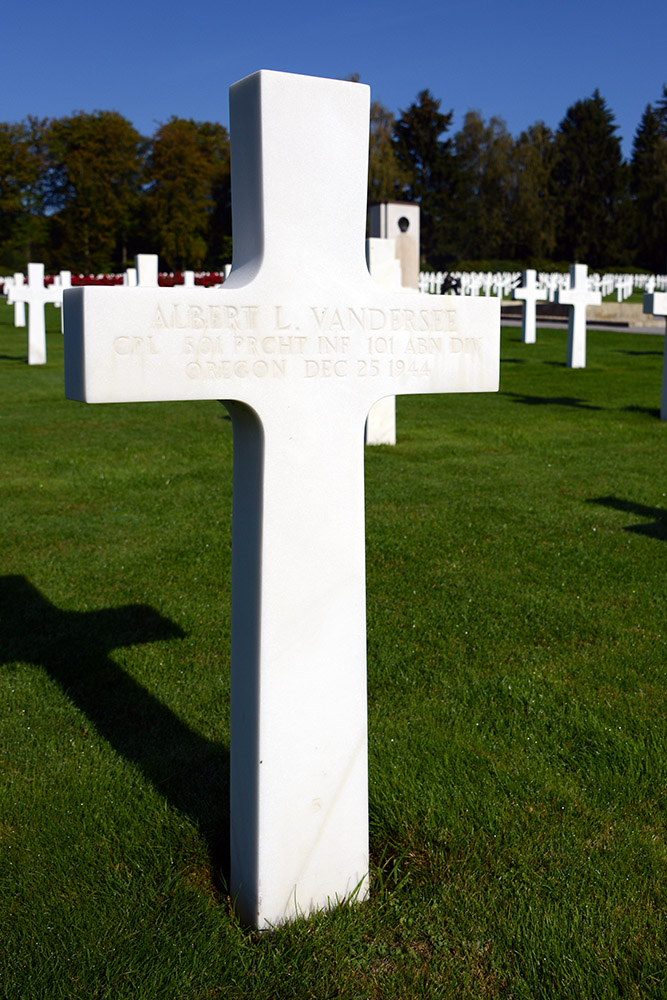
Pennsylvania
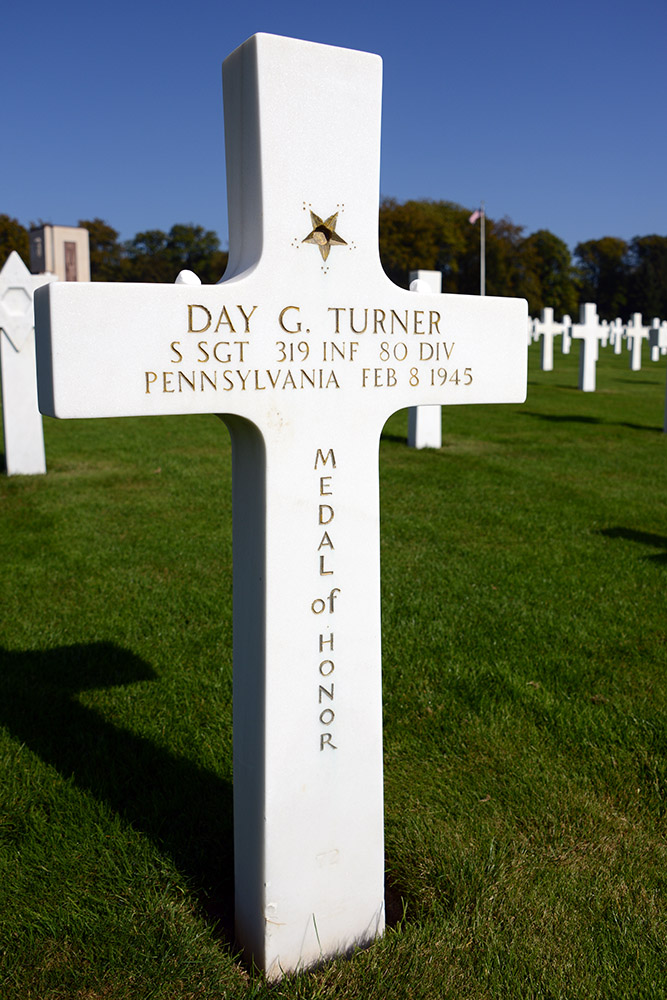
Sergeant Day Turner is another Medal of Honor recipient buried here. Turner commanded a nine-man squad defending an exposed position when a much larger German force attacked. His men withdrew into a building and continued fighting despite repeated attacks, artillery and tank fire. Turner fought from room to room even after much of his squad had been wounded and his ammunition was exhausted. After roughly four hours, the surviving Americans forced the attacking enemy soldiers to surrender. Turner was killed several weeks later in February 1945.
Rhode Island
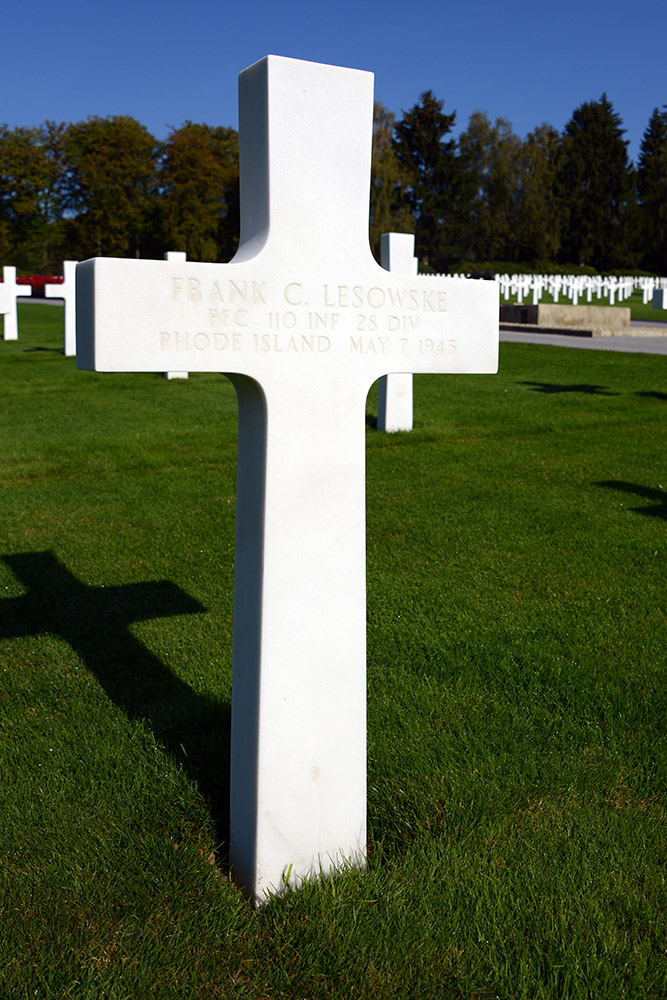
South Carolina
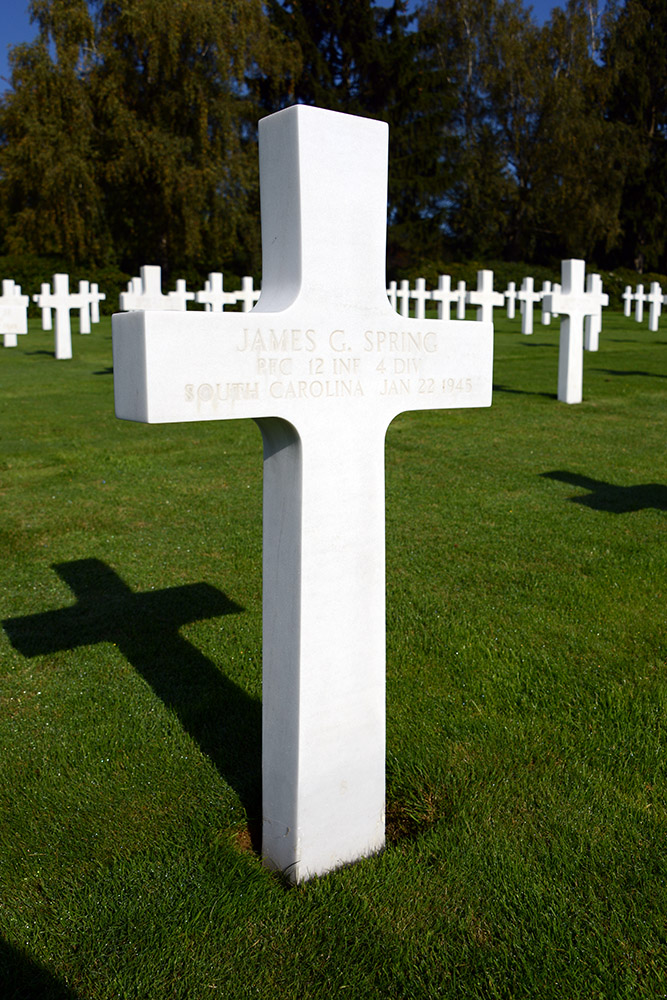
South Dakota
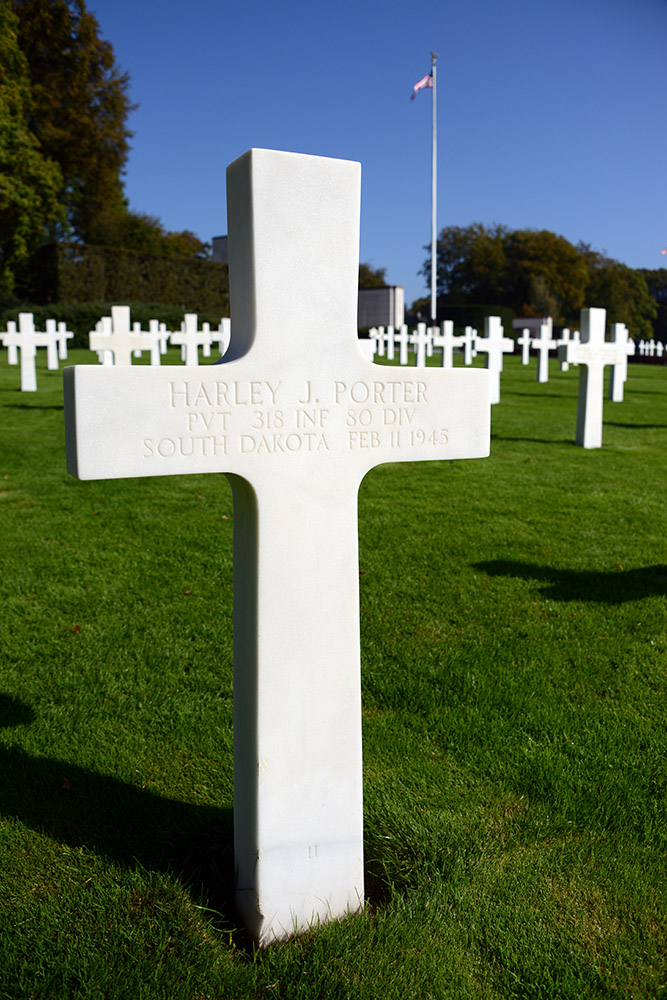
Tennessee
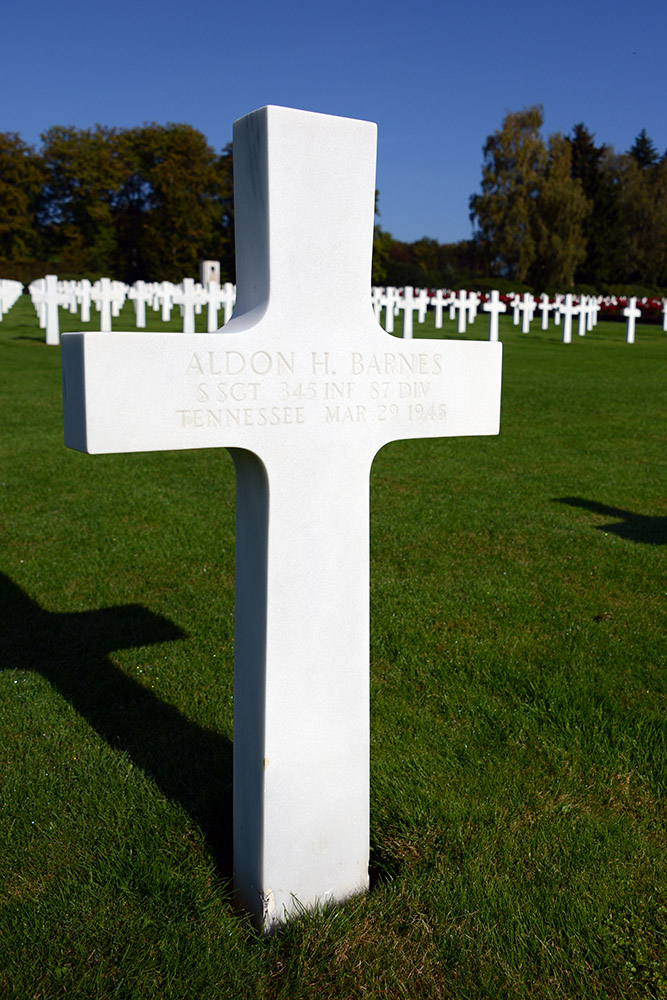
Texas
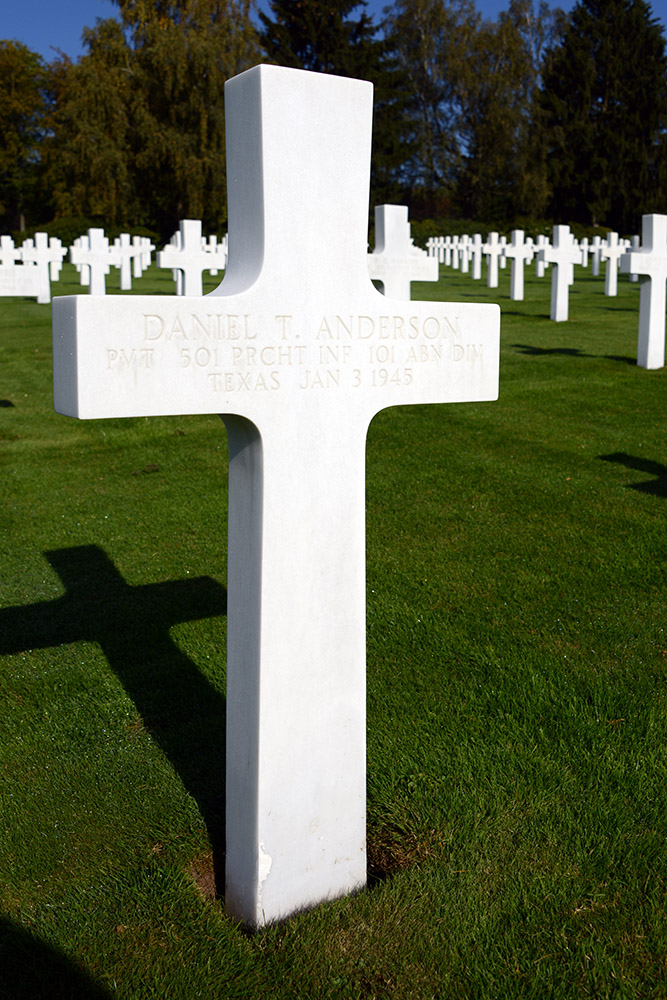
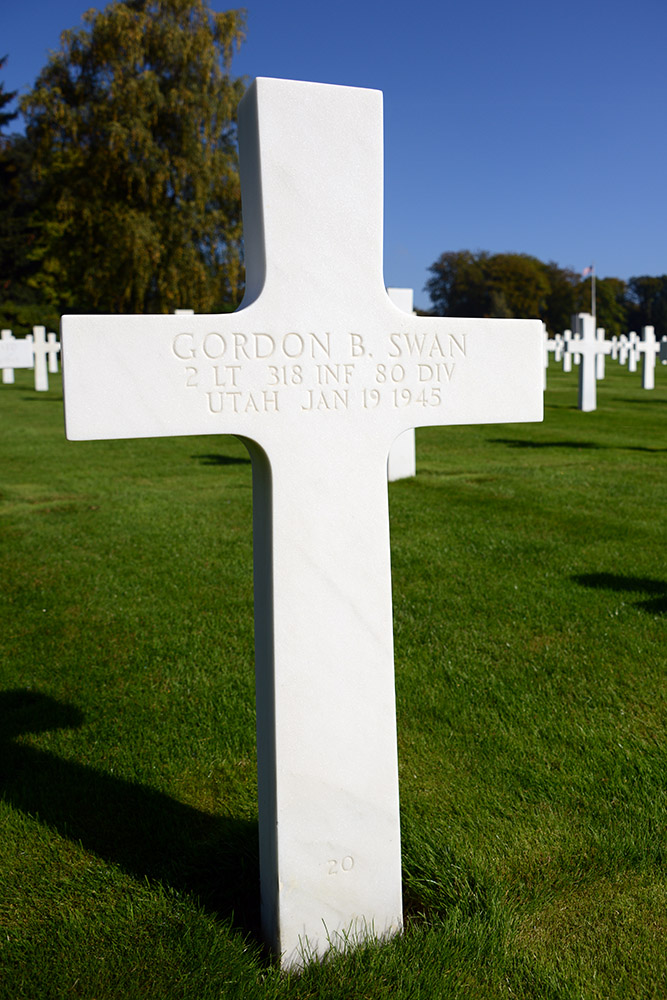
Utah
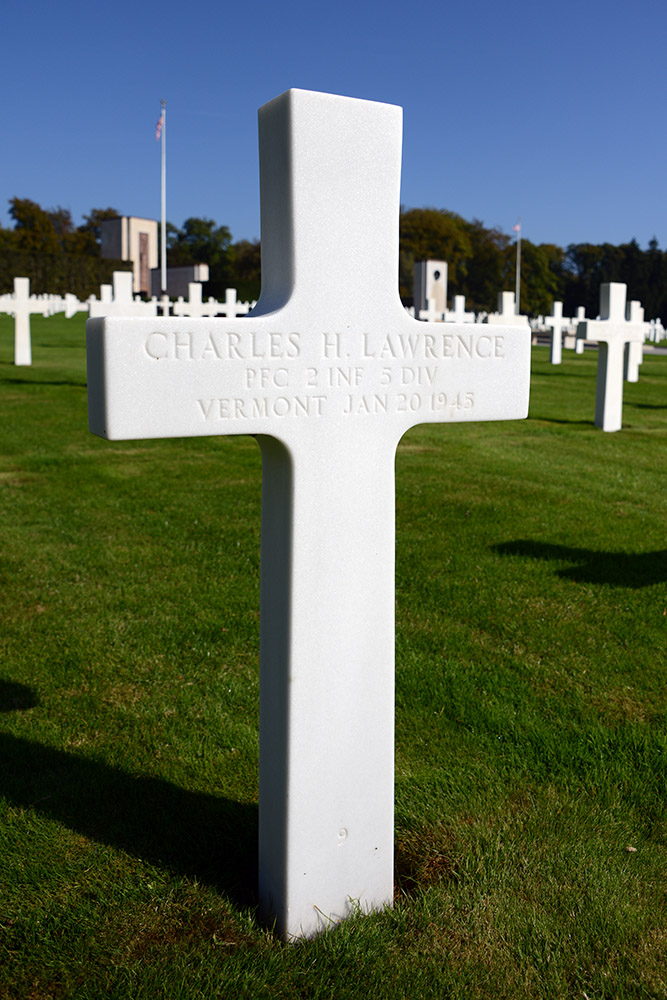
Vermont
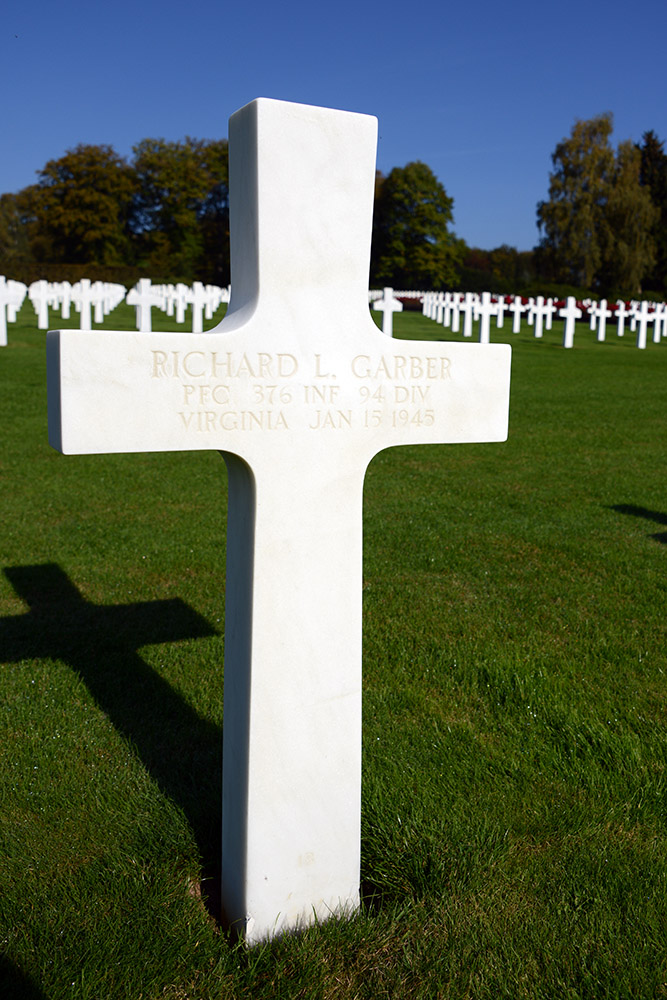
Virginia
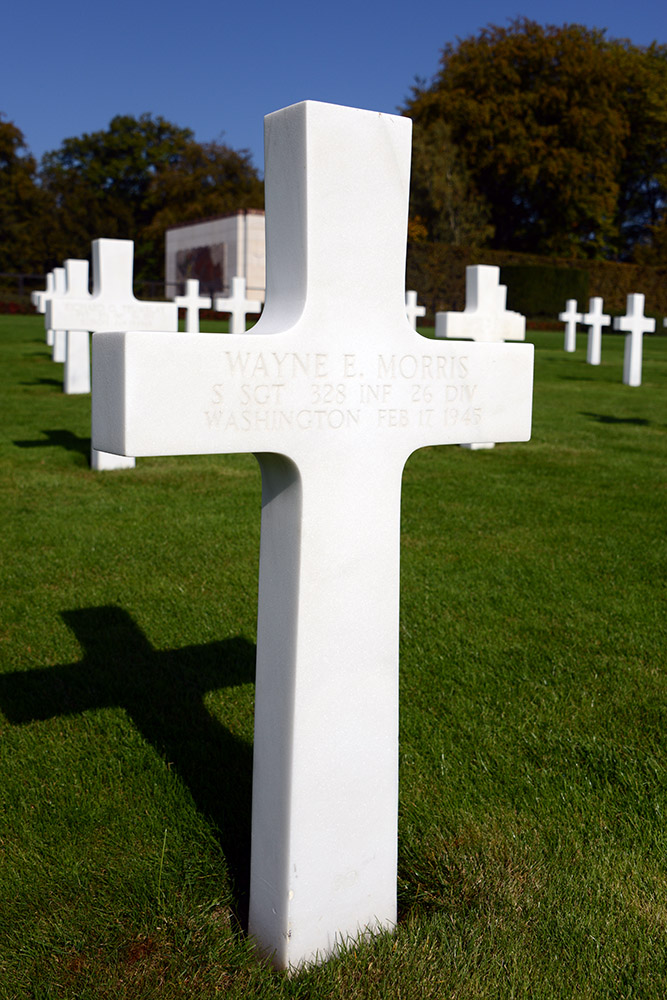
Washington
West Virginia
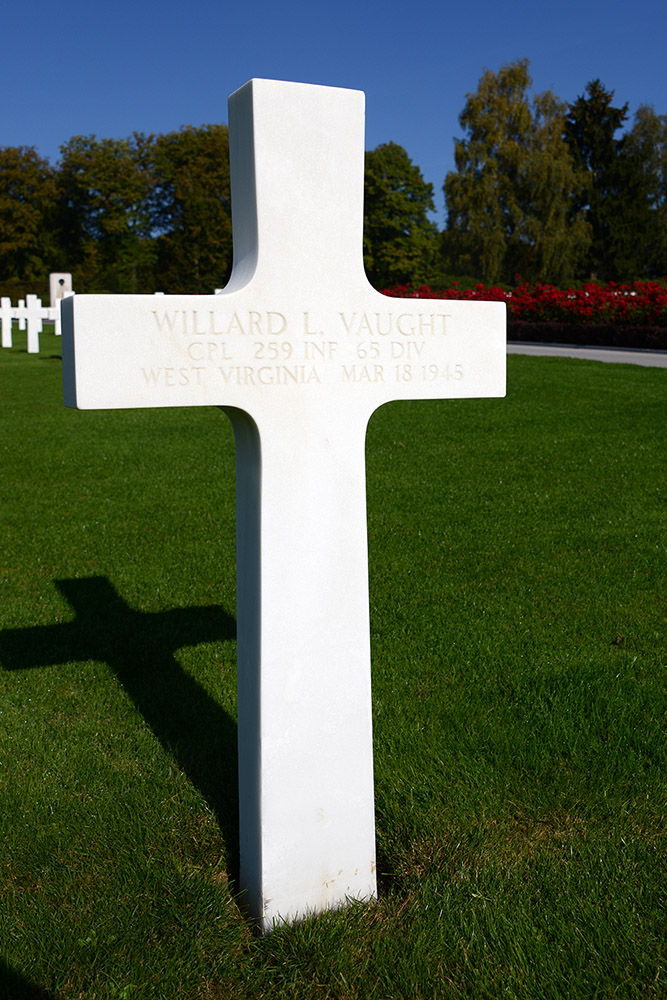
Wisconsin
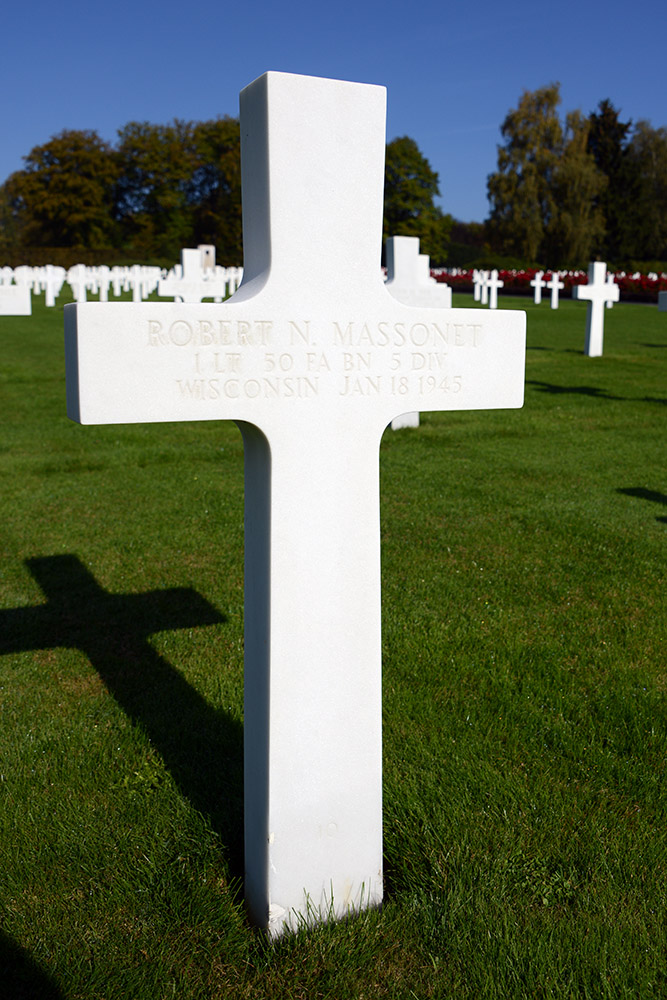
Wyoming
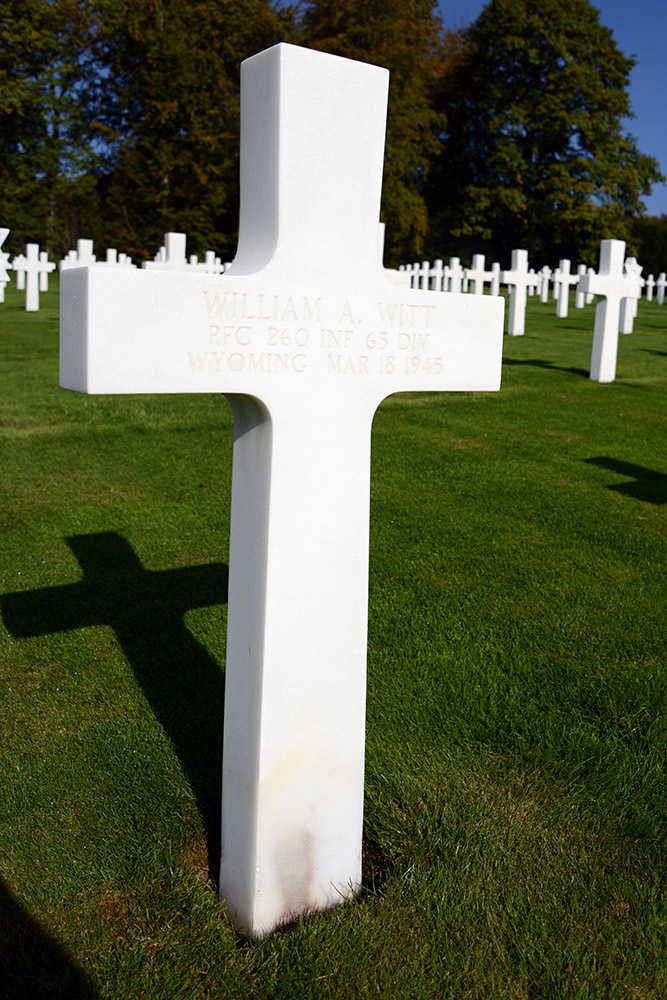
More Than a List of States
By the time I finished walking through the cemetery, the state project had changed the way I looked at the rows of graves. At first I was searching for words engraved on the bottom of the crosses: Virginia, Texas, Oregon, Hawaii, Maine. Eventually those states became reminders of just how far these men had traveled and how many different communities across America were affected by the war.
The dates stood out to me as well. So many of these men died only days apart during the winter of 1944 and the first months of 1945. Others survived almost until the end of the war. Whatever their individual stories were, they now rest together here in Luxembourg.
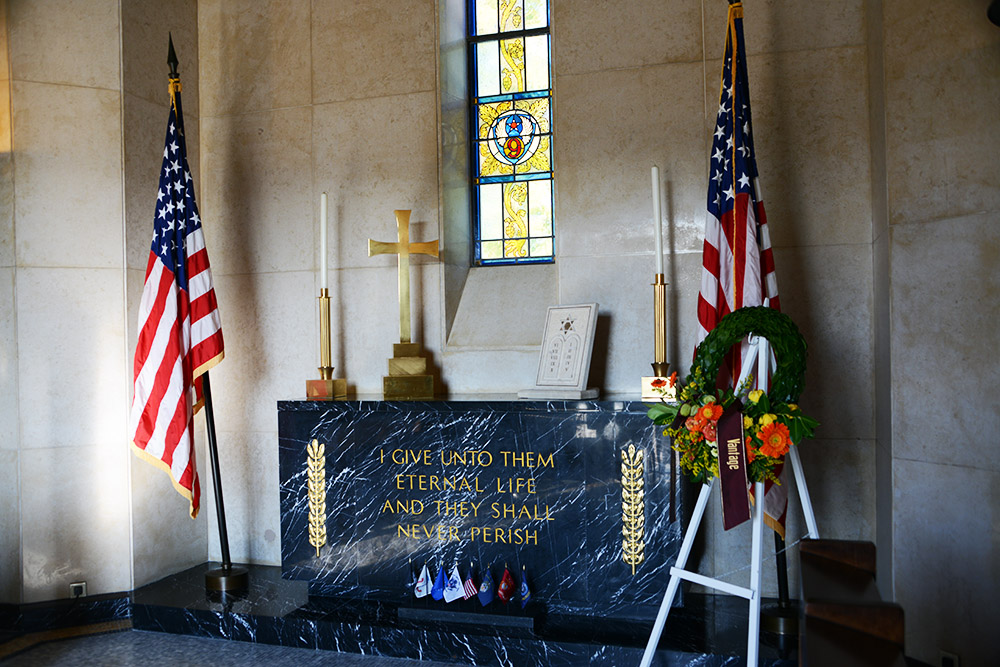
The memorial chapel overlooks the cemetery and the thousands of white crosses below. After spending so much time reading individual names, dates and home states, the inscription inside felt much more meaningful than it probably would have when I first arrived: these weren’t simply thousands of identical markers spread across a lawn. Every one represented a person who had once lived somewhere back home.
Explore More of Luxembourg
American Cemetery & Memorial • in Mullerthal • Luxembourg City • Vianden