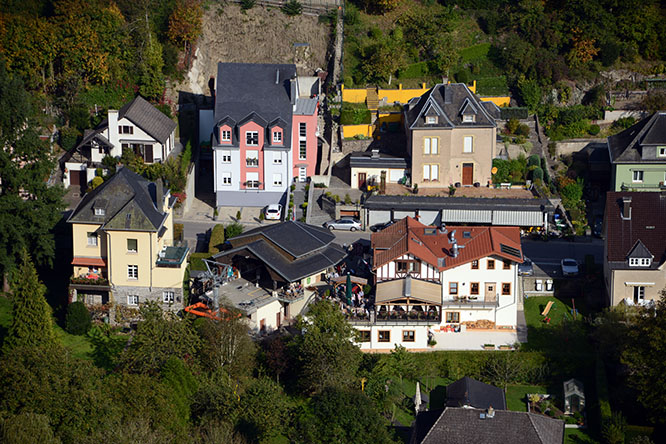
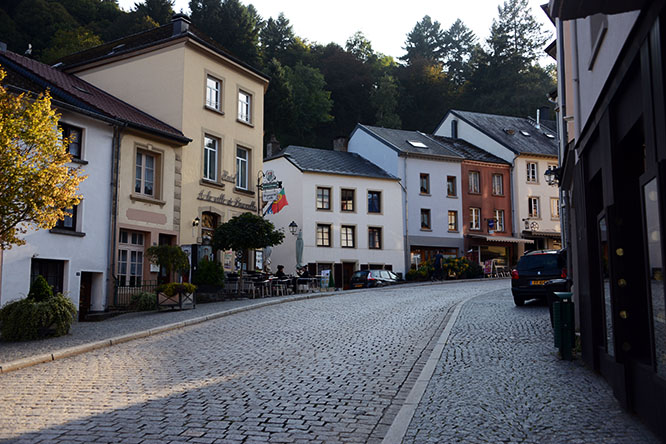
In northeastern Luxembourg you’ll find the small town of Vianden. Despite having a population of only around 2,000 people, Vianden is one of the country’s most popular destinations and makes an easy day trip from Luxembourg City. The town sits in a narrow valley surrounded by wooded hills, with its medieval streets and houses climbing the slopes beneath the massive Vianden Castle.
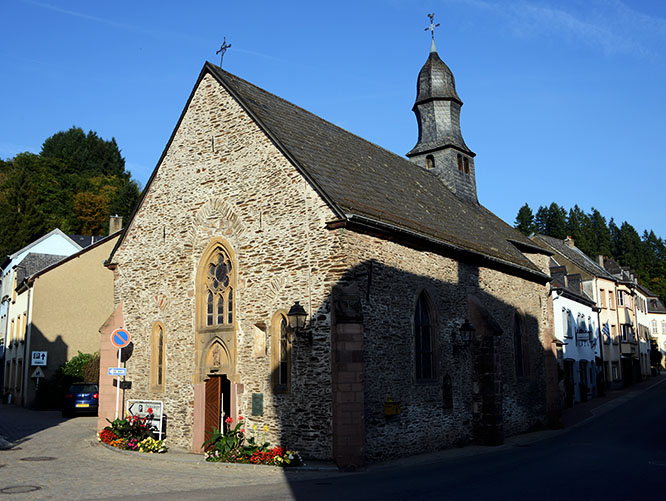
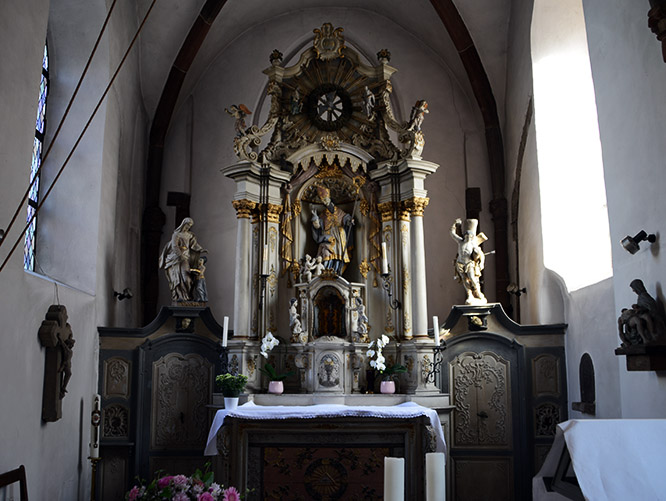
I came here primarily to visit the castle, but the town itself was worth exploring. Vianden is small enough to walk around without much of a plan, with old houses, churches, narrow streets, and views of the surrounding countryside almost everywhere you go.
Vianden Castle
Vianden is most famous for its enormous castle overlooking the town. The origins of Vianden Castle go back roughly 1,000 years, and the fortress was repeatedly expanded over the centuries as it became the home of the Counts of Vianden. Eventually the castle fell into decline, and by the 19th century parts of it were being dismantled and sold off.
Restoration efforts eventually saved the castle from disappearing completely. Today it has been extensively reconstructed and operates as a museum, making it one of the most impressive historic sites I visited in Luxembourg.
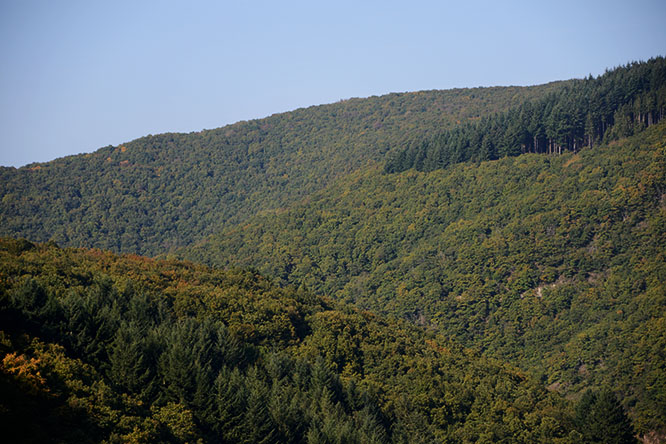
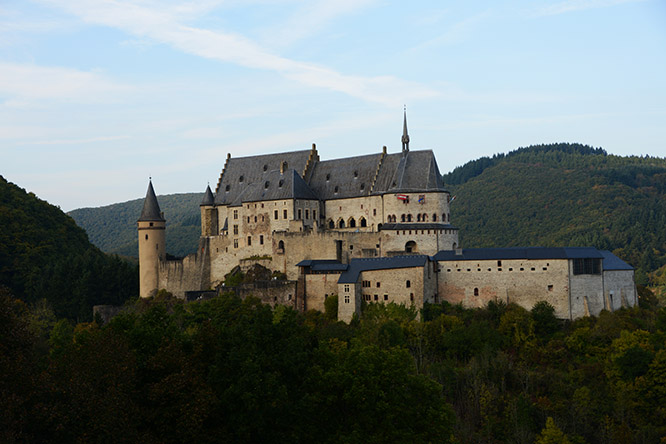
The location is almost as impressive as the castle itself. From the upper grounds you can look across the wooded hills surrounding Vianden and down toward the town in the valley. From below, the castle dominates the landscape and seems enormous compared with everything surrounding it.
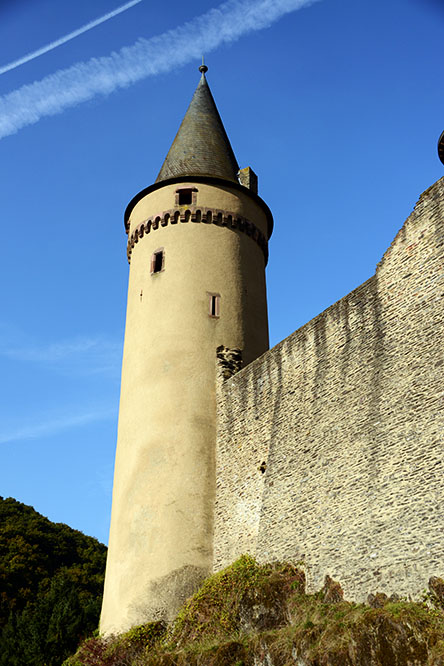
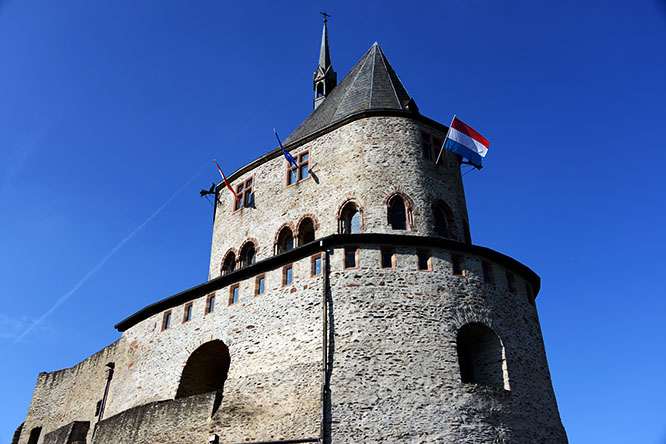
After walking up to the castle I took these closer shots showing some of its architecture. The large tower gives you a better idea of the scale of the fortress, while the upper sections seem to grow directly out of the rocky hillside. Vianden Castle is one of those places that’s difficult to properly show on a single webpage because there are so many different sections to explore.
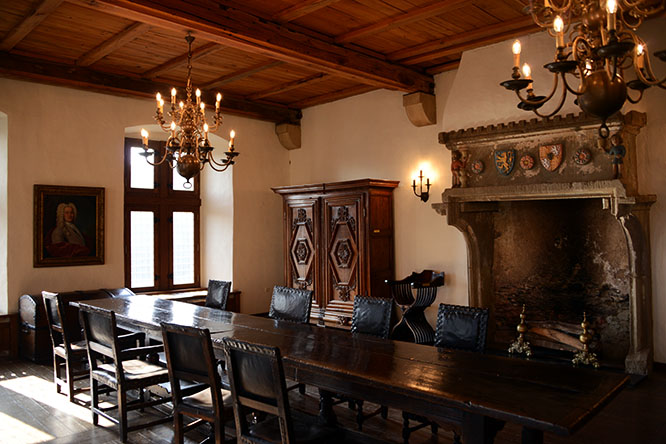
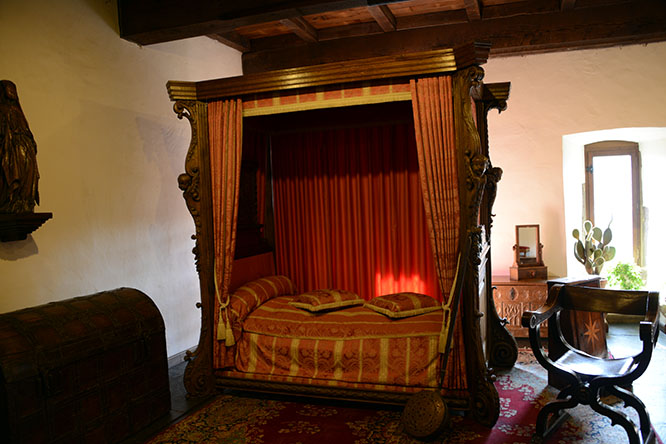
Inside, the castle feels even larger. These rooms include a reconstructed dining room and bedroom, but there was much more to see. I walked through kitchens, storage areas, a pantry and cellar, a jail, museum exhibits, and what seemed like another dozen rooms. Some sections have been heavily restored while others still feel much more like an old fortress.
National Museum of Military History
Just south of Vianden in the town of Diekirch is one of the best World War II museums I’ve ever visited. From the outside, the National Museum of Military History doesn’t prepare you for how much is actually inside. Once I entered, I found multiple floors packed with military vehicles, weapons, equipment, uniforms, photographs, documents, and recreated wartime scenes.
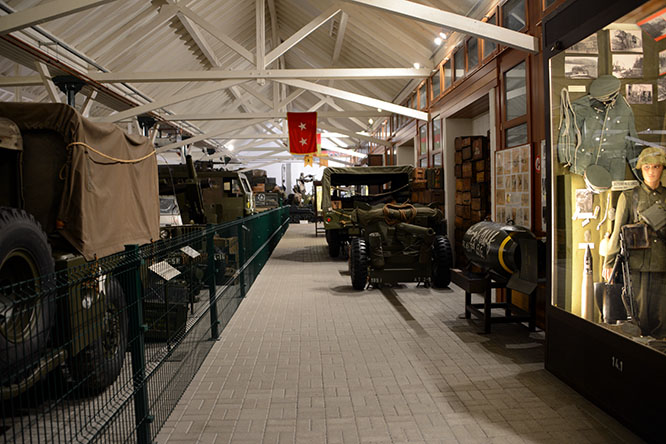
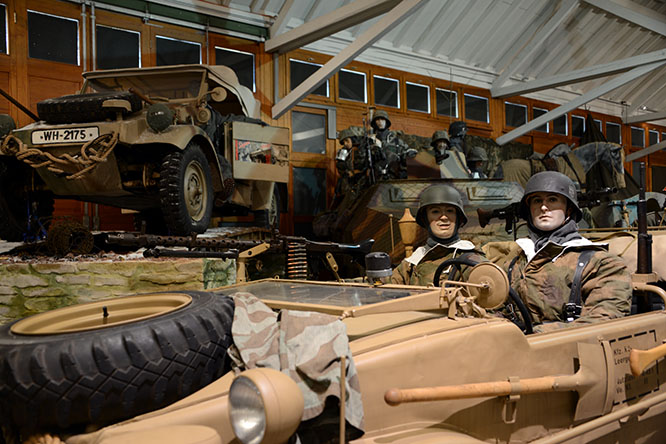
The largest room was filled with everything from military vehicles and artillery to smaller weapons and equipment. There was so much material packed into the building that it almost seemed like the museum had run out of places to put it.
One detail that immediately stood out to me was the smell. Despite the equipment being decades old, the room still had that familiar mixture of fuel, oil, and metal that I remembered from my own time in the Marines. Of all the things I expected to remind me of the military while traveling through Luxembourg, the smell of an old World War II museum wasn’t one of them.
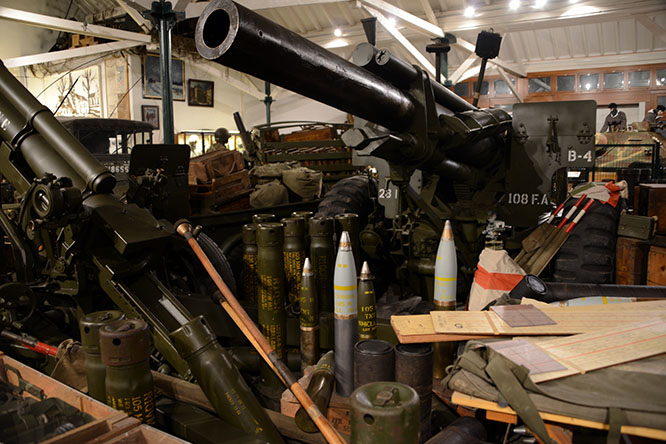
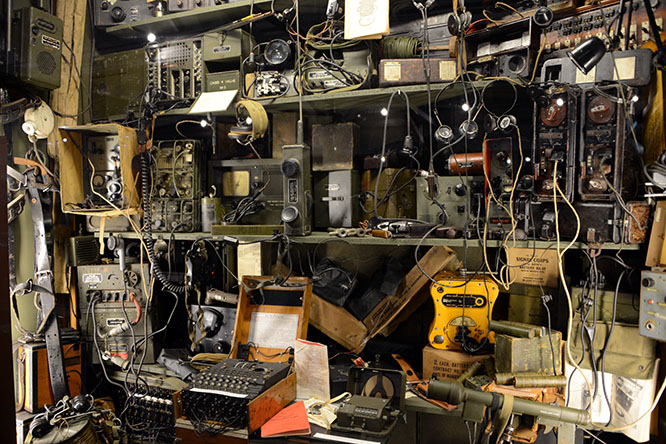
The collection isn’t limited to the large equipment. Some rooms concentrate on individual types of weapons and personal items, which made it possible to see equipment from opposing armies displayed together rather than simply looking at the war from one side.
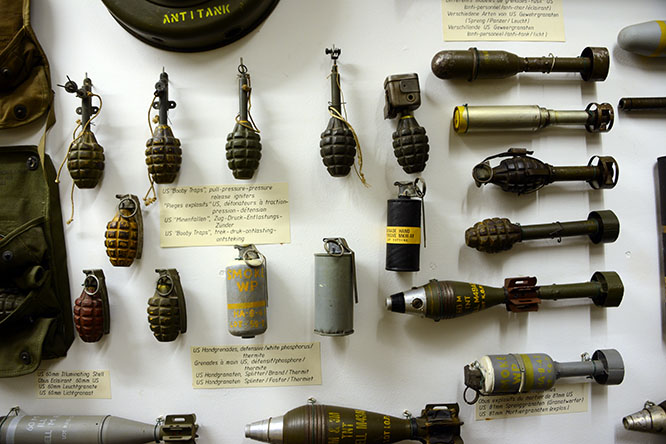
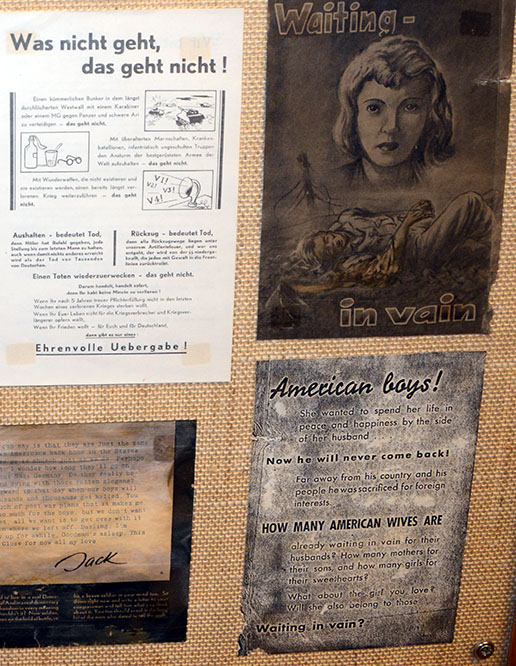
One room contained grenades and other weapons used during the war, including examples from both the Allied and Axis forces. I found the propaganda material even more interesting. Seeing surviving leaflets and messages from both sides gives a different perspective on the war than looking only at weapons and vehicles.
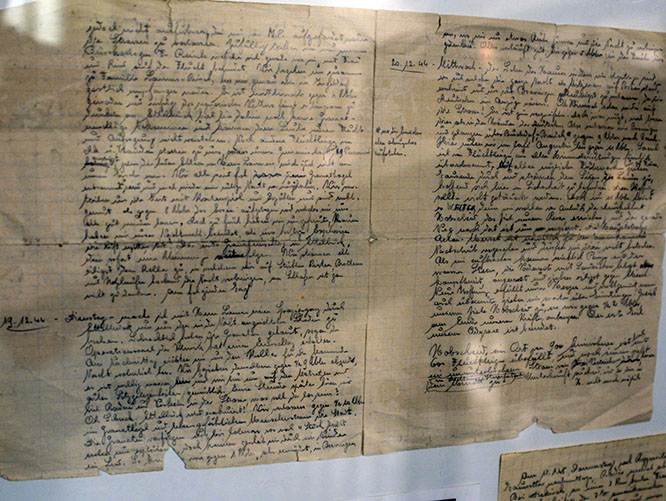
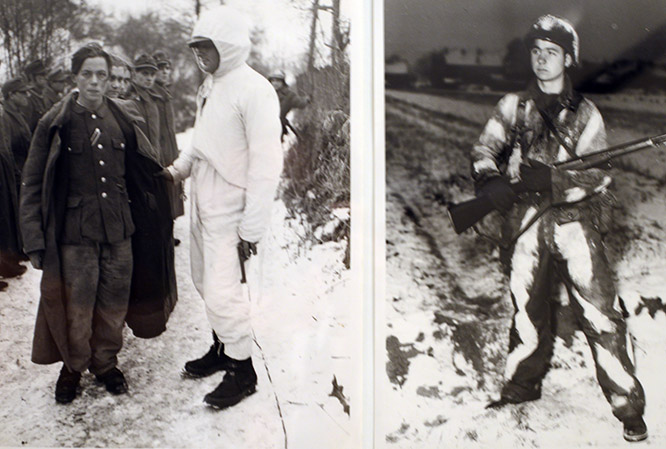
The museum also preserves much more personal pieces of the war, including handwritten letters and photographs of the soldiers themselves. Displays like these were some of the most interesting to me because they put individual people behind all the uniforms, weapons, and equipment filling the rest of the museum.
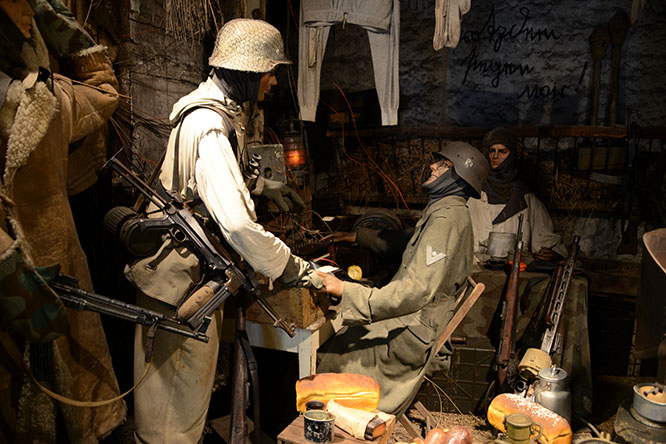
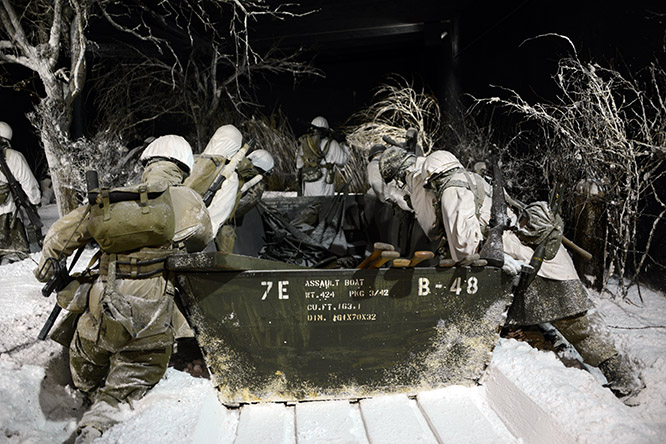
Some of the museum’s most impressive exhibits are full-size recreations showing soldiers living in shelters or preparing for combat during the winter. These displays are particularly appropriate here because Luxembourg became a major battlefield during the Battle of the Bulge, when American and German forces fought through the region during the winter of 1944–45.
I can’t emphasize enough how much is packed into this museum. Even after the extensive World War II collection, the upper floors continue into other periods of military history, including Korea and Vietnam as well as more modern European military equipment and uniforms. I originally came to this part of Luxembourg to see Vianden Castle, but the museum in Diekirch ended up being one of the biggest surprises of the trip.