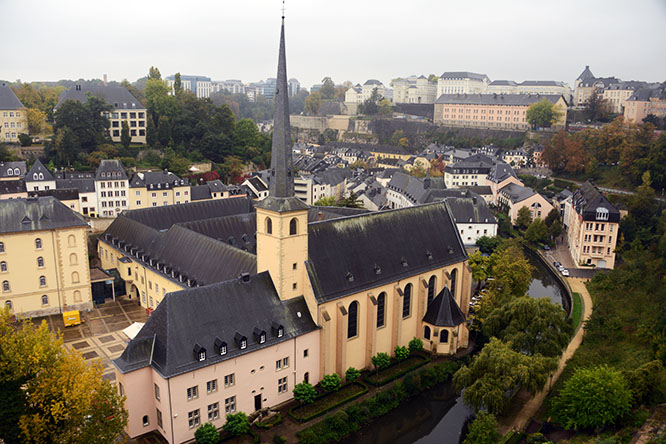
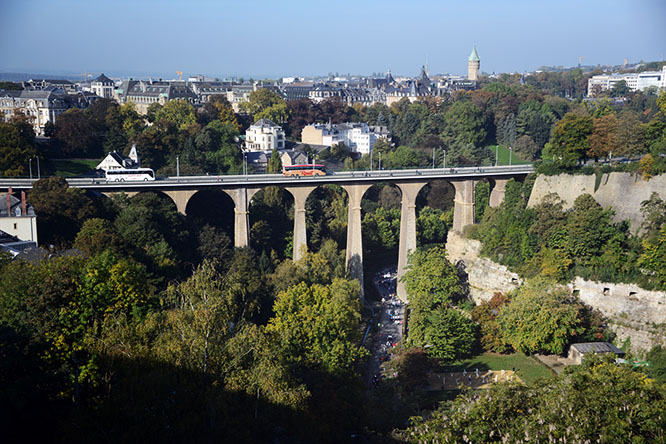
Luxembourg City is the capital and by far the largest city in the country, although that isn’t very difficult in a country as small as Luxembourg. When I first reached the center I assumed I had already seen most of the city, but as I drove around I continued to find other dense neighborhoods and districts. One of the things that makes Luxembourg City so interesting is its terrain. The city was built around steep valleys and rocky cliffs, with bridges connecting different sections high above the neighborhoods below. It feels much larger and more dramatic than I expected from the capital of such a tiny country.
Exploring the City Center
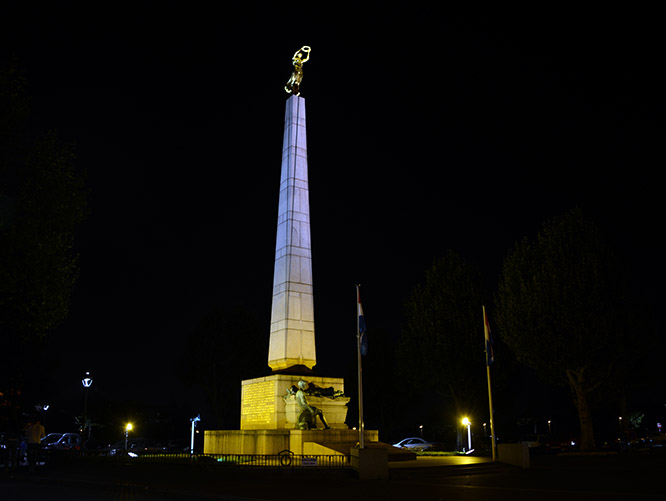
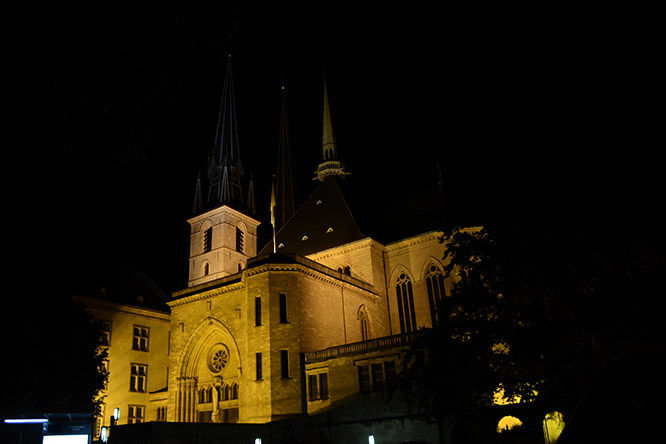
Two of the most famous landmarks in the center are the Gëlle Fra and Notre-Dame Cathedral. The Gëlle Fra, or Golden Lady, is Luxembourg’s Monument of Remembrance and was originally dedicated to Luxembourgers who volunteered to serve with the Allied forces during World War I. When Nazi Germany occupied Luxembourg during World War II, the monument was dismantled. Pieces were eventually recovered, and decades later the statue itself was found and the monument restored.
Nearby is Notre-Dame Cathedral, whose history dates back to the early 17th century. The cathedral is also home to a crypt containing members of Luxembourg’s grand ducal family as well as John the Blind, the medieval King of Bohemia and Count of Luxembourg.
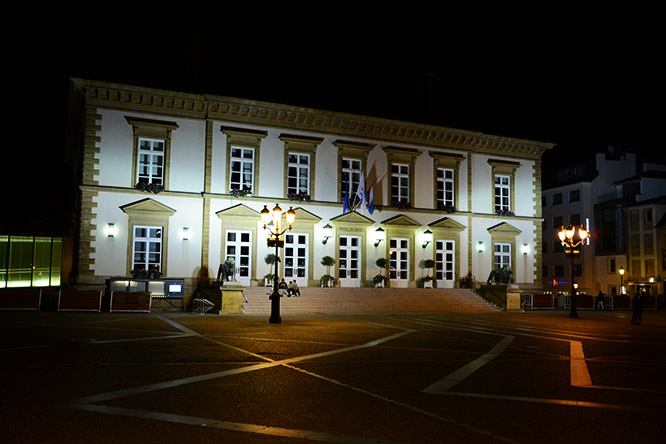
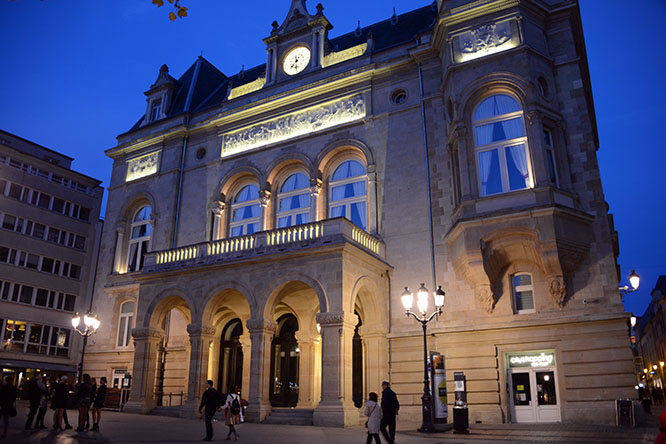
During one of my night walks I ended up at Place d’Armes, one of the main pedestrian plazas in the historic center. The square is surrounded by restaurants and cafes and is a popular gathering place for concerts, festivals, and other events. It’s also a great place to grab dinner or a drink and watch people walk by. One of the most noticeable buildings overlooking the square is the Cercle Cité, which today is used for exhibitions, conferences, and cultural events.
Food and Nightlife
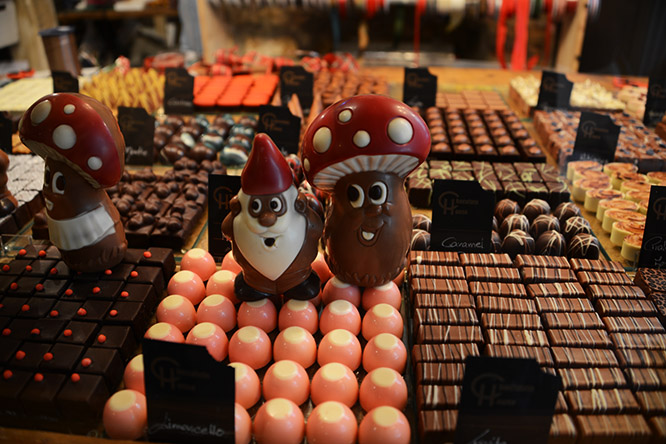
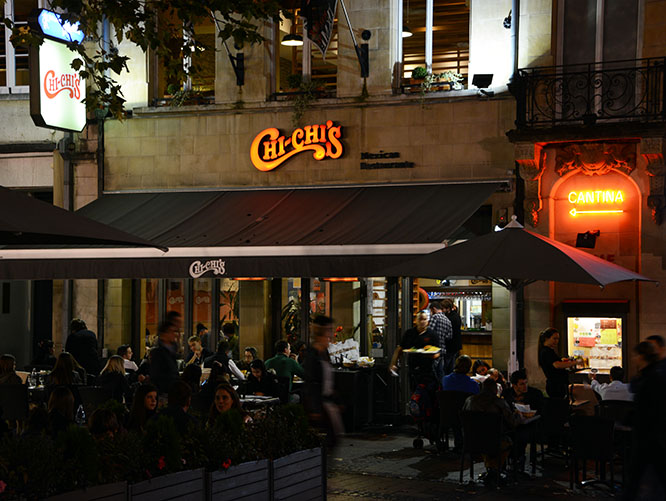
Luxembourg City has just about every type of restaurant you could want. A lot of them are on the expensive and elegant side, but there are enough casual places where you can save some money. When I came across this chocolate store I ended up spending a good amount to bring some back with me to the United States.
The real surprise for me was finding a Chi-Chi’s. These restaurants used to be everywhere in the United States, and when I was younger there was even one within walking distance of my house. The American chain disappeared years ago, so I hadn’t seen one in probably 15 years. Finding one halfway around the world in Luxembourg was the last thing I expected. There was no way I was going to walk past without eating there, and it was still as good as I remembered!
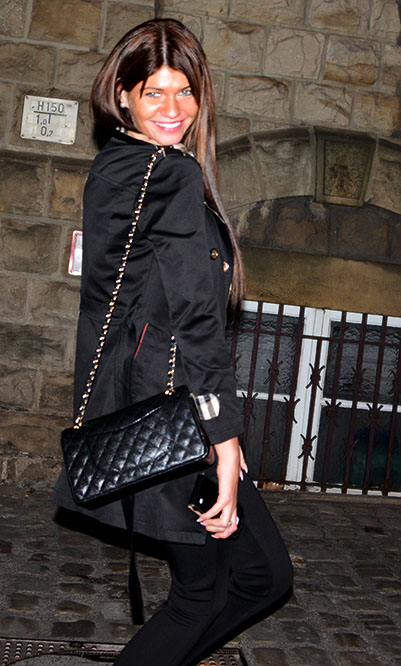
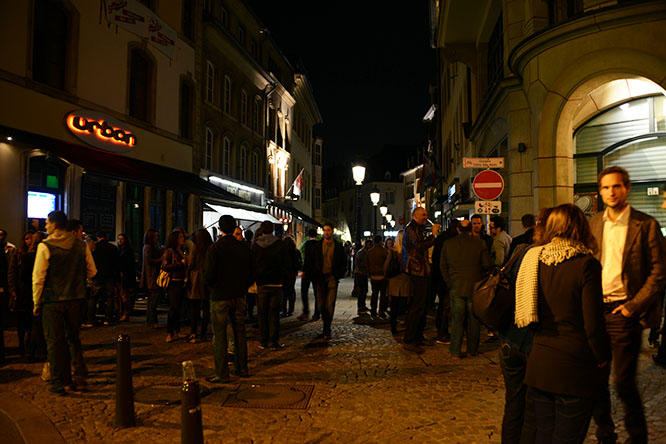
When I went out on Friday night I was surprised by how many people were packed into the city center. I was even more surprised by how young the crowd seemed to be, with a lot of people appearing to be in their early twenties. The girl above noticed me taking photos and asked me to take hers. I hadn’t been using my flash, so when I turned it on I accidentally took the picture with the wrong settings. At least I still got the shot!
The second photo was taken near the Grand Ducal Palace. I actually found the crowd before I found the street, because I could hear hundreds of people talking from a few blocks away.
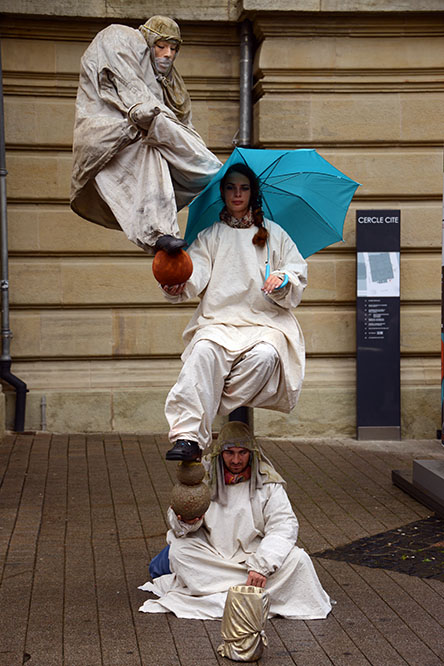
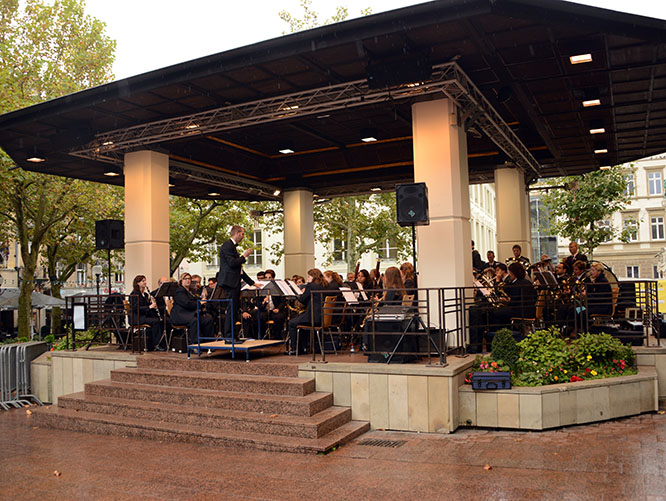
I returned to Place d’Armes during the daytime and found it just as lively as it had been the night before. This time there were street performers doing a balancing act and even an orchestra giving a free performance in the middle of the plaza. For such a small capital, there always seemed to be something going on.
Grand Ducal Palace
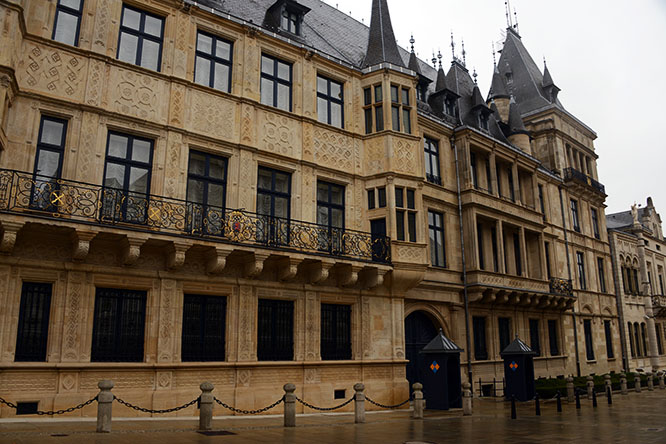
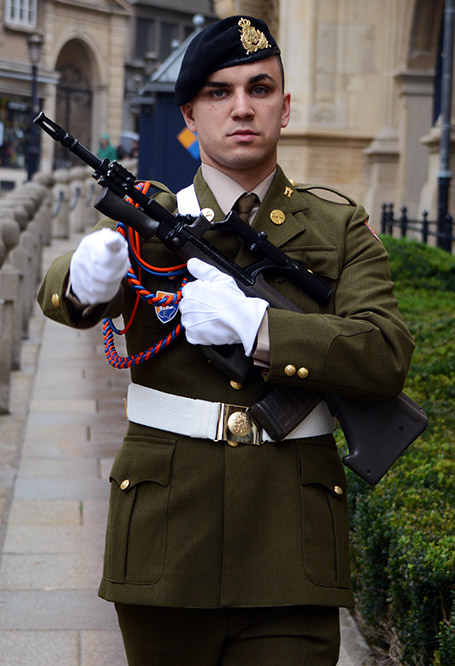
I had actually walked right past this building the night before without realizing what it was. This is the Grand Ducal Palace, the official residence of Luxembourg’s monarch. The building has been used for government functions for centuries and once served as Luxembourg City’s town hall before eventually becoming the residence of the Grand Duke.
Luxembourg is the world’s only remaining sovereign grand duchy, which makes the palace a little more interesting than it first appears. Unlike the enormous royal palaces found in some European capitals, this one sits directly along an ordinary street in the historic center. You can walk right past the front entrance, although the palace guards are there to remind you that this isn’t just another old building.
A Wealthy Little Country
Luxembourg is one of the wealthiest countries in the world, and you don’t have to spend much time walking around the capital before you begin to notice it. It was also one of the better dressed places I’ve visited. I felt a little out of place walking around in shorts, but the weather was still warm and I wasn’t going to dress up just to explore the city.
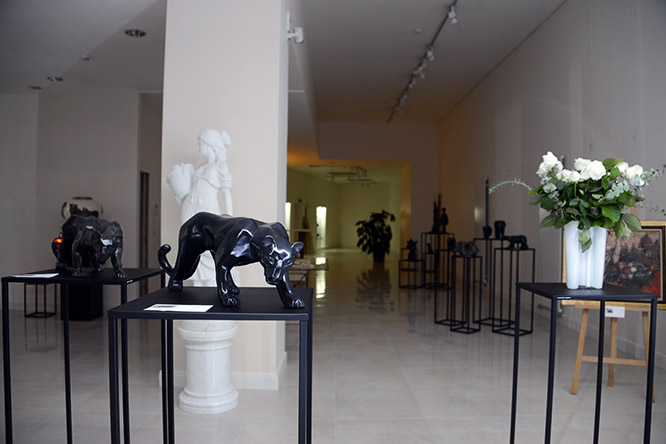
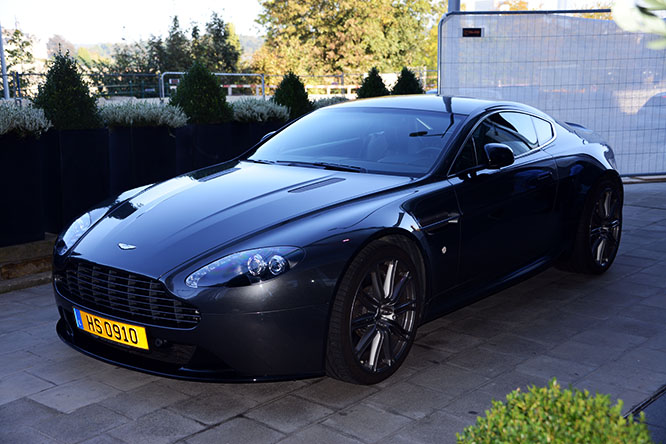
This art store looked more like a small museum until I realized everything inside was actually for sale. Even some of the smaller pieces cost thousands of euros. There were plenty of ordinary cars around the city, but expensive sports cars weren’t exactly difficult to find either. This Aston Martin was one of the nicer ones I came across.
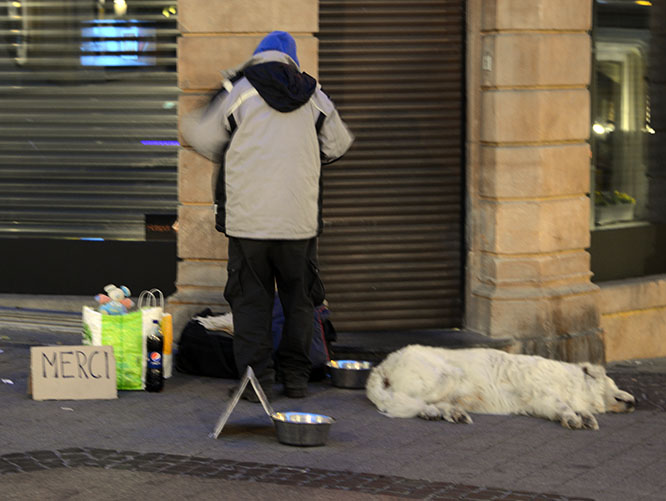
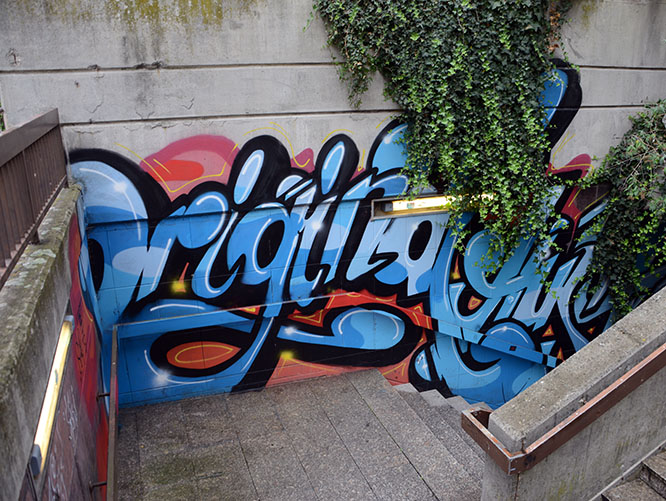
Of course, being one of the richest countries in the world doesn’t mean everyone living here is wealthy. I still came across homeless people and graffiti just as I have in almost every other major European city. It was an interesting contrast after walking past luxury stores and expensive cars only a few blocks away.
Old Luxembourg
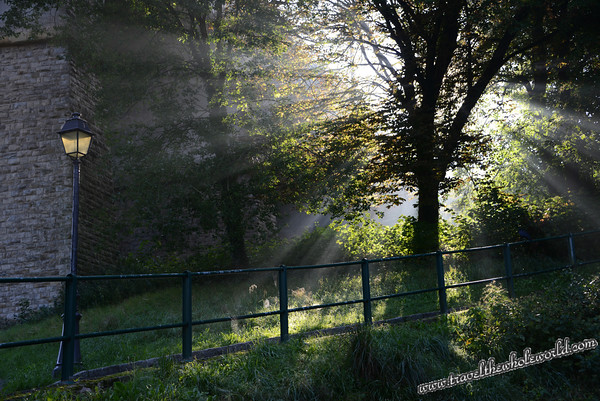
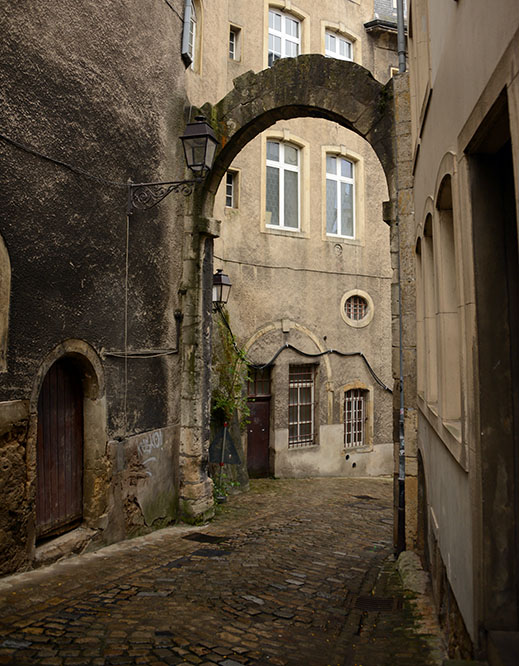
The old city was easily my favorite part of Luxembourg’s capital. Ancient fortifications, stone buildings, narrow streets, and dramatic cliffs are all packed together within a relatively small area. Even the streets themselves were worth photographing, especially when they disappeared beneath old stone arches or dropped down into the valleys below.
Bock Casemates
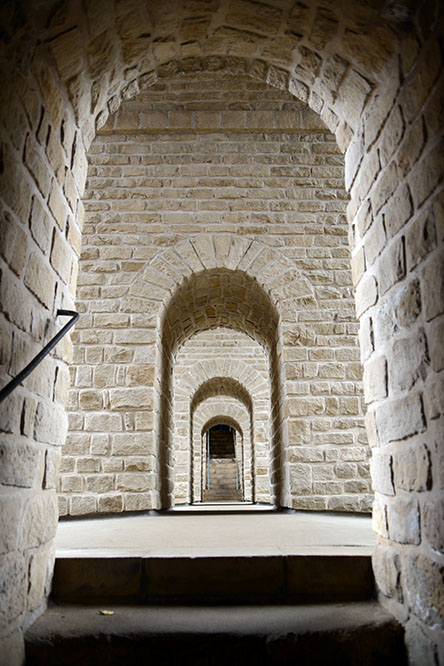
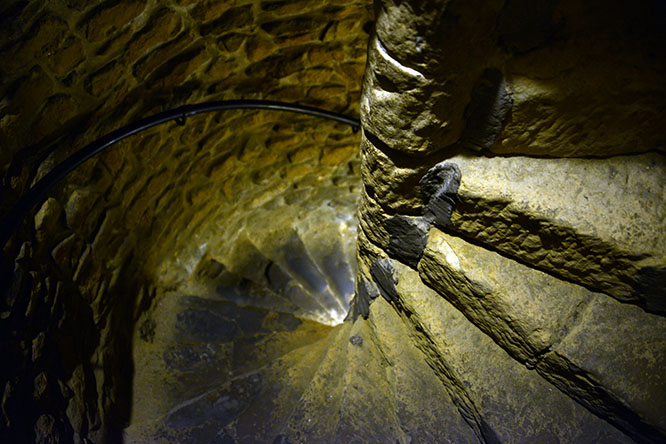
One of the most interesting places in the historic district is the Bock Casemates. Luxembourg’s strategic location led to the city being fortified for centuries, eventually creating an enormous defensive system surrounding the cliffs. The casemates themselves are a network of tunnels, chambers, stairs, and firing positions dug directly into the rock.
The fortress changed hands and was expanded by different European powers over the centuries. Much of Luxembourg’s fortifications were eventually dismantled during the 19th century, but destroying the underground casemates would have caused parts of the city above to collapse. Fortunately that meant many of the tunnels survived.
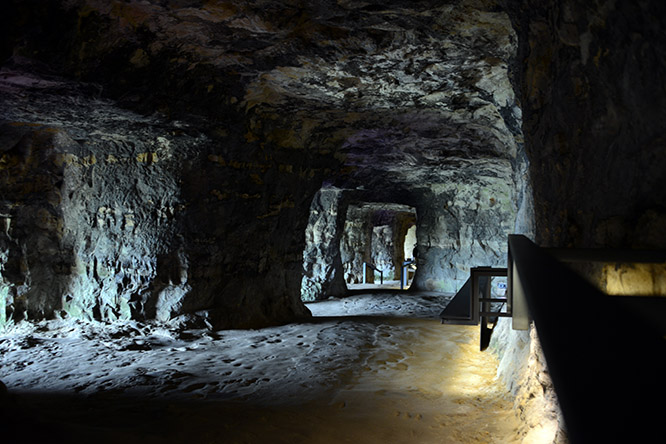
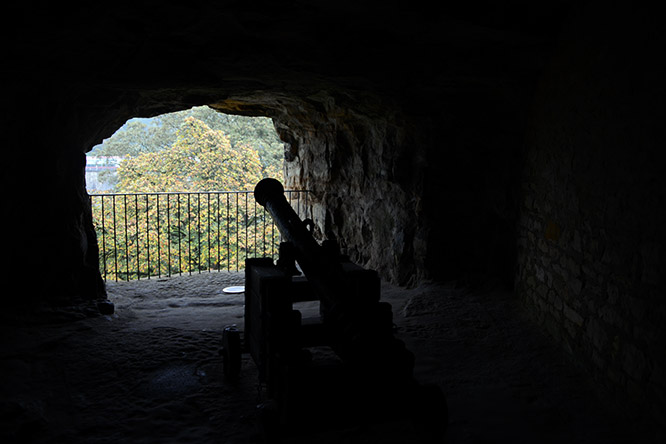
The deeper I went, the more impressive the place became. There are tunnels branching in different directions, narrow staircases, and openings in the cliffs that were once used as cannon positions. Natural light doesn’t make it very far into some sections, so I can only imagine what these tunnels were like when soldiers were actually stationed inside.
The Bock Casemates are much larger than they first appear, and getting turned around isn’t difficult. At one point another couple actually asked me how to get back outside. Unfortunately for them, I wasn’t completely sure myself.
Luxembourg American Cemetery
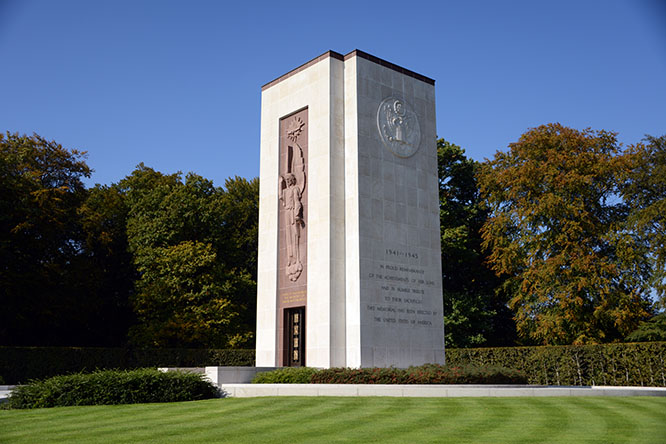
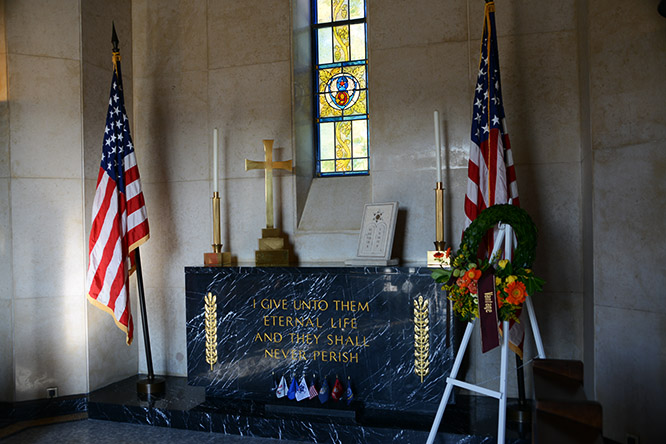
Another important place to visit, especially for Americans interested in World War II history, is the Luxembourg American Cemetery. More than 5,000 American service members are buried here, many of whom were killed during the fighting in and around Luxembourg during the final months of the war.
This was the first American military cemetery I had visited overseas. The entrance leads through large iron gates toward the memorial, with thousands of white crosses and Stars of David stretching across the grass beyond it. There was also a guest book inside the memorial. A lot of the visitors appeared to be Americans, although I saw people from several other countries as well.
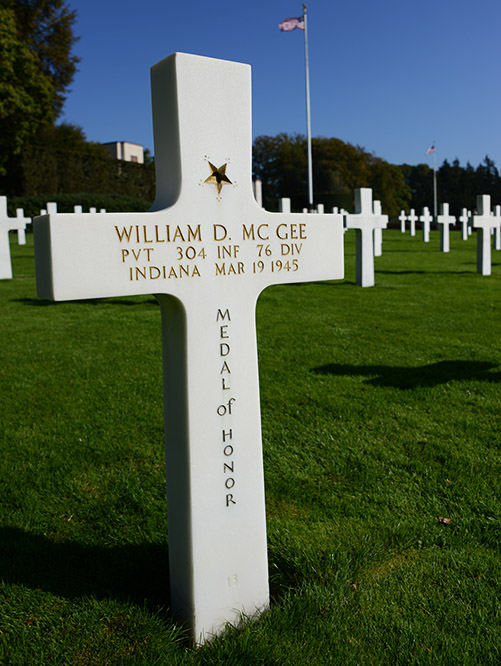
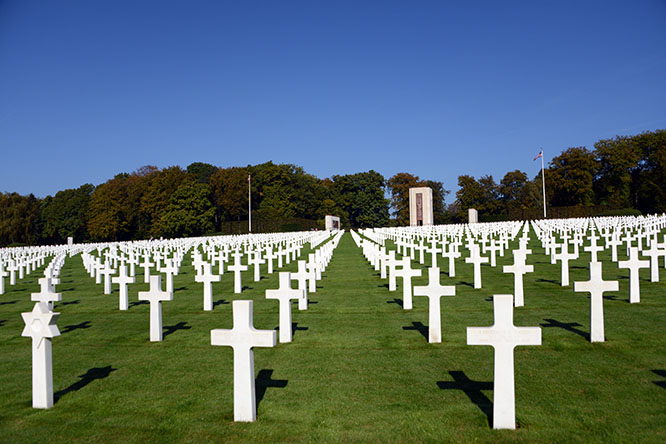
When I first saw more than 5,000 graves, I assumed this had to be one of the largest American military cemeteries outside the United States. I later learned there are several overseas cemeteries with even more American dead. Still, standing here and seeing thousands of markers spread across the grounds really puts the scale of the war into perspective.
Among those buried here are two Medal of Honor recipients as well as General George S. Patton. Patton survived the war but died in Europe in December 1945 following injuries from a car accident. He was buried here among soldiers of the Third Army he had commanded during the war.
Sandweiler German War Cemetery
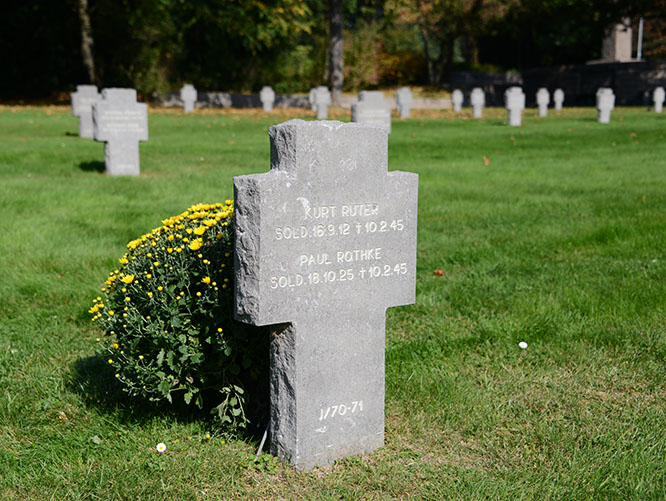
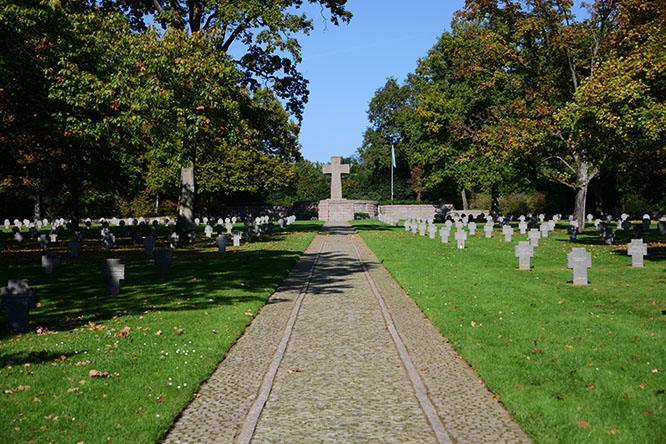
Less than a mile from the American cemetery is the Sandweiler German War Cemetery, where more than 10,000 German soldiers from World War II are buried. Visiting the two cemeteries so close together was one of the more interesting experiences I had in Luxembourg. The American cemetery is filled with individual white markers spread across open lawns, while Sandweiler has a much darker and more crowded appearance.
I also noticed that many of the German graves had fresh flowers and candles beside them. Germany is only a short distance away, so unlike many of the Americans buried across the road, relatives of some of these soldiers can still easily visit their graves. Whatever side they fought on, seeing more than 15,000 graves between two cemeteries less than a mile apart was a sobering way to end my visit to Luxembourg City.
Explore More of Luxembourg
American Cemetery & Memorial • in Mullerthal • Luxembourg City • Vianden