The Seven Summits is a mountaineering challenge to climb the highest peak on all seven continents.
These are not the seven most difficult mountains in the world, but each one offers a completely
different climbing experience. The challenge ranges from basic hiking to technical rock climbing,
extreme cold, long expeditions, and eventually the death zone above 8,000 meters, where the human
body can only survive for a limited amount of time.
I started this goal more than two decades ago without ever really believing I would come close to
finishing it. So far I have climbed six of the Seven Summits. Vinson Massif in Antarctica is the
last one remaining.
6 of 7 Summits Climbed
Kilimanjaro
The Easy Climb
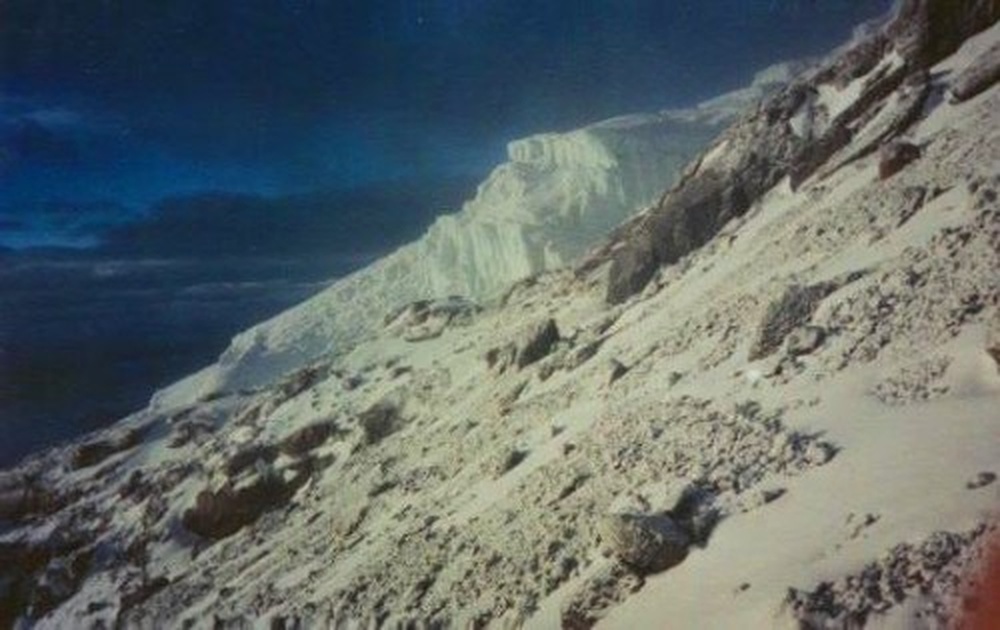
Kilimanjaro is by far the easiest of the Seven Summits. Located almost directly on the equator,
it is essentially a hike from bottom to top and does not require technical climbing skills.
Anyone in decent shape who takes the time to train and acclimatize properly has a realistic chance
of reaching the summit.
Basic equipment such as hiking boots, a sleeping bag, and warm waterproof clothing is usually
enough. The real challenge is altitude. A lot of people underestimate Kilimanjaro because it is
technically simple, but that does not mean walking to nearly 20,000 feet is easy.
Location: Tanzania, Africa · Altitude: 19,340 ft / 5,895 m
Mt. Elbrus
The Basic Climb
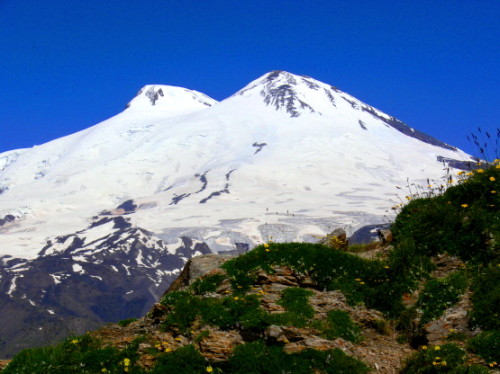
Elbrus is similar to Kilimanjaro with the added challenges of winter weather, ice, crampons,
and an ice axe. The altitude is slightly lower, but much more of the climb is spent in freezing
temperatures. The colder weather and slick slopes make it a more serious climb than its African
counterpart.
Compared with the rest of the Seven Summits, Elbrus is still not considered highly technical.
That can become part of the problem. Some climbers underestimate it as a simple walk-up and end
up in trouble when the weather changes or when poor preparation catches up with them.
Location: Russia, Europe · Altitude: 18,510 ft / 5,640 m
Cerro Aconcagua
The High Climb
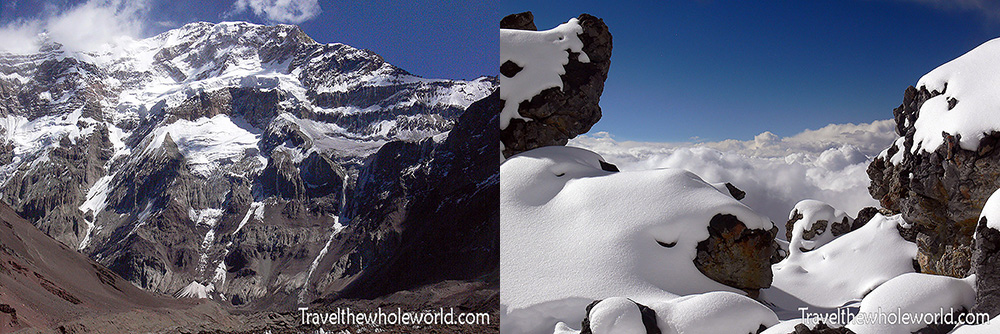
Aconcagua is the highest mountain in the world outside of Asia and gives climbers a chance to
experience a true high-altitude expedition without highly technical climbing. At nearly 23,000 feet,
it is a major jump in difficulty from Kilimanjaro and Elbrus.
Simply being in good shape is not enough. The expedition is much longer, the packs are heavier,
the altitude is extreme, and the wind can be violent. Climbers who breezed through Kilimanjaro
sometimes arrive expecting a similar challenge and quickly discover that Aconcagua is on a completely
different level.
Location: Argentina, South America · Altitude: 22,841 ft / 6,962 m
Denali
The Brutal Climb
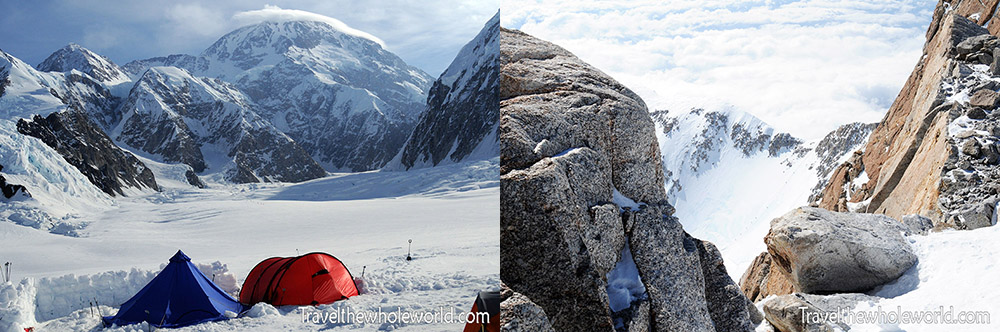
Denali is one of the greatest physical challenges of the Seven Summits. Unlike many other major
expeditions, there are no porters carrying your equipment from camp to camp. Climbers can haul an
enormous amount of gear between a backpack and sled while moving through one of the coldest mountain
environments on Earth.
The mountain rises to over 20,000 feet, but its Arctic location makes the altitude feel even worse.
Severe weather, temperatures that can reach -40°F, heavy loads, and weeks of physical effort combine
to make Denali a miserable place at times. It is also one of the mountains I am proudest to have climbed.
Location: Alaska, North America · Altitude: 20,237 ft / 6,168 m
Carstensz Pyramid
The Rock Climb
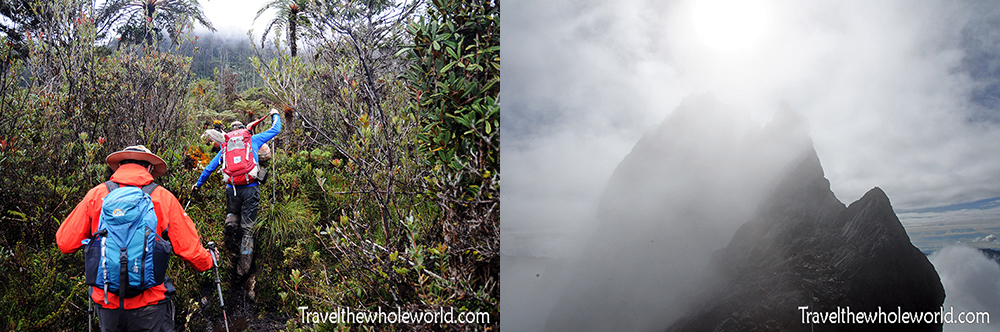
Carstensz Pyramid is the shortest of the Seven Summits, but it makes up for its lack of altitude by
being the most technical. The climb includes rock climbing, scrambling, fixed ropes, and jumaring
up steep walls.
The true adventure, however, is getting to the mountain. The traditional approach involves a long
trek through thick rainforest, mud, and bogs before finally reaching base camp. Helicopter access
can shorten the trip dramatically, but to me the jungle approach was part of what made Carstensz
such a strange and memorable expedition.
The logistics are complicated, the permits are expensive, and access through the surrounding region
has historically been one of the biggest challenges of the climb.
Location: West Papua, Oceania · Altitude: 16,023 ft / 4,884 m
Vinson Massif
The Cold Climb — My Last Summit
Vinson Massif is the one remaining mountain between me and completing the Seven Summits.
In many ways it is similar to Denali but shorter and less physically demanding. The biggest obstacle
is simply where it is: Antarctica.
Getting climbers and equipment into the interior of Antarctica requires expensive and complicated
logistics. Once there, the climb still means extreme cold, isolation, glacier travel, and all of the
normal problems of a serious high-altitude expedition.
For years I looked at Vinson as the mountain I would eventually get to after everything else.
Now that it is the last one, that “eventually” has become a lot more real. At this point the mountain
itself is not what worries me most. Finding the time and money to get back to Antarctica is the bigger
challenge.
Location: Antarctica · Altitude: 16,067 ft / 4,897 m
Mt. Everest
The Climb
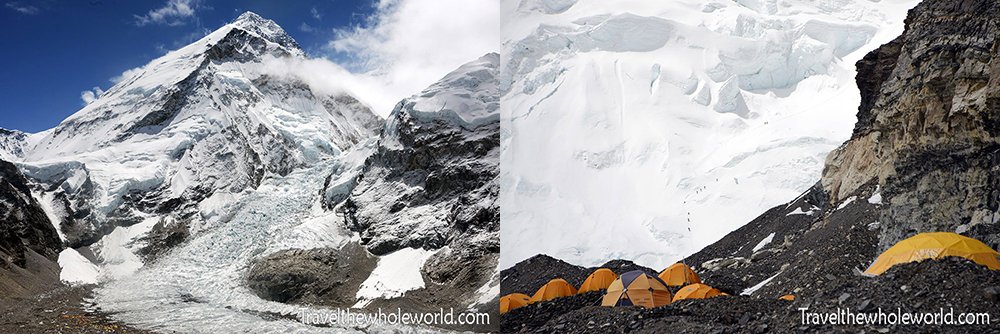
Everest takes many of the extremes found on the other Seven Summits and combines them into one climb.
It is more than a vertical mile higher than Aconcagua, brutally cold, technically demanding in places,
and long enough that the expedition becomes as much a mental challenge as a physical one.
On most of the Seven Summits, enough training and preparation can dramatically improve your chances.
Everest is different. Even extremely fit and experienced climbers can be overwhelmed by the altitude,
exhaustion, weather, illness, or simple bad luck. Spending more than two months in that environment
wears people down in ways that are difficult to understand until you have been there.
For years Everest was the great unknown in my Seven Summits goal. Eventually I climbed it, which left
Vinson Massif as the final mountain.
Location: Nepal, Asia · Altitude: 29,028 ft / 8,848 m
My Seven Summits Story
My interest in the Seven Summits began after I climbed Kilimanjaro in 1999. I was 18 years old and
never looked at climbing all seven as a realistic goal. I just thought it would be fun to try some of
the easier ones.
While I was in the Marines in 2002, I put in a request to travel to Russia and try Mt. Elbrus, the
summit of Europe. The request was denied because of manpower issues, although I was told I could try
again in the future. As time passed, my interest faded and I became pretty content with having climbed
only Kilimanjaro.
Four years later I was out of the military, had a new job, and started thinking about Elbrus again.
What appealed to me was not even necessarily Elbrus itself. The Caucasus had several small countries
I could backpack through on the same trip, and the climb would only take about a week. To me, Elbrus
was almost an added bonus.
In the summer of 2006 I got the time off and successfully climbed Elbrus, checking off my second
Seven Summit. You might assume that climbing another one brought all of my motivation back. It did
the opposite.
I climbed Elbrus while I was sick, had a near-death experience, and lost about 10 pounds in a week.
And this was supposed to be the second easiest mountain of the entire challenge. The remaining climbs
would require much more time, money, training, and suffering. I remember thinking I would rather spend
my vacation exploring countries than use an entire year’s worth of time off being miserable on a mountain.
I also honestly questioned whether I was capable of the remaining climbs. The physical and financial
challenges seemed overwhelming, if not impossible, for an average person like me.
There was no defining moment that changed my mind. For some reason, only a year later, I started
thinking about Aconcagua constantly. I even began dreaming about it. Sometimes I was climbing,
sometimes I was at the airport heading to Argentina, and a few times I was standing on the summit.
Eventually the desire became strong enough that I knew I had to try.
My boss was surprisingly supportive and helped me get the time off. In February 2008 I successfully
climbed Aconcagua, the second-highest of the Seven Summits. Somewhere along the way I had learned how
to train seriously, take climbing courses, and prepare for expeditions instead of just hoping things
worked out.
In June 2009 I climbed Denali, a mountain I once thought was completely beyond me. In 2011 I reached
the top of Oceania after climbing Carstensz Pyramid and surviving its miserable rainforest approach.
Eventually I took on the mountain that had always seemed like the biggest question mark: Everest.
Reaching that summit brought me to six.
Now only Vinson remains.
Everyone has a different reason for attempting the Seven Summits, but I have always seen this as more
of a travel goal than a climbing one. Just as I want to see the unique places in every country in the
world, I also believe the highest point on each continent is a special place to reach.
I appreciate the physical and mental challenge of climbing, but I have never really considered myself
a mountaineer. I do not have some endless list of peaks I need to climb after this. A lot of climbers
say, “There is always another mountain.” Maybe for them there is. For me, the Seven Summits have always
represented enough of everything I wanted from climbing.