← Continued from Denali Advanced Base Camp
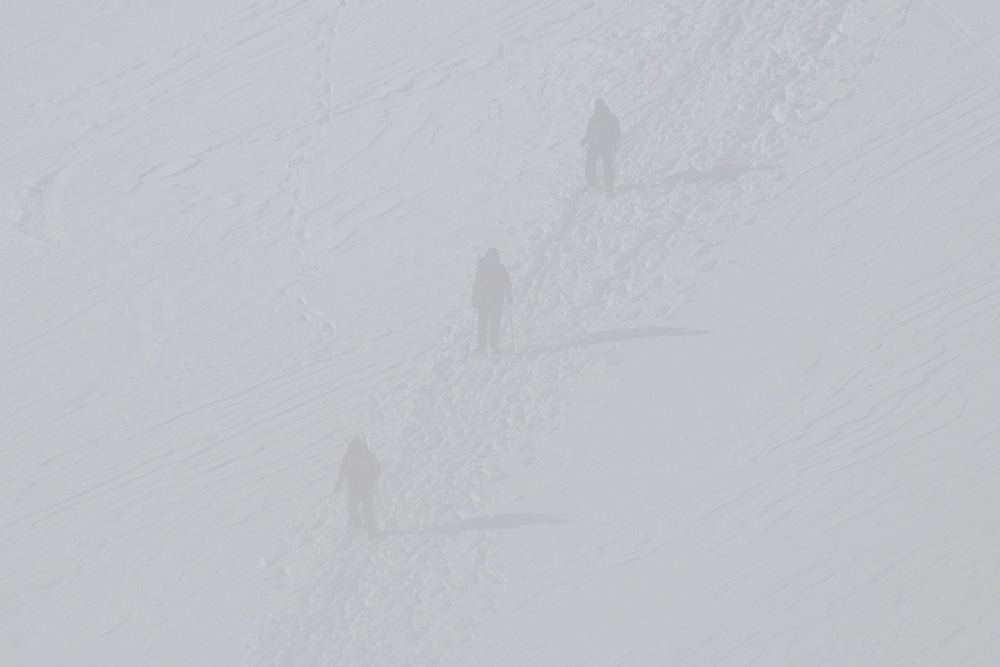
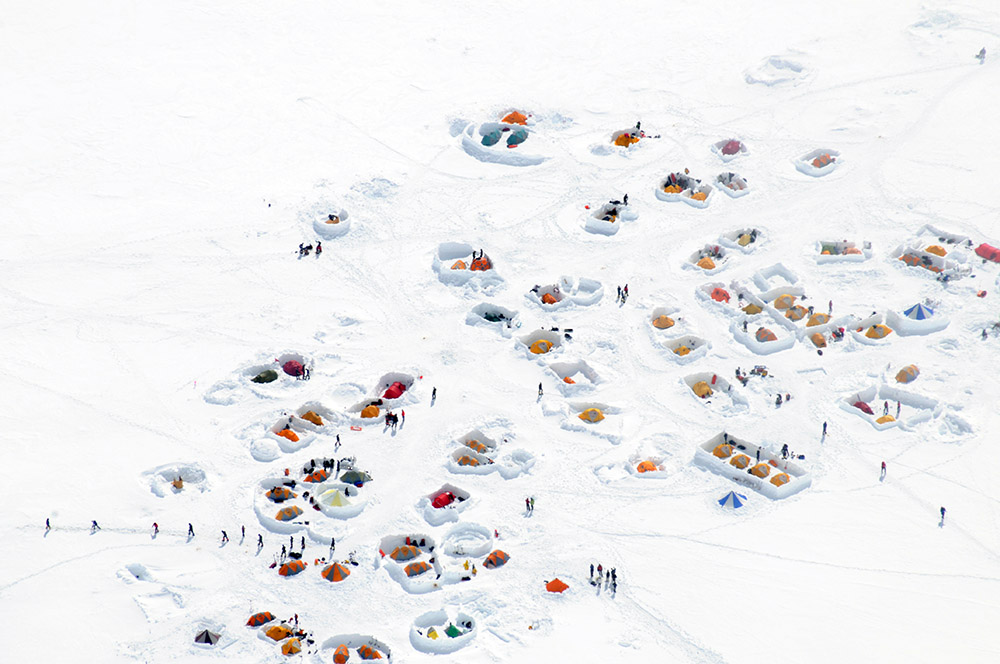
Day 17’s forecast brought even more bad news. We still had ten days of food, but most of it was cached higher on the mountain at 16,400 feet (5,000 meters) and High Camp at 17,200 feet (5,250 meters).
After days of being trapped at Advanced Base Camp, we’d begun rationing what we had left. There was even talk of climbing back above the fixed ropes just to retrieve some of our food and bring it down.
Fortunately, some of the teams giving up on Denali stopped by our camp and offered us food they didn’t want to carry back down the mountain. That allowed us to resupply without touching our High Camp caches.
By this point my stress level was through the roof. I had used nearly a month of vacation, spent a year training, paid for the most expensive trip of my life, and made plenty of other sacrifices just to sit in a tent at 14,000 feet for what felt like forever.
Other climbers had tried moving higher despite the conditions, and the results weren’t encouraging. Some made it, while others returned with injuries and frostbite. A Polish climber fell and broke his shoulder. Another group became trapped on the ridge and had to spend the night there. An American returned from High Camp with patches of frozen skin on his face.
One night at Camp III the temperature dropped to -28°F (-33°C). Whatever was happening at High Camp was going to be even worse.
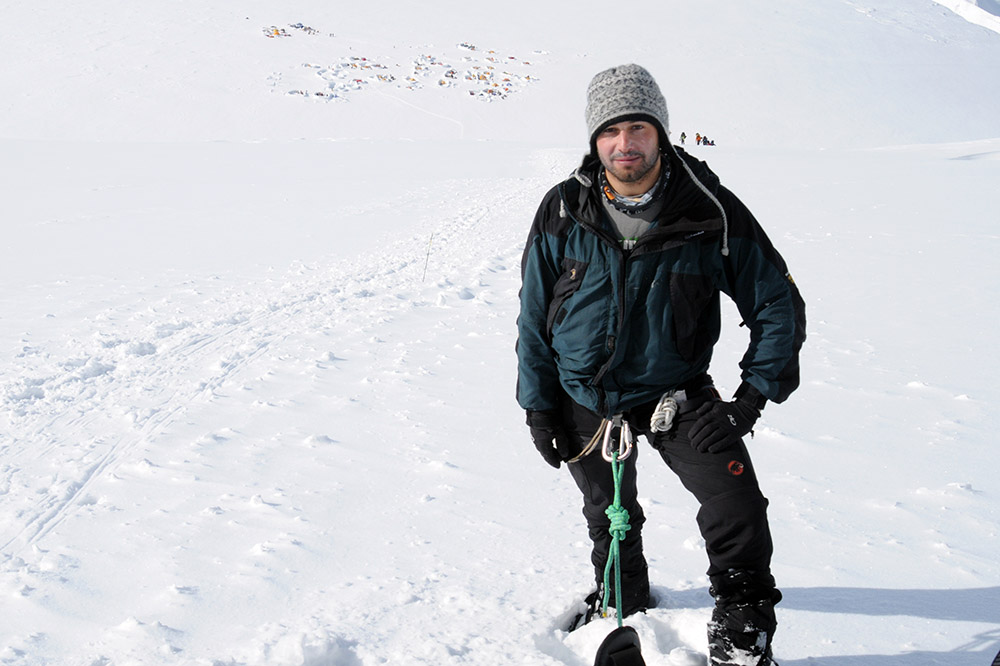
We finally got our break on Day 18 when the forecast predicted two days of reasonable weather. After everything we’d been through, this felt like our last real chance. We could move to High Camp today and, if everything went right, attempt the summit the following day.
Everyone’s hopes shot back up.
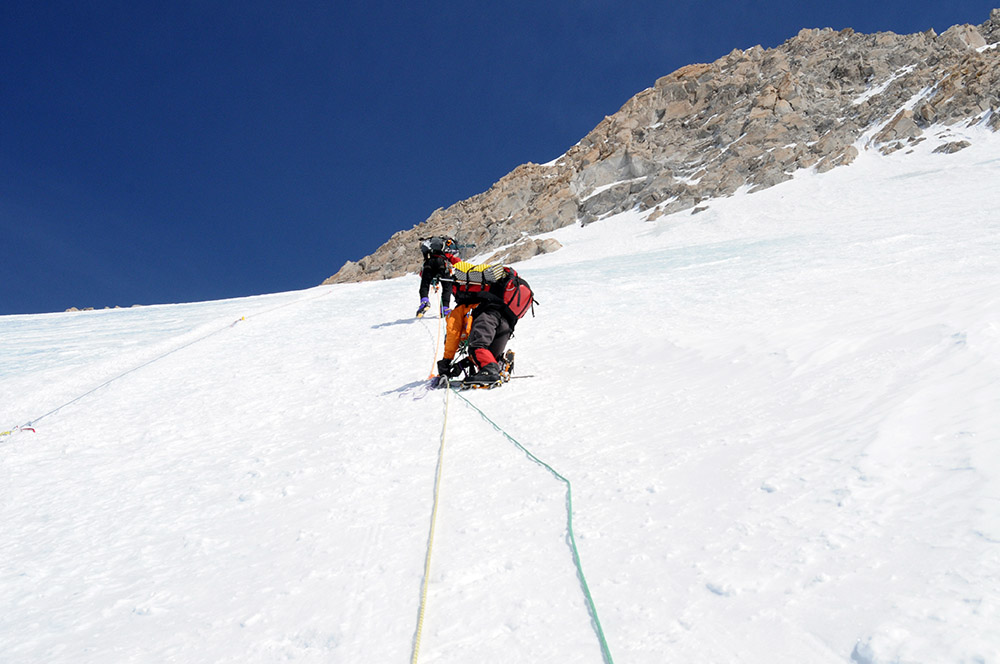
We tore down the camp we’d called home for eleven days and started climbing toward 17,200 feet. Above Advanced Base Camp we reached the fixed ropes, a roughly 50-degree slope of snow and ice and the steepest section of the climb so far.
Once above the fixed ropes, we approached the actual West Buttress ridge that gives the route its name. From there, the character of the mountain changed completely.
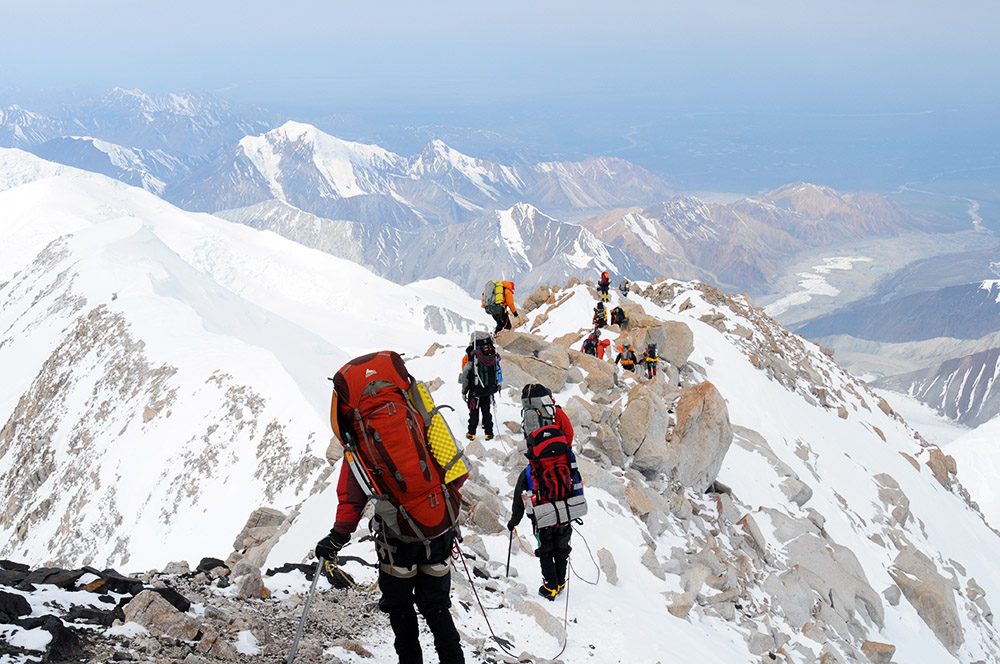
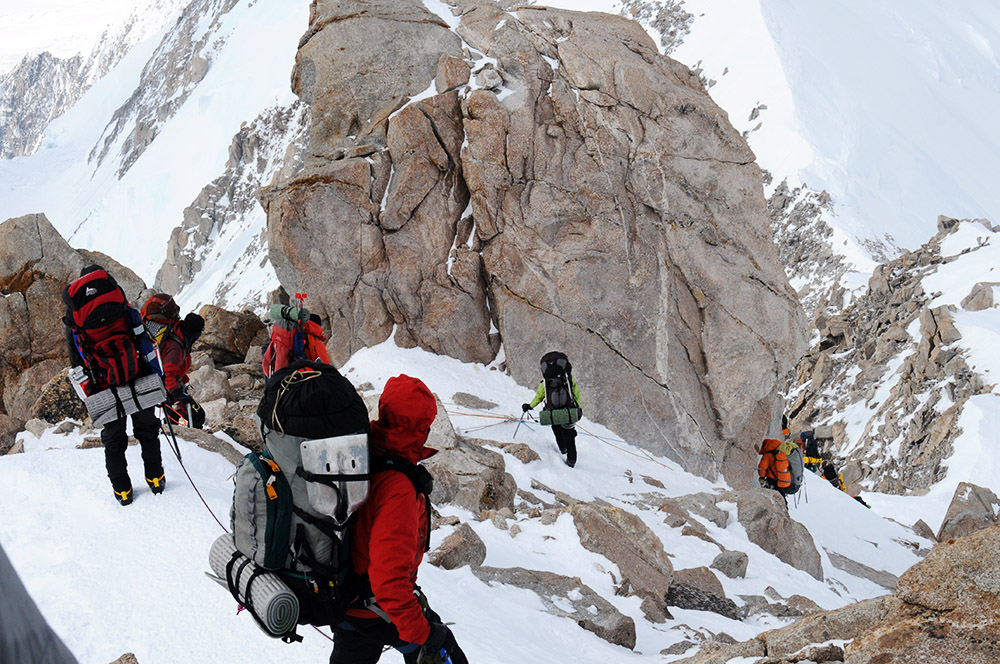
The climb from the fixed ropes across the West Buttress was one of the hardest parts of the entire expedition. Some people in my group thought it was the hardest day by far.
It felt as if we’d suddenly stepped onto a different mountain. Gone were the packed snow and gentle slopes where we could pull sleds. Now we were crossing steep and exposed terrain with dangerous drops on both sides.
We used pickets and fixed protection along parts of the ridge. At one point, one of the guys on my team fell and had to self-arrest, giving the rope a hard pull. With our heavy backpacks, it took us about two hours to cross the ridge.
Nine days after briefly reaching High Camp during our earlier cache carry, I had finally made it back—this time to stay.
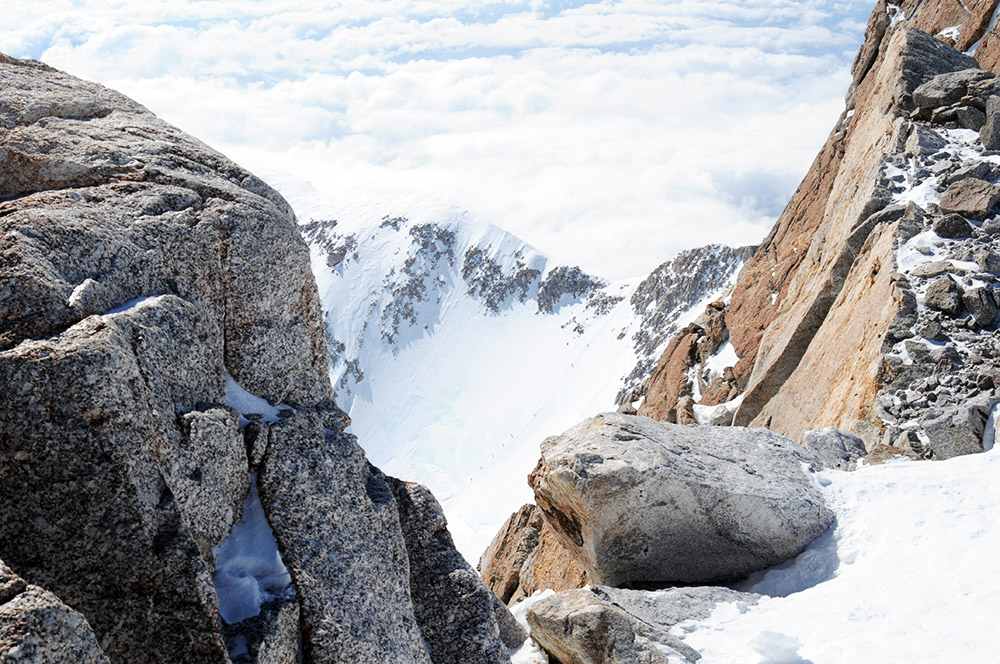
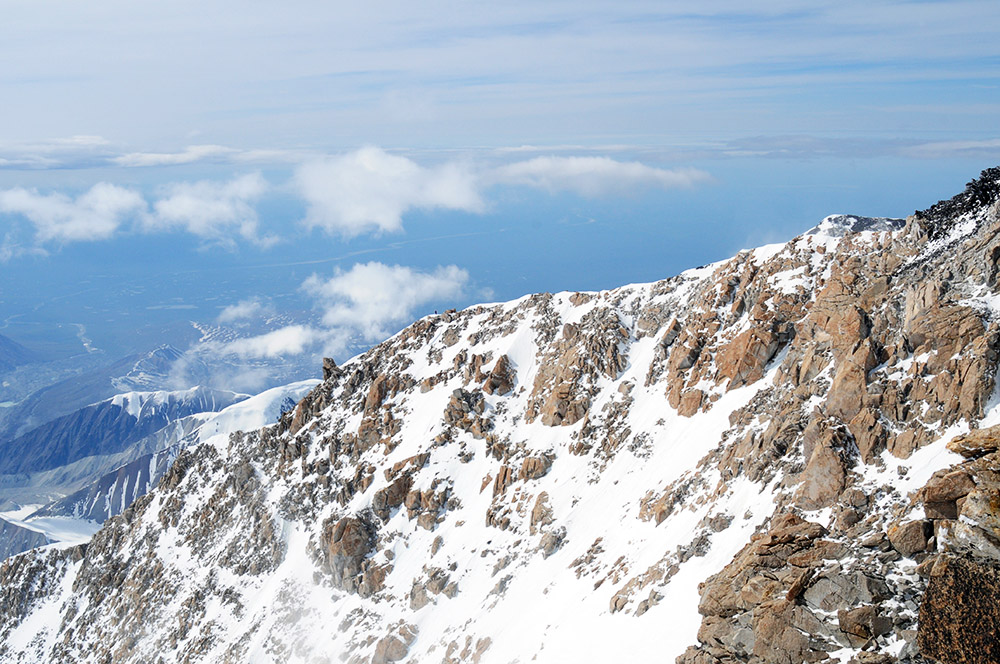
The views from High Camp were the best I’d seen anywhere on Denali. Looking back down the mountain, I could see the route we’d spent weeks climbing and Advanced Base Camp far below us.
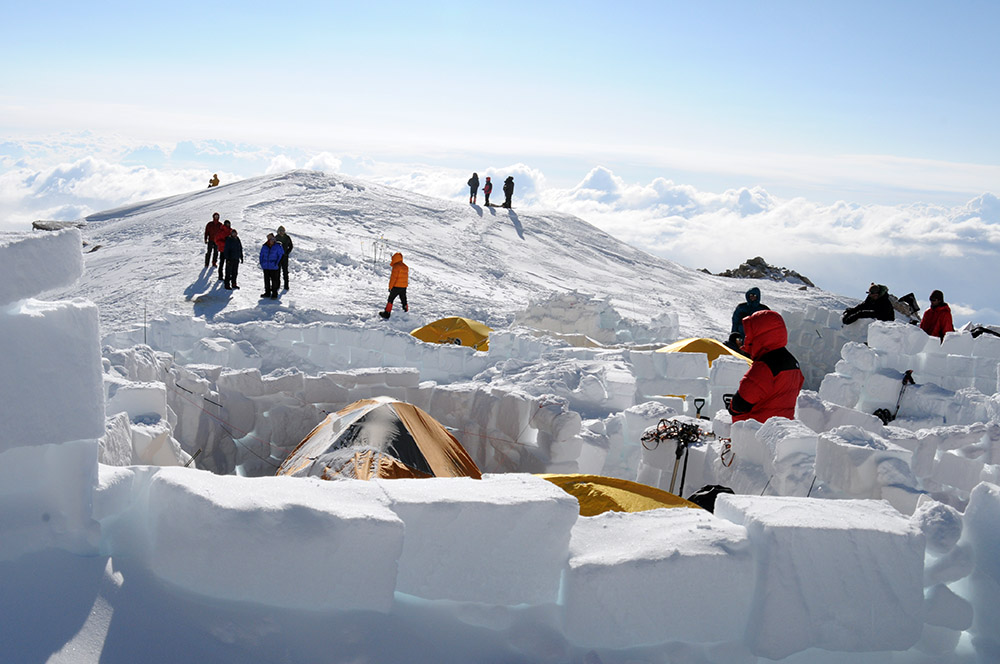
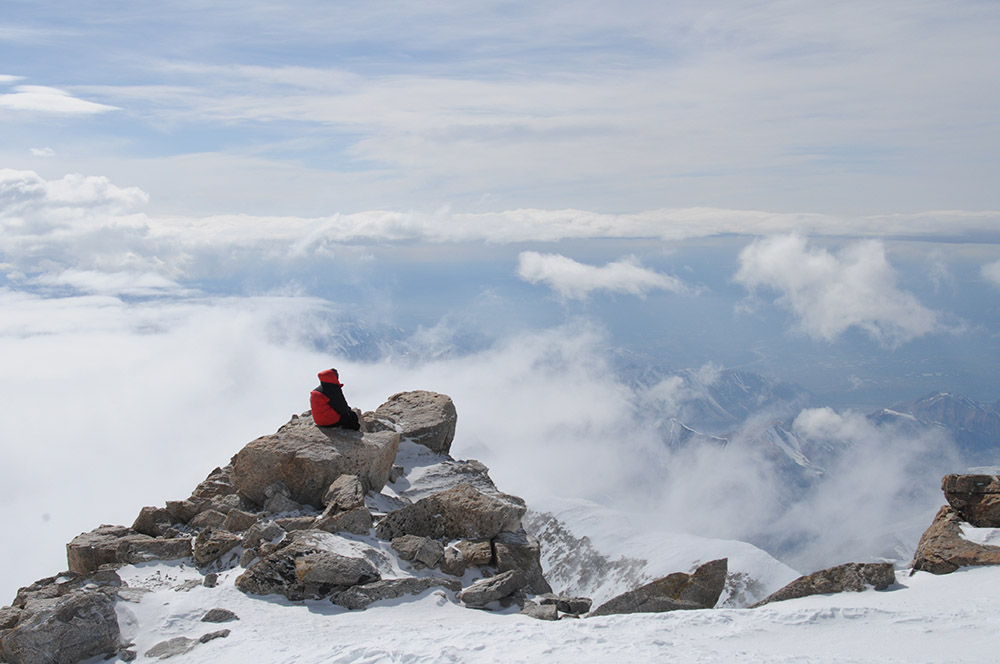
Arriving at High Camp didn’t mean we were finished for the day. We still had some serious wall building to do.
For several hours we cut enormous blocks of snow and built double walls roughly six feet high around our camp. I wasn’t sure whether I’d rather cross the West Buttress again or fortify the camp. Both were exhausting.
Once we finished, we could finally relax and appreciate where we were. High Camp had its own “End of the World,” with incredible views across the Alaska Range. From here we could see Mt. Hunter and Mt. Foraker, the latter rising to more than 17,000 feet.
I also offer framed versions of my Denali photography for anyone interested in prints.
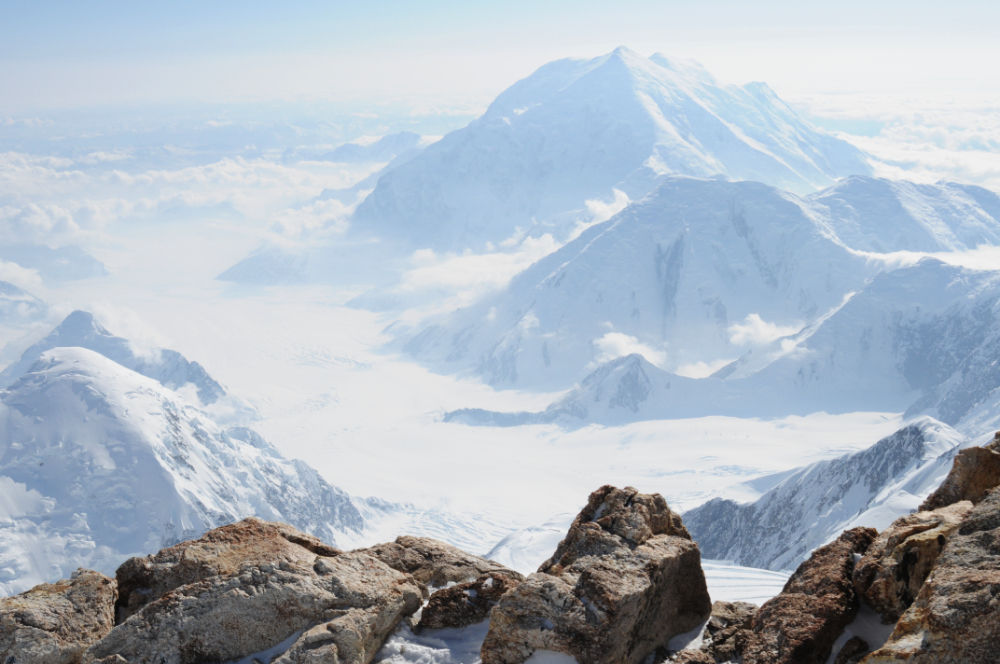
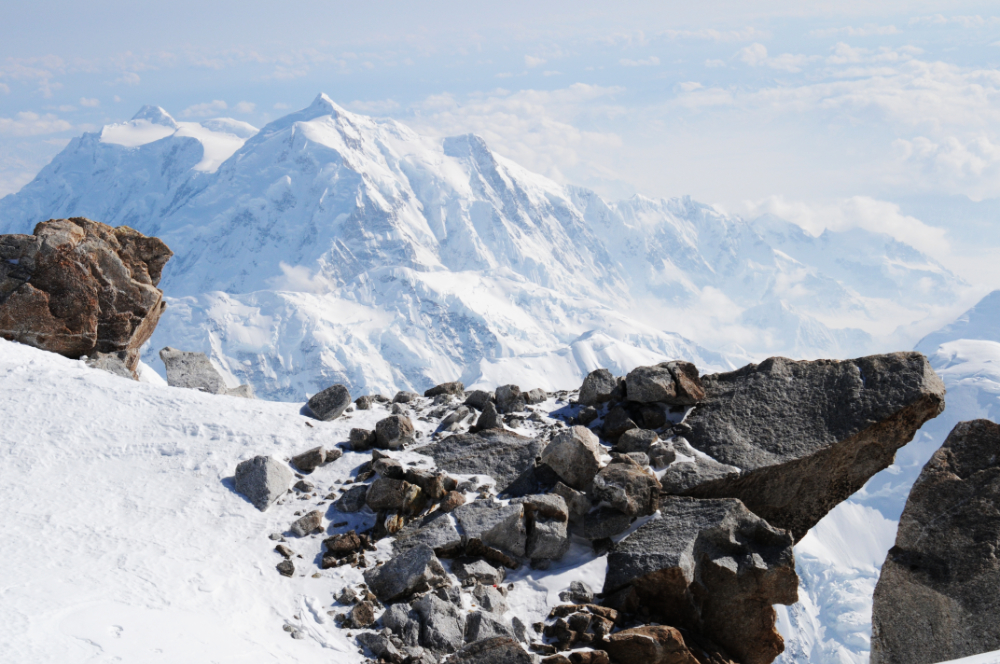
After finally fortifying camp and preparing ourselves for a summit attempt, we woke the next morning to a snowstorm.
For half of our expedition members, there was no more time to wait. They began descending the West Buttress to head home, only to encounter winds around 60 mph (100 km/h) and were forced back to High Camp.
After all the waiting we’d already endured below, it was hard to believe the weather had trapped us again.
Later that day the weather cleared enough for those who wanted to leave to finally descend the West Buttress. For the rest of us, it was already too late to attempt the summit.
Even if we’d had more daylight, the forecast called for high winds to return. Getting caught high on the mountain in those conditions wasn’t worth the risk.
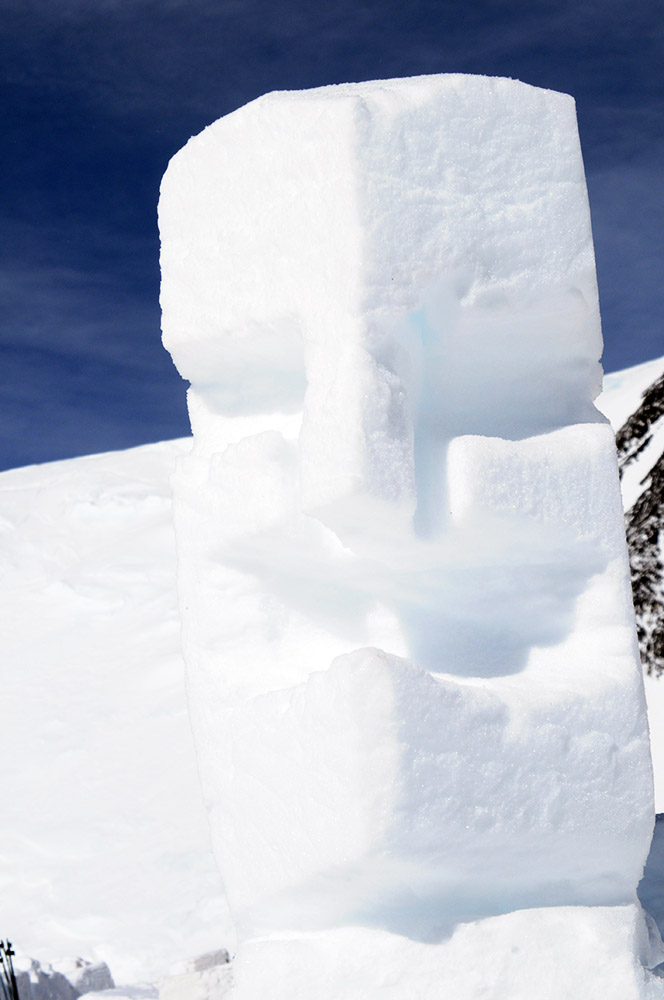
At this point we were getting desperate enough that some people built a statue to the weather gods.
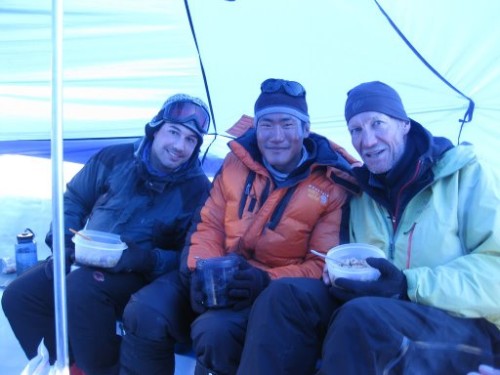
Being trapped by bad weather at Advanced Base Camp was frustrating. Being trapped at High Camp was something else entirely.
The higher we climbed, the colder and windier everything became. At the lower camps we could eat together in communal cook tents. At High Camp, we were stuck eating inside our own tents.
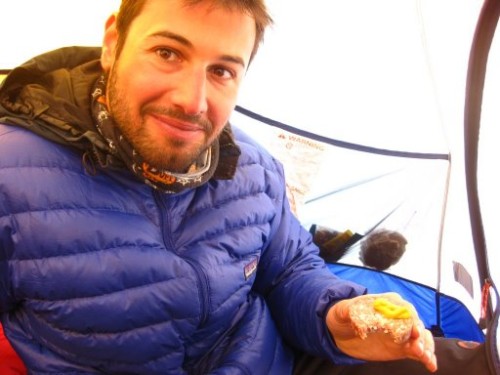
The photo above shows my delicious dinner at 17,000 feet. At that altitude, even forcing myself to eat became a struggle.
After everything it had taken to reach this point, the summit was only a few thousand feet above us.
Now we just needed Denali to give us one more chance.
Explore More of Denali
Advanced Base Camp • High Camp • How to Climb • Low Camps • Summit