← Continued from Denali Low Camps
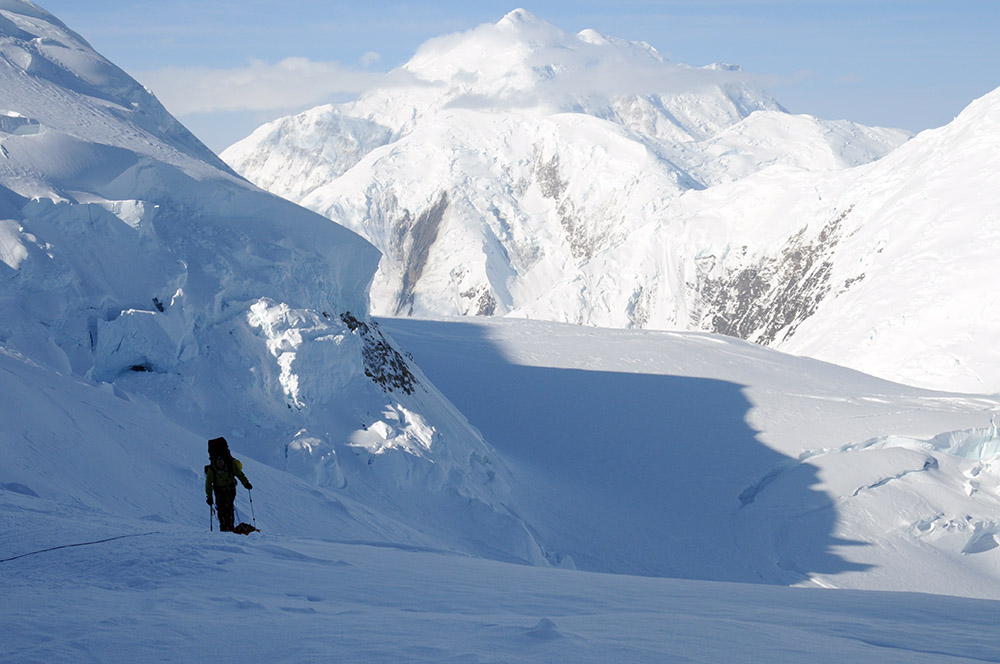
Day 7! After a week on Denali, it was finally time to move to Camp III at 14,200 feet (4,330 meters). Camp III is also known as Advanced Base Camp, or simply ABC, and it’s where climbers are likely to spend more time than anywhere else on the mountain.
Our first challenge out of Camp II was Motorcycle Hill, a 600-foot (180-meter) climb and the steepest part of the mountain we would tackle while still pulling sleds. The angle was steep enough that we had to duck walk to climb it efficiently.
Earlier in the expedition I had made the mistake of stepping with the front of my foot first on steep terrain, putting most of the weight I was carrying into my calves. I woke up extremely sore the next morning and was actually worried I wouldn’t be able to continue the climb. Duck walking distributed the stress much more evenly across my legs and made a huge difference.
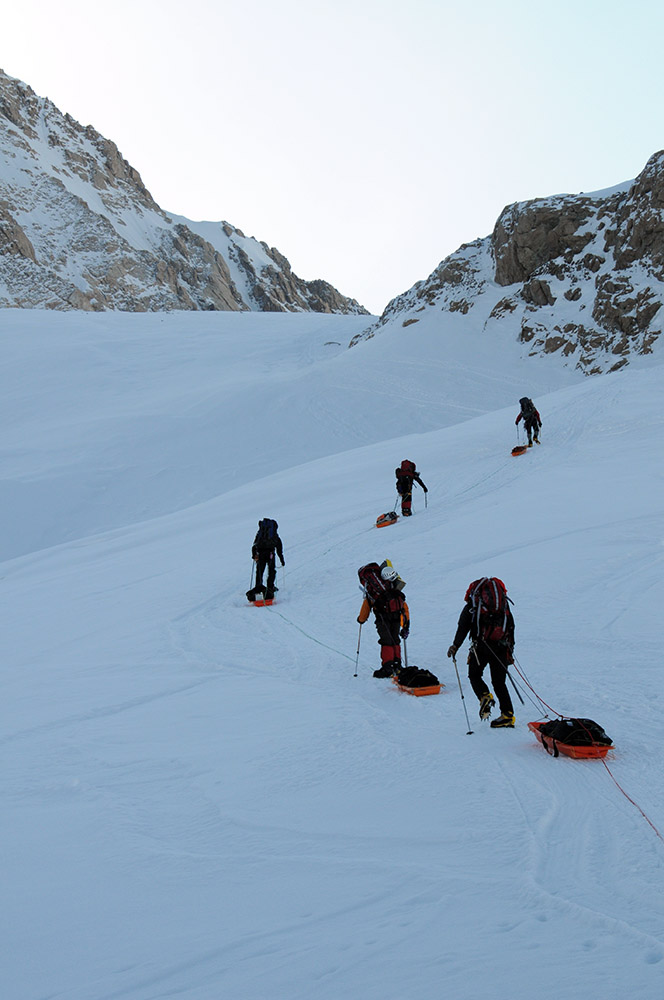
Immediately after Motorcycle Hill we approached Squirrel Hill. Compared with what we’d just climbed, this one was hardly a challenge. I even stopped halfway up to take a photo.
After Squirrel Hill things became easier still as we reached the gently sloping Polo Field. After climbing two hills in a row, crossing it felt like a welcome break.
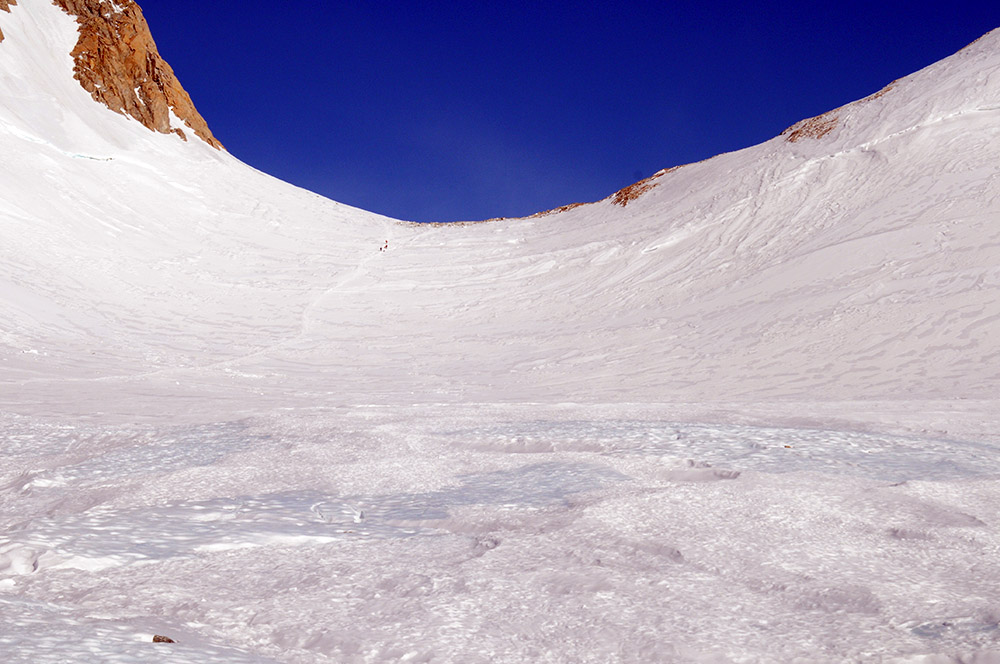
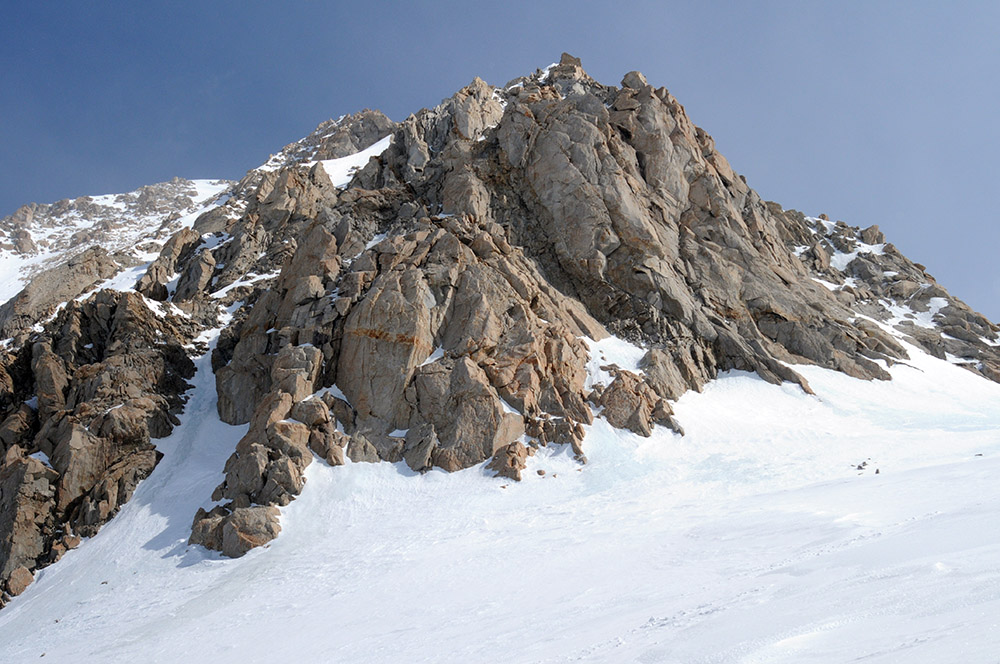
We took a short rest when we reached the Polo Field. After our break we crossed it and entered one of the more dangerous parts of the route: Windy Corner.
Powerful winds can rush past the rock formations here, and falling rocks and boulders add another danger. Some climbers wear helmets while passing through, although there’s obviously only so much protection a helmet can provide against a large falling rock.
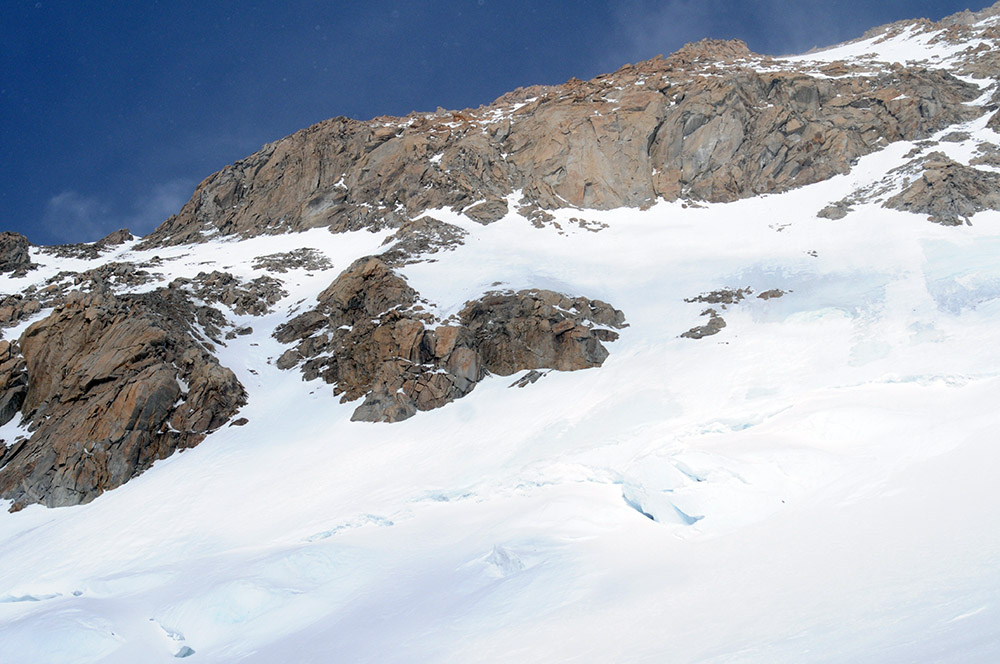
Up until this point in the expedition I had felt completely strong. Then, for some reason, after passing Windy Corner I suddenly felt the altitude. I was out of breath with every step I took.
Luckily, we only had about another hour and a half to reach camp because I was really struggling. Windy Corner lived up to its name, and the wind only made the climbing harder.
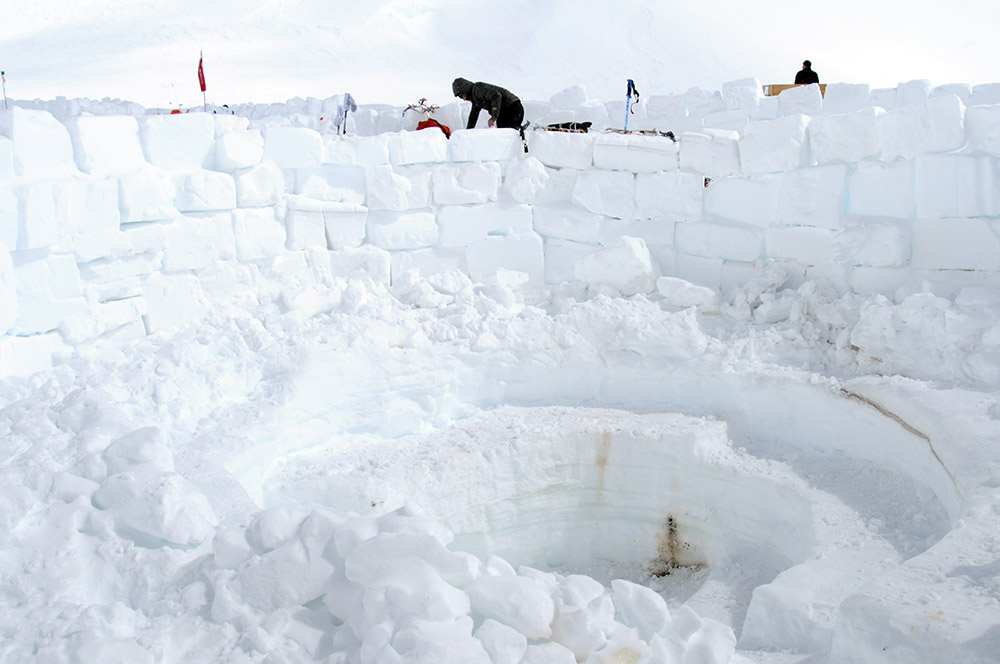
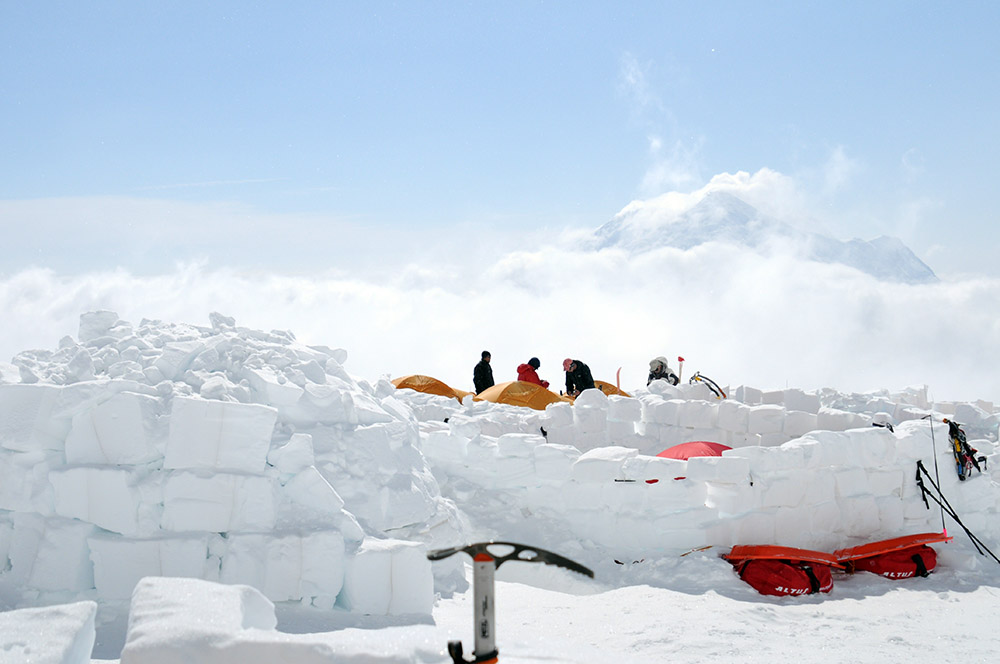
I felt like I barely made it to ABC, but arriving didn’t mean I could simply crawl into the tent and sleep. There was work to do. Like at the other camps, we had to set up our tents and build walls of ice and snow around them.
Everything suddenly felt exhausting. Even light digging with my ice axe seemed difficult. I had spent three nights at 20,000 feet (6,000 meters) on Aconcagua and somehow felt better there than I did now at 14,000 feet on Denali!
My climbing partner did most of the work while I kept asking him to let me rest for a while and then do my share. He worked like a madman while I felt like I was hardly contributing.
I’m still not sure exactly what happened to me with the altitude on Day 7, but when I woke up on Day 8 I felt great. It’s amazing how much you can acclimatize overnight.
My climbing partner, however, felt the exact opposite. He had a major headache and was completely drained of energy.
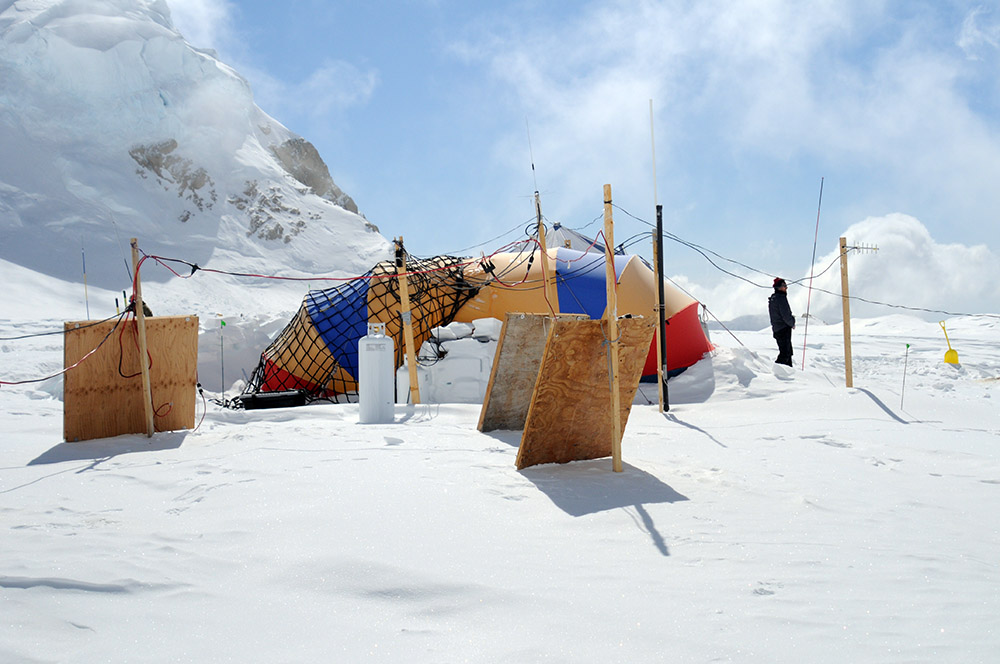
You never want to feel like that anywhere on a mountain, but if it had to happen, ABC was probably the best place for it. Climbers expect to spend a lot of time here, so Camp III is relatively well established. More effort goes into the tents and protective walls because it’s entirely possible to spend ten days or more waiting here.
There was even a ranger station providing weather information and emergency assistance. Still, we were on Denali. This wasn’t a place where you wanted to depend on someone else getting you out.
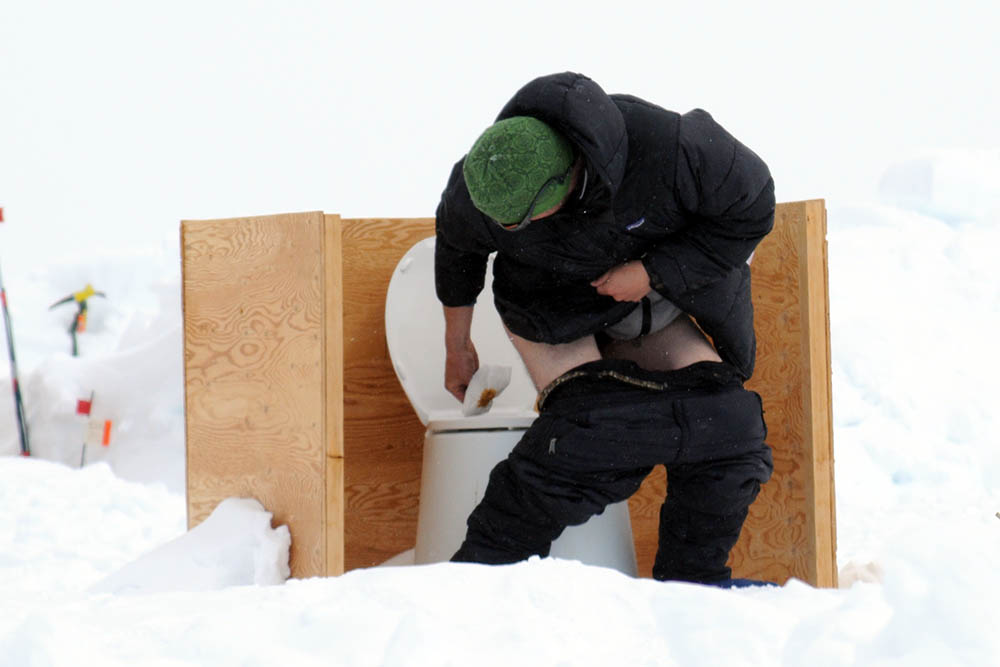
One unexpected luxury at Camp III was several holes in the snow serving as toilets—and even a throne toilet.
For some odd reason, the throne was built directly in the middle of camp and offered absolutely no privacy. I’m not exaggerating when I say someone could be sitting there while an entire rope team entered camp and walked right past them!
Our second day at ABC was Day 8, and we spent it retrieving the cache we’d buried near Windy Corner. Day 9 was supposed to be a rest day, but our guide was feeling incredibly motivated and decided we should make another cache carry farther up the mountain.
Three of us joined him and climbed to around 16,200 feet (5,000 meters) carrying seven days of food. We left three days of food near the beginning of the West Buttress and another four days all the way at High Camp.
During that brief visit to High Camp, we were only about eight hours from the summit. My confidence was soaring. I felt great at that altitude and couldn’t imagine having any problem when we eventually moved there for good.
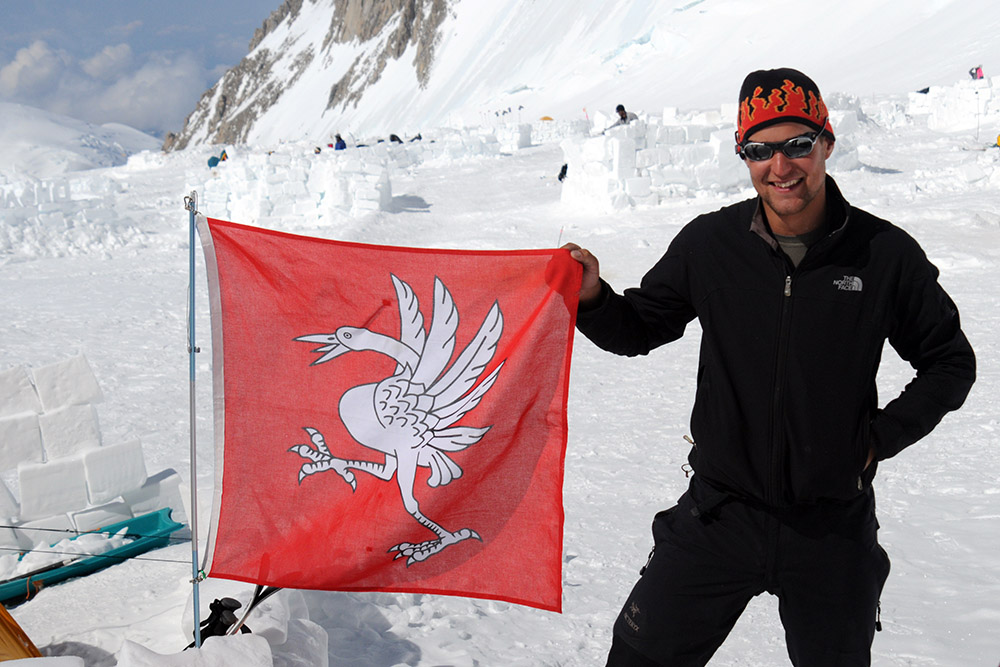
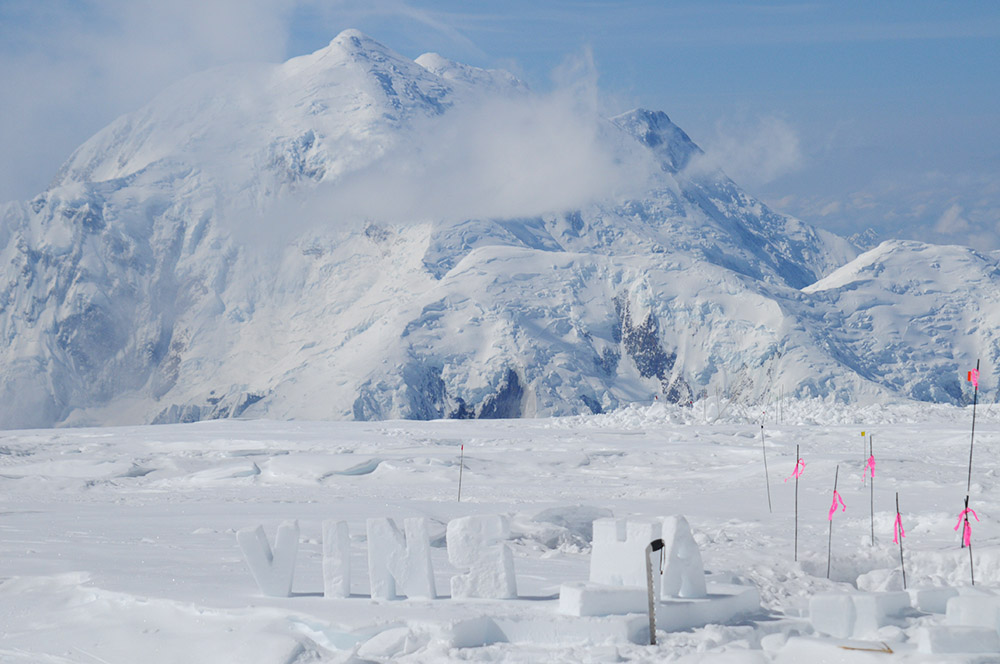
Finally, on Day 10, we took our first true rest day and did absolutely nothing. I walked around ABC taking photographs. Denali is an incredibly international mountain, with climbers from different organizations, countries, and even militaries from around the world. Many proudly displayed their flags around camp, and one guy even went as far as building giant letters out of ice.
Unfortunately, this was also when my climbing partner decided he had to go home. His condition continued to deteriorate, and after a day of rest he couldn’t even tell how many fingers we were holding directly in front of him. His expedition was over.
When I had stopped at High Camp on Day 9, my confidence couldn’t have been much higher. I felt great at altitude and figured we basically had only two hard days left: move to High Camp, then climb to the summit.
The weather forecast had other ideas.
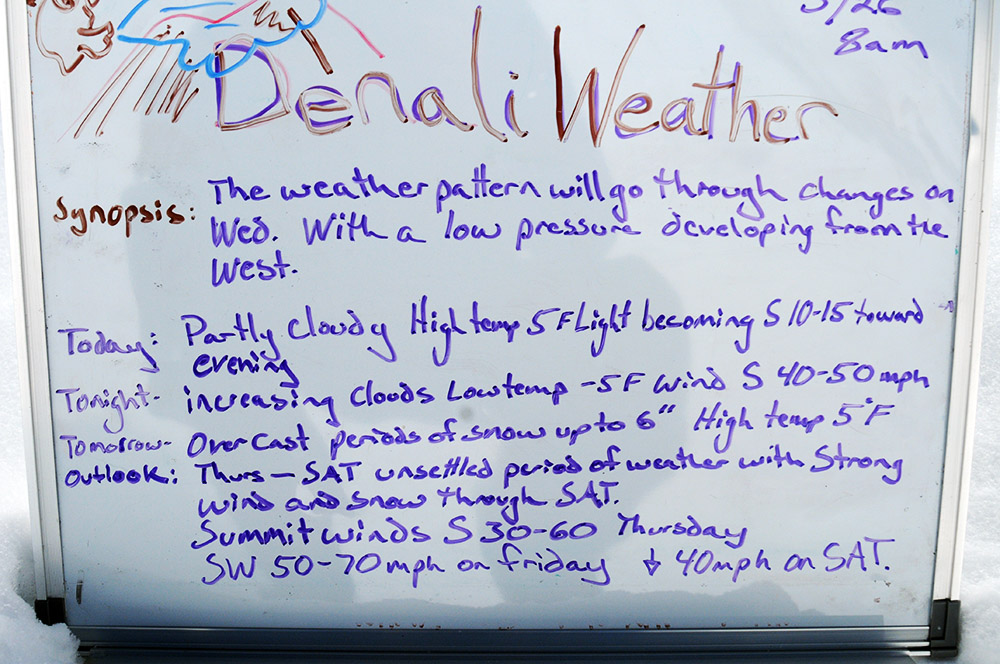
The ranger station was predicting relatively warm temperatures but extremely high summit winds. If it was around 5°F (-15°C) at 14,200 feet, the summit could easily be around -25°F (-30°C). By Denali standards that wasn’t even particularly cold.
The real problem was the forecast for winds approaching 50 to 70 mph (80 to 110 km/h). At those temperatures, winds like that made attempting the summit completely unrealistic.
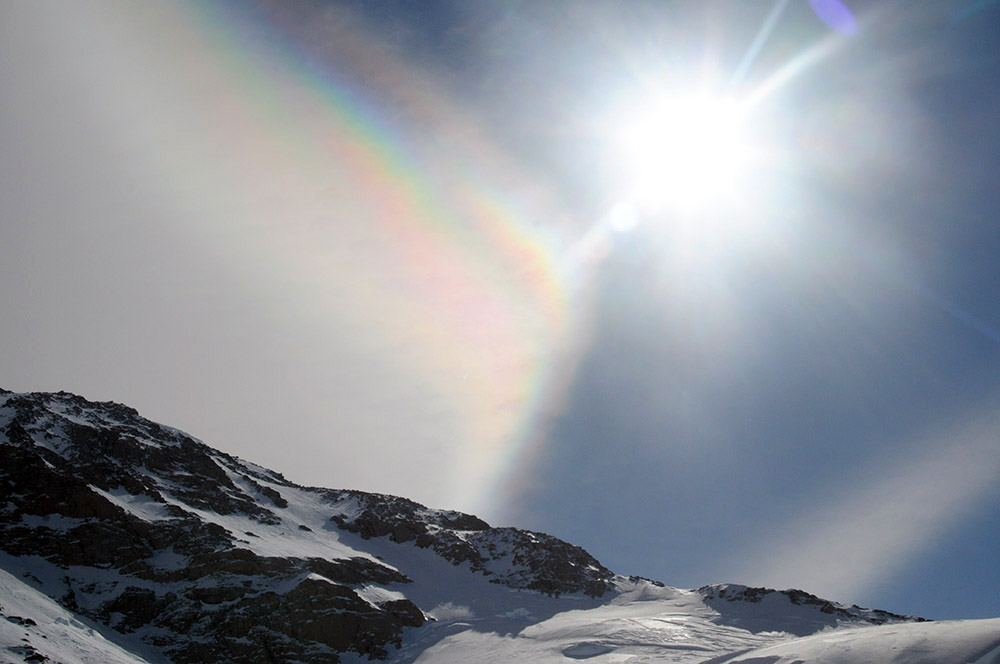
I found the forecast disappointing, but I wasn’t too concerned yet. We still had plenty of time. We had roughly 21 days to climb Denali and were only on Day 10. Even if the immediate forecast looked terrible, I was confident things would clear eventually.
Some people, however, think a sun dog is a bad omen.
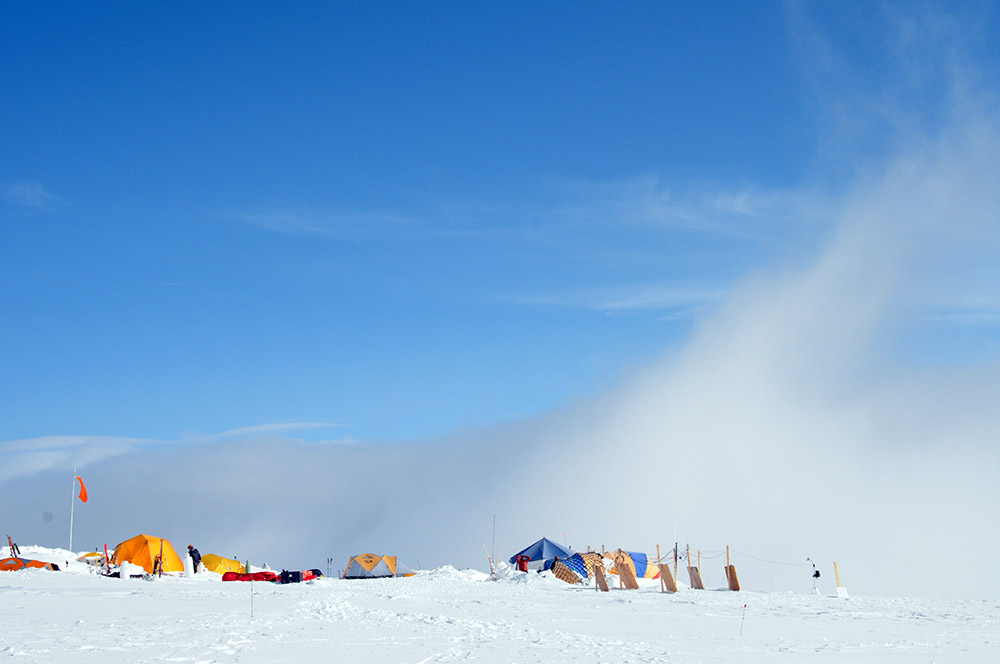
The bad weather came in fast.
Until then we’d been lucky with the weather, so now it seemed we had to dig in and pay the price. Day 10 had already been planned as a rest day, so losing that day didn’t matter. But when Days 11 and 12 came around, we were still stuck in our tents waiting for the mountain to clear.
I discovered that 48 hours of doing absolutely nothing is torture.
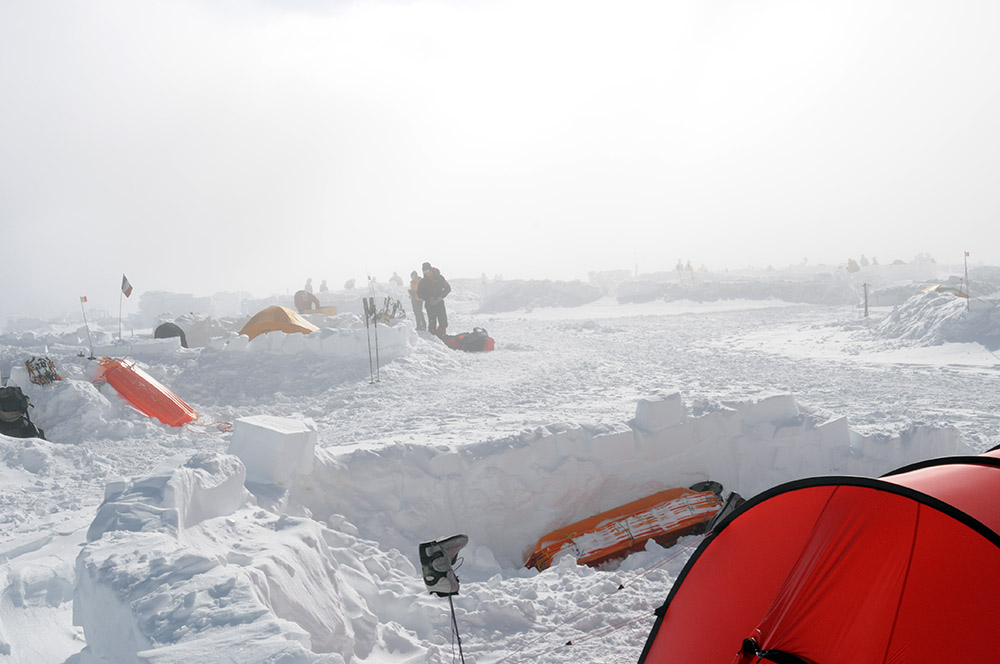
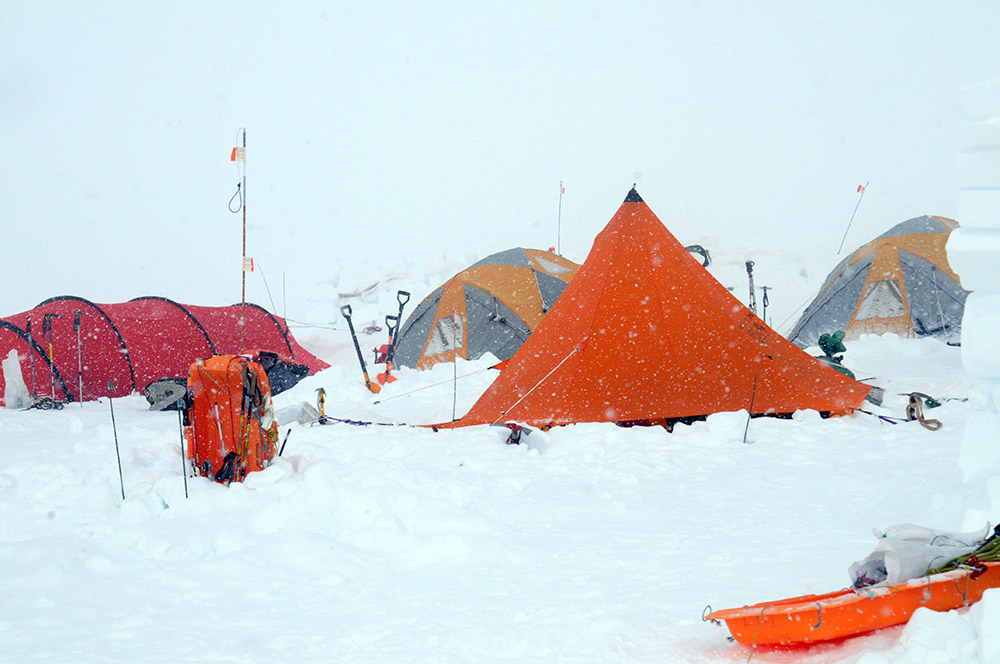
I figured bad weather could only last two or three consecutive days. By Day 13, we were still sitting in the middle of the storm—and the forecast was getting worse.
The next three days were expected to bring even lower temperatures and stronger winds. Sometimes the weather at ABC itself wasn’t particularly bad, but higher on the mountain we could hear the wind roaring above us.
We nicknamed it the express train, and it sounded like the train would be running for a while.
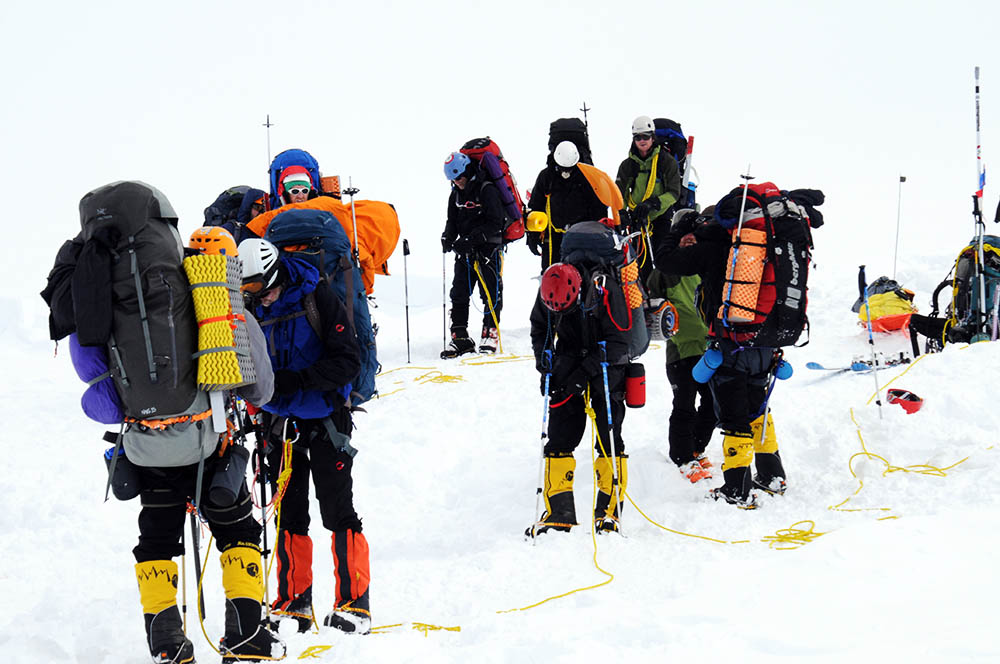
I was determined to wait out the storm as long as possible. If I’d had enough food and vacation days, I would have gladly stayed at ABC for a full month.
Not everyone felt the same way.
After nearly a week of bad weather, some climbers began calling it quits. The team photographed above was preparing to head back down the mountain. We still had a reasonable amount of time left, but seeing other expeditions give up was when I really started to worry.
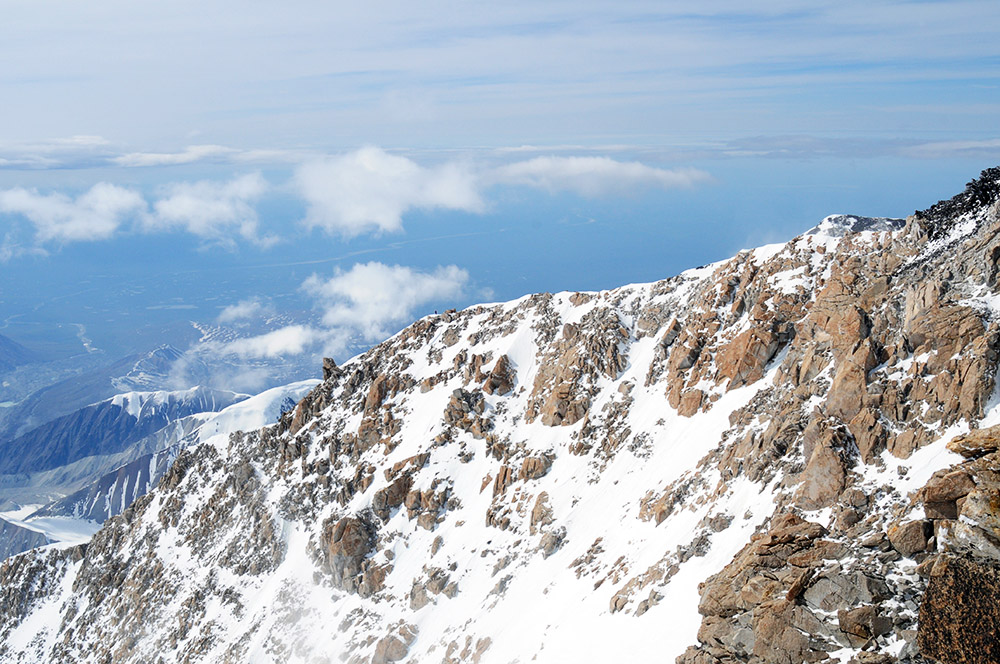
Days 14 through 16 brought the strong winds higher on the mountain exactly as forecast. At our elevation it was still windy, but nothing life-threatening. By this point I hadn’t left the immediate area around my tent in nearly a week.
To keep us sane—and hopefully prevent our muscles from forgetting what climbing felt like—we finally made a short hike to a place known as the End of the World.
It felt unbelievably good just to move again. I actually missed the exhausting, busy days from the beginning of the expedition.
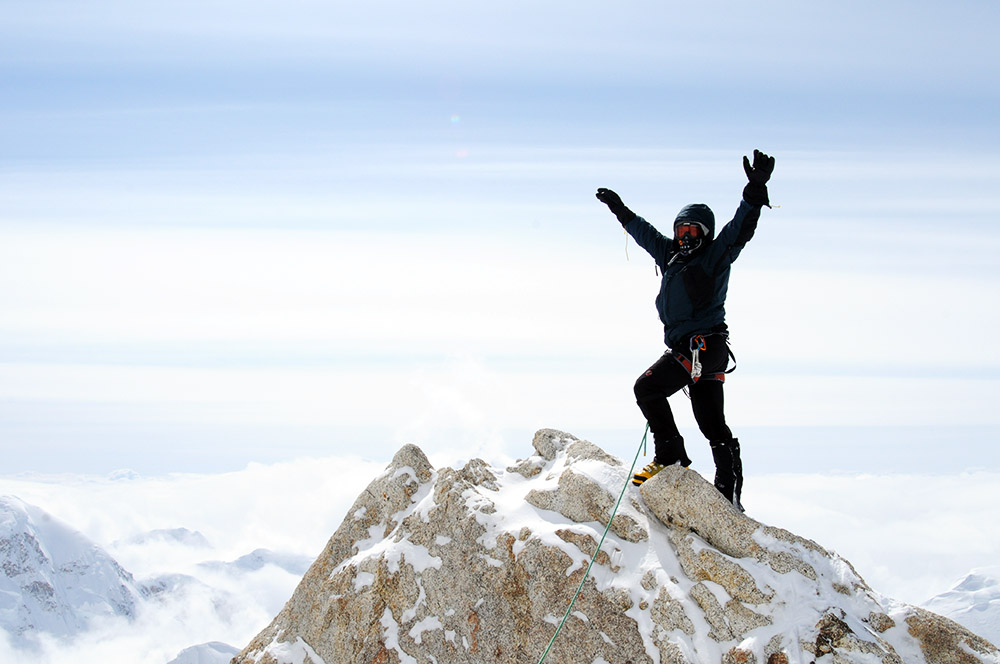
From the hike I photographed the West Rib, an extremely challenging route toward Denali’s summit. And at the edge of Advanced Base Camp was one of the most memorable viewpoints of the expedition: the End of the World.
Explore More of Denali
Advanced Base Camp • High Camp • How to Climb • Low Camps • Summit