Although I had a brief stop in Beijing, Xi’an was the first place I really began to explore in China. Xi’an was once one of China’s great ancient capitals, with some of the best history in the country. Despite all that history, modern Xi’an is a huge city with a population in the millions.
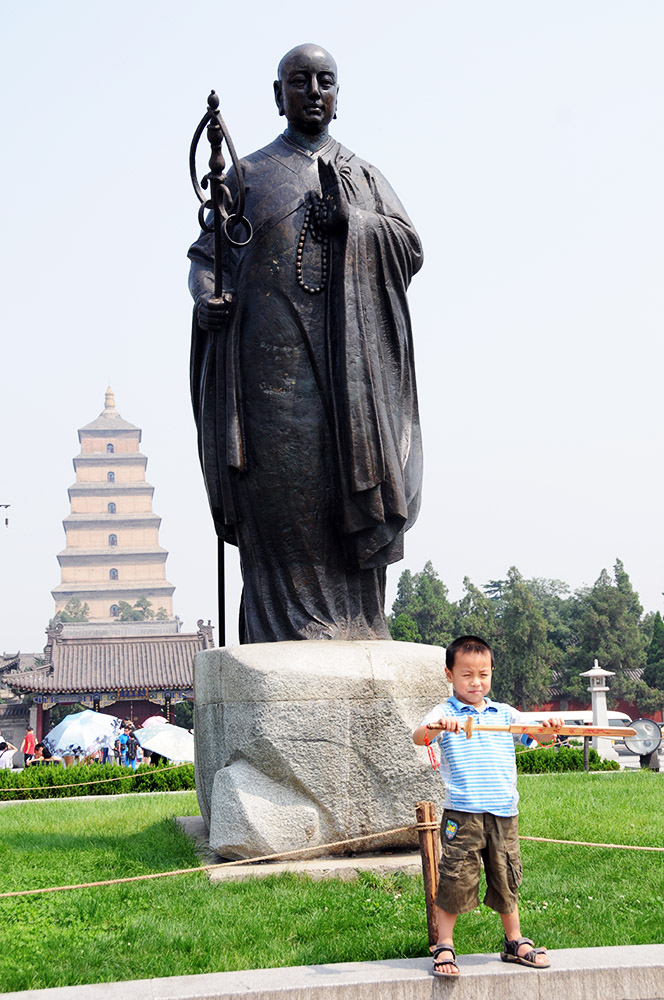
My first photo shows a young Chinese kid proudly posing in front of a statue and the Big Wild Goose Pagoda. The Big Wild Goose Pagoda was originally built in the 7th century during the Tang Dynasty. The statue in the foreground depicts the famous Chinese Buddhist monk Xuanzang, whose travels to India helped bring important Buddhist texts back to China.
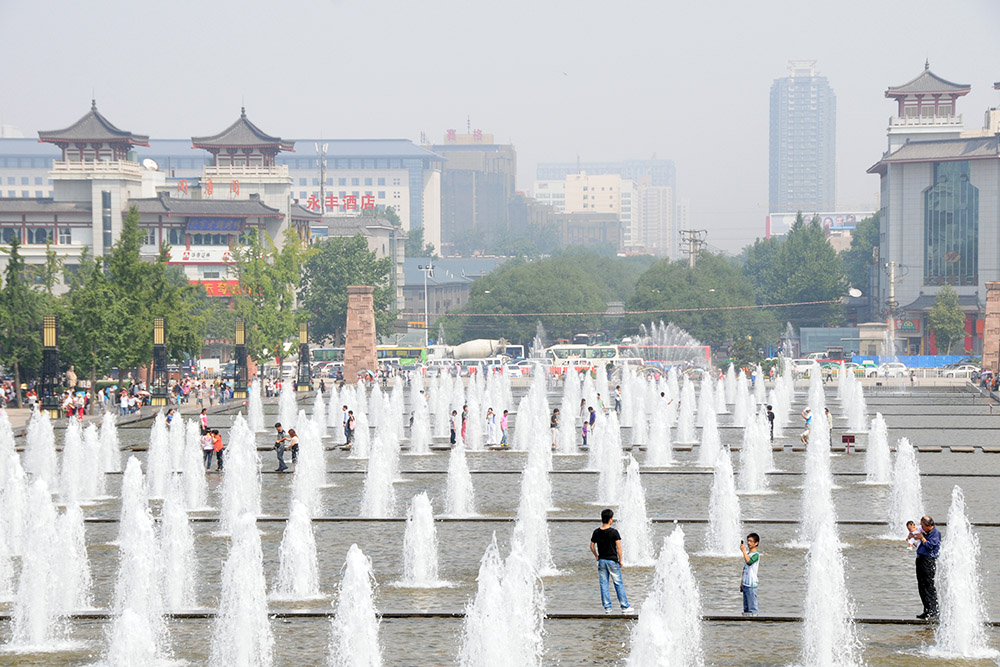
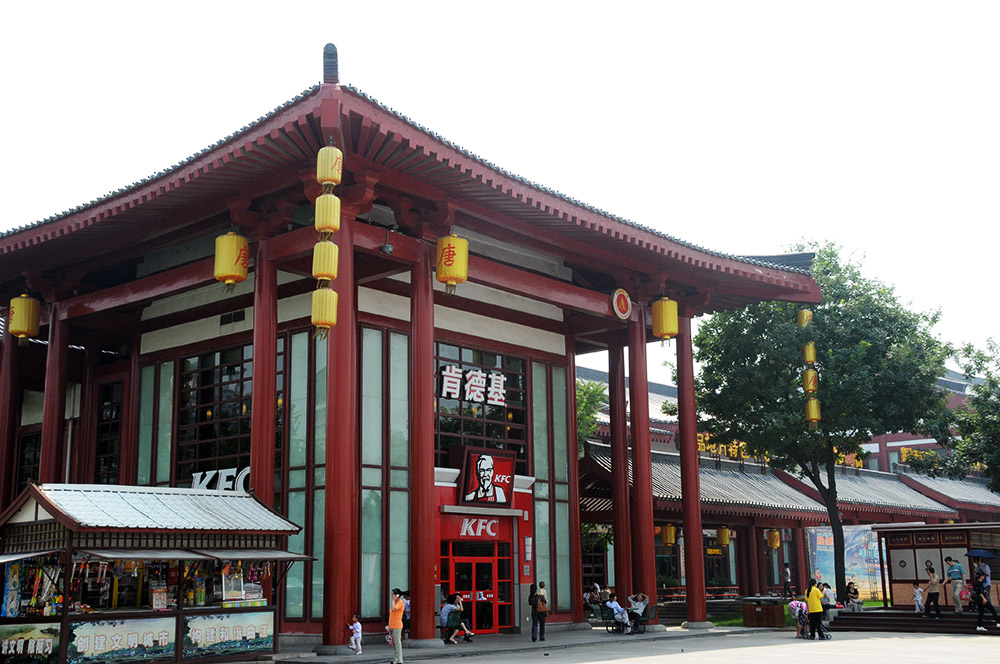
I began exploring Xi’an around the Big Wild Goose Pagoda. Directly in front of the pagoda is a large area lined with fountains. Each side of the fountains had several Chinese and even a few foreign restaurants. Like most nations, even the ancient city of Xi’an is still subjected to Western influence. I was a bit surprised to find the KFC below in the heart of such a historic city!
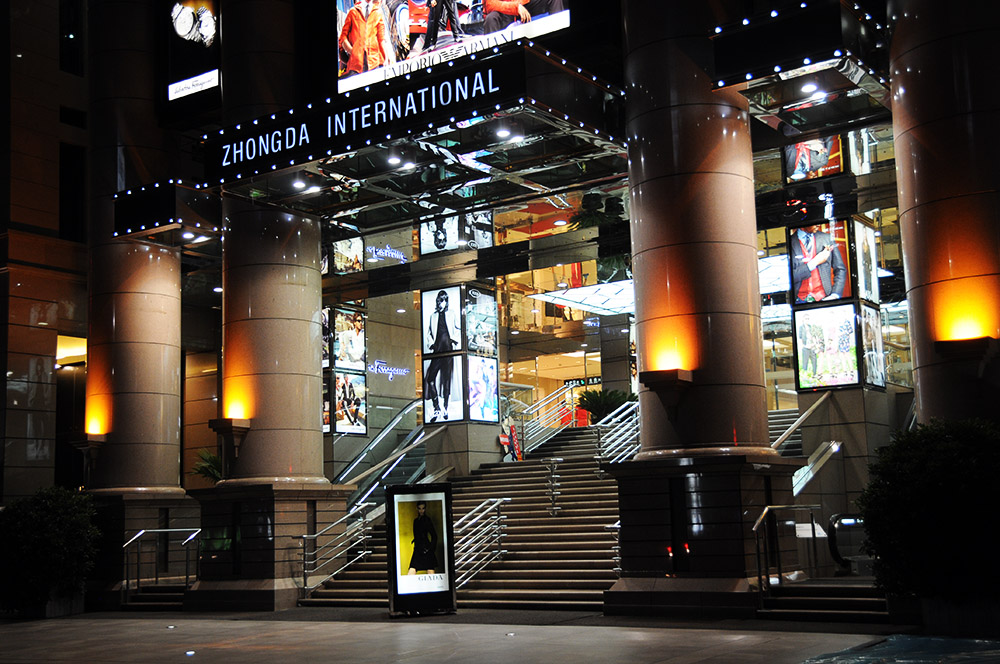
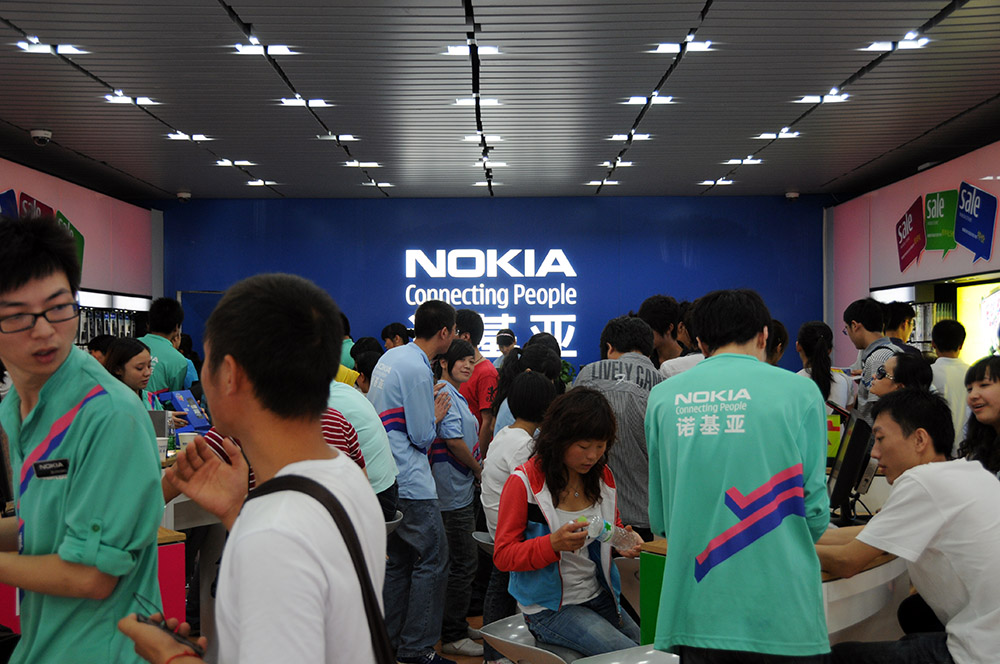
I was definitely naive to think that Xi’an would be nothing but old traditional shops. Elsewhere in the city, you’ll find things that are up to par with Japan or Western Europe. Xi’an has plenty of modern stores and malls. I passed by this mall and was told by a local that it was the nicest Xi’an had to offer. Below shows a busy Nokia store that was mostly packed with young people.

While exploring the city on foot, I came across these girls who were advertising beer outside of a popular restaurant. Maybe I should have gone in, but I generally try to avoid having a drink while I’m traveling by myself!
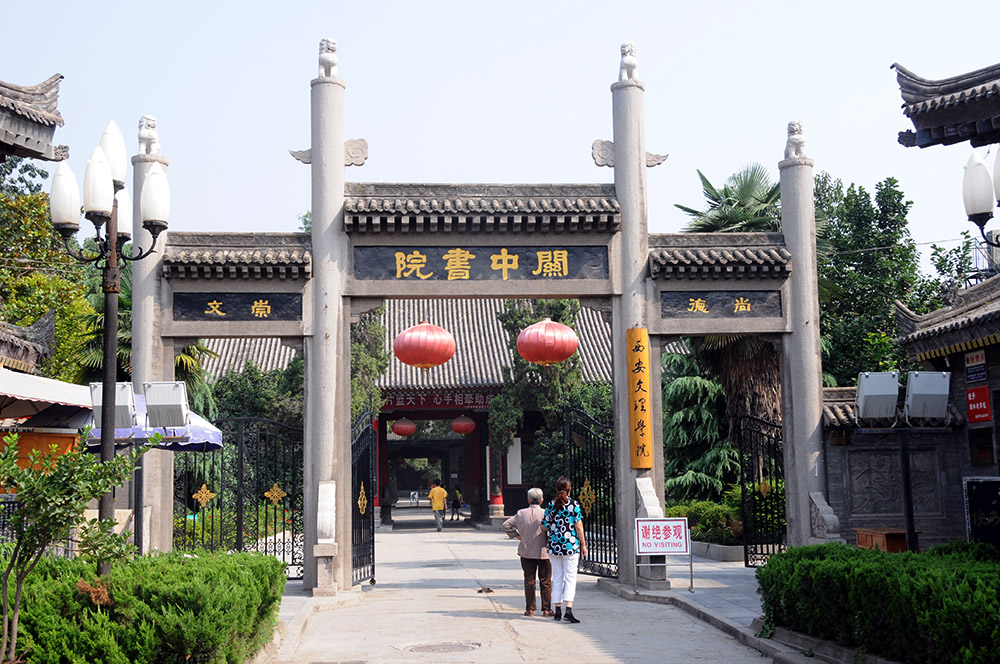
Once I started to properly explore Xi’an, I was immediately taken aback by the architecture, history, and the great people here. I attempted to do my usual random exploration in the city. I tried to enter this part of town in the photograph above, but was politely turned back by a guard. I never found out what its purpose was, but I assumed it must have been some kind of government facility.
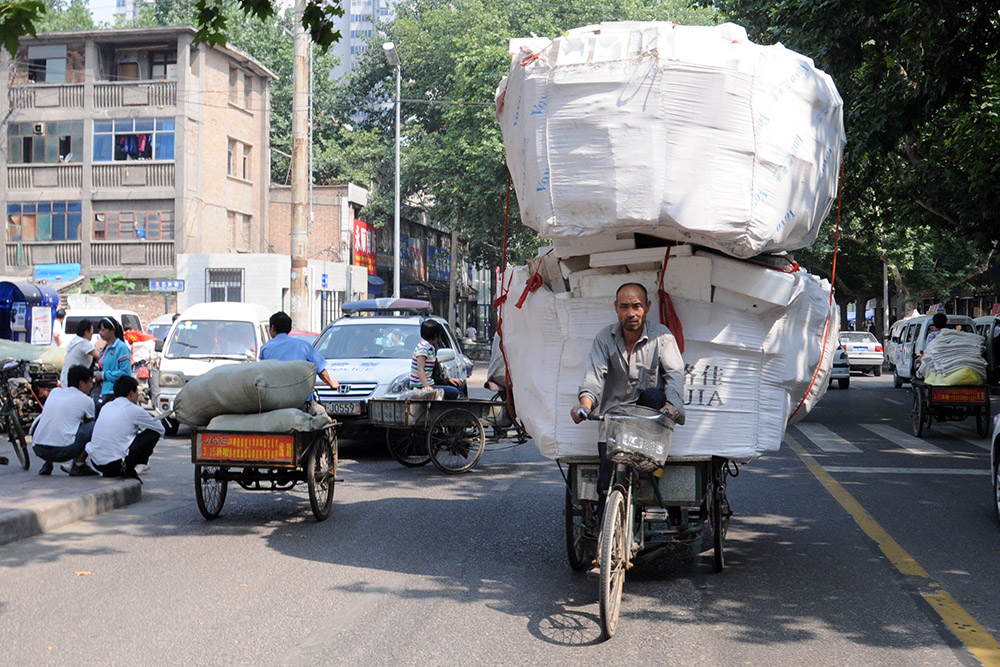
I always prefer walking, but taxis and other public transportation were extremely cheap here. I should have tried to rent a bike. This guy must have a world record for carrying a load on a bike.
Most places where you’ll need to communicate, such as the airport, hotels, and business districts, you’ll find at least some people who speak English. Otherwise, all the taxi drivers and random people I encountered didn’t seem to understand a single word. Likewise, I can’t say my Chinese at the time was any better than their English!
When I first got to Xi’an, I mistakenly thought I was smart enough to walk to my hostel on my own. After getting lost on the way, I finally found a girl who spoke English and was able to ask for directions. She actually walked with me for 20 minutes through the city to get me where I needed to go, then continued on her way! This experience, along with a few other good people I met, made me feel that Xi’an was one of the friendliest cities I’d traveled to.
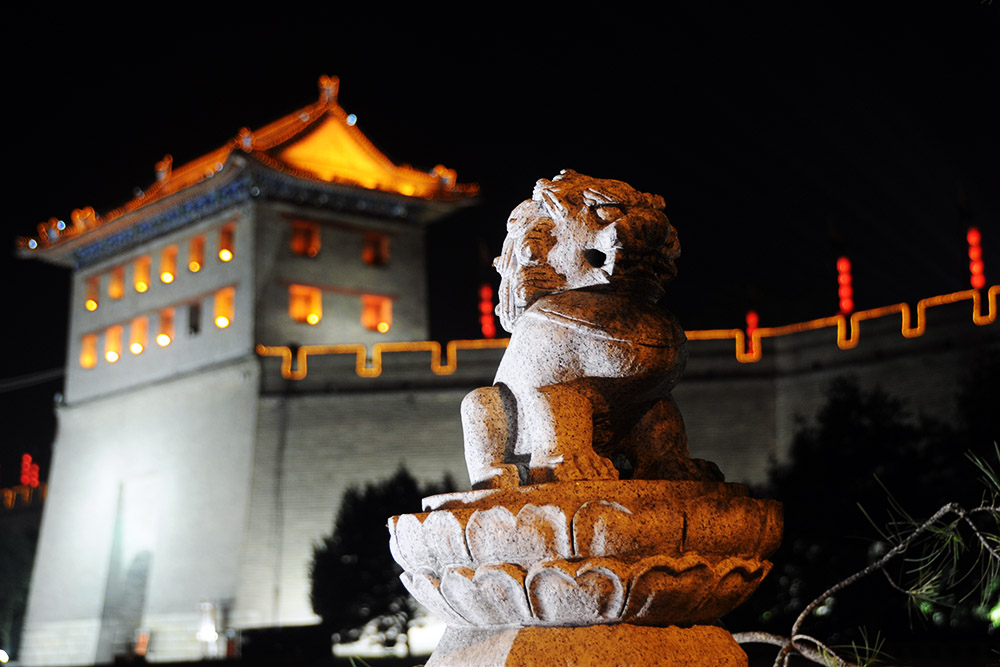
While Xi’an has a number of interesting places, one of the most famous is the city’s enormous wall. Fortifications have surrounded Xi’an and its predecessor cities for centuries, but the impressive wall standing today was constructed during the Ming Dynasty beginning in 1370.
The rectangular wall runs for nearly 14 kilometers, or about 8.5 miles, around the historic center of Xi’an. The wall is massive, with a broad top that today can even be explored by bicycle. There are several major gates into the old walled city.
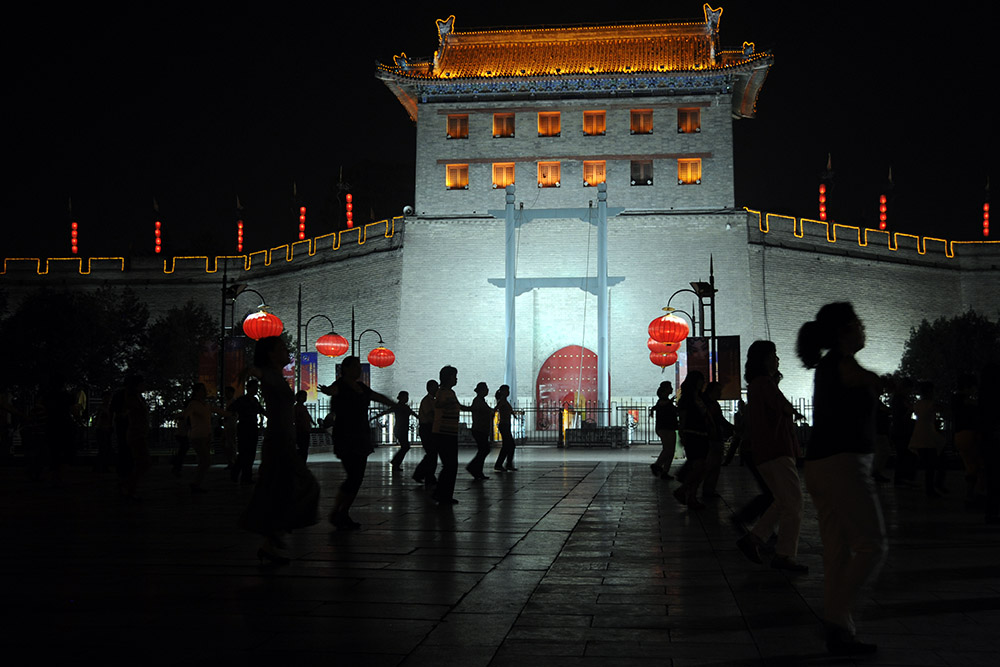
Both photos above and below are from the South Gate. The first photo shows a statue of a dragon near the entrance, while the other captures people performing some kind of ceremonial dance.
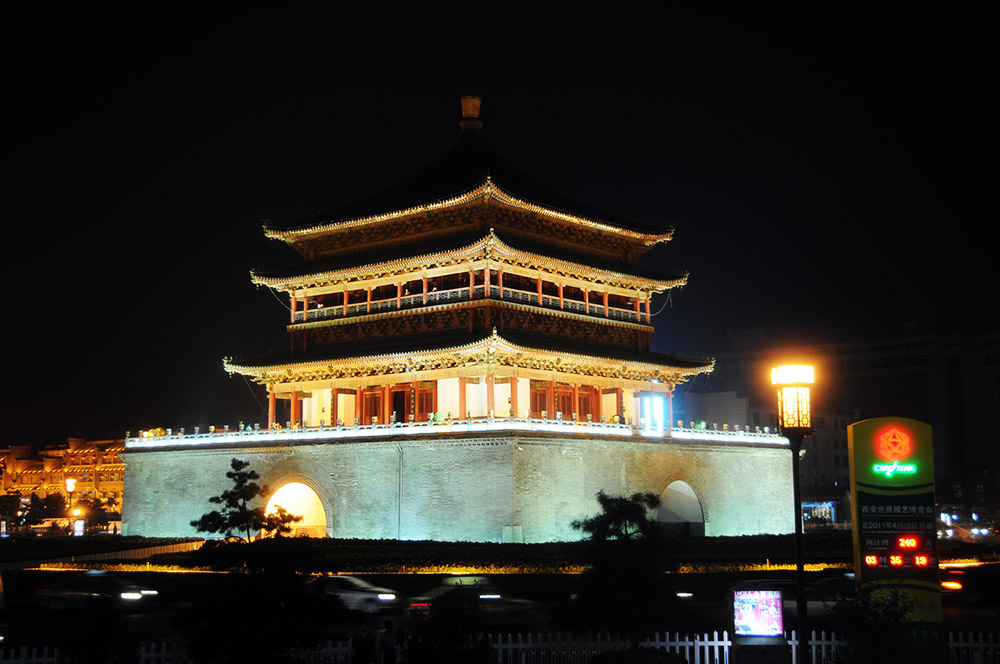
In the heart of the city is Xi’an’s Bell Tower, which was built in 1384 during the Ming Dynasty. The only way to enter the Bell Tower in modern times is to go through one of the underground walkways that are used to cross the busy streets.
When I arrived in Xi’an, I had lost my hotel address and had no way to find out where it was. The only thing I knew was the name and that it was close to the Bell Tower. The taxi driver didn’t understand anything I was trying to say, so my solution ended up being to draw the Bell Tower on a piece of paper. It actually worked! The taxi driver took me to the tower, and from there I was able to find my room.
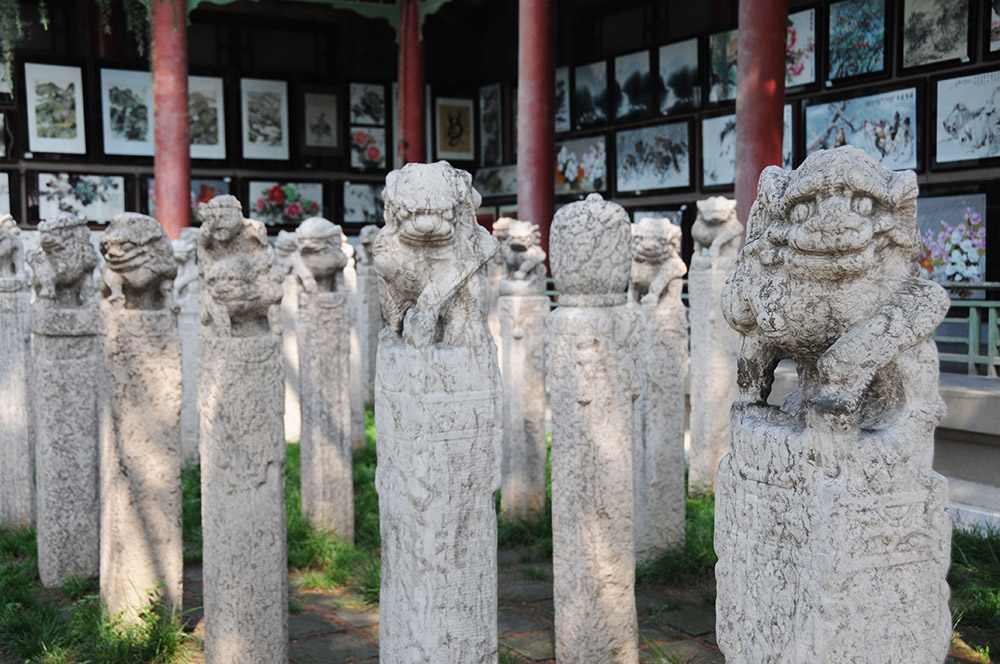
A unique museum to visit in Xi’an is the Stele Forest, officially known as the Xi’an Beilin Museum. Chinese steles are typically stone monuments used to inscribe poems, historical records, religious texts, maps, calligraphy, and information about a huge range of topics. The museum contains thousands of inscribed stones and other artifacts, making it one of the most important collections of its kind in China.
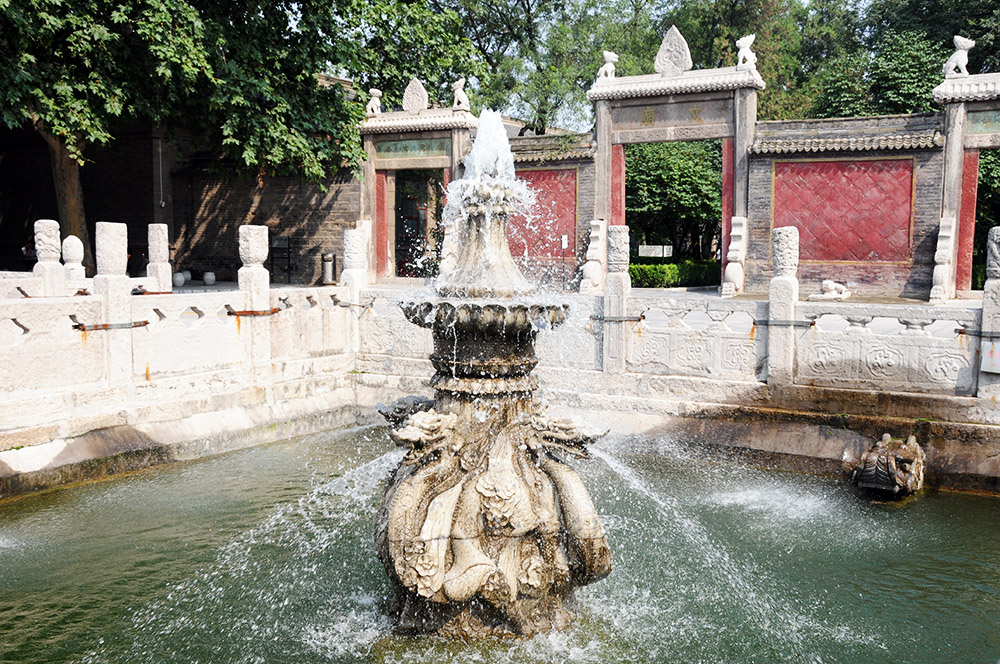
These two photos are from the museum’s outside areas, where they’ve lined up dozens of steles next to gardens and fountains.
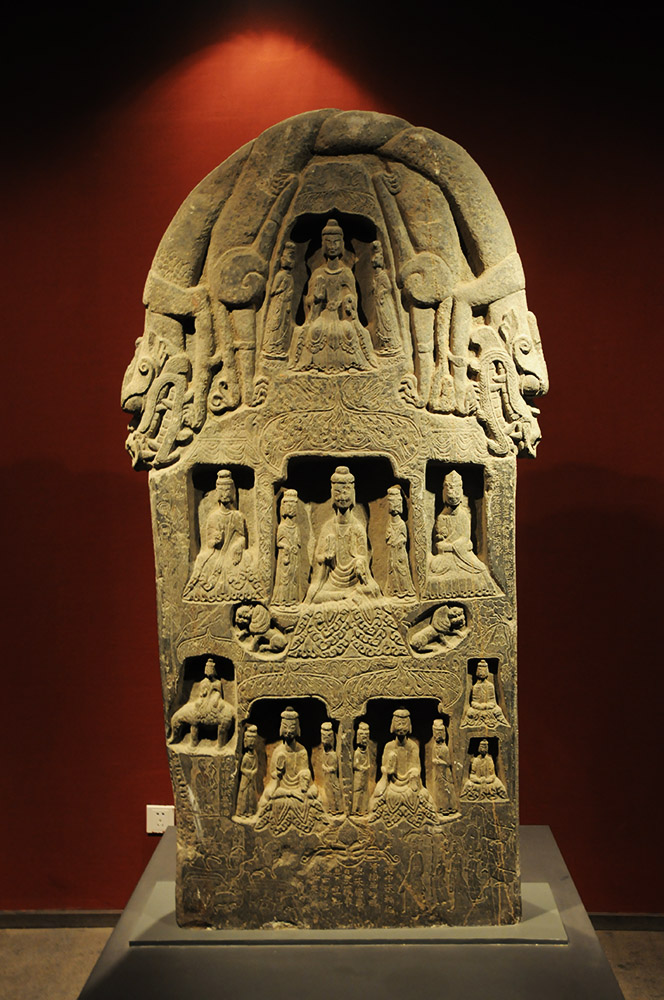
The inside of the museum has some of the most important steles. This one here was my favorite due to its size and detail. I had always thought the steles were slender stones like the ones I had seen outside. This one proved me wrong.
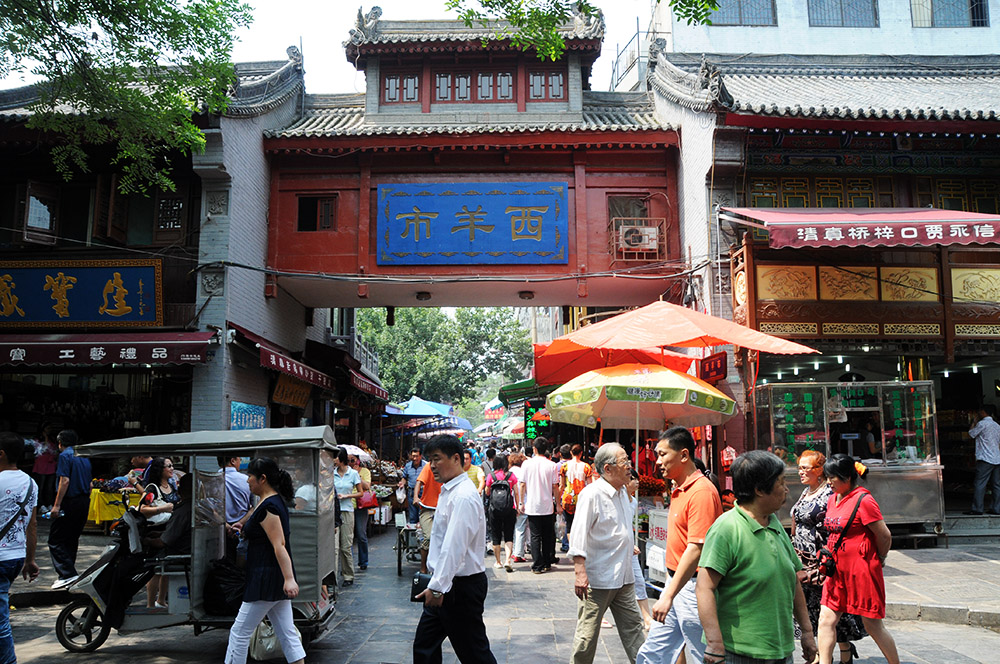
I was surprised to find out that Xi’an actually has a Muslim Quarter. Somewhere here in these crowded streets is the Great Mosque of Xi’an, one of the oldest and most famous mosques in China. I made several serious attempts to find the mosque, but somehow it eluded me. I suppose that’s what I get for leaving my map in my room!
I don’t think it’s really difficult to find; I probably just had bad luck. Later on, every other tourist I met who had visited Xi’an told me they made it to the mosque without issues.
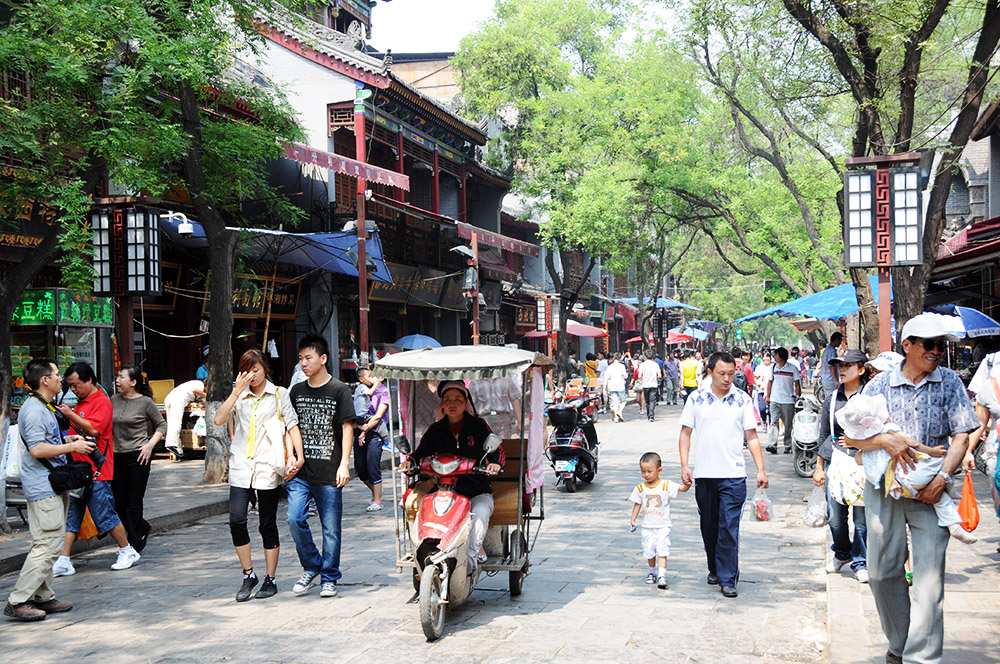
As you can see, though, the Muslim Quarter doesn’t look very different from the rest of Xi’an at first glance. If you spend some time walking around, you’ll see members of Xi’an’s large Hui Muslim community, and you’ll also begin noticing the Islamic restaurants, food stalls, signs, and other cultural influences throughout the neighborhood.
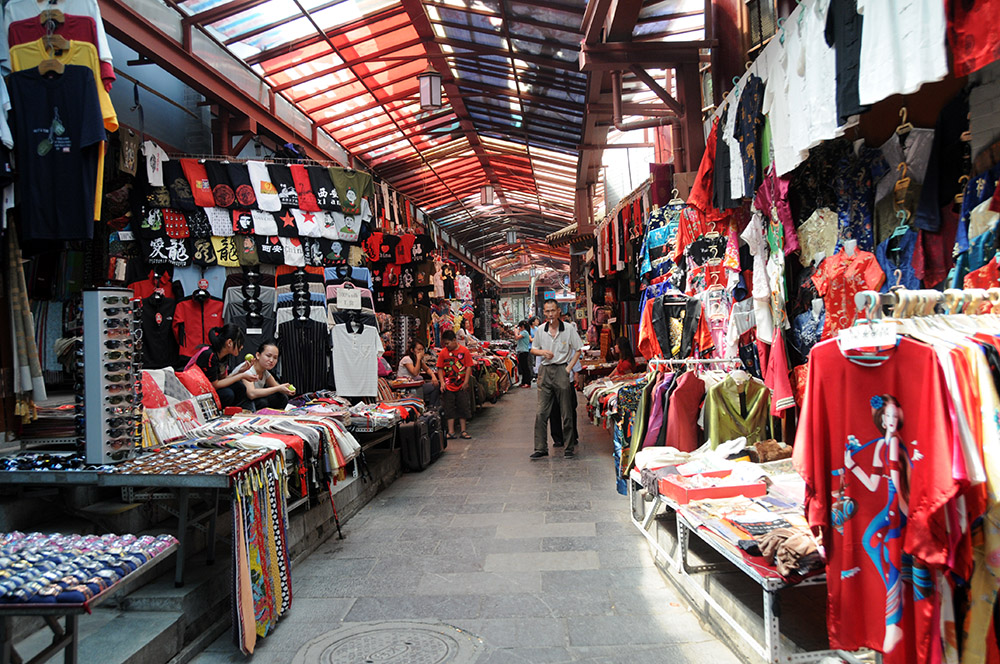
Before I came to China, I was in some need of shopping, but I figured what better place to do it than the source! Above is one of many clothing markets in Xi’an. I actually did buy some clothes as well as replace my day pack and my main traveling pack for a pretty reasonable price.
I had done this before in Malaysia, but after this trip promised myself this would be the last time. All the packs that I’ve purchased overseas may be low in price, but they were also low in quality. Within a trip or two, I had straps breaking off my pack and tears in the fabric.
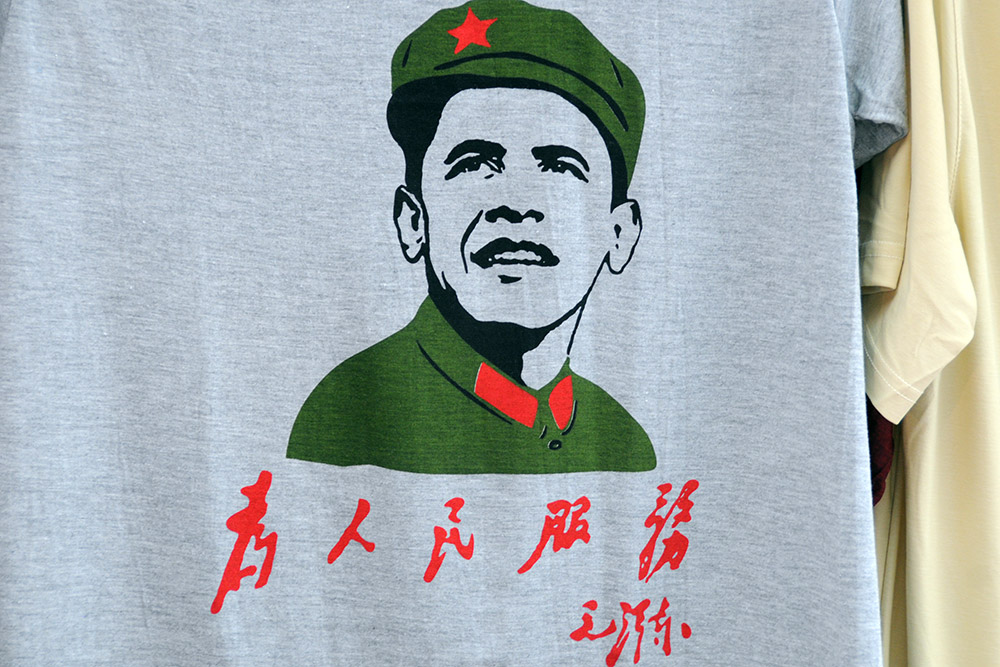
I found this shirt in the market pretty interesting. The famous image of Che Guevara had been replaced with President Barack Obama. I asked a local what the Chinese writing meant and was told it said something along the lines of, “For the comfort of the people.”
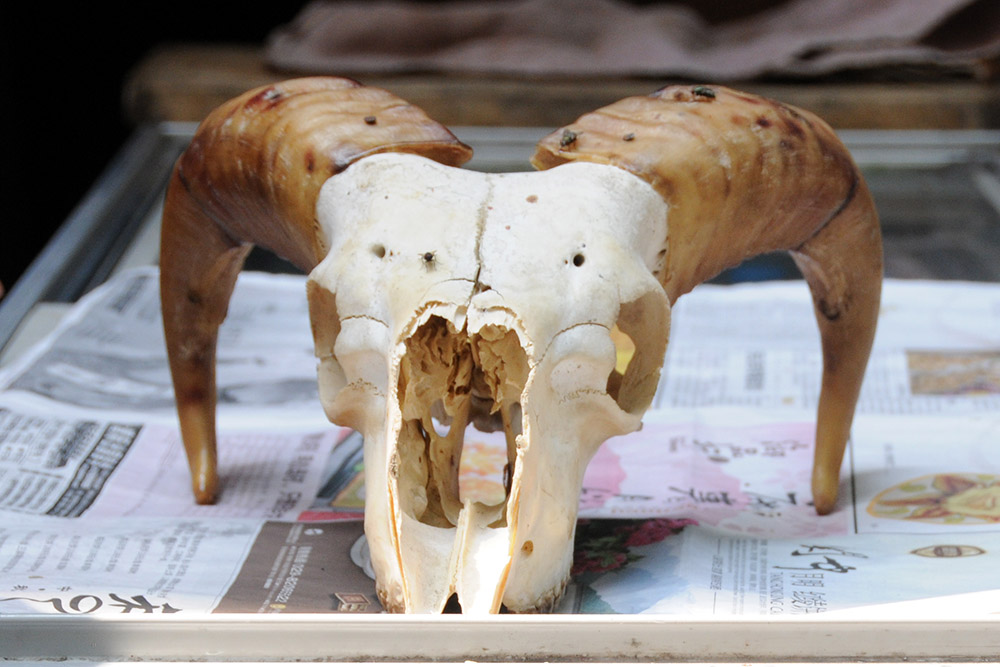
Also nearby the clothing area is a large meat market I stumbled across. I’ve been through plenty of meat markets in other countries, but this one was a bit different. I gotta say, by the time I passed through the gauntlet of skulls, bones, slabs of fly-covered meat, and other grotesque scenes, I nearly became a vegetarian.
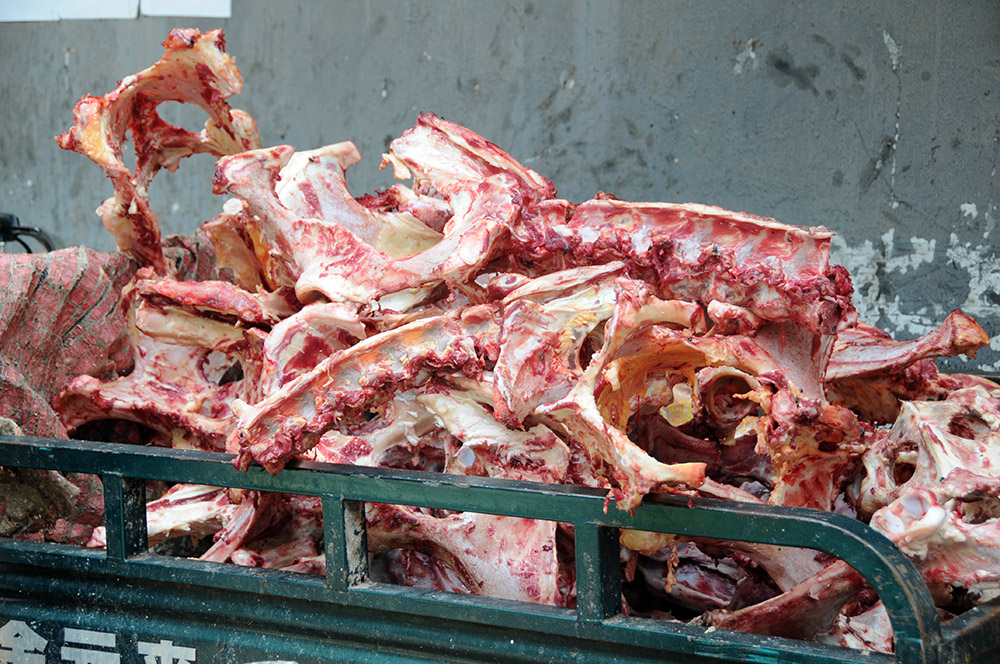
I suppose if the meat had been cooked it wouldn’t have been so bad, but the different smells of various types of raw flesh and scenes like the cart of spinal cords below didn’t appeal to me. Needless to say, I didn’t have dinner here.
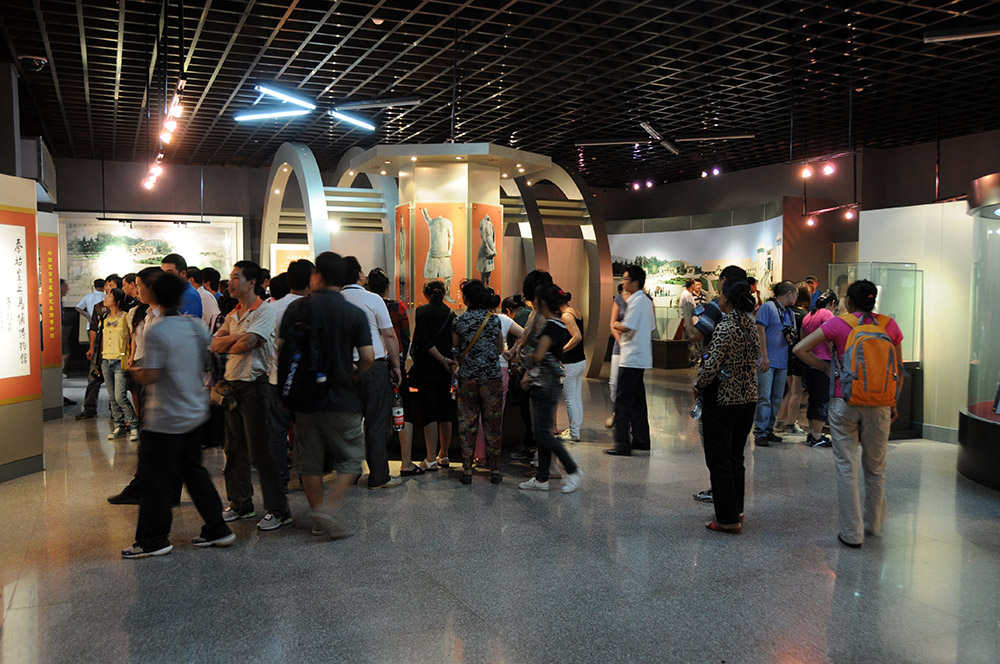
My main reason for coming to Xi’an was to see the Terracotta Warriors. About 40 kilometers outside of central Xi’an is the enormous mausoleum complex of Qin Shi Huang, including the museum containing the famous Terracotta Army.
Getting here, I had a mini adventure trying to figure out how to find the right bus from the city. Fortunately for people like me, they created a tourist-friendly system and it was easy to get to one of China’s biggest attractions. After I arrived at the museum and saw the thousands of people here and all the effort that was put into this place, I felt like I was in an amusement park.
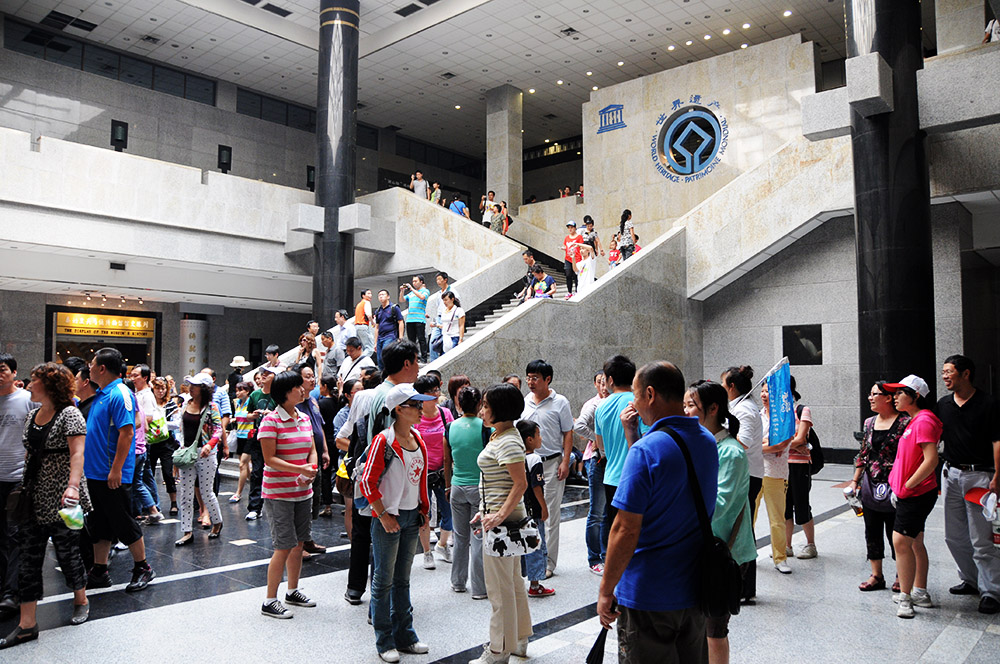
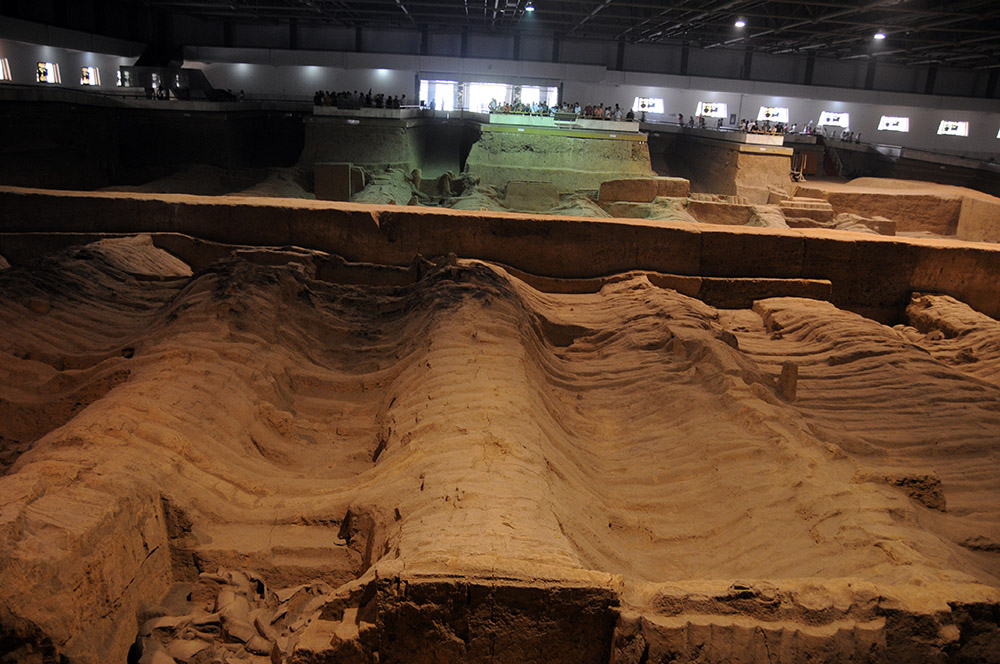
The Terracotta Army was discovered in 1974 when local farmers digging a well encountered fragments of the figures. The enormous excavation pits eventually revealed thousands of life-size terracotta soldiers. The long formations of warriors you see are only part of the massive army created for China’s first emperor.
Archaeologists estimate that the complex contains roughly 8,000 soldiers along with hundreds of horses and more than 100 chariots. Many parts of the burial complex remain unexcavated, including the emperor’s central tomb.
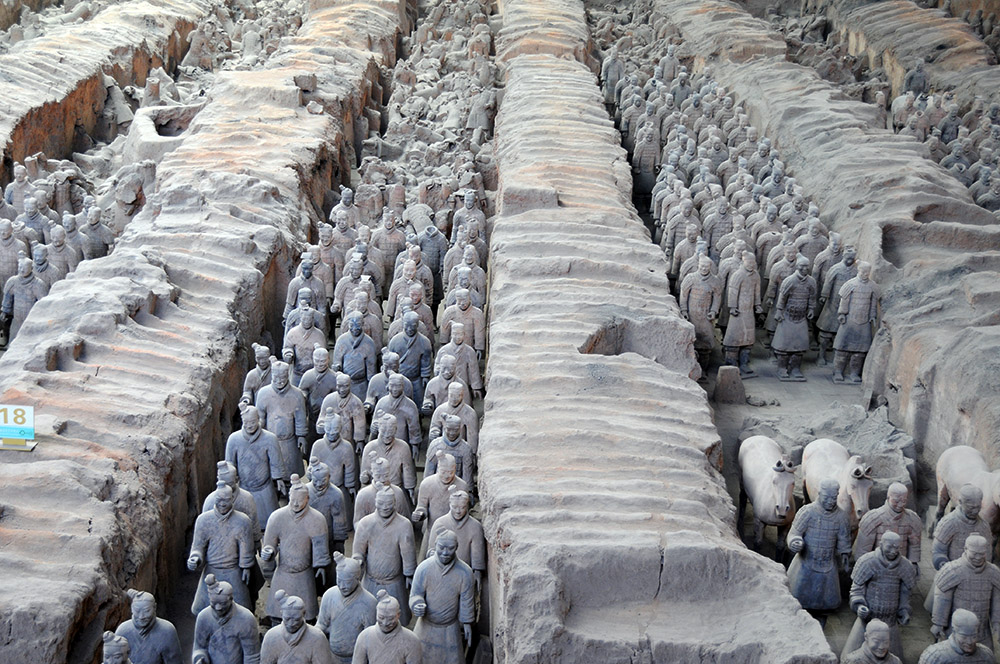
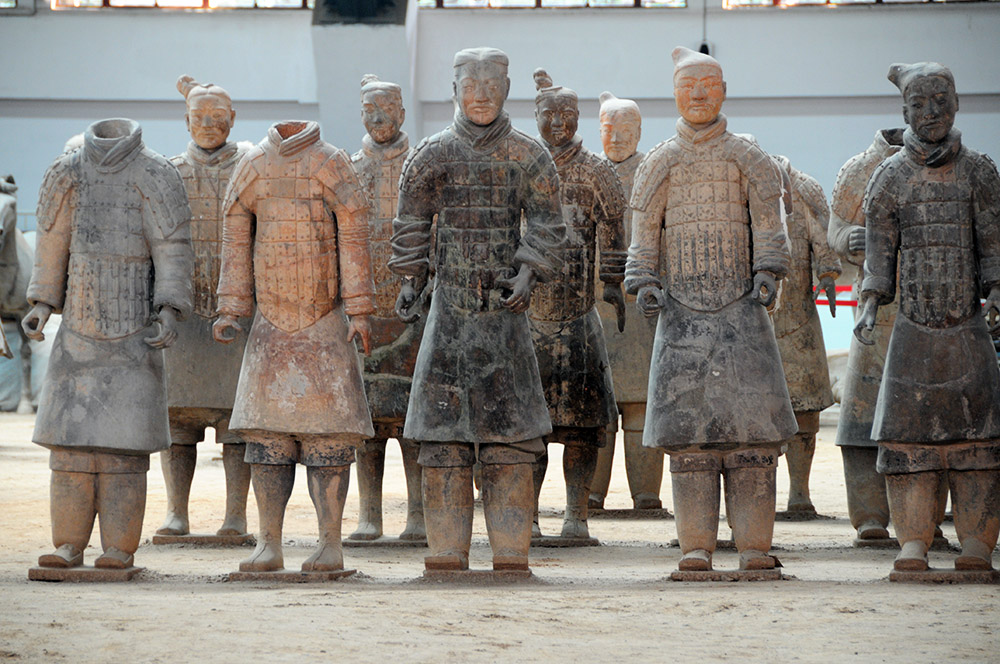
These warriors are more than 2,000 years old and were created for Qin Shi Huang, the first emperor of a unified China and founder of the Qin Dynasty. The purpose of creating an entire terracotta army was tied to ancient beliefs about the afterlife. The emperor’s enormous burial complex was designed to accompany and protect him after death.
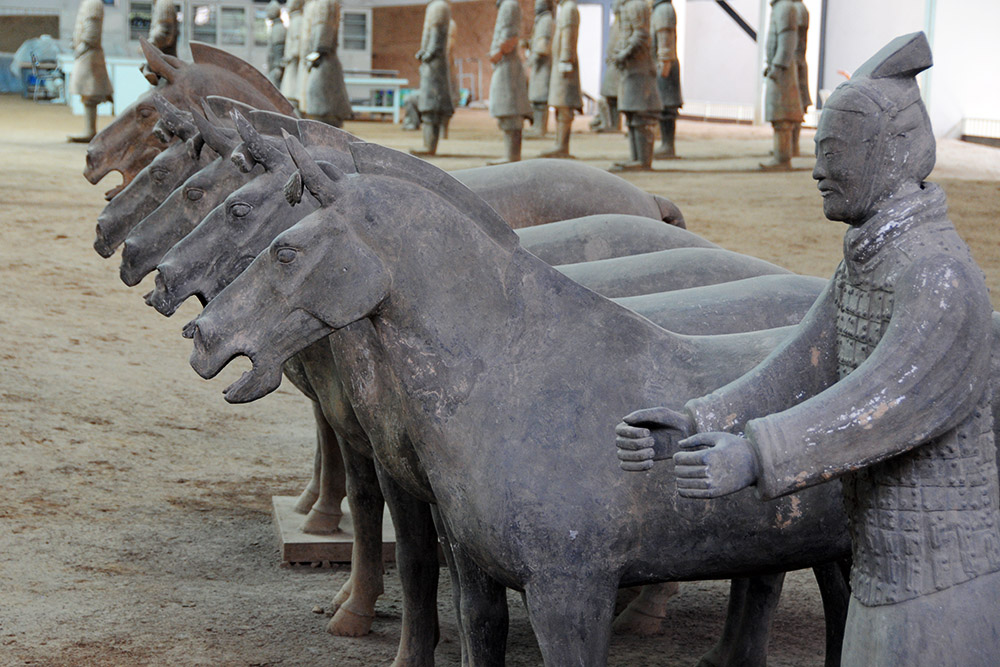
Qin Shi Huang is one of China’s most important historic leaders. He brutally unified the competing kingdoms through warfare and became the first emperor of a unified China in 221 BCE. His reign was authoritarian and included harsh punishments and suppression of opposition, but he is also credited with creating a centralized state and standardizing systems including weights, measures, currency, and writing across his empire.
His dynasty’s name is spelled Qin but is pronounced roughly like “Chin.” The English name “China” may ultimately be connected to the name Qin, although the exact origin and route by which the word entered Western languages is debated.
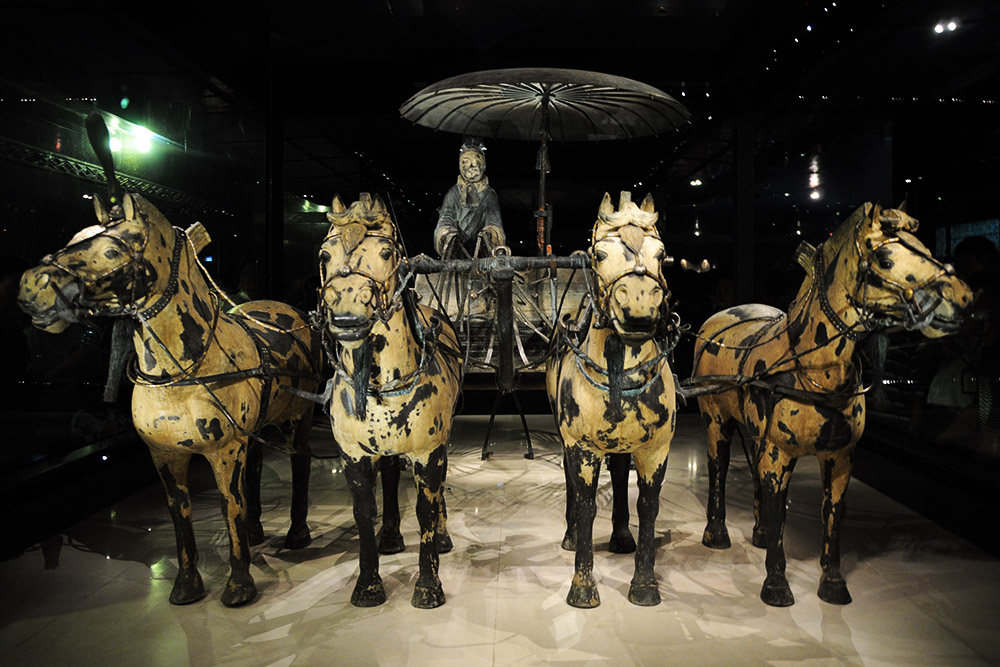
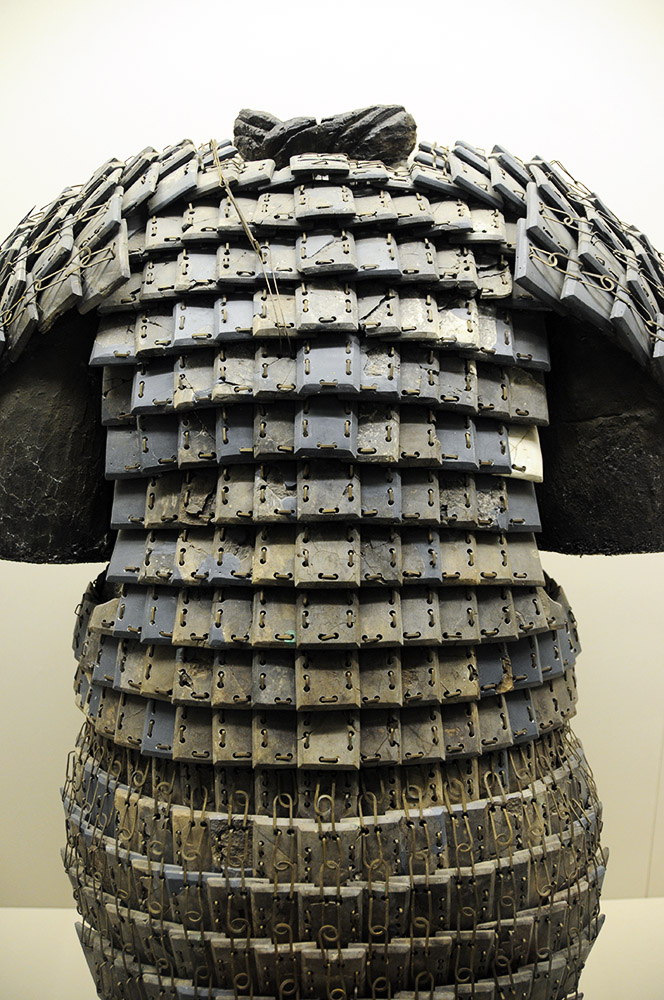
These last two photos show some stone armor photographed above, and a full bronze chariot along with a driver and four horses below.