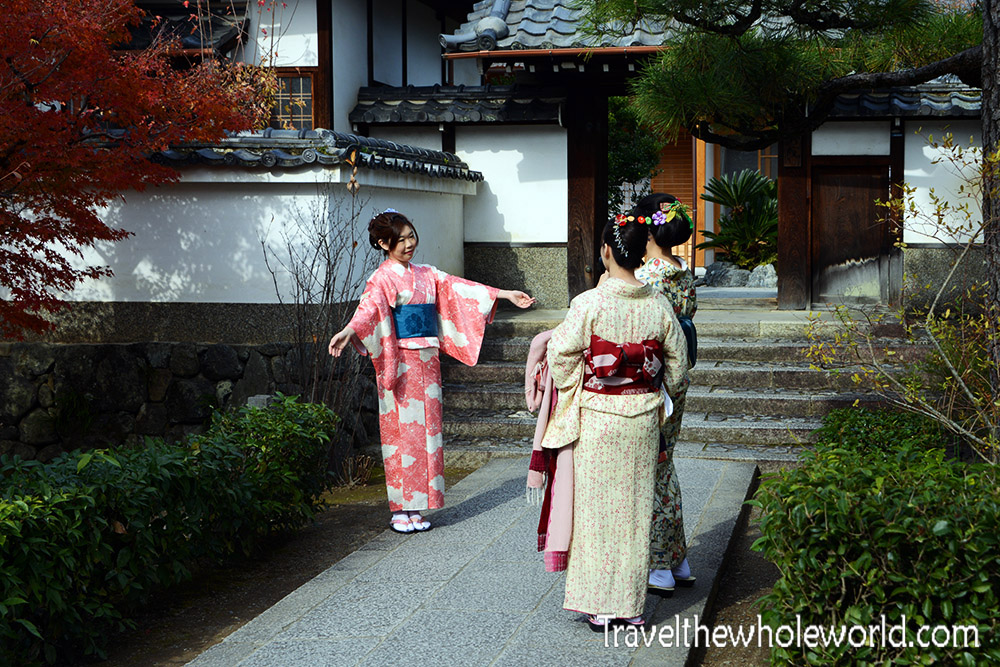
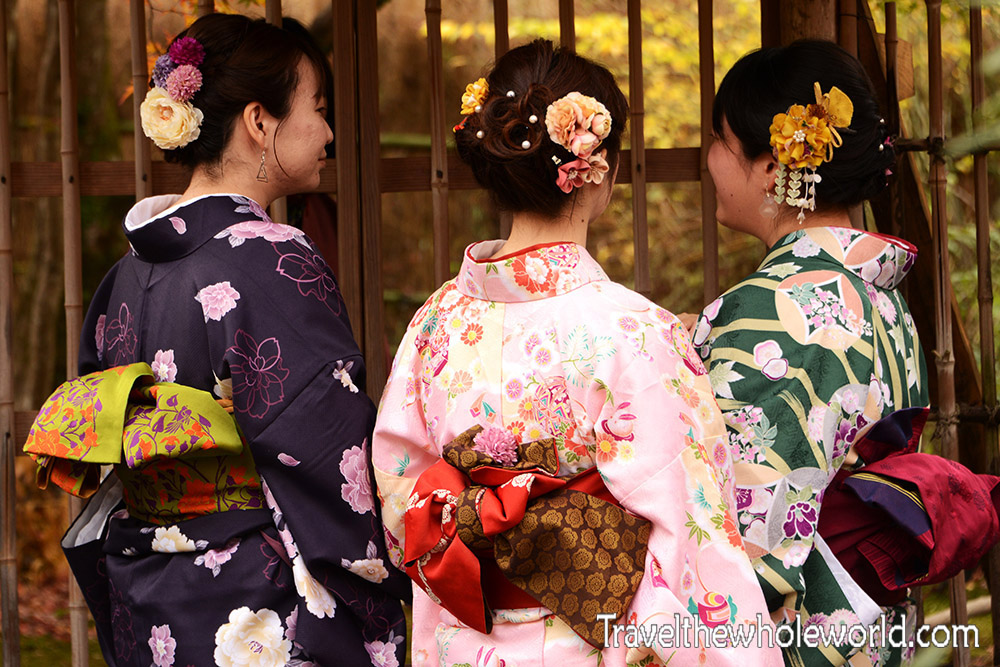
I’ve been to Japan more times than I can remember, and I can confidently say that Kyoto is now my favorite city! Kyoto was once the capital of Japan, and while that title has moved to Tokyo, Kyoto still remains the cultural center of the nation. The city is famous for its geisha districts, traditional neighborhoods, ancient temples, and shrines. The vast majority of women you’ll see dressed like geishas around the tourist areas aren’t actually geishas, but ordinary Japanese women and visitors dressing up for a fun day out, like these three women above.
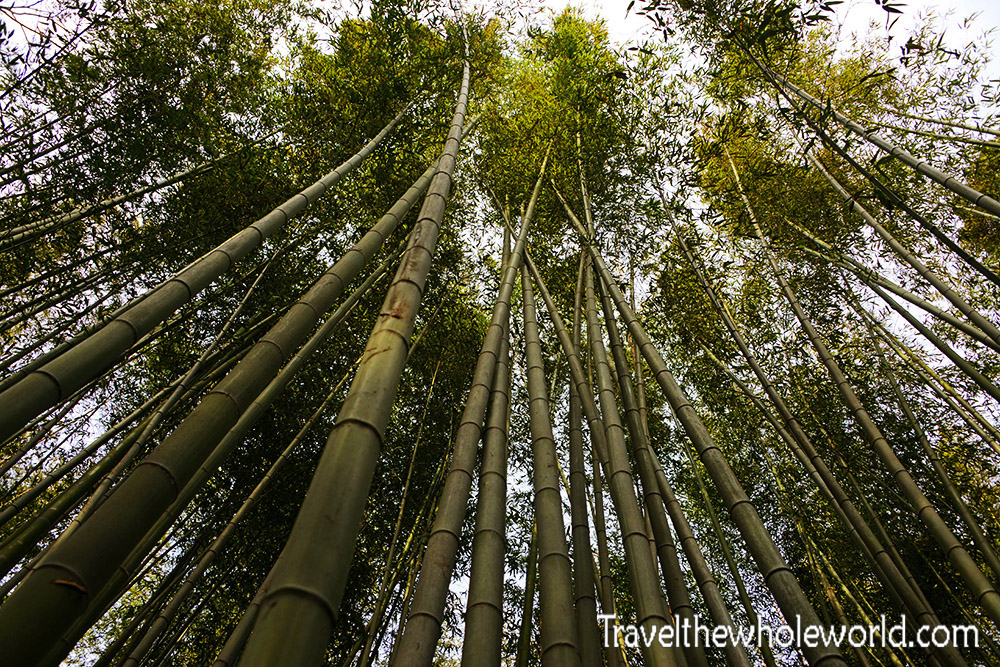
I’ll get this out of the way first. One of my original motivations for going to Kyoto was to see the Arashiyama Bamboo Forest. I hate to admit it, but what a disappointment! I had seen magical looking photos of this place for years before I finally visited. Those photos were enough to convince me that if I could only visit one place in Kyoto, it would have been Arashiyama. The problem was the crowds. There were so many people that at times it was difficult just to walk. The only photos I could really take without the back of someone’s head in them were those pointing straight up, or toward areas that were off limits to visitors.
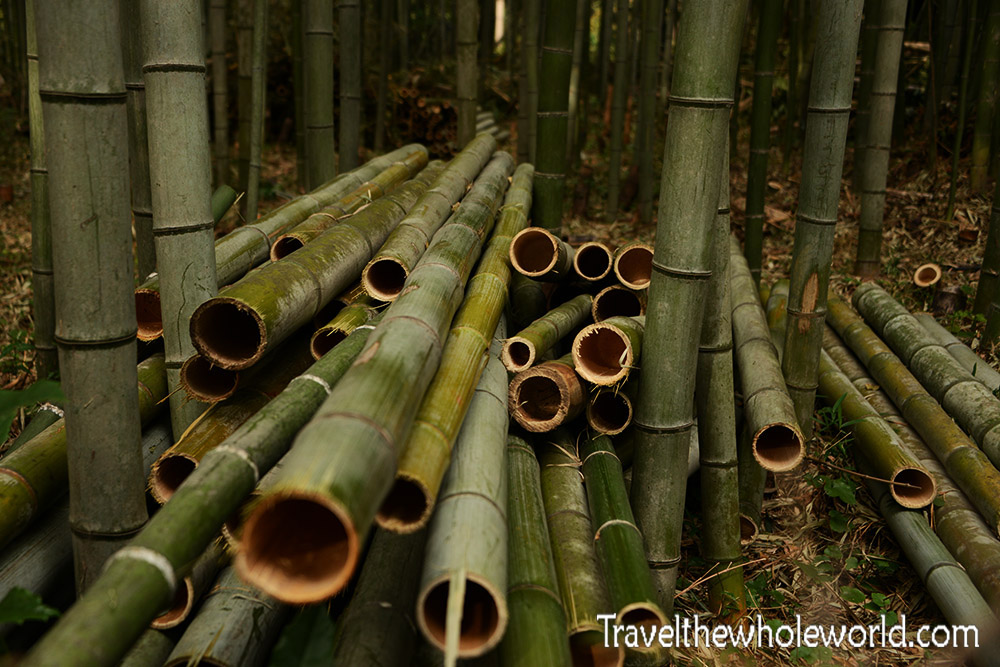
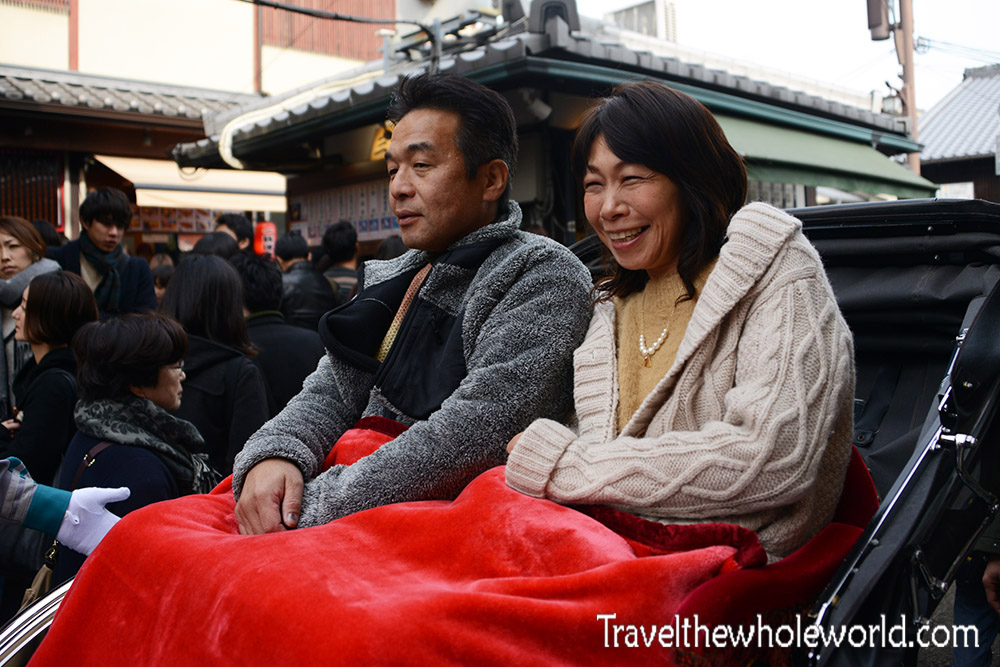
The one activity that looked like it might have been fun in Arashiyama was riding around in one of these traditional rickshaws. I photographed this couple just outside the bamboo forest, and once inside it looked like the rickshaws had access to their own paths. I didn’t do it myself, but it definitely looked like a better way to avoid some of the crowds. One benefit of all the people around Arashiyama was seeing plenty of visitors dressed in traditional Japanese clothing, often posing among some beautiful backdrops.
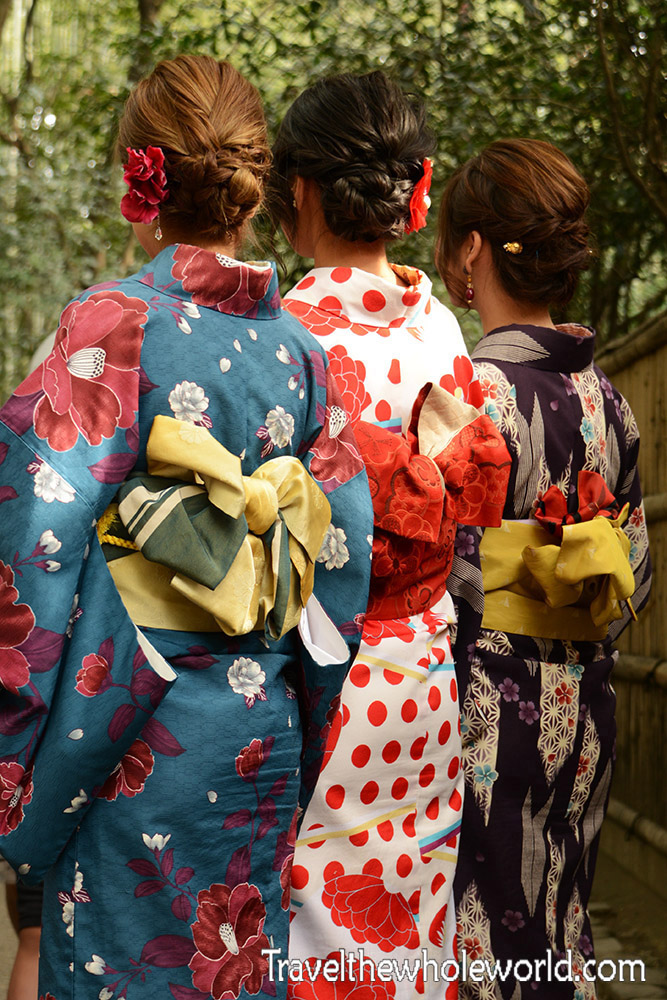
Hogonin Temple
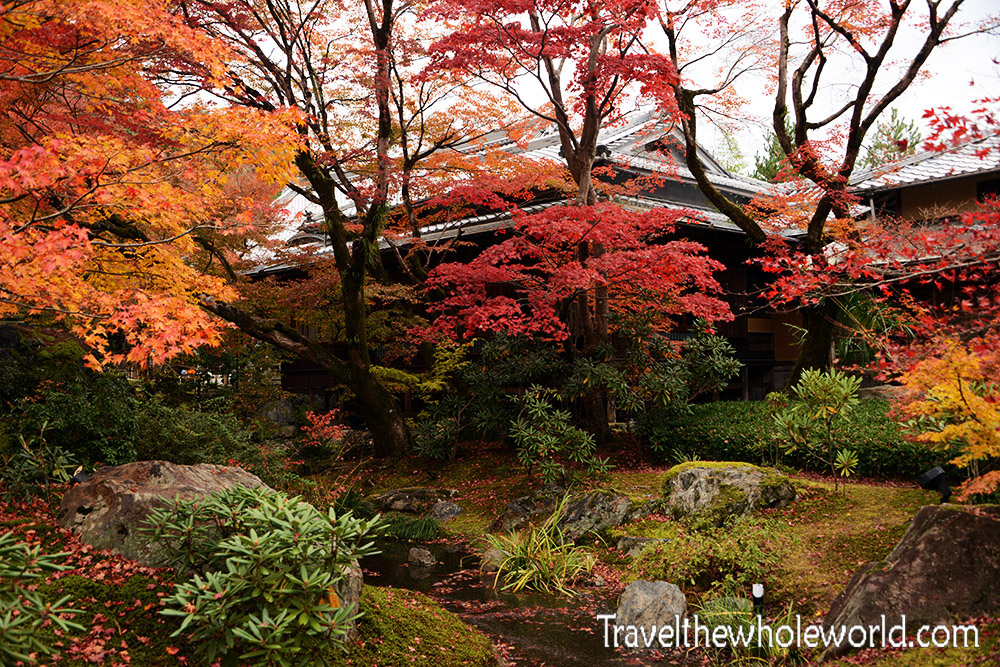
A much better place to visit than the bamboo forest, in my opinion, was Hogonin Temple. This Buddhist temple still had its share of visitors, but it didn’t feel annoyingly crowded like Arashiyama. I happened to visit during one of the best times of the year, when the fall colors were near their peak.
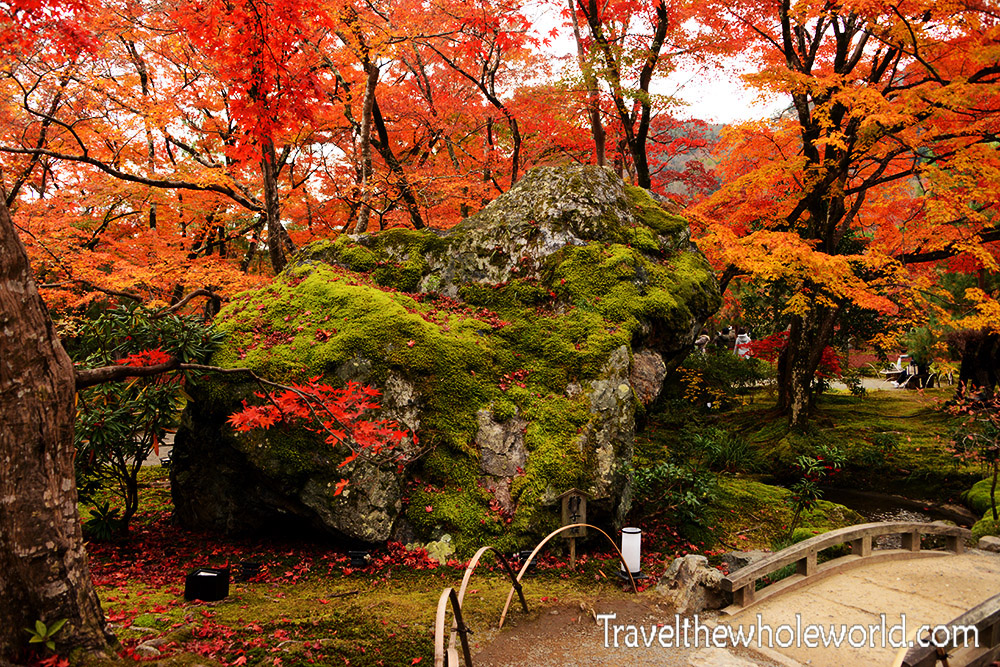
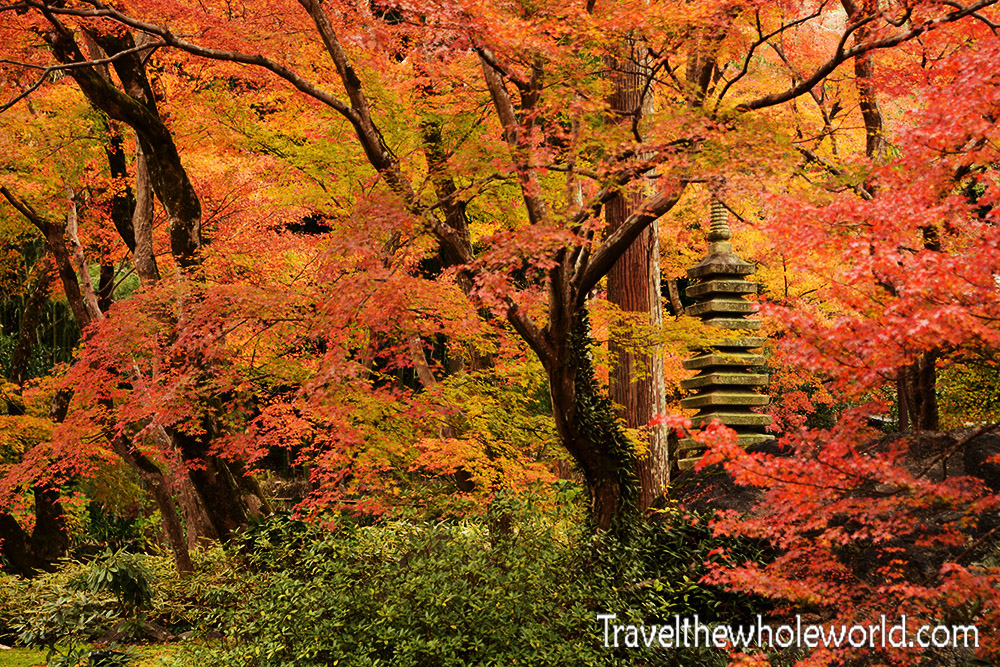
The temple had plenty of traditional architecture, including some old-style roofs and beautiful gardens. I realized afterward that the fall colors got so much of my attention that I didn’t focus nearly as much on the actual temple buildings. In the background of the photo above you can see one of the Japanese-style pagodas.
Fushimi Inari Taisha
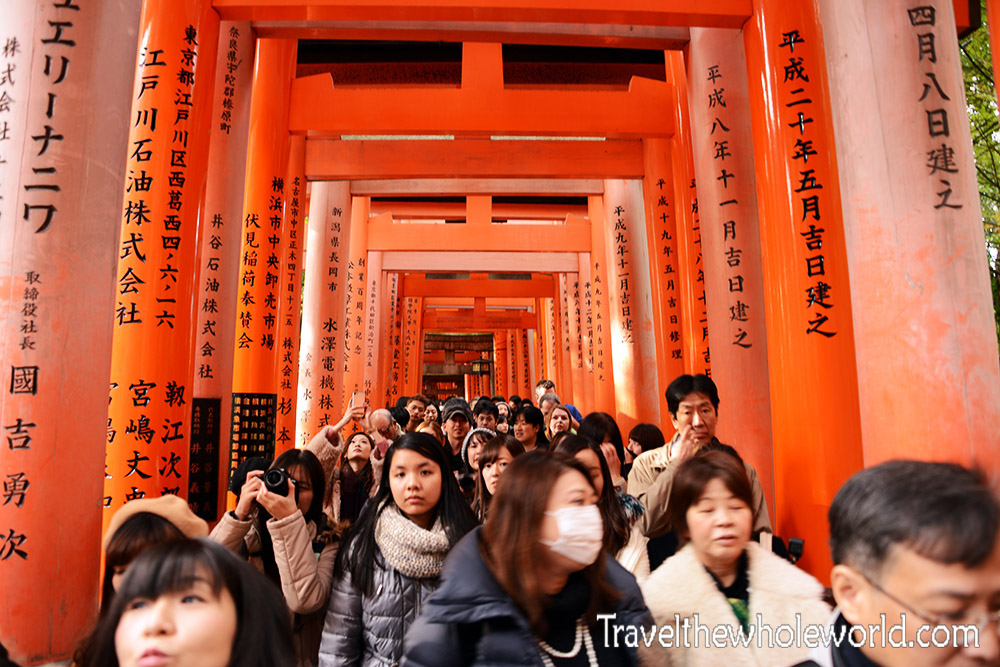
Even more crowded than the Arashiyama Bamboo Forest was Fushimi Inari Taisha. As you can see, near the entrance it’s almost impossible to stop without causing a traffic jam. Despite all the people, this was still one of my favorite places in Kyoto. Fushimi Inari is famous for its seemingly endless rows of bright torii gates, creating one of the most unique sights in Japan.
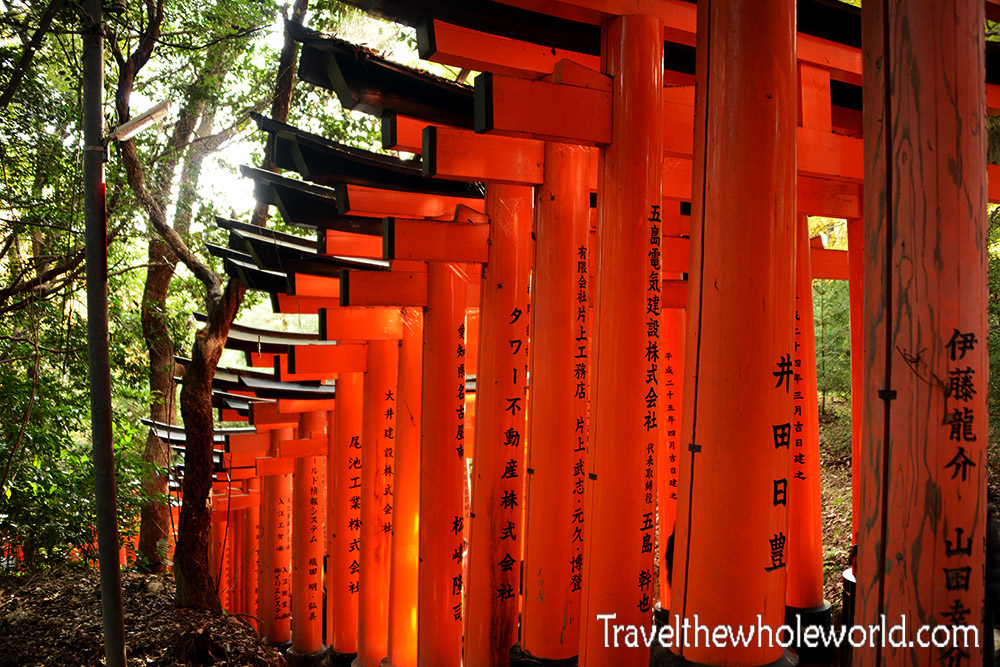
The great thing about Fushimi Inari is that the shrine complex is so massive you can seriously hike for hours here. The most crowded areas are obviously those closest to the entrance, but the higher you climb and the farther you get from the main entrance, the more solitude you’ll find.
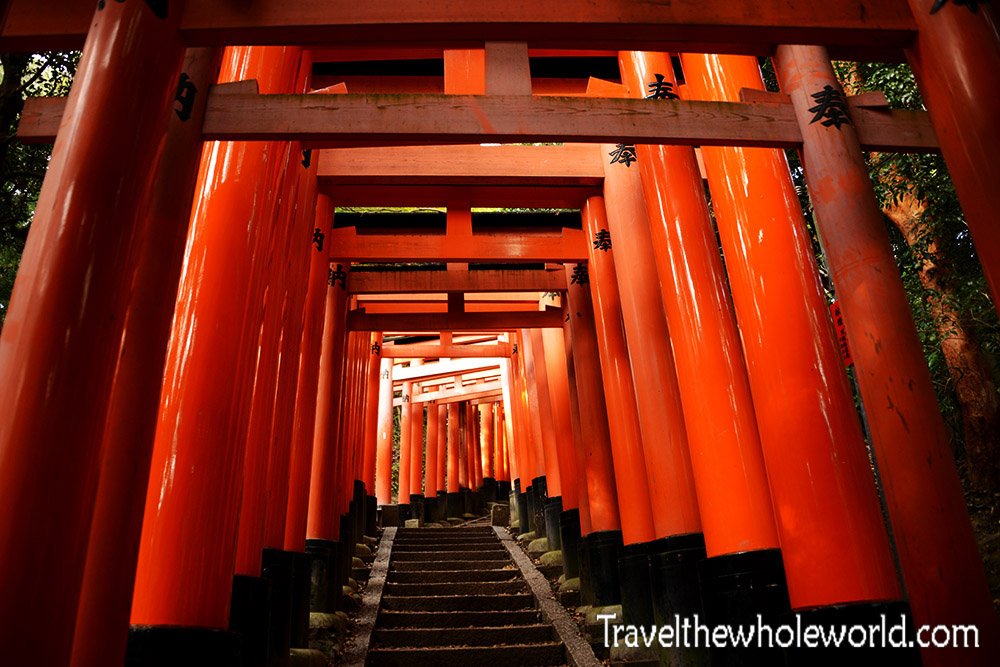
Torii are sacred gates associated with Japan’s Shinto religion and mark the entrance to sacred spaces. Because there are so many visitors, the lower sections can feel almost like one-way traffic. These torii were higher on the mountain, where the crowds had thinned out enough that I nearly had the place to myself.
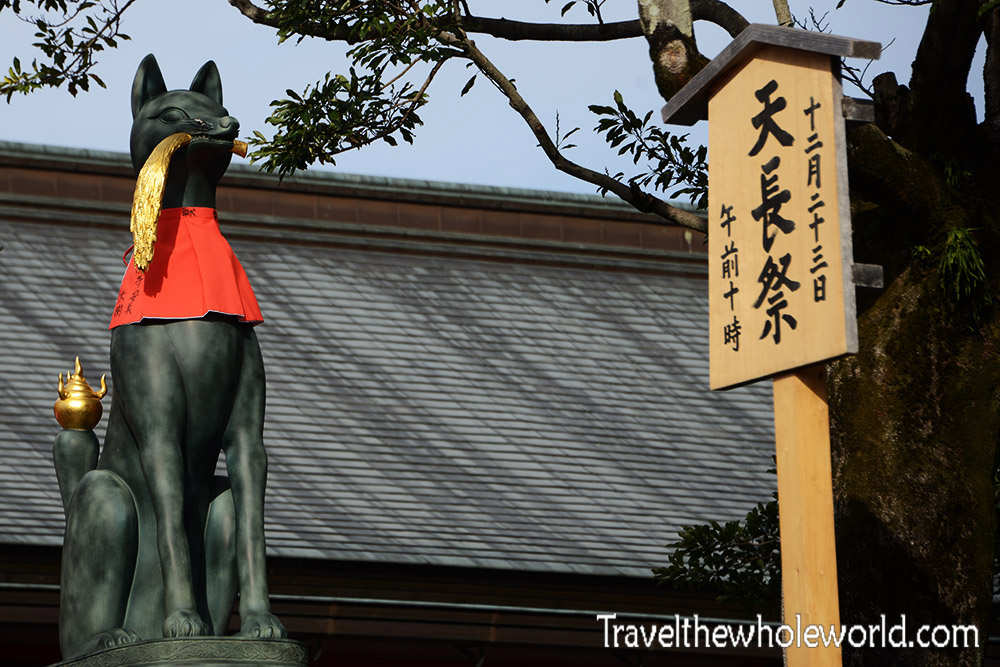
If you visit Fushimi Inari, you’ll quickly notice statues of foxes scattered throughout the shrine grounds. Foxes are considered messengers of Inari and can be found at Inari shrines throughout Japan. The foxes are often shown carrying symbolic objects, such as the key held by the statue above. In the photo below, I even caught someone wearing a fox mask.

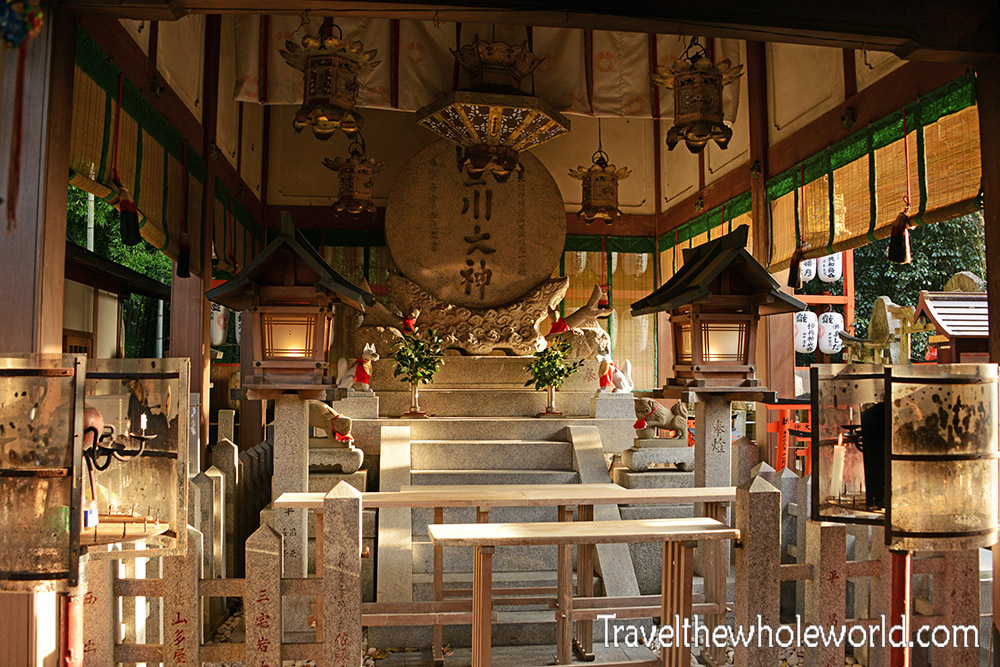
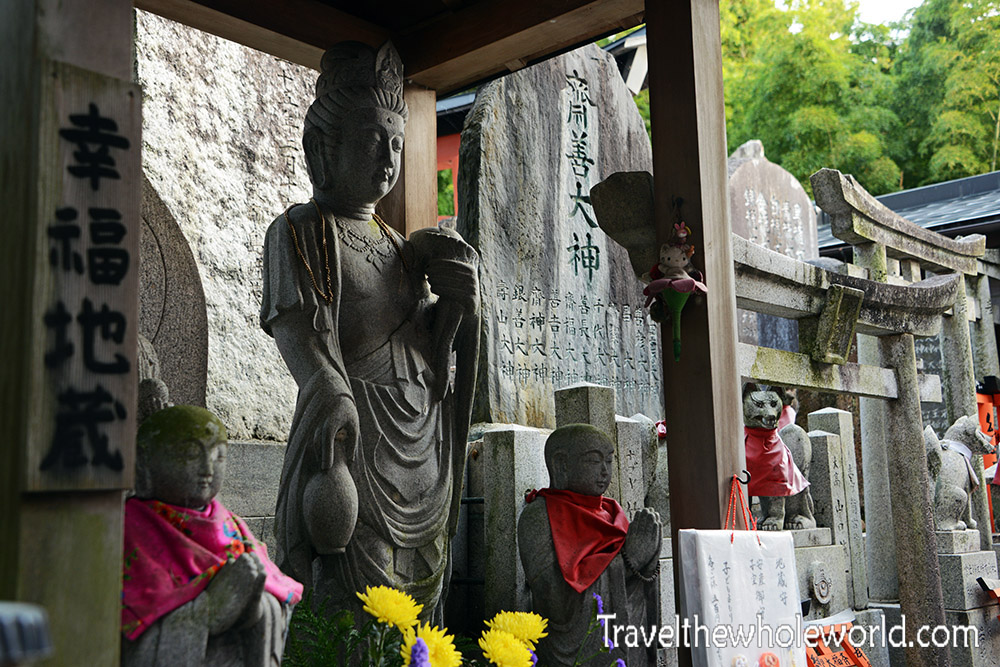
The entire complex is so massive and diverse that this is one of the few places where I think going completely unguided might actually be a mistake! I wandered around for hours and came across small shrines and religious sites without always knowing exactly what I was looking at. The beautiful shrine above was one of them.
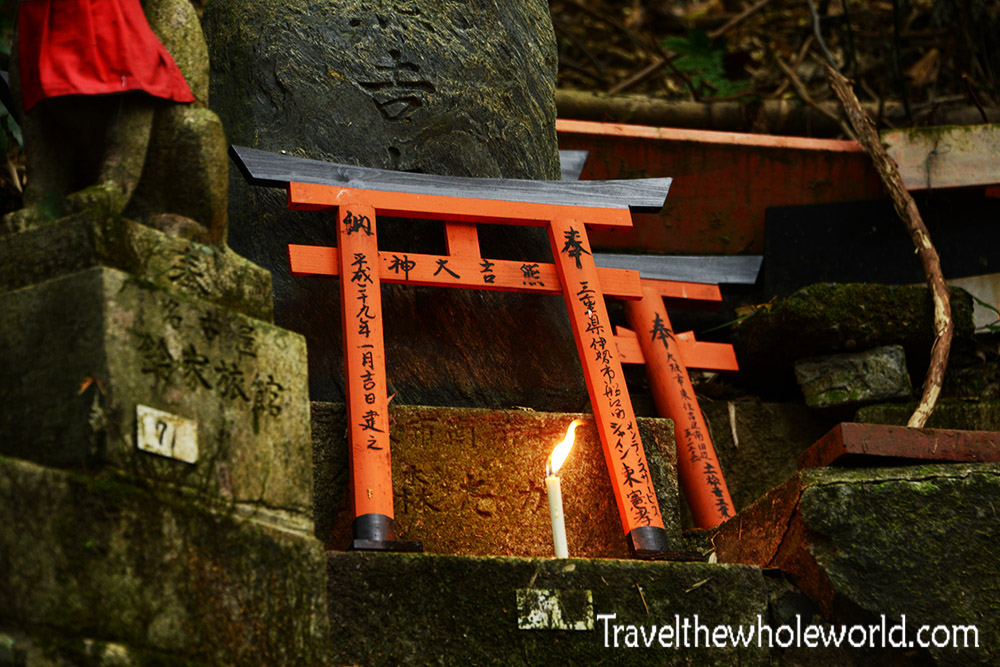
Shinto and Buddhism have existed alongside each other in Japan for centuries, and it’s common to see elements of both traditions throughout the country. I had studied Japanese in the past, and one simple explanation we were taught was that Shinto traditions often accompany important events in life, while Buddhism has traditionally played a major role in funerals and the afterlife.
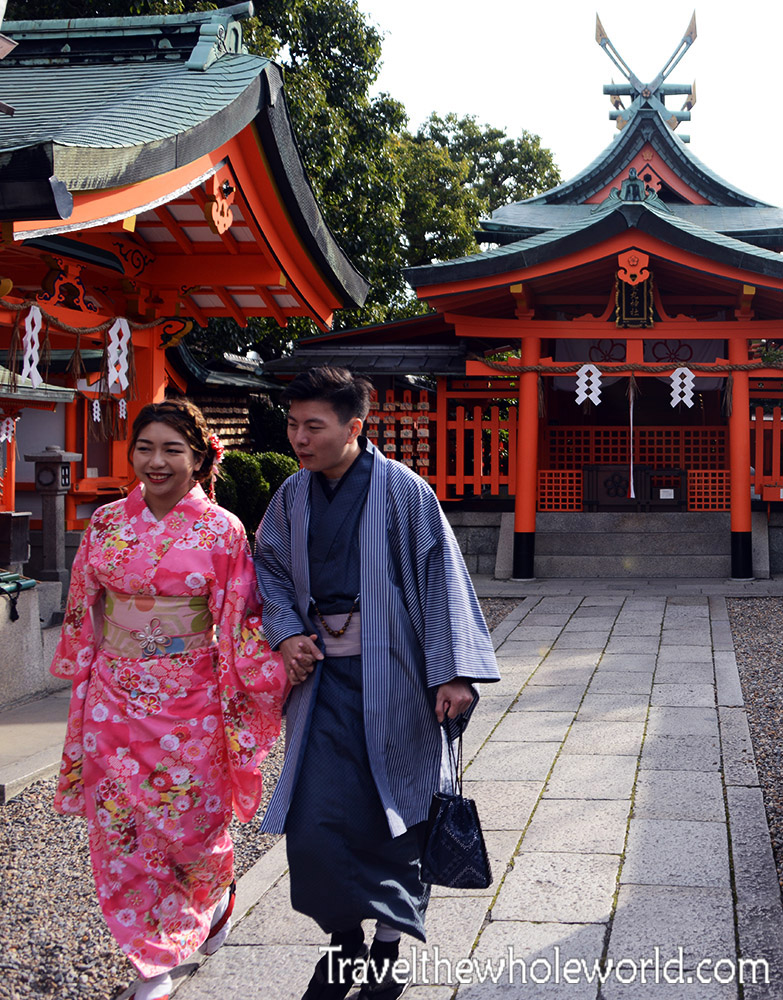
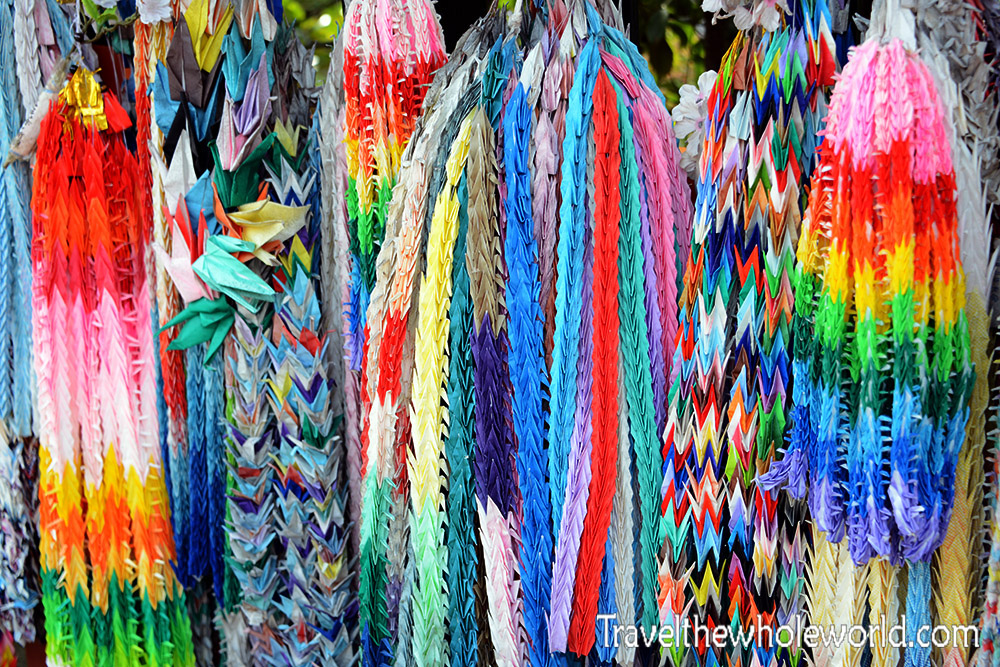
These final photos are from near the entrance on my way out. I had seen plenty of women dressed in traditional clothing throughout Kyoto, but this was one of the first men I saw dressed traditionally as well. Throughout the shrine you’ll also come across plenty of colorful offerings and decorations, including the paper cranes seen below.
Kyoto Tower
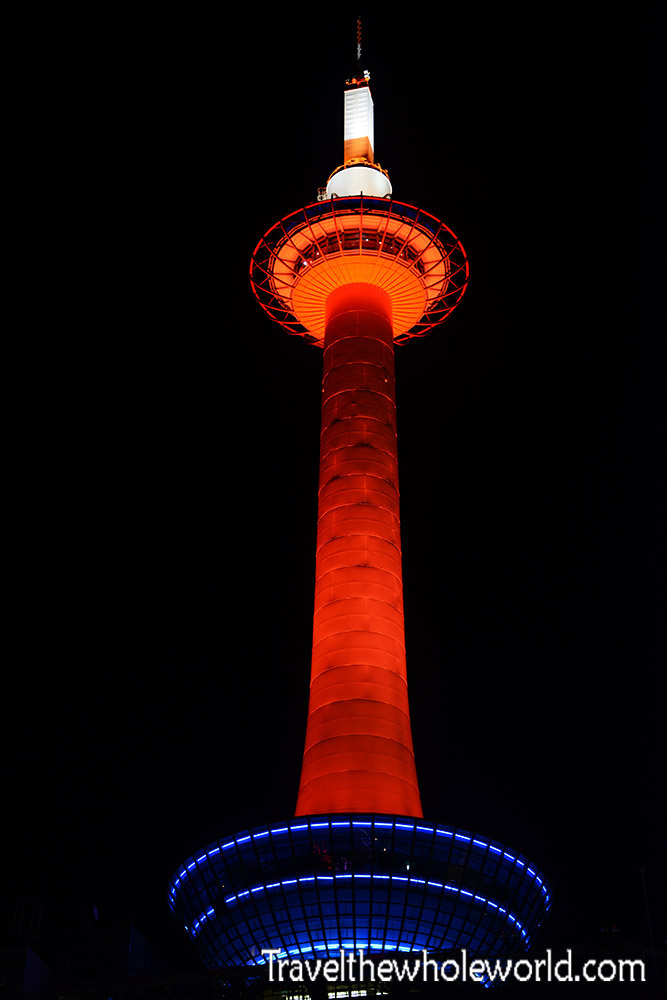
There are so many cultural places to visit in Kyoto that I realized afterward I barely photographed the actual modern city! One exception was Kyoto Tower. In the middle of all these ancient temples, it’s impossible to miss the tower rising above the city. At about 430 feet (131 meters), it wouldn’t be particularly impressive in a city filled with skyscrapers, but in Kyoto it’s enough to dominate the skyline. Some people think the modern tower looks out of place in Japan’s ancient capital, while others see it as part of the city. I hadn’t really thought about it either way. It’s been there longer than I’ve been alive, so to me it was simply part of Kyoto. The one thing I wish I had done was go up to the observation deck for the view. Never enough time to do everything though!
Kiyomizu-dera
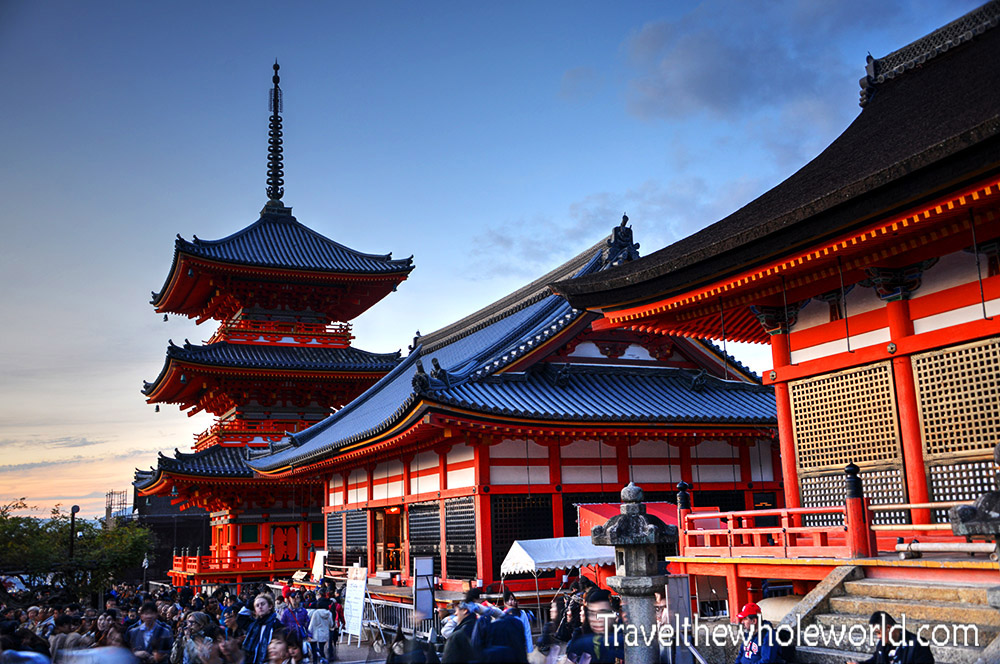
There are seriously dozens of important shrines and temples in Kyoto, but one last place I’ll share is Kiyomizu-dera. The temple was originally founded in the late 700s, although many of the structures standing today were built centuries later. Several buildings make up the complex, and one of its most famous features is the enormous wooden stage that extends out over the hillside. There was once even an expression about jumping from the stage of Kiyomizu, basically meaning to take a huge leap of faith. Thankfully nobody is allowed to test that literally anymore!
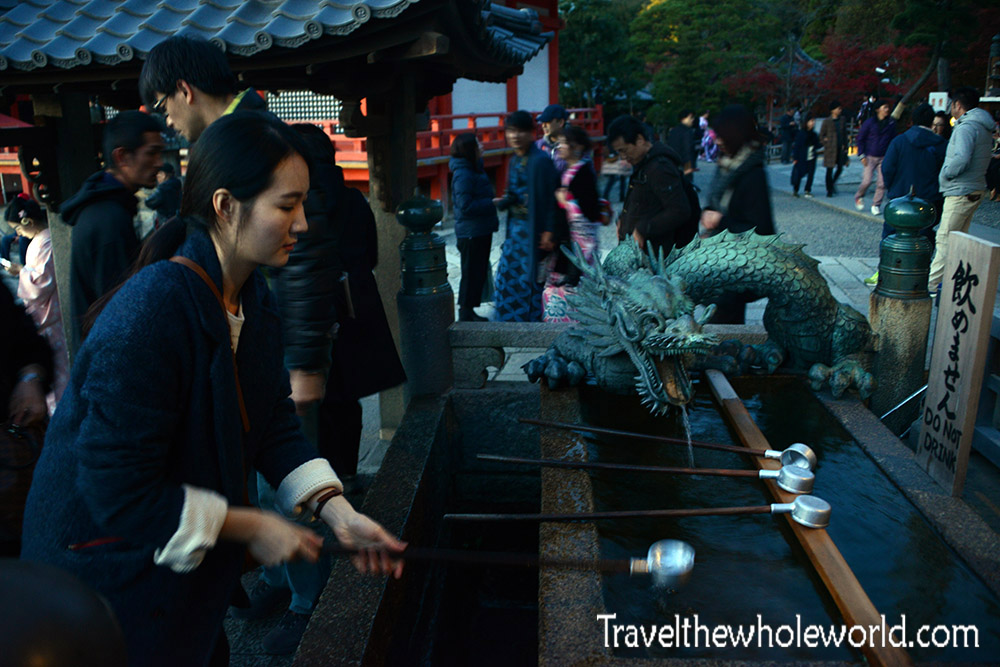
The name Kiyomizu roughly translates to “pure water,” and comes from the natural water flowing through the temple grounds. Water from the Otowa Waterfall is an important part of the site, and visitors line up to drink from its streams in hopes of receiving good fortune.
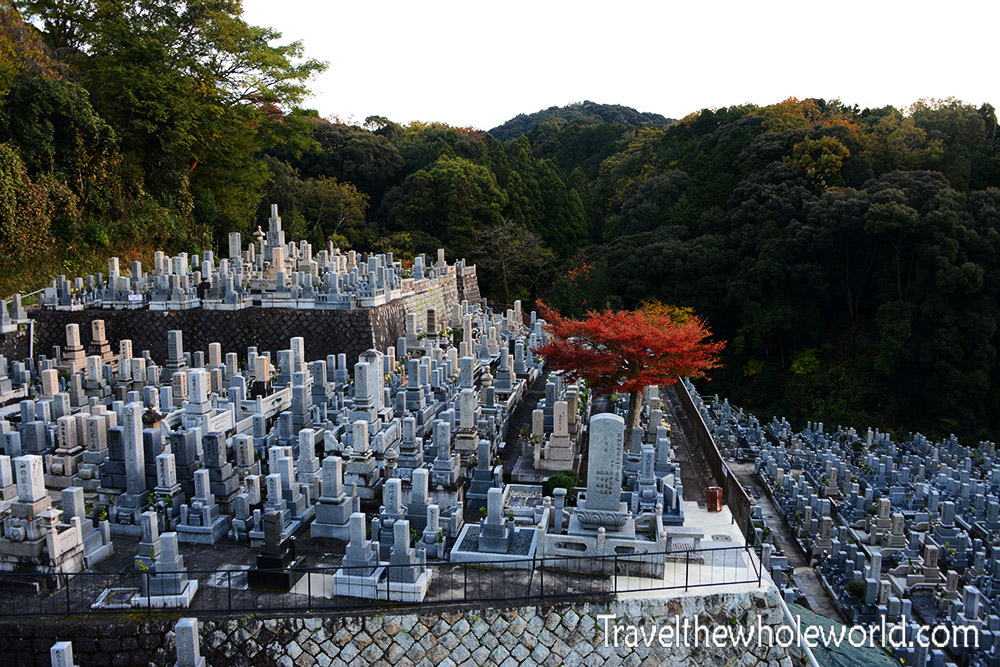
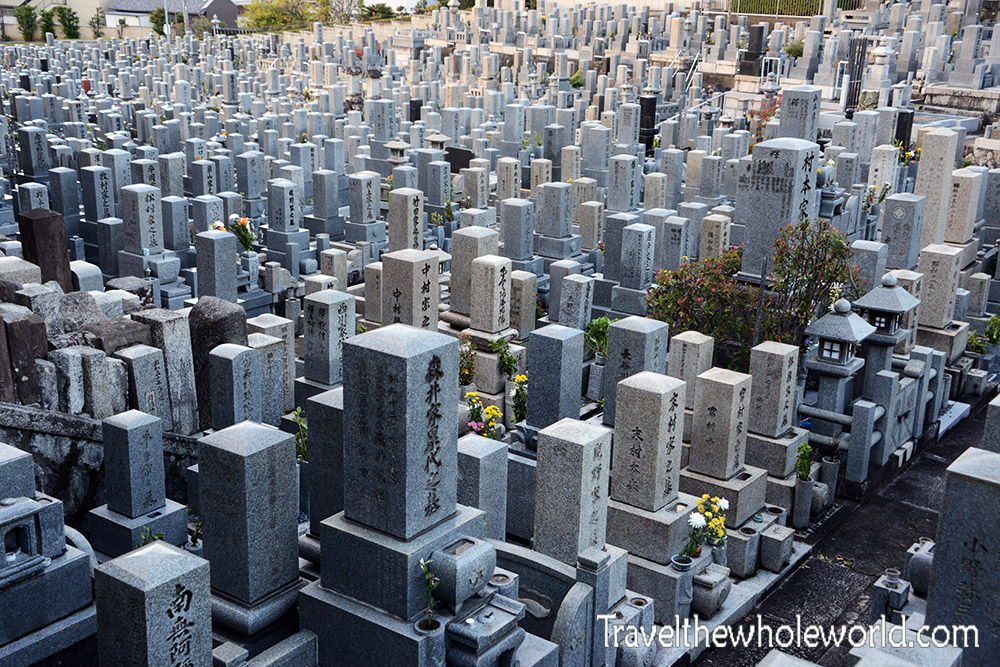
After leaving Kiyomizu-dera, I ended up hiking higher along a small trail instead of following the crowded entrance back down. I had no idea this place even existed, but I suddenly came across one of the largest cemeteries I had ever seen. This was Nishi Otani Cemetery, with thousands of tombstones covering the hillside. Coming across such an enormous cemetery completely by accident was one of those experiences I probably wouldn’t have had if I had simply followed the crowds back toward the city.
Kyoto at Night
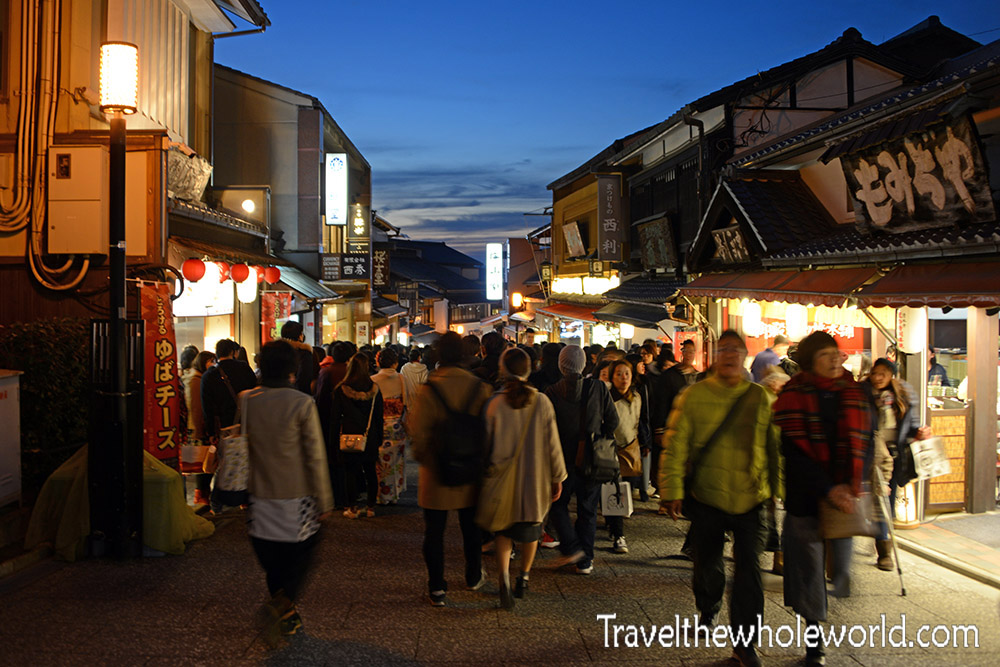
When night came, I left the cemetery and eventually made my way back toward central Kyoto along one of the crowded shopping streets. Here you’ll find plenty of shops, restaurants, souvenirs, and street food. Despite how packed the streets could get, I found that many of the restaurants themselves weren’t actually that crowded once you stepped inside.
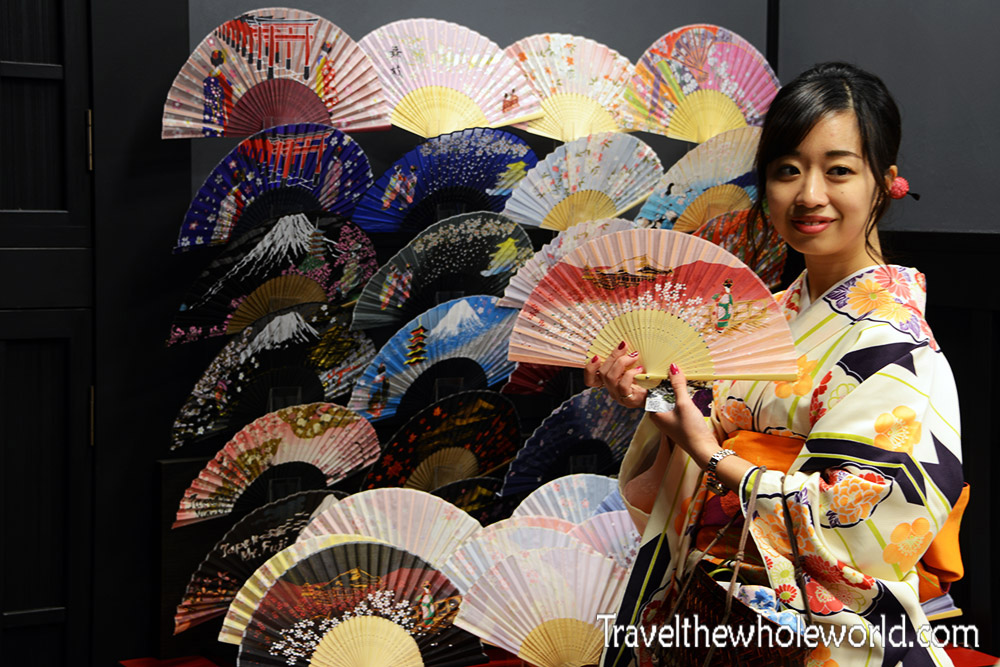
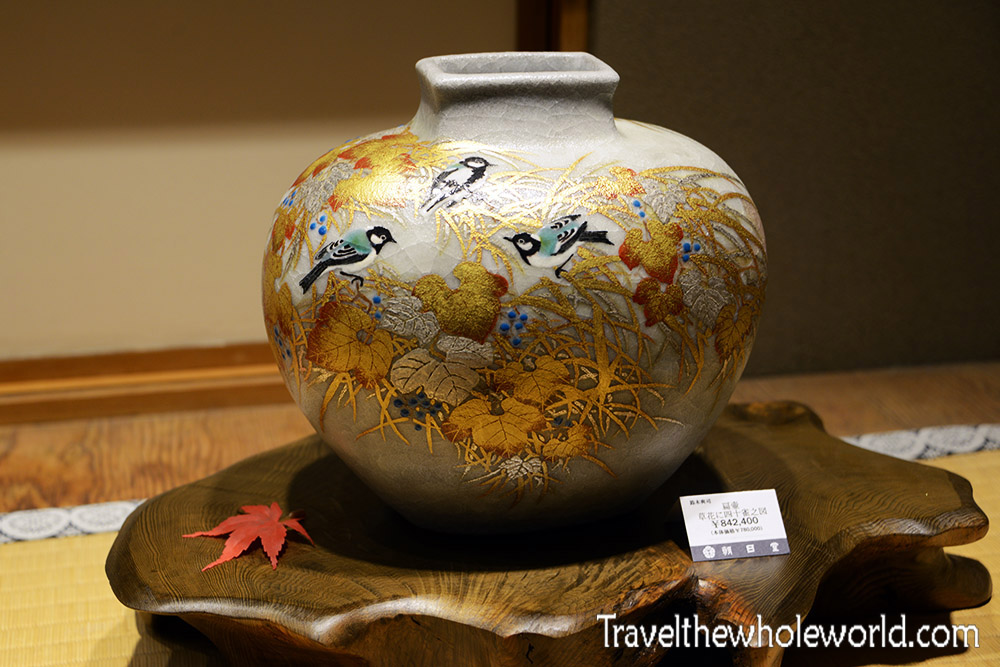
This area was probably one of the best places I found in Japan for souvenirs and local crafts. There were dozens of shops selling traditional fans, clothing, and Japanese pottery. I bought a few small teacups and some beautiful plates that were surprisingly reasonable, around $10 or so. Of course not everything was cheap. The pottery piece below cost a ridiculous $8,000!