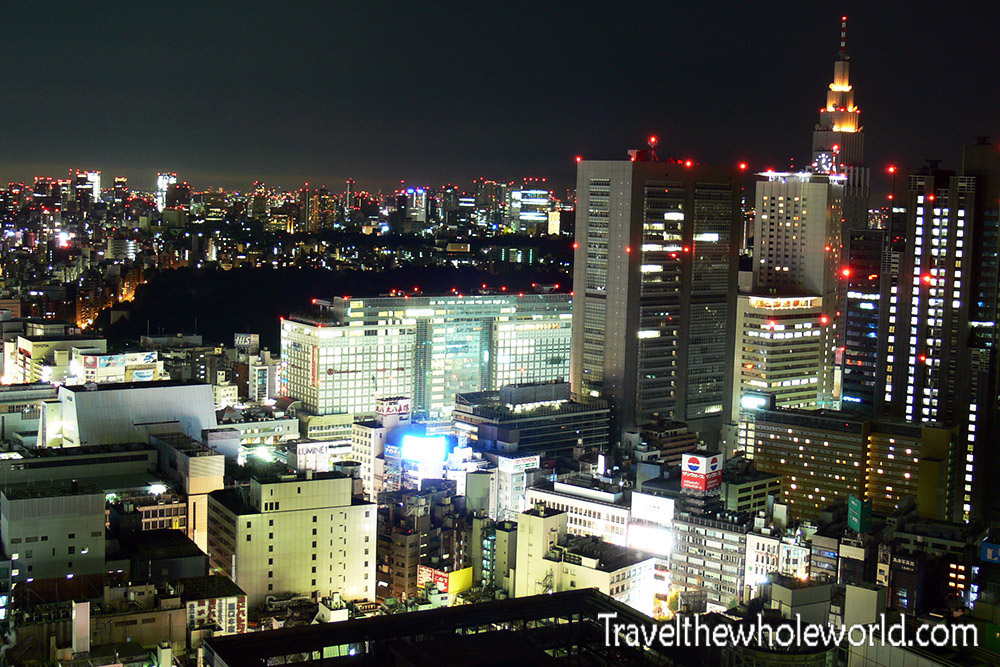
It pains me a little to share some of these ancient photos from my first trips to Tokyo! I visited Japan several times during my early travel days, long before I took photography as seriously as I do now, so a lot of my original pictures either disappeared or simply weren’t very good. My more recent trips to places like Kyoto do a much better job of showing Japan, but Tokyo was where many of my first experiences in the country took place.
Tokyo became Japan’s capital during the Meiji era in the 19th century, when the imperial court moved east from Kyoto to Edo. The city was renamed Tokyo, meaning “Eastern Capital,” and eventually grew into one of the largest metropolitan areas in the world. Today it’s difficult to imagine this enormous city ever being anything other than the center of modern Japan.
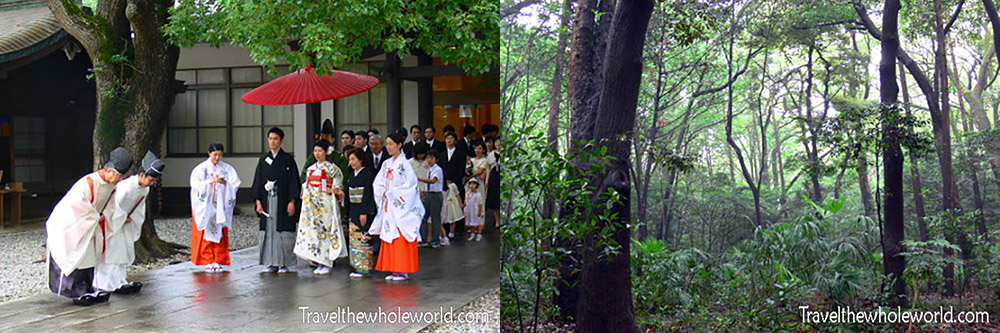
One of my favorite surprises in Tokyo was Meiji Jingu. Despite being surrounded by one of the largest cities on earth, the shrine sits within a large forest dedicated to Emperor Meiji and Empress Shoken. Walking beneath the trees, it was surprisingly easy to forget that skyscrapers, trains, and crowds were only a short distance away.
The photo above shows a traditional wedding taking place at the shrine. I unfortunately lost many of my original Meiji Jingu photographs, so some of what survived from these early trips is lower quality than I’d like. Still, seeing ceremonies like this in the middle of Tokyo was one of those experiences that showed me how closely modern Japan and its older traditions exist side by side.
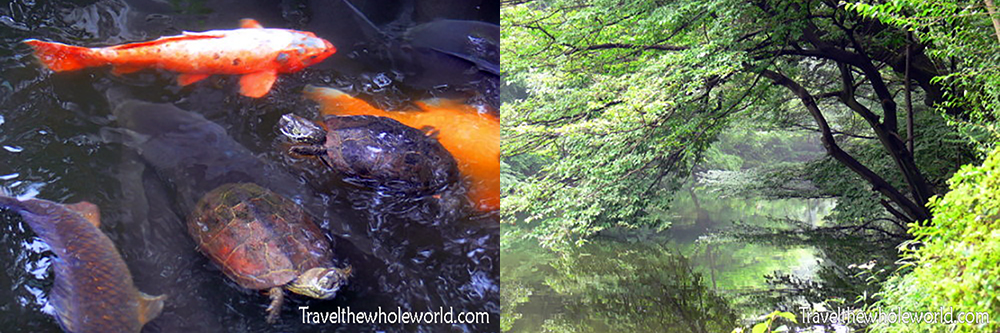
The gardens and natural areas around Meiji Jingu were a completely different world from the streets outside. Ponds, trees, and quiet walking paths make the grounds a great escape from the city, even though you’re still right in the middle of Tokyo.
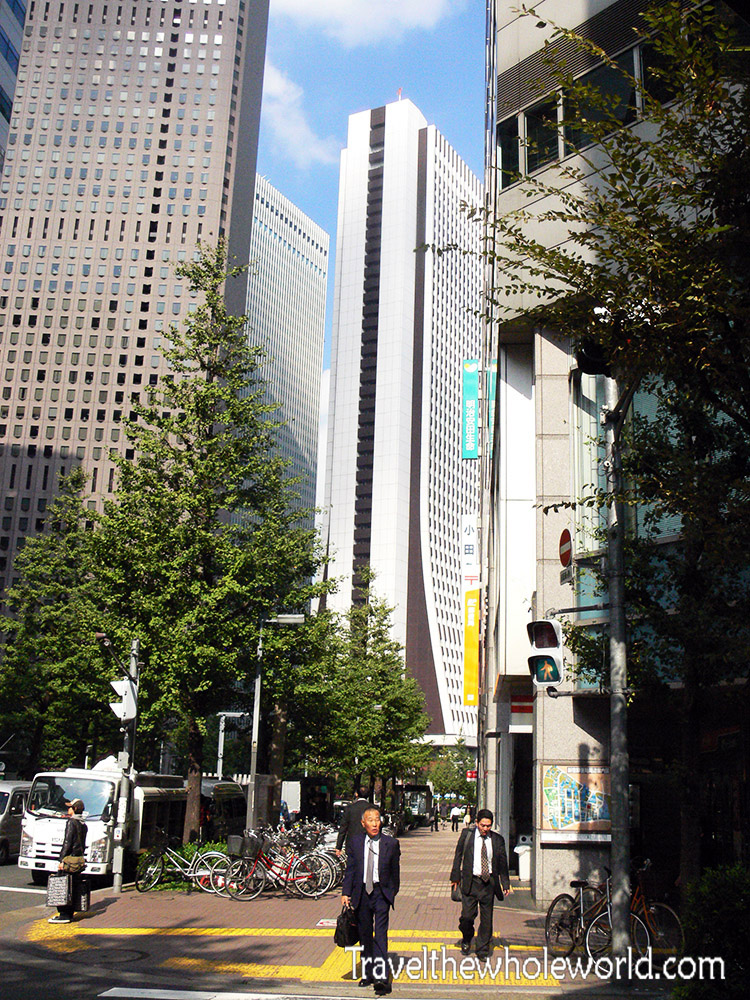
Tokyo obviously isn’t short on skyscrapers either. With so many people packed into a relatively limited area, much of the city has grown vertically, creating one of the most impressive skylines in the world. Shinjuku is one of the best-known examples, filled with office towers, shopping, restaurants, entertainment, and some of Tokyo’s busiest nightlife.
This old photo makes Shinjuku look almost like an ordinary business district, but that definitely wasn’t my impression once I started exploring. The area comes alive at night, and the deeper you wander into it, the more Tokyo seems to turn into the neon-lit city most people imagine before visiting Japan.
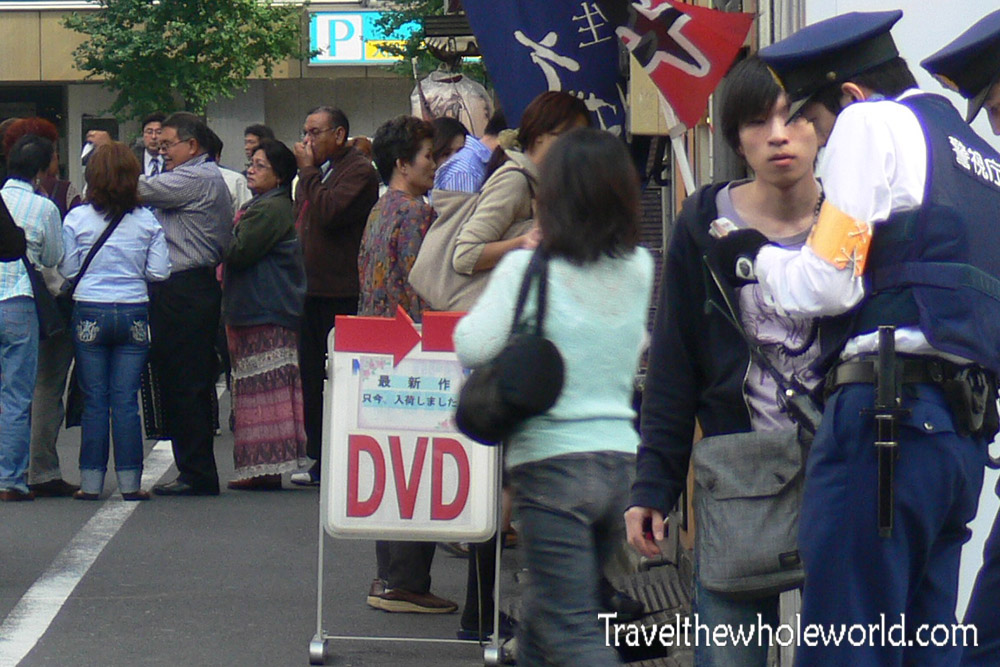
Shopping seemed endless throughout Tokyo. Different neighborhoods specialize in everything from luxury clothing and fashion to electronics, collectibles, food, and just about anything else you can imagine. Even when I wasn’t looking to buy anything, wandering through these commercial districts was part of the experience.
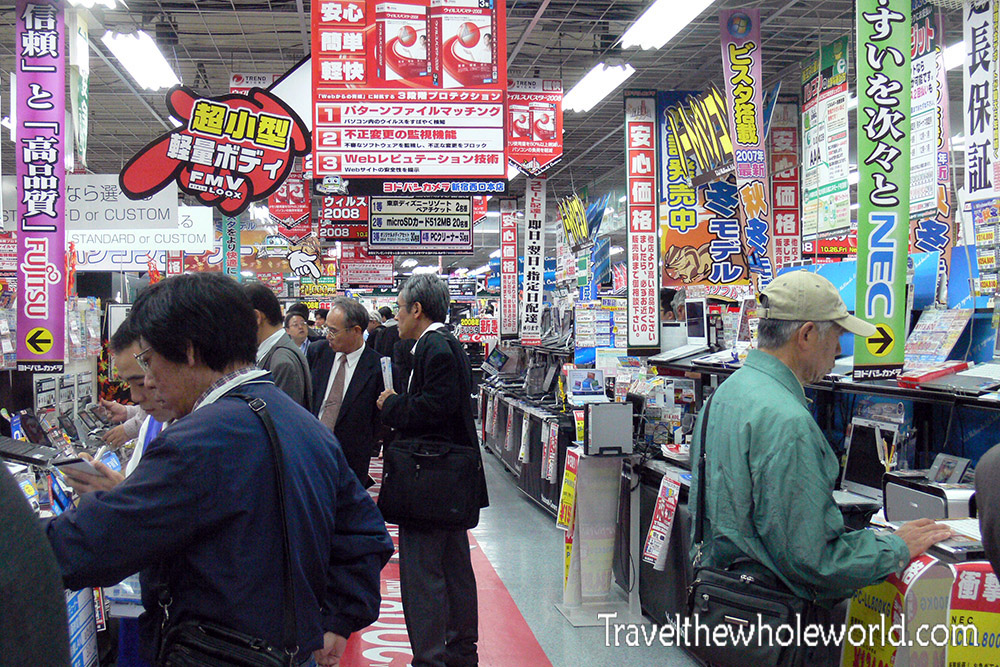
Japan’s reputation for technology was especially obvious in the electronics stores. Some of them were enormous and carried everything from cameras and computers to appliances, games, and products I couldn’t even identify. I was surprised to find that despite Tokyo being an expensive city, electronics could sometimes be very competitively priced.
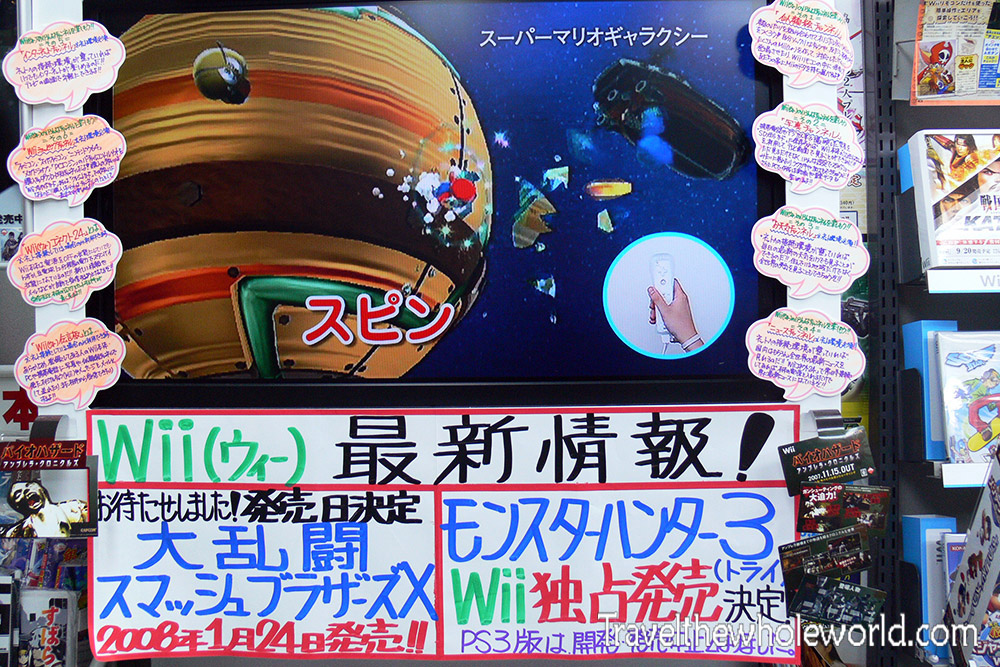
Video games were also everywhere. New releases were heavily advertised, and for someone who grew up playing Japanese games, seeing characters and companies that had been familiar to me since childhood scattered throughout Tokyo was strangely exciting.
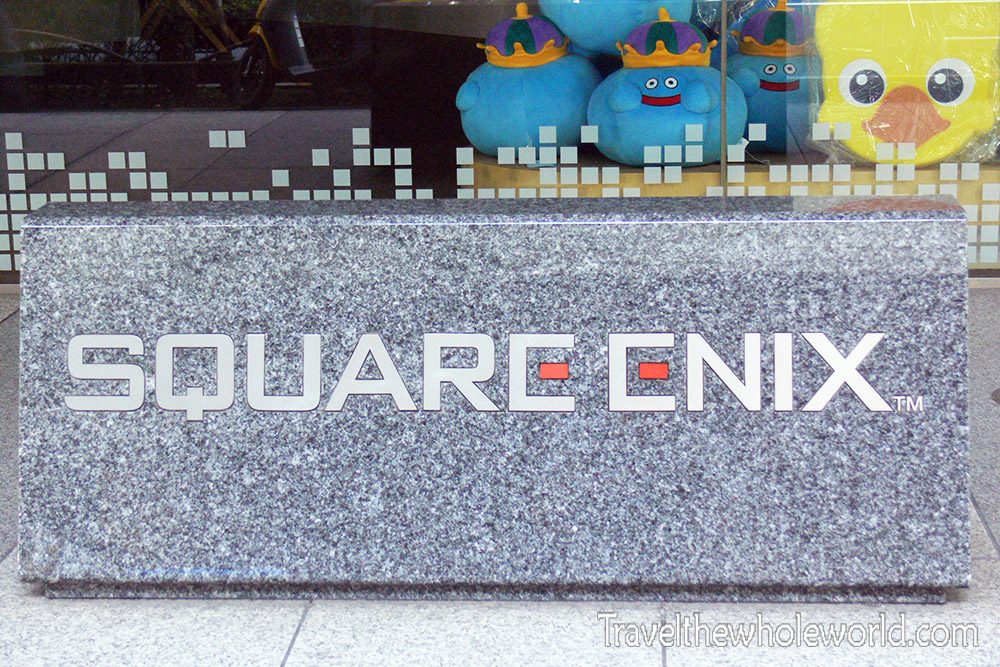
When I was in elementary and middle school, video games were a huge part of my life. I might even go as far as saying they helped inspire my interest in adventure and exploring different worlds. Somehow on my first few trips to Tokyo it never occurred to me to visit one of the major game companies headquartered here.
On a later trip I tracked down Square Enix, the company behind games like the Final Fantasy series. Unfortunately there wasn’t any kind of public tour, but at least I got to stand outside the building and satisfy a little childhood curiosity.
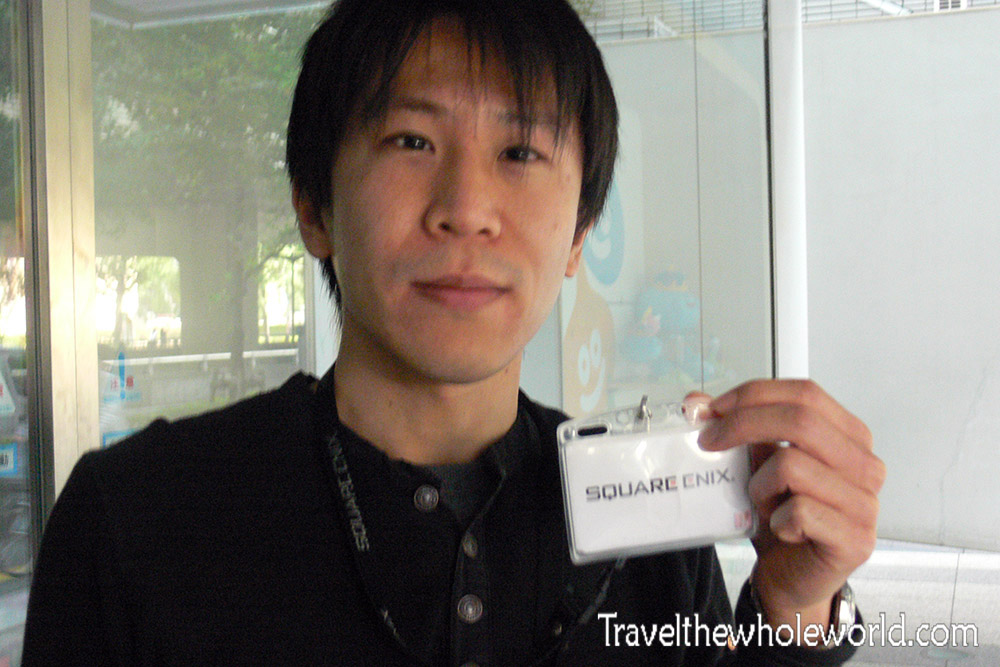
I even briefly met one of the employees on his way to work. I was much more excited about the encounter than he was! Looking back, I probably seemed like some random foreigner waiting outside his office asking questions about video games, so I can’t really blame him for being a little confused.
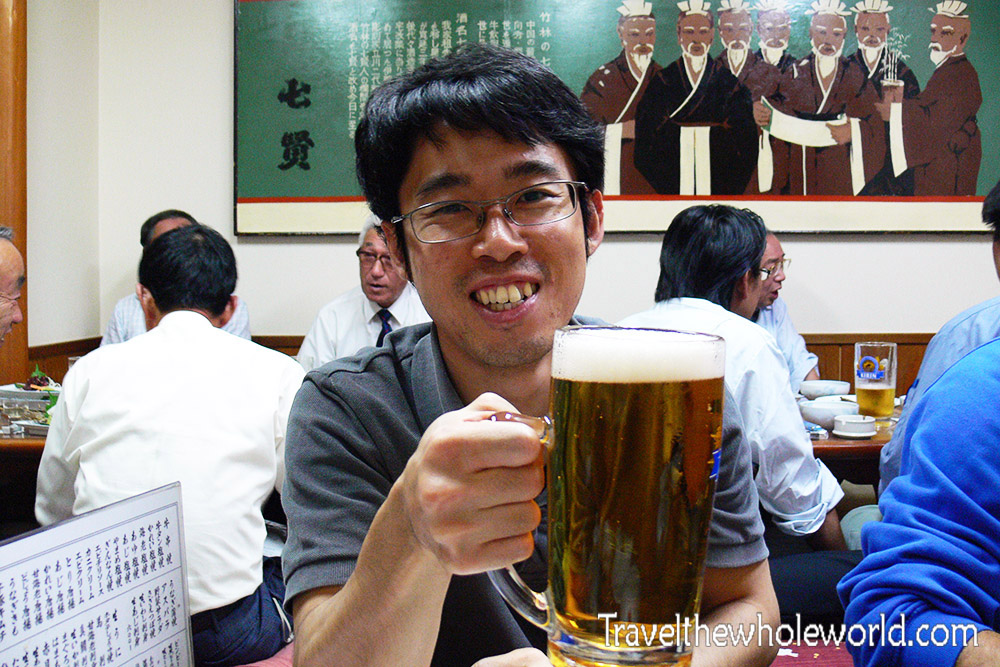
Because several of my trips to Tokyo were for work, I also had the benefit of going out with Japanese coworkers who took us to places I probably wouldn’t have found on my own. Dinner and drinks after work were common, and that became one of the best ways for me to experience Japanese restaurants beyond the obvious tourist areas.
Beer is extremely popular in Japan, and sometimes it came in ridiculous sizes like this one. Traditional restaurants were usually just as much about the social experience as the food itself, with everyone sharing dishes and ordering different drinks throughout the evening.
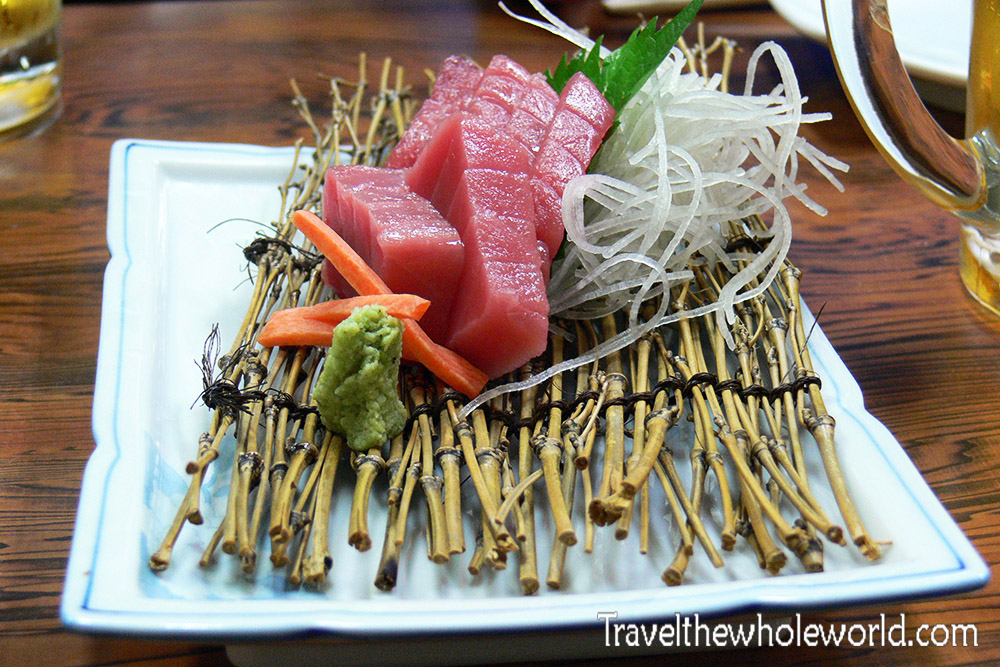
One food I definitely became familiar with was maguro, the Japanese word for tuna. Raw tuna is common in sushi and sashimi, and some of the meals I had in Tokyo included an enormous variety of seafood along with pork, beef, vegetables, and of course sake. Japan takes food seriously, and even after multiple visits I don’t think I ever got tired of trying something new.
Considering how many times I’ve visited Tokyo, it’s hard to believe I have so few photographs to show for it. That’s mostly the result of these trips taking place during my early travel years, when I was much more interested in the experience than documenting every detail. In some ways that’s a shame because Tokyo deserves far better photography than I gave it. On the other hand, it gives me a pretty good excuse to return one day and redo the city properly.