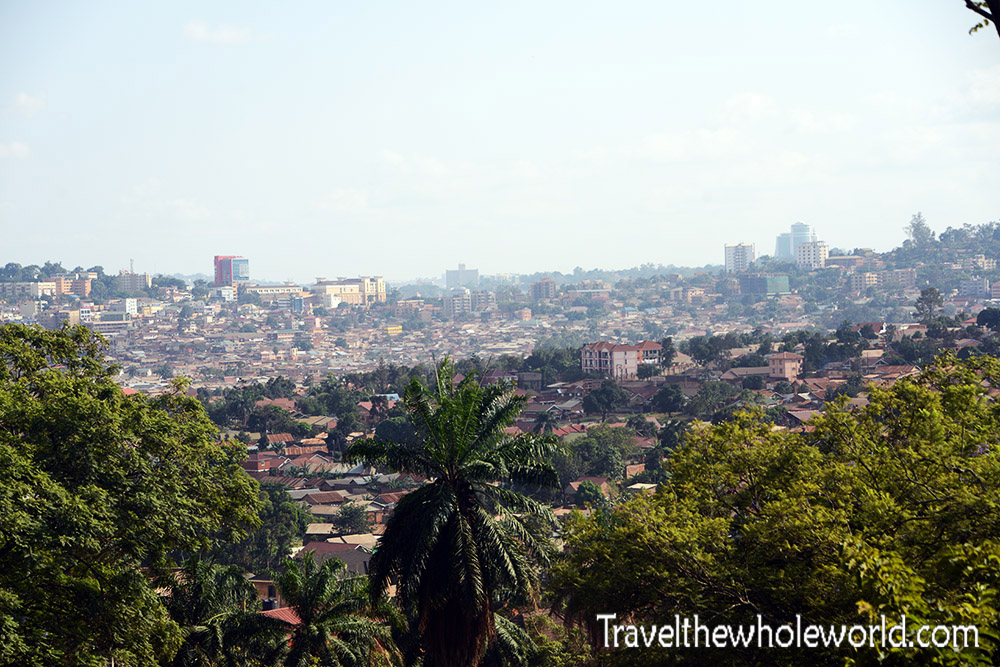
Kampala is Uganda’s capital and largest city. While Kampala is definitely behind some of East Africa’s best cities like Nairobi or Kigali, it’s a nice place that exceeded my expectations. My main reason for visiting Uganda was to climb Mt. Stanley in preparation for Mt. Everest, so I didn’t spend as much time in Kampala as I would have liked. The photo above shows a view across much of the city.
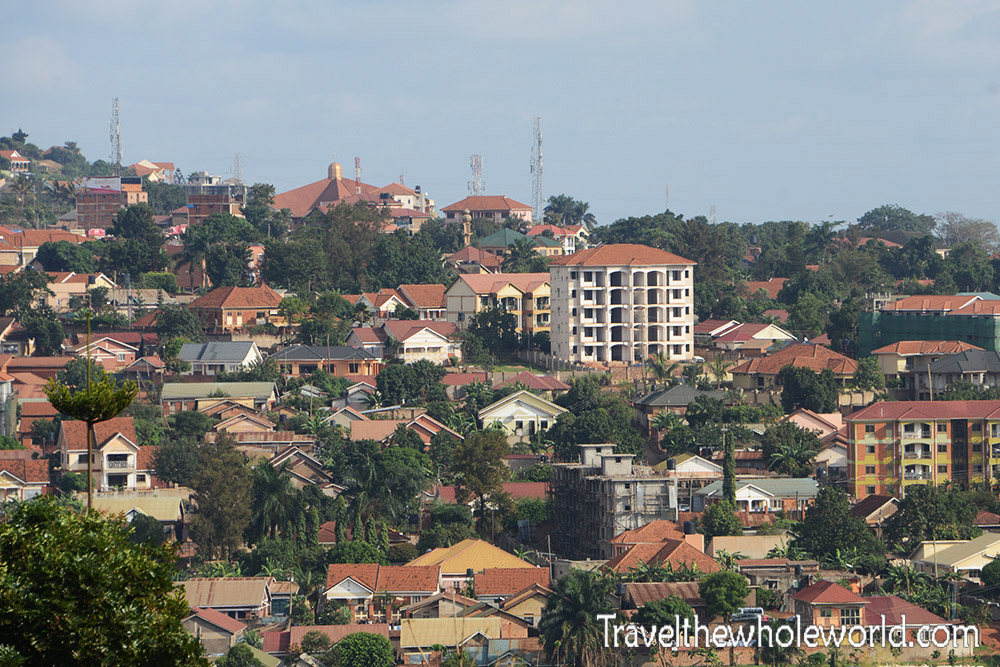
Like many large cities in developing countries, Kampala has a mixture of wealthier areas and much poorer neighborhoods. I forget the name of the suburb above, but I was told it was one of the nicest parts of the city. I actually didn’t see many expats or foreign tourists during my time in Uganda, even at the hotel where I stayed.
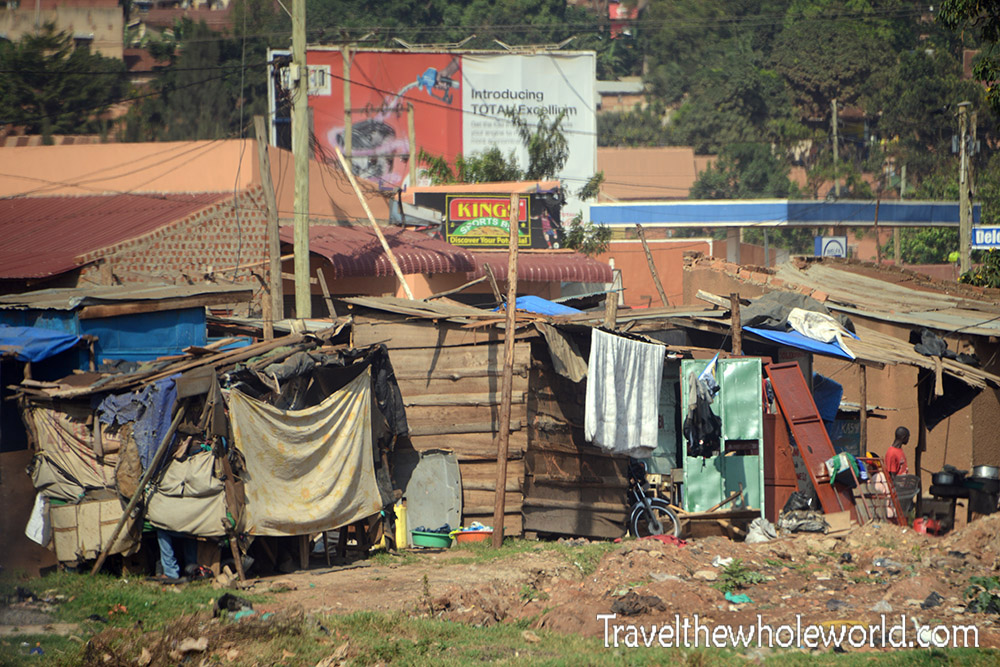
Other parts of Kampala were considerably poorer. Despite the basic buildings, there were still neighborhood businesses and places for people to gather, including the small sports bar shown above. I generally felt comfortable exploring Kampala on my own and had no problems walking around during either the day or night.
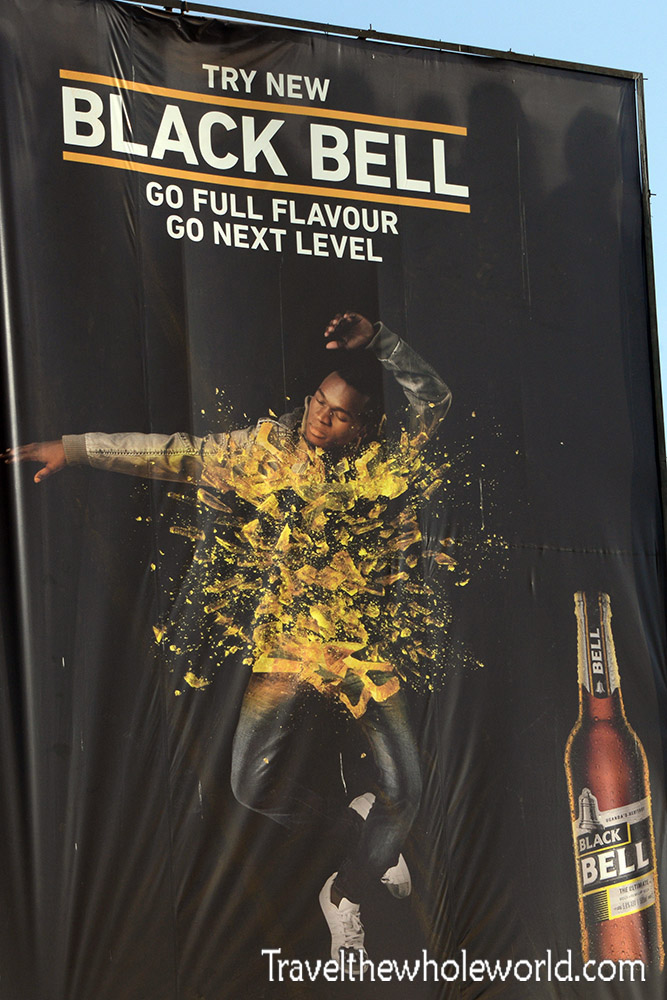
Advertisements for local beer were common around the city, including this large one painted directly onto a building. Bell Lager is one of Uganda’s well-known beers and was something I saw advertised throughout Kampala.
Downtown Kampala
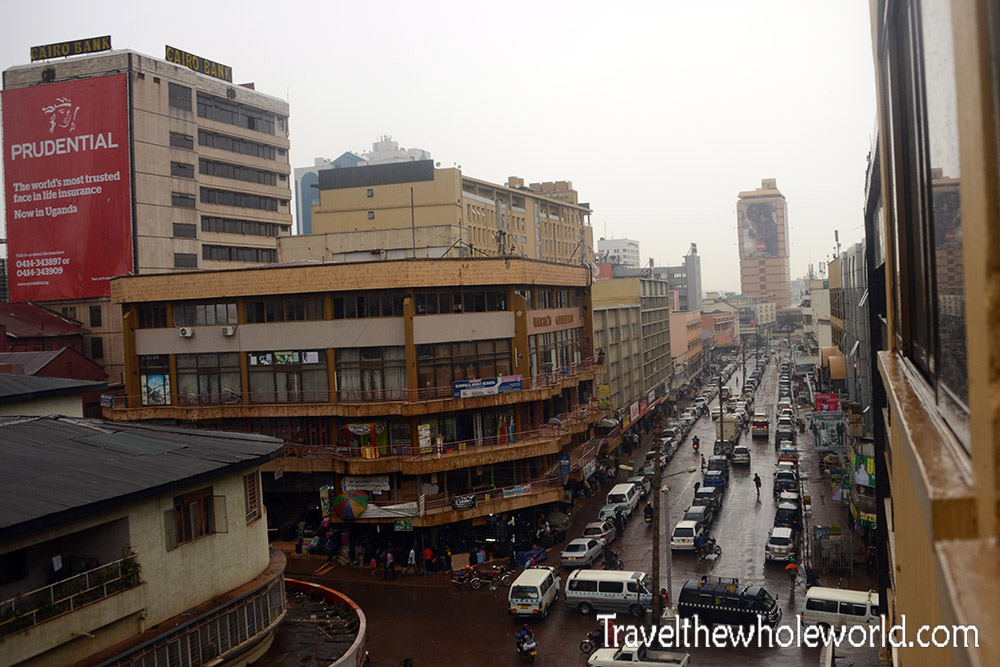
I stayed in downtown Kampala, where accommodations were relatively inexpensive. There’s everything from tourist hostels to five-star hotels costing hundreds of dollars a night. I found a decent place in the city center with good Wi-Fi and a small restaurant, which was basically everything I needed.
The only real drama during my stay happened one night when my entire building suddenly began shaking. There was no doubt it was an earthquake, and for a brief moment I was worried. Once it stopped, I looked outside and nobody seemed particularly concerned. Being several floors up probably made the shaking feel worse, but I later learned that the earthquake had reached about magnitude 6.
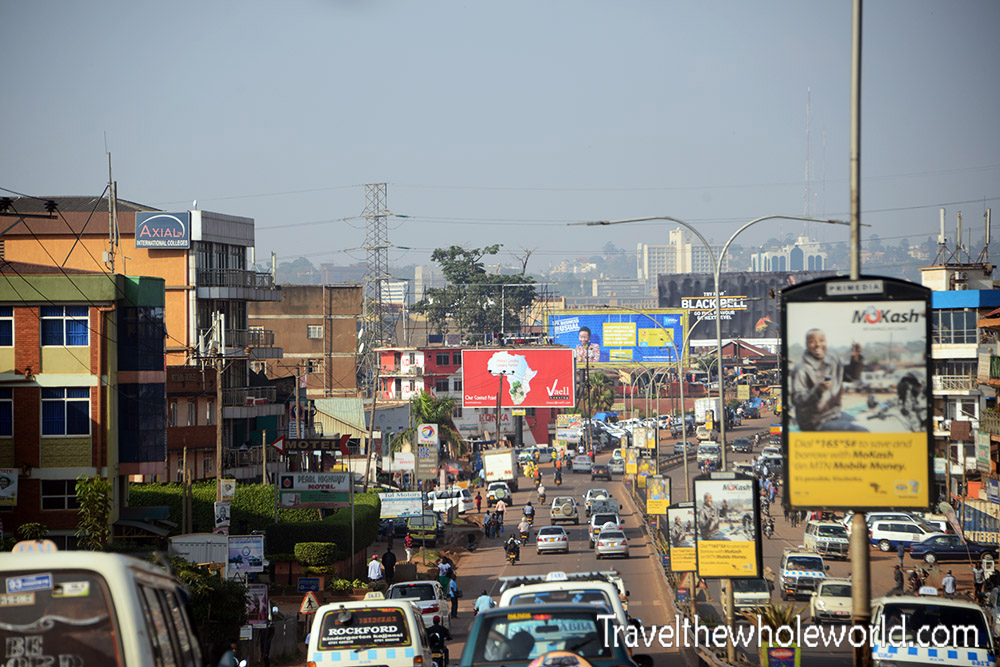
I only made a point of visiting two major tourist attractions in Kampala. Otherwise, much of my time was spent simply walking around the city. Above is one of Kampala’s main streets, where traffic could become absolutely terrible.
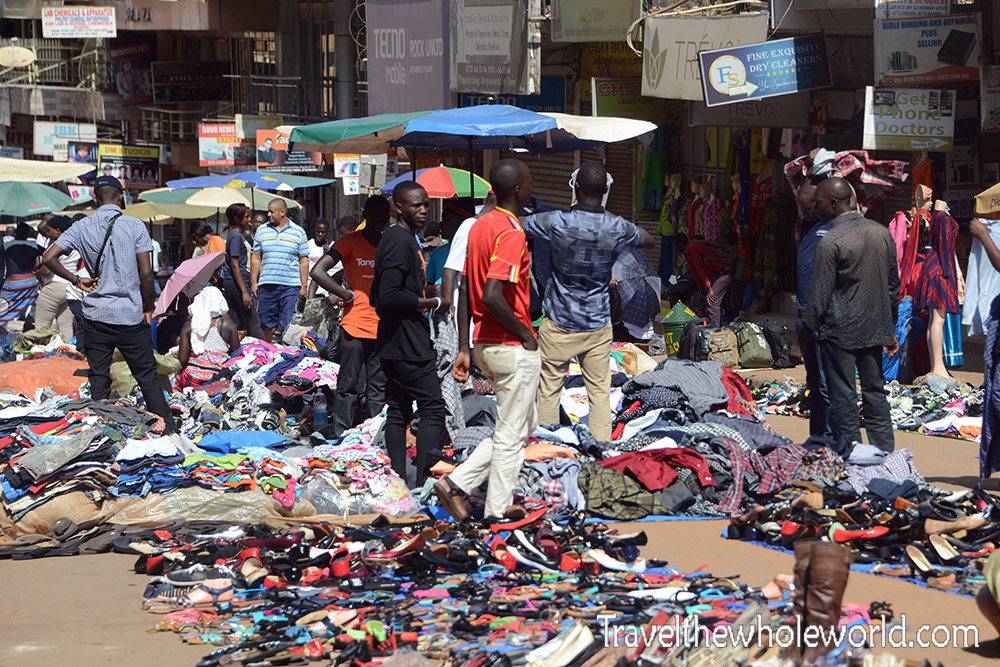
While exploring on foot I came across this Sunday morning street market. Roads were closed to traffic and filled with vendors selling clothing, food, household goods, and just about everything else you’d expect to find at a local market.
Monuments Around Kampala
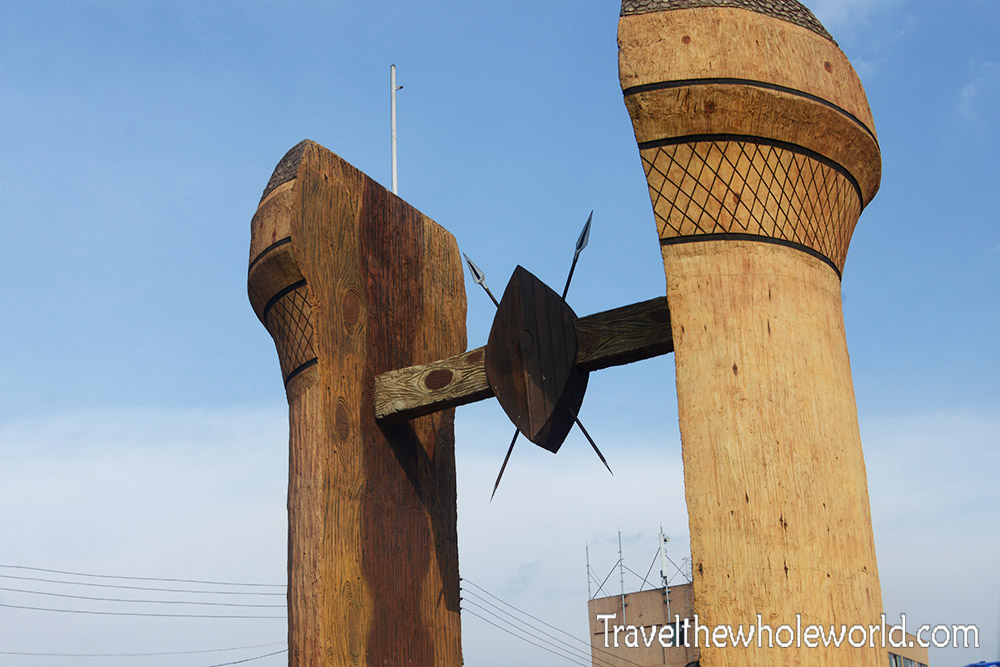
This monument had more significance than I realized when I first walked past it. I initially assumed the giant shield honored Uganda’s tribal heritage, but it’s actually the Nantawetwa Monument and is associated with the king of Buganda. I tried to photograph it without the traffic, but unfortunately that also meant I didn’t capture the gate beneath the shield.
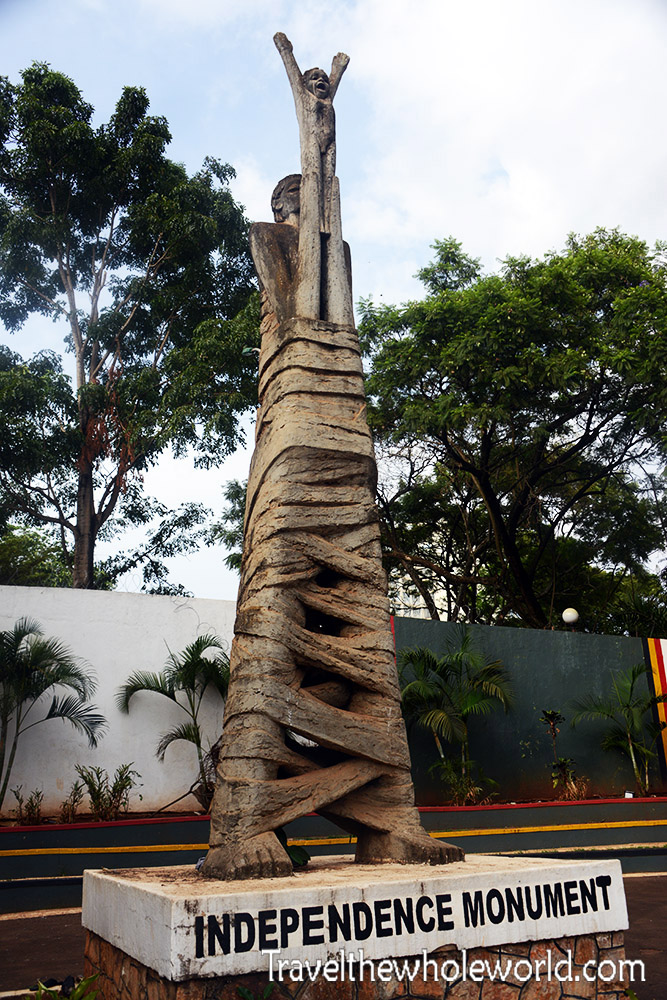
Another important landmark is Uganda’s Independence Monument. Uganda gained independence from British rule on October 9, 1962, and the monument commemorates the country’s transition to independence.
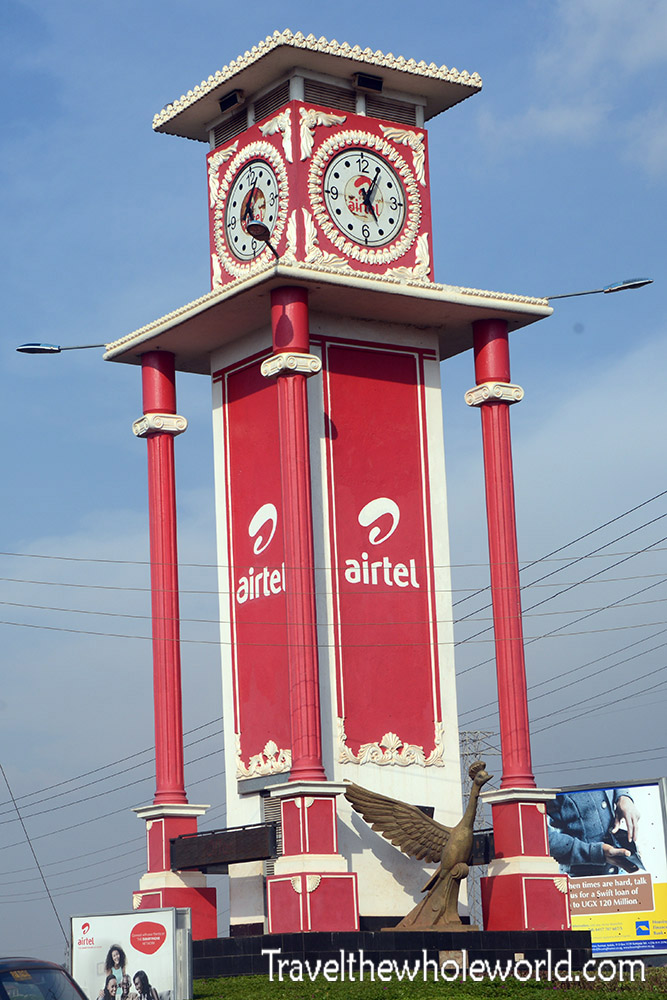
At first I thought this was Kampala’s famous clock tower, but it was pretty obvious afterward that I had the wrong one. This smaller tower appeared to serve partly as an advertisement for the mobile phone company Airtel.
Baha’i Temple
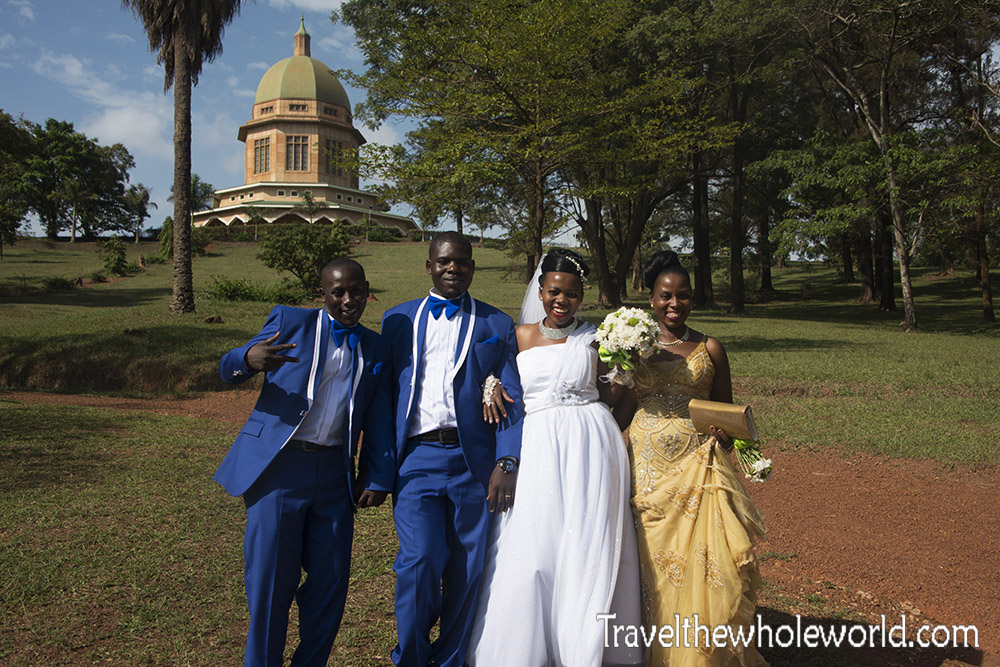
You’ve probably noticed that many of my Kampala photos were simply things I came across while walking around. One of the places I specifically made an effort to visit was the Baha’i temple. The Baha’i faith is relatively small but has followers around the world, and its teachings emphasize the unity of humanity and the common foundations of the world’s major religions. Kampala’s temple is especially significant because it was the first Baha’i House of Worship built in Africa.
There happened to be a wedding taking place when I visited. The people above were celebrating their big day and were nice enough to let me take their photo.
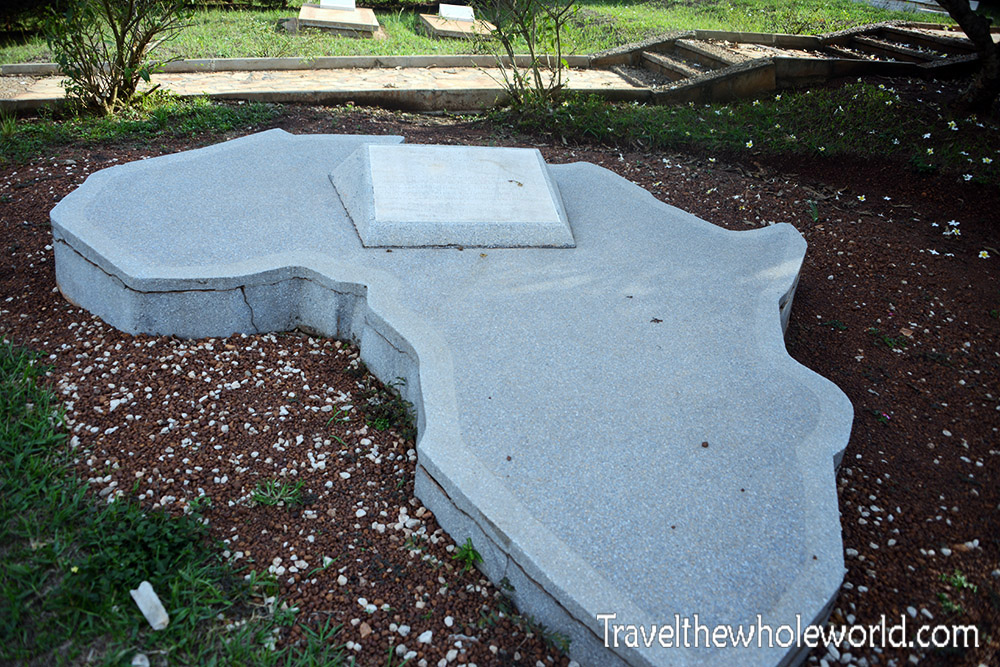
I was allowed to enter the temple but couldn’t take photographs inside. It had a large seating area and stained-glass windows, and I was given an explanation of the temple and grounds by a young woman who was around 20 years old. Afterwards I was free to walk around outside again and visited the burial grounds. The grave above belongs to one of Uganda’s early Baha’i members who helped establish the faith in the country.
Uganda Museum
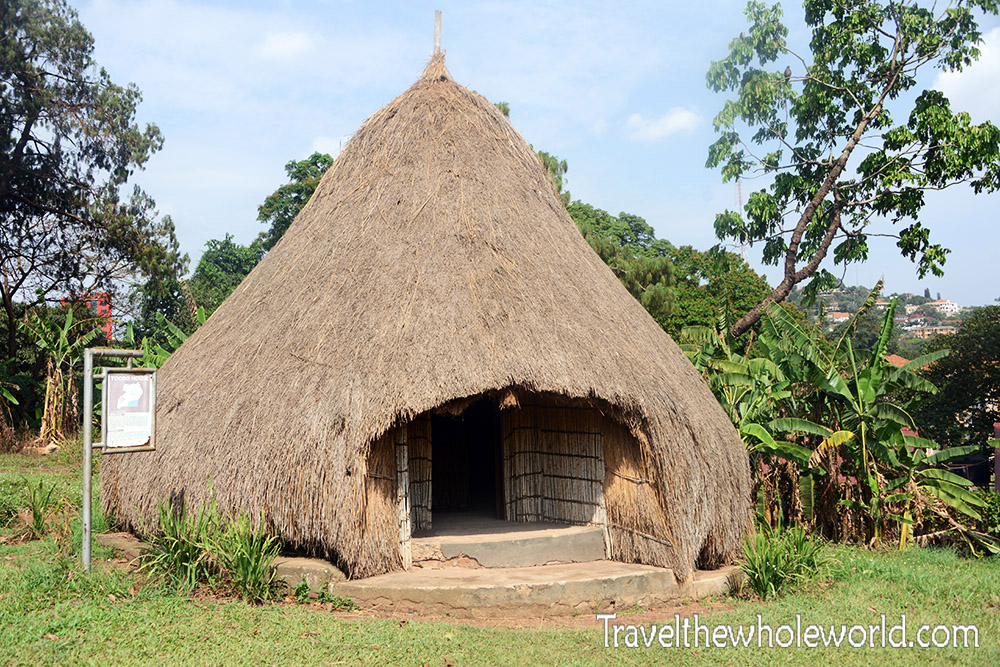
Aside from the Baha’i temple, the other place I specifically wanted to visit was the Uganda Museum. The museum has both indoor and outdoor sections and covers a wide range of subjects, including Uganda’s history, cultures, artwork, geology, and wildlife. Above is one of the traditional huts in the outdoor section, many of which visitors can enter.
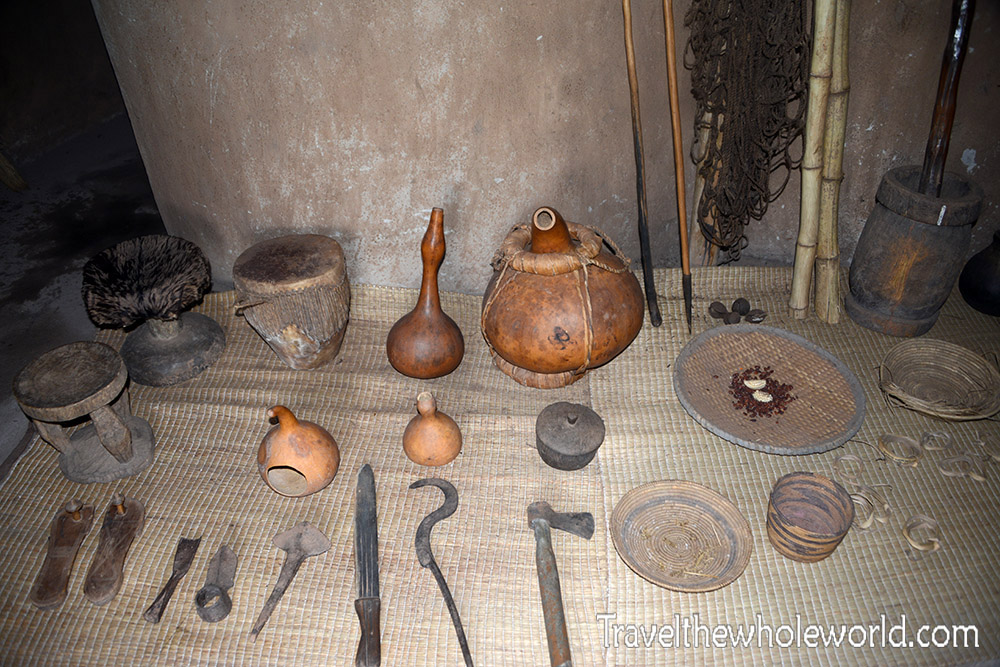
The huts are filled with traditional items including agricultural tools, cooking utensils, and other objects once used in everyday life. Museum staff were also available to demonstrate how some of the items worked.
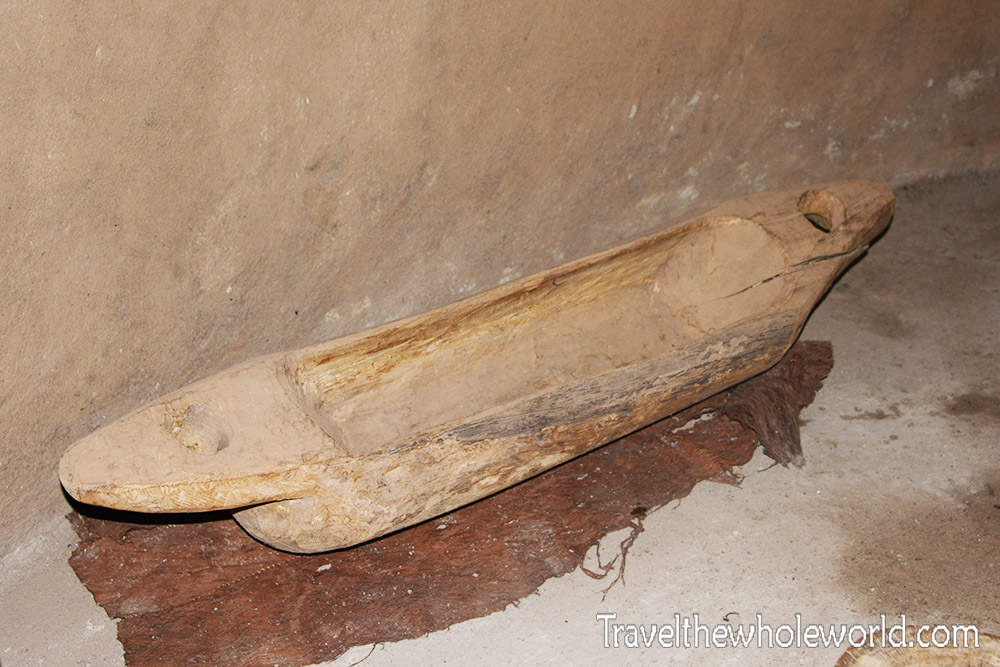
This canoe-like wooden object was actually used in the process of making banana beer, something I definitely wouldn’t have guessed just from looking at it.
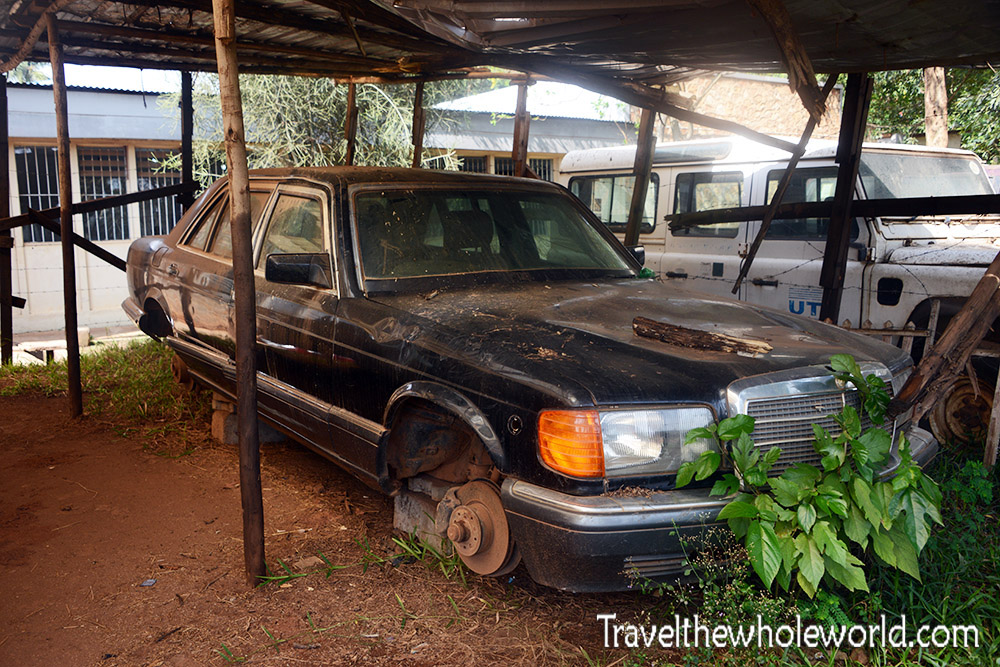
One of the most interesting displays for me included personal belongings associated with Idi Amin, Uganda’s president during the 1970s. His government became notorious for severe political repression and widespread human rights abuses. The photo above shows one of the cars from his presidency.
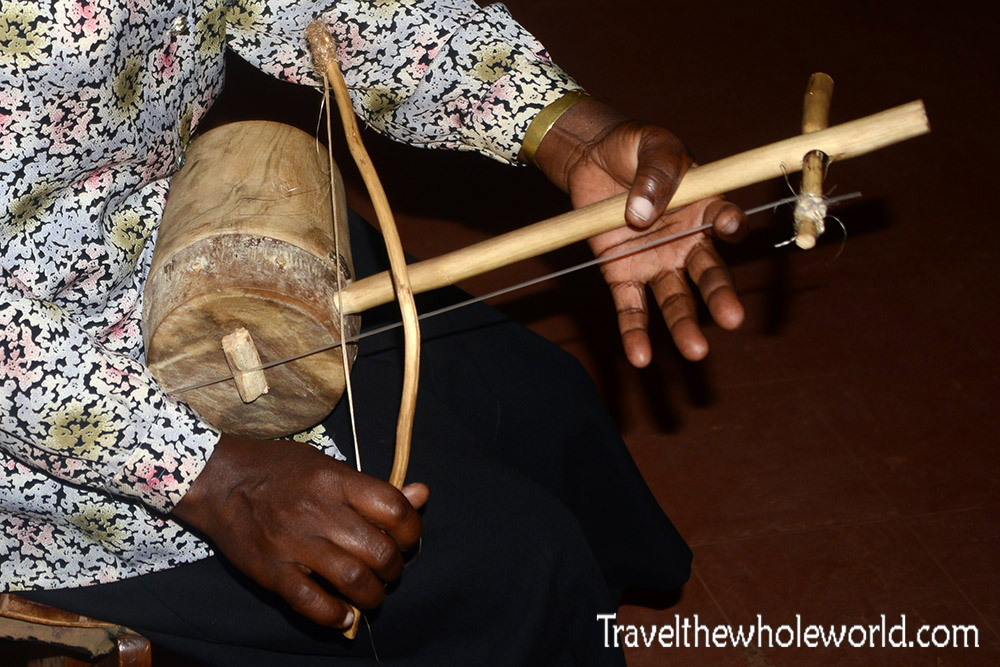
There wasn’t any banana beer available for sampling, but someone did demonstrate traditional Ugandan music and let me give it a try. I have no musical talent or knowledge, and it turned out to be harder than I expected. The museum had far more displays than I could possibly include on this page.
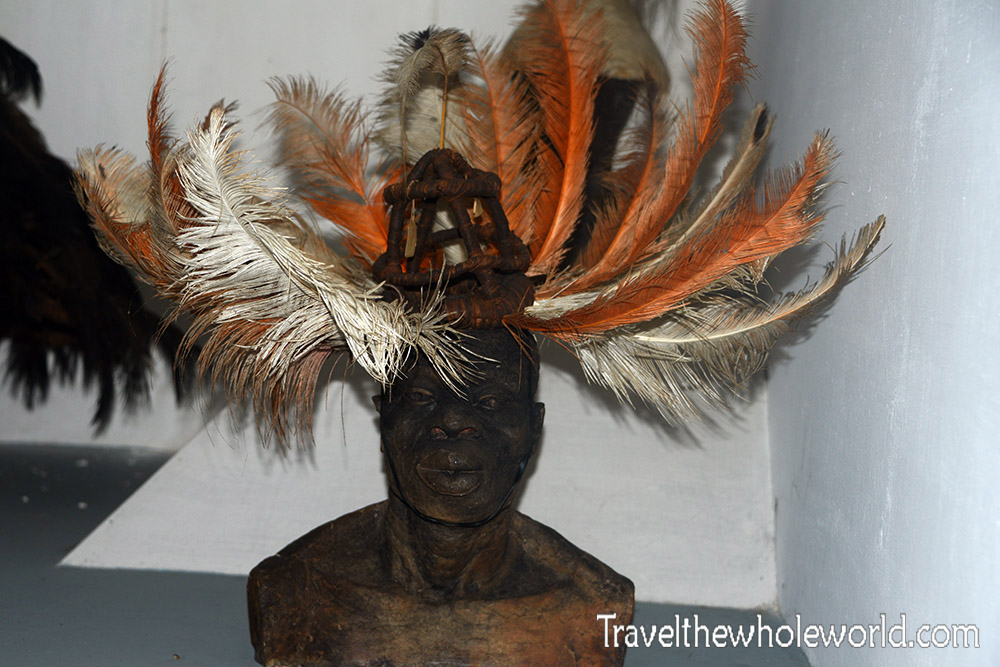
One of my favorite pieces inside the museum was this traditional mask.
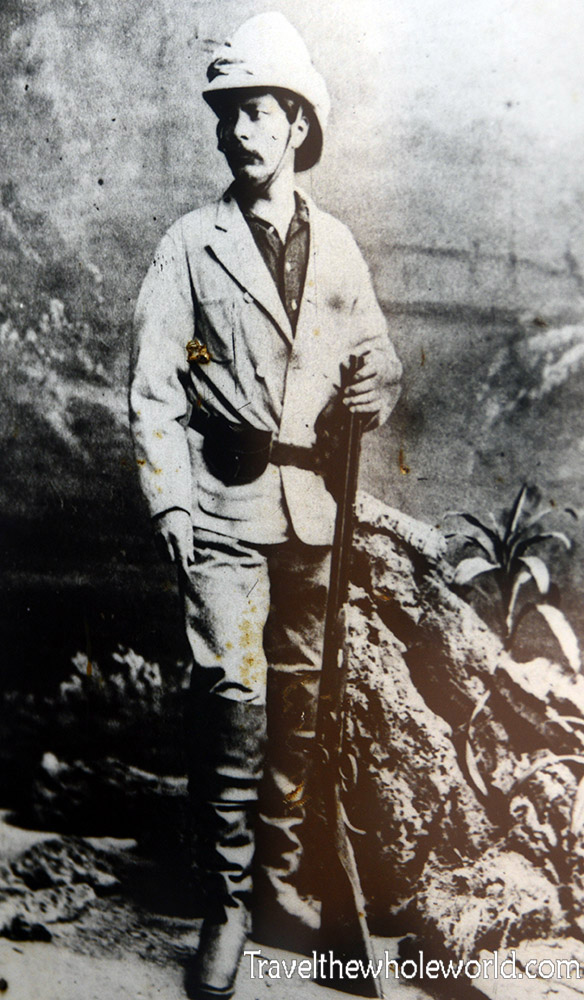
Since I was in Uganda to climb Mt. Stanley, I took a special interest in reading about Henry Morton Stanley, for whom the mountain was named. Stanley became a journalist and explorer and is especially famous for his expeditions through Africa and for locating missionary and explorer David Livingstone in what is now Tanzania.
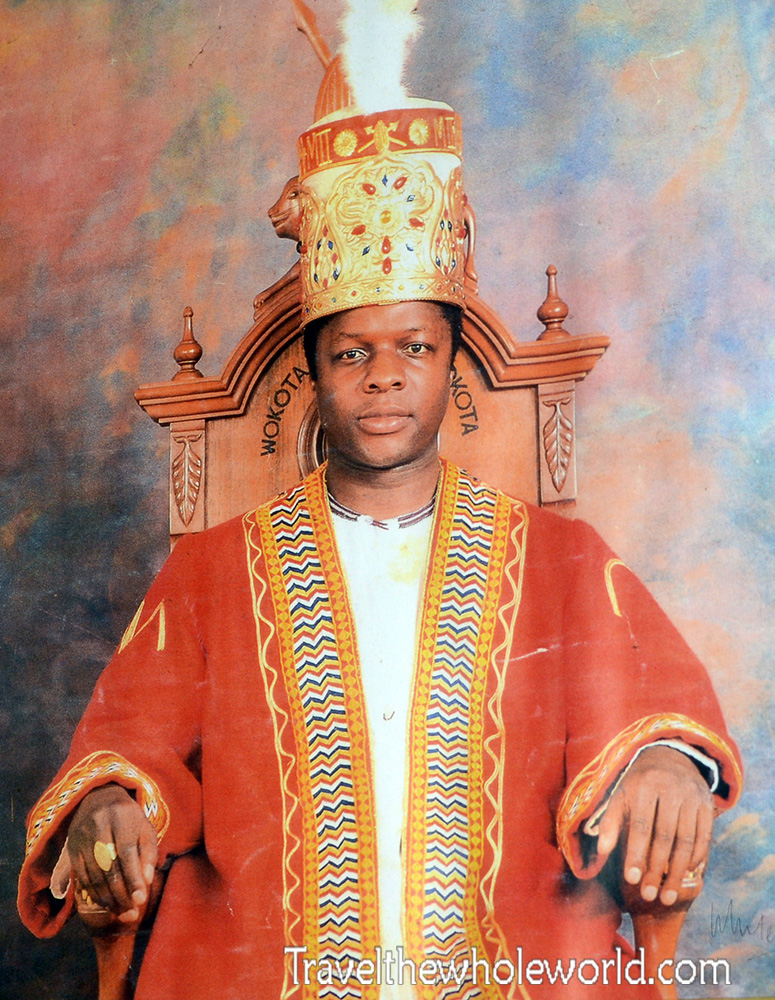
And lastly, here is a portrait of Muwenda Mutebi II, the Kabaka, or king, of Buganda.