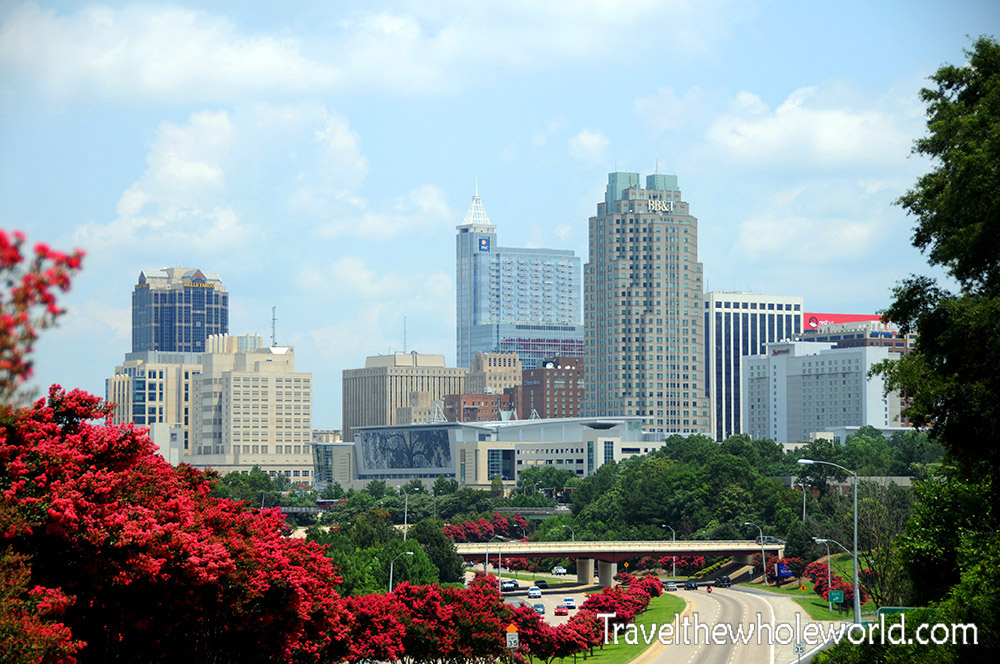
Raleigh is the capital of North Carolina and is located near the heart of the state. Despite being a developed area with a strong economy and large population, it’s not nearly as well known as a travel destination as some other cities in the region. The Raleigh-Durham area is especially famous for its universities, including North Carolina State University in Raleigh and Duke University in nearby Durham. As a matter of fact, my two trips to the area were both work related and involved visits to these universities. The photo above was my first view of Raleigh as I entered one summer morning.
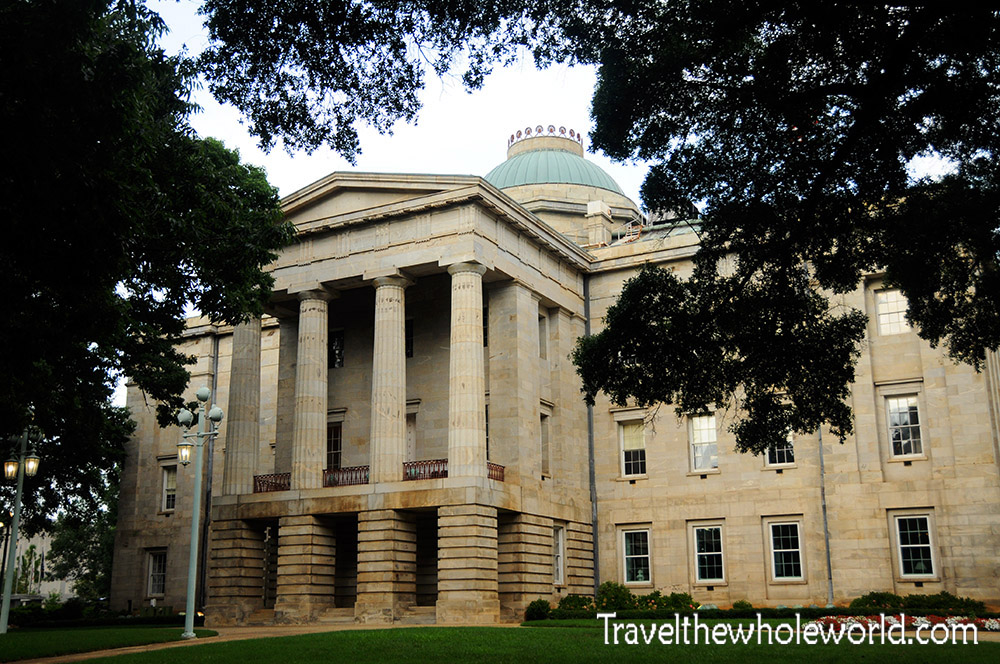
One of the best things Raleigh had to offer me was its capitol building. I intend to visit all 50 state capitol buildings in the United States, plus the U.S. Capitol in Washington DC. Despite having been to all 50 states and Washington DC, I’m only about halfway through this other goal. The North Carolina State Capitol was completed in 1840.
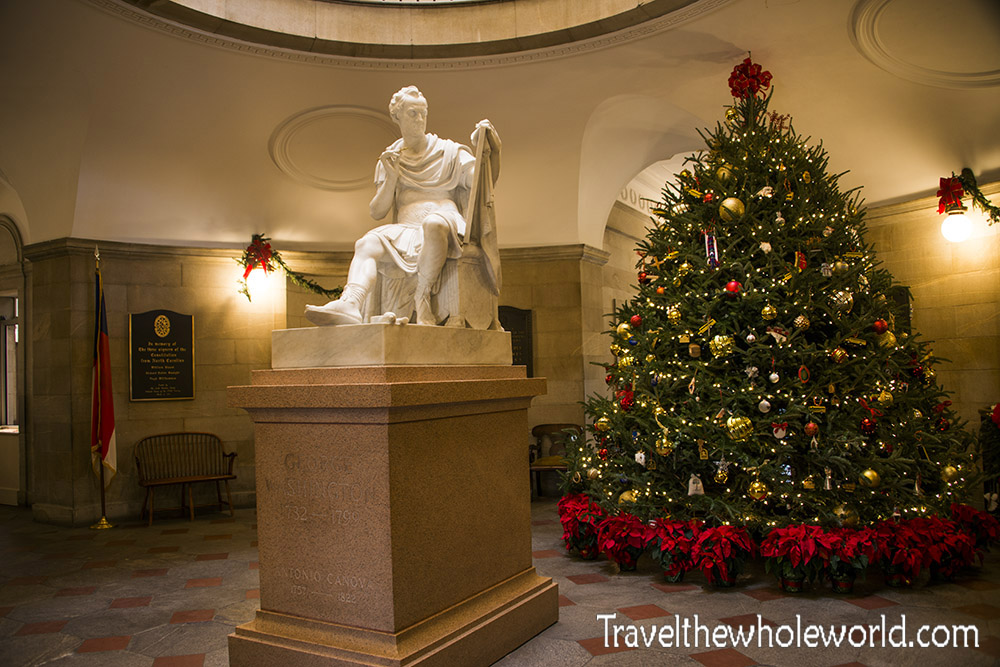
With two trips to Raleigh, I decided to visit the capitol building each time. For some strange reason, I had never stepped foot inside a state capitol building before. I really can’t say why, but I figured I’d wait until I had visited them all before going inside one. While here on my second trip I saw some people going through the doors and couldn’t help but notice the Christmas tree from outside. I figured why not and finally made it inside. Above is the Christmas tree photographed in mid-December.
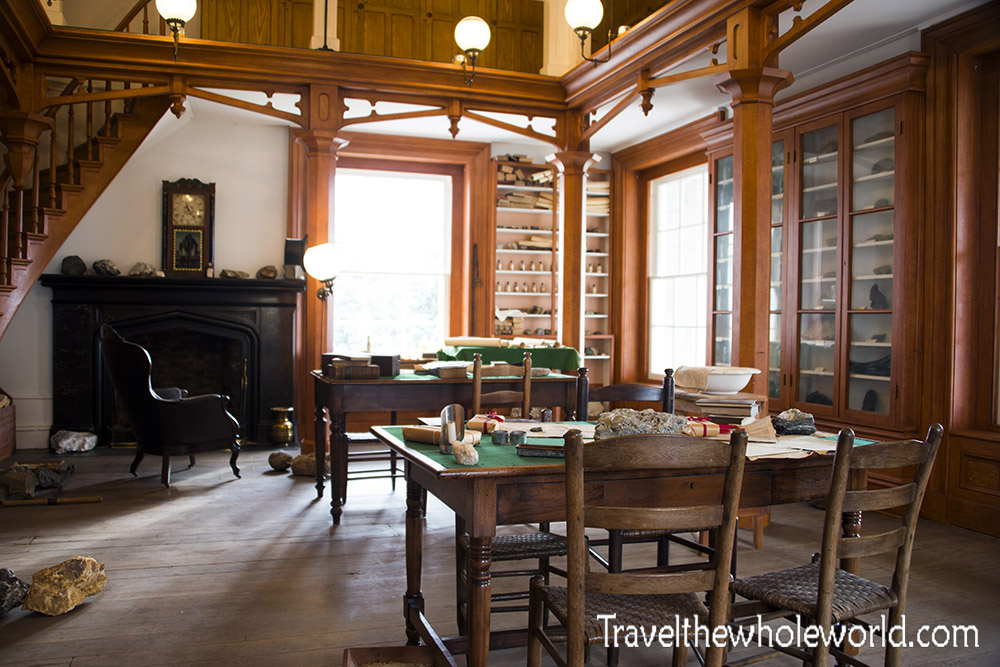
I probably would have visited the inside of capitol buildings a long time ago if I realized how much history some of them contained. A few small rooms were dedicated to the state’s past and had historical artifacts on display. The photograph above shows a geology room. During the 19th century, the state geologist worked here studying North Carolina’s native minerals and their potential value.
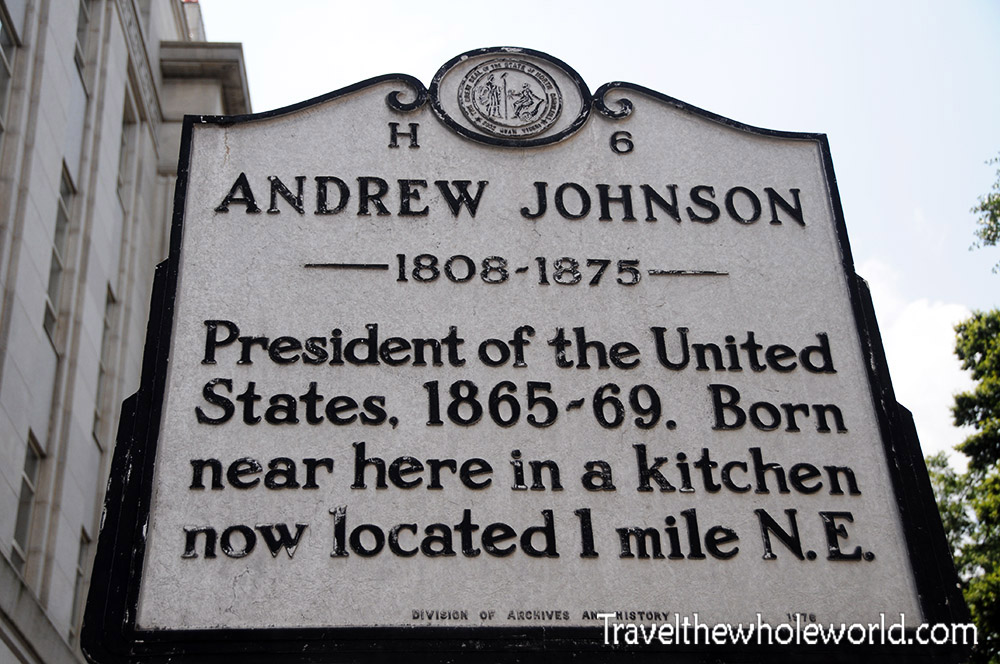
On my first trip I wasn’t aware of too much of Raleigh’s history. One of the more significant things I came across was that Andrew Johnson, the 17th president of the United States, was born in Raleigh. I actually originally mistook this as the birthplace of Andrew Jackson, and it wasn’t until I returned years later that I noticed my mistake! Above is the historical marker for Andrew Johnson in the city center.
On my second trip I realized that Raleigh has numerous historic sites scattered throughout the city. Many are 19th-century homes and buildings. The photograph below shows one example I came across while exploring.
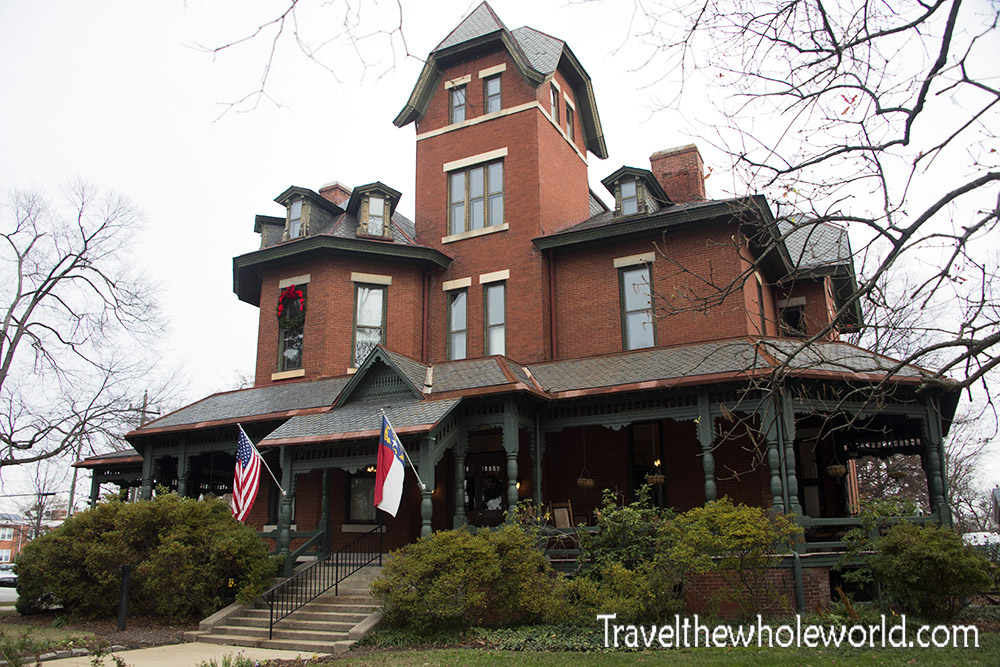
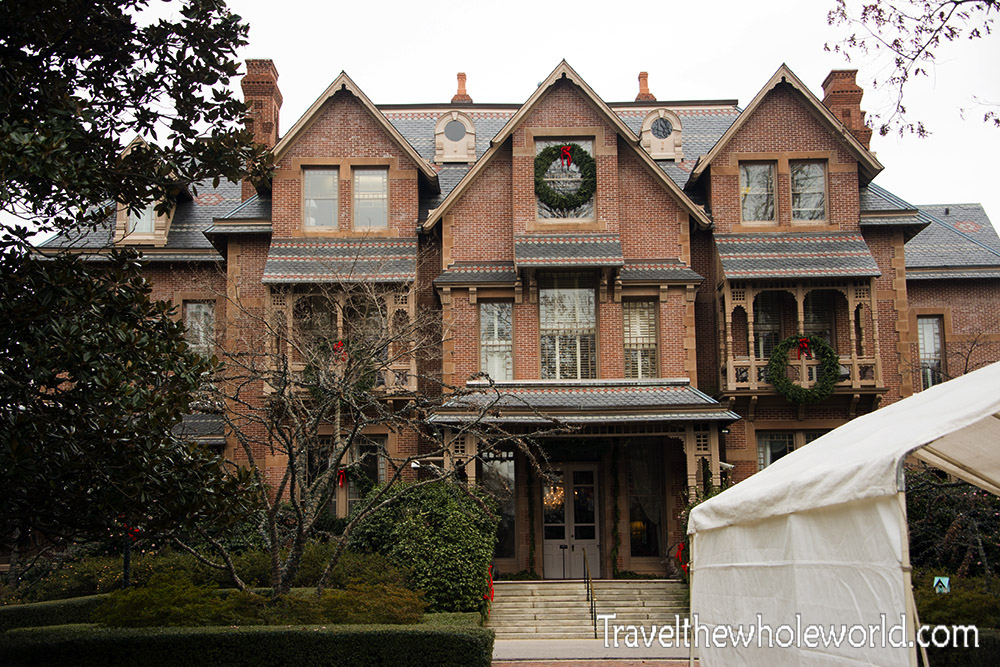
As far as houses go, one of the most significant in Raleigh is the Executive Mansion. The mansion is the official residence of North Carolina’s governor and was completed in the late 19th century. One interesting part of its history is that prison labor was used during its construction, including to make bricks used in the building.
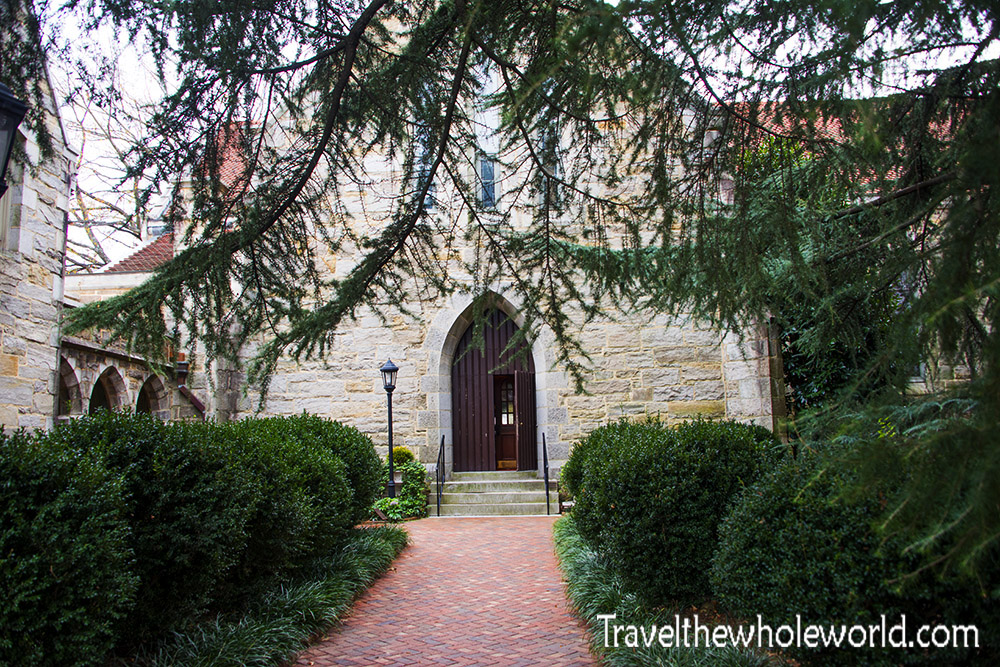
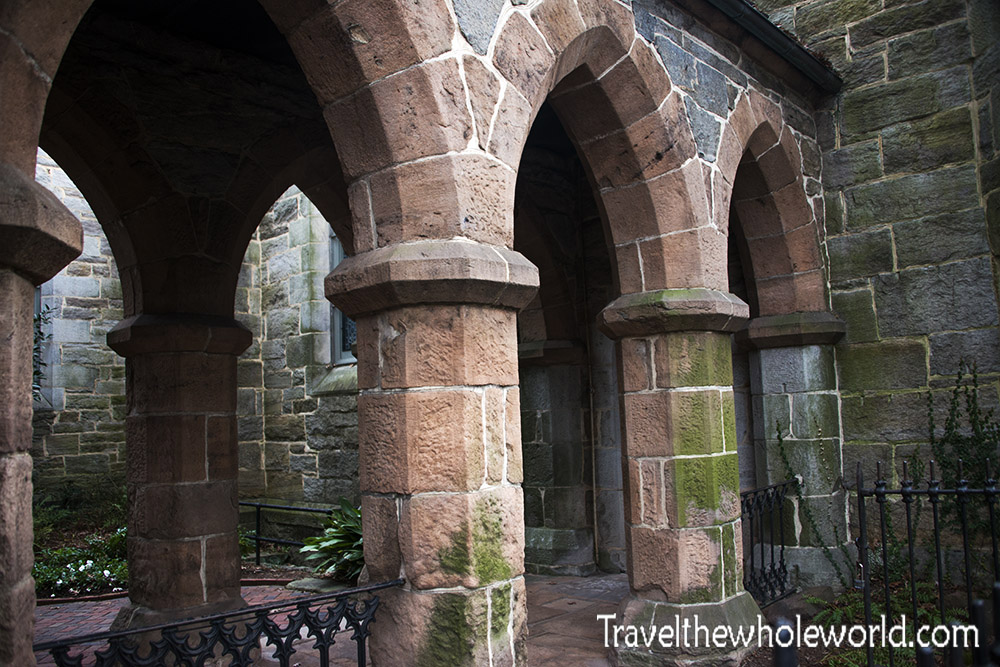
Several of Raleigh’s historic buildings are old churches. This one got my attention because of a military funeral taking place outside. It’s directly across the street from the capitol building, so at first I mistakenly thought I was seeing some kind of ceremonial event. Once I realized what was going on I went to the opposite side of the church and took these photos. It has a beautiful tower but was difficult to photograph because of all the trees. Some of the stonework and columns reminded me of churches I had seen in Armenia.
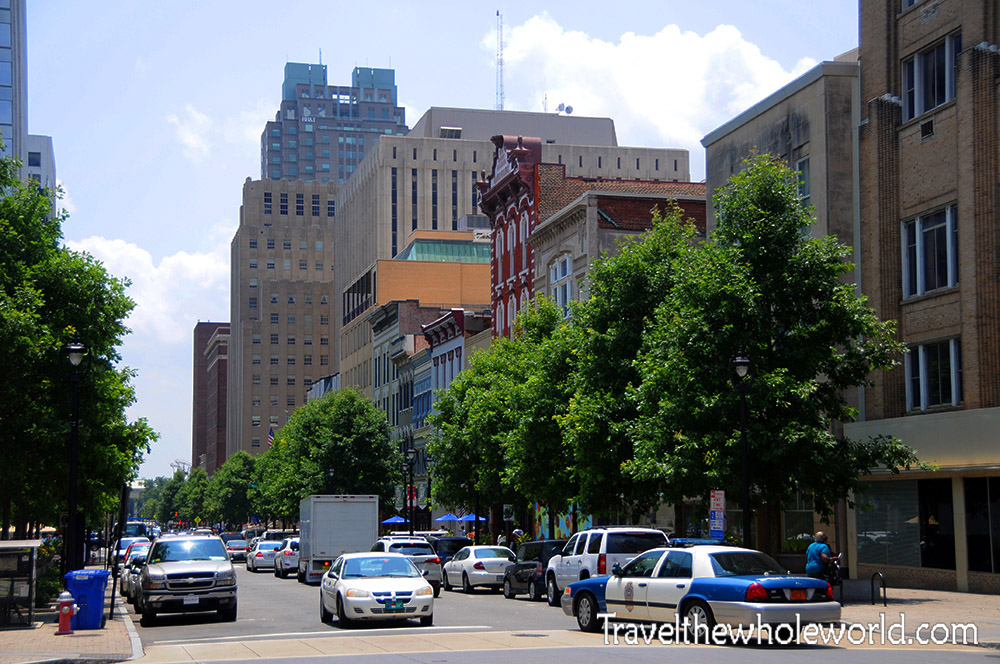
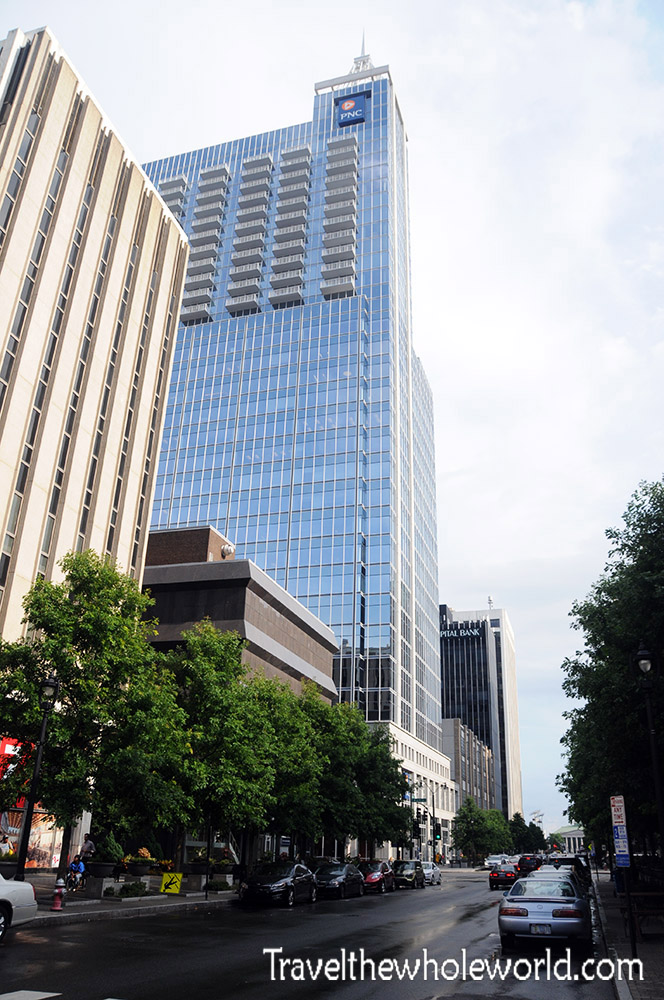
While Raleigh isn’t necessarily famous for its history, there is plenty to do in the city. College sports are huge in this part of North Carolina, and downtown has plenty of restaurants, bars, and museums. I haven’t been able to visit any of the museums yet, so that will have to wait until my third trip. I did at least spend some time walking around downtown after work one day. These two photos show the city center.
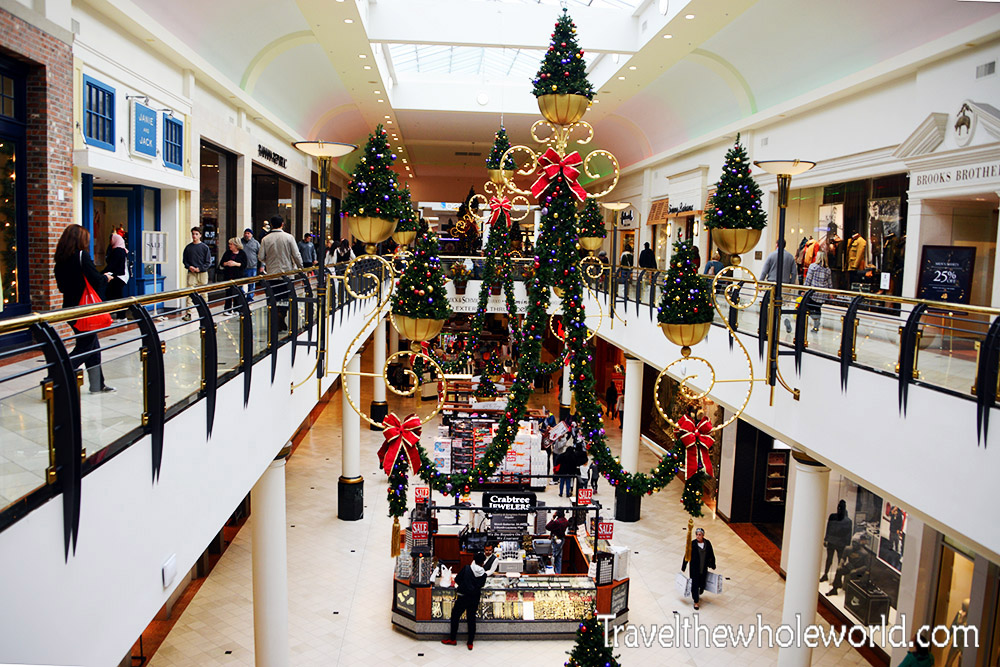
This random photo is from Crabtree Valley Mall. I Googled a restaurant and it took me here. I probably would have avoided the place if I had known it was inside a mall, but while I was there I figured I might as well take a photo since all the Christmas decorations were set up. Otherwise, there wasn’t anything particularly memorable about the mall. To get some more exciting shots of Raleigh I’d probably have to bring my camera out at night, but I rarely carry it when I’m going to bars or restaurants.
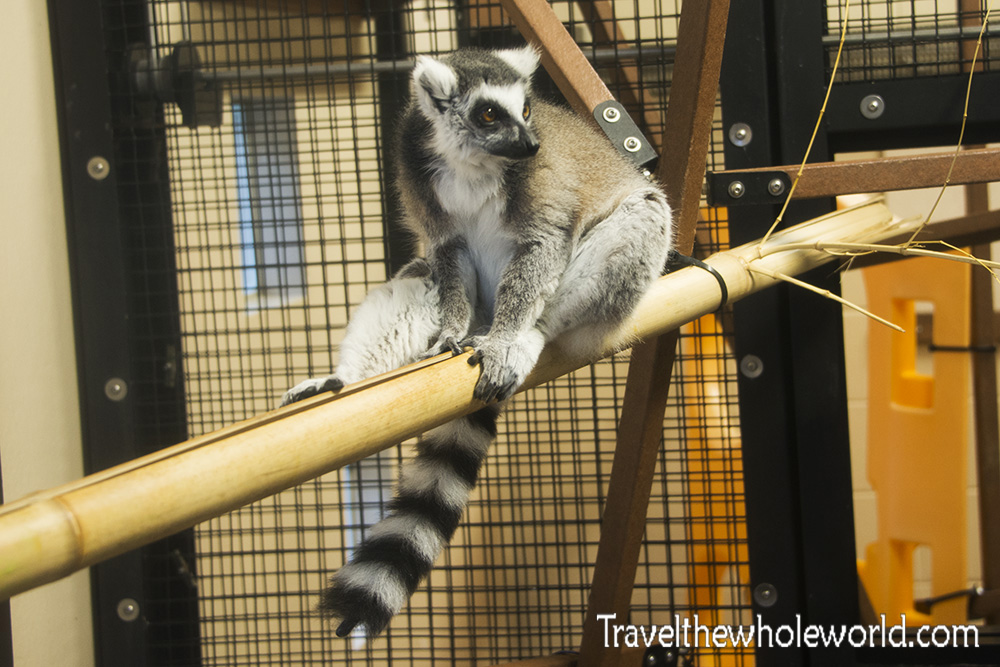
Without question my favorite place to visit in the Raleigh-Durham area was the Duke Lemur Center. At the time of my visit I had been planning to travel to Madagascar just a few months later, and lemurs were one of the main reasons I wanted to visit the country. Because of my misadventures on Mt. Everest, I ended up delaying Madagascar for a year. Either way, I was pretty excited to see some lemurs beforehand. The photo above shows probably the most recognizable species of all, the ring-tailed lemur.
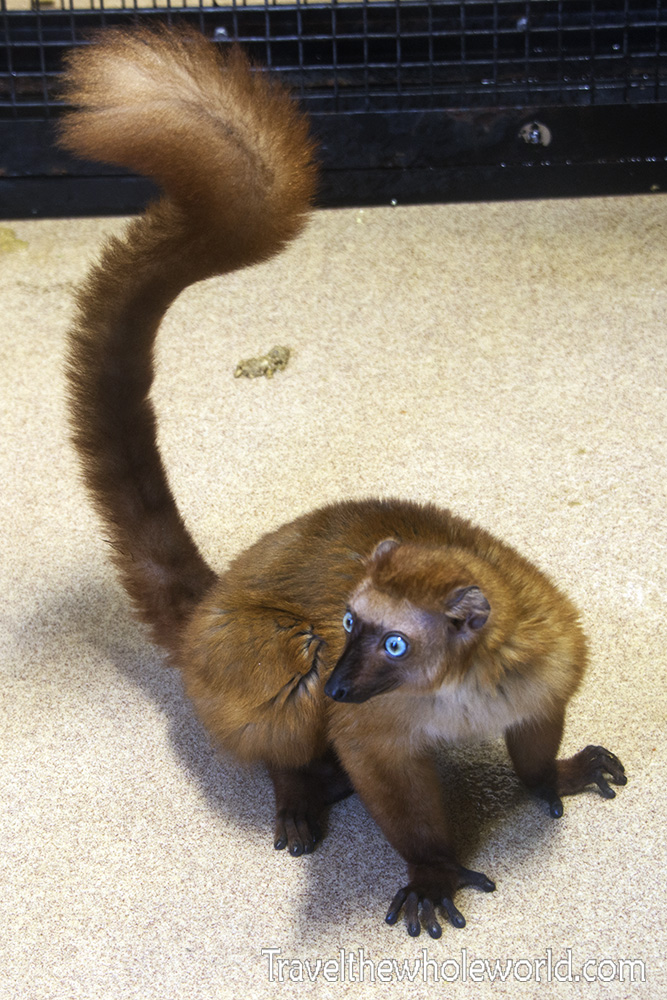
Almost everyone has seen photos of ring-tailed lemurs, but I had never seen a blue-eyed lemur before this visit. The Duke Lemur Center is primarily a research and conservation facility rather than a traditional zoo, so the experience is focused on observing the animals rather than interacting with them.
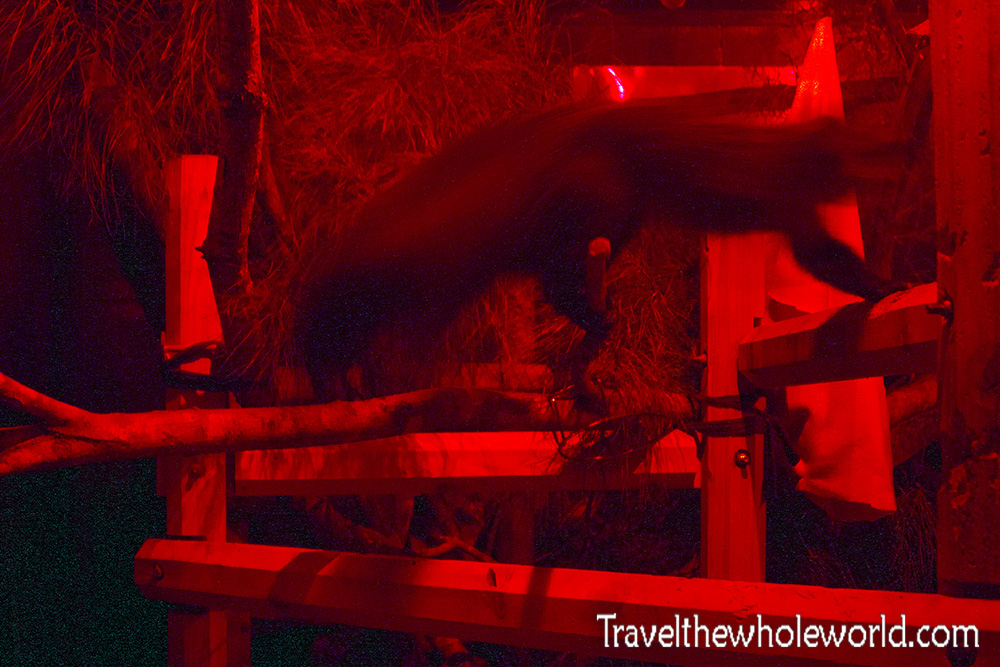
I had mostly been looking forward to seeing the infamous aye-aye. This type of lemur is nocturnal and sensitive to light, so seeing one is a completely different experience from viewing the other lemurs. Photographing one was difficult, but I still managed to get the shot below. The aye-aye was one of the most active lemurs I saw, running around and climbing through its enclosure. Seeing one in the wild would be an entirely different challenge since they’re nocturnal and spend much of their lives high in the trees. At the time, this was probably the closest experience I could imagine having with one!
Explore More of North Carolina
Charlotte • Asheville • the Great Smoky Mountains • the Outer Banks • Wilmington • Visitng Raleigh