Armenia was one of the biggest surprises of my travels through this part of the world. It’s a small, mountainous country, but there is an incredible amount packed into it: an ancient capital, dramatic canyons, alpine lakes, strange rock formations, and some of the oldest Christian monasteries anywhere in the world.
Armenia became the first country to officially adopt Christianity, and that history is impossible to miss while traveling here. Ancient churches and monasteries seem to appear everywhere, often in spectacular locations surrounded by mountains and cliffs. But Armenia isn’t only about its history. Yerevan turned out to be a lively and enjoyable capital, while outside the city I found some of my favorite landscapes in the region.
This was also one of my earlier trips, when I somehow managed to see a huge amount while taking relatively few photographs. Looking back, there are plenty of places I wish I had documented better.
Yerevan
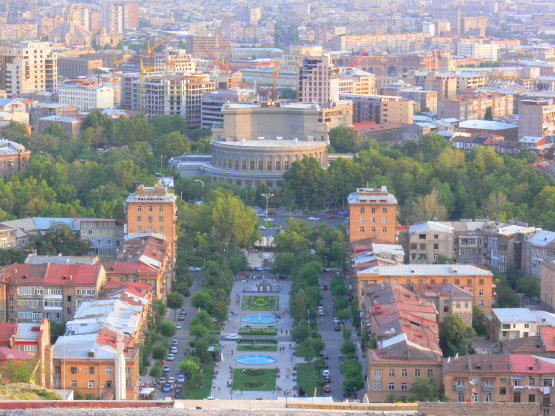
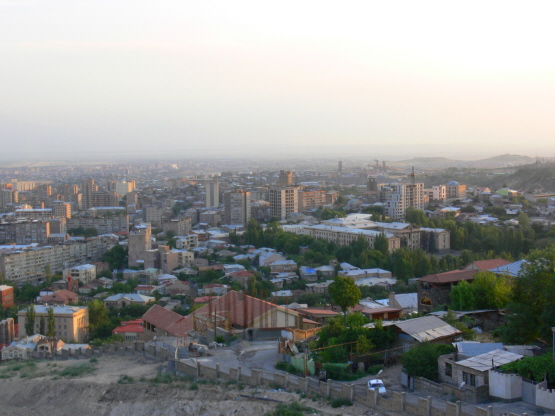
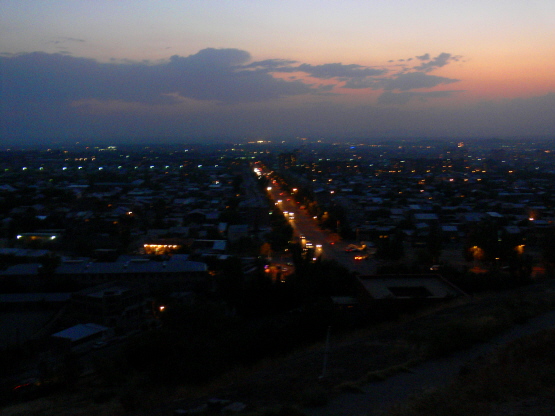
My first photographs are from Yerevan. Armenia has had numerous capitals throughout its long history, and although Yerevan itself is ancient, it became the capital of modern Armenia in 1918.
I was genuinely impressed by how beautiful and lively the city was. Parks and public spaces were filled with people walking, running, meeting friends, or sitting outside for dinner and drinks. There was a relaxed atmosphere that made Yerevan feel like a city where people actually enjoyed spending time outdoors rather than simply moving from one place to another.
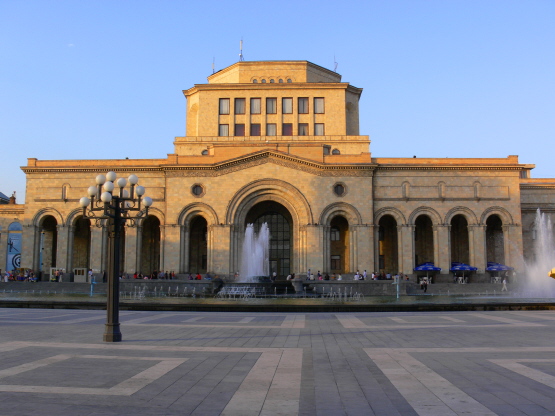
Republic Square is the monumental center of the city, surrounded by government buildings, museums, and hotels. The History Museum of Armenia is located here and contains artifacts covering thousands of years of Armenian history.
One enormous building on the square looked to me like another government ministry when I visited. It was actually a Marriott hotel. Apparently government buildings aren’t the only ones allowed to look monumental in Yerevan.
Erebuni Fortress
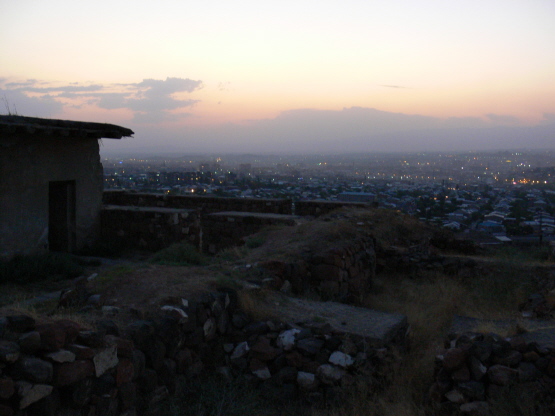
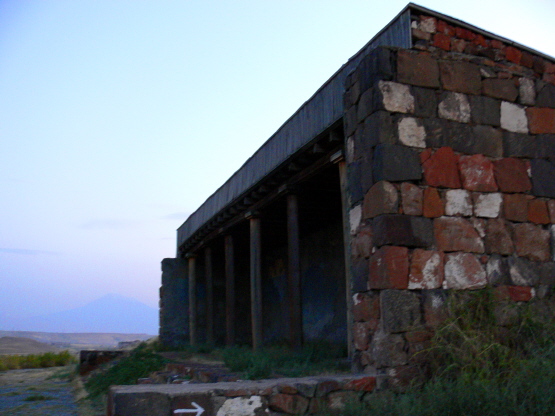
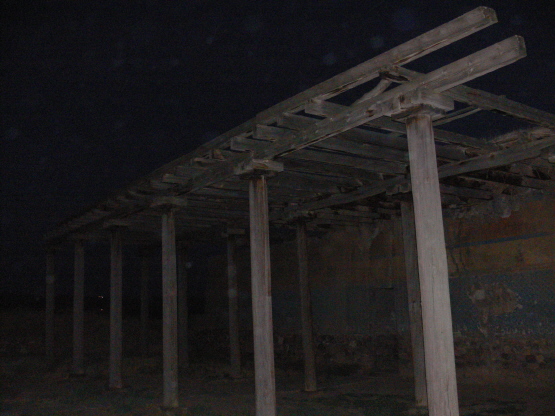
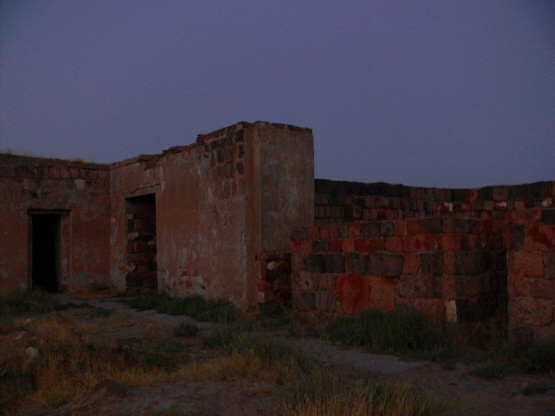
Within modern Yerevan is something considerably older: Erebuni Fortress. The fortress was founded in 782 BC by King Argishti I of Urartu, making its history closely connected with the origins of Yerevan itself.
It’s difficult to wrap your head around that age while standing there. These ruins were already ancient long before many of the world’s most famous modern cities even existed.
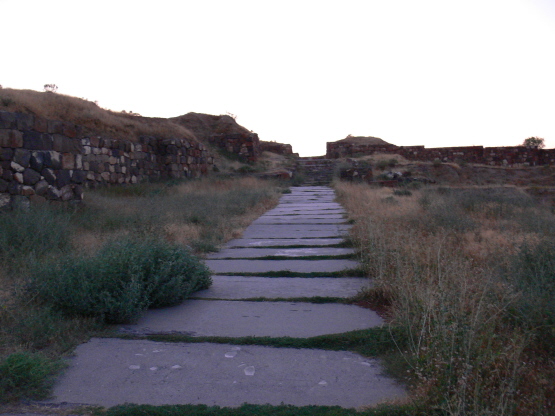
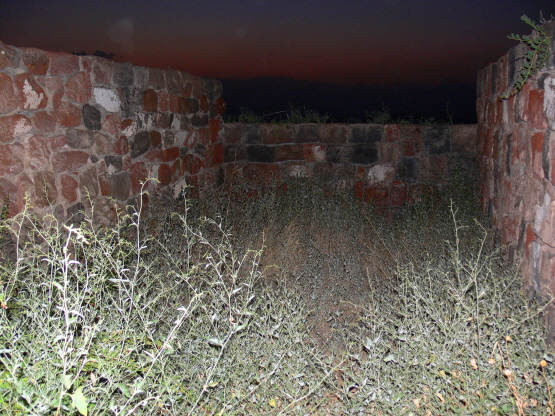
Archaeologists extensively excavated Erebuni during the 20th century, recovering hundreds of artifacts from the site. Considering that nearly three millennia have passed since the fortress was constructed, I was amazed by how much was still recognizable.
Tsitsernakaberd
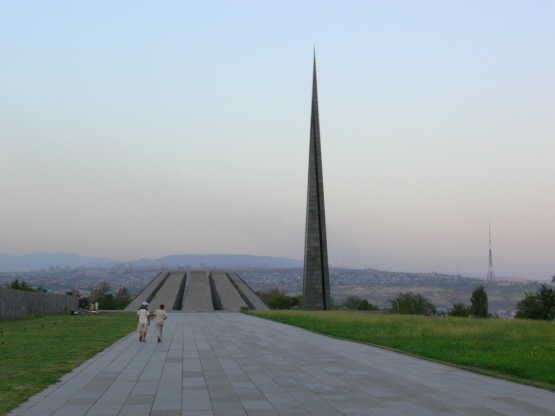
One of the most important places in Yerevan is Tsitsernakaberd, the memorial dedicated to the victims of the Armenian Genocide. Beginning in 1915, approximately one million or more Armenians died through mass killings, deportations, starvation, and other persecution carried out by the Ottoman authorities.
The memorial is part of a larger complex that includes the Armenian Genocide Museum. Unfortunately, I arrived too late to visit the museum itself, so I could only explore the memorial grounds.
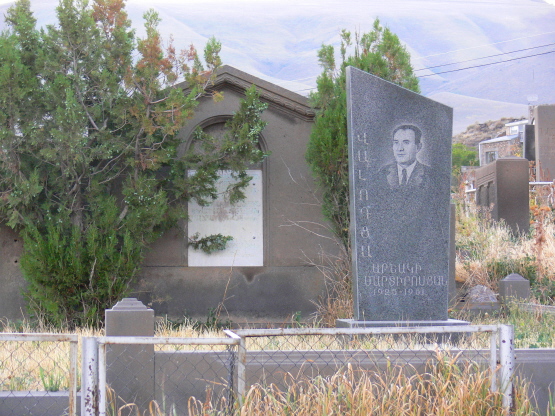
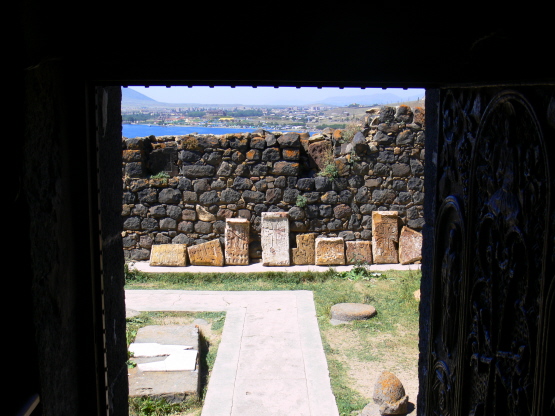
This photograph isn’t from Tsitsernakaberd, but it shows something else that caught my attention in Armenia. I frequently saw tombstones engraved with detailed portraits of the people buried there.
I actually liked the idea. Rather than seeing only a name and dates, you immediately see the person being remembered. I later noticed the same tradition while traveling in neighboring Azerbaijan.
Tatev Monastery
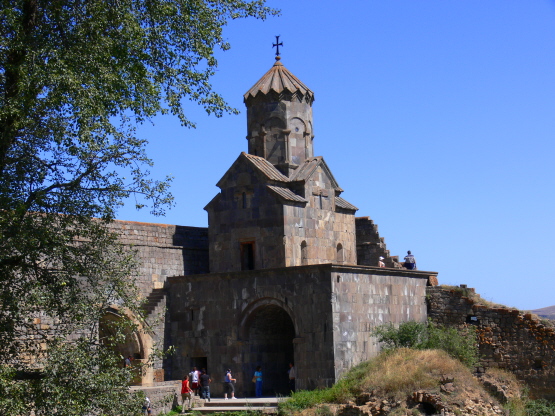
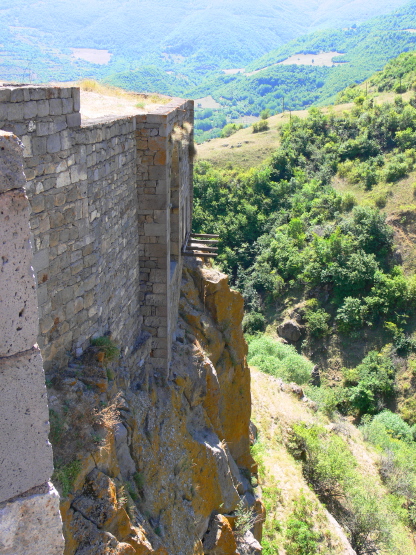
Tatev was one of the most spectacular monasteries I visited in Armenia. The enormous complex sits high above the Vorotan Gorge in the southeast of the country, surrounded by cliffs and mountains.
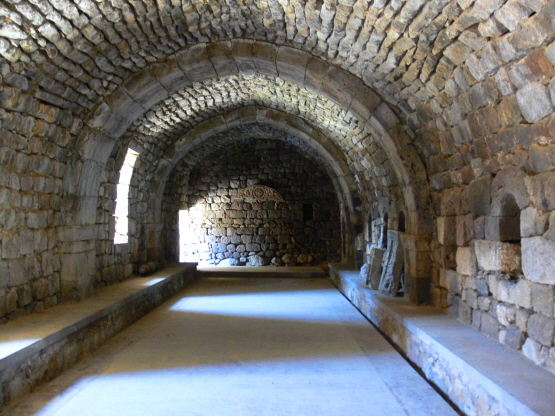
The main church was completed around the end of the 9th century, with additional structures added during the centuries that followed.
The view of the entire monastery from a distance should have been one of my best photographs from Armenia. Unfortunately, the 9th-century monastery had a very 21st-century crane sitting beside it for maintenance when I arrived, so that didn’t exactly work out.
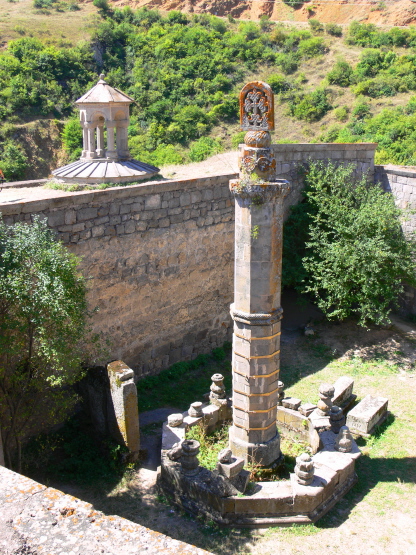
One of Tatev’s strangest features is Gavazan, a tall stone column engineered so that it could tilt when disturbed and then return upright. Its ability to move helped the structure survive the earthquakes that regularly affect Armenia.
For something built more than a thousand years ago, it’s an impressive piece of engineering.
Noravank
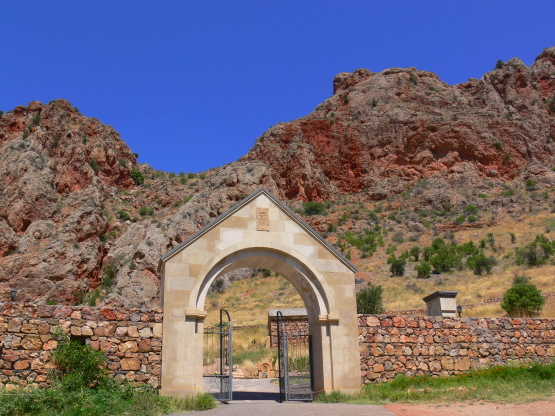
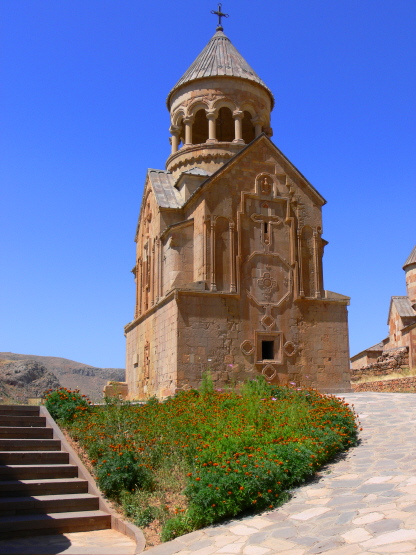
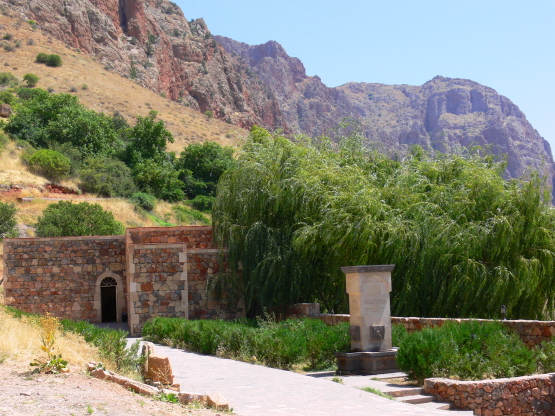
Noravank is another medieval monastery, but the landscape gives it a completely different appearance from Tatev. The complex sits inside a narrow gorge surrounded by reddish cliffs, and the color of the local stone makes the monastery seem almost like an extension of the mountains around it.
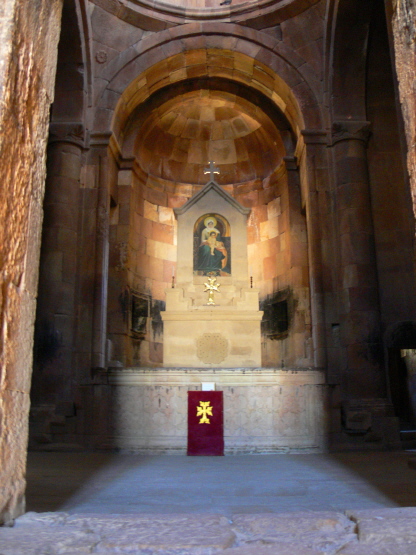
The name Noravank means “New Monastery,” which is slightly amusing considering that the complex dates back more than 800 years.
Haghartsin Monastery
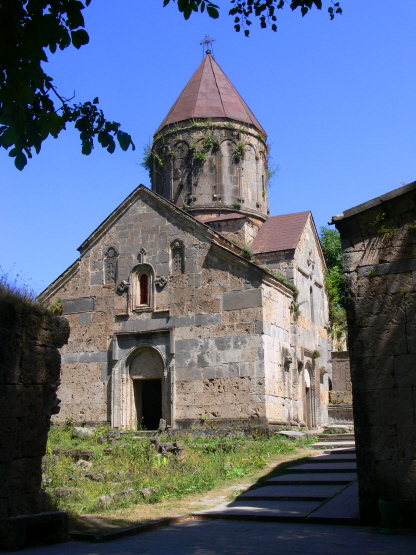
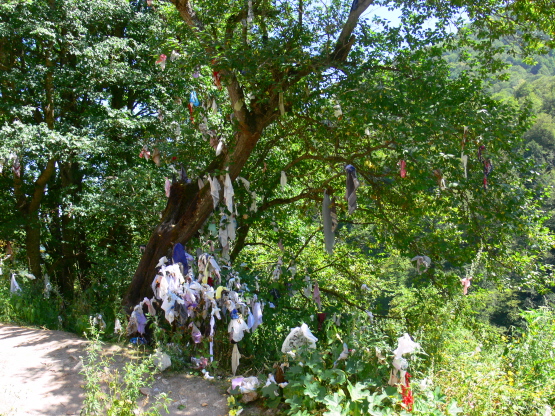
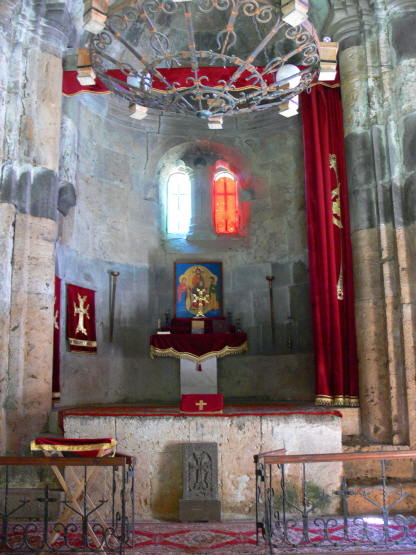
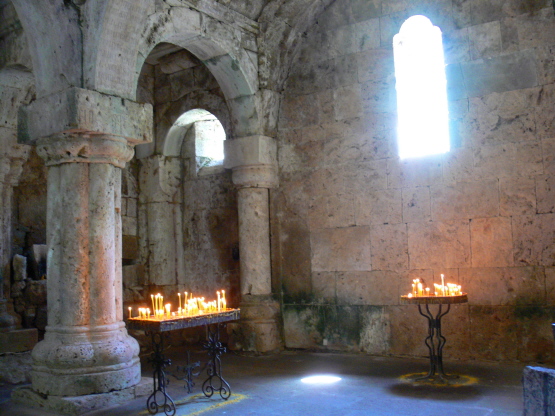
Haghartsin Monastery was built and expanded between roughly the 10th and 13th centuries. Unlike Tatev and Noravank, which are surrounded by dramatic exposed rock, Haghartsin sits among the forests of northern Armenia.
The complex contains several churches along with a refectory and other medieval structures.
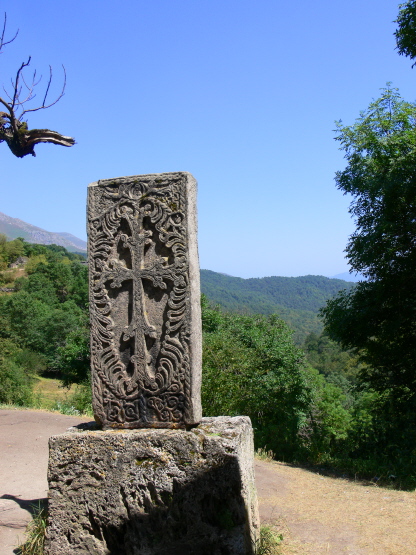
Khor Virap and Mount Ararat
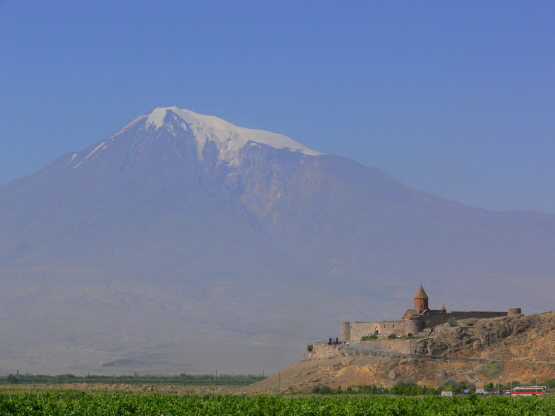
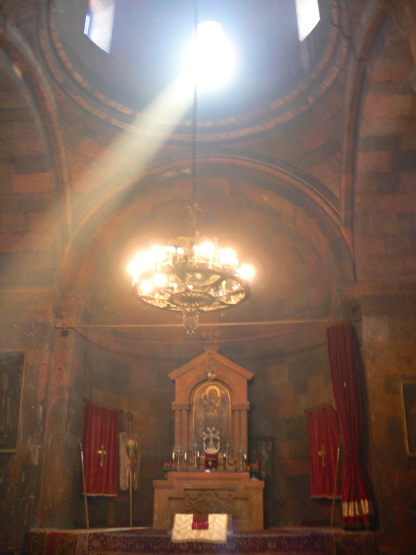
Khor Virap has one of the most famous views in Armenia. The monastery stands on the Ararat Plain with enormous Mount Ararat rising behind it across the border in Turkey.
The location is beautiful, but Khor Virap is even more important because of its connection to the story of Armenia becoming the world’s first officially Christian country.
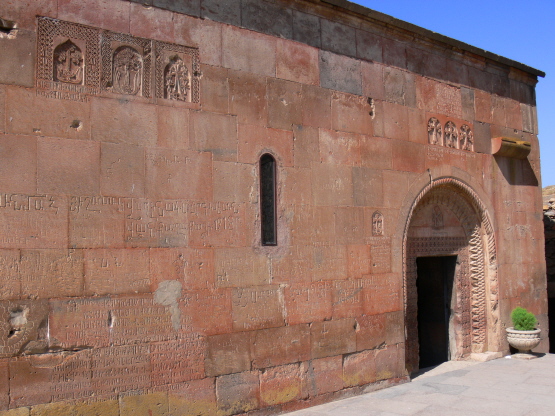
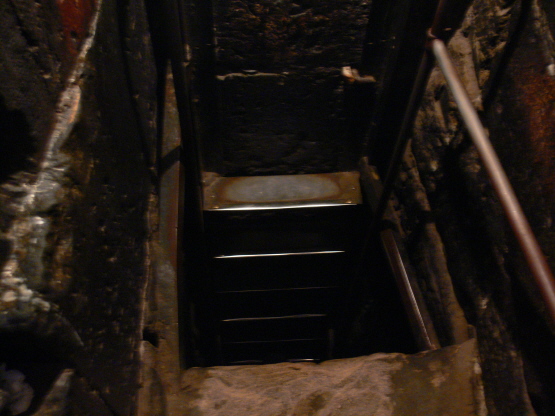
According to Armenian tradition, King Tiridates III imprisoned Gregory the Illuminator here for his Christian faith. Gregory survived for years in the underground pit before eventually being released when the king became seriously ill.
Gregory was said to have healed the king, after which Tiridates converted to Christianity. Armenia subsequently adopted Christianity as its state religion around the beginning of the 4th century, traditionally dated to 301.
Gregory became the patron saint of Armenia, while the miserable prison where he was supposedly left to die eventually became one of the country’s most important pilgrimage sites.
Karahunj
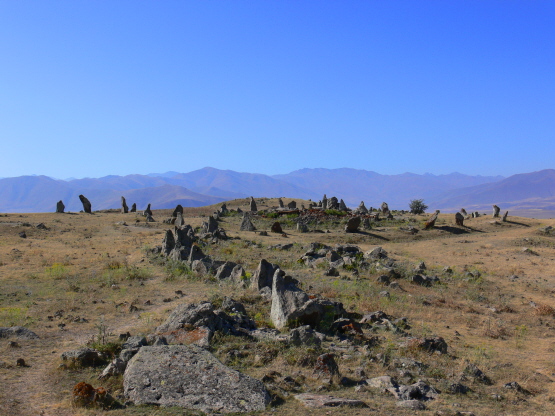
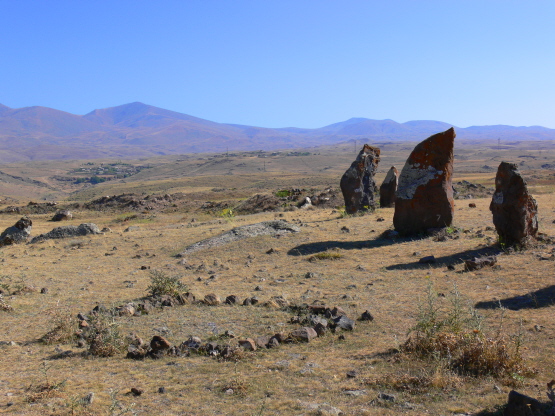
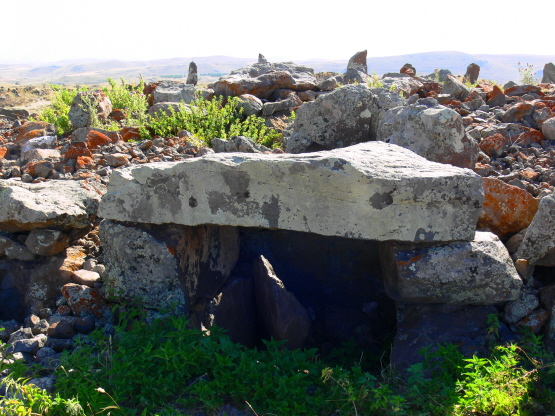
Long before Armenia’s medieval monasteries appeared, people were already leaving monuments across this landscape. Karahunj, also known as Zorats Karer, is a prehistoric archaeological site containing hundreds of standing stones.
It’s sometimes nicknamed the “Armenian Stonehenge.” Visually, Stonehenge is considerably more dramatic, but Karahunj has its own mystery. Some of the stones contain precisely carved circular holes, and there have been numerous theories about what the site and the holes were used for, including possible astronomical observations.
Whatever its exact purpose, standing among stones placed here thousands of years ago adds another layer to a country where almost everything already seems ancient.
Lake Sevan
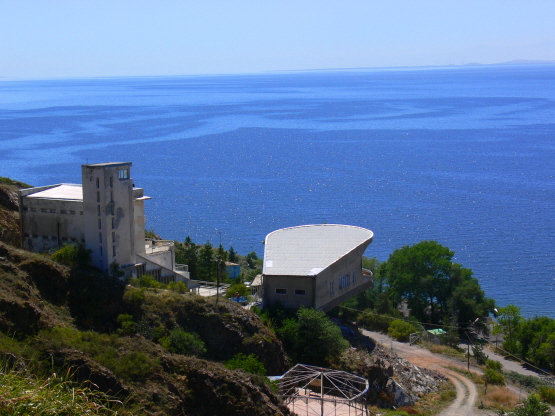
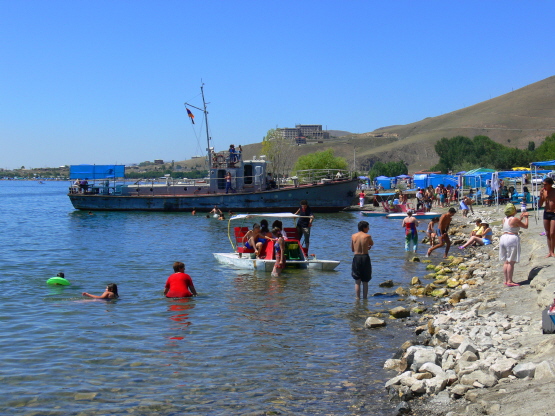
Armenia doesn’t have an ocean, but it does have Lake Sevan. The enormous high-altitude lake is one of the country’s major summer destinations, with people swimming along the shores and heading onto the water in paddleboats and powerboats.
After spending so much time traveling through dry mountains and rocky valleys, seeing this much water in one place was a dramatic change.
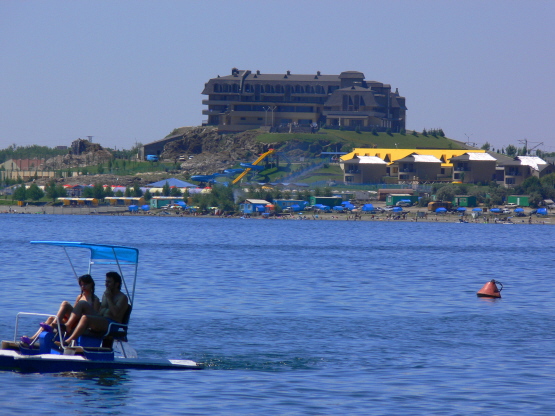
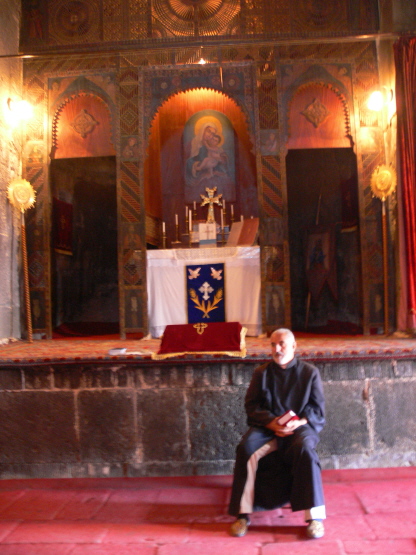
Tsakhkadzor
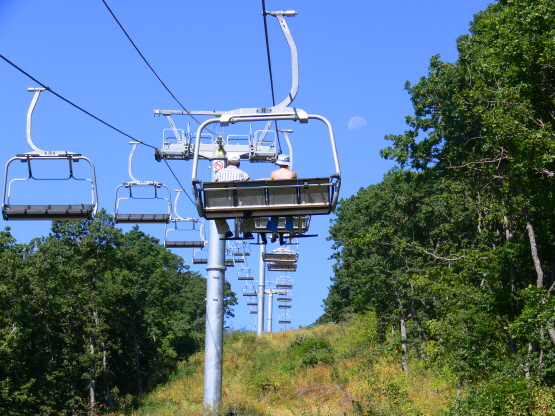
Tsakhkadzor, whose name translates roughly as “Valley of Flowers,” is one of Armenia’s mountain resort towns. During summer, the chairlift provides access to higher elevations for hiking and mountain views. Once winter arrives, the same mountains become a ski area.
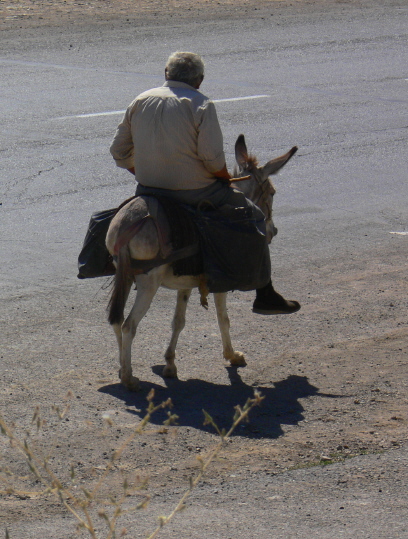
And if chairlifts aren’t your style, apparently there are still more traditional forms of Armenian transportation available.
Armenia’s Prehistoric-Looking Landscape
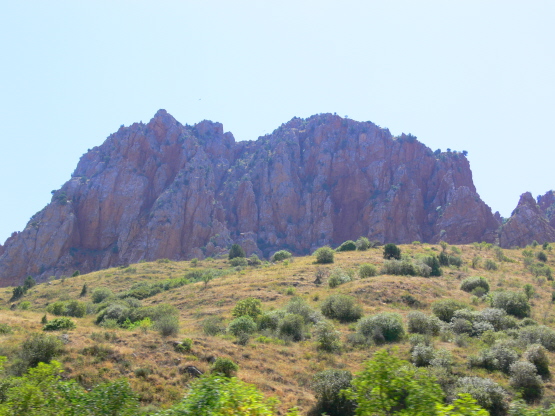
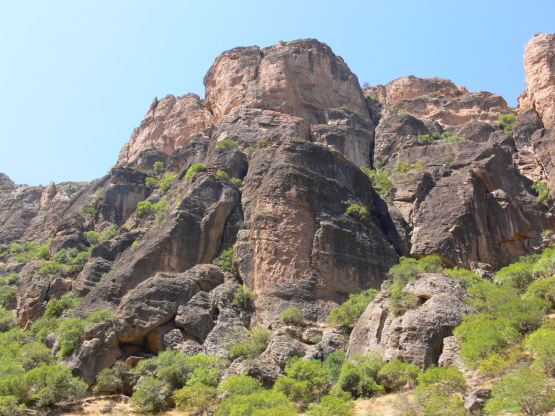
Some of my favorite scenery in Armenia wasn’t attached to any famous monastery or archaeological site. During one part of the trip, we drove through a steep valley filled with orange-colored rock and patches of extremely dark green vegetation growing from the cliffs.
For some reason, the combination looked prehistoric to me, almost like the sort of landscape where you expect a dinosaur to walk around the corner.
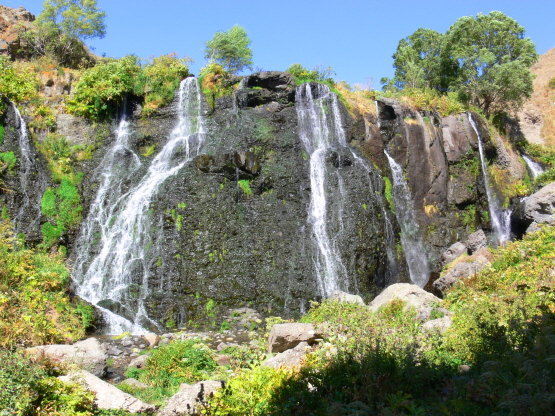
Shaki Waterfall was another scenic stop in southern Armenia. There wasn’t much water flowing when I visited, but the exposed rock formation was still beautiful. With heavier water flow, the waterfall spreads much farther across the cliff.
Vorotan Canyon
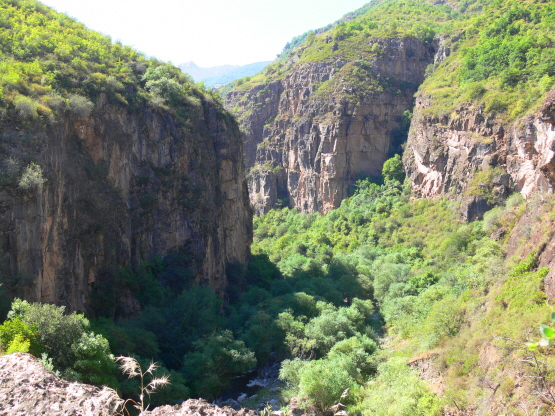
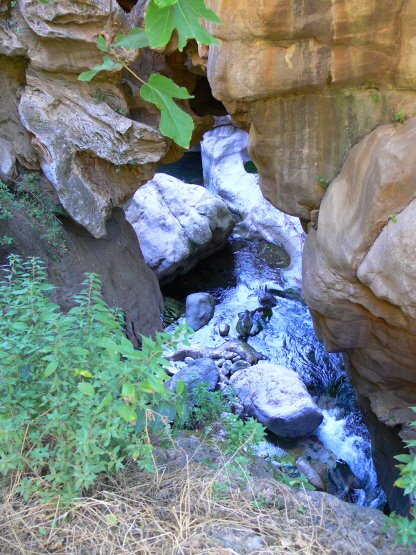
Of all the natural scenery I saw in Armenia, Vorotan Canyon was my favorite. The canyon cuts deeply through the mountains of southern Armenia, creating cliffs, forested slopes, and dramatic views down toward the Vorotan River.
One of the strangest places I stopped was high above the river near a natural rock formation. The photographs don’t really communicate the height. Looking down, the river seemed incredibly far away.
I couldn’t see anyone at the bottom.
But I could hear children.
Their voices echoed all the way up the canyon as they played somewhere beside the water far below. It was one of those small moments that photographs don’t capture very well, but that I still remember from the trip.
Armenia packed far more into a small country than I expected. I came for the ancient history and monasteries, but what stayed with me just as much were the landscapes: Lake Sevan, the red cliffs around Noravank, the forests surrounding Haghartsin, Mount Ararat rising behind Khor Virap, and the deep canyons of the south.
It’s one of those countries where the history and landscape constantly overlap. A drive through the mountains can take you from prehistoric stones to a medieval monastery to a modern city in a single day, and there always seemed to be something much older waiting around the next corner.
“`