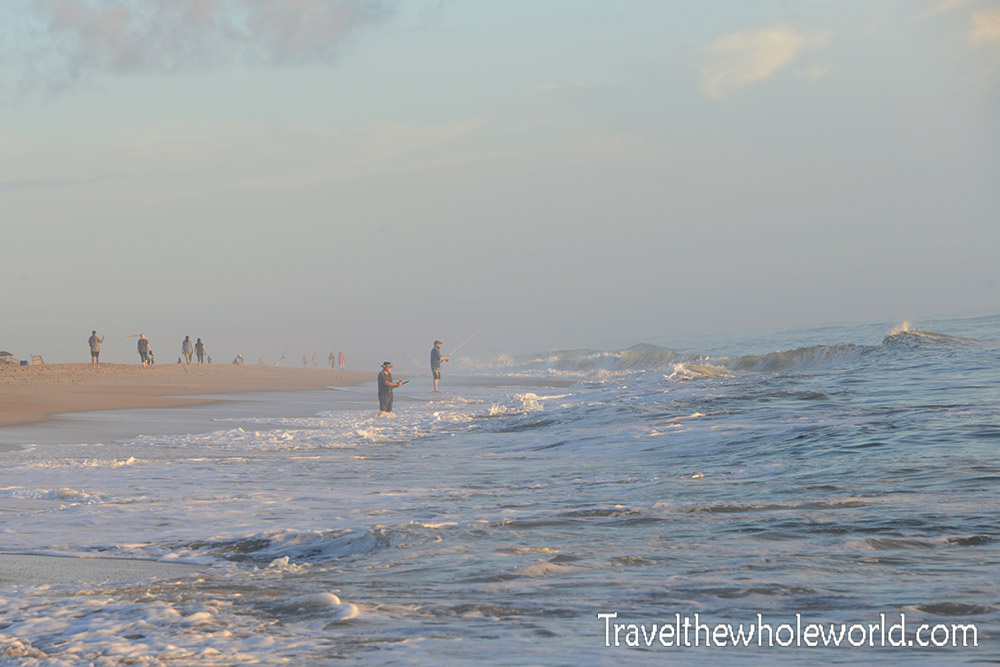
Welcome to the Outer Banks! An amazing place only hours from where I live, but a place I’ve shamefully only visited twice in my life. The Outer Banks are a unique set of barrier islands with great beaches, surf, and even lots of significant history. Just an hour south of Virginia Beach, the Outer Banks offer a much quieter atmosphere than their large urban neighbor. Most of the towns that line the barrier islands rarely reach over 5,000 people, but you’ll still find plenty of restaurants, resorts, and great coastline.
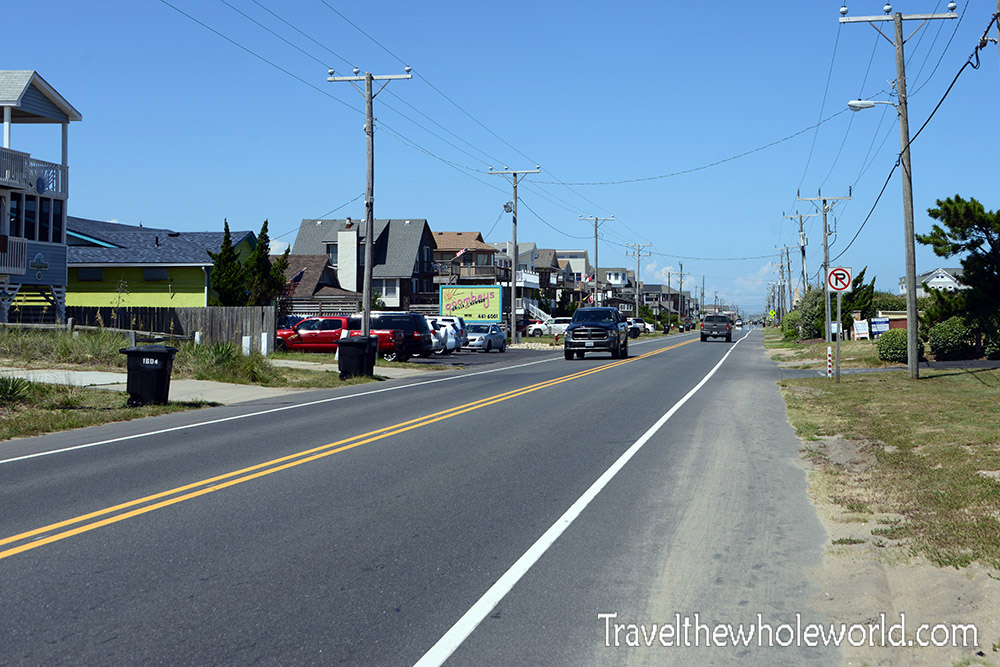
Part of the rural atmosphere means that much of the Outer Banks isn’t lined with boardwalks, huge hotels, and businesses. In many places you’re either walking alongside the road or directly through the sand dunes. I’d say the picture above gives a pretty good idea of what much of the Outer Banks looks like along the main roads.
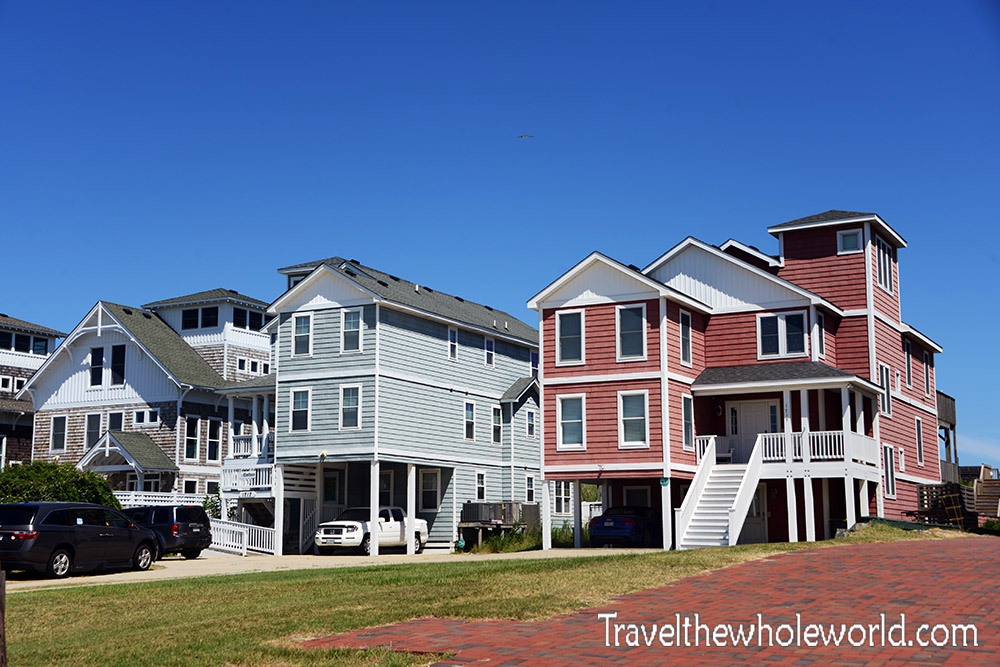
There are several hotels to choose from, but in the Outer Banks the real way to visit is by renting a beach house. Some of these can seriously cost five figures for a single week, but come with enough rooms to comfortably fit over a dozen people. Timeshares and massive family reunions here are very popular. As you can see, some of these beach houses decorated with palm trees look like they could be from Florida or California.
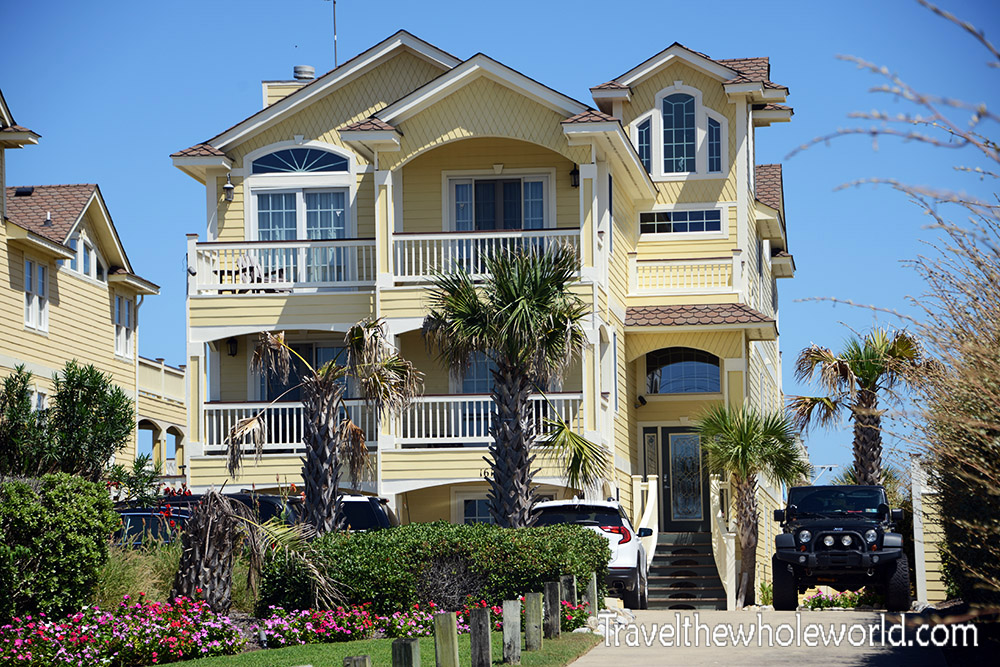
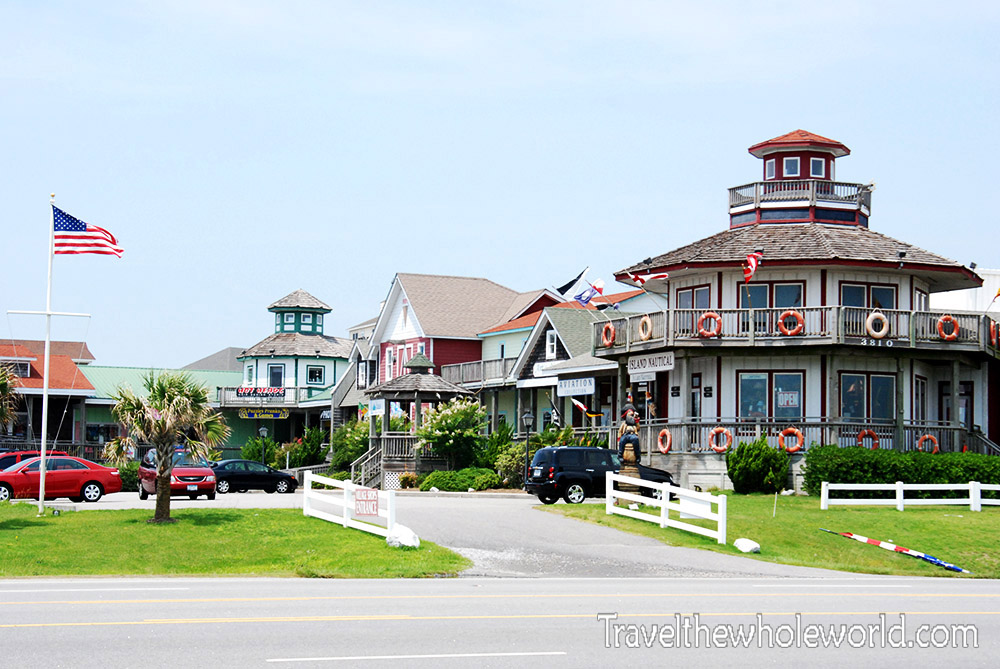
When you look at a satellite or aerial photo of the Outer Banks, it almost looks too narrow for there to be much infrastructure here. North Carolina’s coast has hundreds of small inlets and tiny islands, with the narrow barrier islands stretching along the outside. When I first visited I was pretty surprised by how developed some areas were. There are places where you can get a higher vantage point and see water on both sides, but for the most part it feels fairly normal when you’re inland. The photo above shows a typical beach plaza, while below you can see a “Redneck Special” at a restaurant that I couldn’t help but photograph.

The Wright Brothers
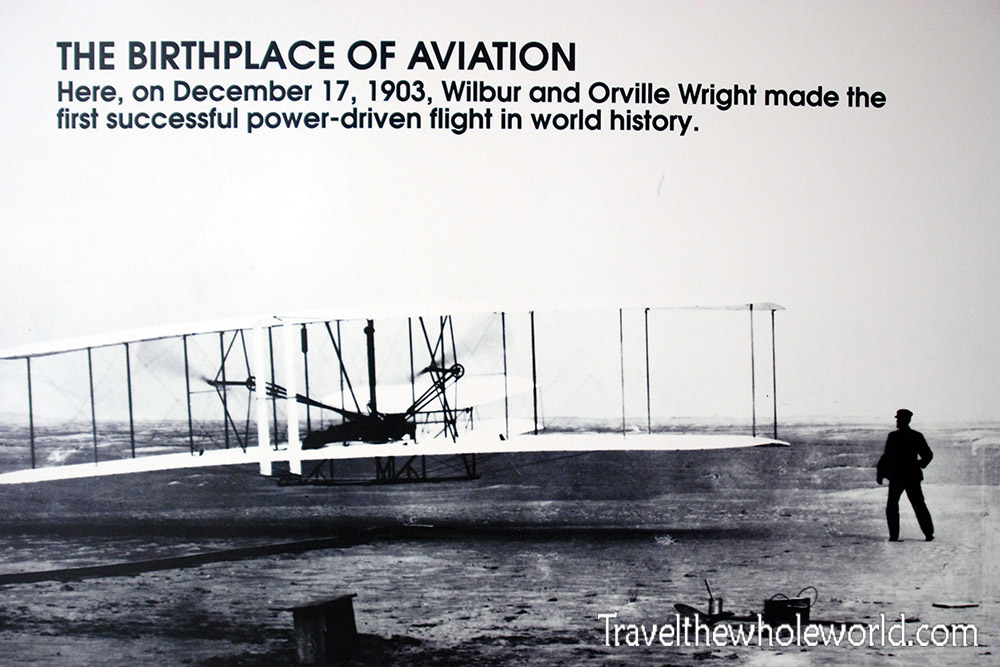
Surprisingly, one of the most important breakthroughs in the history of mankind took place in the Outer Banks. The flat terrain, steady winds, and relative isolation made the area ideal for the Wright brothers to experiment with flight. After years of designing and testing different methods, Orville and Wilbur Wright finally achieved their famous powered and controlled flight here in December 1903.
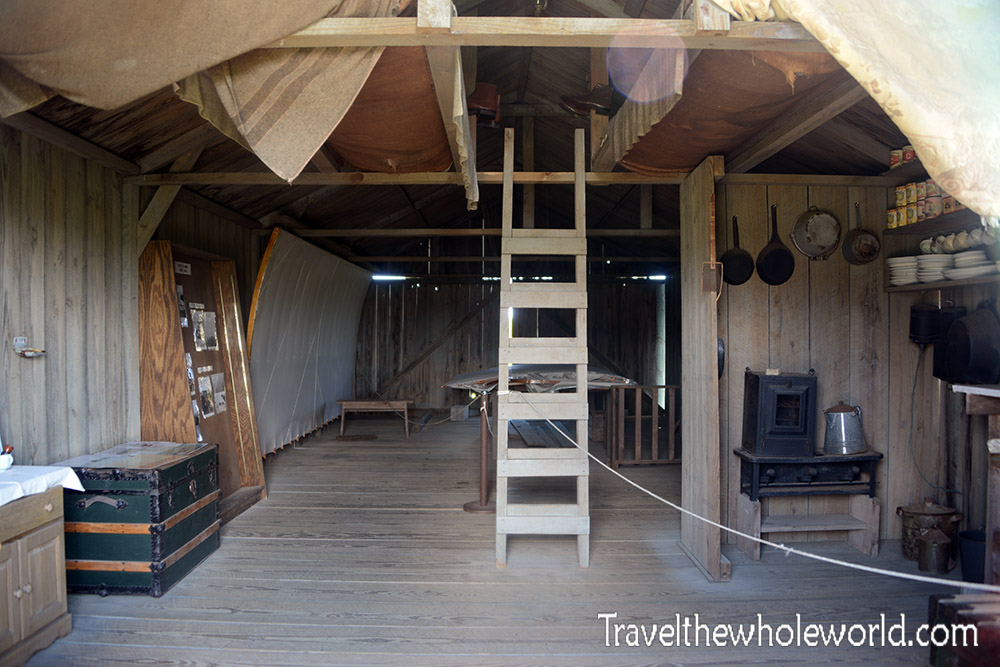
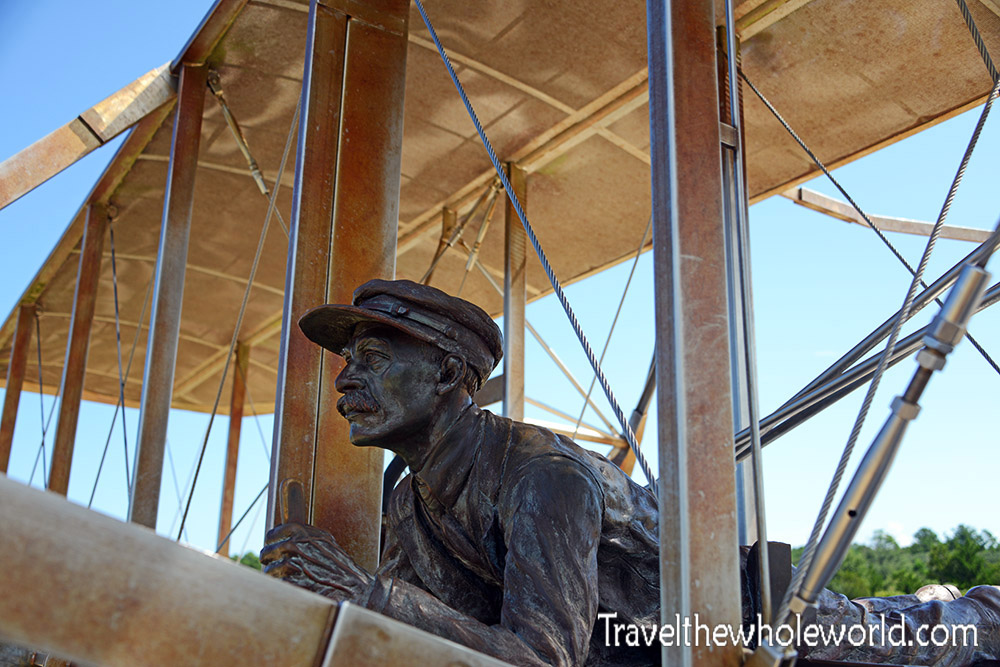
Orville and Wilbur worked tirelessly on their invention and ran into plenty of failures along the way. The reconstructed hangar above represents the type of structure they worked from while conducting their experiments. Below is a model and memorial representing Orville during the first successful flight.
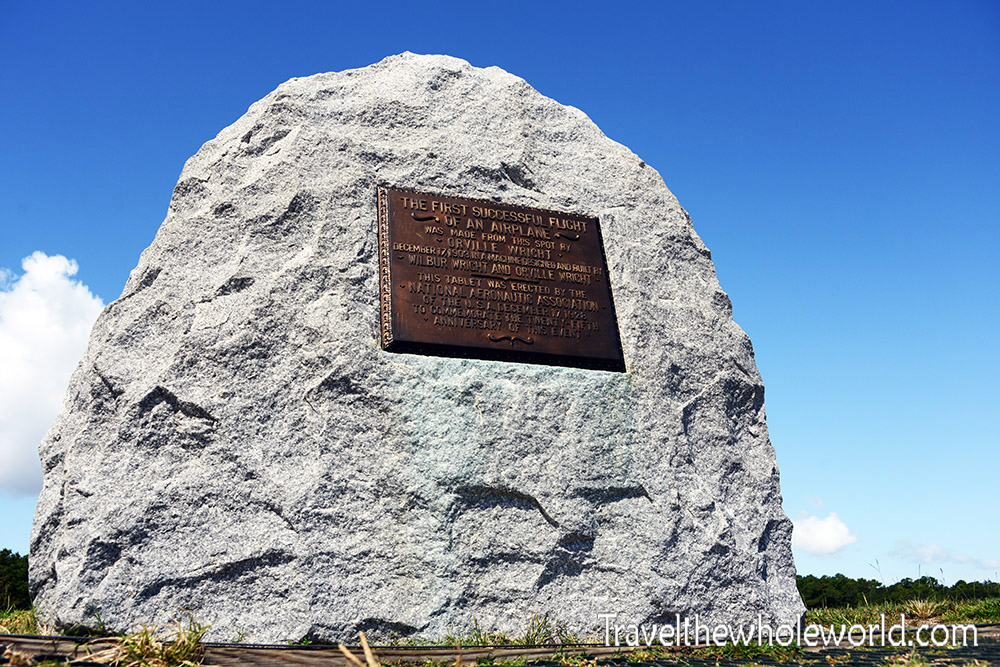
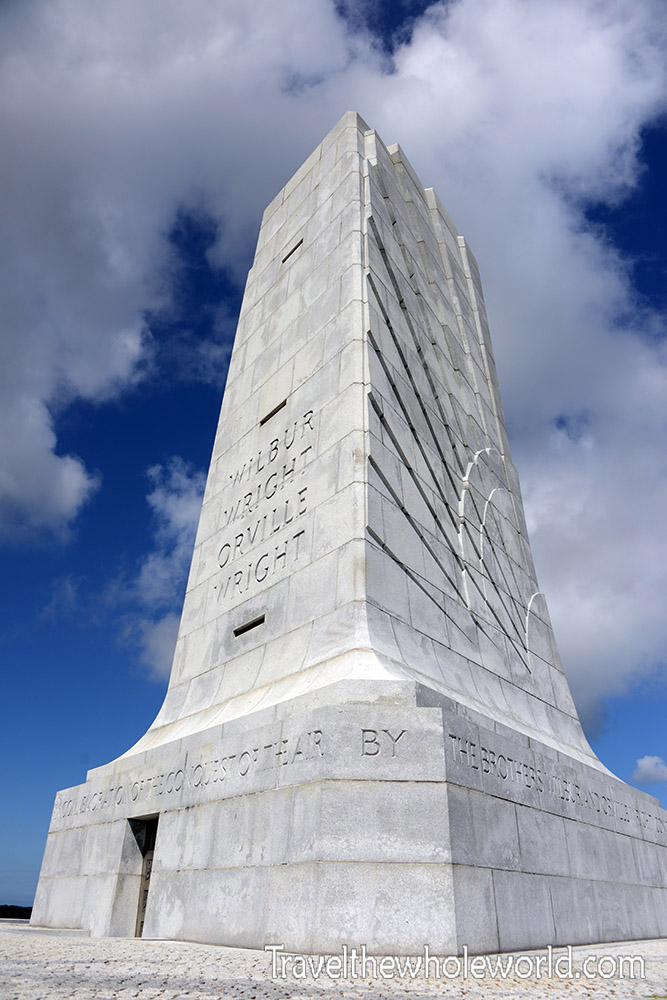
The Wright Brothers National Memorial includes a museum, historical markers, and several reconstructed structures and displays. Above you can see the area marking where their aircraft first took off. Other aviation experiments had taken place before this, but the Wright brothers achieved the first successful sustained, powered, and controlled airplane flight. Below is the main memorial dedicated to the brothers; I had forgotten how big it was when I returned ten years later!
Roanoke Island
Hundreds of years before the Wright brothers were even born, another important piece of history took place in the Outer Banks. England’s first attempts to establish a permanent colony in North America included the settlement at Roanoke Island in the late 1500s. When a supply expedition finally returned after a long delay, the colonists had disappeared.
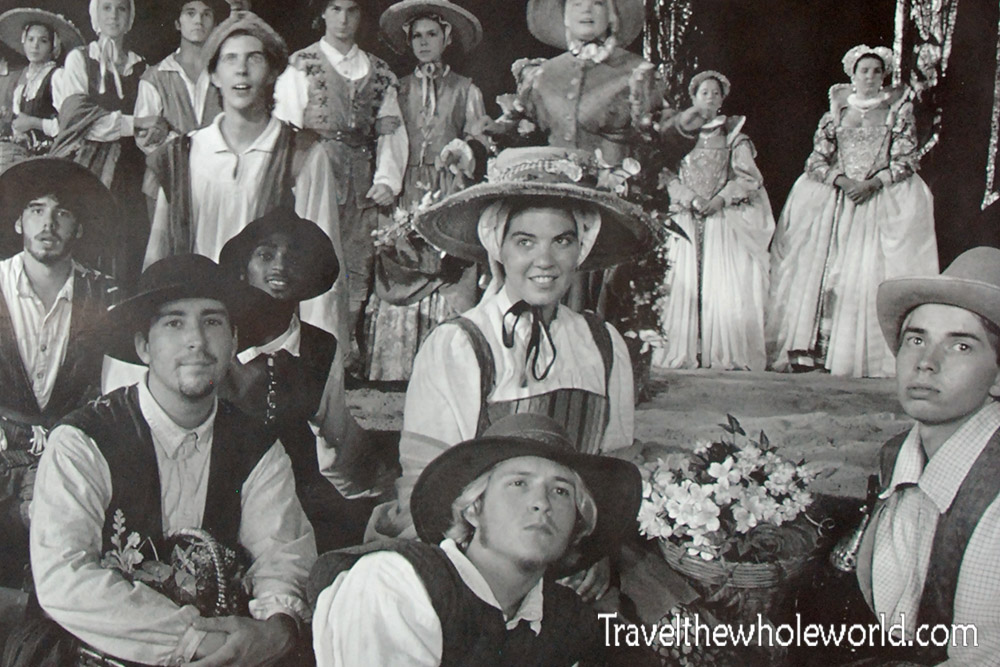
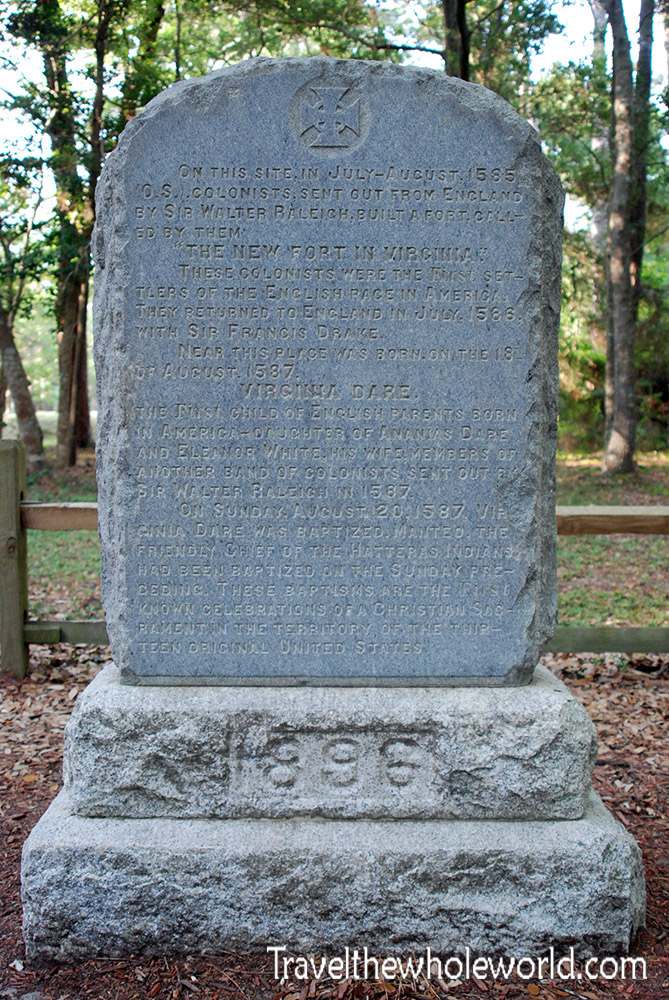
The fate of the Lost Colony remains one of the most famous mysteries in early American history. One possibility is that at least some of the colonists joined local Native American communities in order to survive. The famous outdoor drama The Lost Colony is performed on Roanoke Island and tells a story of what may have happened. On both of my visits I missed the play, but I definitely plan to see it one day. The photo above shows some of the actors, while below is a memorial to the lost colonists built 300 years after their disappearance.
Jockey’s Ridge
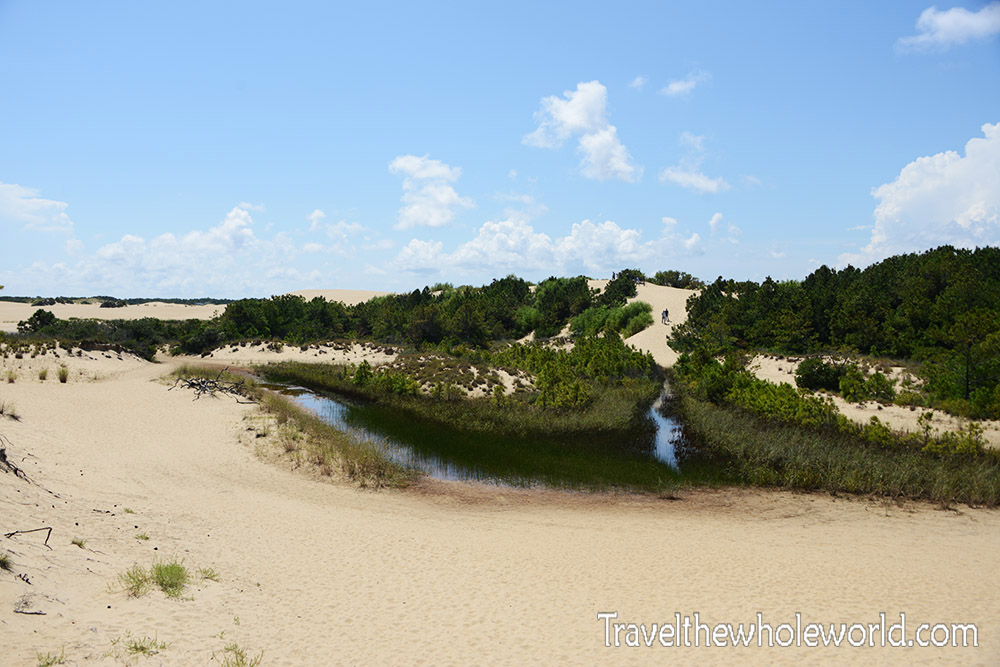
There’s plenty of other history in the Outer Banks, but for the most part I spent the rest of my time enjoying the coast. One of the most unique places along the barrier islands is Jockey’s Ridge, home to the tallest natural sand dune system on the East Coast. At first it’s what you might expect, a few dunes surrounded by bushes and trees. Take a short hike farther into the dunes though, and the scenery becomes much more impressive.
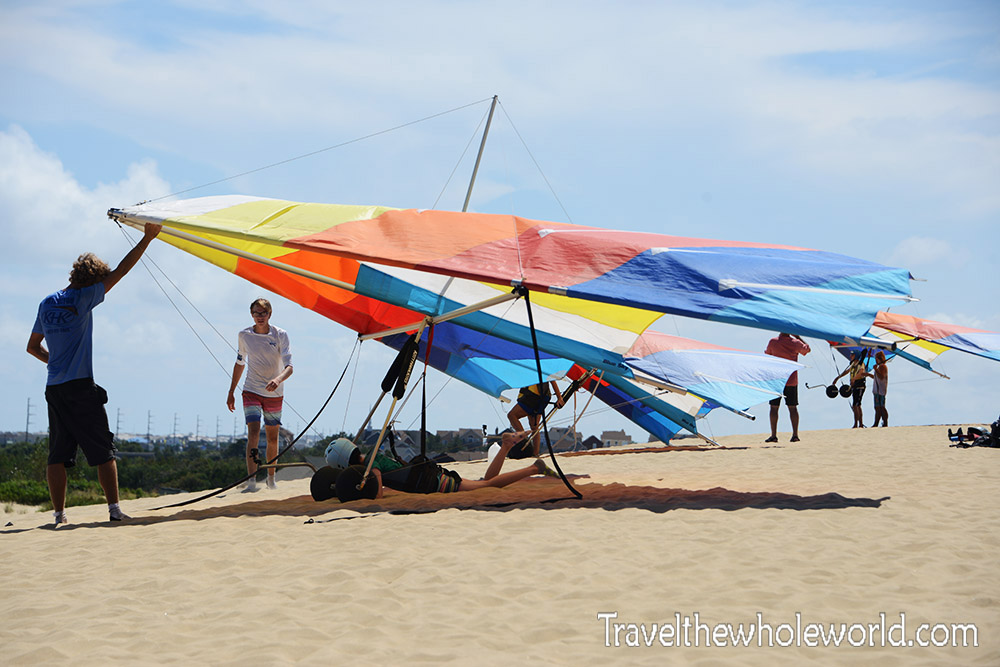
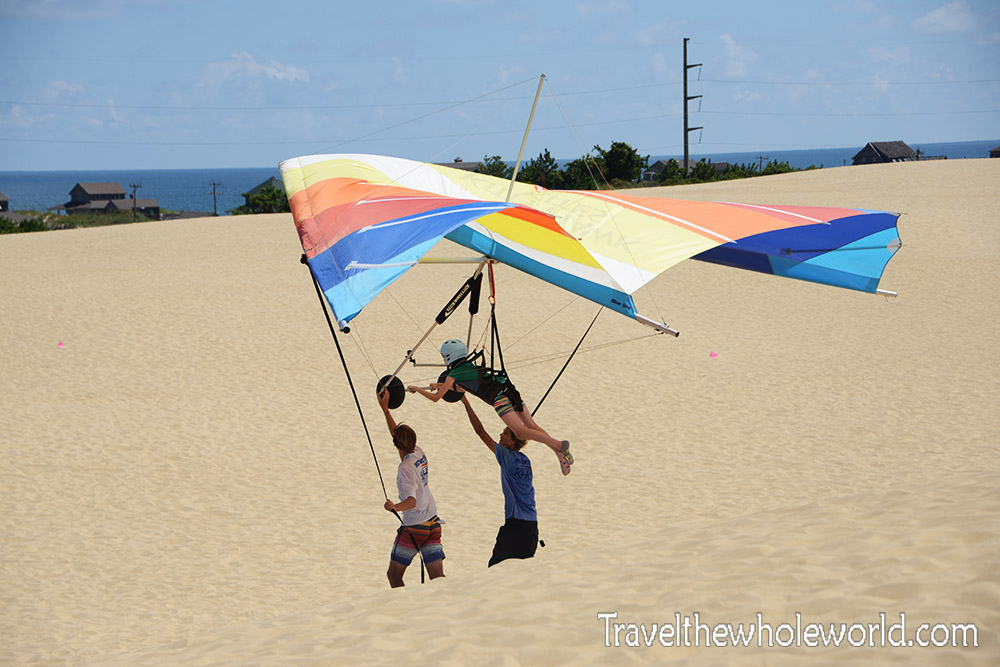
The dunes are famous for hang gliding because of the consistent winds and soft sand. I almost tried it myself and even thought it could justify bringing my GoPro. The beginner experience I watched was pretty tame though, with short flights down a small dune while instructors assisted. It looked like a fun introduction, but wasn’t quite the experience I had imagined.
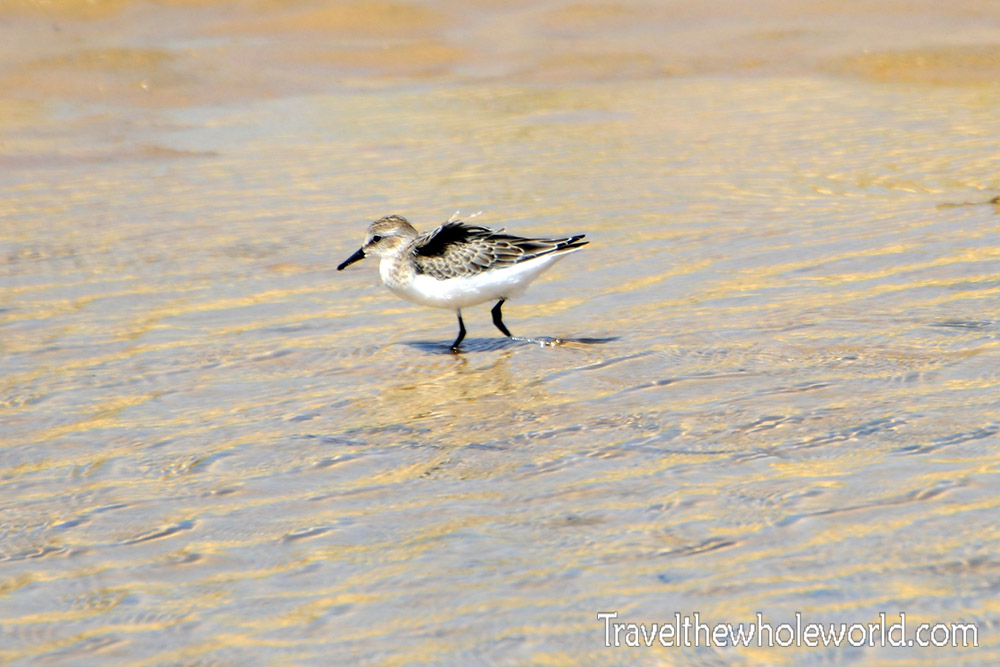
I ended up being more entertained by the wildlife and desert-like atmosphere. There was a tiny puddle of water with a few birds cooling off in the hot sun. I’ve always loved deserts and sand dunes, so despite how small this place is, it made me happy.
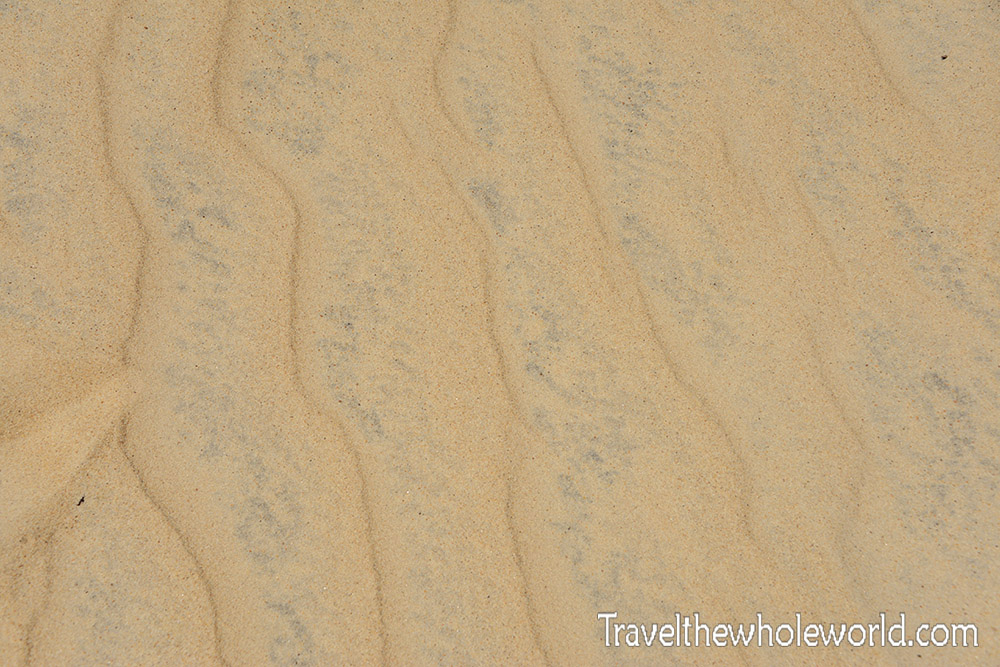
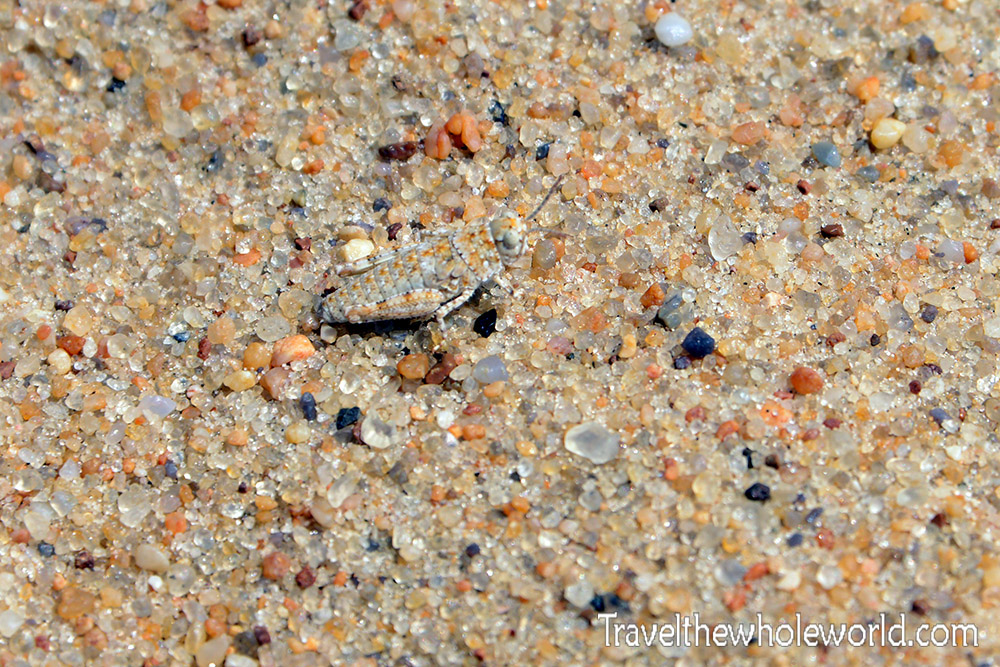
The photo above shows some of the details in the sand, and below was maybe my most interesting find. If you look around you’ll almost definitely see a few of these dune crickets that have completely camouflaged themselves against the sand.
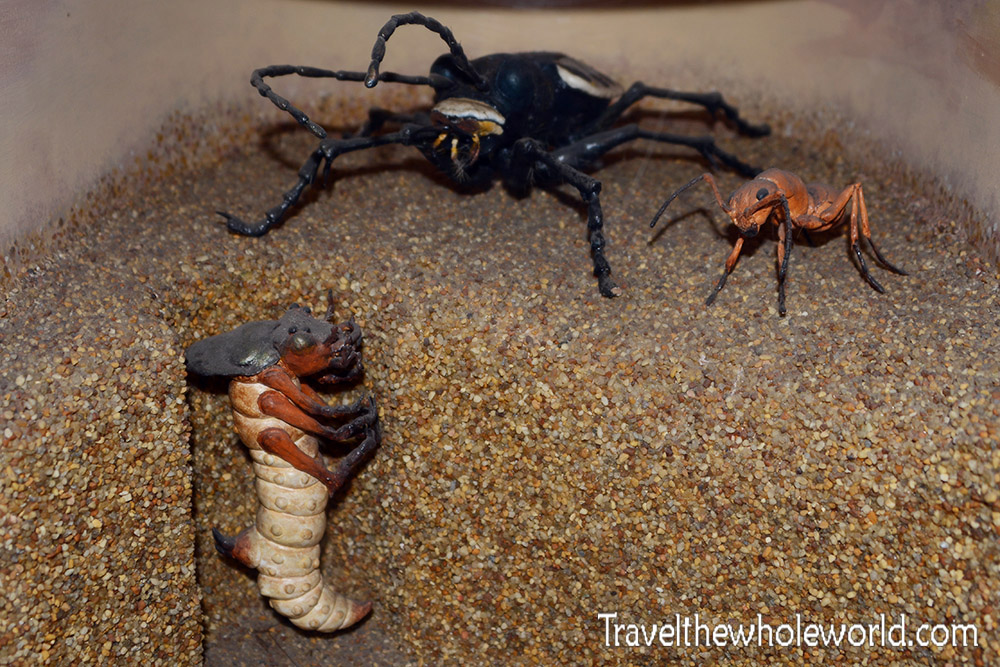
The visitor center explains everything from how the dunes form to the animals that live here. One of the more interesting displays was about tiger beetles. These predators live among the dunes and feed on insects and other small prey, surviving the harsh environment by burrowing into the sand.
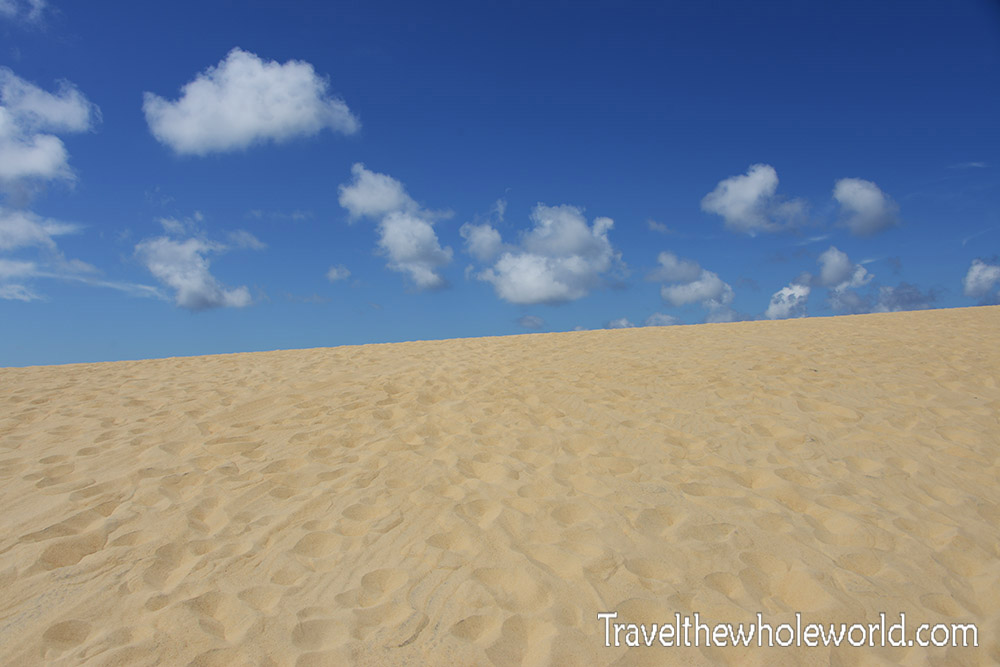
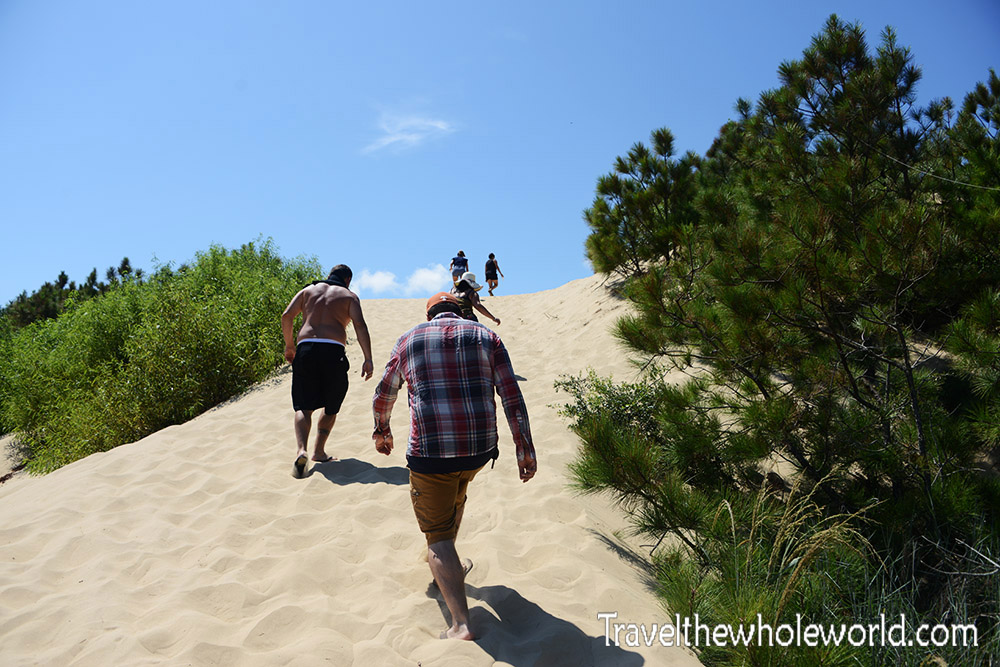
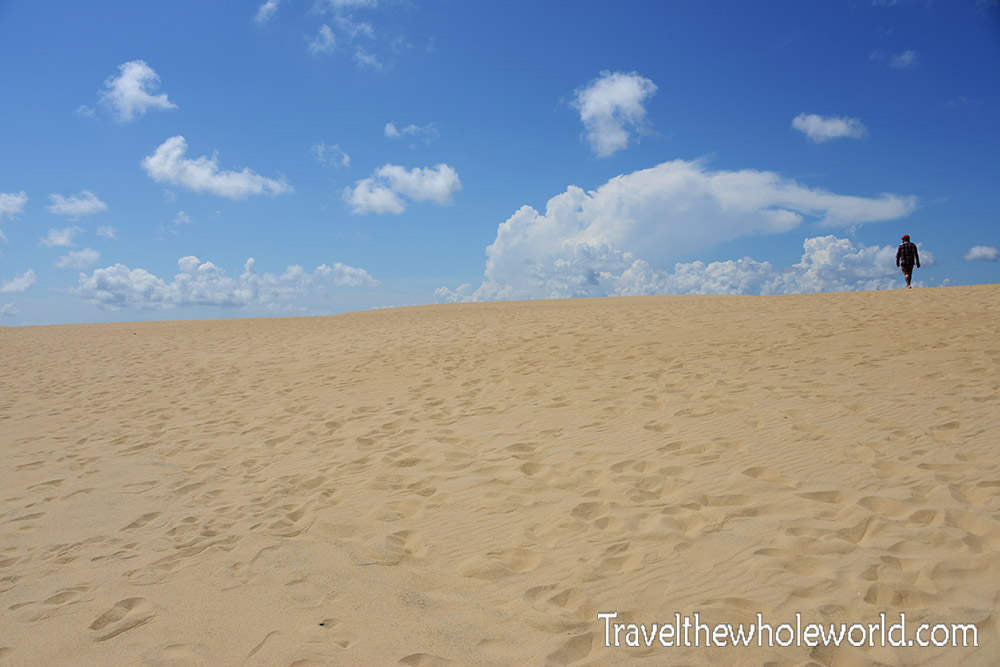
I didn’t see much of the wildlife mentioned in the visitor center, but I at least hiked to the top of the dunes. From there you can see both sides of the barrier islands. Oddly enough, I found the dunes more impressive while climbing them, when you couldn’t see where the sand ended. My friend and I visited in early September, but it was still so ridiculously hot that it felt like we may as well have been in the Sahara.
Beaches & Wildlife
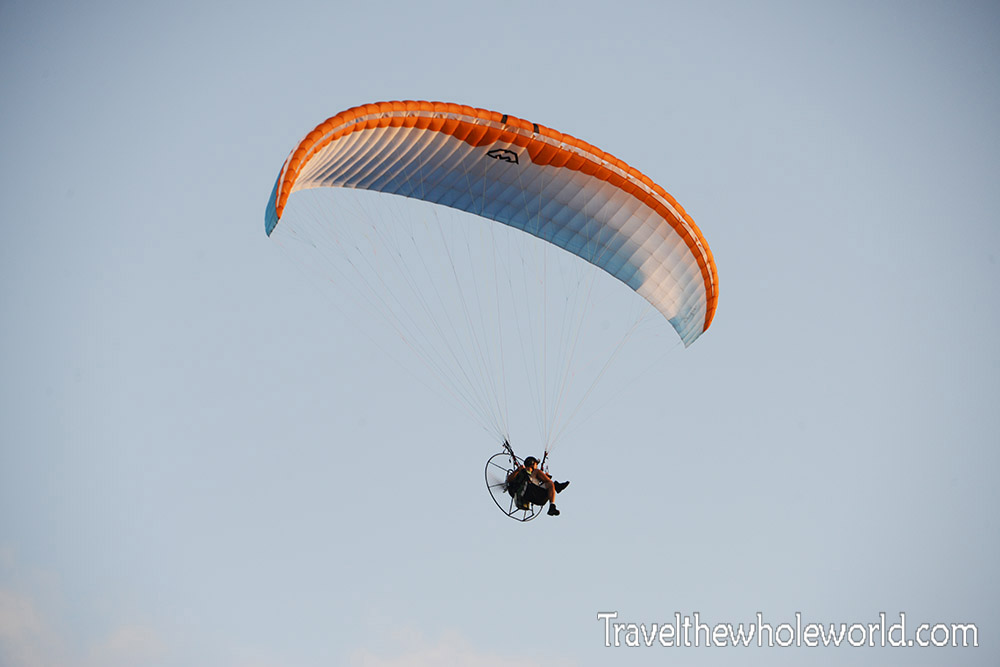
I had put some serious research into kiteboarding before visiting. The Outer Banks are known as a good place to learn because there are extensive shallow-water areas where beginners can stand up and recover after a crash. I didn’t take a course this time, but I saw plenty of other people enjoying the water, from paddleboarding to paragliding.
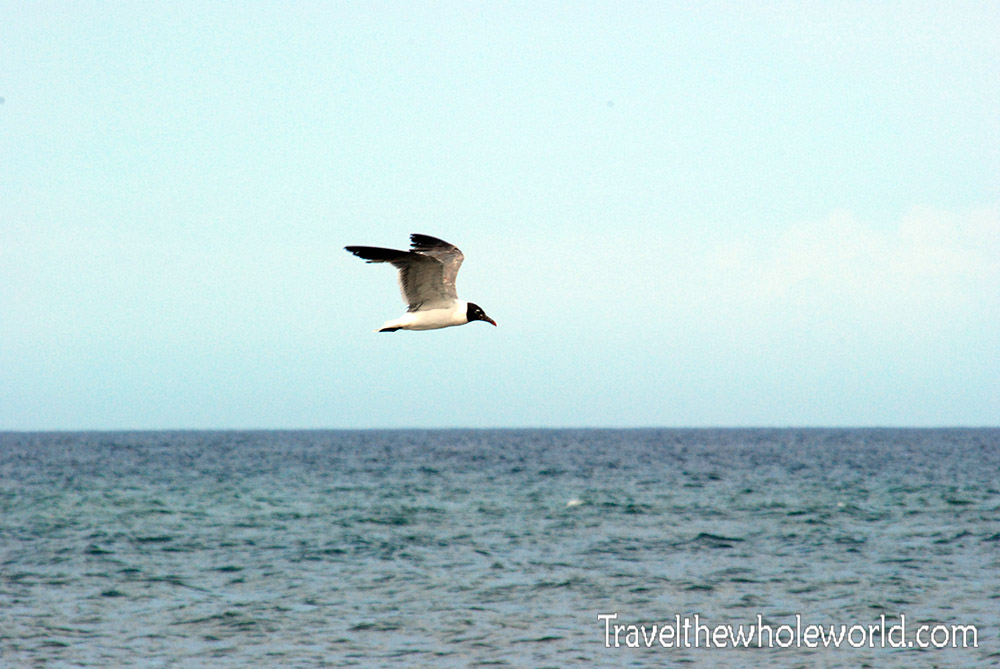
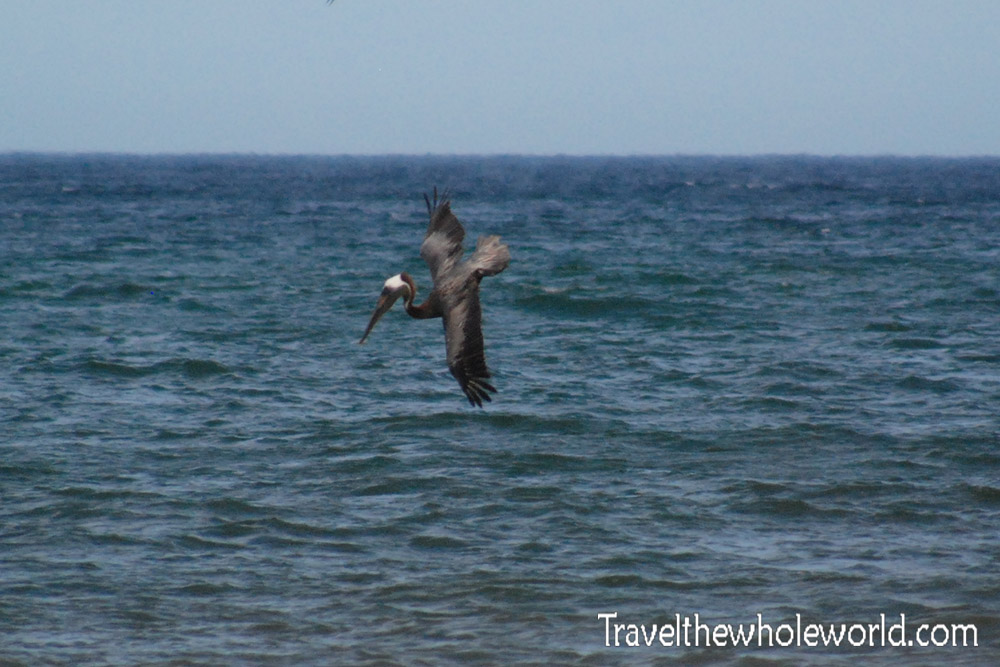
Some of the pictures on this page were taken more than ten years apart, so a few of the originals are noticeably lower in quality. There’s plenty of wildlife along the coast though, especially seabirds. Above is a laughing gull, while below is a pelican. Even while swimming in the ocean I saw plenty of fish, and dolphin tours and scuba diving are also available around the Outer Banks.
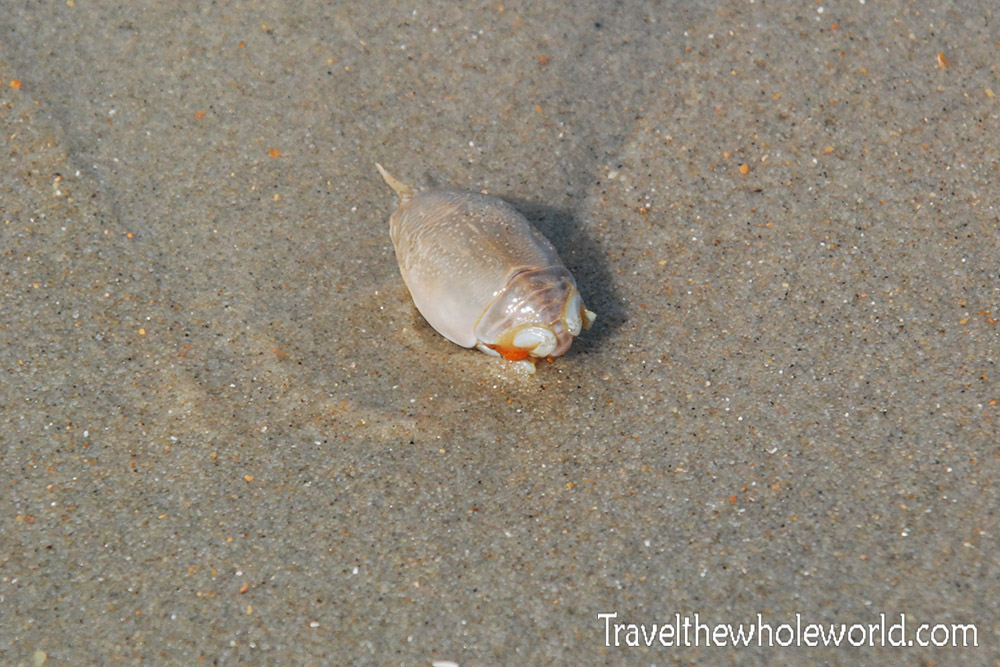
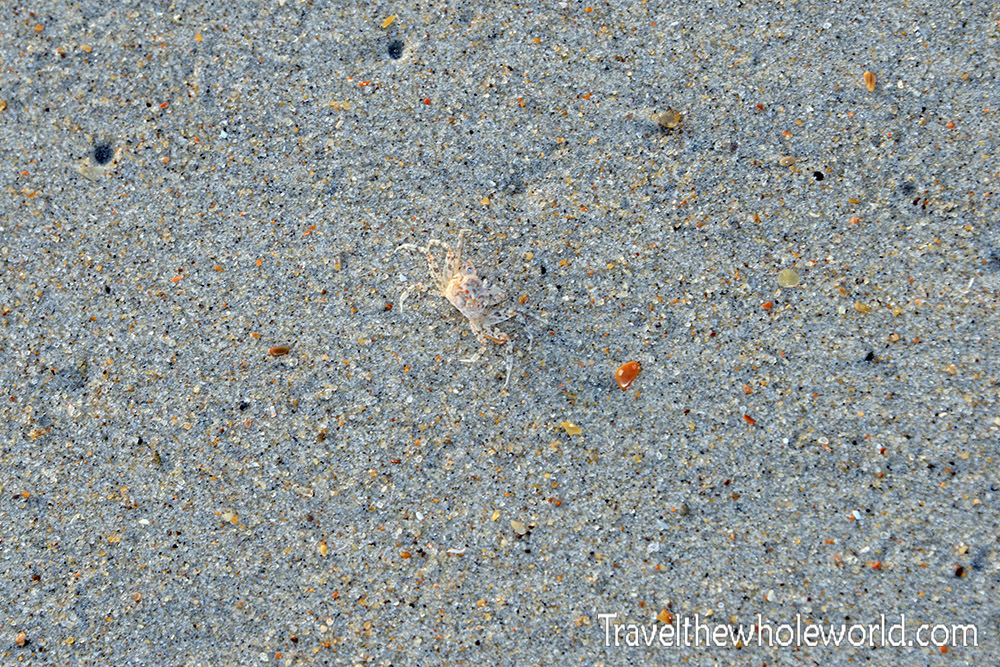
Much harder to notice are the creatures hiding directly in the sand. Above is a sand flea, while below is a crab that had developed some excellent camouflage against the beach.
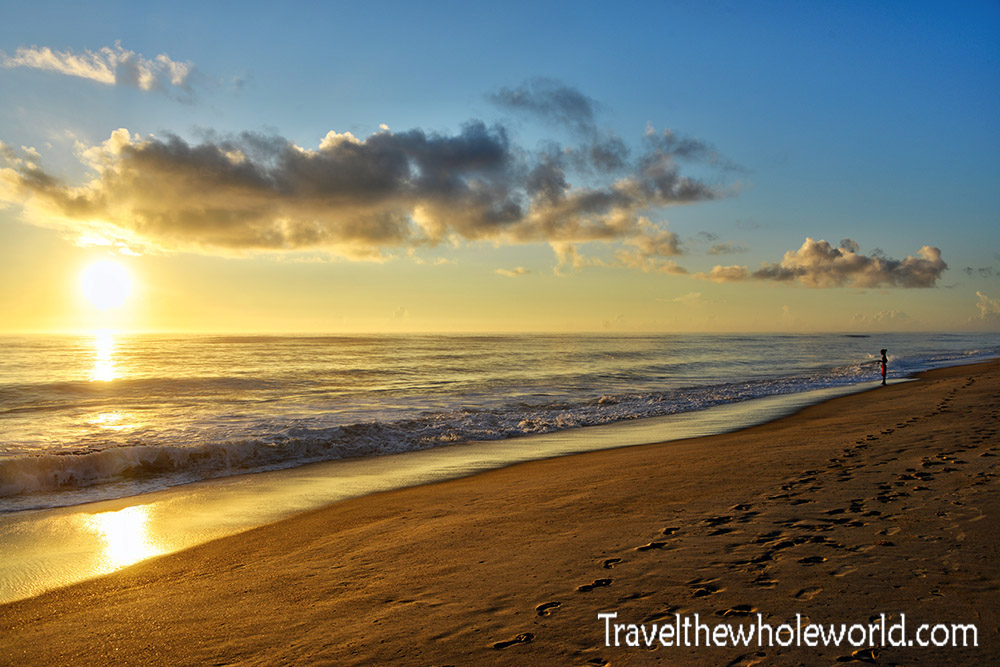
And finally, nothing beats watching the sunrise or sunset along the Outer Banks. On the Atlantic side you have to wake up early to see the sun rise over the ocean, but that also means you’ll likely have much of the beach to yourself. One morning I got up around six, took a short stroll along the beach, and snapped this final photo.
Explore More of North Carolina
Charlotte • Asheville • the Great Smoky Mountains • the Outer Banks • Wilmington • Visitng Raleigh