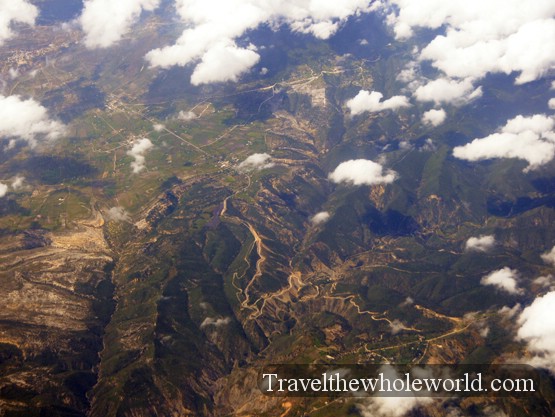
Before my trip, I knew Mexico was one of the most historic countries in the New World, but beyond that I didn’t have many expectations. As we approached Mexico City, I got my first look at the landscape surrounding the capital. Like the southwestern United States, the area looked fairly dry from the air, but the mountains and enormous urban landscape immediately made it feel different from Texas.

Once I arrived, one of my first surprises was how modern parts of Mexico City were. I had expected the historic neighborhoods and crowded streets, but hadn’t really pictured the modern business districts, high-rises, and enormous scale of the city.
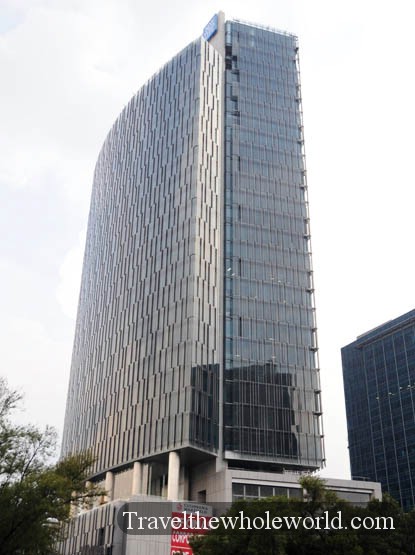
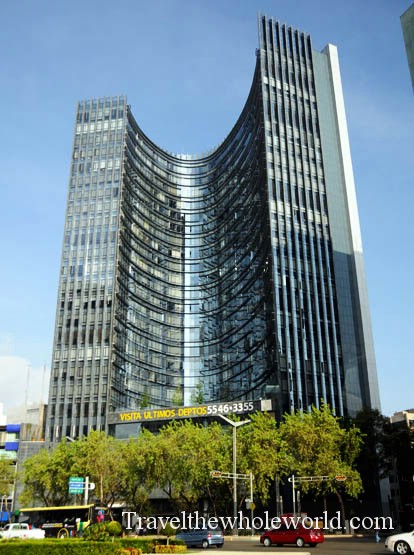
Mexico City also makes it impossible to escape the country’s history. Mexico’s story stretches back thousands of years, through the great Pre-Hispanic civilizations, Spanish conquest, independence, and the Mexican Revolution. Reminders of those periods are scattered throughout the modern city.
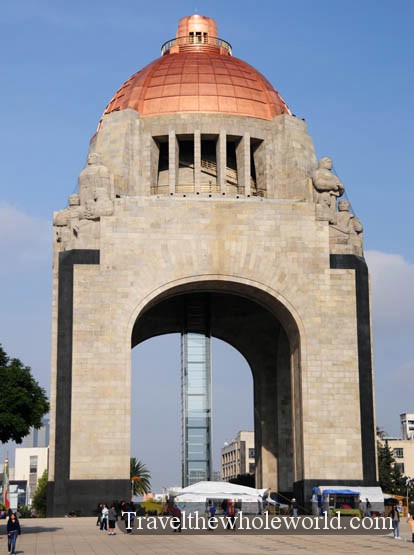
One of the largest is the Monument to the Revolution. Mexico began its struggle for independence from Spain in 1810 and finally achieved independence in 1821. Nearly a century later, the Mexican Revolution began in 1910 as opposition to the long rule of Porfirio Díaz grew into a much larger and increasingly complicated conflict. The revolution became one of the defining events of modern Mexican history.
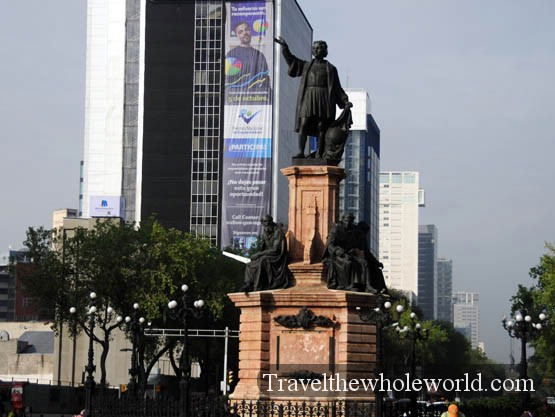
The historic center was naturally one of the areas where I spent the most time. At its heart is the enormous central square known as the Zócalo, surrounded by some of the city’s most important historic and government buildings.
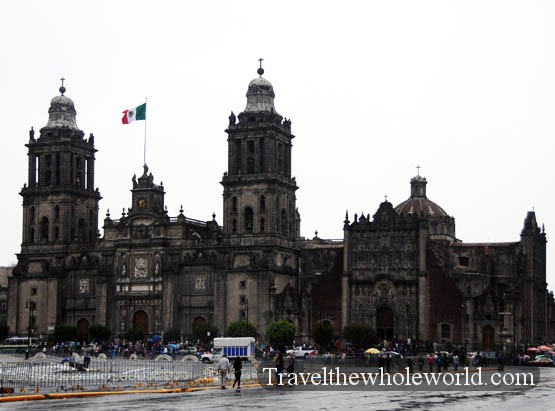
The Metropolitan Cathedral dominates one side of the historic center. The weather wasn’t on my side when I visited, so most of my photos came out under a gloomy sky. I had also visited the square the previous night, when parts of it were illuminated but much of the surrounding area was surprisingly dark.
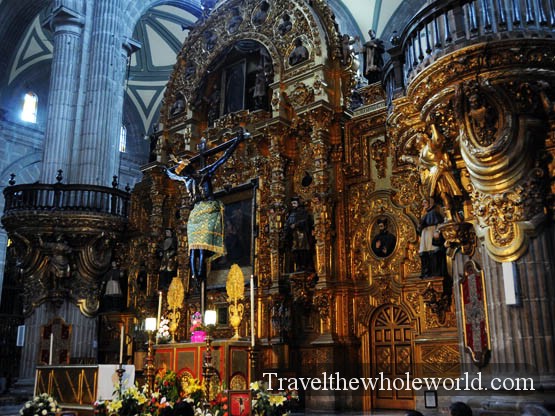
The cathedral was constructed during the Spanish colonial period beside the remains of the Aztec ceremonial center. Just outside the cathedral and Zócalo, archaeological remains of the ancient city of Tenochtitlan provide an incredible contrast with the colonial buildings constructed after the Spanish conquest.
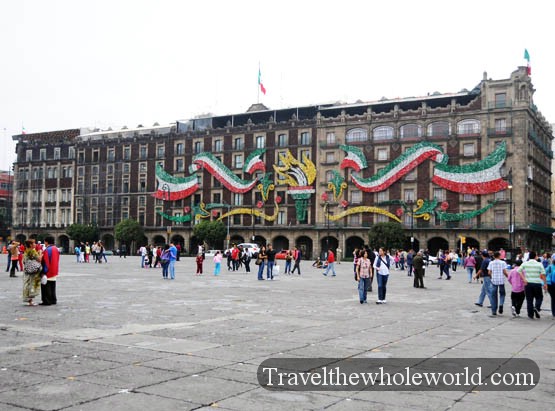
The Zócalo itself is enormous and surrounded by restaurants, shops, historic buildings, and government offices. One of the most important buildings facing the square is the National Palace.
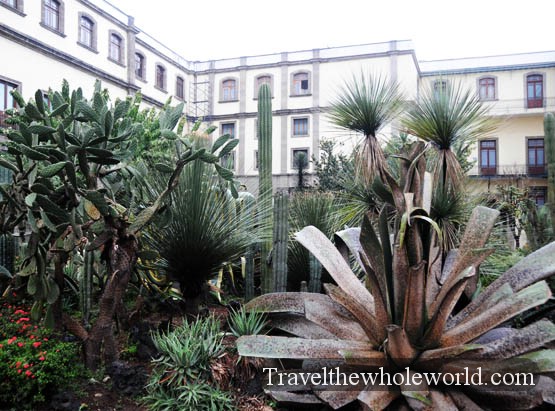
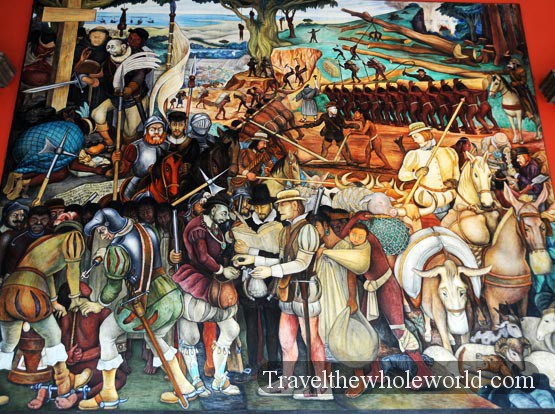
Several sections of the National Palace were open to visitors when I went inside. The complex contains courtyards, historic rooms, exhibits, and some incredible artwork. One room particularly stood out to me because of its gold chandeliers and a ceiling that appeared to be decorated with giant black drapes.
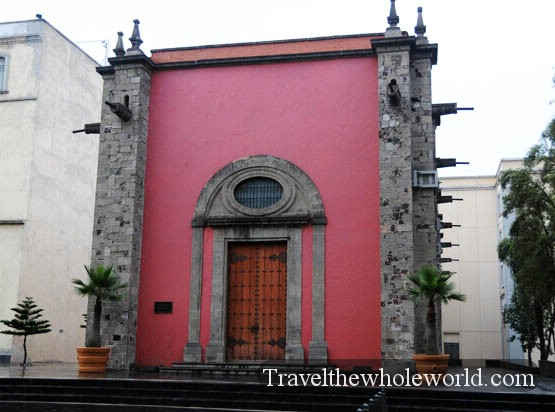
After spending so much time around the historic center, I also explored some of the more modern parts of the capital. One building I hadn’t expected to find was Mexico City’s World Trade Center.
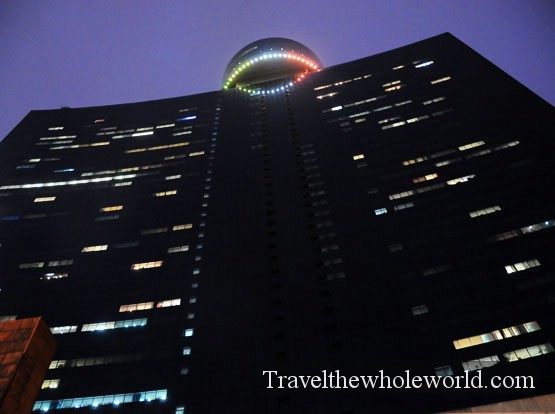
Normally I don’t spend much money on fancy restaurants while traveling, and I rarely take group tours. In Mexico City I decided to make an exception. I signed up for a group dinner at Bellini, a rotating restaurant high inside the World Trade Center. I imagined meeting about ten other travelers, sharing stories over drinks, and maybe finding some people to explore the nightlife with afterward.
There was only one problem: I was the only person who signed up.
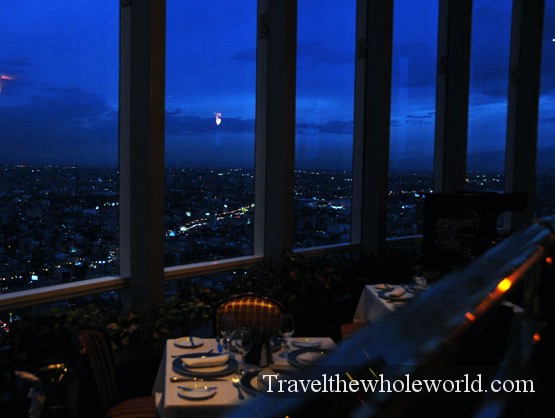
So there I was, awkwardly sitting by myself in one of the nicest restaurants in the city. At least the views were excellent. The restaurant was on the 45th floor and slowly rotated as I ate, giving me changing views across Mexico City.
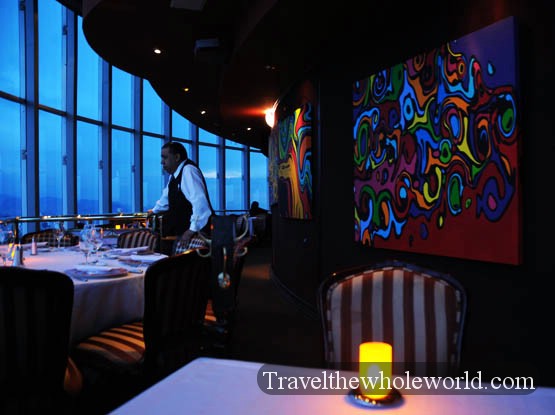
The rotating floor meant the artwork and scenery slowly passed by the table throughout the meal. It certainly wasn’t the social evening I had planned, but it became one of the stranger dining experiences of the trip.
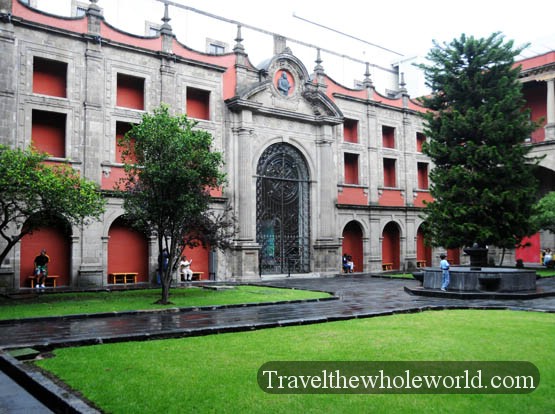
I also visited a large museum in the city that I expected to be closed because it was Sunday. Instead, it was open, packed with visitors, and best of all, free.
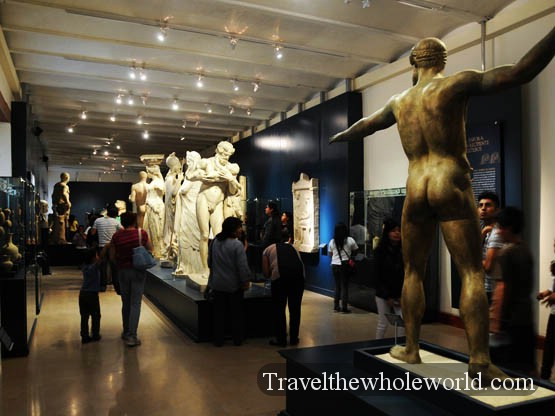
I had expected the exhibits to focus entirely on Mexican history, but the collections I saw covered civilizations from around the world. Different sections contained artifacts and exhibits dealing with places such as Greece, Mesopotamia, and Egypt.
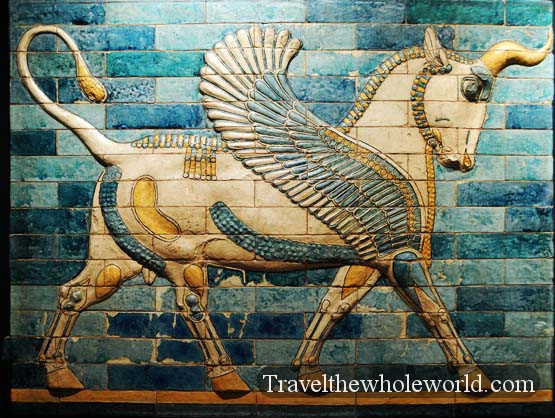
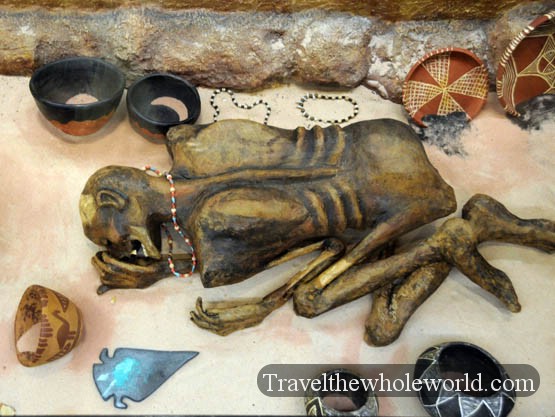
Another major stop was the Basilica of Our Lady of Guadalupe, one of the most important religious sites in Mexico. A local told me that while many American and European visitors were especially interested in the ancient pyramids around Mexico City, for many Latin American visitors the basilica was even more important.
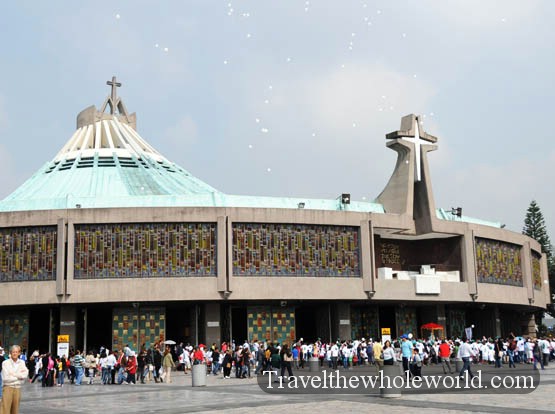
The modern basilica is a huge circular building designed to accommodate enormous numbers of pilgrims. Just as I pulled out my camera, a crowd released white balloons into the sky. I wasn’t sure what event was taking place, but my timing couldn’t have been much better.
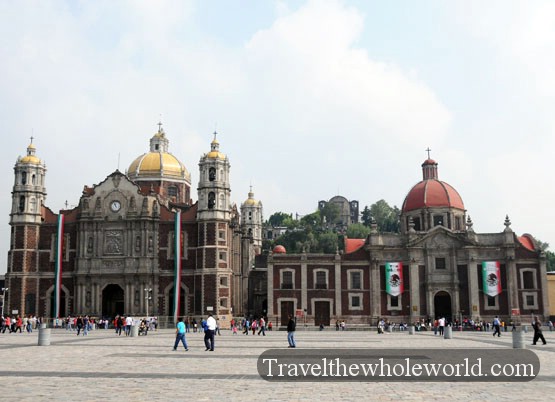
Beside the modern structure stands the old basilica, giving the complex a fascinating mixture of historic and modern religious architecture.
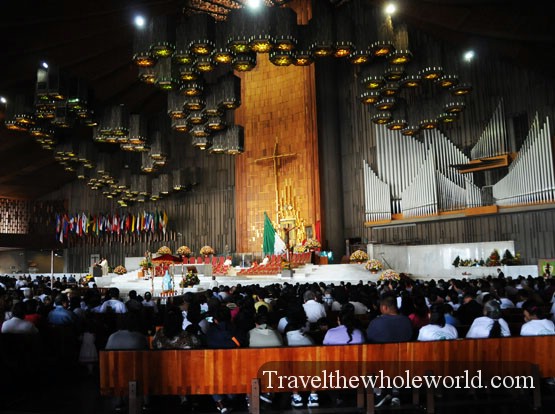
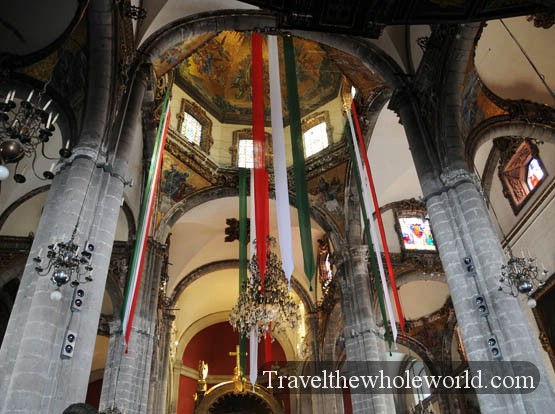
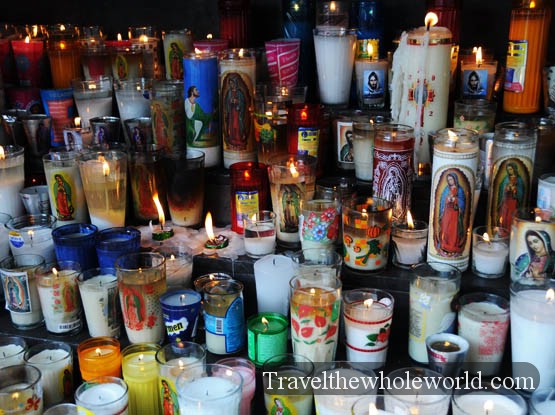
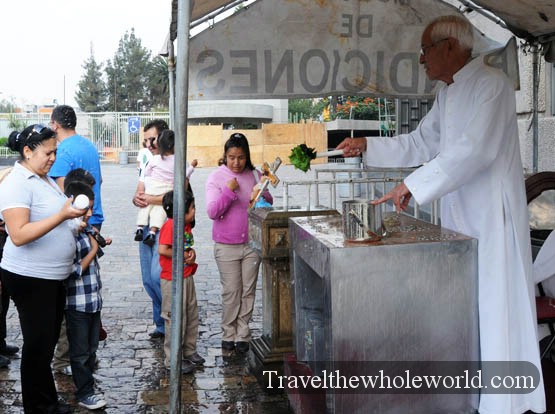
The area surrounding the basilica was nearly as interesting as the churches themselves. A religious market along the approach sold paintings, candles, devotional items, and food to the steady flow of pilgrims.
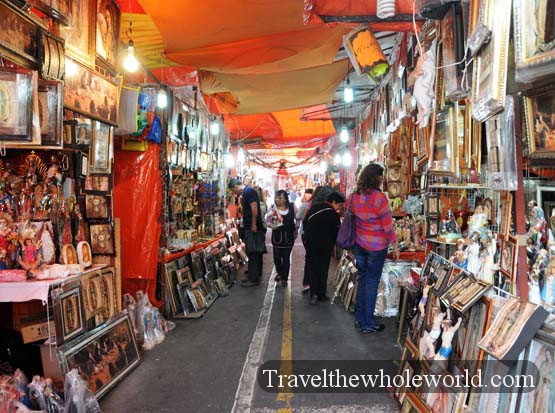
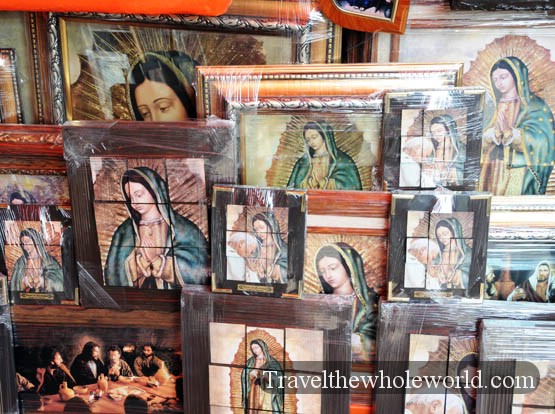
People left candles after praying, while nearby a man blessed visitors by throwing holy water onto them. I made a small donation and received a blessing myself.
My last days in Mexico City were less structured. Instead of moving between major attractions, I spent more time simply walking around and seeing what I came across.
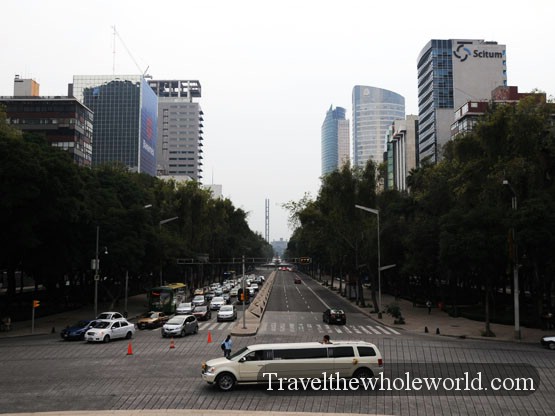
I visited the area around the Angel of Independence, although the weather was so gloomy that I wasn’t happy enough with my photograph of the monument itself to post it. I did get this view from the area instead.
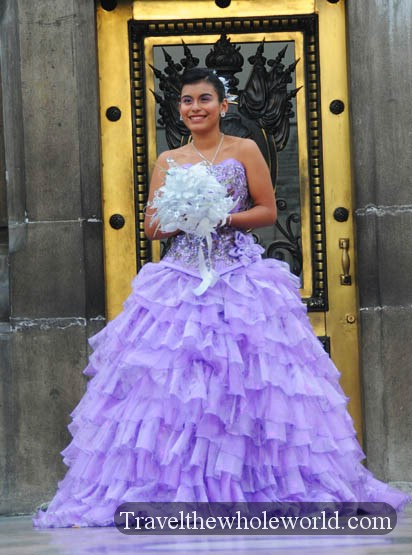
I noticed numerous young women arriving in elaborate dresses and sometimes even limousines to have portraits taken around the monument. I saw at least a dozen during the time I was there.
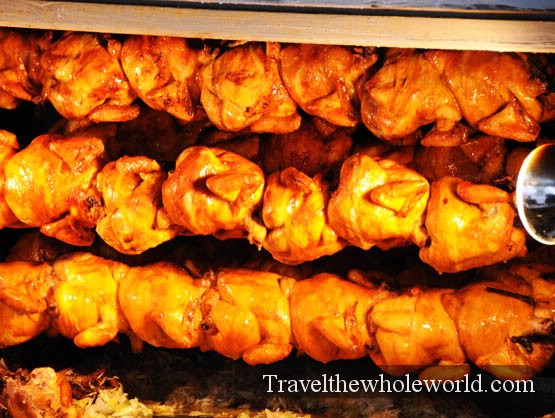
And then there were the completely random experiences. As someone who loves Mexican food, I was obviously in paradise. I wasn’t disappointed with any of the meals I had during the trip, whether I was eating somewhere expensive or simply walking past places like this rotisserie chicken restaurant downtown.
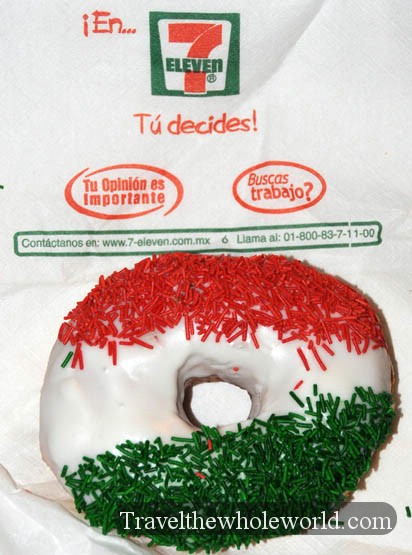
Then there was the Mexican donut.
I saw this patriotic donut inside a 7-Eleven while stopping to buy some water. Being the tourist that I am, I decided it deserved a photograph. An employee immediately rushed over and gave me a long explanation in Spanish about why I wasn’t allowed to photograph the donut. I understood very little beyond the fact that apparently photographing it was forbidden.
So I bought it.
The same employee ended up being my cashier and made me promise not to put the photograph on the internet. I didn’t make any such promise, which is why the photo is here. To this day, I have no idea what was so sensitive about that donut.
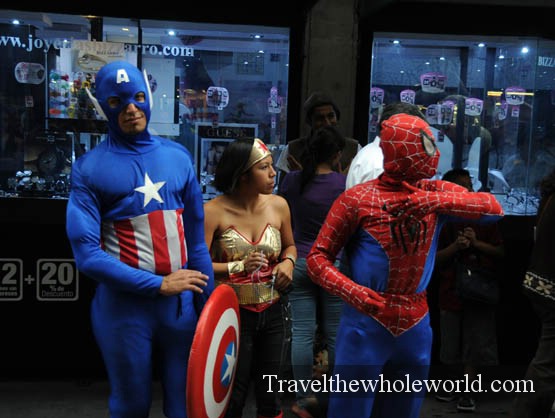
The historic center was also full of street performers and people dressed in costumes. I came across superheroes, animals, mimes, musicians, and all kinds of small performances mixed into the crowds.
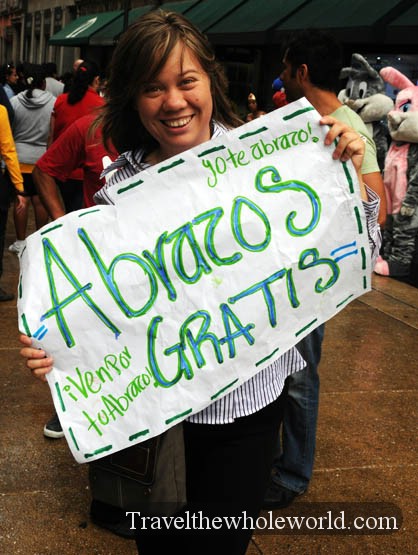
I even found someone offering free hugs. I don’t remember where the free-hugs idea originally started, but wherever it came from, it had definitely reached Mexico City.
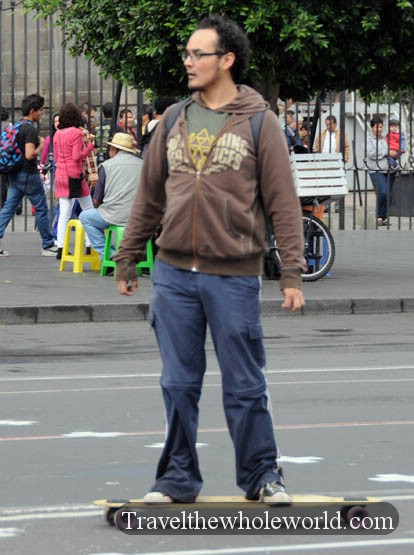
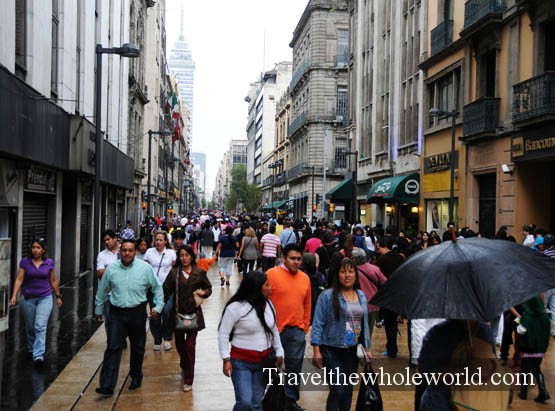
One of the things I liked most about Mexico City was that simply walking around could become an activity of its own. There was almost always something happening, especially around the historic center.
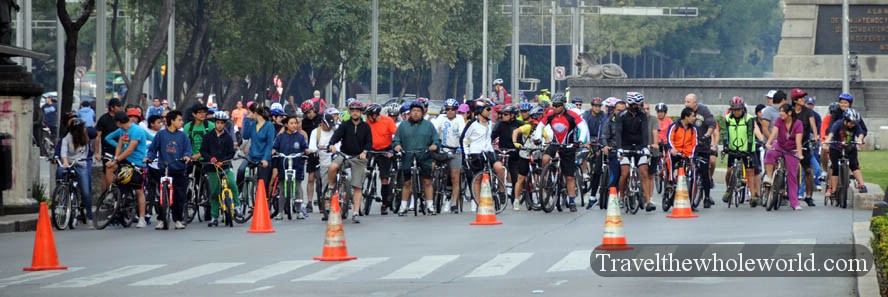
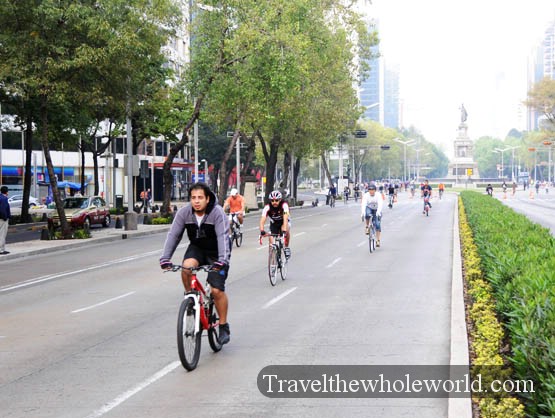
I also learned that Sunday is one of the best days to explore parts of the city without a car. Major streets including Paseo de la Reforma are opened to cyclists during the city’s weekly cycling event. Had I known about it beforehand, I would have rented a bike without hesitation. It looked like a great way to explore Mexico City.
One of my final random experiences came while walking down a street and hearing music and cheering nearby. I followed the sound expecting some sort of organized performance and instead found what looked like a neighborhood gathering with live music, dancing, and a few small stands selling food.
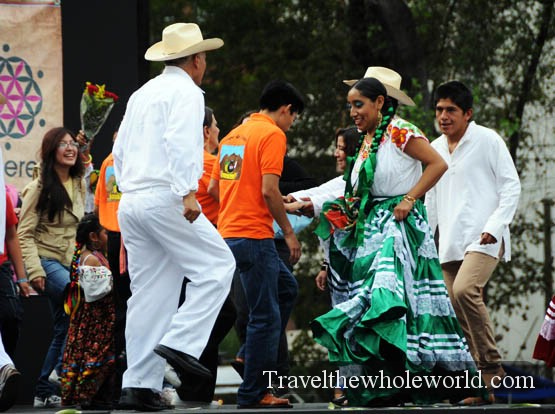
It was exactly the kind of experience I enjoy finding while traveling: something I hadn’t planned, hadn’t read about, and probably couldn’t have recreated if I tried.
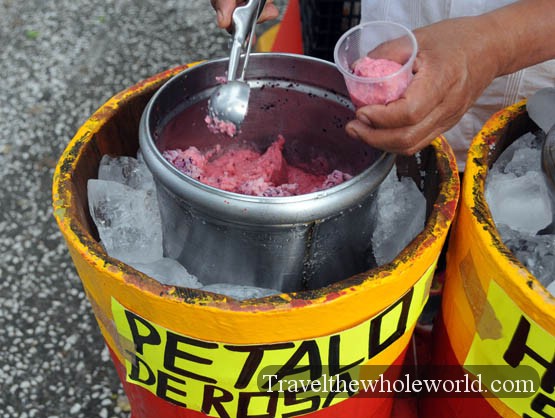
I finished with something else I hadn’t expected to find: rose-petal ice cream. The flavor was actually great, although the petals had a tendency to stick to my tongue. It certainly wasn’t enough to ruin the ice cream—it just made it one more unusual memory from Mexico City.
Mexico City turned out to be far more varied than I had expected. Ancient history, colonial architecture, enormous modern districts, religious pilgrimage sites, museums, restaurants, street performers, and completely random encounters all seemed to exist on top of one another. I could have spent considerably longer there and still only experienced a fraction of the city.
Explore More of Mexico
Cuernavaca • Garibaldi • Mexico City • Taxco • Teotihuacan