Haiti is one of the most fascinating and culturally distinctive countries in the Caribbean. Its dramatic mountains, tropical coastline, historic cities, and unique traditions are matched by an extraordinary history. Once the French colony of Saint-Domingue, Haiti became the center of a massive uprising beginning in 1791, when enslaved and free Haitians fought against colonial rule. Their victory led to independence in 1804, making Haiti the world’s first independent Black republic and the only nation established through a successful slave revolt. The country’s remarkable history helped shape a culture unlike anywhere else in the Caribbean, including Haitian Creole, distinctive music and art, and the traditions of Haitian Vodou.
Port-au-Prince
Explore Port-au-Prince
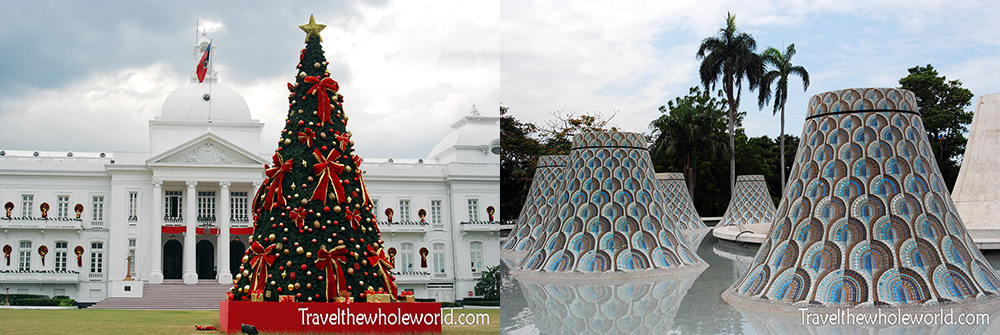
Haiti’s capital has endured a difficult history of political upheaval and natural disasters, including the devastating 2010 earthquake. Some of the most interesting places in Port-au-Prince are connected to the country’s revolutionary history. Monuments throughout the city commemorate the leaders and former slaves who fought for Haitian independence, while the Musée du Panthéon National Haïtien explores the country’s history and preserves artifacts associated with its founding.
Cap-Haïtien
Explore Cap-Haïtien
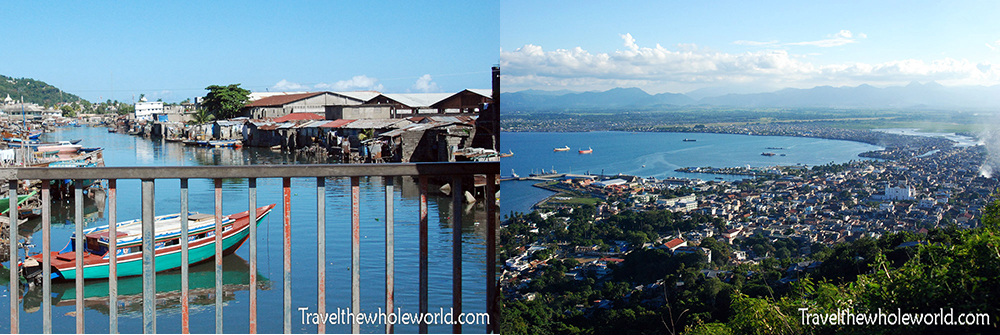
Cap-Haïtien is Haiti’s second-largest city and one of the country’s most historic destinations. If you could spend your time in only one part of Haiti, the northern region around Cap-Haïtien would be hard to beat. The city is known for its colonial architecture, mountainous surroundings, historic attractions, and access to some of Haiti’s most beautiful beaches. Nearby is Labadee, a coastal resort area surrounded by green mountains and the turquoise waters of the Caribbean.
Citadelle
Explore the Citadelle & Sans-Souci
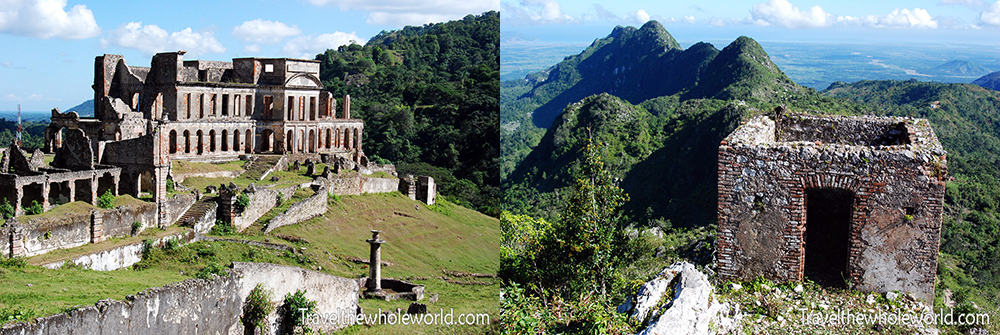
You might never guess that one of the largest fortresses in the Americas is located high in the mountains of Haiti. South of Cap-Haïtien, the Citadelle Laferrière is perhaps one of the most remarkable achievements in the Caribbean, matched with an equally remarkable story. The enormous fortress was constructed after Haitian independence under the direction of Henri Christophe to defend the new nation against a possible French invasion. At the foothills of the Citadelle you’ll also find the ruins of Sans-Souci Palace, where Christophe ruled as King Henri I.
Jacmel
Explore Jacmel
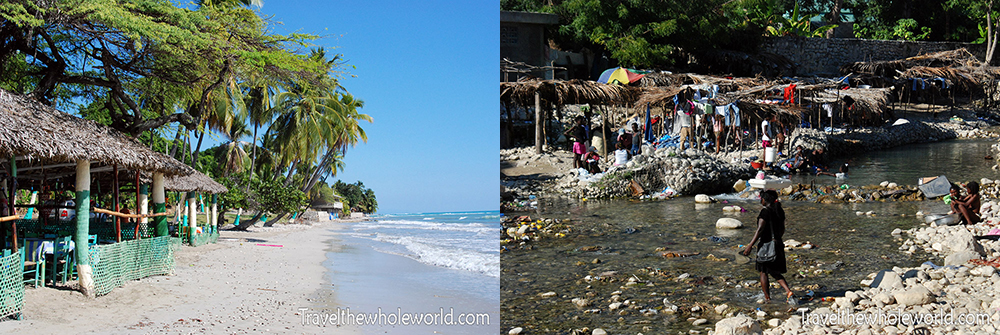
One of Haiti’s liveliest cities, Jacmel is famous for its historic architecture, artistic culture, and colorful Carnival celebrations. Outside Carnival season, the surrounding coastline and beaches make the area a popular getaway from Port-au-Prince. One of Haiti’s most famous natural attractions, Bassin Bleu, is also located outside Jacmel, where waterfalls cascade into a series of beautiful blue pools surrounded by tropical vegetation.