Porto-Novo is the official capital of Benin, but honestly I didn’t come here because I was especially interested in exploring the city itself. I spent much more time in Cotonou. My main reason for visiting Porto-Novo was its museums, and that turned out to be a good decision because some of the most interesting history I encountered anywhere in Benin was here.
The city felt considerably quieter than Cotonou, but it is the seat of government and has several important historical and cultural sites. Between the museums, the former royal palace, and a Vodun ceremony I happened to witness, Porto-Novo ended up being far more interesting than I expected.
Benin’s Capital
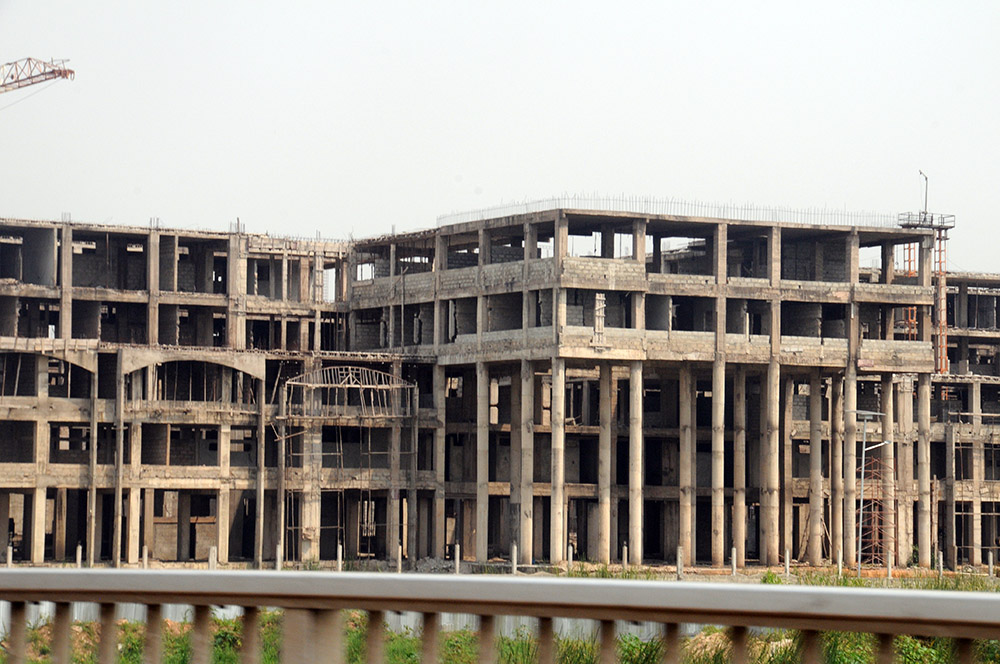
Porto-Novo sits in southeastern Benin and serves as the country’s official capital, even though Cotonou is much larger and feels considerably more important commercially. As far as city life went, Porto-Novo didn’t really do much for me.
The museums were another story.
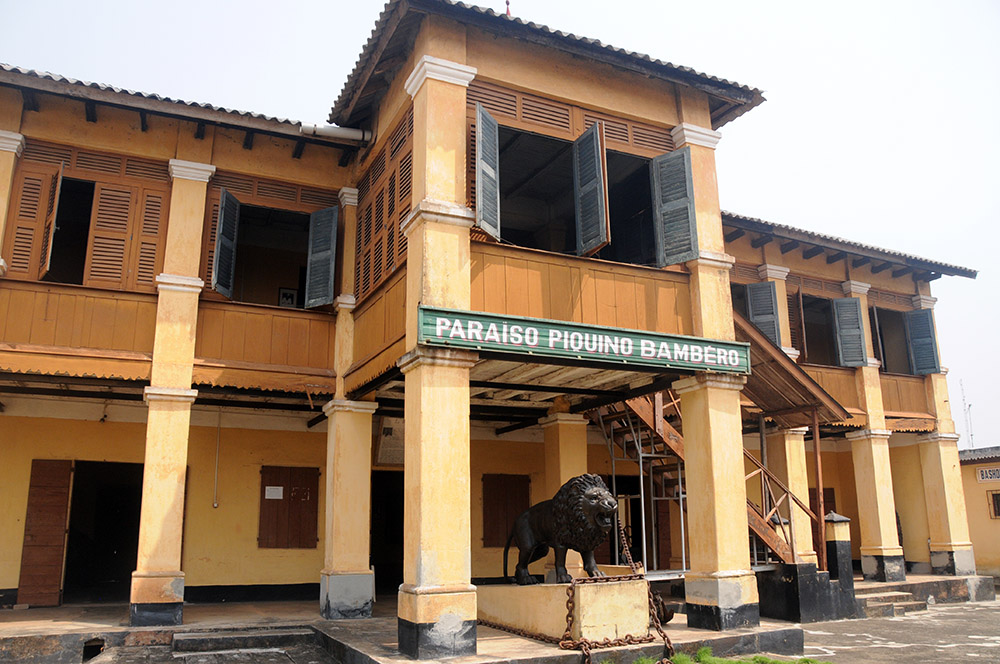
I had come here largely to learn more about Benin’s history, and Porto-Novo turned out to be one of the better places in the country for doing exactly that.
The Royal Palace
One of the most interesting places I visited was the former royal palace. The history of this region included several kingdoms and royal dynasties long before modern Benin existed, and the palace preserved some of that history.
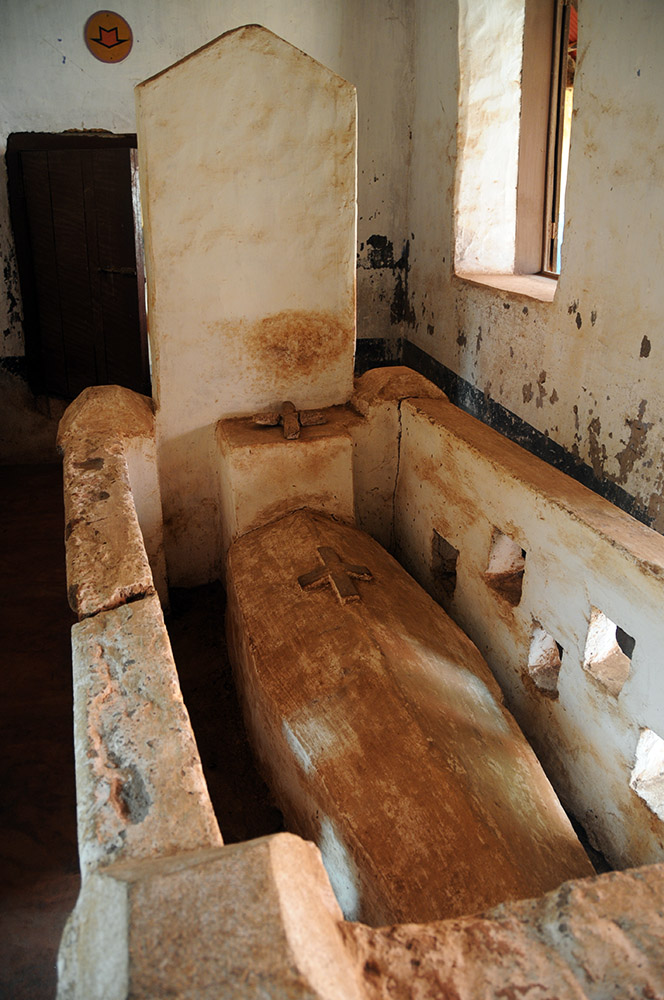
The palace had been used by generations of kings. One of the royal tombs I saw appeared to belong to an especially important ruler, although I wasn’t completely sure which one at the time.
I was told that the royal tradition here eventually broke down after the death of the final reigning king connected with the palace. Disputes among his sons over succession ended centuries of continuous royal use, and the abandoned palace was later converted into a museum.
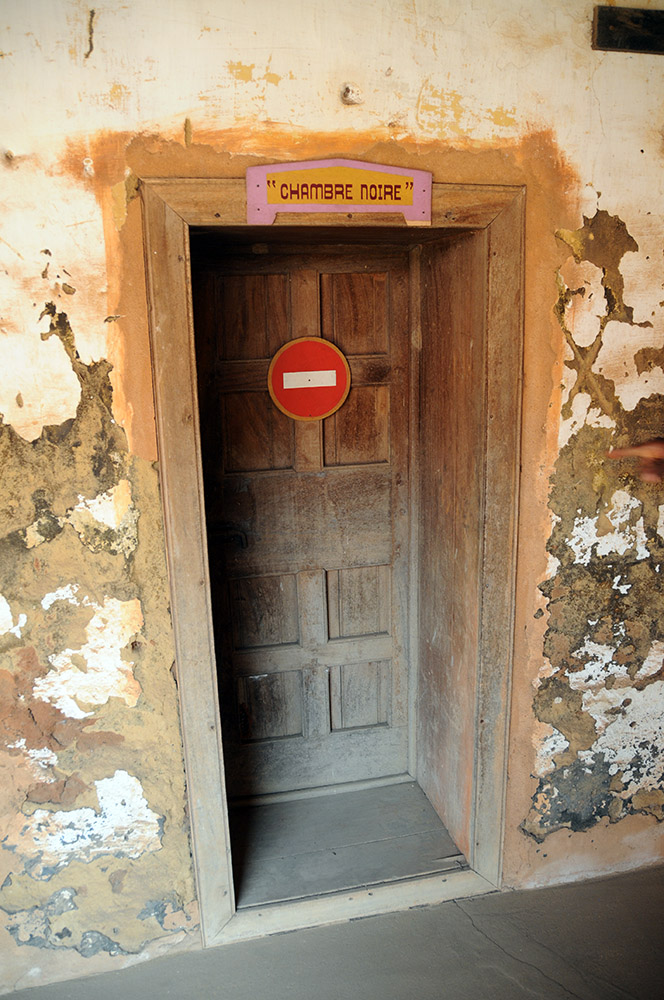
The palace gave a much darker look at that history than I had expected. One room was referred to as the “Dark Room” and was associated with royal suicides. I was told that at least two kings had taken their own lives here.
Vodun and the Palace
Traditional religion and royal authority were also closely connected here, something that was completely unfamiliar to me before traveling through Benin.
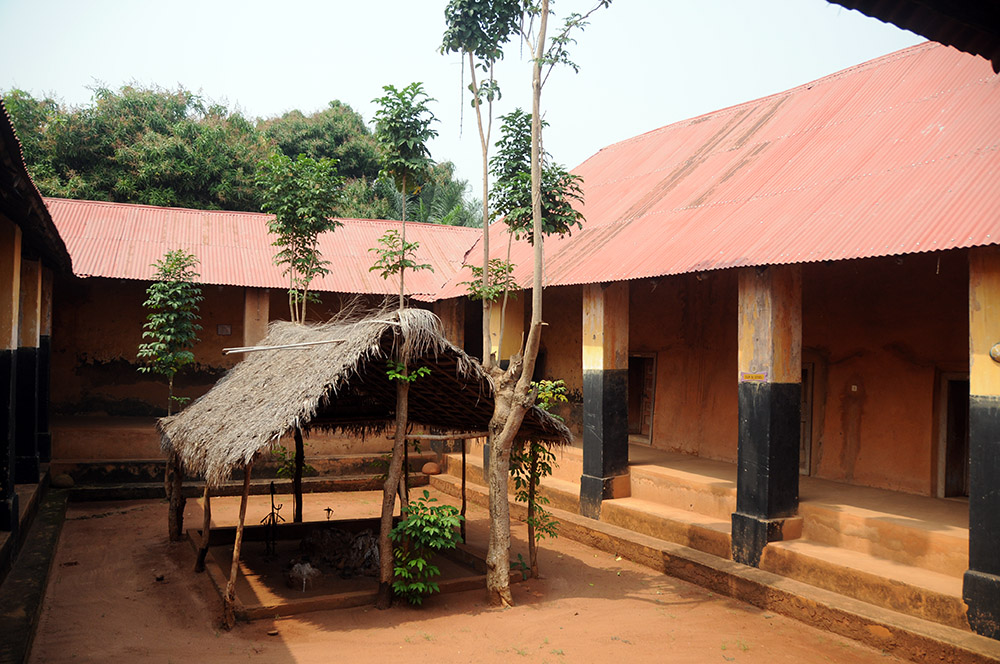
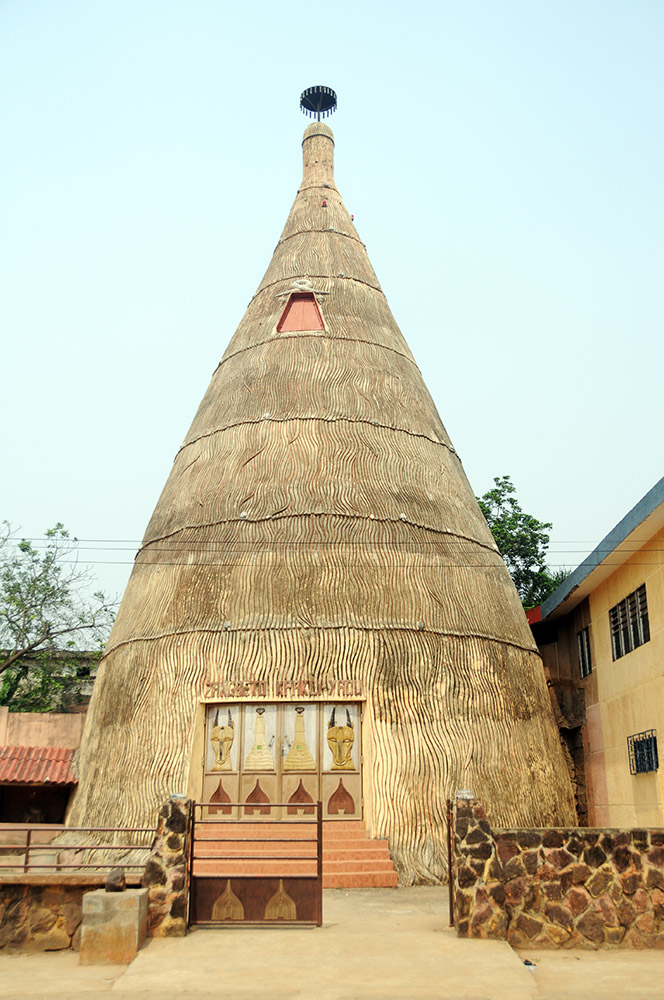
Structures within the palace grounds were associated with Vodun ceremonies and royal religious traditions. By this point in my trip I was beginning to realize how deeply Vodun was woven into the history of this part of Benin rather than existing as something separate from everyday political and social life.
I was also fortunate enough to be at the palace when a Vodun ceremony was taking place. Several performers danced in elaborate costumes, and one local man tried very hard to convince me that nobody was actually inside them.
According to him, they were moving entirely by magic.
I wasn’t quite convinced.
Still, seeing the ceremony in person was one of the most memorable parts of Porto-Novo. I would encounter much more Vodun culture in Ouidah, but experiences like this were beginning to show me how active these traditions remained.
Slavery and Royal Power
The palace also made the connection between local royal history, European trade, and the Atlantic slave trade impossible to ignore.
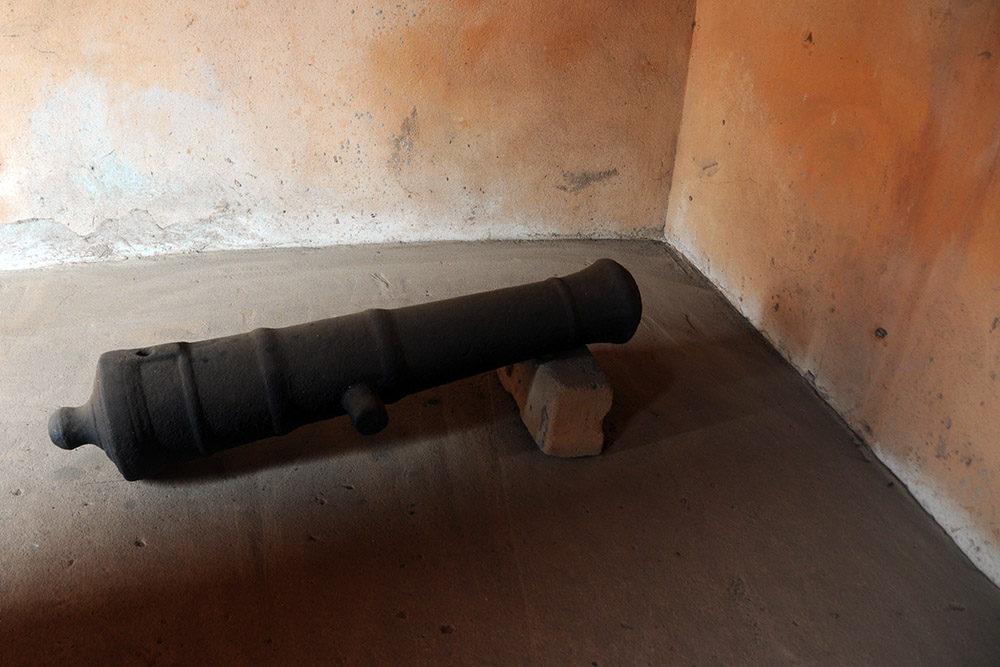
I was told that this cannon had been exchanged with Portuguese traders for fifteen enslaved people. As with similar stories I heard elsewhere in West Africa, I can’t independently verify the exact exchange centuries later, but seeing a physical object associated with that trade had considerably more impact than simply reading numbers in a history book.
By the time I reached Porto-Novo, this was becoming a recurring and disturbing theme of my travels through the region. European demand drove an enormous transatlantic system, but African rulers and traders also participated in capturing and selling other Africans. The more places I visited, the more complicated the history became compared with the simplified version I had understood before traveling here.
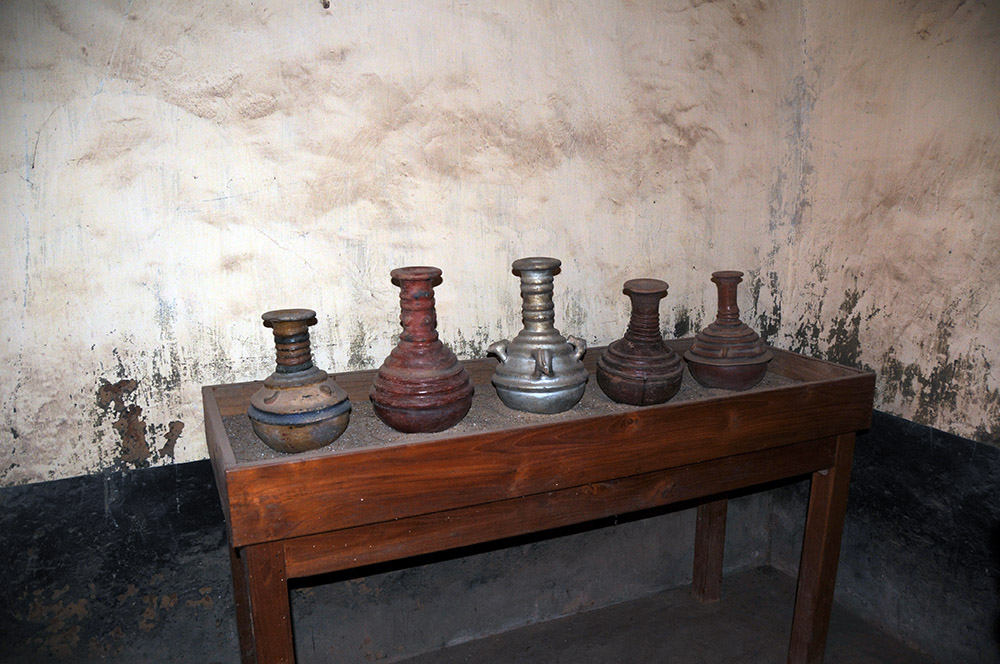
Nearby were ceremonial vessels that had been used to carry holy water for blessing and purifying the palace. I was told that a larger purification ceremony was performed periodically.
The National Museum
The national museum was much larger than I expected and covered a little bit of everything connected with Benin’s history.
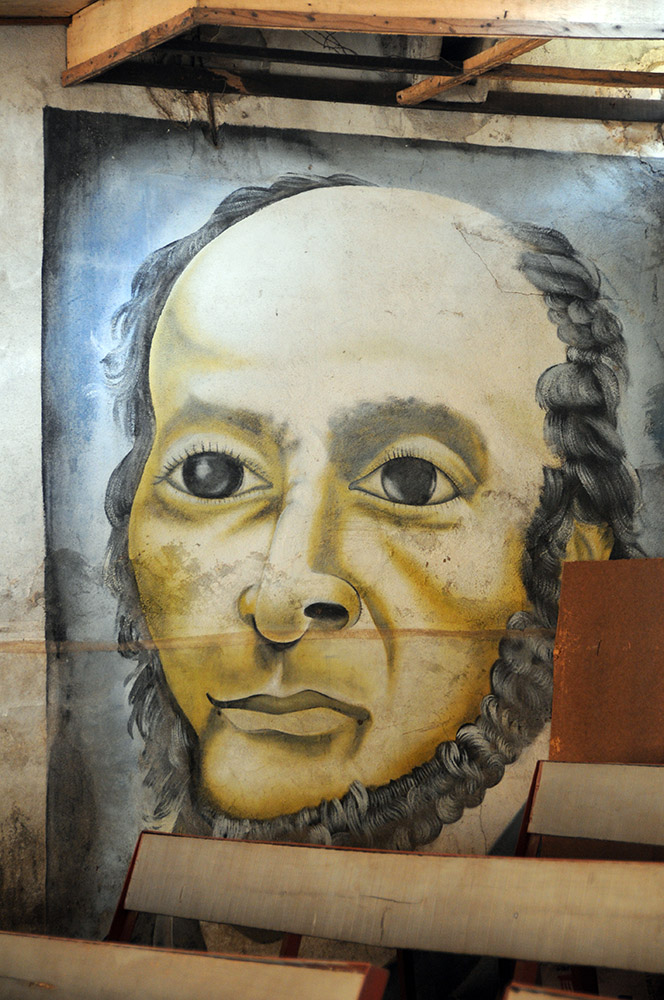
Some exhibits didn’t do much for me. Antique typewriters and old cameras weren’t exactly why I had traveled to West Africa.
Other sections were considerably more interesting, particularly those dealing with traditional religion, kings, political history, colonization, and the slave trade.
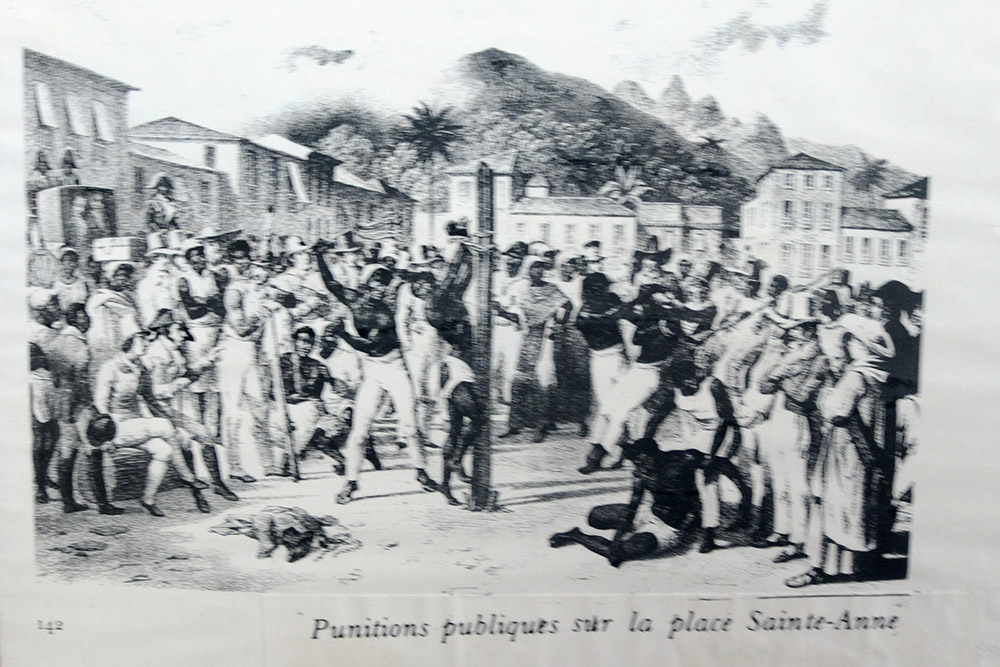
The slavery exhibits were especially harsh. What stood out to me was that the museum didn’t present the story as Europeans simply arriving and kidnapping people on their own. Some displays also showed Africans capturing, punishing, and selling other Africans while Europeans participated in and profited enormously from the system.
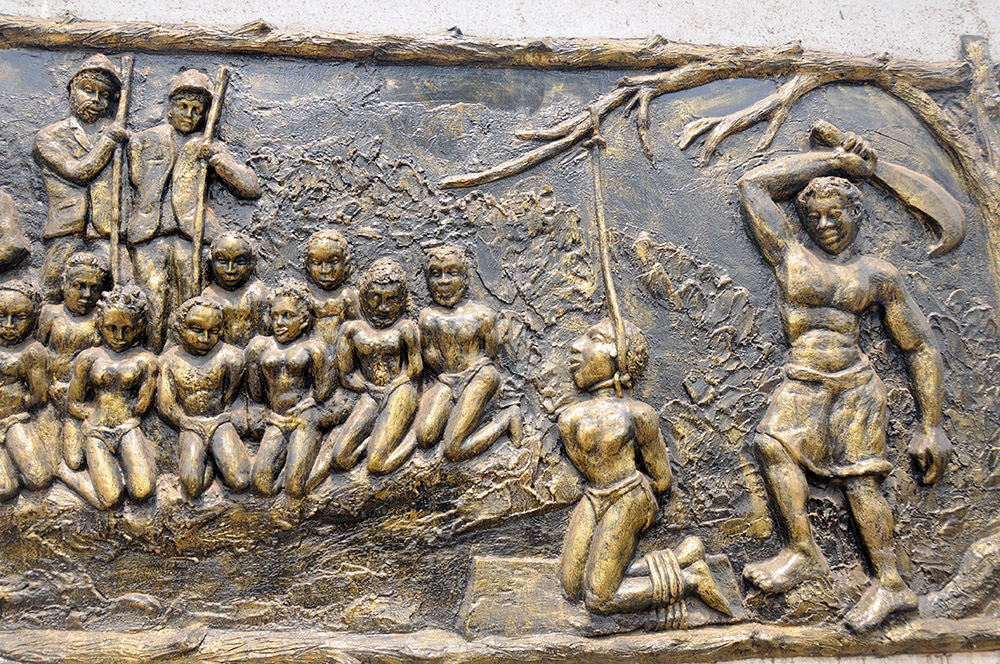
It was another part of my trip that forced me to rethink how I understood the Atlantic slave trade. Nothing I learned diminished the horror or responsibility of the European powers and merchants who created enormous overseas demand and profited from transporting millions of people across the Atlantic. But the museums in Benin also confronted the role of local rulers and intermediaries who participated in the system.
That complexity was something I hadn’t appreciated before coming to West Africa.
Leaving Porto-Novo
When it was time to leave Porto-Novo, the driver I had hired stopped for gas.
Not at a gas station.
At a table covered in bottles of gasoline.
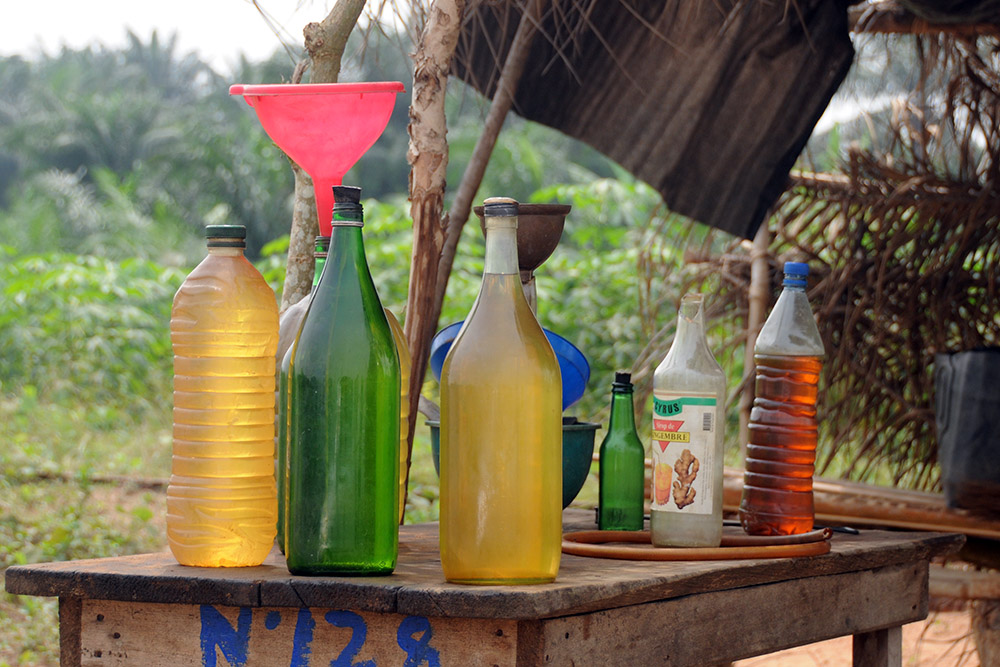
These roadside fuel stands were everywhere. People stored gasoline in bottles and containers and sold it directly along the road, even in small villages.
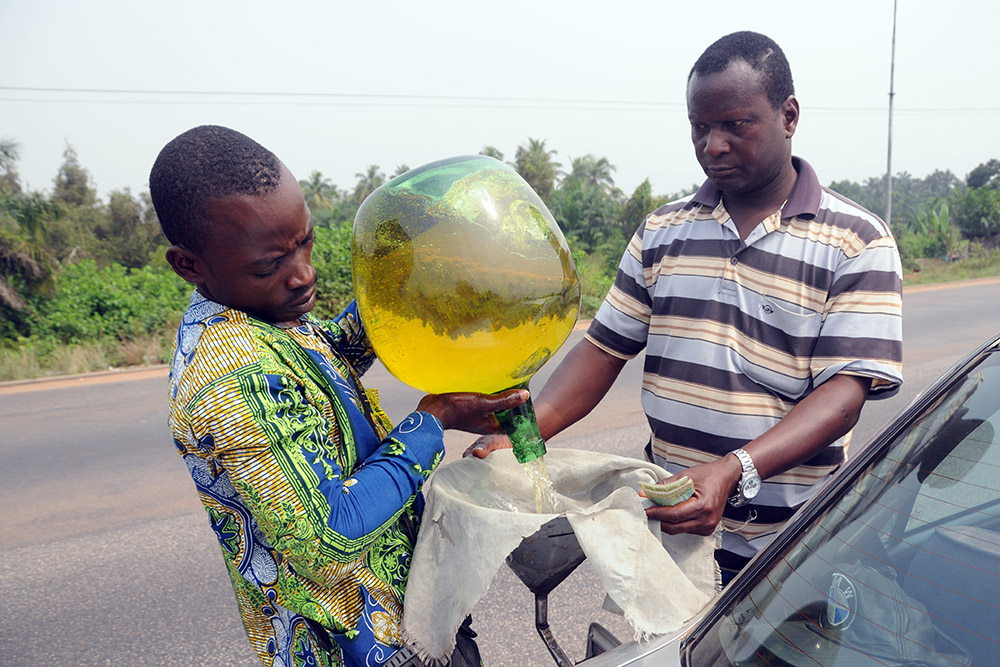
There was actually one obvious advantage to this system: it seemed almost impossible to run out of fuel. In parts of the United States you might drive thirty miles before finding another station. In Benin, even a tiny village often seemed to have someone selling gasoline from a bottle.
We weren’t even close to empty, but my driver told me the fuel here was about 25 percent cheaper than where he lived, so apparently it was worth stopping anyway.
Why I Came to Porto-Novo
I didn’t spend enough time in Porto-Novo to pretend I really explored the city. I came for the museums, spent most of my time inside them, and then moved on.
But those museums ended up making the trip worthwhile.
The royal palace gave me a much better understanding of the complicated relationship between kingship, Vodun, slavery, and European trade, while the national museum filled in even more of Benin’s history. Then, almost by accident, I got to watch a Vodun ceremony taking place on the palace grounds.
Porto-Novo may not have been my favorite city in Benin, but it was probably one of the best places I visited for understanding the country.
Explore More of Benin
Benin’s Coast • Cotonou • Ouidah • Porto Novo