Cotonou was the kind of city I needed by the time I reached Benin. After the traffic, crowds, and general chaos I had dealt with earlier in Nigeria, Cotonou felt much more relaxed. It was still busy in places, but getting around was easier, traffic never became a major problem for me, and I found people generally friendly even when the language barrier made conversations interesting.
French is the main language, and I spoke almost none of it. Fortunately, between a few words, gestures, and enough patience, I could usually figure things out.
First Impressions of Cotonou
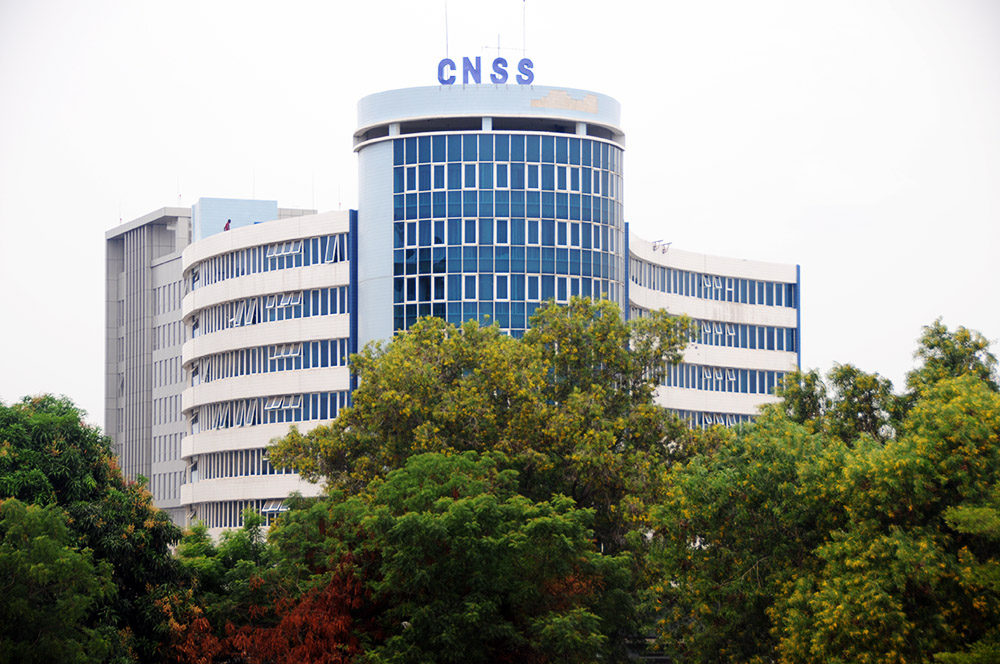
Cotonou has modern buildings and plenty of commercial activity, but it doesn’t have the kind of skyline you might expect from one of West Africa’s most important cities. Most of the city stays relatively low-rise.
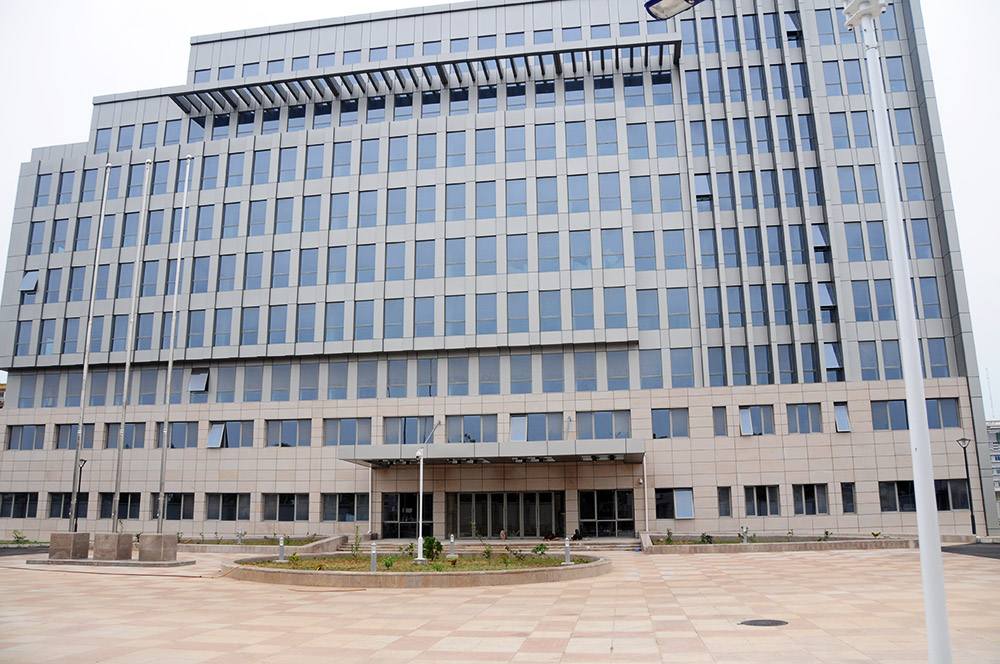
What stood out more to me was how manageable it felt. The streets were cleaner than many places I had recently traveled through, and people were generally easygoing. After a while I stopped worrying much about the fact that I couldn’t speak French.
Exploring the Market
One of the busiest areas I came across was directly in front of the city’s huge market. Compared with what I’d seen farther north in Niger, there wasn’t anything particularly shocking for sale—no fried goat heads or other memorable delicacies.
The most interesting part was simply walking around and watching people.
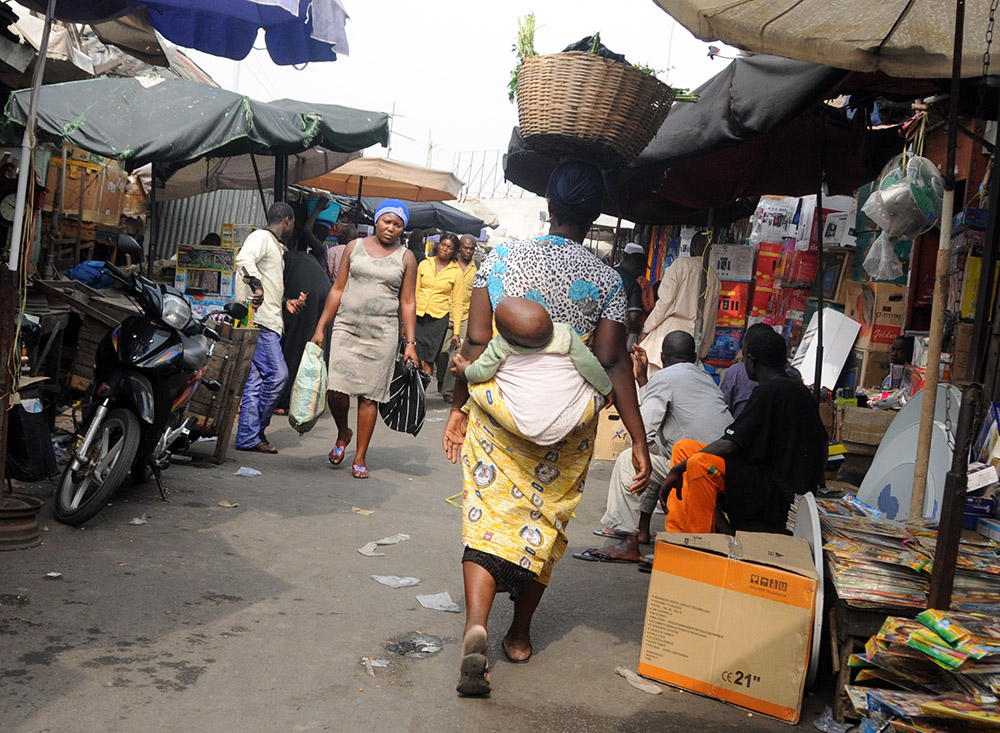
I noticed a woman balancing a large basket on her head while carrying a baby strapped to her back at the same time. She somehow made it look effortless. I was having enough trouble just navigating the market.
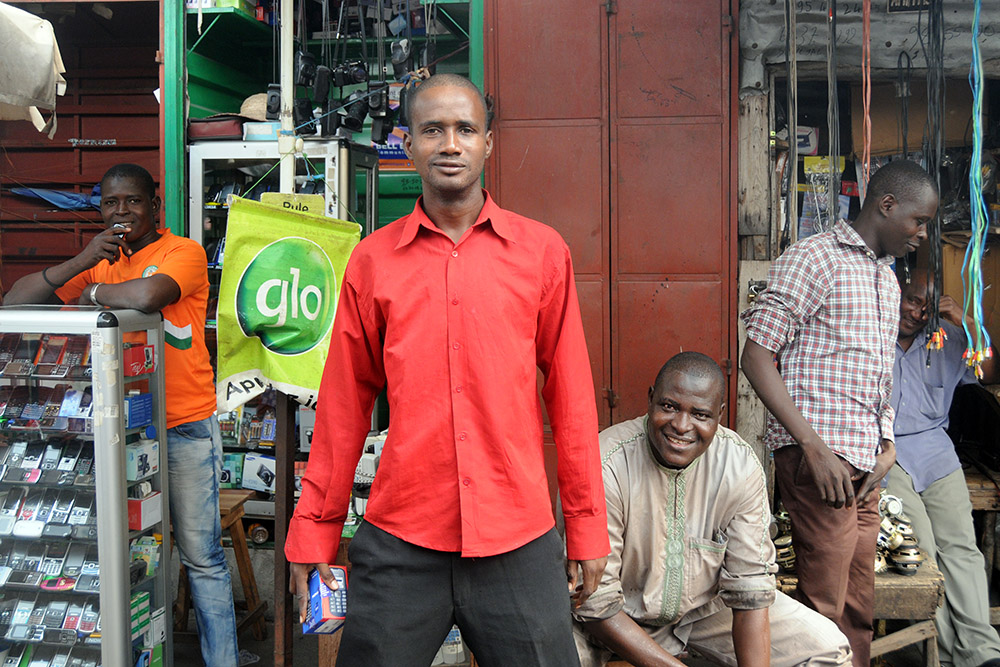
A few guys called out to me as I passed, and we ended up talking about travel, life, and other deep subjects. With my almost nonexistent French and whatever English they knew, I’m not sure how deep the conversation actually got, but we managed.
Motorcycle Taxis
Motorcycles are everywhere in Cotonou, and many of them operate as taxis. Drivers were easy to spot because of their yellow vests, and I ended up using them regularly because they were inexpensive and convenient.
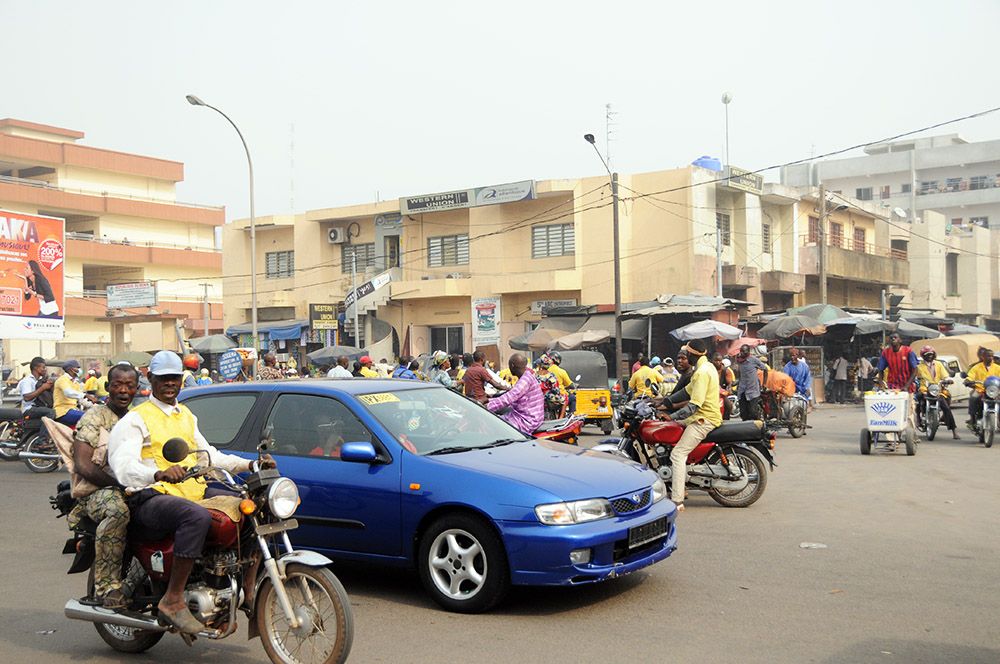
They were also a good way to see the city, assuming I managed to communicate where I actually wanted to go.
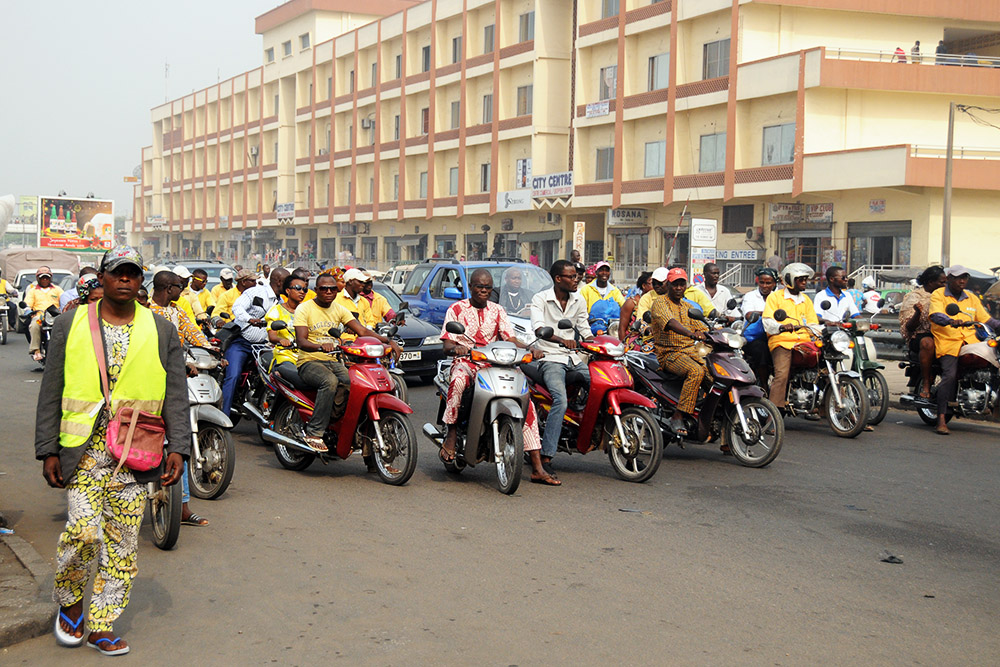
At one busy stoplight I couldn’t resist photographing the mass of motorcycles and cars packed together. Judging by a few of the expressions in the photograph, not everyone was thrilled about becoming part of my travel website.
Still, compared with the hours I’d spent trapped in traffic in neighboring Nigeria only a few weeks earlier, Cotonou felt remarkably easy.
Notre Dame de Cotonou
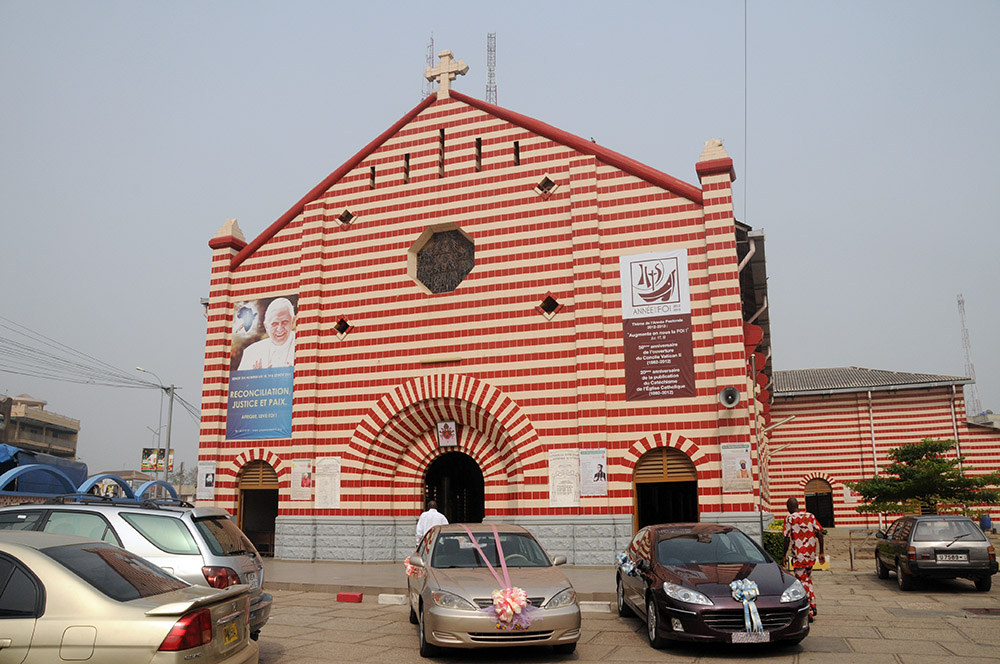
One of Cotonou’s most distinctive religious buildings is Notre Dame de Cotonou. The cathedral has an unusual red-and-white striped exterior that immediately stands out from the surrounding city.
My photograph doesn’t show the building particularly well, and I also managed to miss most of its bell tower because of the angle. Fortunately, something more interesting was happening when I arrived.
There was a wedding taking place.
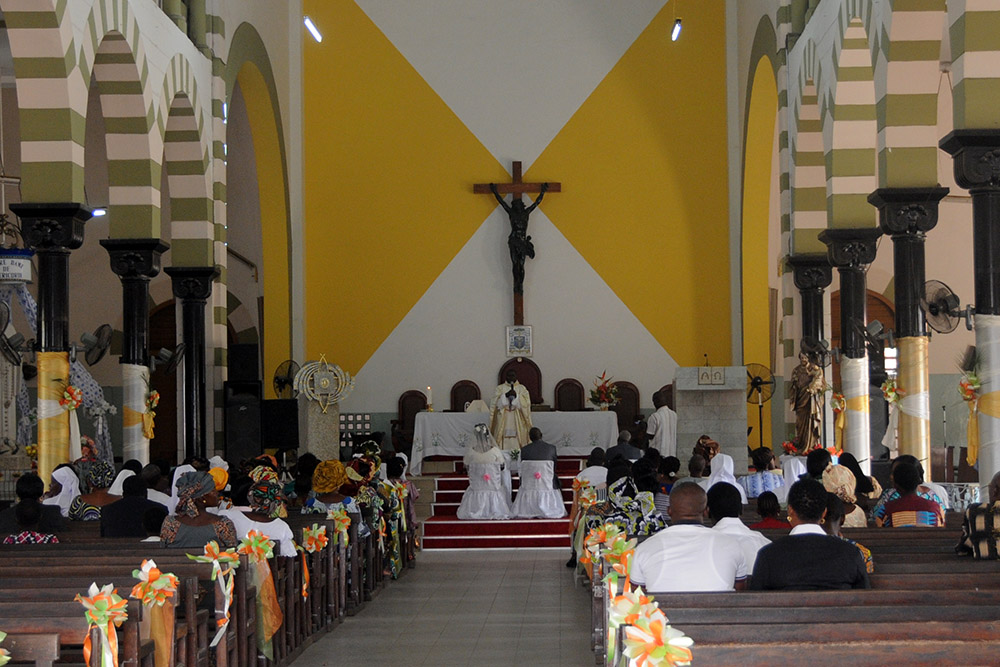
Because of the ceremony, I couldn’t really explore the inside. Outside, though, I met two Beninese photographers covering the wedding.
They were both using Nikon equipment, which immediately gave us something to talk about. They didn’t speak much English and I didn’t speak French, but somehow the three of us managed a short conversation about photography anyway.
Eating Around Haie Vive
I stayed around Haie Vive, one of the more comfortable neighborhoods for foreign visitors. The area had a surprisingly wide variety of restaurants serving African, Middle Eastern, European, American, and even Japanese food.
The one major cuisine I couldn’t seem to find was Mexican.
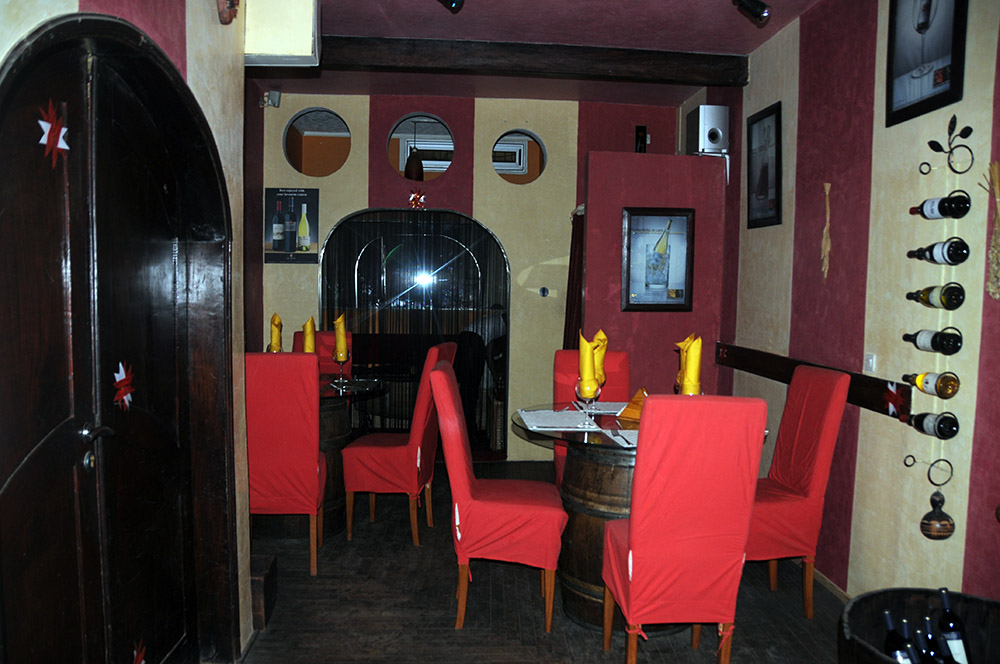
A lot of restaurants were Lebanese-owned, even when their main specialty was something completely different like pizza.
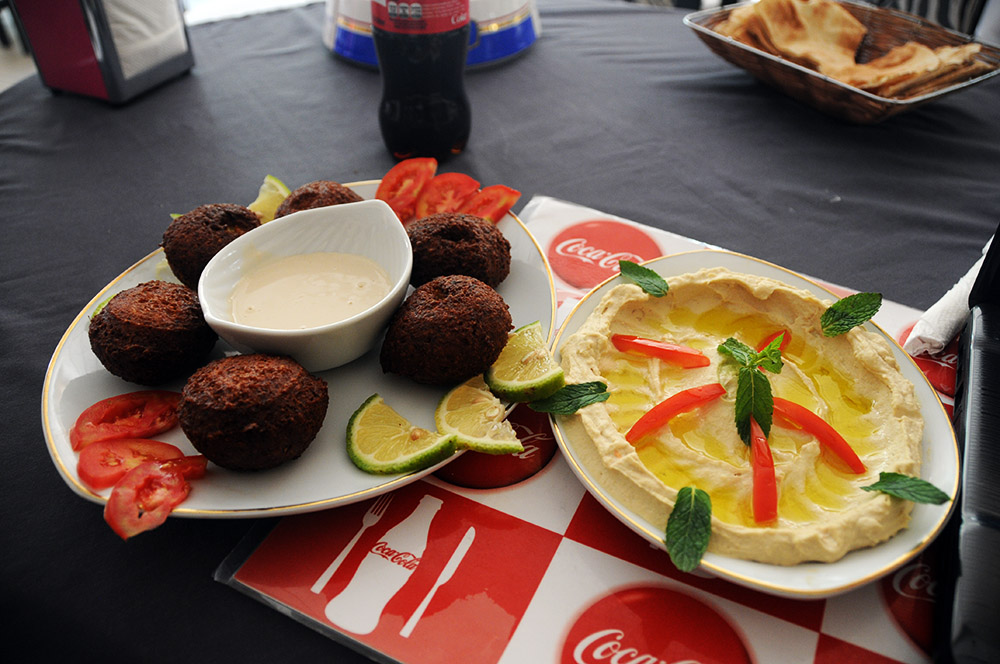
I also noticed something strange about meal times. Whenever I went out for lunch, even on weekends, many restaurants were nearly empty. By evening, the same places could be packed.
Apparently I was eating on the wrong schedule.

The restaurants and nightlife also reflected Cotonou’s international connections. I came across everything from Lebanese food to Brazilian music while walking around the neighborhood.
Beer Everywhere
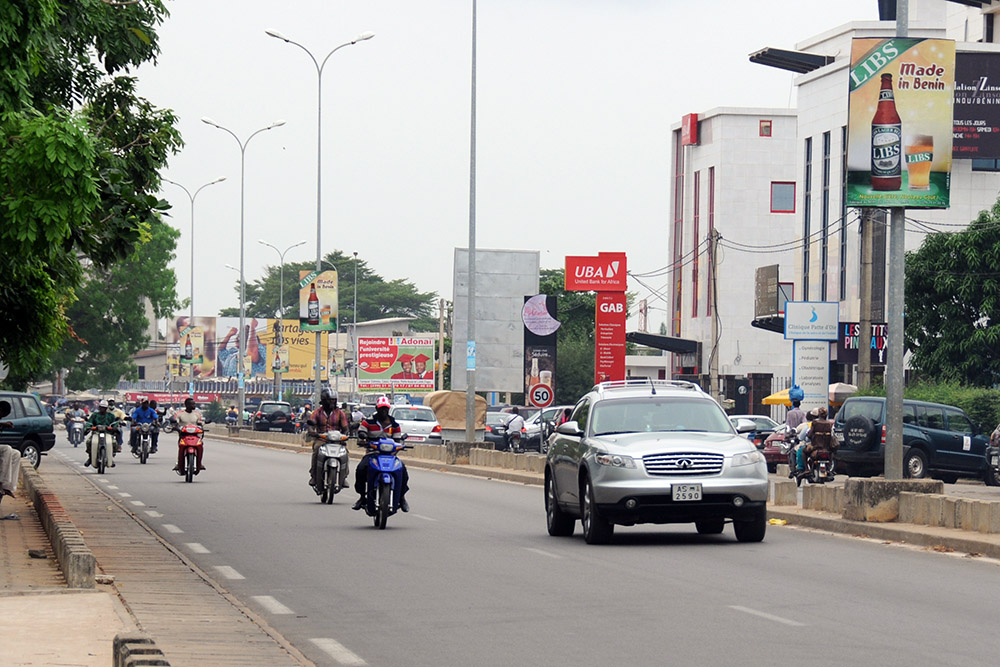
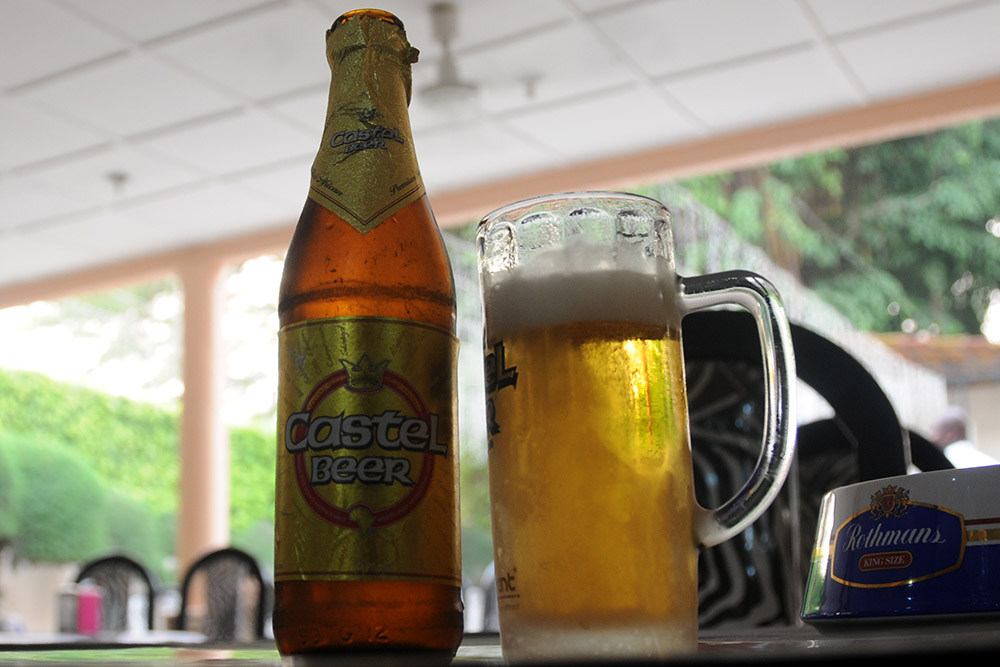
Another thing that was hard to miss in Cotonou was the amount of beer advertising. Castel and local beers appeared constantly on signs and billboards.
For some reason, Guinness also seemed to be one of the most popular foreign beers.
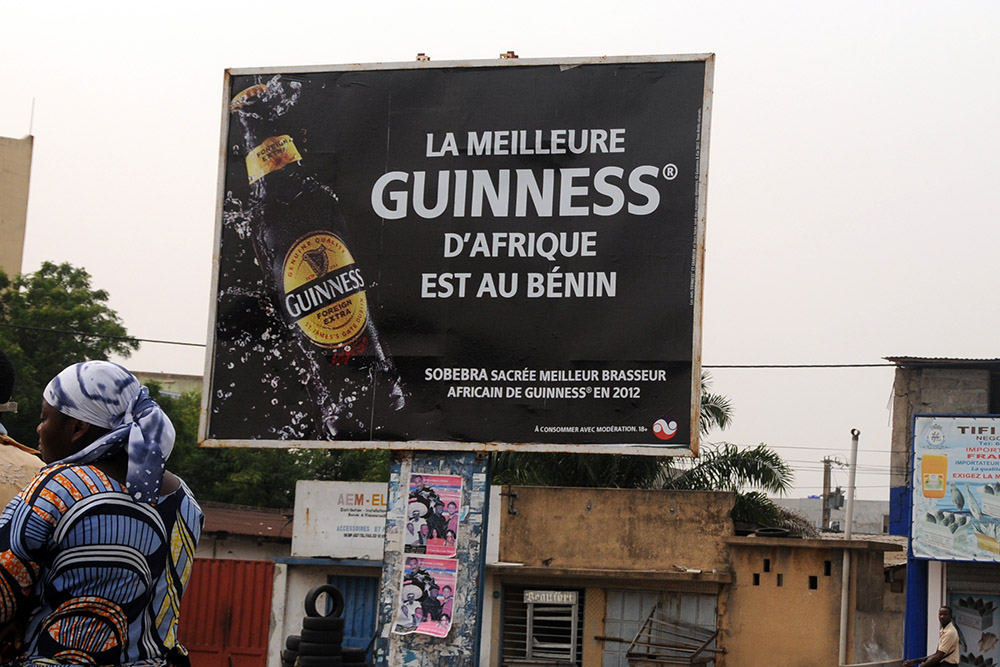
I already liked Guinness, so naturally I tried it. The version I drank in Africa tasted noticeably different from what I was used to getting on tap in the United States. It was darker, heavier, and seemed much stronger in flavor.
Walking Around Cotonou
I spent a lot of time simply walking around Cotonou without much of a destination. Some walks were interesting. Others were not.
One afternoon I wandered for quite a while and found almost nothing worth photographing until I came across a plant nursery.
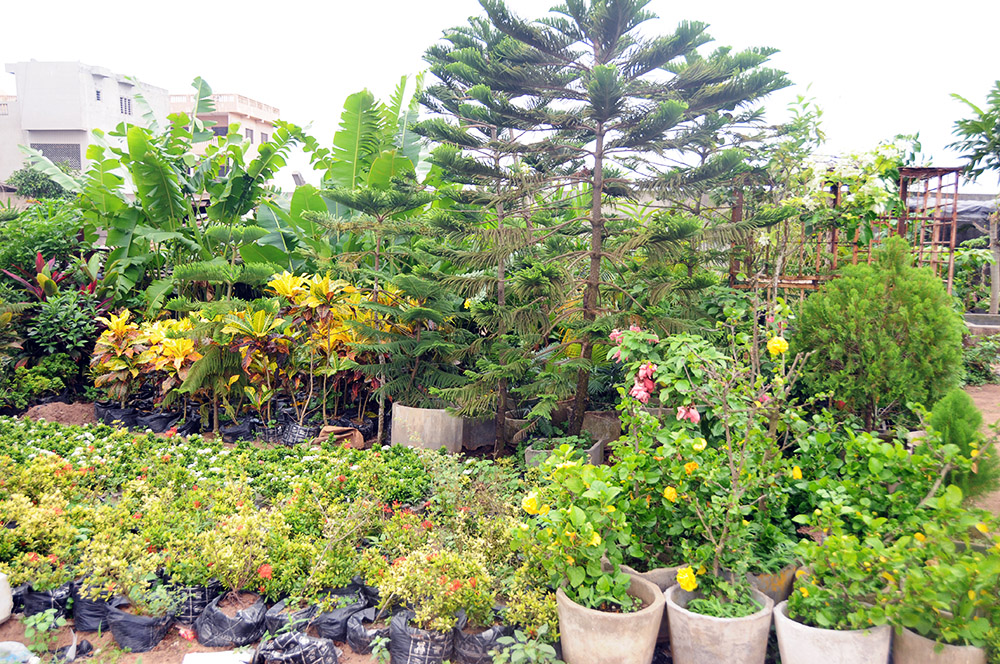
It wasn’t exactly a world-famous tourist attraction, but it did reinforce something I noticed throughout Cotonou: if you had the money, most normal goods and services seemed readily available.
During one motorcycle ride, I tried to tell my driver where I wanted to go and apparently failed completely. Instead of taking me where I intended, he drove me to the opposite side of the city and dropped me near a luxurious resort area.
Not exactly what I asked for, but at least I got to see another part of Cotonou.
The Beach
Cotonou sits directly on the Atlantic, and the beach was only about a fifteen-minute walk from Haie Vive.
The quality of the shoreline changed depending on where I went. Some sections were fairly clean while others had noticeably more trash. There were also large homes and gated communities built near the coast.
I never went swimming here. I usually avoid swimming directly in front of large cities because I’m never especially confident about the water quality. I eventually swam farther west around Grand-Popo instead.
The beach was surprisingly empty despite the nice weather.
There were definitely more big old crabs than people.
Walking Until I Found Something
One day I decided to explore completely at random. I walked at least a mile down one major road and found a whole lot of nothing.
So I turned around and walked a mile in the opposite direction.
That worked better.
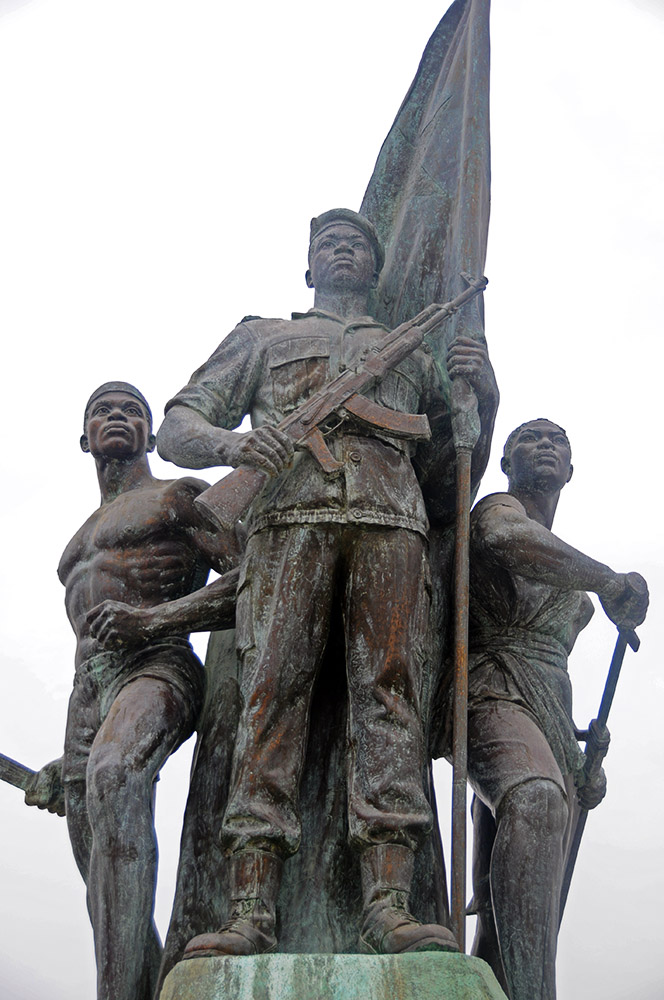
I eventually came across a large memorial surrounded by trees and murals depicting Beninese culture and events including independence. A few people were sleeping directly beneath the monument, with several more taking advantage of the shade under the surrounding trees.
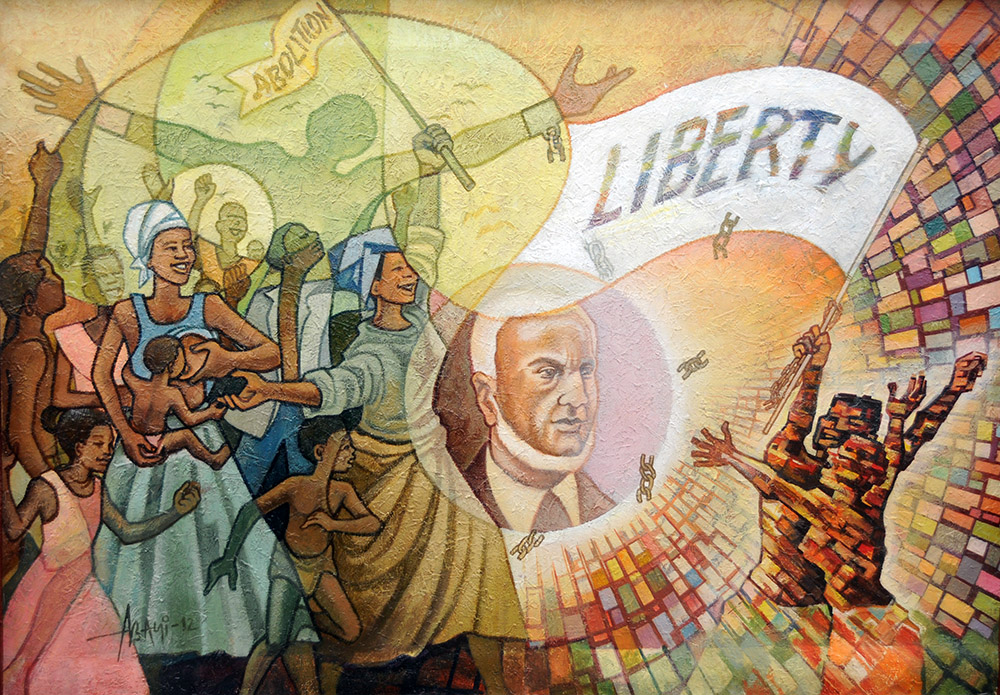
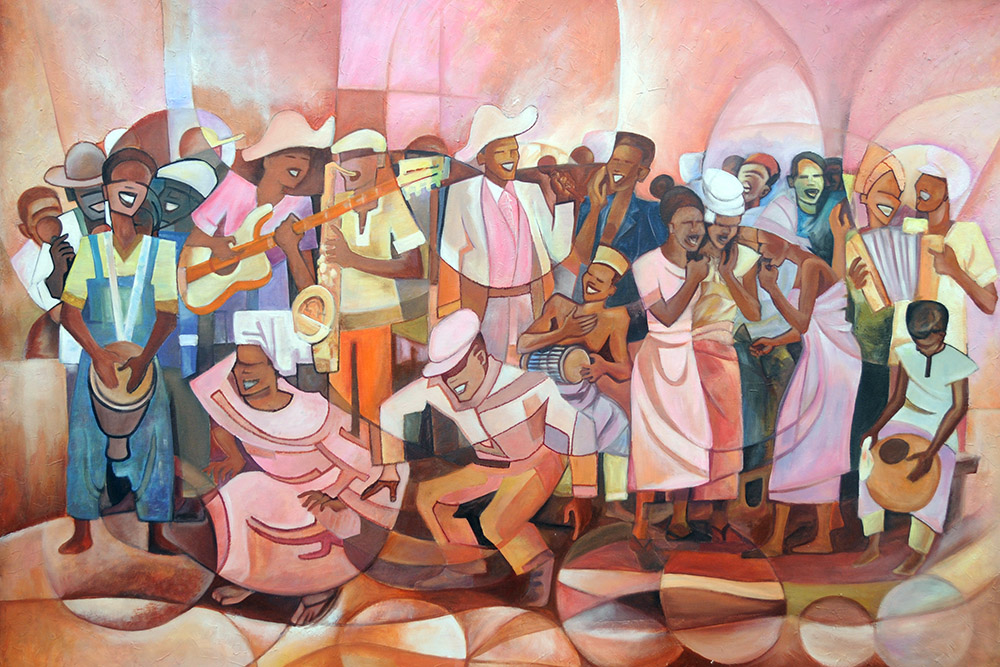
An Unexpected Art Gallery
Directly beneath the memorial was an outdoor art display.
I initially assumed photography probably wasn’t allowed.
Fortunately, the guard was in a deep sleep.
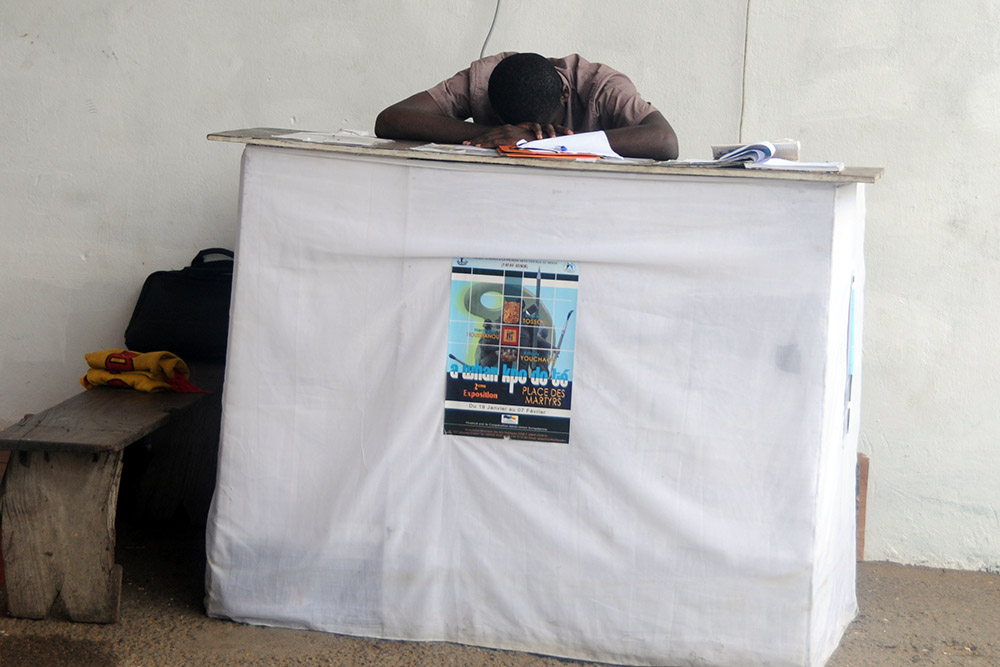
After walking around outside, I discovered there was also an indoor gallery. There were plenty of people inside, and nobody seemed concerned about me taking photographs after all.
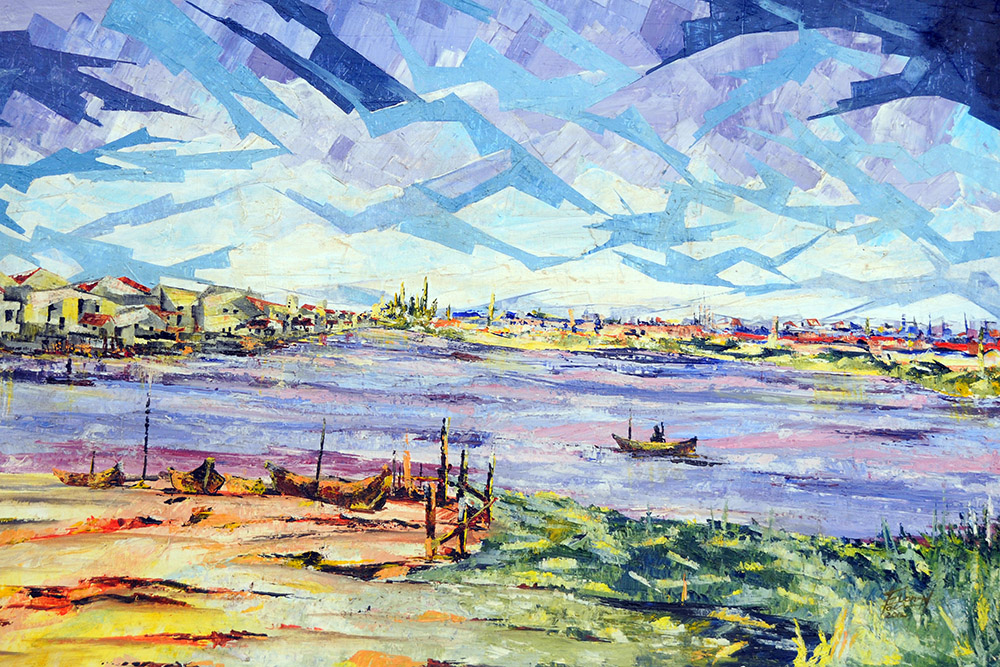
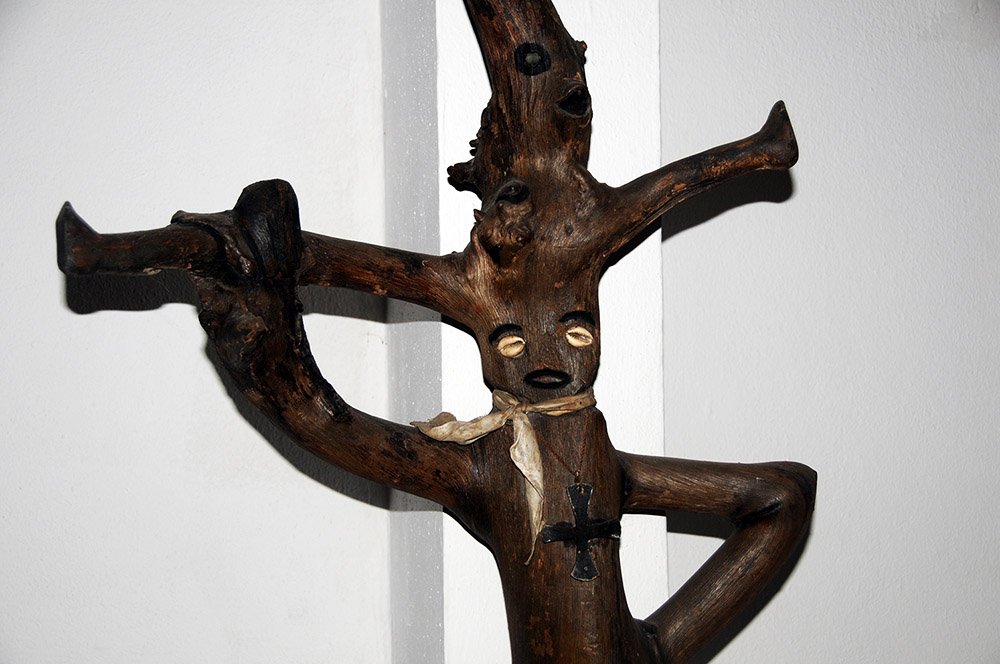
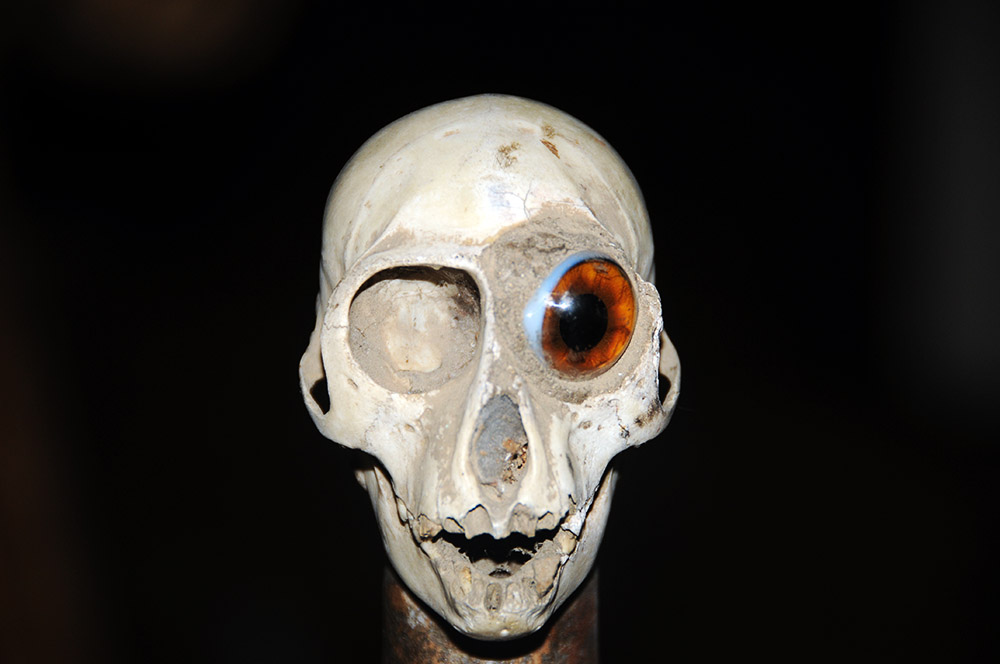
There were dozens of pieces ranging from paintings and woodwork to much stranger creations. Some of them were considerably darker than I expected.
My Time in Cotonou
Cotonou wasn’t packed with famous tourist attractions, but I enjoyed the city more than that description might suggest. A lot of what I remember came from ordinary experiences: riding motorcycle taxis, talking to people at the market, trying to communicate with local photographers, eating Lebanese food in Haie Vive, wandering aimlessly until I found an art gallery, and standing on a nearly empty beach surrounded by giant crabs.
After some of the more exhausting parts of my trip through Nigeria and Niger, Cotonou felt easy.
Sometimes that is exactly what you want from a city.
Explore More of Benin
Benin’s Coast • Cotonou • Ouidah • Porto Novo