Benin was exactly the kind of country I needed at the end of my trip through West Africa. I had intentionally planned the route so things would get easier as I went, starting in Nigeria, continuing through Niger, and finishing in Benin. After some of the stress and unpredictability earlier in the trip, Benin felt noticeably more relaxed.
I also found the country relatively easy to travel through. As a former French colony, French is widely spoken, and getting around was manageable. Accommodation was reasonably priced, transportation worked well for my trip, and the overall pace felt much calmer than what I had experienced earlier in West Africa.
What interested me most, though, was Benin’s history and culture. The country’s coast played a major role in the Atlantic slave trade, and places like Ouidah preserve the history of the people who were forcibly taken from this region. Benin is also one of the historic centers of Vodun, a religious tradition that later spread across the Atlantic and influenced related traditions in places such as Haiti.
Explore Cotonou
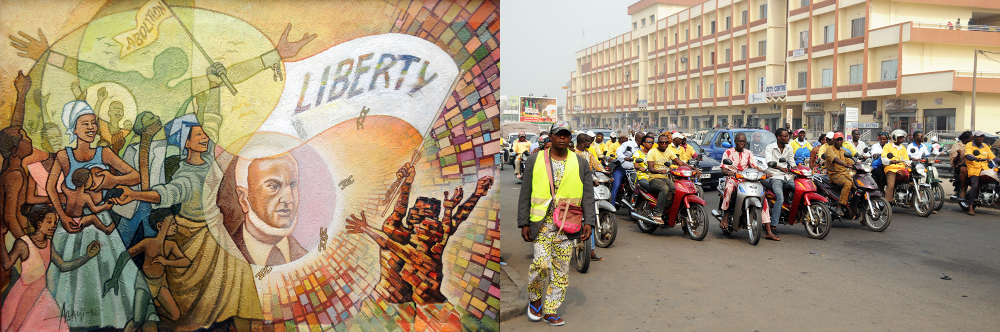
Cotonou is Benin’s largest city and its main commercial and economic center. Set along the Atlantic coast, the city is considerably busier than much of the rest of the country, with crowded streets, sprawling markets, restaurants, nightlife, and beaches.
Haie Vive is one of Cotonou’s best-known areas for international visitors and expatriates, with hotels and a wide selection of restaurants. The city also provides the main transportation hub for exploring southern Benin, making it a natural starting point for trips to Ouidah, Porto-Novo, and the coast.
Explore Ouidah
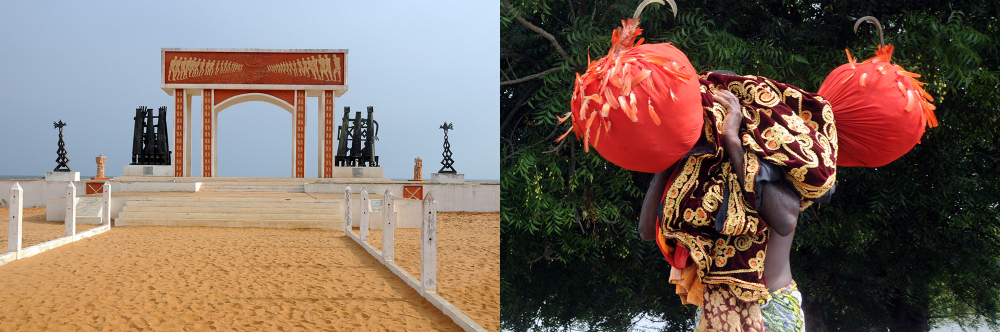
Ouidah is one of the most historically significant places in Benin. The city became an important center of the Atlantic slave trade, where enslaved Africans were held and transported toward the coast before being forced aboard ships bound for the Americas. Today, the Route of Slaves leads from the city toward the Atlantic, ending at the monumental Door of No Return.
Ouidah is also an important center of Vodun. Temples, shrines, ceremonies, and sacred places remain part of the city’s cultural landscape, including the Temple of Pythons and the Sacred Forest. The combination of Atlantic slave-trade history and living Vodun traditions makes Ouidah one of the most culturally significant destinations in West Africa.
Explore Coastal Benin
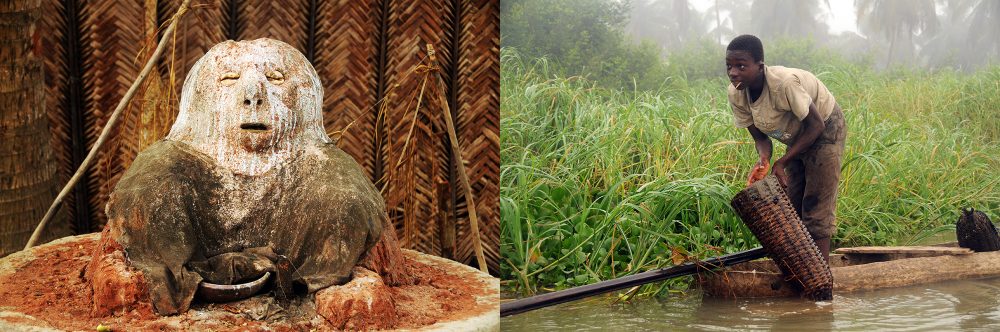
Benin has a relatively short Atlantic coastline, but the coast reveals a very different side of the country. Around Grand-Popo, sandy beaches meet fishing communities, lagoons, mangroves, and waterways, while small hotels and resorts provide a quieter alternative to Cotonou.
Boat trips through the lagoons and mangroves provide access to waterside communities and opportunities to see wildlife away from the country’s main roads. The long beaches are another major attraction, although powerful surf, currents, and riptides can make swimming dangerous along parts of the coast.
Explore Porto-Novo
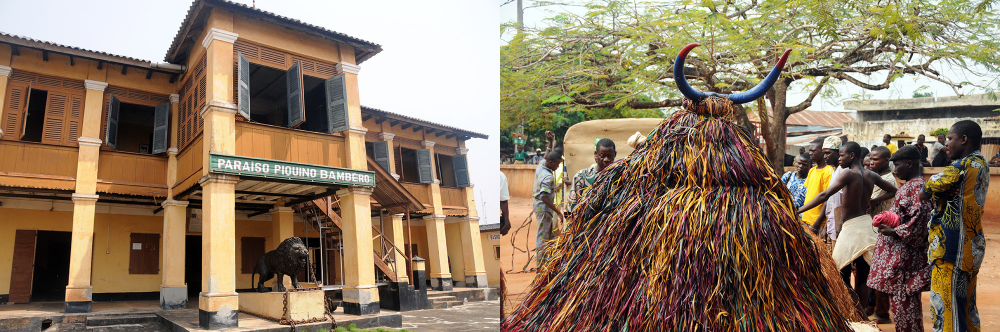
Porto-Novo is the official capital of Benin, although nearby Cotonou is the country’s larger economic center and seat of much of its government activity. Porto-Novo has a quieter atmosphere and a strong concentration of historic architecture, museums, traditional culture, and sites connected to the region’s royal past.
Among its important historic sites is the former royal palace associated with King Toffa, preserving part of the history of the Kingdom of Porto-Novo. The city’s museums and cultural sites explore the region’s royal history, Vodun traditions, the Atlantic slave trade, and the colonial period, making Porto-Novo an important destination for understanding Benin’s past.