If you read my Namib Deserts page first, you’ll know that much of Namibia’s coast is made up of hundreds of miles of sand dunes, barren landscapes, and thick fog. It hardly sounds like an ideal place to build a city. Yet in the middle of Namibia’s coast you’ll find Swakopmund, which became one of my favorite cities along Africa’s Atlantic coast.
Swakopmund was founded by the Germans in 1892 as a harbor for their colony of German South West Africa. What began as a small port eventually grew into a beautiful coastal city where German architecture and culture remain surprisingly visible.
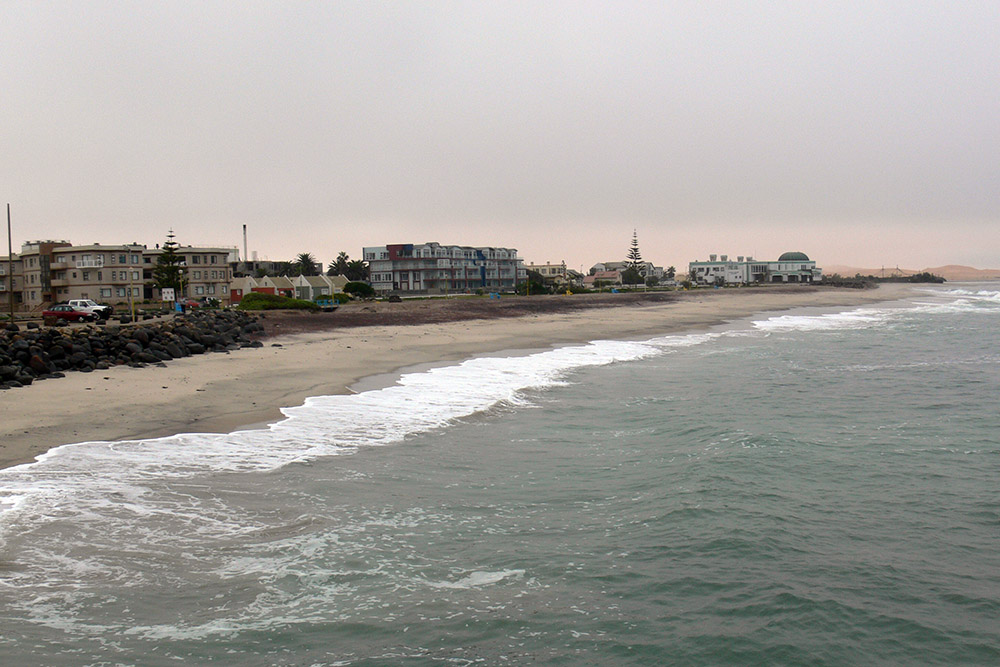
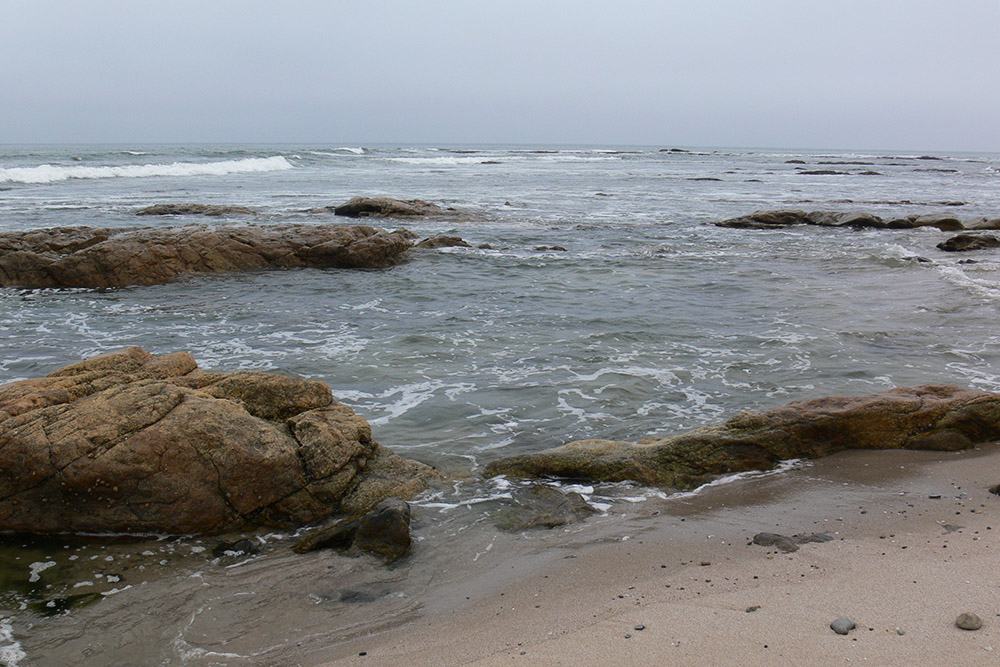
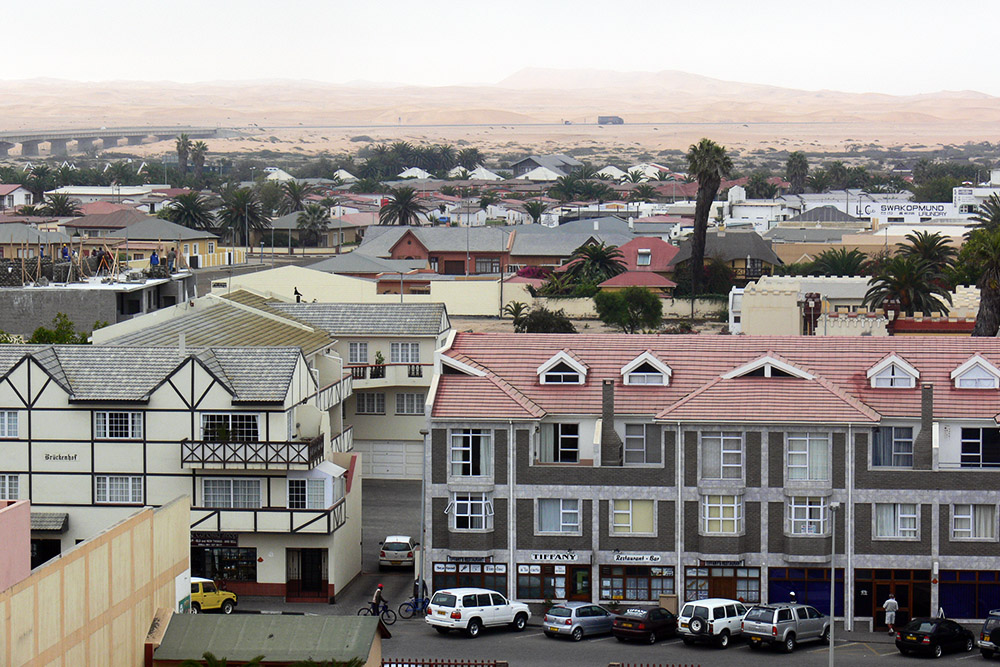
Swakopmund is a strange place when you first see it. German-style buildings line streets surrounded by palm trees, while giant sand dunes rise immediately beyond the edge of the city. In the photo above you can see some of the city’s architecture with the desert beginning in the background.
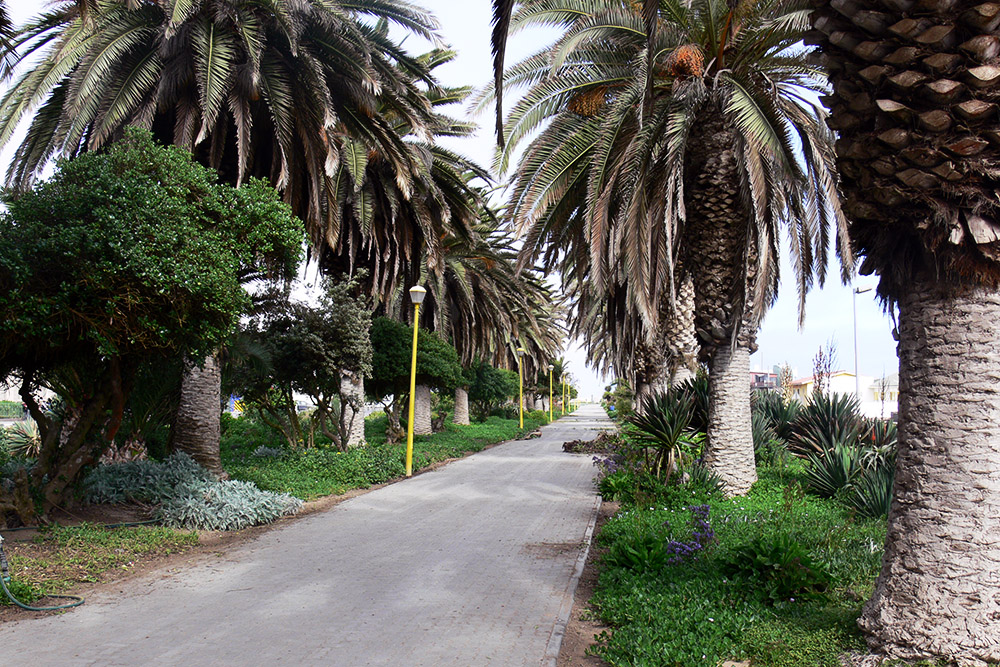
Walking around Swakopmund was one of the best ways to explore the city. Palm-lined paths like this one, old colonial buildings, shops, restaurants, and the nearby Atlantic made the city feel completely different from the desert landscapes I had been traveling through elsewhere in Namibia.
German Architecture in Swakopmund
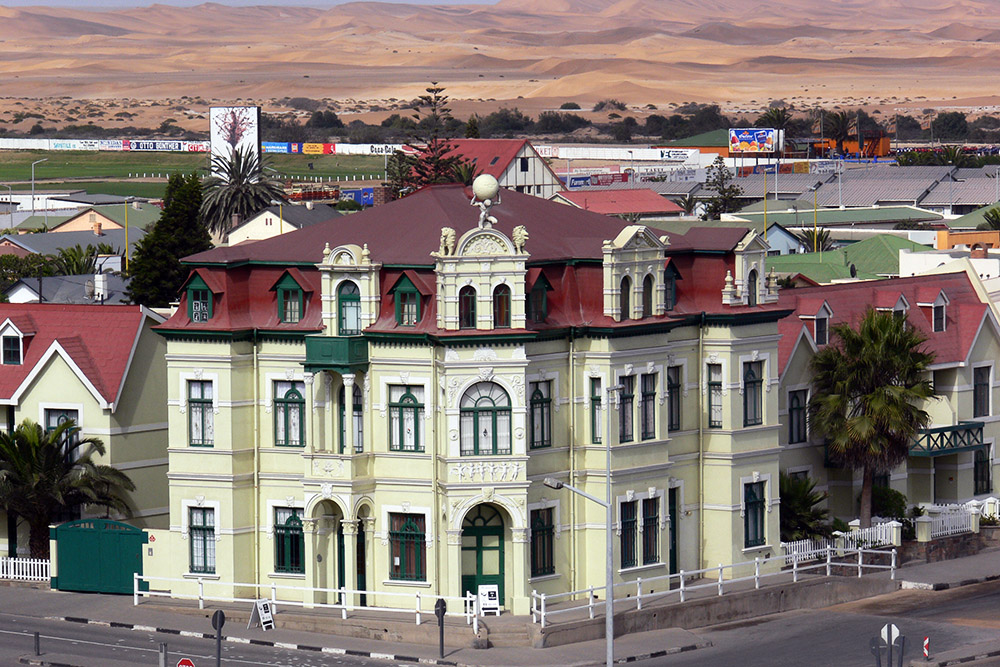
One of Swakopmund’s most recognizable German colonial buildings is the Hohenzollern Building. Constructed in the early 20th century, its elaborate architecture is a reminder of the period when Namibia was a German colony. More than a century later, the building remains one of the city’s architectural landmarks.
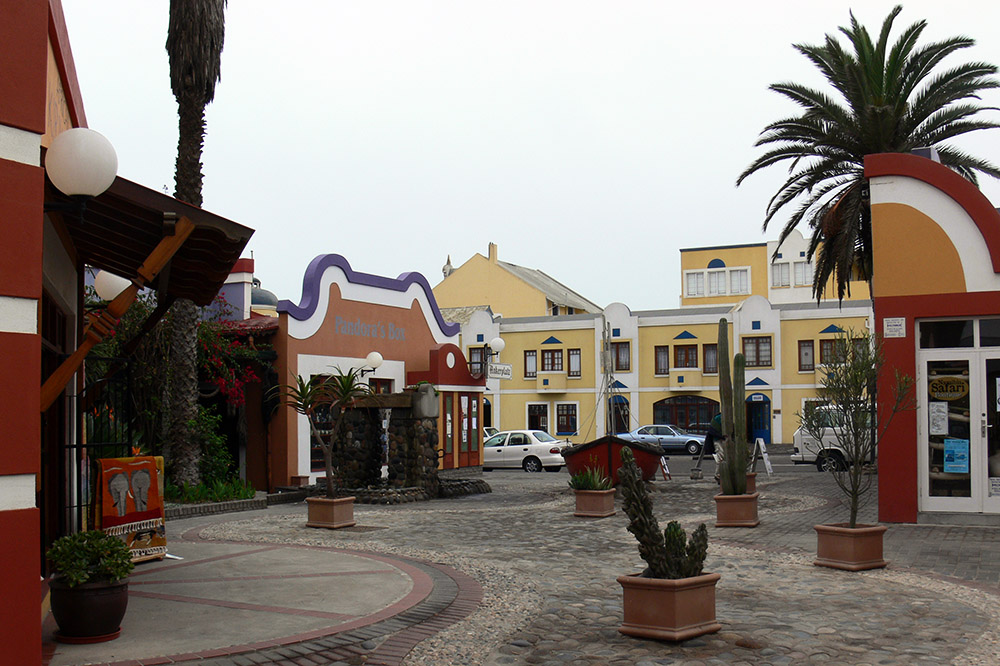
Before the Germans began developing Swakopmund, this part of the coast was essentially empty desert beside the Atlantic. Today the city center has shopping areas, restaurants, hotels, and public squares. The photo above was taken during one of the foggy mornings that are so common along Namibia’s coast.

The European influence was much stronger than I expected before arriving. I hadn’t known much about Swakopmund before my trip, so walking through modern shopping areas surrounded by German colonial architecture while knowing that enormous sand dunes were just outside the city was an unexpected experience.
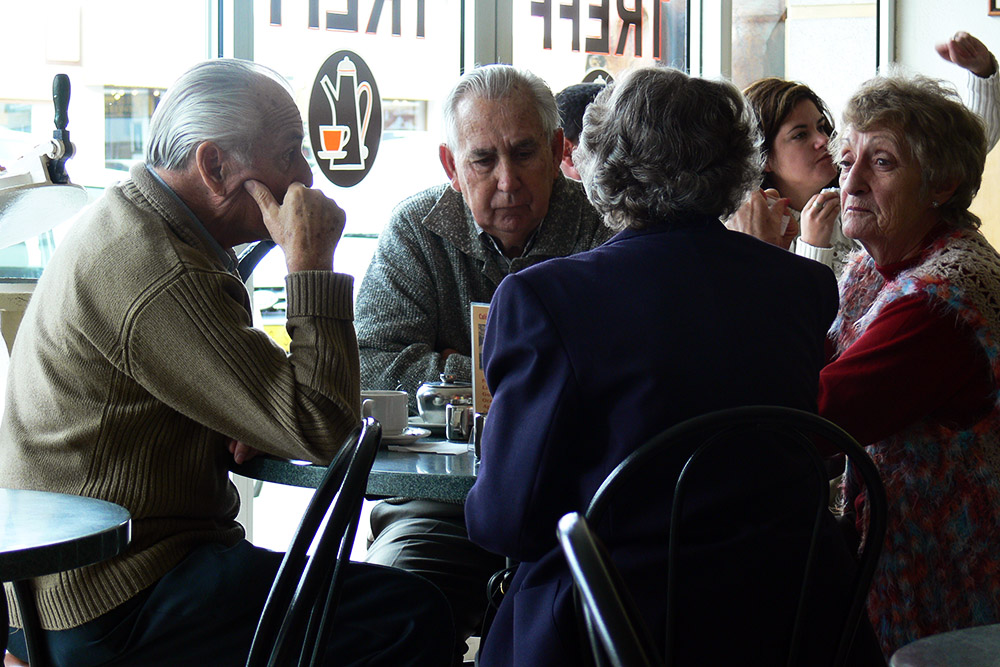
Swakopmund also retains cultural influences from Namibia’s colonial history. German can still be heard around the city, and restaurants, bakeries, architecture, and local traditions all give Swakopmund a character unlike anywhere else I visited in Namibia.
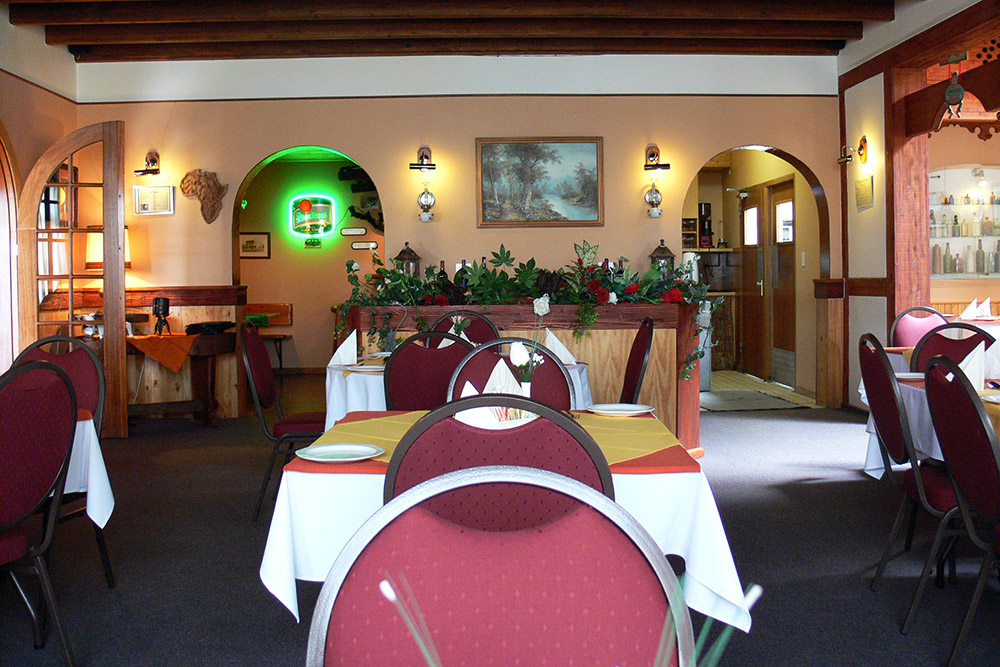
I stopped at this German restaurant while exploring the city. It happened to be almost completely empty when I visited, but the food was excellent and added to the unusual feeling of finding such a strong German influence on the edge of the Namib Desert.
Exploring the City
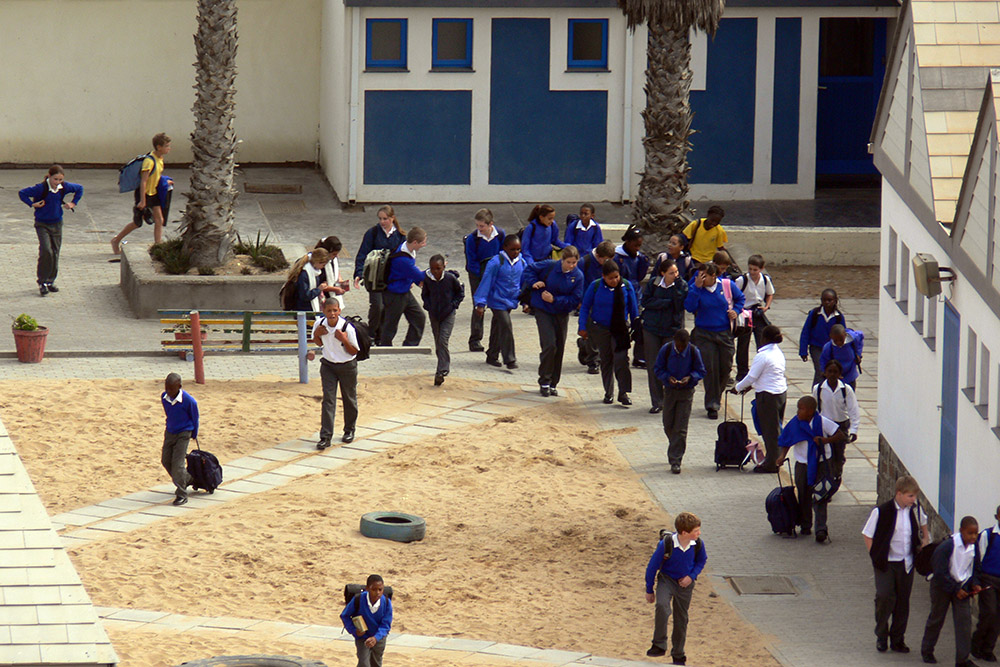
Most of my time in Swakopmund was spent simply walking around and seeing everyday life in the city. I found the local police particularly helpful whenever I needed directions or information.
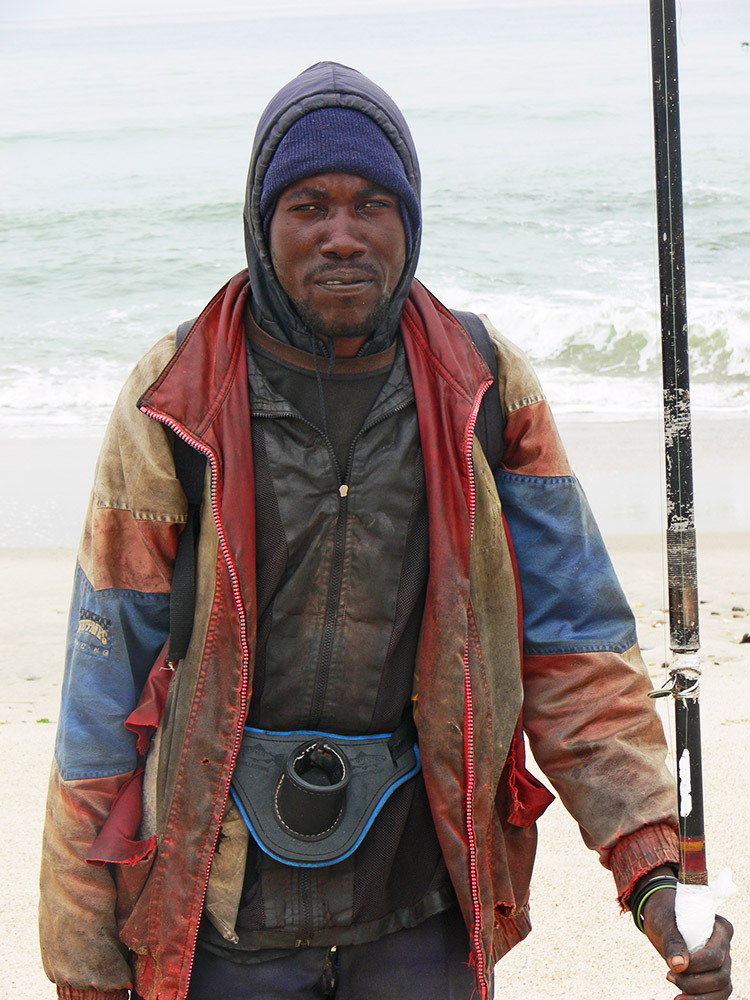
During a solo walk along the beach I came across this local fisherman. I tried talking with him, but the language barrier made conversation difficult. He was still nice enough to let me take his photograph before I continued along the coast.
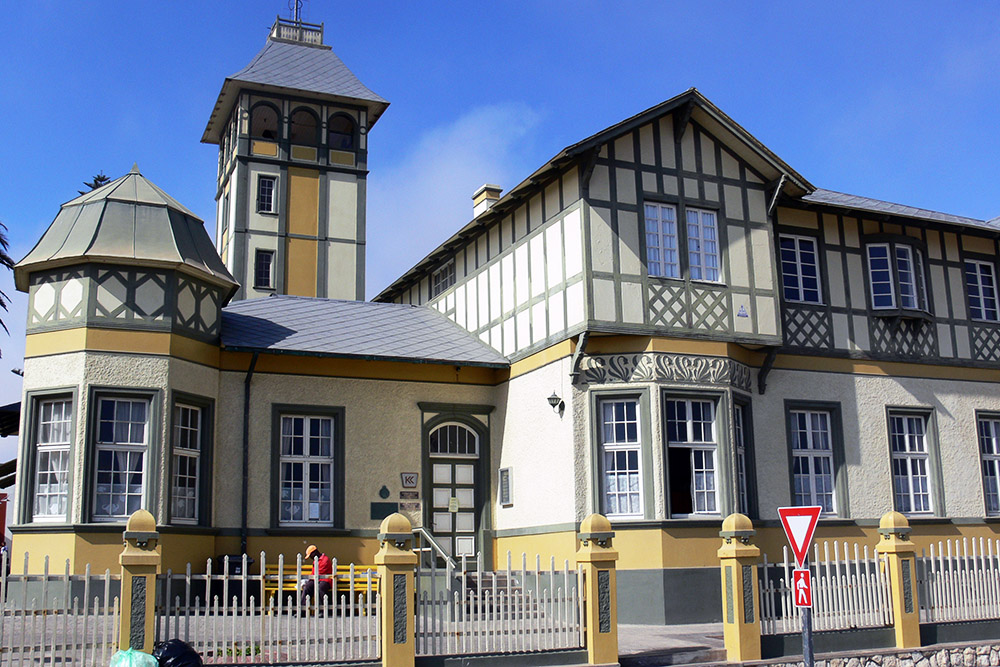
Another famous piece of German architecture is the Woermannhaus and its distinctive tower. I liked this building enough that I ended up including two photos of it. Constructed during the German colonial period, the building has served several purposes during its long history.
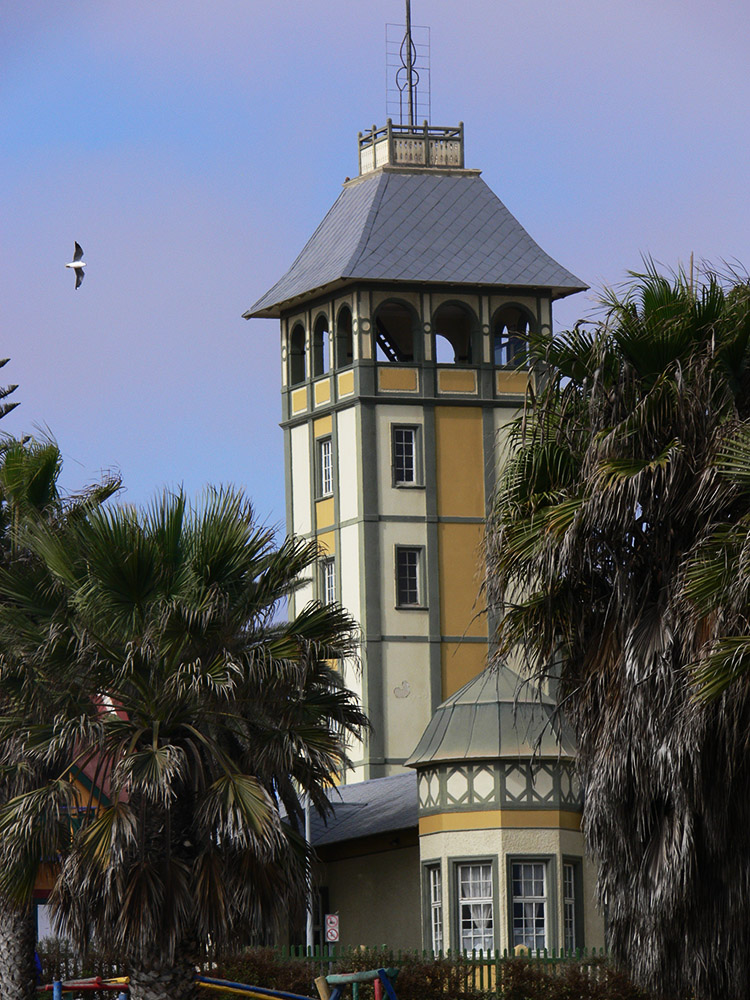
The tower was once used as an observation point for ships approaching the coast. The building later served other purposes and eventually became associated with a library and art center.
Best of all, I was able to climb the tower and get a view over Swakopmund. The entrance was locked, but after talking with a local shopkeeper I was given the key and allowed to head up.
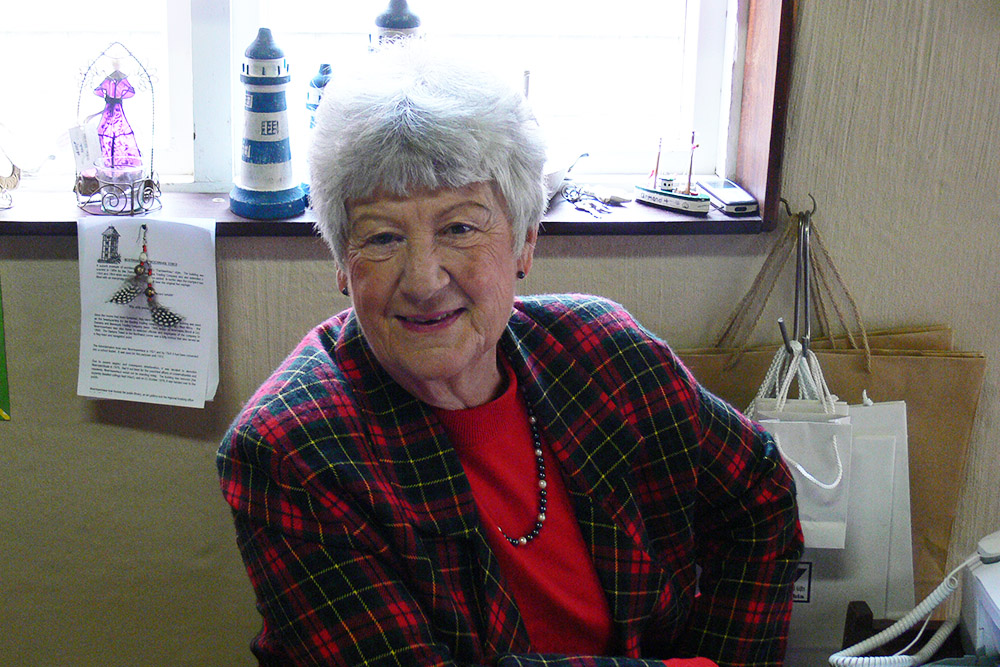
This was the shopkeeper who handed me the key after we talked for a while about Swakopmund and Namibia. Experiences like this were one of the reasons I enjoyed traveling around the country so much.
Adventures Around Swakopmund
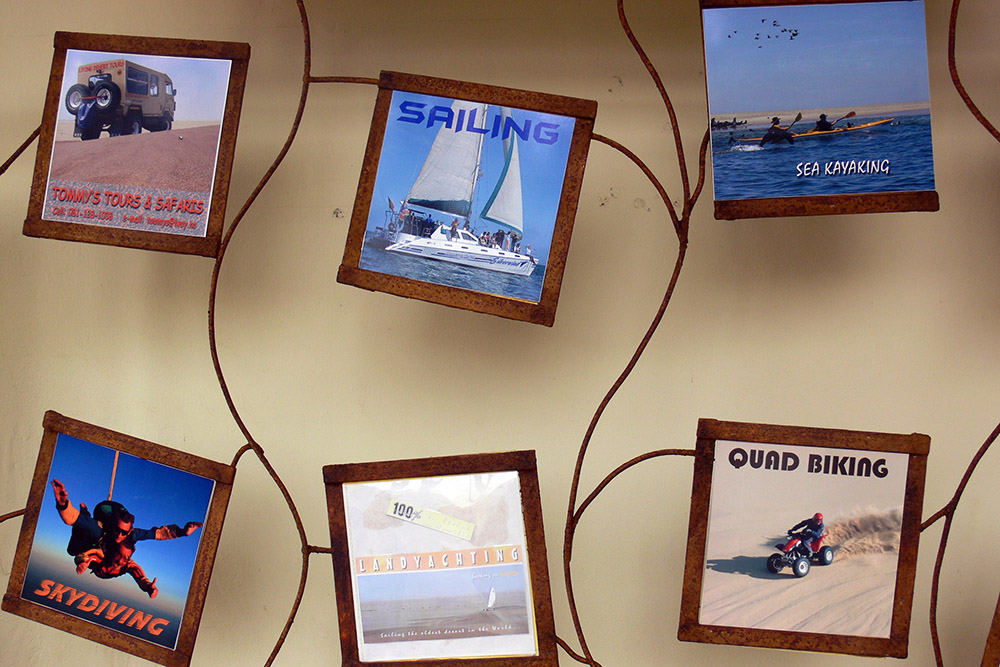
Swakopmund is also one of the main places in Namibia for arranging outdoor adventures. It was here that I organized my scenic flight over the Namib Desert, as well as my excursion to Etosha National Park.
The advertisements above show just some of the activities available around the city. I didn’t try any of these particular excursions, but sailing or kayaking would probably have interested me the most.
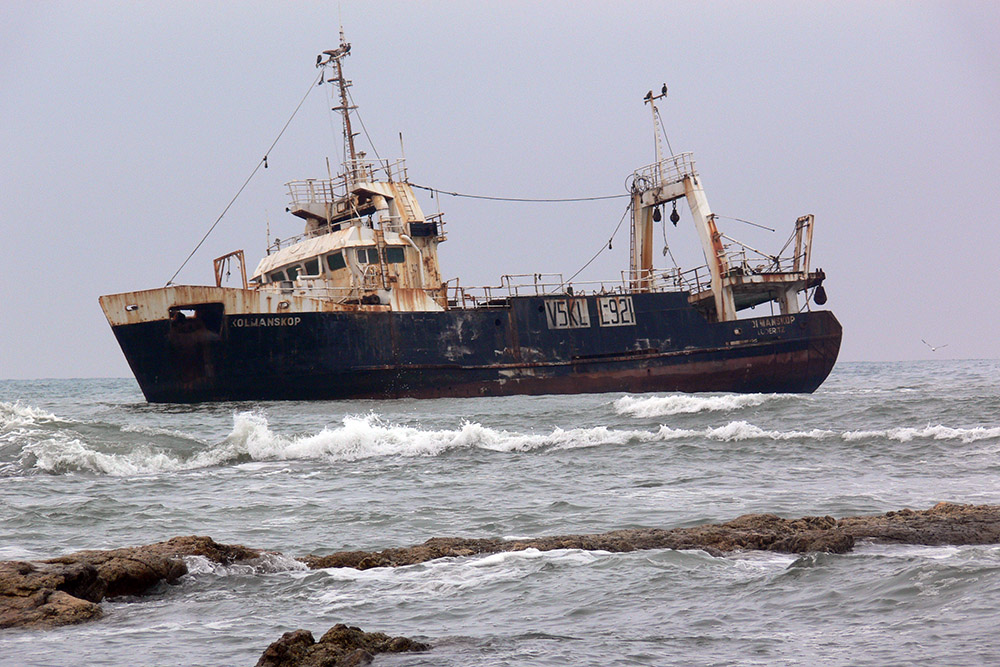
The Atlantic coast here can also be unforgiving. Thick fog has historically made navigation dangerous for ships, and wrecks can still be found along Namibia’s coastline. This old wreck off Swakopmund was another reminder of why the country’s northern coastline became known as the Skeleton Coast.
Walvis Bay
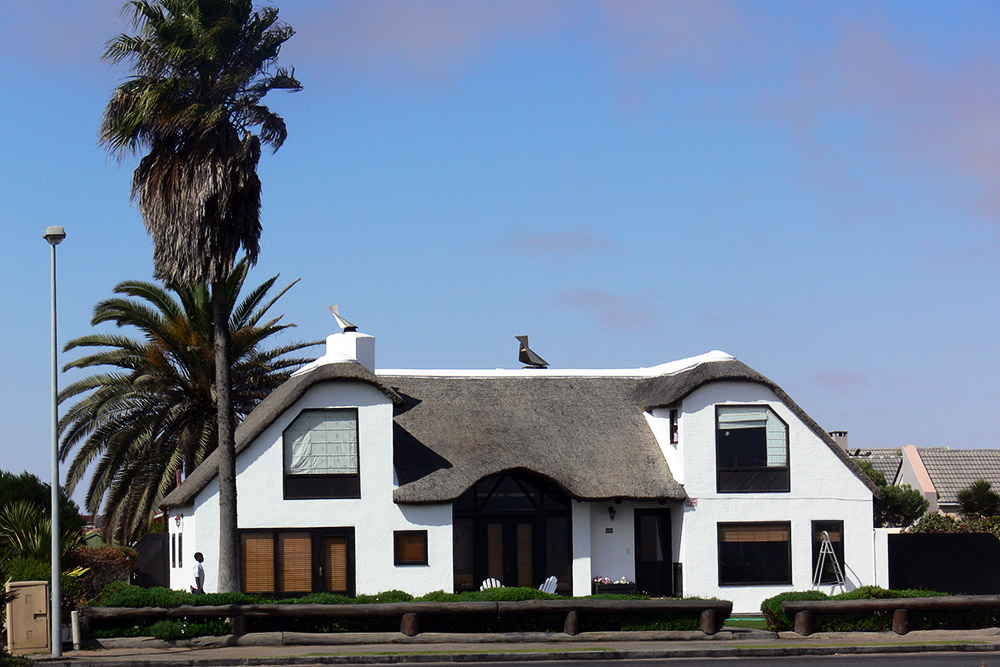
These last two photos are actually from the nearby coastal city of Walvis Bay. It’s less than an hour south of Swakopmund, making it easy to visit both cities on the same trip. I didn’t spend nearly as much time exploring Walvis Bay because most of my attention was focused on Swakopmund, but I did walk around parts of the city and along the coast.
There were some surprisingly expensive-looking homes near the water, including the one above. The surrounding wetlands and lagoons were even more interesting to me because of the amount of birdlife they attracted.
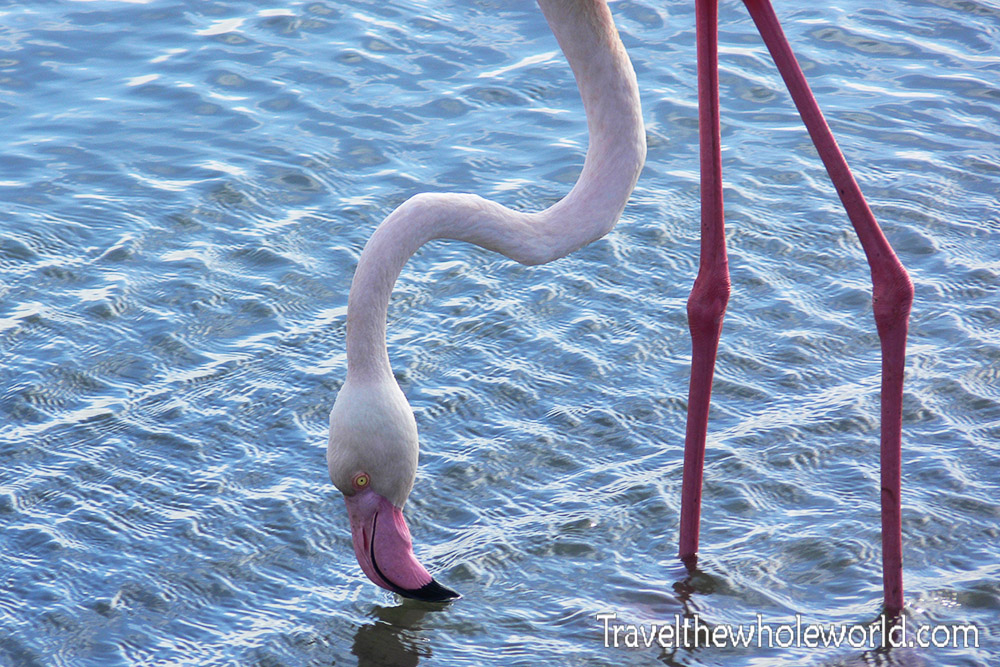
Walvis Bay is famous for its flamingos, and unlike some of the remote flocks I saw elsewhere in Namibia, these birds were accustomed to having people nearby. I was able to walk surprisingly close to them without seeming to bother them at all.
Between the German architecture, Atlantic beaches, surrounding desert, wildlife, and huge selection of outdoor activities, Swakopmund ended up being one of the biggest surprises of my trip through Namibia. I arrived knowing very little about the city and left wishing I had given myself even more time to explore it.
Explore More of Namibia
Etosha National Park • Namibian Deserts • Swakopmund • Windhoek