Namibia is one of those countries that many travelers don’t seem to know much about, but in my opinion it’s one of the best destinations in Africa. The country has enormous deserts, dramatic canyons, wildlife reserves, Atlantic coastal towns, and some of the most striking landscapes on the continent. Namibia was also once a German colony, and traces of that history can still be seen in architecture, food, place names, and local traditions.
What I liked most about Namibia was the variety. You can spend one day driving through dry desert landscapes, another watching wildlife around waterholes, and another relaxing along the Atlantic coast. Compared with many destinations in Africa, I also found Namibia relatively easy to travel through, with good roads, established tourism infrastructure, and plenty of opportunities for both independent travel and organized adventures.
Explore Swakopmund
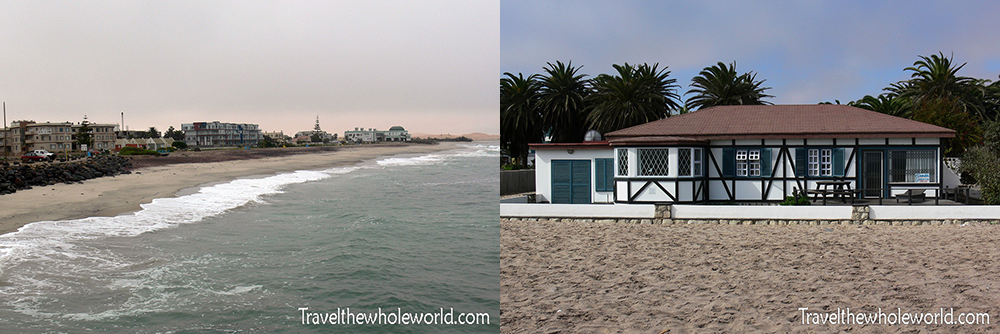
Swakopmund is Namibia’s best-known coastal resort town and one of the most unusual places in the country. The Atlantic Ocean sits directly beside the Namib Desert, creating a strange contrast between cold ocean air, sandy beaches, and enormous dunes just outside the city.
The town has hotels, restaurants, cafes, and plenty of activities for travelers. Nearby Walvis Bay adds even more coastal scenery and wildlife, while the surrounding dunes offer adventures such as sandboarding, quad biking, and scenic flights.
Explore Etosha National Park
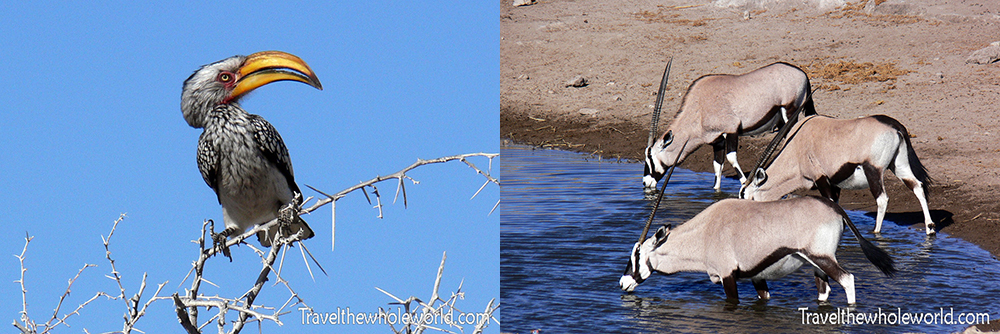
Etosha National Park is Namibia’s premier wildlife destination. The park is centered around the enormous Etosha Pan, a vast salt flat that dominates much of the landscape. During the dry season, animals gather around permanent and artificial waterholes, making Etosha one of the easiest places in southern Africa to watch wildlife.
Elephants, lions, giraffes, zebras, antelope, rhinos, and many other animals can be found throughout the park. The scenery itself can sometimes look dry and empty, but that open landscape makes wildlife surprisingly easy to spot.
Explore Namibia’s Deserts
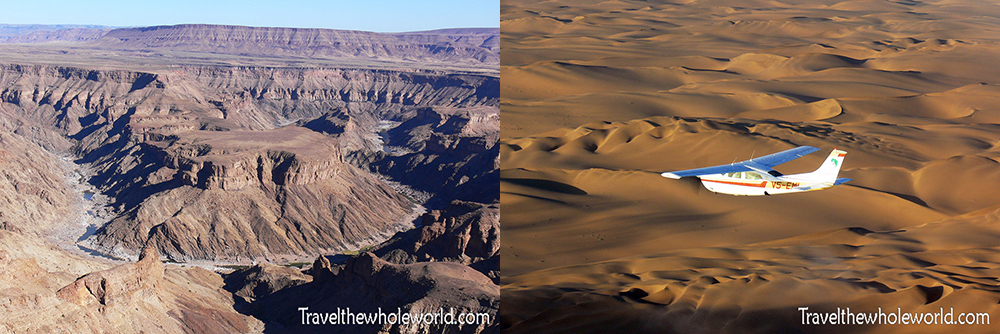
The desert landscapes are probably what Namibia is most famous for. The Namib Desert contains some of the world’s largest sand dunes, especially around Sossusvlei, where towering orange dunes rise above white salt and clay pans.
The country is also home to Fish River Canyon, one of the largest canyons in Africa. Hiking through the canyon requires considerably more commitment than simply stopping at a viewpoint, while the dunes around Sossusvlei can be explored on foot, by vehicle, or from the air.
For me, the desert is one of the main reasons Namibia stands out from the rest of southern Africa. The scale of the landscape is difficult to appreciate until you’re actually standing beneath one of the dunes or driving for hours through seemingly empty terrain.
Explore Windhoek
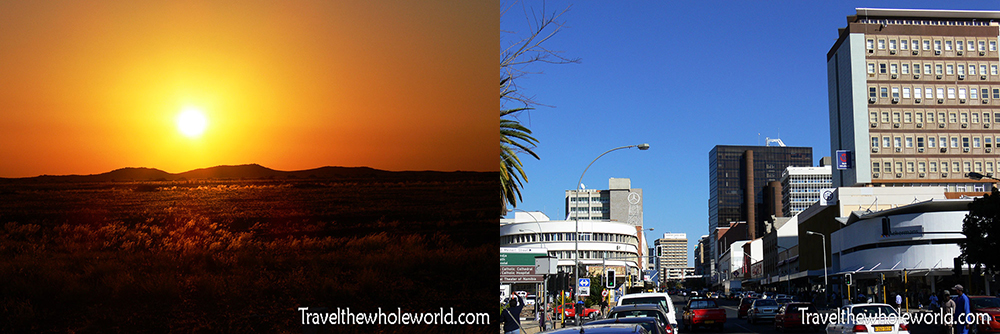
Windhoek is Namibia’s capital and largest city, located in the central highlands. At roughly 1,600 meters above sea level, the city has a noticeably milder climate than many of the hotter desert regions surrounding it.
The capital is a useful starting point for traveling through the country, with the largest concentration of hotels, restaurants, transportation, and services. Windhoek also shows some of Namibia’s German colonial influence through its older architecture and cultural traditions.
Outside the city are several wildlife and conservation organizations where travelers can learn more about Namibia’s efforts to protect native animals. These projects work with species such as cheetahs and other predators while also trying to reduce conflict between wildlife and rural communities.
Namibia ended up being one of my favorite countries in Africa because it combines so many completely different experiences in one trip. Etosha offers some of the continent’s best wildlife viewing, Swakopmund provides a completely different coastal atmosphere, and the Namib Desert contains landscapes unlike almost anywhere else on Earth. Add in the country’s small population and enormous open spaces, and Namibia feels like a place built for road trips and adventure.