Japan is one of the countries I’ve returned to more than anywhere else in the world, having made six trips so far. Despite being roughly the size of California, Japan packs an extraordinary amount of variety into its islands. The country is famous for its technology, enormous modern cities, and efficient transportation systems, but some of my favorite experiences have come from its much older side. Ancient temples, traditional neighborhoods, historic castles, mountains, and distinctive cultural traditions make Japan a country I never seem to tire of exploring.
So far, my travels have taken me through several regions of Honshu, Japan’s largest island, as well as Kyushu in the south. From the historic streets of Kyoto to the enormous metropolis of Tokyo and the volcanic slopes of Mount Fuji, each destination has revealed a different side of the country. There’s still plenty left for me to explore, particularly Hokkaido in the north and the subtropical islands of Okinawa.
Explore Kyoto
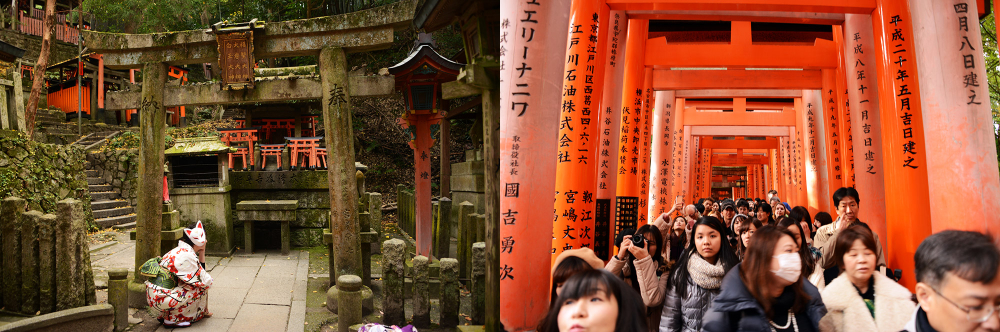
For more than a thousand years, Kyoto served as Japan’s imperial capital, and today it remains one of the country’s most important cultural and historical centers. Unlike the towering skyscrapers and neon-lit districts of Japan’s largest cities, Kyoto is particularly celebrated for its ancient temples, traditional wooden architecture, landscaped gardens, and historic neighborhoods.
Among its most famous landmarks are Fushimi Inari Taisha, known for its thousands of vermilion torii gates, and Kiyomizu-dera, a historic Buddhist temple overlooking the city. The districts of Gion and Higashiyama preserve elements of traditional Japanese architecture and culture, while the surrounding mountains and forests provide a beautiful natural setting. With its remarkable concentration of temples, shrines, and cultural landmarks, Kyoto offers an especially vivid introduction to Japan’s history and traditions.
Explore Osaka
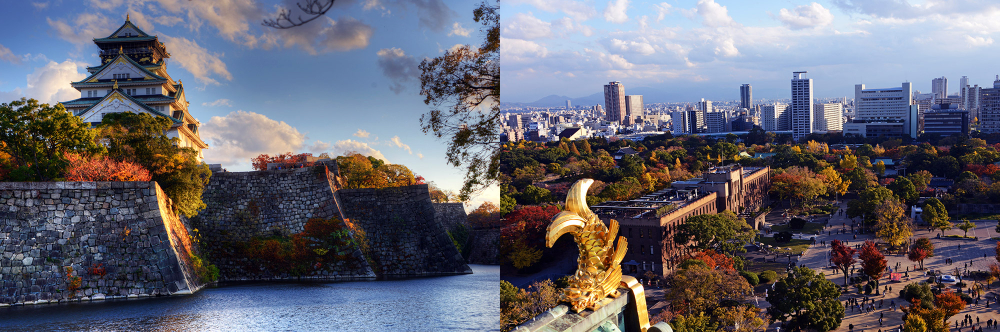
Osaka is one of Japan’s largest cities and has a noticeably different atmosphere from nearby Kyoto. Known for its lively entertainment districts, bustling commercial streets, and celebrated food culture, Osaka offers a particularly energetic side of urban Japan.
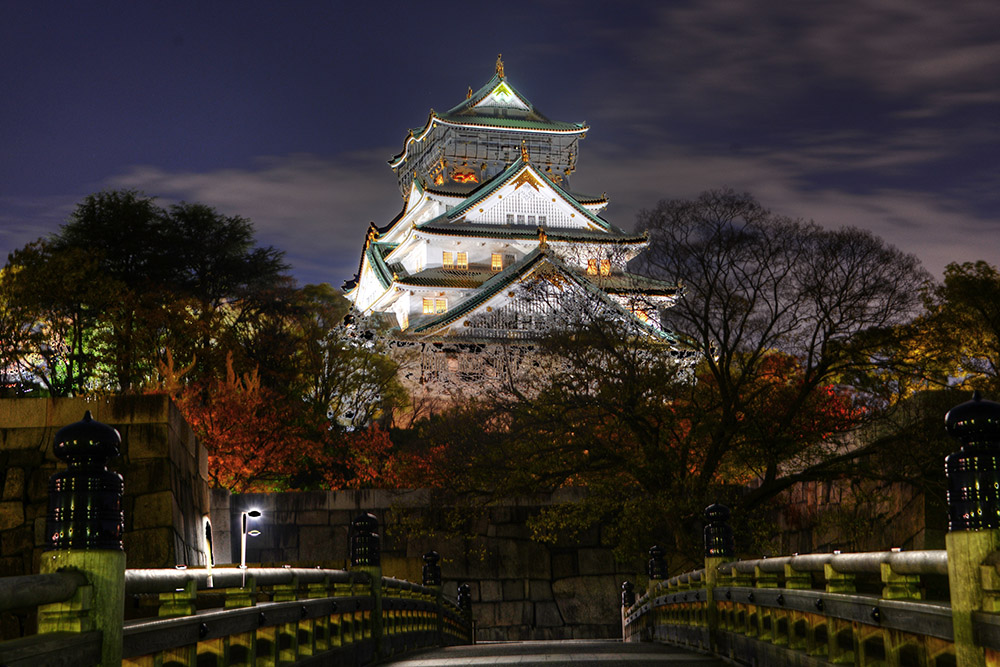
The Dotonbori district is among the city’s most recognizable attractions, famous for its illuminated signs, crowded streets, canals, and countless places serving local specialties such as takoyaki and okonomiyaki. Beyond its modern entertainment areas, Osaka also has a long history as a commercial and political center. Osaka Castle, originally constructed in the late 16th century and later reconstructed, remains one of the city’s most prominent landmarks. Together, its historic sites and vibrant neighborhoods make Osaka a distinctive destination within the Kansai region.
Explore Tokyo
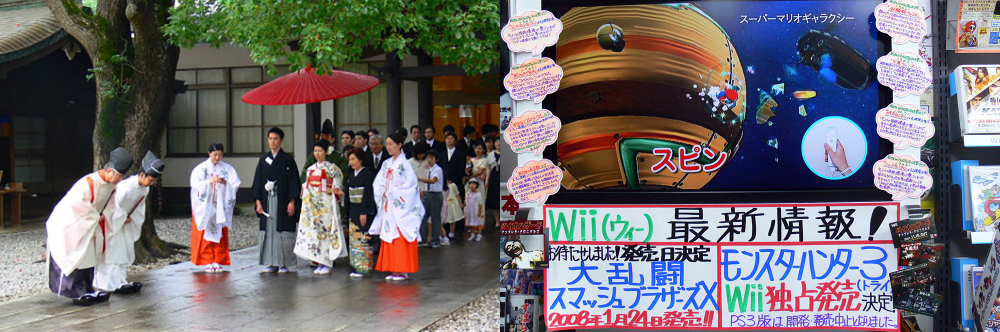
Tokyo is Japan’s capital and the center of one of the world’s largest metropolitan areas. Its seemingly endless urban landscape contains everything from towering skyscrapers and futuristic shopping districts to quiet residential neighborhoods, traditional temples, and peaceful gardens.
Districts such as Shinjuku and Shibuya are famous for their bright lights, crowded intersections, nightlife, and commercial activity, while areas like Asakusa preserve an older atmosphere around historic sites such as Senso-ji Temple. The grounds surrounding the Imperial Palace, the expansive greenery of major parks, and the city’s many smaller shrines provide quieter spaces amid the urban development. Tokyo’s extraordinary scale and diversity mean that exploring different neighborhoods can feel almost like visiting entirely separate cities.
Explore Mount Fuji
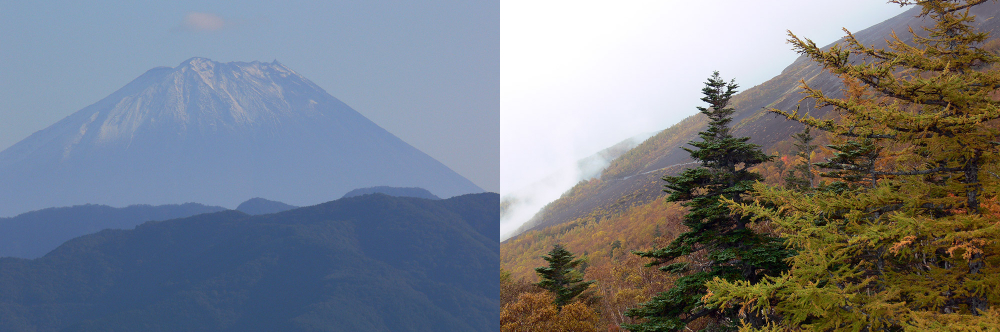
Mount Fuji is Japan’s highest mountain, rising to 3,776 meters (12,389 feet), and one of the country’s most recognizable natural landmarks. Its remarkably symmetrical volcanic cone has inspired Japanese art, literature, and religious traditions for centuries, making it both a symbol of the country and an important cultural site.
Located west of Tokyo, Mount Fuji rises above a landscape of forests, lakes, and smaller communities. The Fuji Five Lakes region offers particularly impressive views of the mountain, while the surrounding area provides opportunities for hiking and exploring Japan’s volcanic scenery. During the official summer climbing season, thousands of people attempt to reach the summit, where clear conditions can reveal sweeping views across central Japan. Mount Fuji provides a striking contrast to the country’s enormous cities and demonstrates the importance of mountains and natural landscapes in Japanese culture.
More East Asia
Explore South Korea
Explore North Korea
Explore China