Big Bend National Park is a place I’d always wanted to visit, but it’s such a remote and difficult destination to reach that it seemed like I’d never actually make it here. Big Bend isn’t close to any major city, and even the nearest major airports leave you with a long drive. I came from Austin, Texas, and it still took me about eight hours of driving and roughly 500 miles (800 kilometers) to get there.
Located along the Rio Grande, Big Bend forms part of the border between the United States and Mexico and protects an incredible range of environments. You can hike through high-elevation forests in the Chisos Mountains where black bears and mountain lions live, then descend into the Chihuahuan Desert where you’ll find rattlesnakes, kangaroo rats, cacti, and extreme heat. That dramatic change in elevation and habitat is one of the things that makes Big Bend such an incredible national park.
Horseback Riding in Big Bend
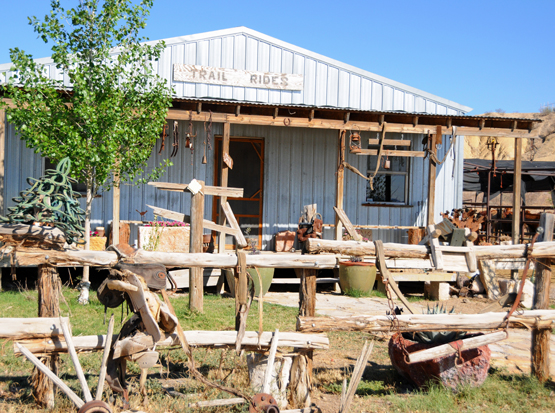
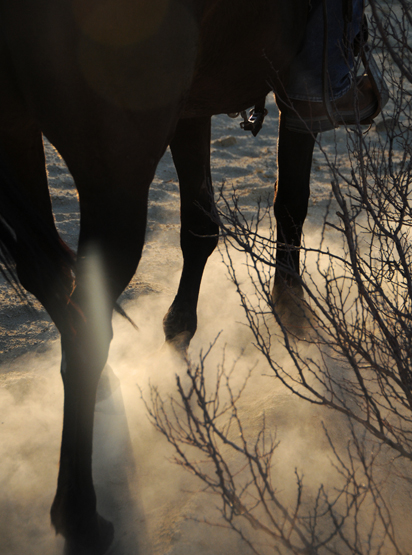
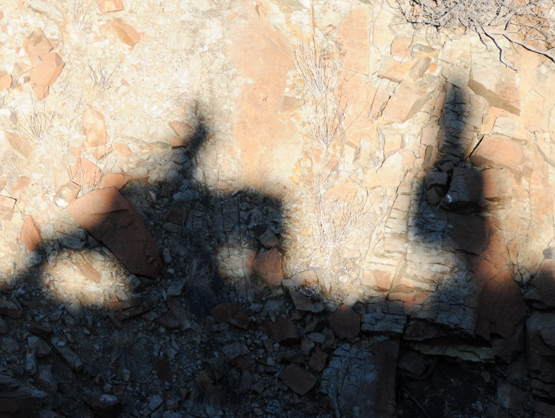
One of the first things I did after arriving in Big Bend was go horseback riding. We rode through the desert and climbed a small but surprisingly steep mountain covered with prickly cacti. The horses occasionally slipped and stumbled on the steep terrain, but we safely made our way back down through the desert as the sun was setting.
Desert Plants and Landscapes
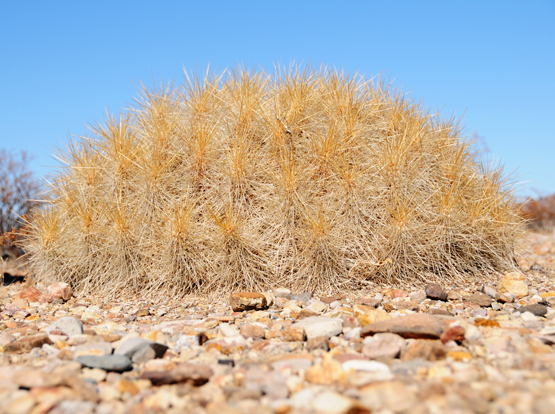
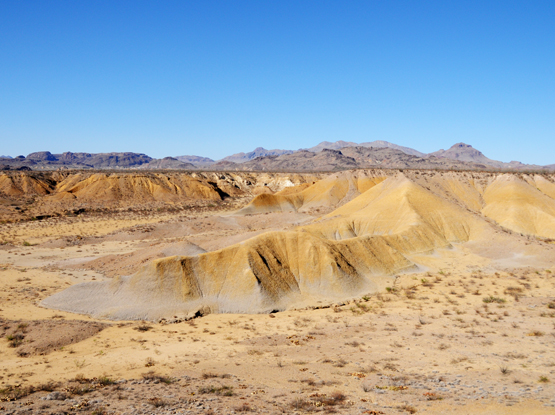
The horseback ride only lasted a few hours in the evening. Other than that, I spent most of my time either driving or hiking through Big Bend. The desert supports an impressive variety of plants adapted to surviving the extreme heat and lack of rainfall.
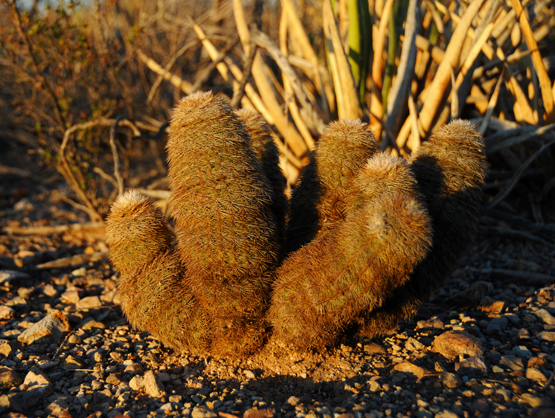
Above is one species of cactus that almost looks fluffy, although I wasn’t about to stick my hand into it to find out. The desert is also filled with washes and canyons carved by occasional flash floods. During my visit, a local told me the area had gone an exceptionally long time without significant rain.
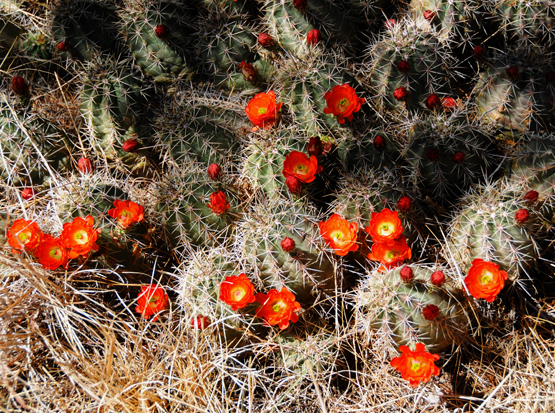
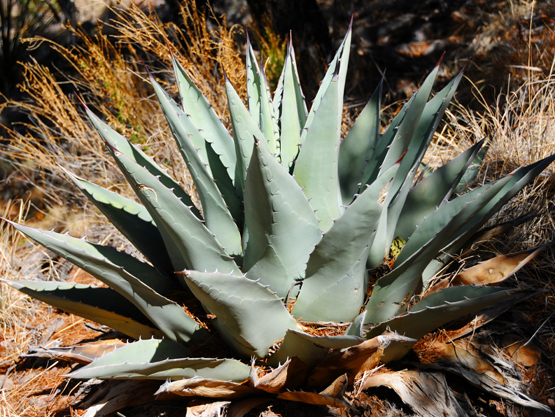
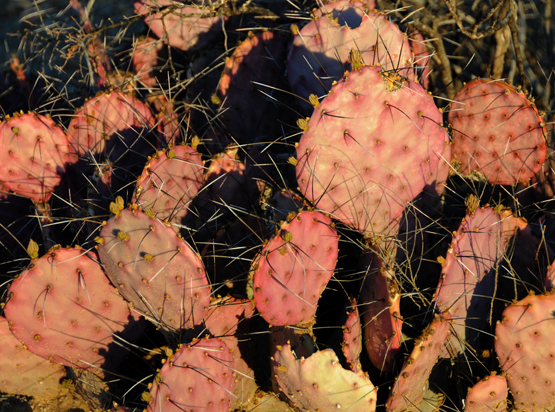
Three desert plants I could identify were the agave above, the purple prickly pear on the right, and the ocotillo shown below. Prickly pear cacti produce edible fruit, while the ocotillo isn’t actually a cactus at all. It’s a distinctive desert plant of the southwestern United States and northern Mexico, famous for the bright red flowers that grow from the ends of its long stems.
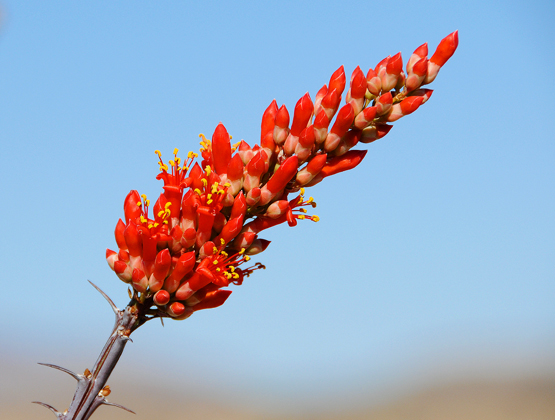
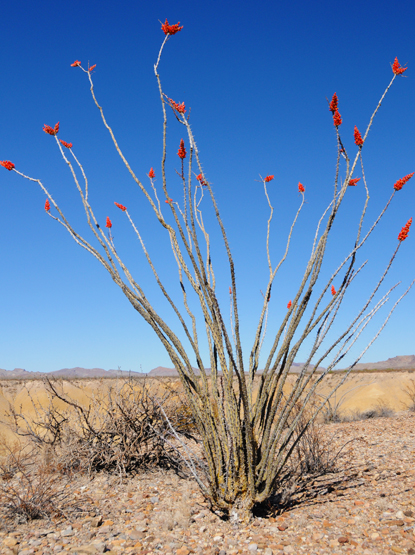
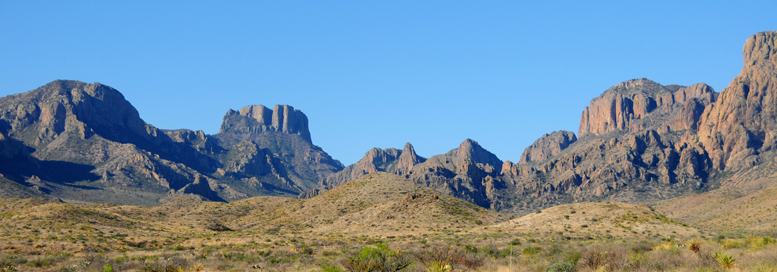
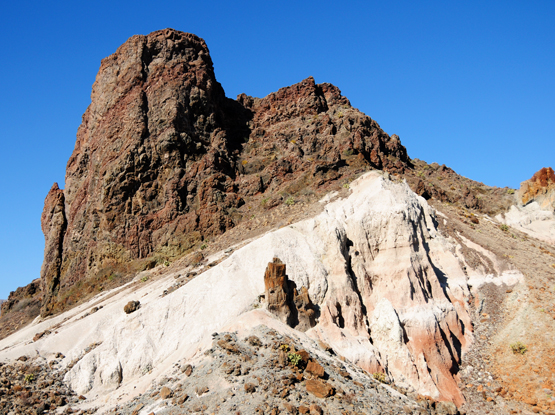
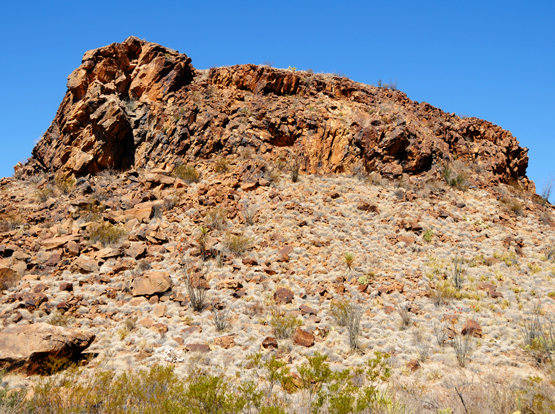
Even if you’re not interested in the smaller plants and cacti, the desert scenery alone makes Big Bend worth visiting. I arrived with relatively few expectations and was surprised by the towering desert mountains, enormous open spaces, and rock formations that seemed to change color as the sun moved across the sky.
The Rio Grande
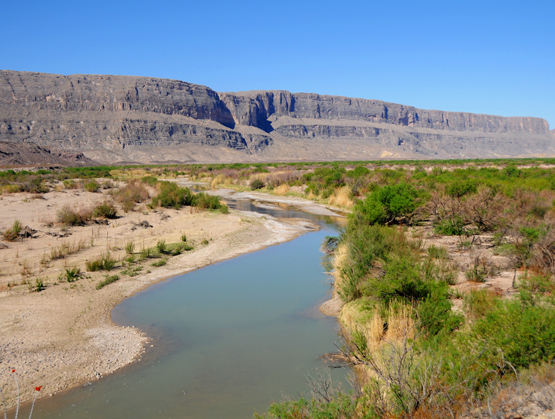
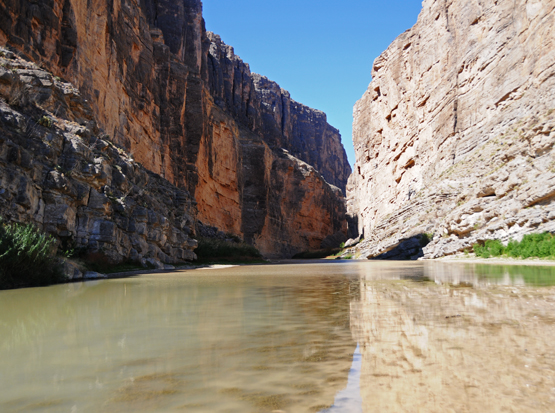
I descended from my campsite in the mountains all the way down to one of Big Bend’s defining features, the Rio Grande. The river might not look particularly large in some places, but in this extremely dry landscape its importance becomes obvious. The Rio Grande provides a reliable source of water for wildlife and vegetation while also forming part of the international boundary between the United States and Mexico.
In these photos, Mexico is on one side of the river and the United States is on the other. The river was extremely shallow during my visit, demonstrating just how dramatically its water level can change. Temperatures at the lower elevations were also dramatically hotter than they had been in the mountains.
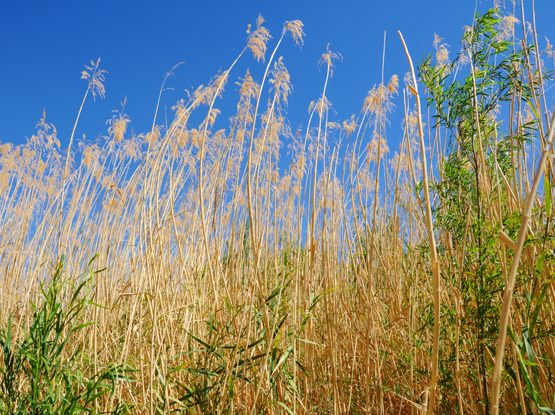
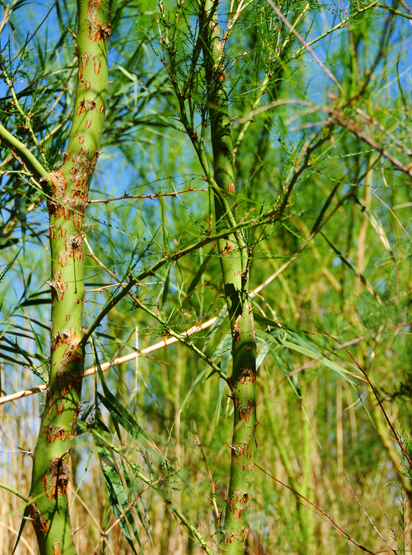
Where there is water there is life, and the difference along the Rio Grande was immediately noticeable. Cattails, green vegetation, and even tall trees grew along parts of the river. I stopped here for a picnic, and although it was hot in the direct sun, the shade beneath the trees made it surprisingly comfortable.
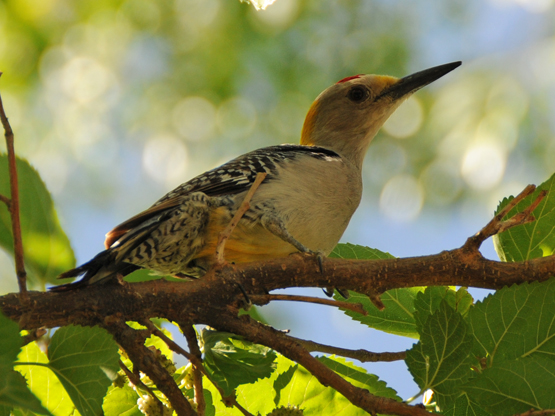
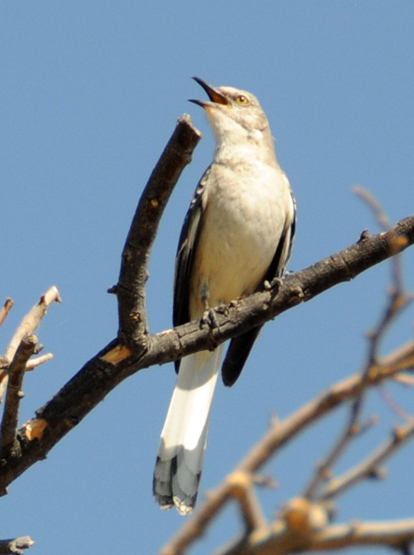
The Rio Grande is also an excellent place for birdwatching. The two photos below were taken along the river.
Wildlife in Big Bend
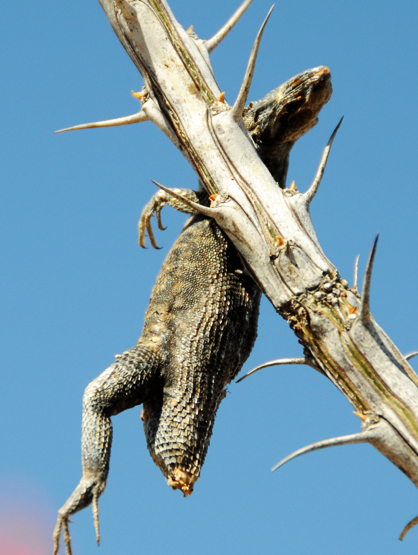
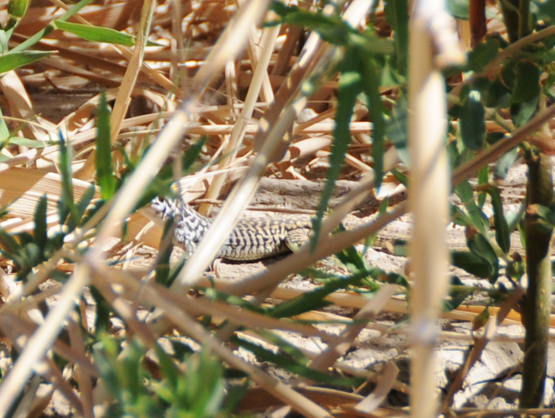
While hiking around the cattails, I heard movement in the vegetation and managed to photograph the lizard on the right as it scurried away. I found the other lizard already caught among the thorny vegetation. My guess was that a bird may have picked it up and dropped it there.
I managed to avoid stepping directly on a cactus during the trip, but at one point I accidentally kicked one and had a spine go straight through my shoe and into my foot. Removing it later wasn’t particularly enjoyable.
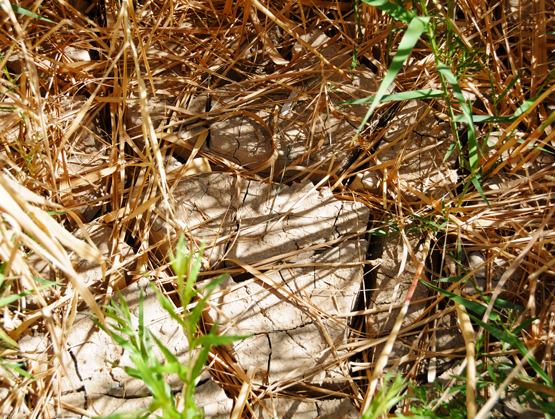
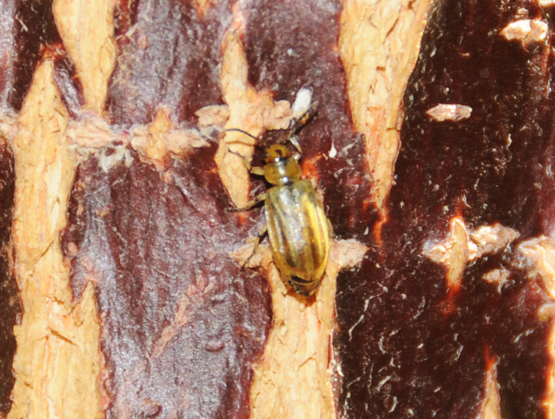
The cracked mud along the river showed how much the water level had fallen. Some areas had remained exposed long enough for vegetation to begin growing across the former riverbed. On the right is one of the insects I found while exploring along the Rio Grande.
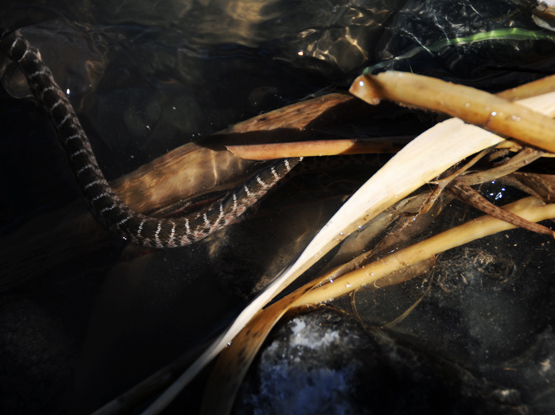
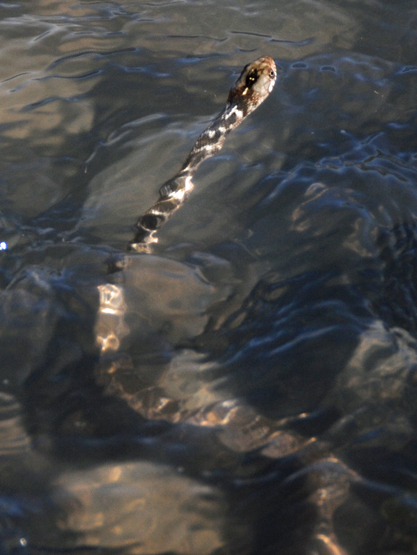
While moving some rocks near the Rio Grande, I came across this small water snake hiding underneath one of them. As soon as I lifted the rock, the snake dove into the river and quickly swam away.
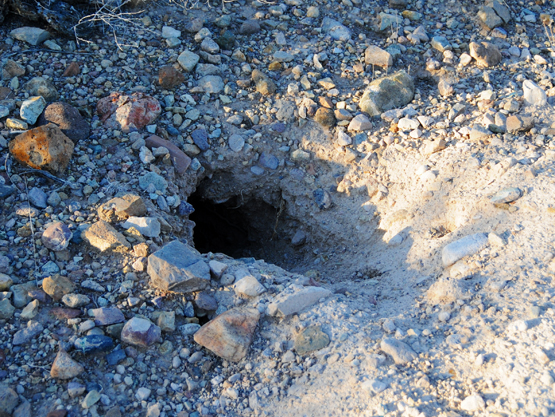
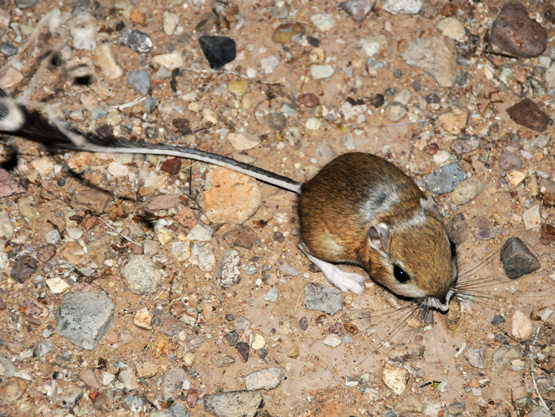
One of the most interesting animals I saw in Big Bend was a kangaroo rat. The photo on the left shows what I believed to be a burrow, while the photo on the right was taken at night when one ran through my campsite.
Kangaroo rats are remarkably adapted to desert environments. They can survive without drinking free-standing water, obtaining the moisture they need from their food while conserving water extremely efficiently.
Chisos Basin
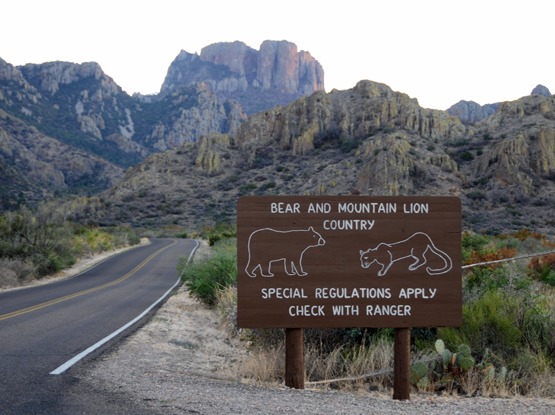
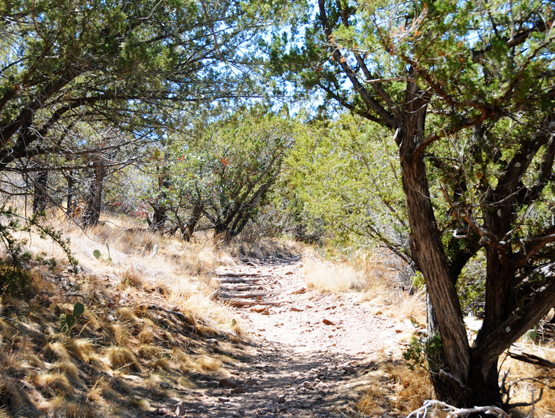
On my last day in Big Bend, I headed into the Chisos Basin to go hiking. The difference from the lower desert was dramatic. The higher elevation brought cooler temperatures and much more vegetation, including trees that I hadn’t expected to find in the middle of Big Bend.
The Chisos Mountains also provide habitat for black bears and mountain lions. Above is one of the wildlife warning signs I passed before starting my hike toward Emory Peak, the highest point in the Chisos Mountains.
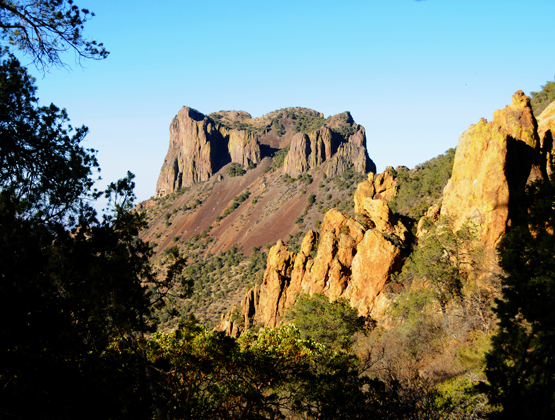
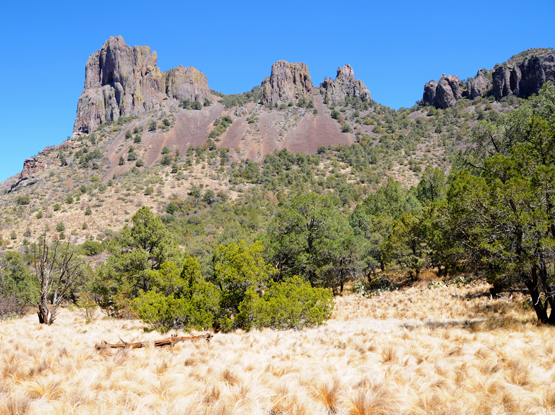
Almost immediately after starting the hike, the scenery became spectacular. I was hiking in the late afternoon, which brought out colors in the mountains that would have been much harsher under the midday sun. The hike toward Emory Peak gains roughly 2,400 feet of elevation, so the vegetation changes noticeably along the way.
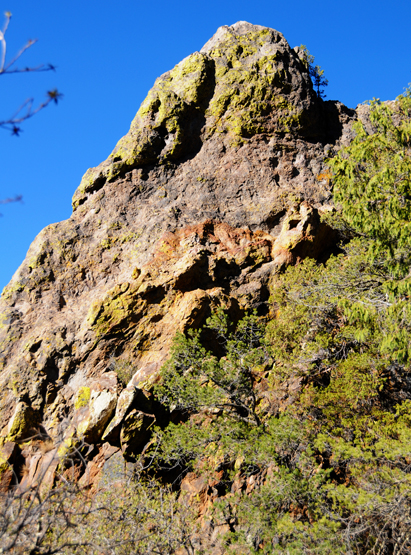
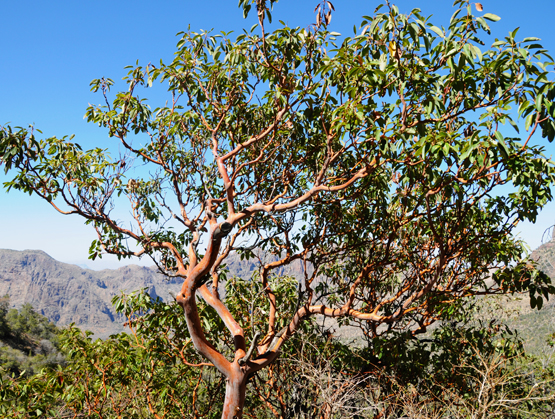
The colors of both the rocks and vegetation were impressive. On the left is colorful growth covering the rock in shades of yellow and green. The photograph on the right didn’t capture it especially well, but the tree itself had a striking dark-red appearance.
Hiking Emory Peak
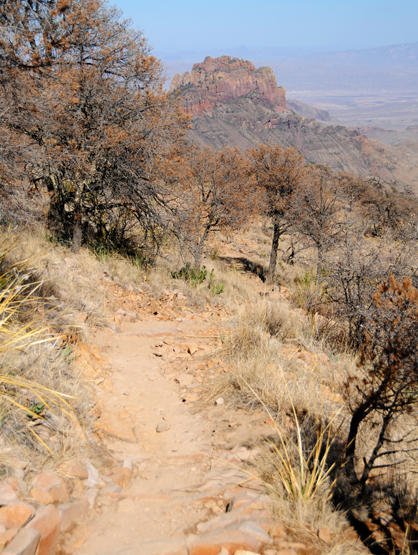
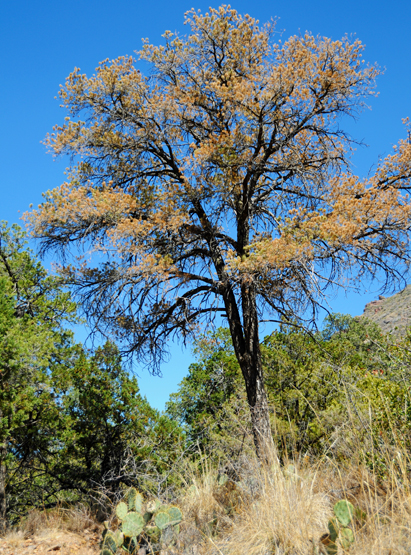
As I climbed higher, the landscape repeatedly shifted between taller trees, dry shrubs, and more heavily wooded sections. After about three hours from the trailhead, I reached the summit area of Emory Peak at 7,825 feet (2,385 meters), the highest point in the Chisos Mountains.
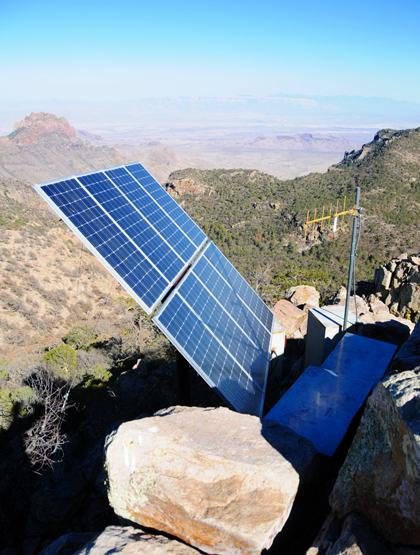
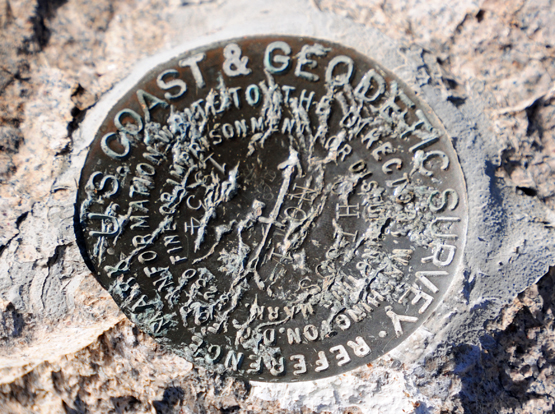
Near the summit I found survey markers and solar-powered equipment. I wasn’t sure exactly what the equipment was monitoring, but seeing it in such a remote location was interesting.
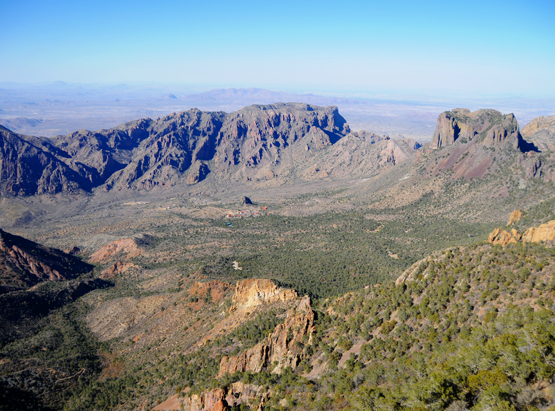
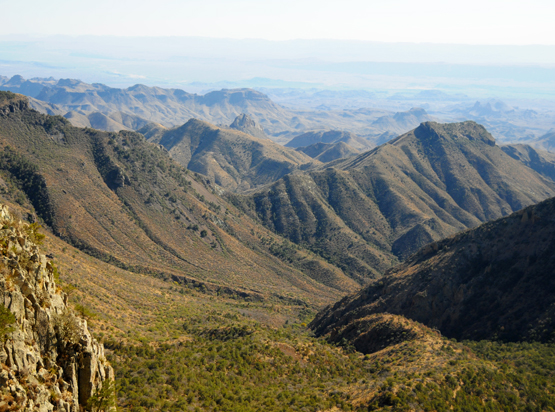
From the summit of Emory Peak, I could look across the Chisos Basin and seemingly endless miles of wilderness. I think this is easily one of the most impressive views in Texas. Looking in the opposite direction, the forested mountain slopes eventually give way once again to the hot desert below.
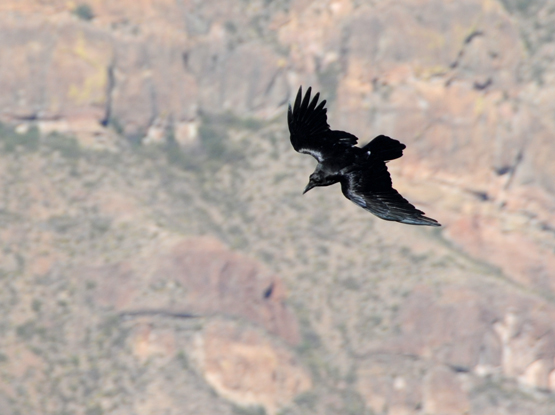
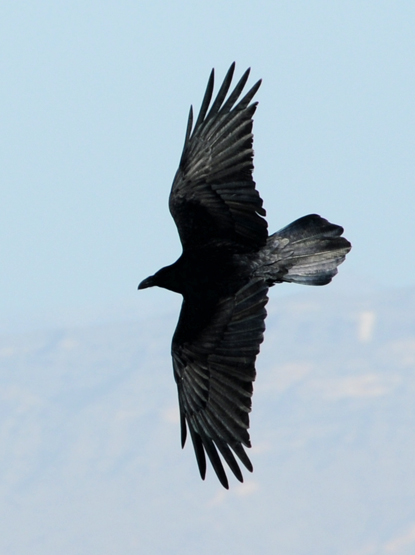
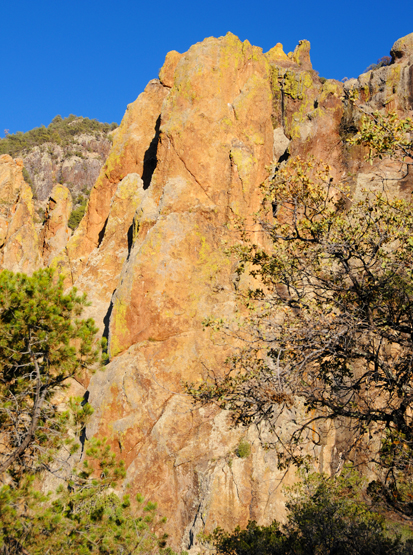
On the descent from Emory Peak, I saw numerous black birds circling around the mountains and once again caught some incredible colors as the sun began to set.
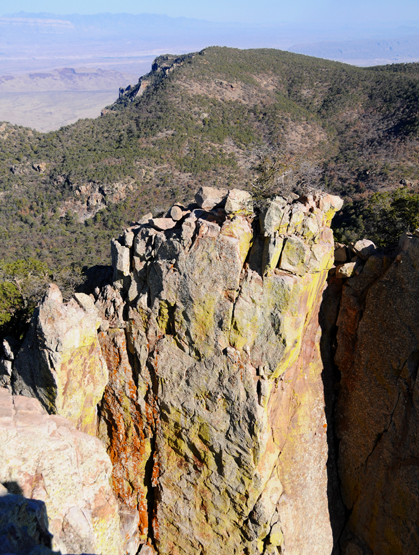
The final section to the summit involved a short scramble where I needed to use both my hands and feet. It only lasted a few minutes and wasn’t especially difficult, but the summit itself dropped steeply away on several sides.
Big Bend ended up being far more impressive than I expected. In a single trip I went from scorching desert and the banks of the Rio Grande to forests, wildlife, and the summit of the highest mountain in the Chisos range. The long drive to reach this remote corner of Texas was absolutely worth it.
Explore More of Texas
Guadaloupe Peak • Austin • Big Bend • Dallas • El Paso • Fort Worth • Houston • San Antonio