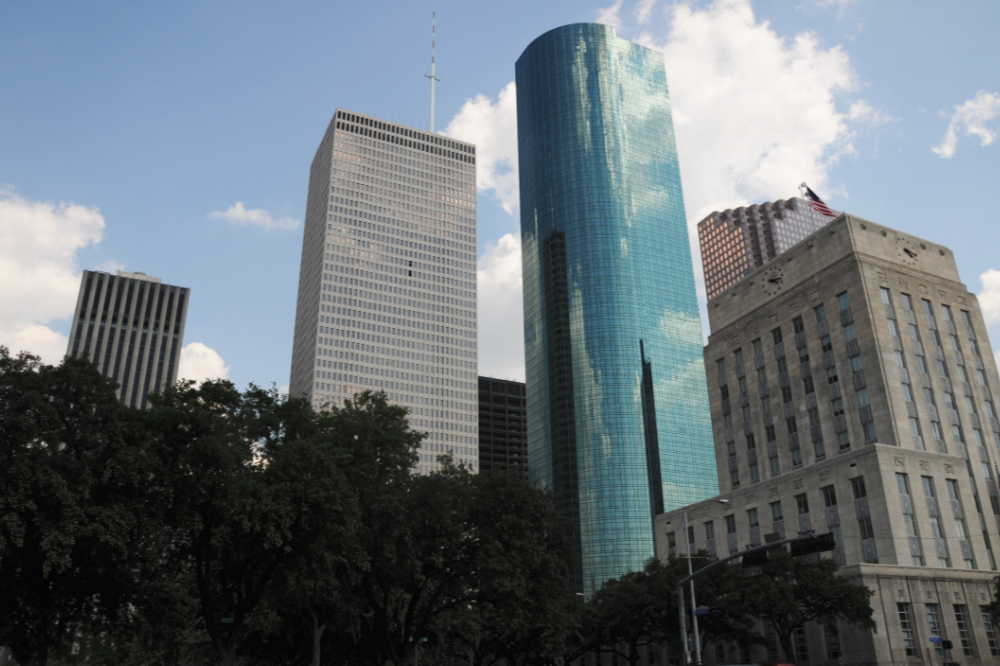
Another Texas giant is Houston, located in the southeastern part of the state. I’ve kind of visited Houston twice. The first time was mostly to see a friend, so I spent very little time doing traditional sightseeing. On my second visit, I made NASA’s Johnson Space Center a priority, but somehow still didn’t spend much time exploring the city itself.
That’s a shame because Houston is one of the largest cities in the United States and has an enormous variety of neighborhoods, restaurants, museums, and other attractions. When I return, I’d like to spend more time exploring the different downtown districts and finally see some of the city’s unusual underground pedestrian tunnels that connect office buildings beneath the streets.
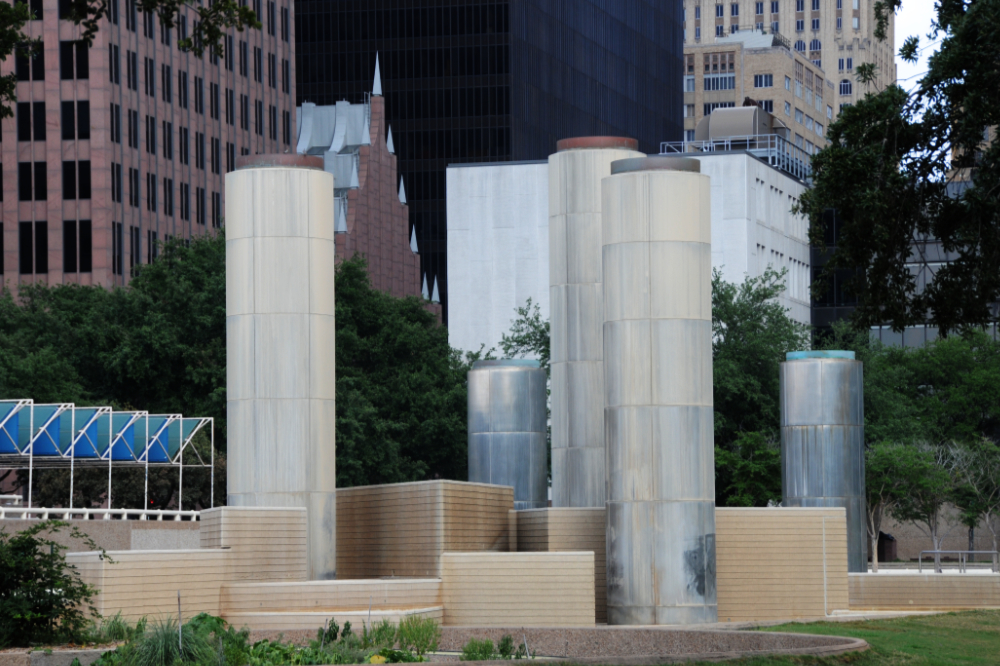
Houston’s downtown combines an impressive collection of skyscrapers with parks and public spaces. Although the city is often associated with the oil industry, it is also a major center for medicine, international business, aerospace, and culture. The Houston metropolitan area stretches across a vast portion of southeastern Texas, making it difficult to appreciate the scale of the city during a short visit.
San Jacinto Battleground
East of Houston is one of the most important places in Texas history: the San Jacinto Battleground. The Battle of the Alamo had ended in a devastating defeat for the Texian forces only weeks earlier, but on April 21, 1836, Sam Houston’s army attacked Mexican forces commanded by General Antonio López de Santa Anna at San Jacinto.
The decisive fighting lasted approximately 18 minutes and ended in a Texian victory. Santa Anna was captured the following day, and the battle effectively secured Texas independence from Mexico, although Mexico did not formally recognize that independence at the time. The Republic of Texas subsequently existed as an independent country until joining the United States in 1845.
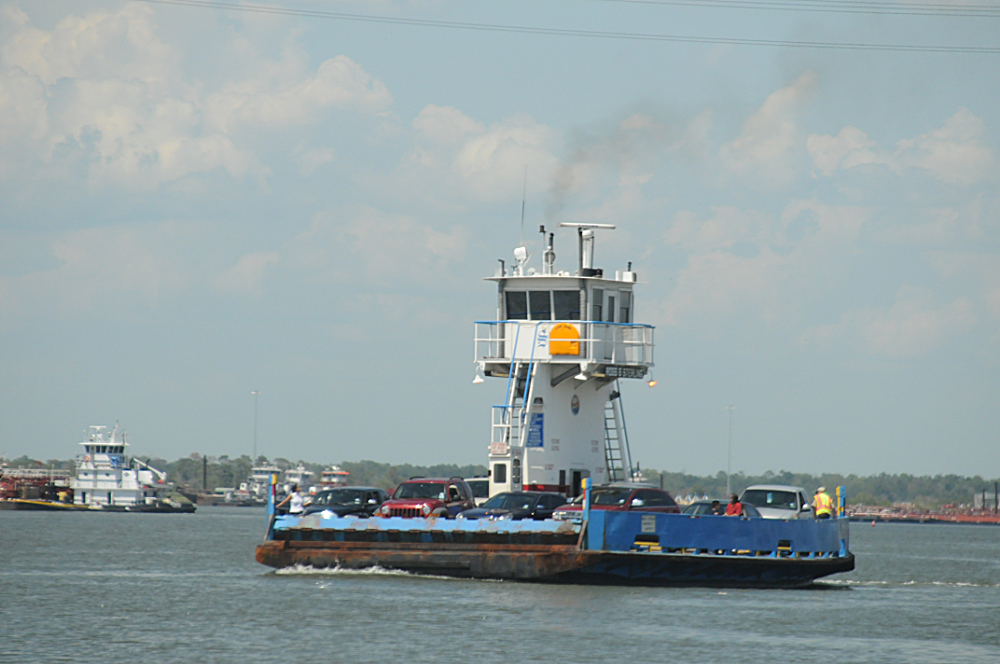
Depending on the direction you’re coming from, one way to reach the historic area is the Lynchburg Ferry, which crosses the Houston Ship Channel near the battlefield. The ferry provides a convenient connection between the communities on opposite sides of the waterway and has a history stretching back to the nineteenth century.
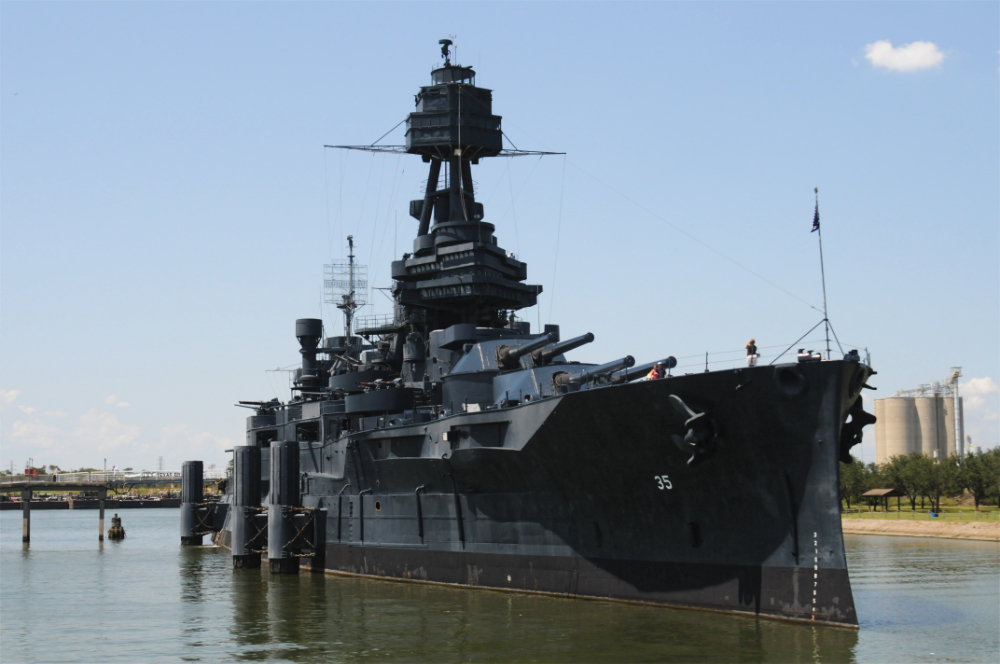
When I visited, Battleship Texas was moored beside the historic site. Commissioned in 1914, the battleship served during both World War I and World War II, including operations in the Atlantic and Pacific. It is the only surviving battleship to have served in both world wars and is an important reminder of the development of naval warfare during the first half of the twentieth century.
For decades, the ship was a major attraction at San Jacinto. However, it was moved to Galveston in 2022 for an extensive restoration project. My photograph therefore shows Battleship Texas at its former longtime location rather than its present location.
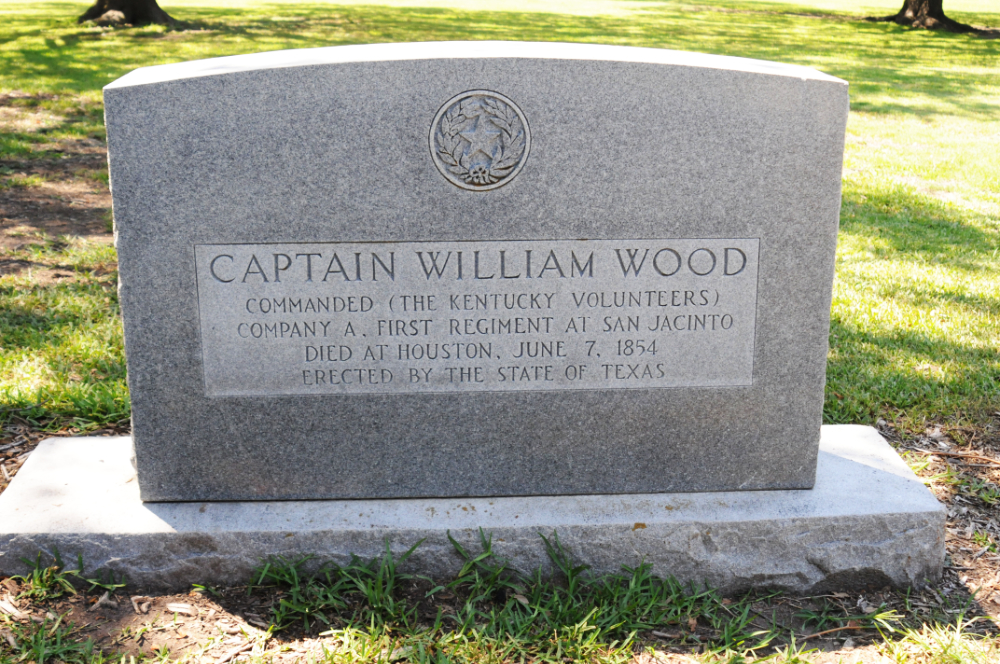
The battleground preserves monuments, historic markers, and graves associated with the Texas Revolution. Walking around the site provides a much better understanding of the events that took place here and the importance of the battle in Texas history.
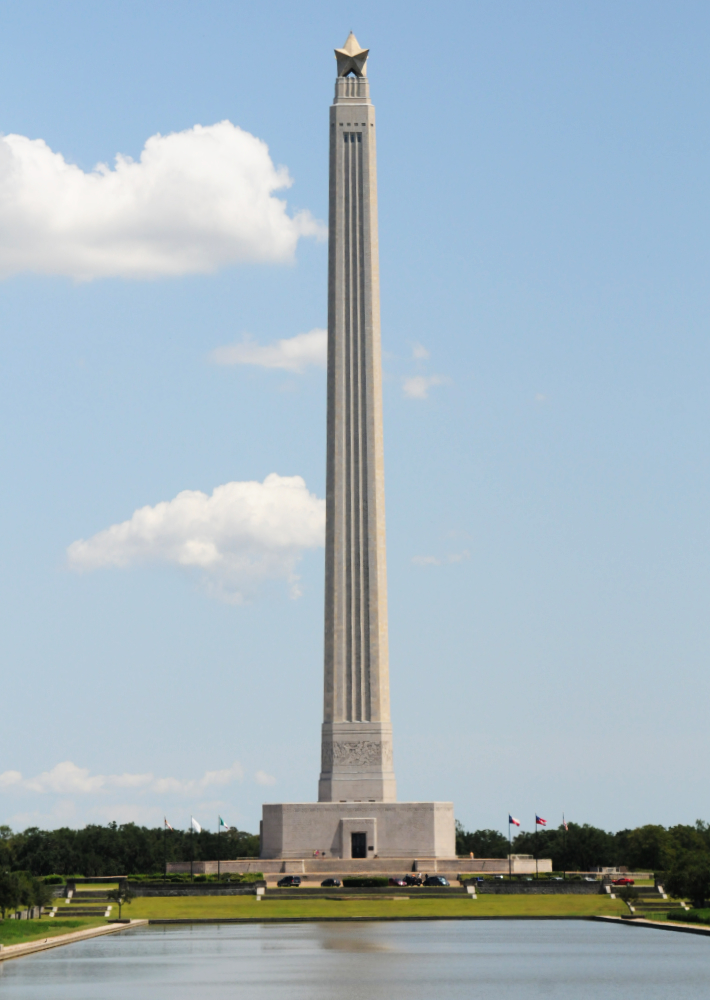
The enormous San Jacinto Monument dominates the battlefield, rising approximately 567 feet (173 meters) above its base. Completed in 1939, the monument commemorates the Battle of San Jacinto and the people who fought for Texas independence. Its towering shaft is crowned by a large star, symbolizing the Lone Star State. It’s difficult to appreciate the monument’s scale until you’re standing beside it.
NASA Johnson Space Center
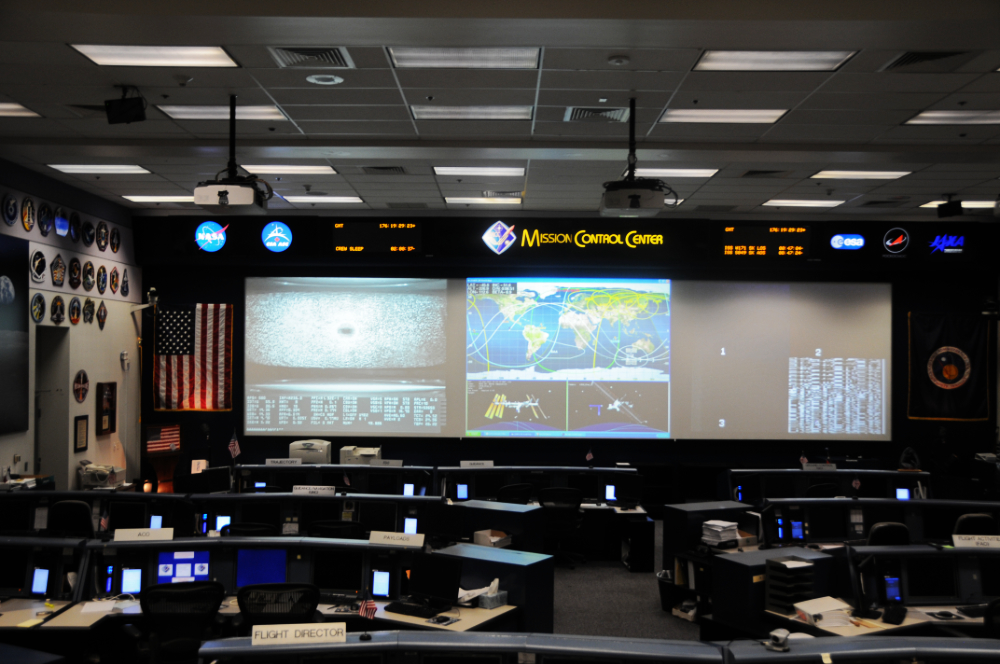
A place I couldn’t believe I missed on my first trip to Houston was NASA’s Johnson Space Center. When I returned, I made visiting a priority, and it was easily one of the highlights of the area.
Located in the Clear Lake area southeast of downtown Houston, Johnson Space Center has been central to America’s human spaceflight program since the early 1960s. It is home to NASA’s astronaut corps, major training facilities, and Mission Control, which has supported human space missions for decades. Space Center Houston, the official visitor center, offers exhibits and tours introducing visitors to this history.
One of the most famous rooms is the historic Apollo Mission Control Center, where flight controllers monitored the Apollo missions, including the first Moon landing in 1969. During Apollo 13, controllers received the famous message that popular culture often quotes as “Houston, we have a problem.” The actual initial transmission from astronaut Jack Swigert was, “Okay, Houston, we’ve had a problem here.”
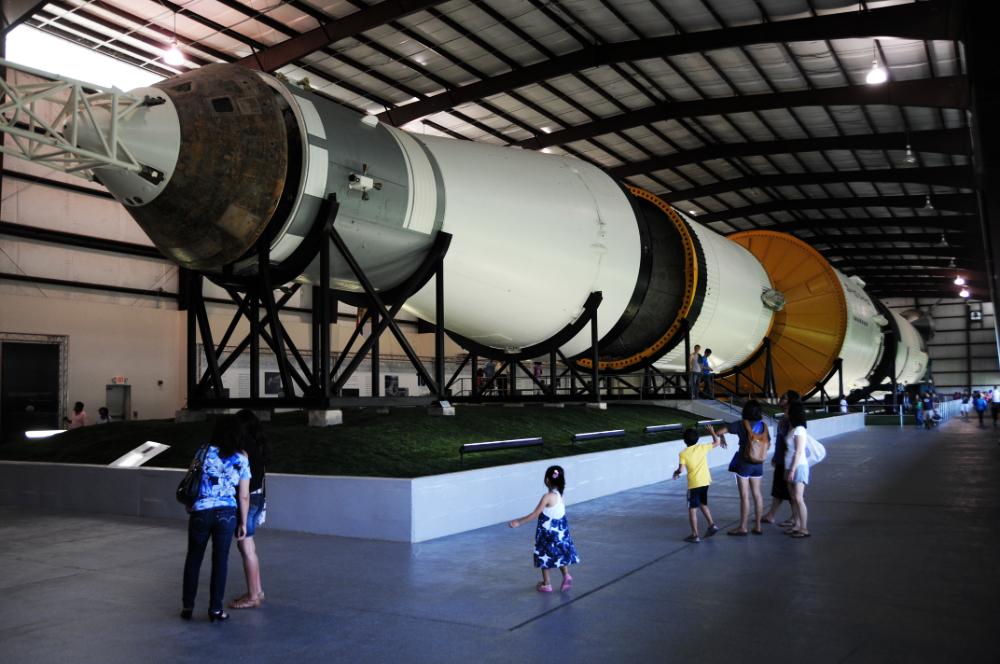
Another incredible piece of space history is the Saturn V rocket displayed at the center’s Rocket Park. Developed for NASA’s Apollo program, the Saturn V remains the tallest, heaviest, and most powerful rocket ever brought into operational service. It stood approximately 363 feet (111 meters) tall and was used to launch astronauts toward the Moon.
The rocket on display at Johnson Space Center is one of the few remaining Saturn V vehicles. Seeing it in person gives visitors an entirely different appreciation of its size and the engineering required to send humans beyond Earth orbit.
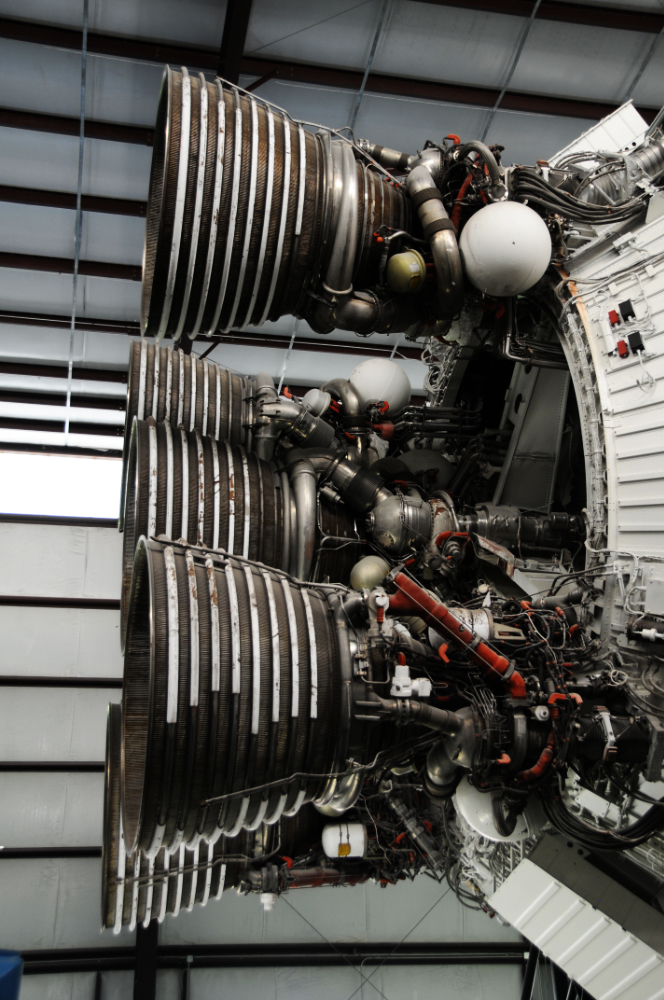
The engines were probably the most impressive part of the Saturn V for me. The first stage used five enormous F-1 rocket engines, which together generated approximately 7.5 million pounds of thrust at liftoff. Looking directly at the engines gives you a much better sense of how much power was required to lift such an enormous vehicle off the ground.
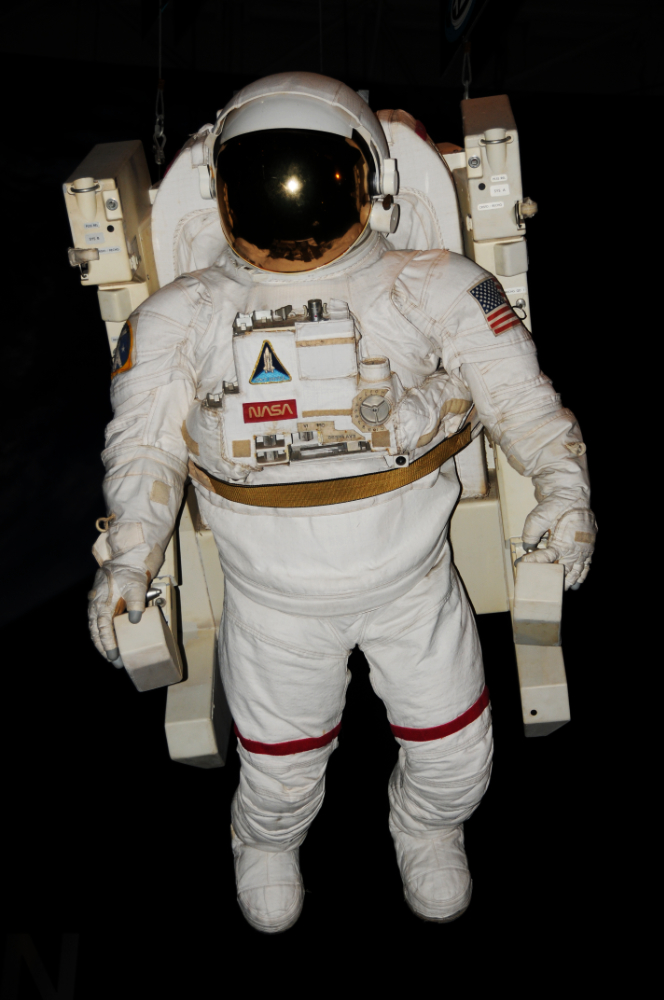
The visitor center also contains astronaut spacesuits and equipment illustrating the challenges of living and working in space. Spacesuits are essentially miniature spacecraft, providing oxygen, temperature regulation, pressure protection, and other life-support systems that astronauts need when working outside their spacecraft.
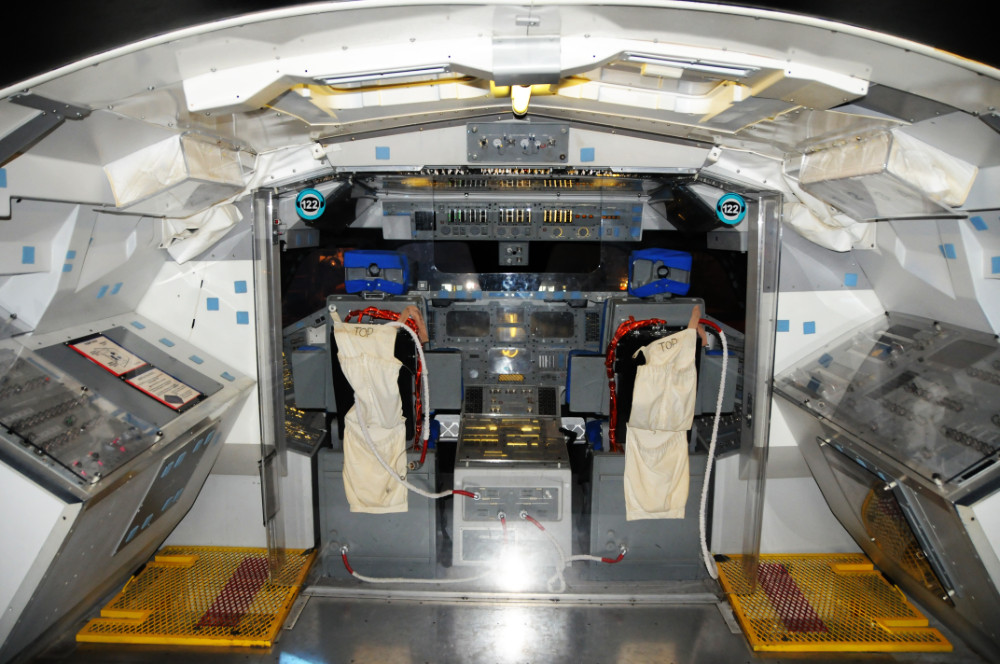
Another exhibit offered a closer look at the complex controls and equipment associated with human spaceflight. The sheer number of switches, instruments, and displays demonstrates how demanding spacecraft operations can be. Although modern spacecraft increasingly rely on digital systems, the history of space exploration includes decades of remarkable engineering using the technology available at the time.
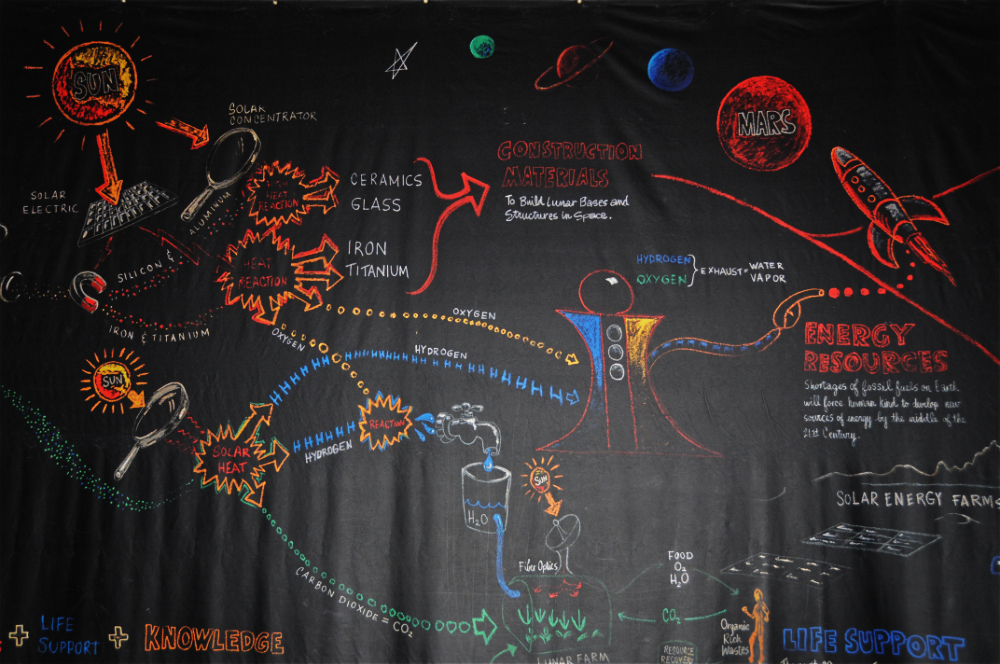
Space exploration has produced scientific discoveries and technological advances extending well beyond the space program itself. The Apollo missions dramatically expanded our understanding of the Moon, while the broader demands of human spaceflight encouraged advances in materials, computing, communications, and life-support technology.
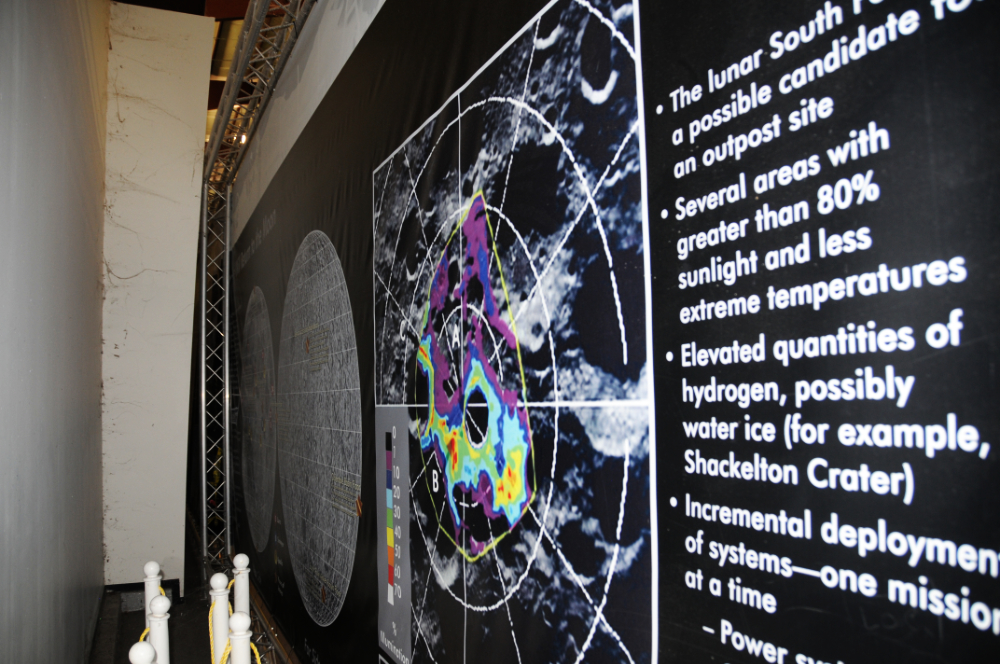
Other exhibits explore the future of human space exploration, including efforts to return astronauts to the Moon and eventually support more ambitious missions beyond it. NASA’s Artemis program is intended to build on the accomplishments of Apollo while developing capabilities for longer-duration exploration.
The visitor center and tours kept me occupied for hours. Between the historic Mission Control room, the Saturn V rocket, astronaut equipment, and exhibits about the past and future of spaceflight, there was far more to see than I initially expected.
Although I still have plenty of Houston left to explore, visiting Johnson Space Center and the San Jacinto Battleground made the trip worthwhile. The two destinations also offer an interesting contrast: one commemorates the events that shaped Texas in the nineteenth century, while the other celebrates the scientific achievements that helped define the twentieth century and continue into the present.
Explore More of Texas
Guadaloupe Peak • Austin • Big Bend • Dallas • El Paso • Fort Worth • Houston • San Antonio