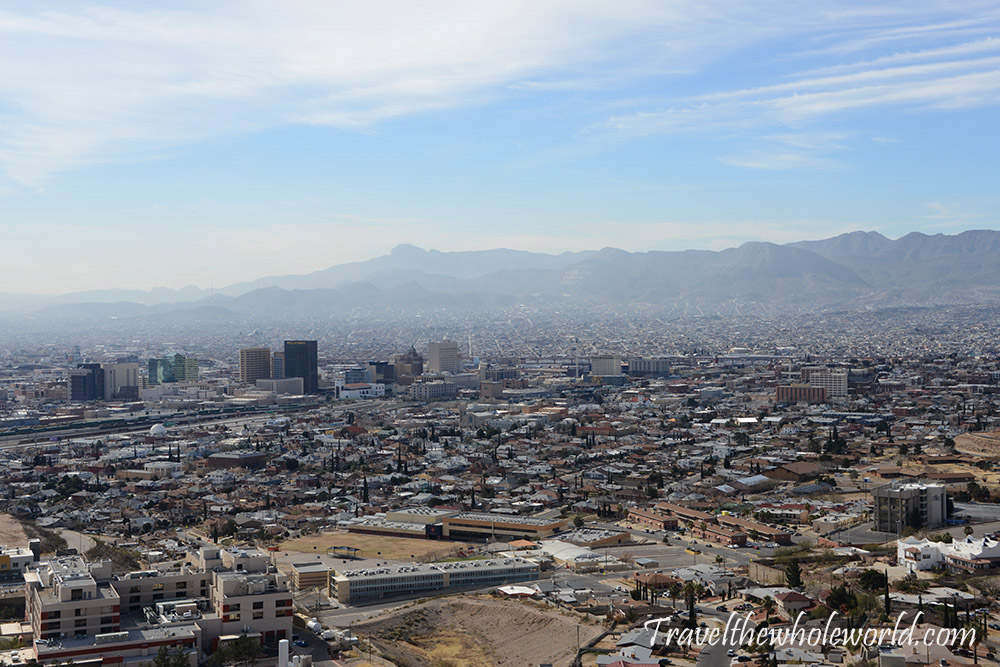
El Paso is one of the most unique cities I’ve visited in the United States. For starters, it’s perhaps the only American city I’ve been to where I regularly heard more Spanish than English while walking around. Most people seemed to speak both, so not knowing Spanish wasn’t a problem, but parts of the city definitely felt different from anywhere else I’d visited in the country. That’s really no surprise, considering the Mexican border and the city of Ciudad Juárez are directly alongside El Paso. If you looked at a satellite image without seeing the international boundary, you might assume El Paso and Juárez were one enormous city. In the photo above, the foreground is El Paso while the buildings in the distance are Juárez, Mexico.
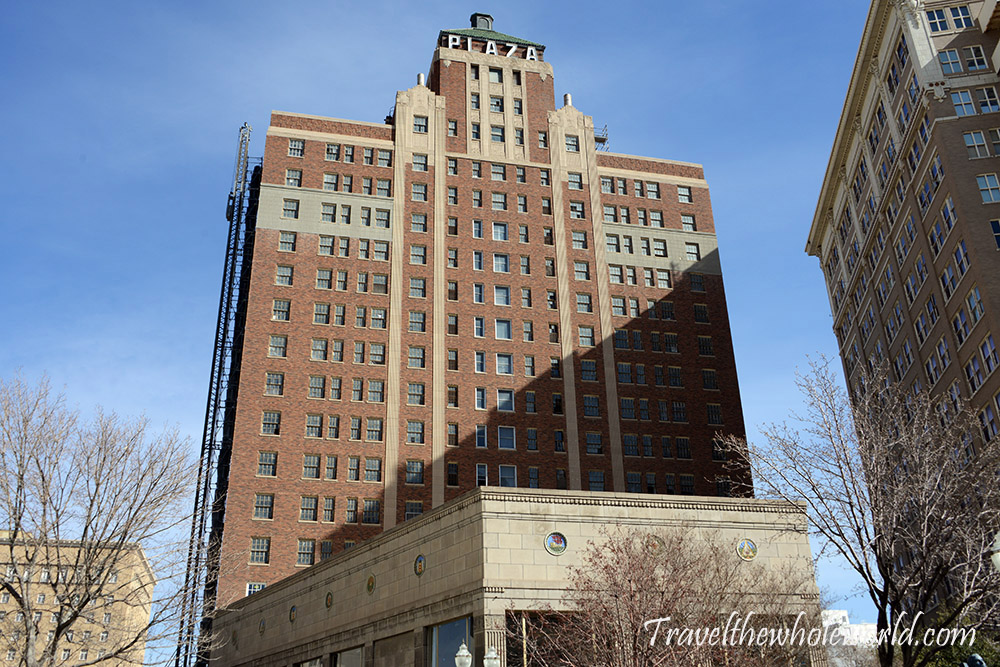
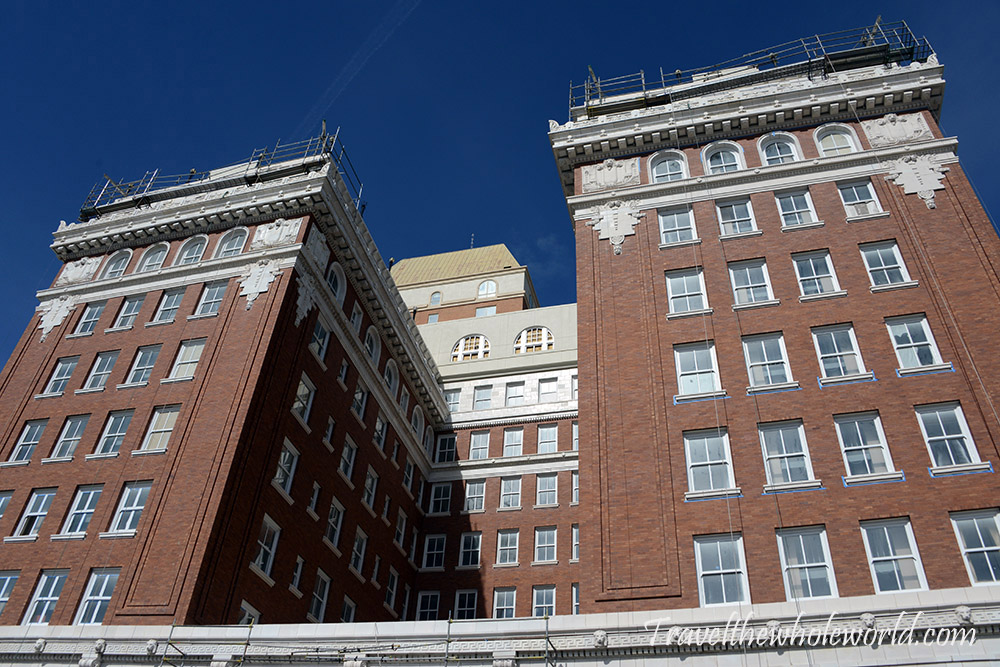
El Paso has a population of nearly 700,000 people, with hundreds of thousands more living throughout the greater metropolitan area. Travel beyond the city and the landscape quickly opens into vast stretches of desert. In many ways, El Paso feels like an oasis in far western Texas, built along the Rio Grande in an otherwise harsh and arid environment. The river helped sustain settlements here for centuries, while modern El Paso has grown into a major city with a surprisingly substantial downtown skyline.
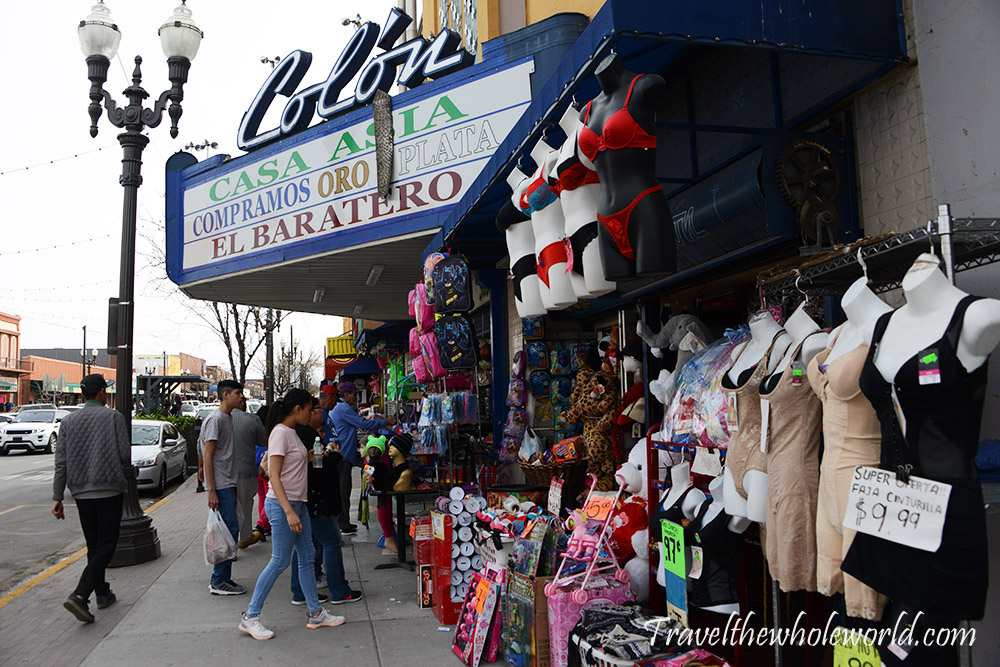
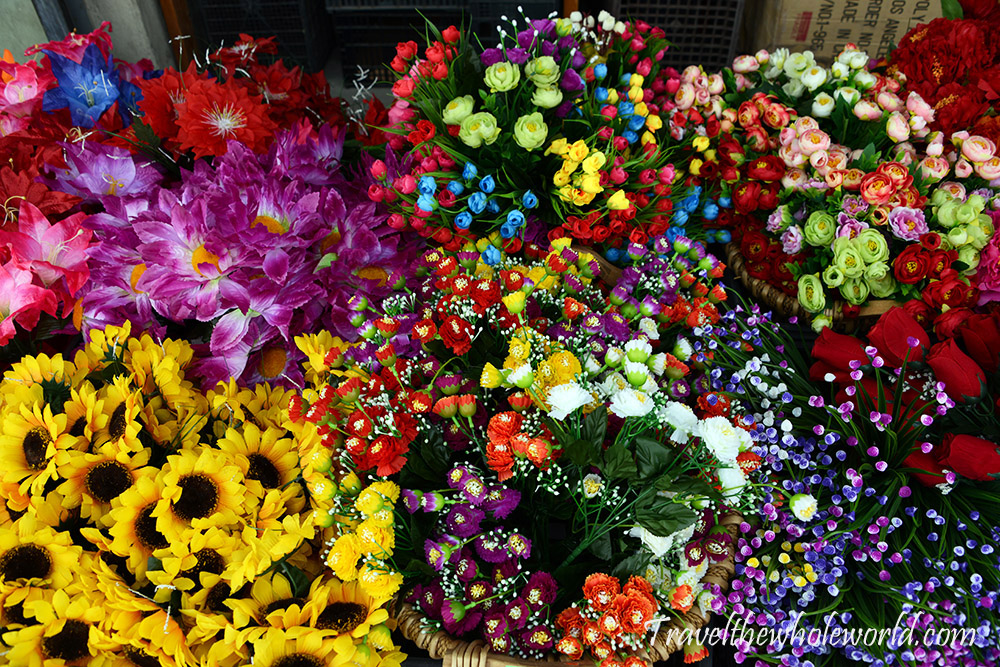
The shopping district near the border has a distinctly Mexican and Latin American feel. What I found most incredible was that this part of El Paso is only about 1,000 feet (300 meters) from Mexico. Walking among the flower shops, clothing stores, and other small businesses, there were moments when I genuinely felt like I was already across the border. I don’t remember hearing much English at all while walking around here, although most people I encountered in El Paso seemed comfortable speaking both languages.
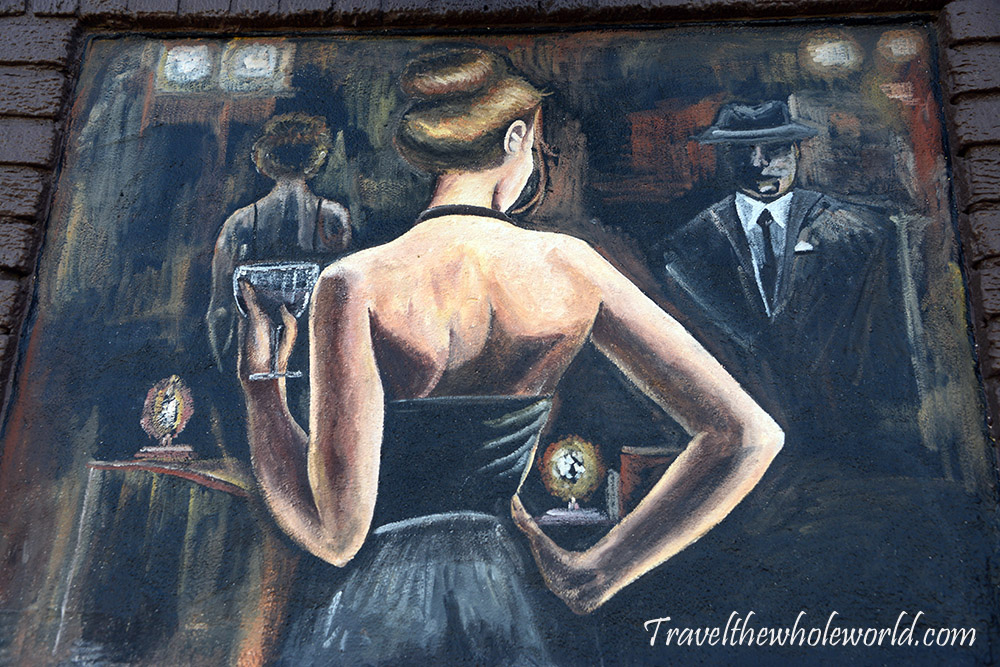
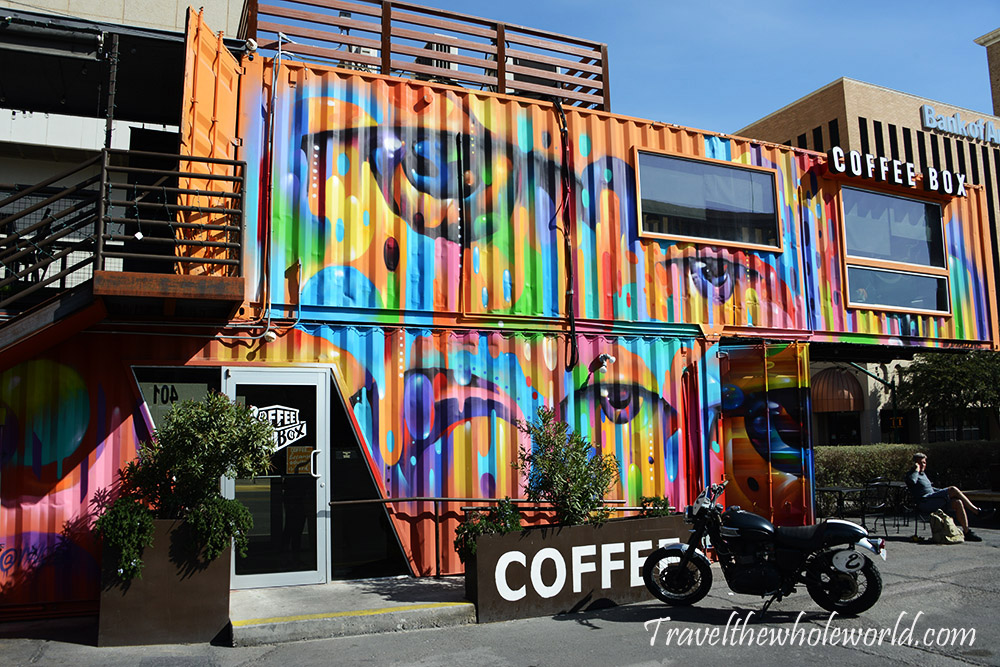
Some parts of El Paso have a strong Mexican influence, while others feel much more like a typical American city. An old-fashioned restaurant and bar had these murals painted on the outside depicting scenes from the city’s past. Nearby I came across something much more modern: a shipping container converted into a small business. In this case it was the Coffee Box, where I stopped for a short break while exploring downtown.
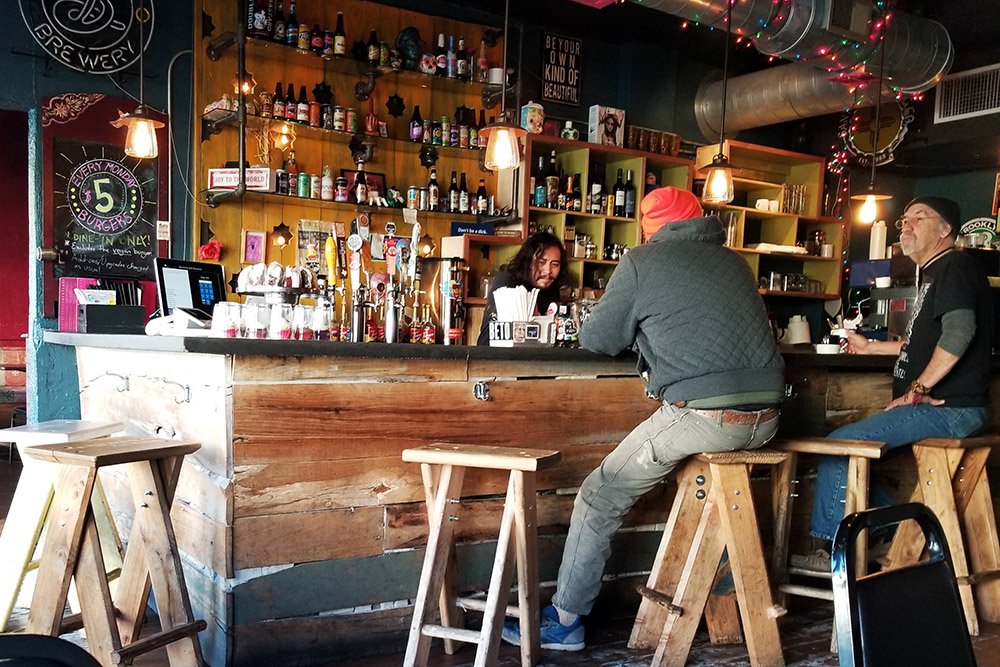
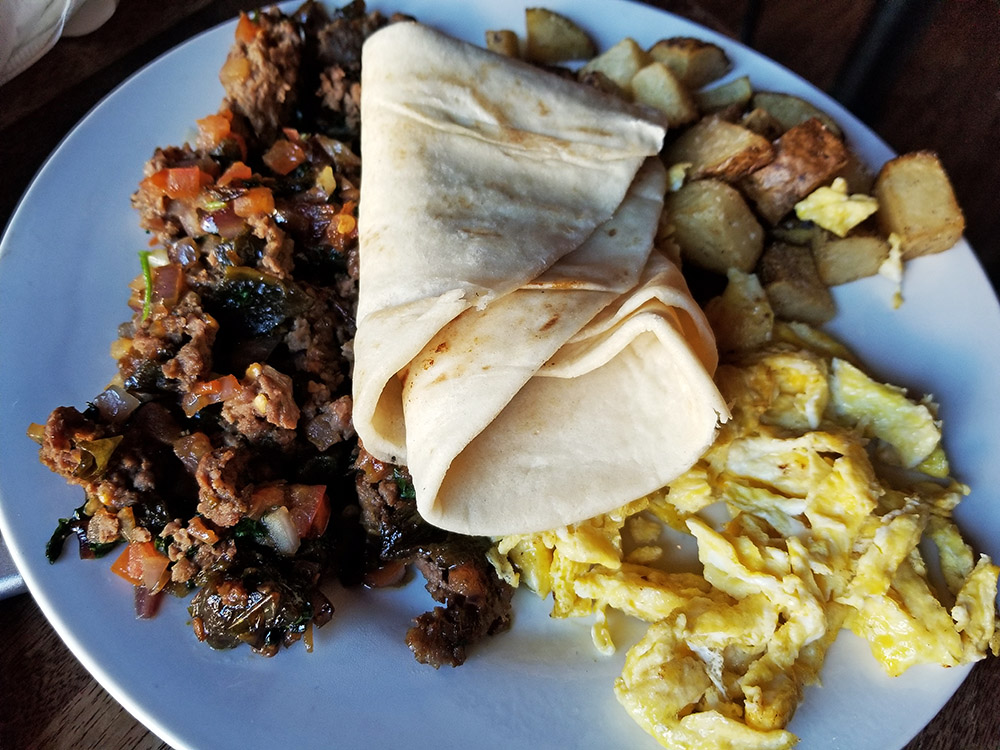
My main reason for coming to El Paso was actually to climb Guadalupe Peak, the highest point in Texas, located a few hours east of the city. The next morning I woke up and figured I deserved a proper El Paso breakfast before continuing my trip. I stopped at a local bar for brunch and ordered the hearty meal below. Despite it still being morning, a few interesting characters had already come and gone, giving me the impression that the place probably became much livelier at night.
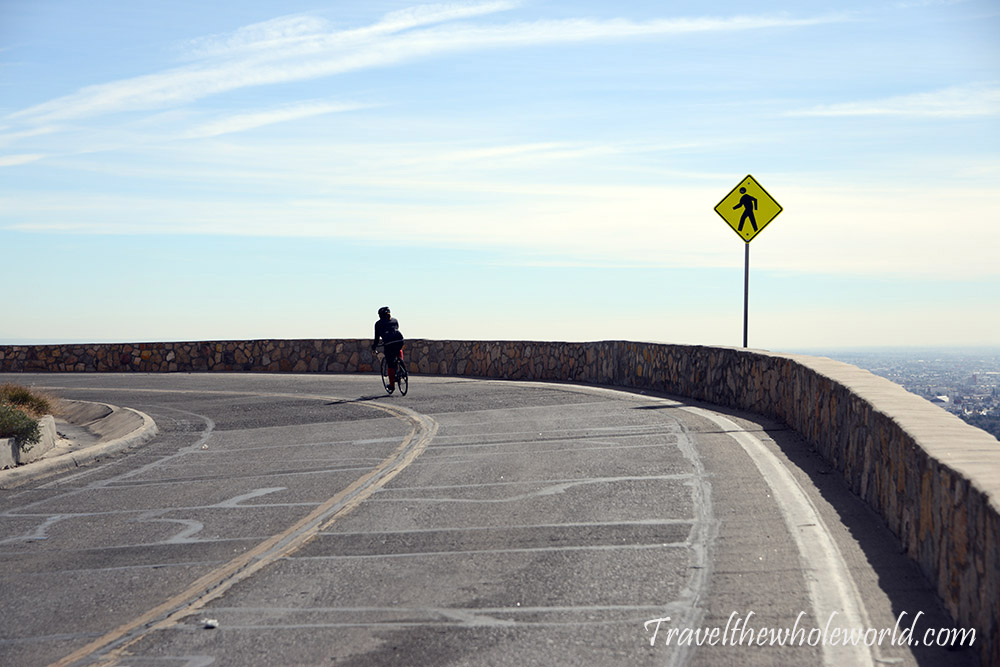
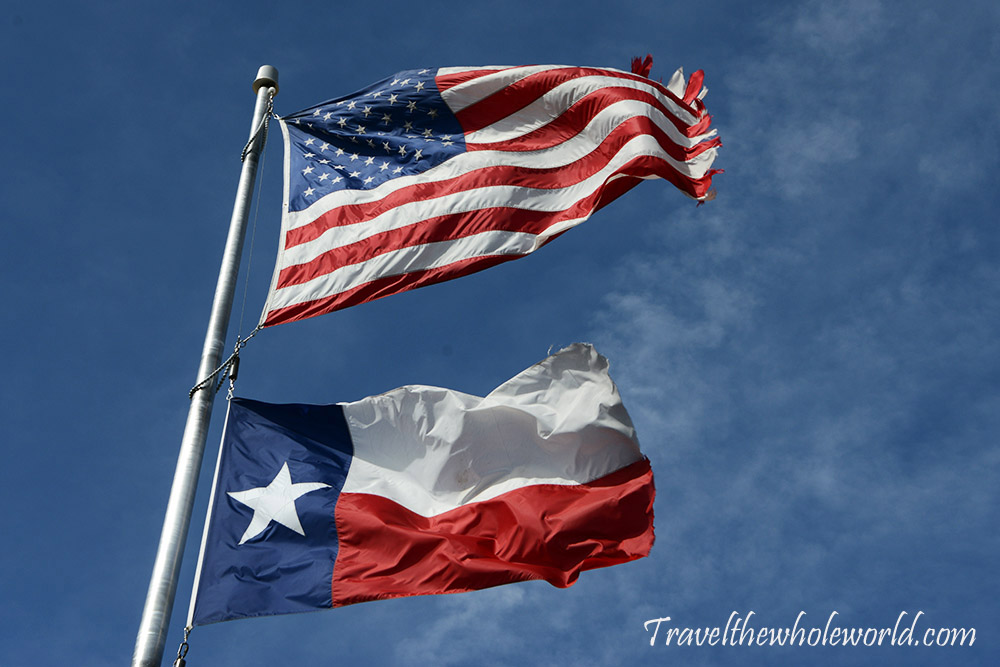
Most people probably don’t think of El Paso, or Texas in general, as particularly mountainous. The Franklin Mountains rise directly through the city, however, with North Franklin Mountain reaching 7,192 feet (2,192 meters). The range stretches south toward the heart of El Paso, creating some impressive views over the surrounding desert and the neighboring city of Juárez. Scenic Drive winds along the mountainside and is popular with runners, cyclists, and people like me who simply want a great view of the city. Along the drive I also came across a memorial to the area’s early settlers, along with the American and Texas flags seen below.
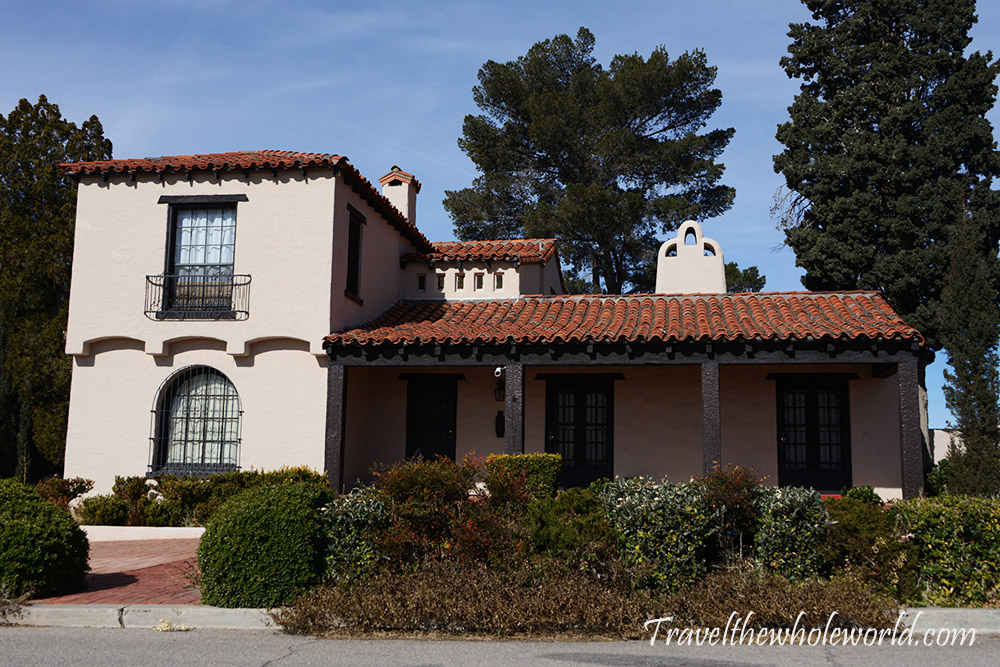
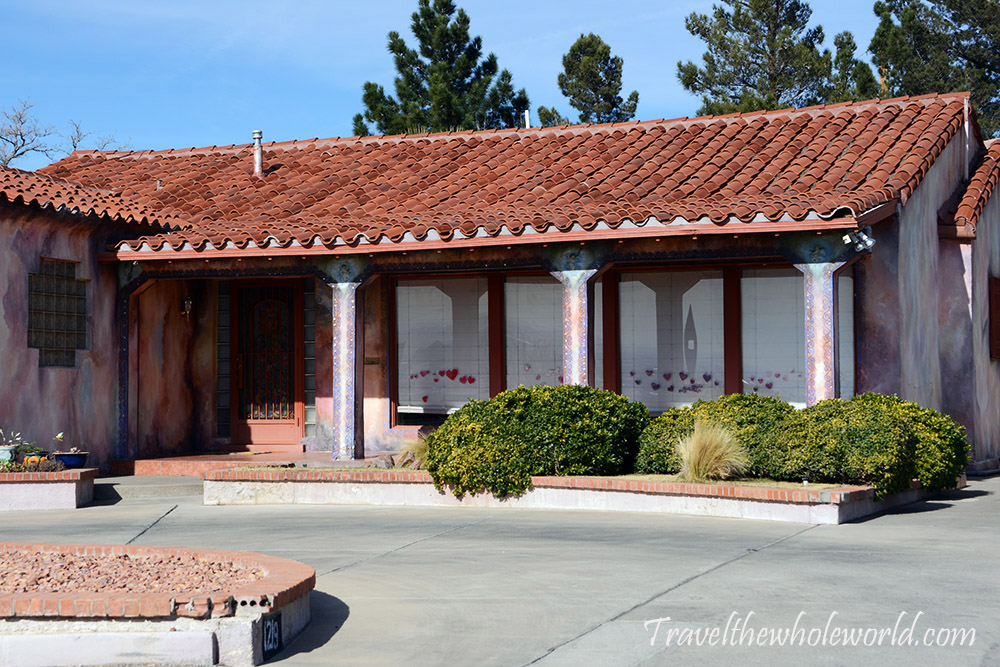
The neighborhoods around Scenic Drive had some of the most impressive homes I saw in El Paso. Nearly every house seemed to have its own design, and the one above was one of my favorites. The homes closest to the mountains took advantage of the elevated terrain and views over the city, while a few blocks away I came across even larger houses that looked more like mansions.
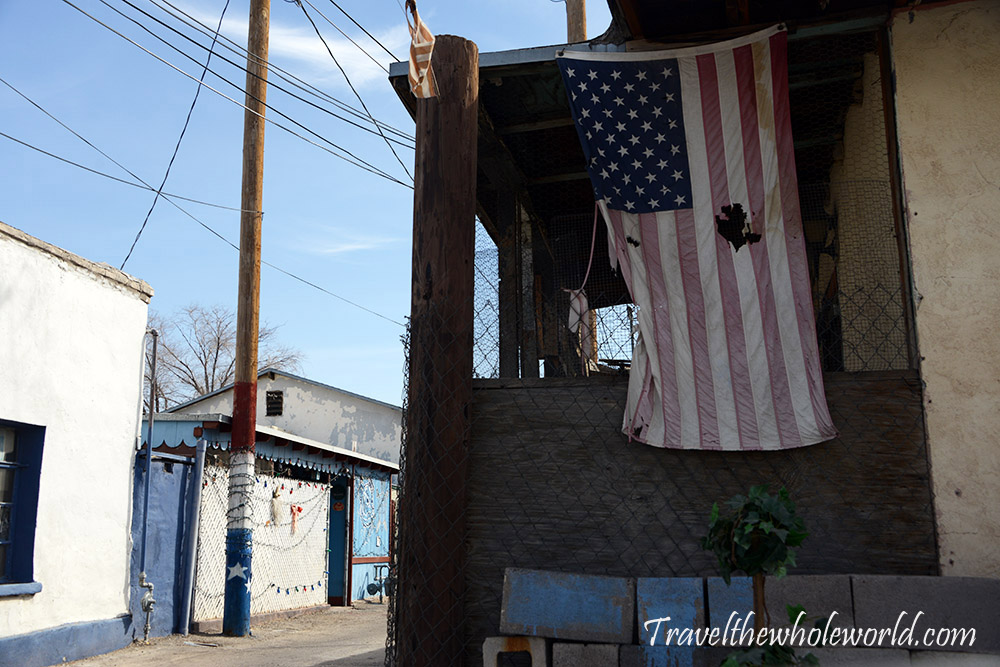
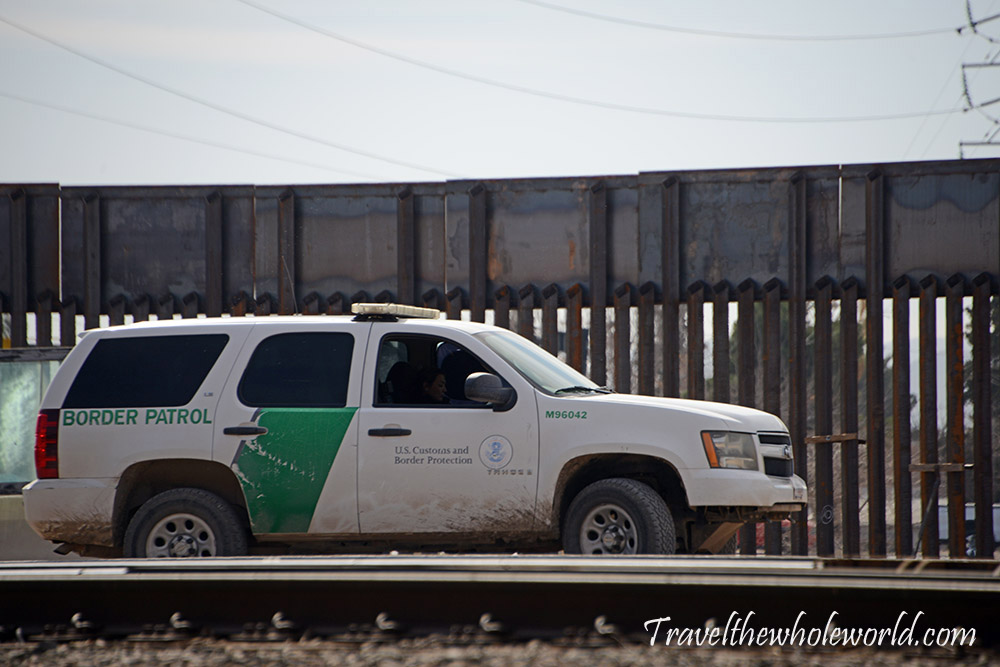
Eventually curiosity brought me right up to the international border. The neighborhood I visited was literally a stone’s throw from Mexico, and from some locations Juárez felt less like another country than another neighborhood on the opposite side of a boundary. Elsewhere along the border I came across the Border Patrol vehicle shown below. Seeing the border firsthand was interesting because it gave me a much better sense of the geography than I had ever gotten from maps or news coverage.
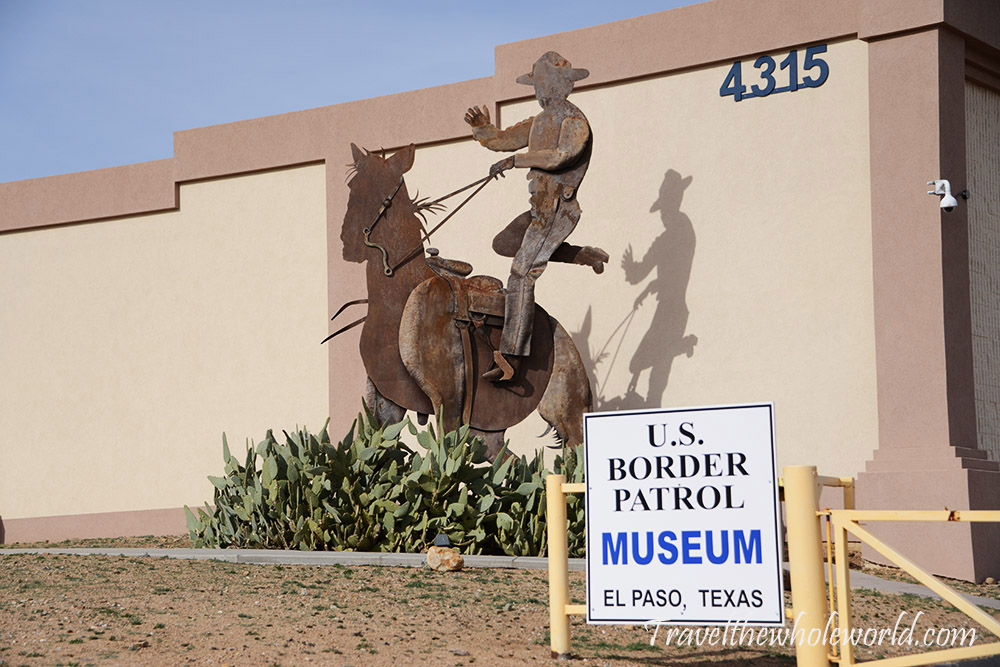
I visited El Paso at a time when immigration and border security were dominating the news, so I really wanted to visit the National Border Patrol Museum and learn more about the history of the agency and the challenges of policing such an enormous international boundary. Unfortunately, the museum was closed when I arrived. I probably should have planned my schedule around it instead of saving it for the end of my visit. It’s definitely a place I’d like to see when I return to El Paso.
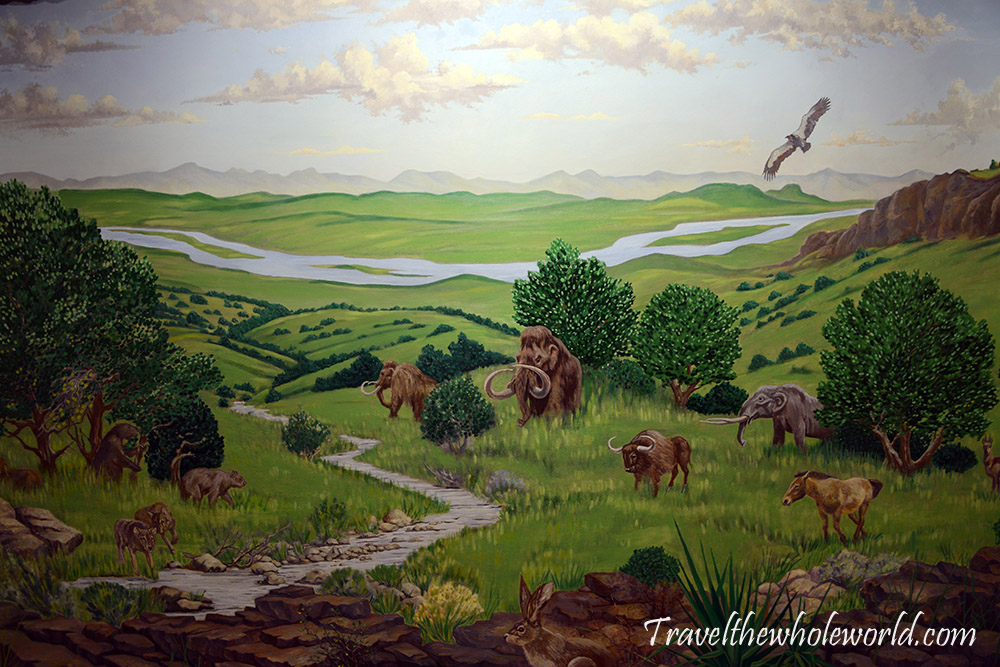
While I missed the Border Patrol Museum, I did make it to the El Paso Museum of Archaeology. The museum covers thousands of years of human history in the region and helped put the surrounding desert landscape into perspective. During the last Ice Age, this part of North America was cooler and wetter than it is today, supporting very different plants and animals. As the climate gradually became warmer and drier, the people living in the region adapted to the changing environment. The displays trace some of that history and explain how Indigenous cultures lived throughout what is now the American Southwest and northern Mexico.
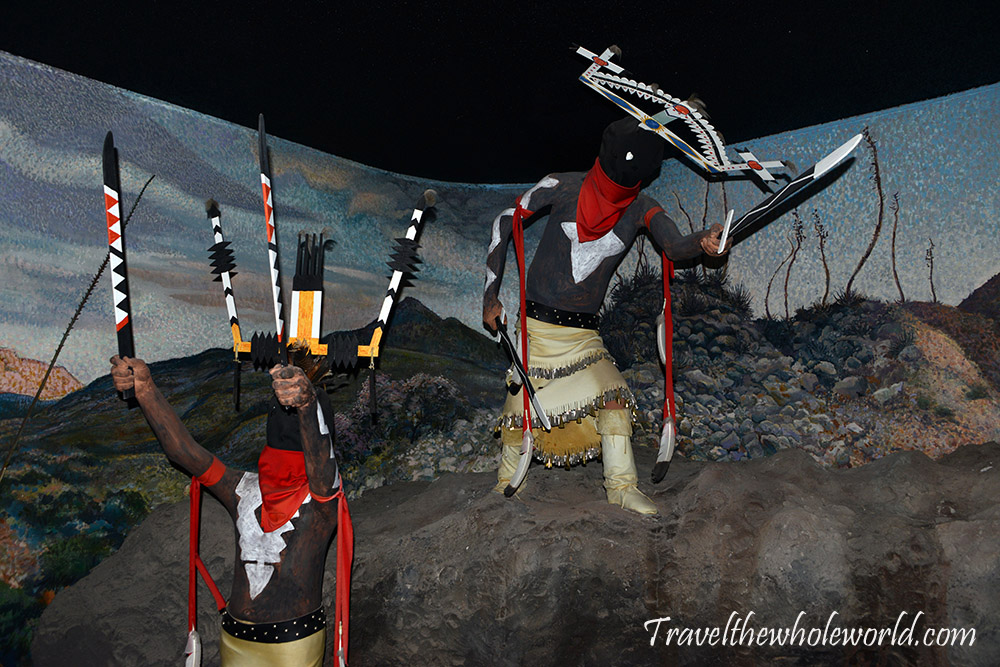
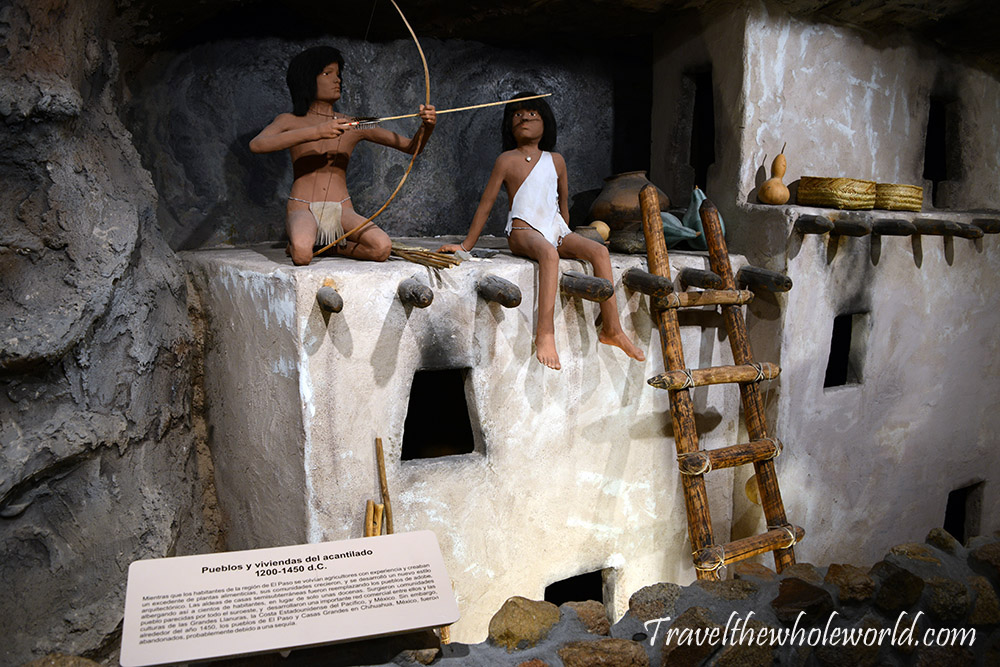
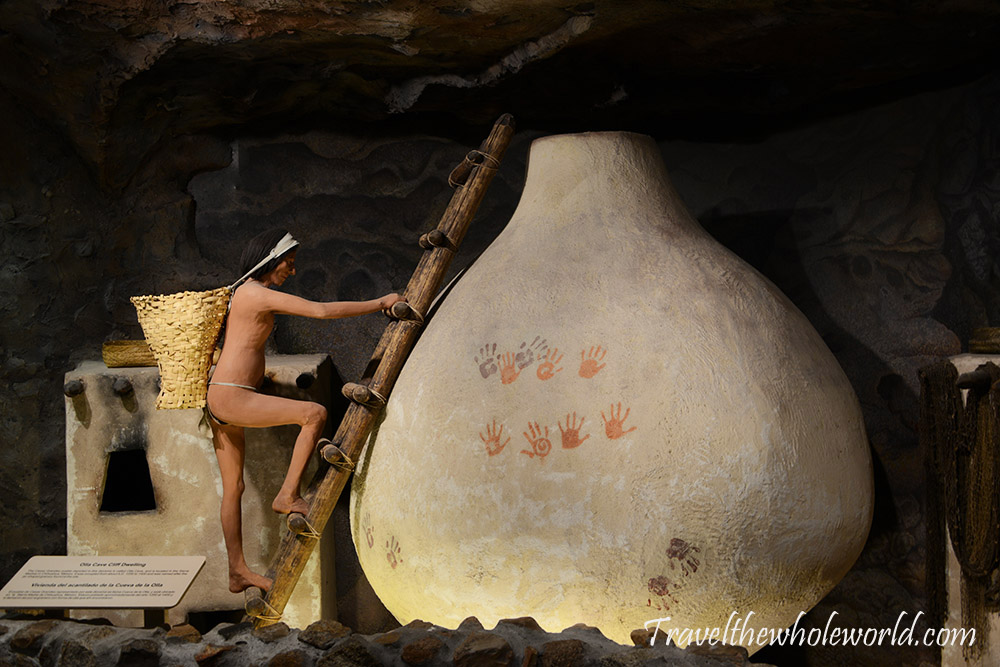
What I loved most about the museum were its recreations of Indigenous homes. Many of them are nearly life-size, and although you can’t enter them, they give you a much better idea of how people once lived in this desert environment. The museum also displays artifacts such as arrowheads, pottery, artwork, and jewelry. Beyond the exhibits, the grounds and surrounding area help connect that history with the landscape itself. Since this wasn’t originally meant to be a dedicated trip to El Paso, I left realizing there was much more to the city than I had expected. Whenever I return, I’ll have plenty left to explore.
Explore More of Texas
Guadaloupe Peak • Austin • Big Bend • Dallas • El Paso • Fort Worth • Houston • San Antonio