West Coast National Park was one of the easiest natural areas for me to explore while traveling around the Cape Town region. Located along South Africa’s Atlantic coast, the park protects a mixture of coastal landscapes, dunes, wetlands, and vegetation surrounding the Langebaan Lagoon. I rented a car for my trip through South Africa, which made it easy to explore the park independently and stop whenever I came across wildlife.
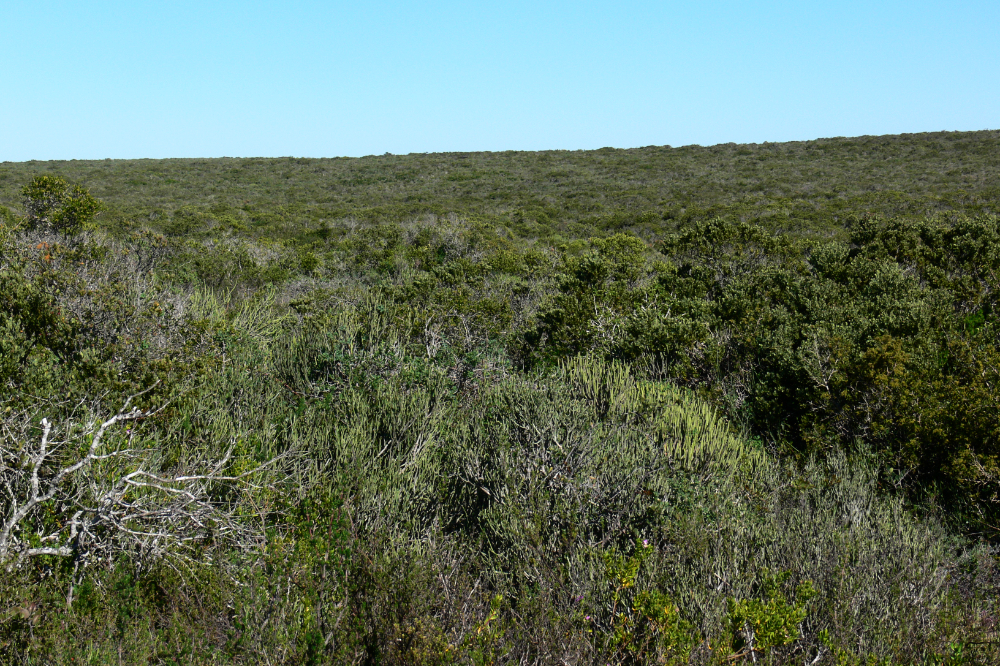
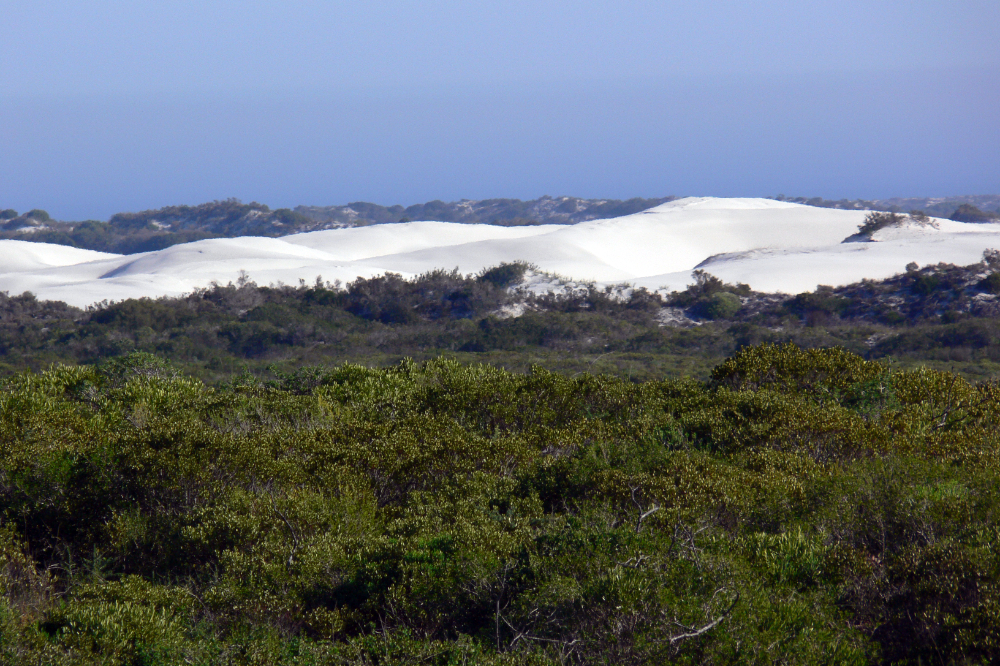
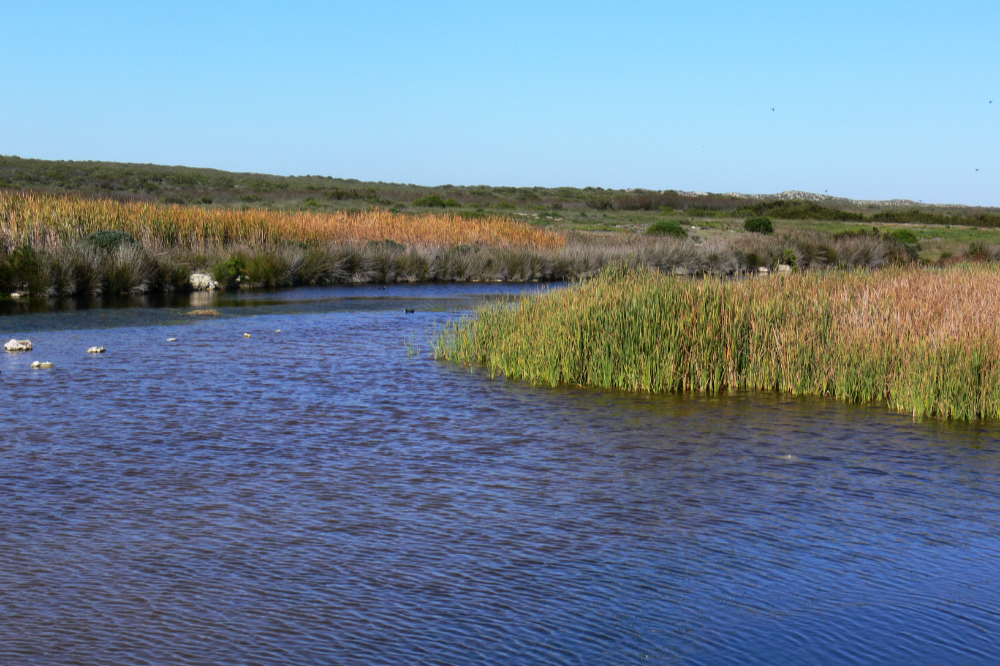
The landscape was a major part of what I enjoyed about the park. This part of South Africa doesn’t resemble the stereotypical image of an African safari. Instead of dense tropical vegetation, the scenery includes open scrubland, low coastal vegetation, wetlands, sandy areas, and pockets of trees.
Birds of West Coast National Park
West Coast National Park is a bird watcher’s paradise. The wetlands and coastal habitats attract large numbers of resident and migratory birds, and birdlife was one of the things I noticed throughout my visit. Even before I was officially inside the park, I came across a huge rock offshore covered with cormorants.
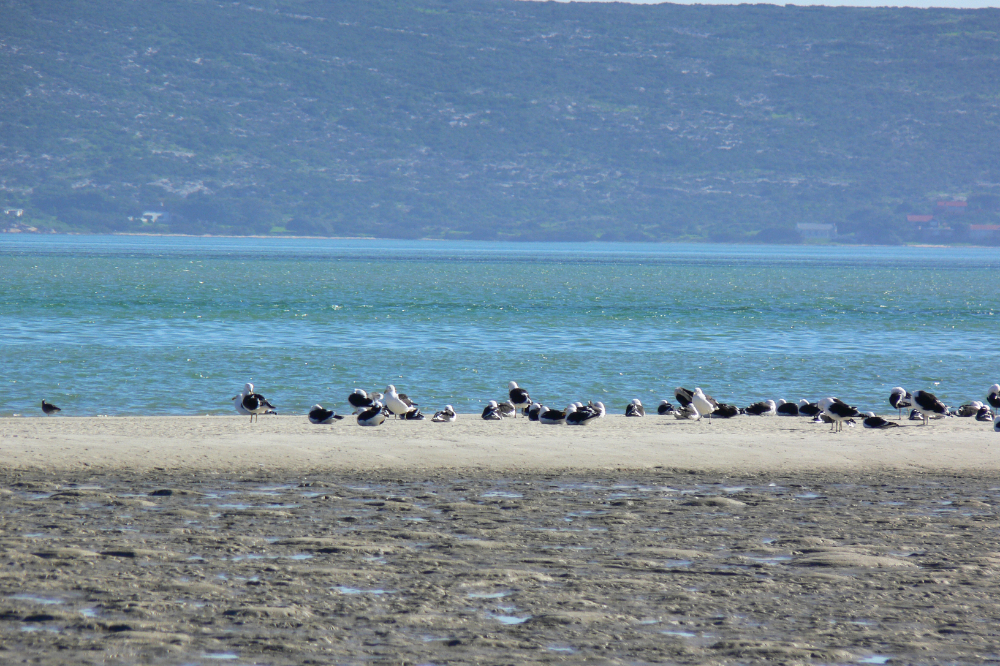
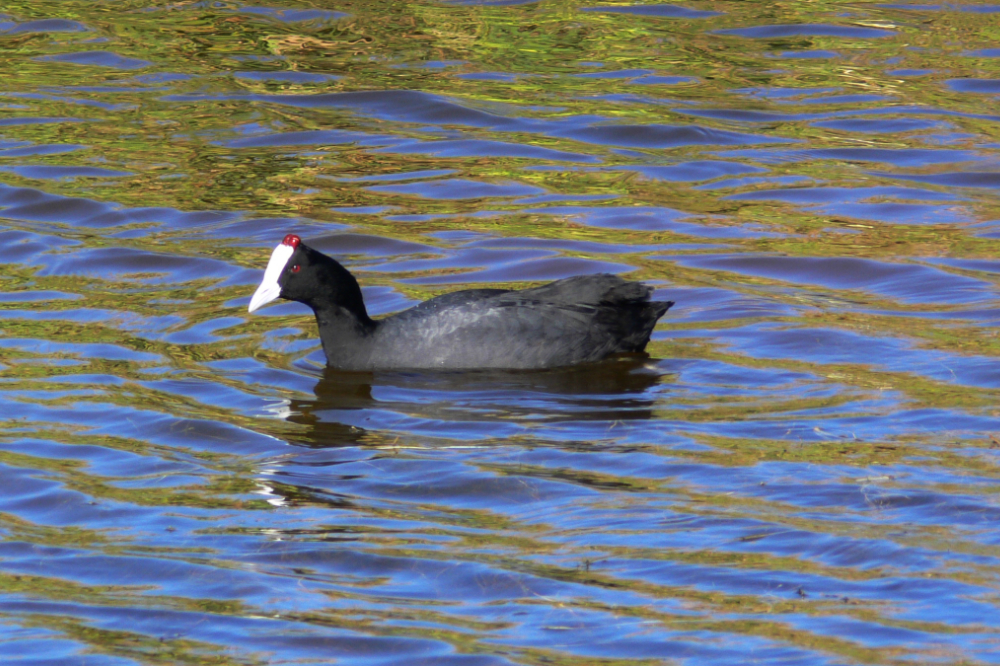
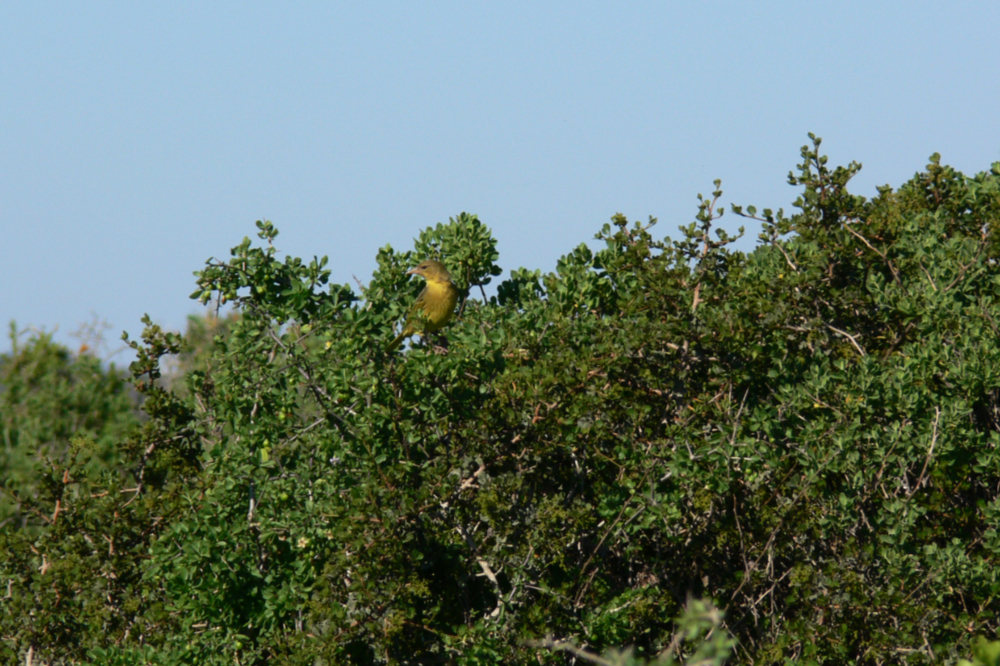
There is considerable diversity among the birds found around the park’s wetlands and lagoon. Some were easy to spot out in the open water, while others were small enough that I probably would have passed them without noticing if I hadn’t been looking for wildlife.
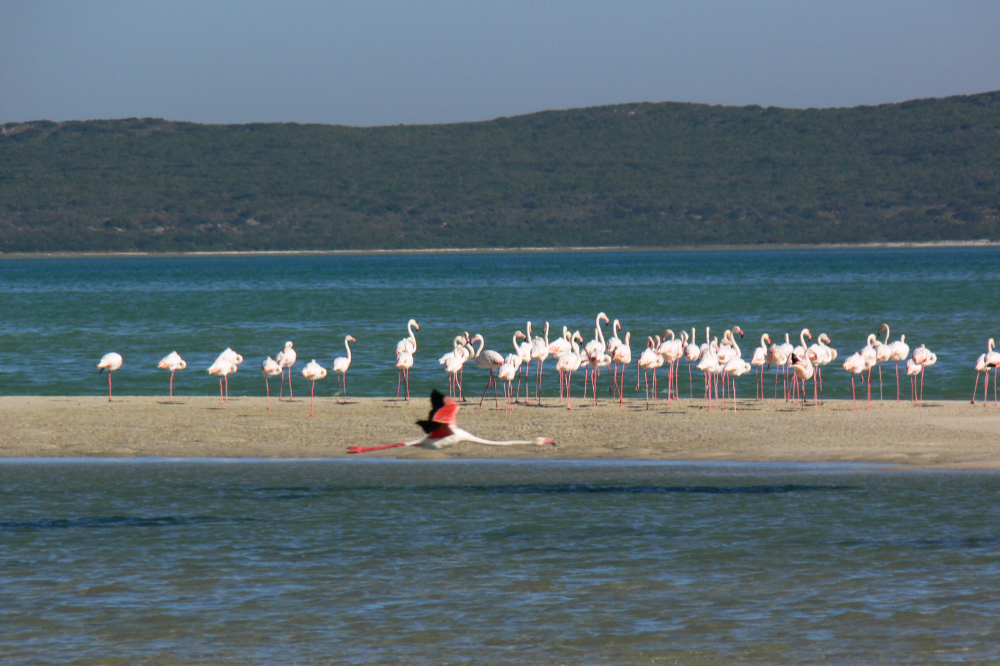
Among the most recognizable birds in the park are flamingos. Seeing them along the wetlands was another reminder of how different the wildlife around Cape Town can be from what I encountered later in South Africa’s large inland national parks.
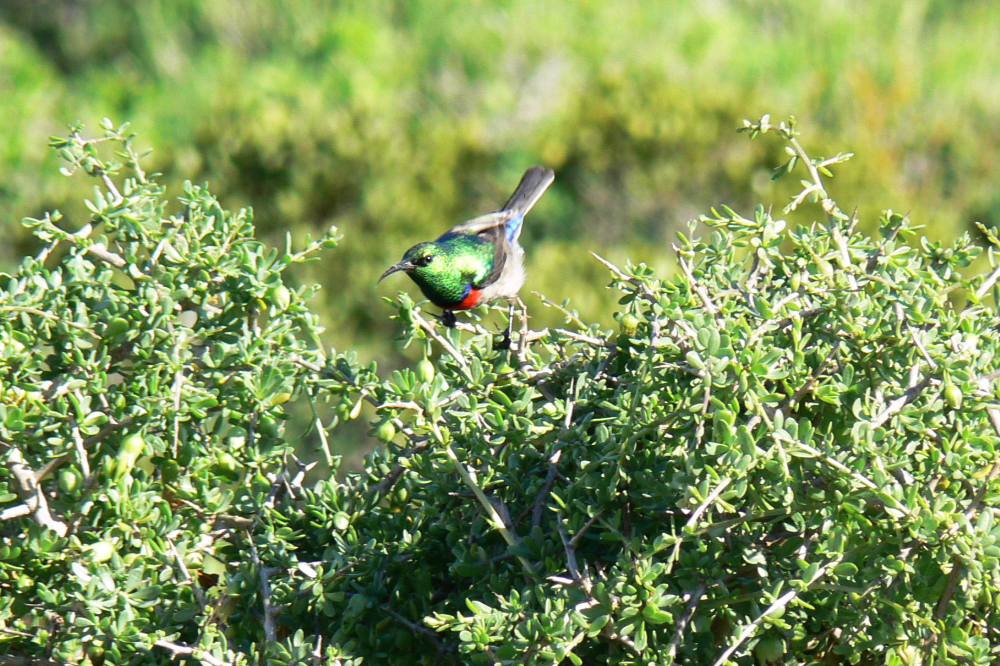
One of my favorite birds from my entire trip through Southern Africa was this colorful little sunbird. It’s the kind of animal that would be easy to overlook next to South Africa’s much larger wildlife, but its brilliant colors made it stand out immediately.
Wildlife Beyond the Birds
There is much more to West Coast National Park than birds. Unlike my later experience in Kruger National Park, I could explore here without constantly thinking about lions, elephants, or other large animals. The wildlife was generally smaller and scattered through a much more open coastal landscape.
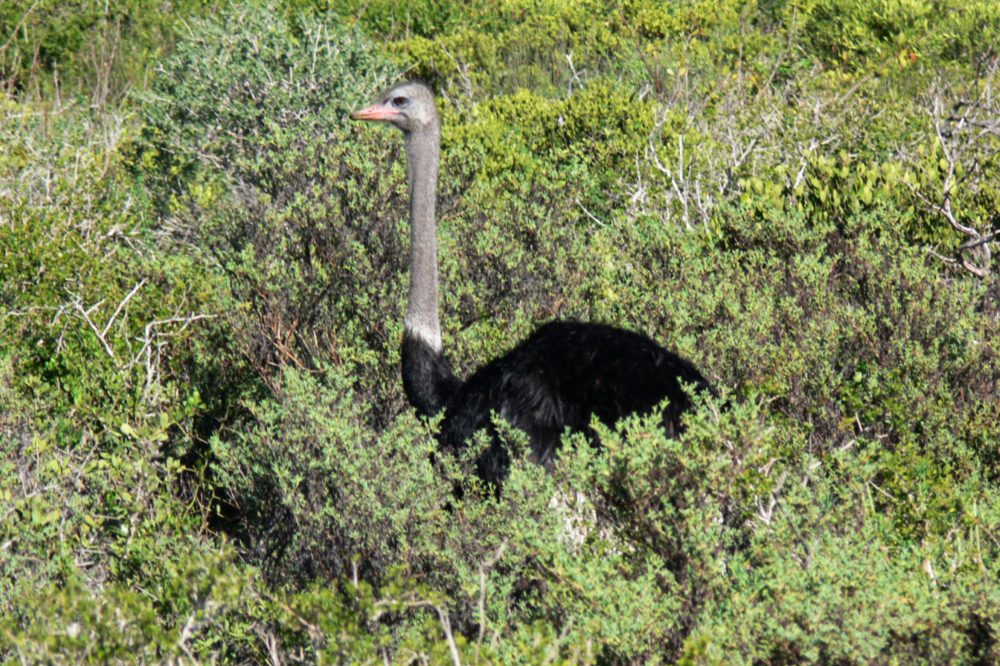
An ostrich was easily one of the largest animals I encountered. I watched one sprinting through the brush, and seeing such a large bird running freely through the landscape was one of the more memorable wildlife encounters of my visit.
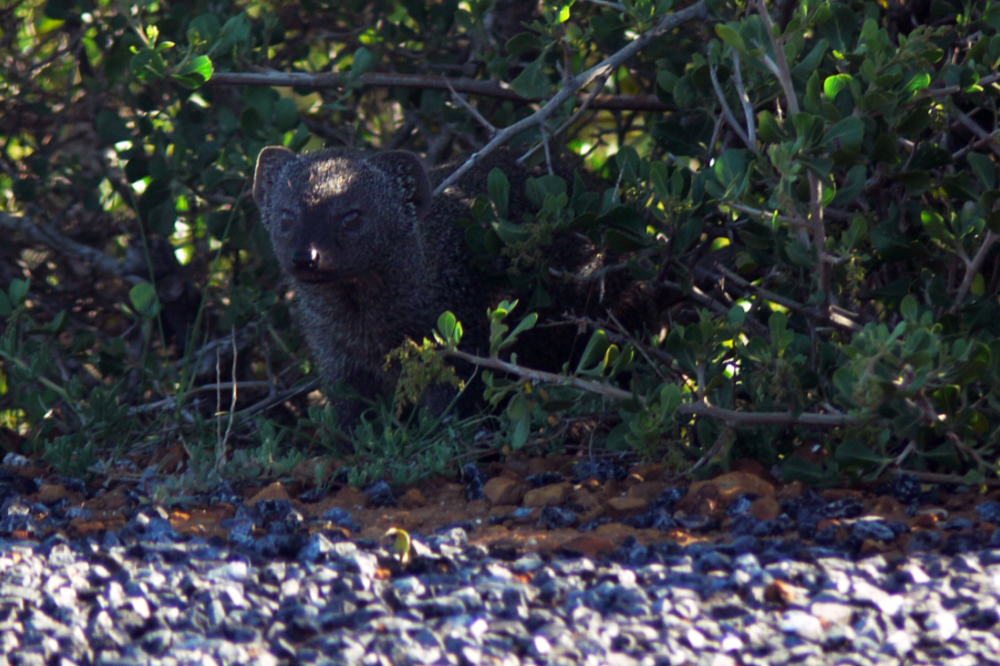
I was also lucky enough to photograph a mongoose. These small, quick animals can disappear into the vegetation almost immediately, so getting a clear look at one was a much less predictable encounter than seeing an ostrich out in the open.
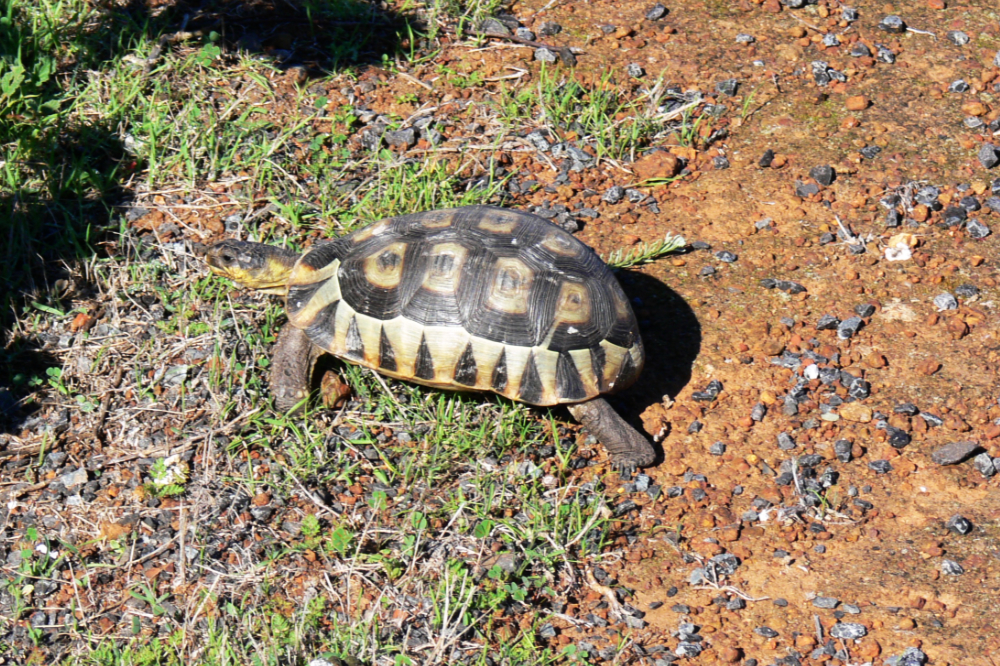
The tortoise was considerably easier to photograph. Moving slowly across the ground, it was a very different wildlife encounter from trying to catch a mongoose or small bird before it disappeared.
West Coast National Park ended up giving me a side of South Africa that was completely different from the country’s famous big-game parks. Instead of searching for the Big Five, I spent my time exploring the coastal landscape and watching flamingos, ostriches, sunbirds, waterfowl, tortoises, and smaller mammals. Combined with the dunes, wetlands, and Atlantic coastline, it made the park one of the more distinctive natural areas I visited in South Africa.
