My trip through northeastern South Africa combined two of my favorite experiences in the country: the landscapes around Blyde River Canyon and a self-drive safari through Kruger National Park. Having a rental car made it possible to travel through the region independently, stopping along the way and exploring at my own pace.
Blyde River Canyon ended up being one of my favorite places in South Africa. From there I continued toward Kruger, where the landscape changed but the freedom of having my own vehicle became even more valuable. Instead of following a fixed safari tour, I could drive through the park myself and stop whenever I found something interesting.
Blyde River Canyon
Blyde River Canyon was one of the main destinations of my road trip through this part of South Africa, and the scenery was even better than I had expected. Huge cliffs rise above a landscape of forested slopes and deep valleys, with viewpoints looking across the surrounding escarpment. It was one of those places where the scale of the landscape was difficult to capture in a photograph.
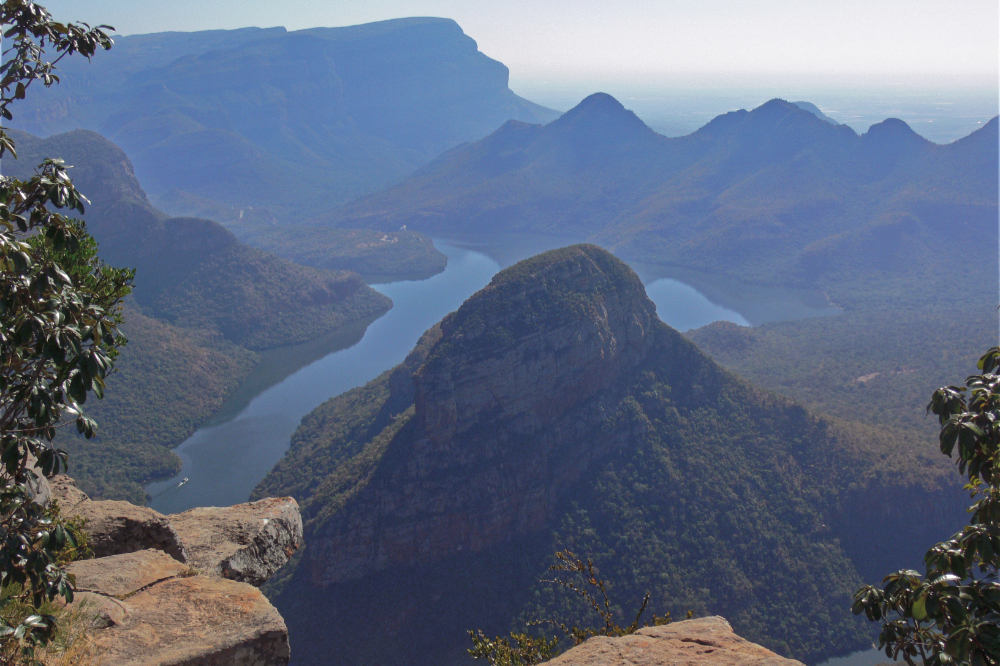
The viewpoints around the canyon were among my favorite stops. Looking across the cliffs and valleys also showed a completely different side of northeastern South Africa from the wildlife reserves nearby.
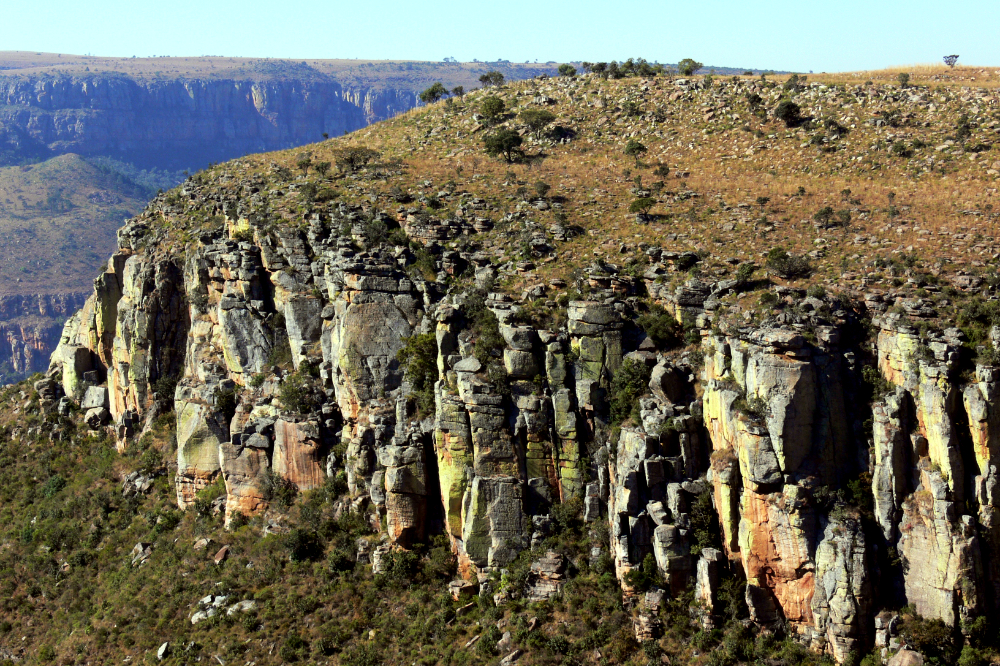
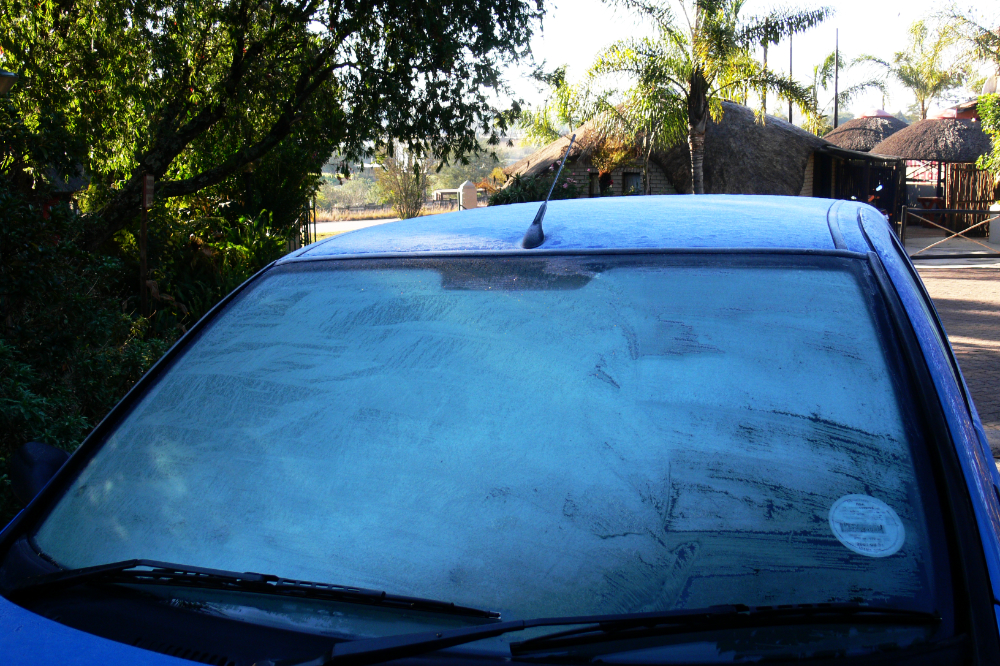
The cooler mornings were another surprise. Dew covered the vegetation, and elsewhere in northeastern South Africa I even woke up to frost on the windshield of my rental car. It was another reminder of how varied the landscapes and climate of South Africa can be.
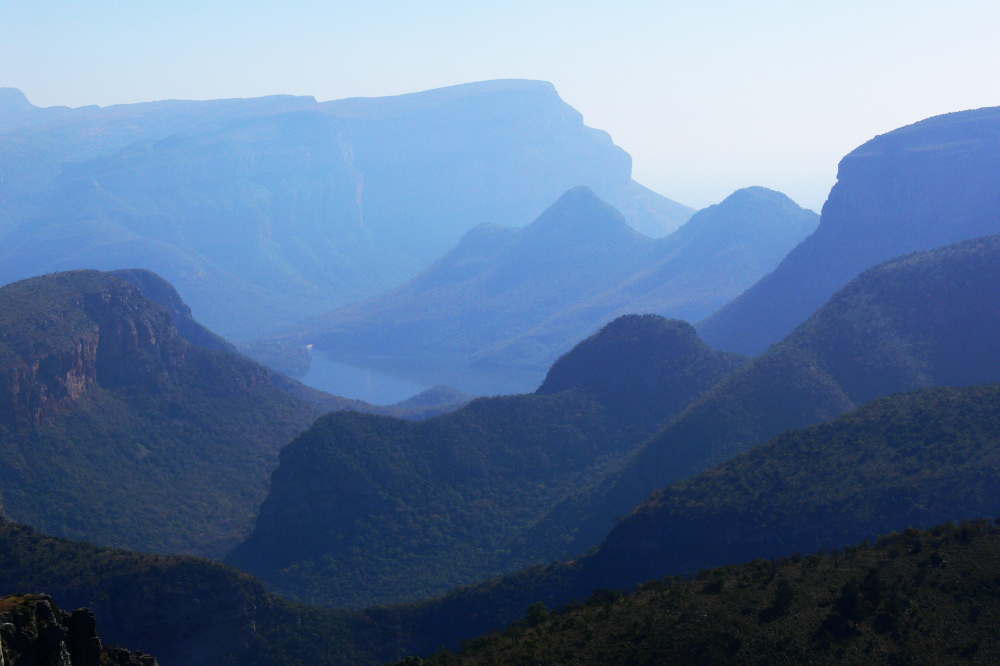
Kruger National Park
Kruger National Park is probably the most famous wildlife destination in South Africa, and it was one of the places I most wanted to visit while traveling around the country. The park is enormous and filled with the animals most people associate with an African safari, including elephants, rhinos, giraffes, zebras, antelope, hippos, crocodiles, and an incredible variety of birds.
One of the things I liked most about Kruger was being able to drive my own rental car through the park. Instead of following a fixed tour, I could explore independently, choose where I wanted to go, and stop whenever I spotted something interesting. Sometimes that meant a large animal standing beside the road; other times it was a bird, monkey, or something much smaller that caught my attention.
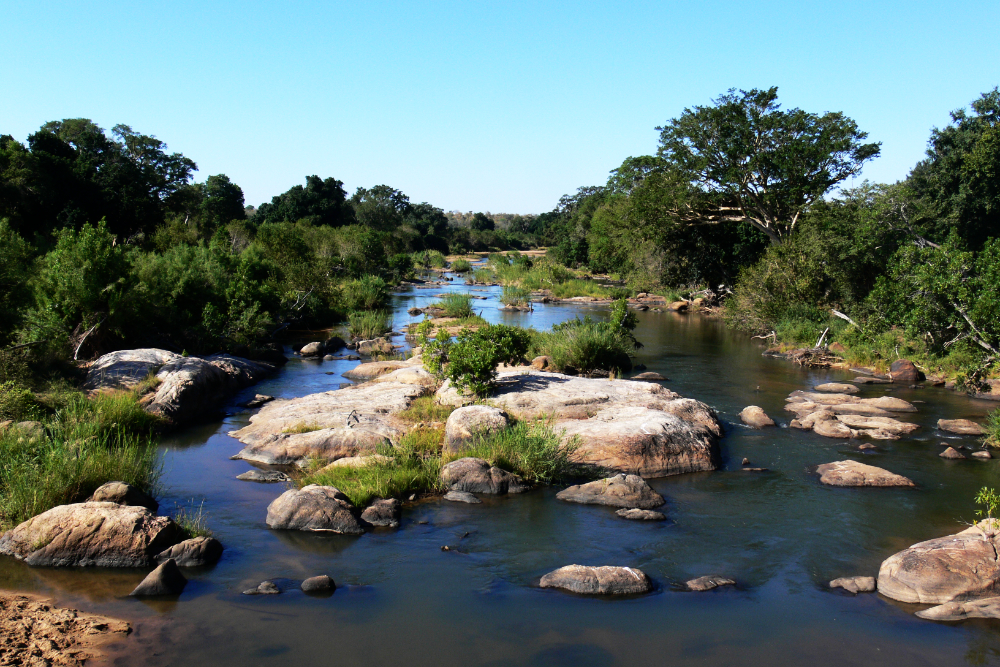
The landscape itself was part of the experience. Kruger isn’t simply an open grassland filled with animals. Roads pass through woodland, brush, open areas, riverbeds, and waterways, with the scenery constantly changing as you travel through the park.
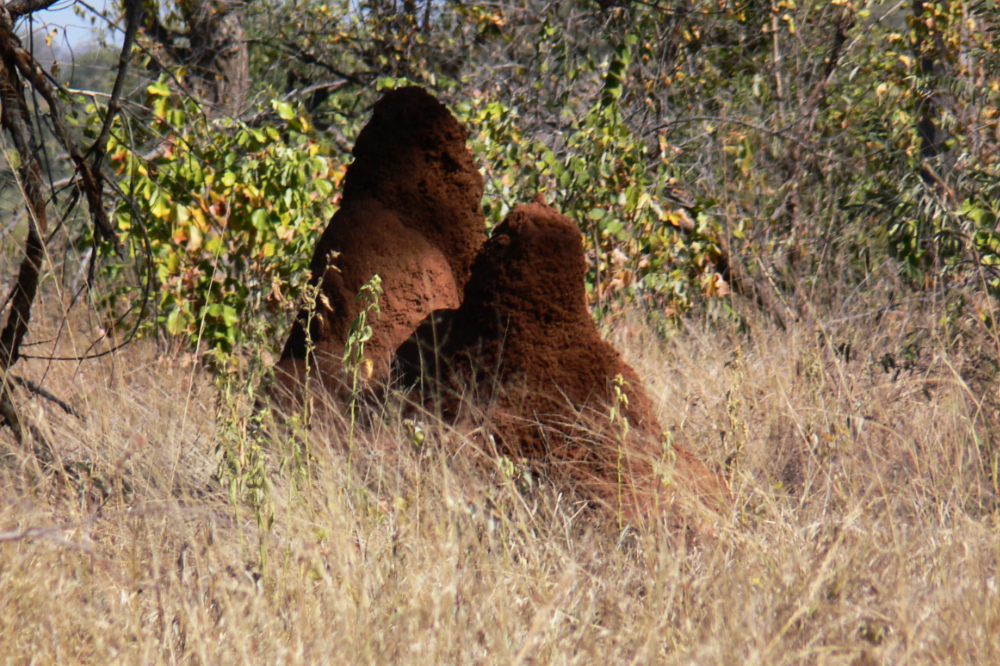
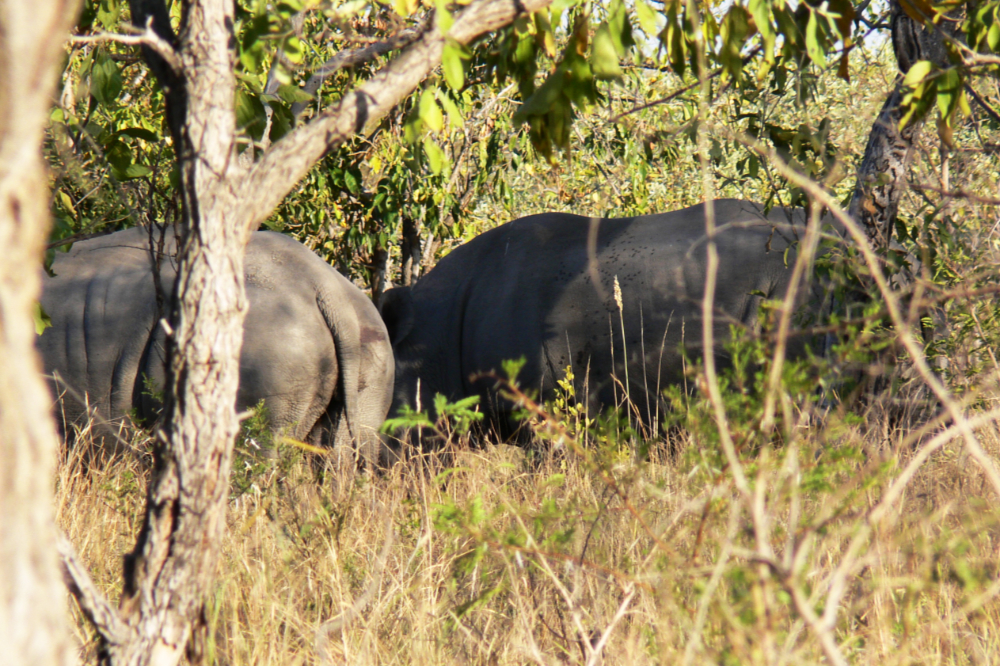
Elephants and Rhinos
Elephants were among the largest animals I encountered in Kruger. Being able to drive independently meant I could stop and watch them from my own vehicle, but it also meant paying attention to their behavior and giving them plenty of space.
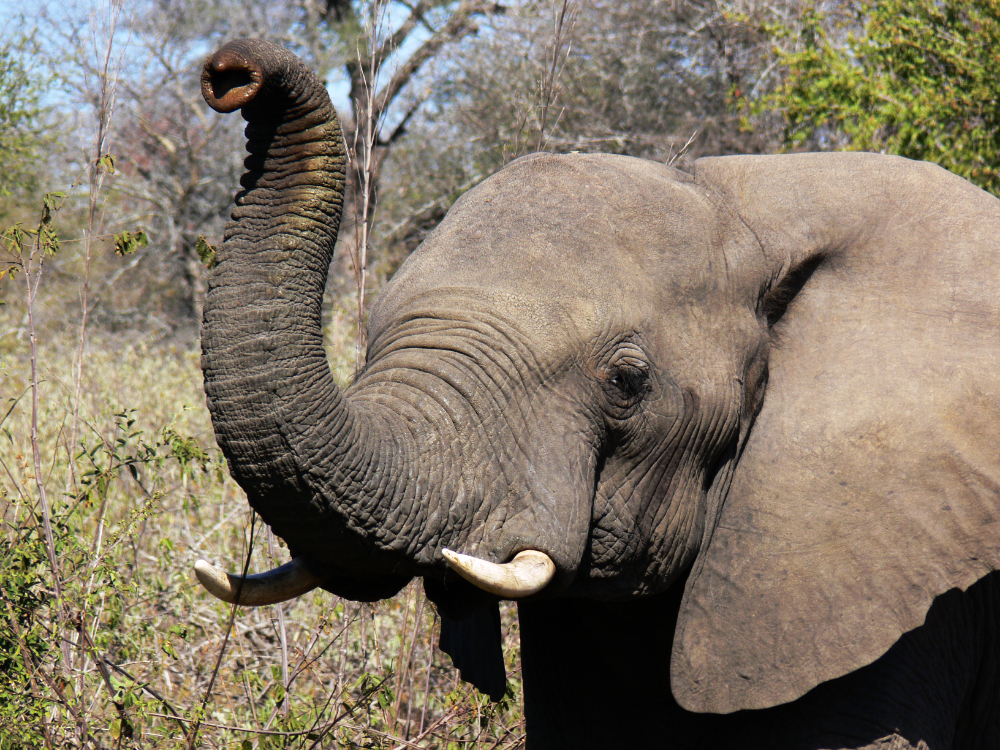
One elephant in particular started to look increasingly annoyed while I was taking photographs. Maybe he simply wasn’t interested in being photographed that day, but I eventually got the message. Once I had the feeling he wanted me gone, I drove away and had no problems. Encounters like that made driving myself through Kruger considerably more interesting than simply viewing wildlife from a distance.
Giraffes
Giraffes were also common during my visit and seemed considerably less concerned about having their photographs taken. Their height makes them relatively easy to spot above the surrounding vegetation, but getting close enough to see the details of the animals was much more interesting.
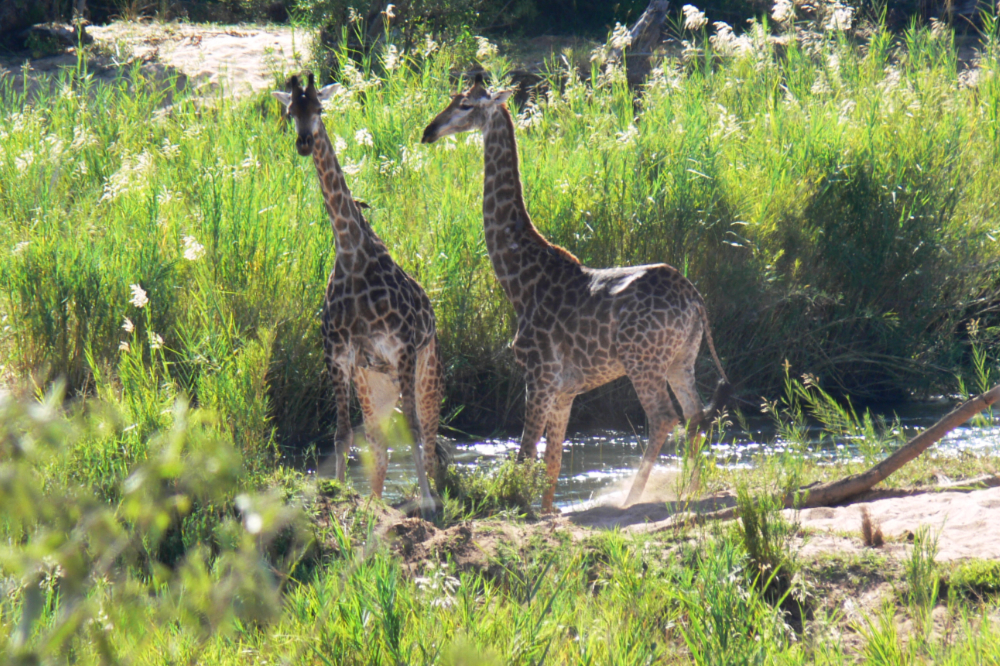
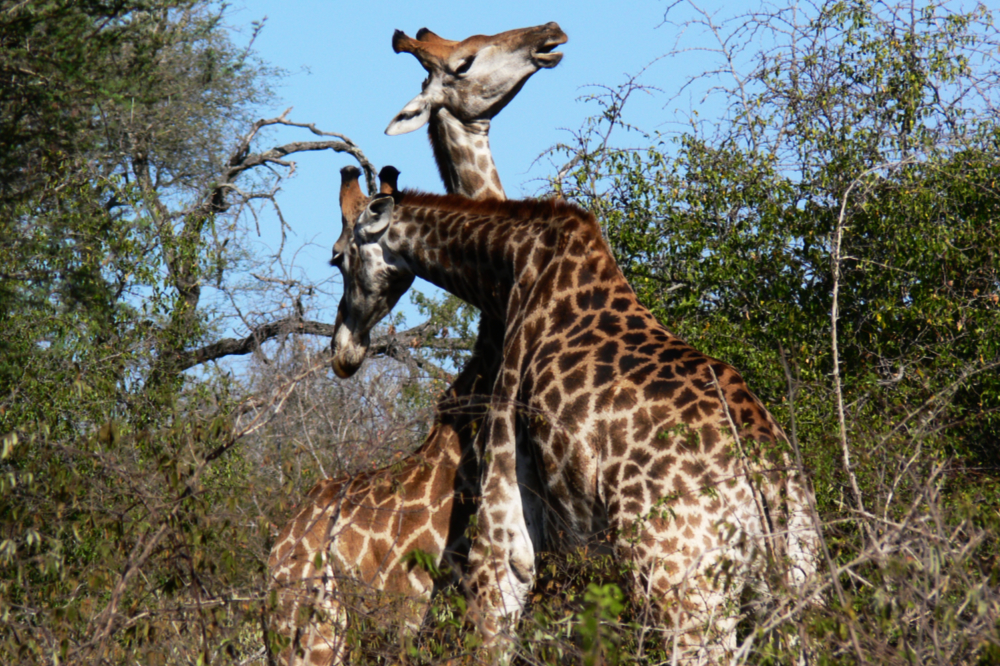
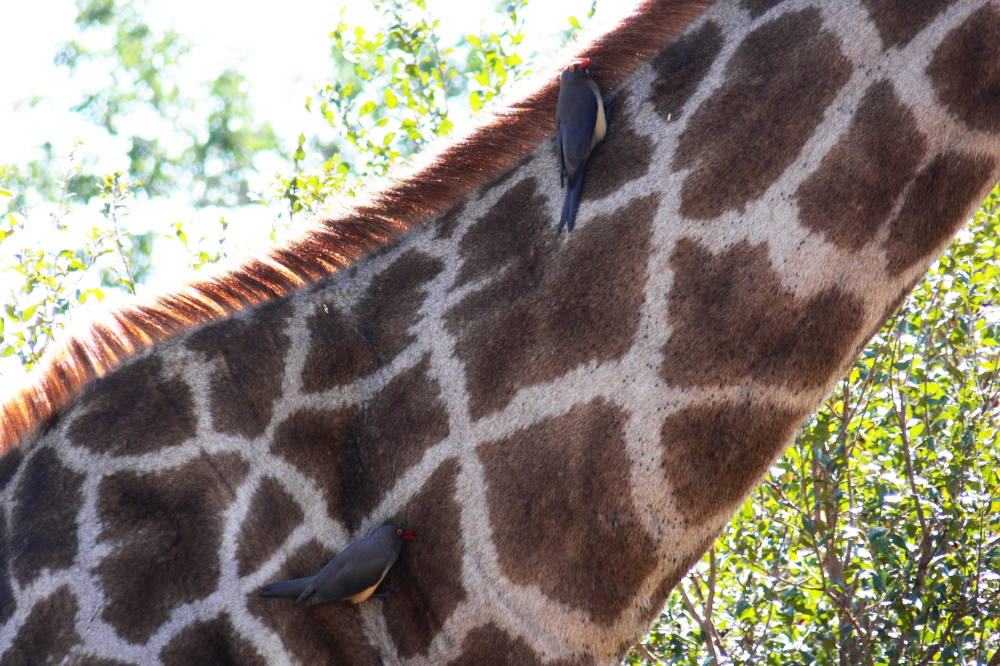
I was even able to get close enough to photograph birds sitting directly on a giraffe. Oxpeckers commonly feed on ticks and other parasites found on large African mammals, creating one of the more recognizable wildlife relationships in the park.
Zebras and Antelope
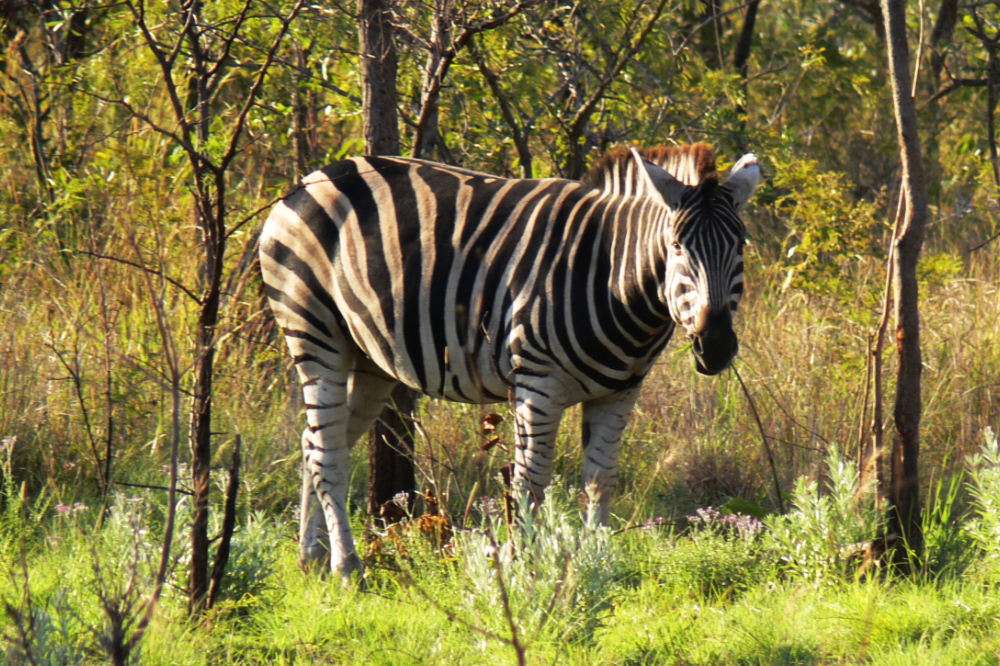
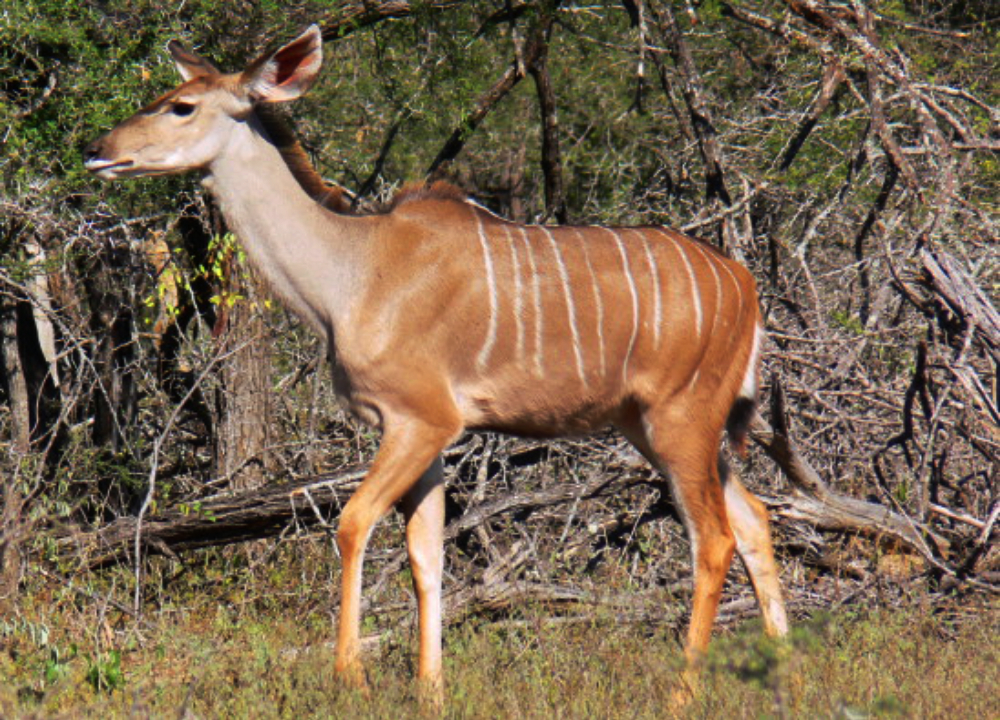
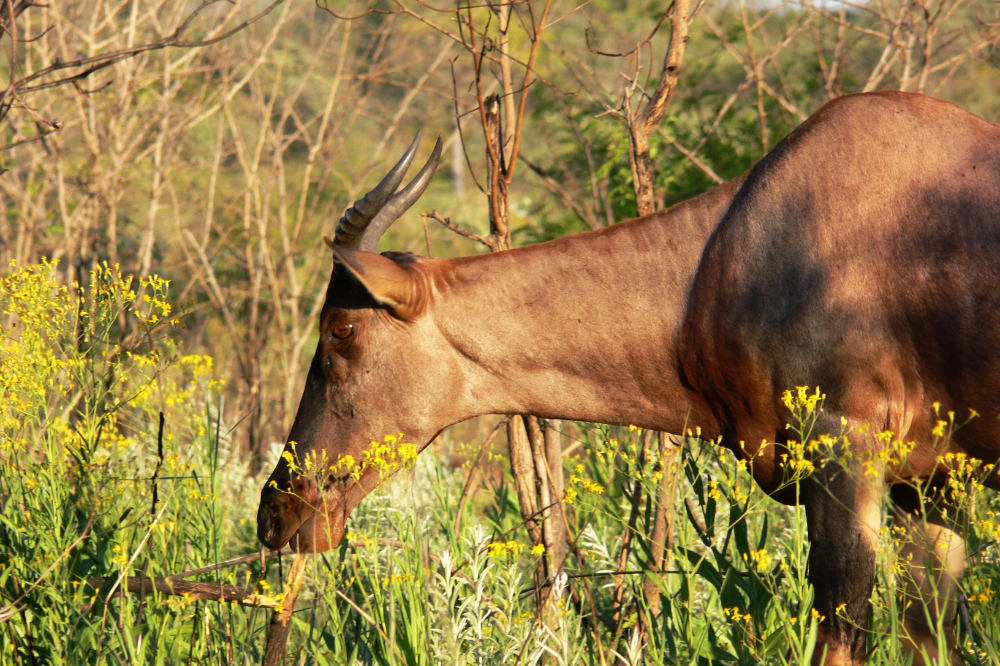
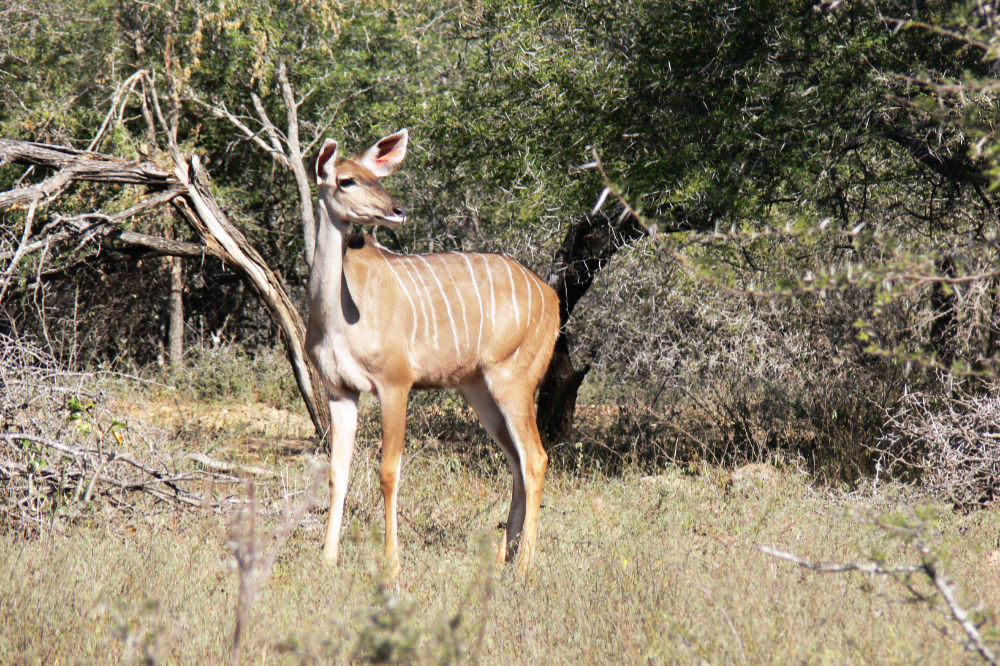
Zebras are one of those animals that are impossible to mistake on an African safari. I encountered them while driving through Kruger along with several different kinds of antelope, ranging from animals traveling together in groups to larger individuals standing alone in the vegetation.
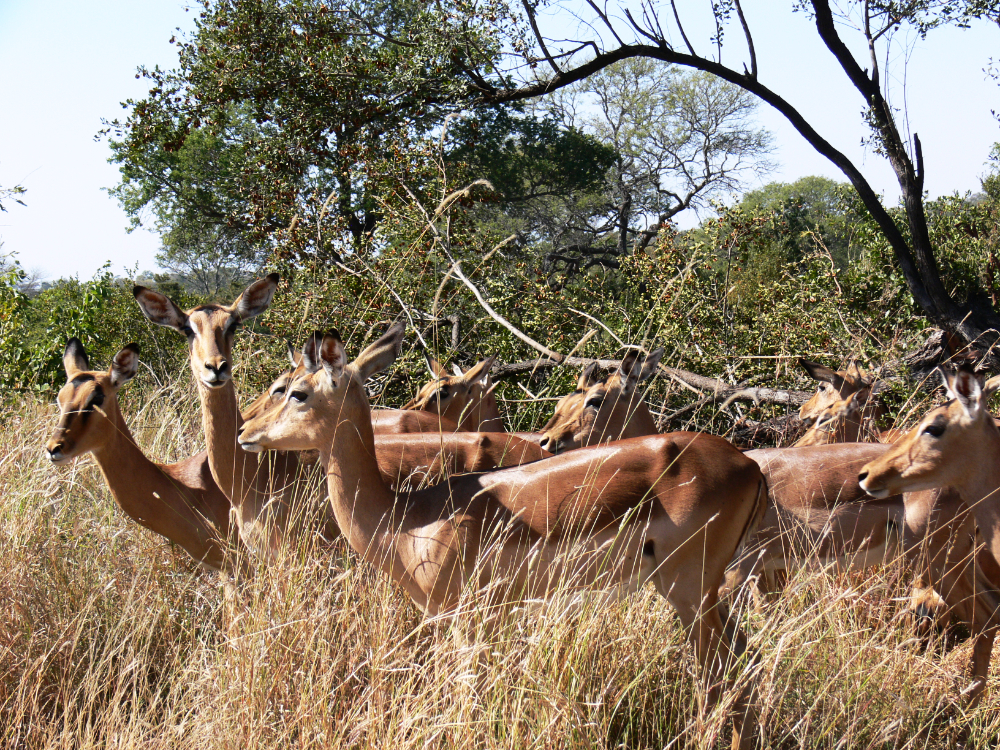
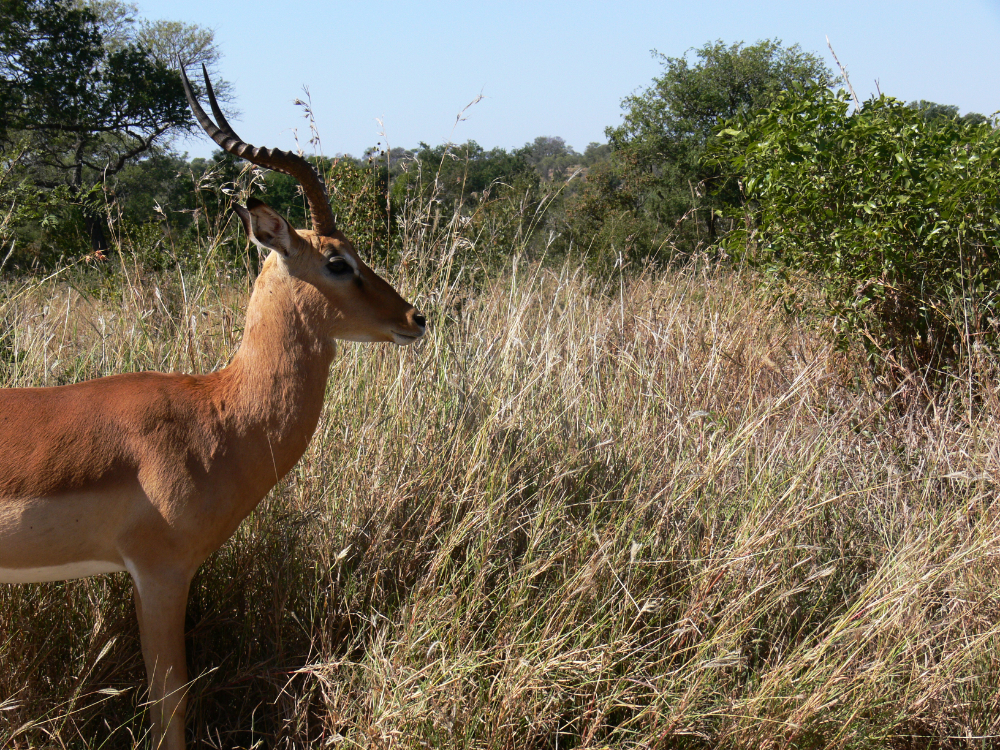
Some of the larger antelope were animals I had rarely or never seen before traveling through southern Africa. Their size can be surprising when they’re standing close to the road.
Hippos and Crocodiles
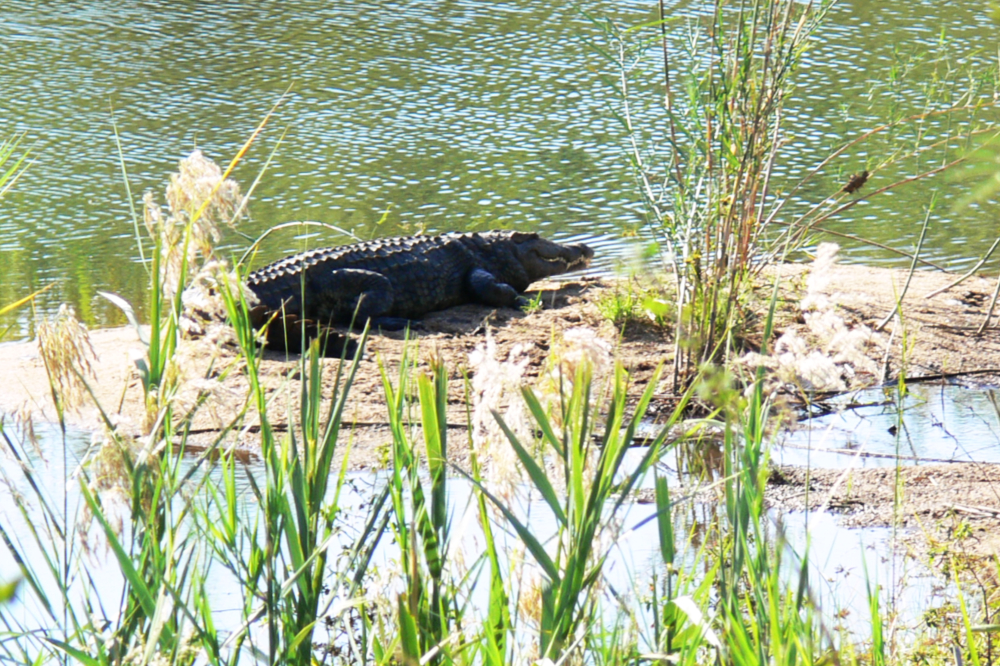
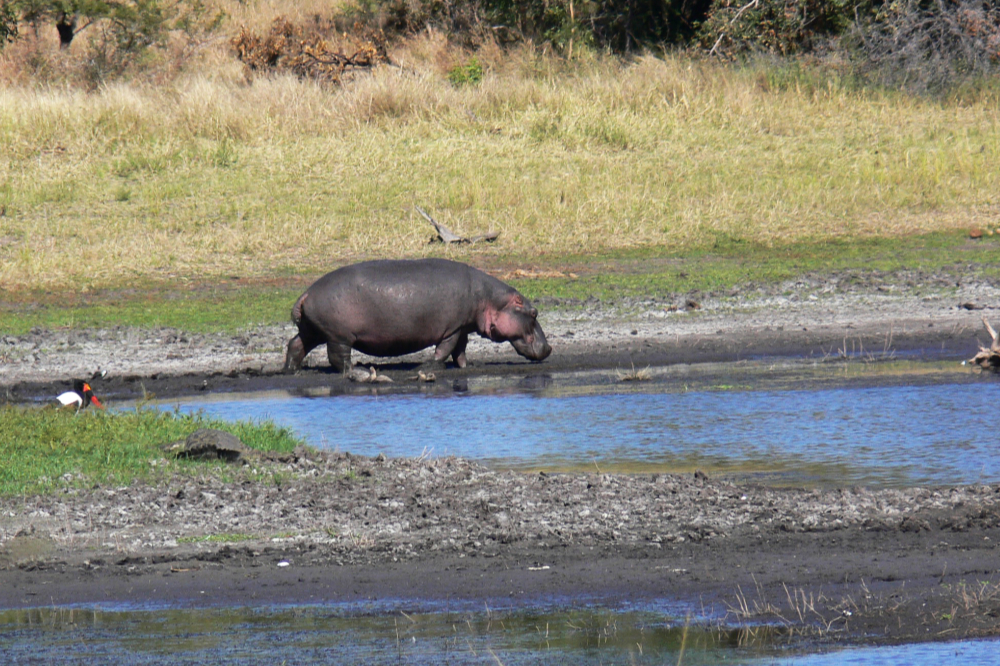
Some of Kruger’s most dangerous wildlife can be found around the water. Crocodiles are an obvious example, but hippos can appear deceptively calm when they’re resting in or near the water. Despite their appearance, they are powerful, territorial animals and need to be treated with plenty of respect.
Monkeys and Smaller Wildlife
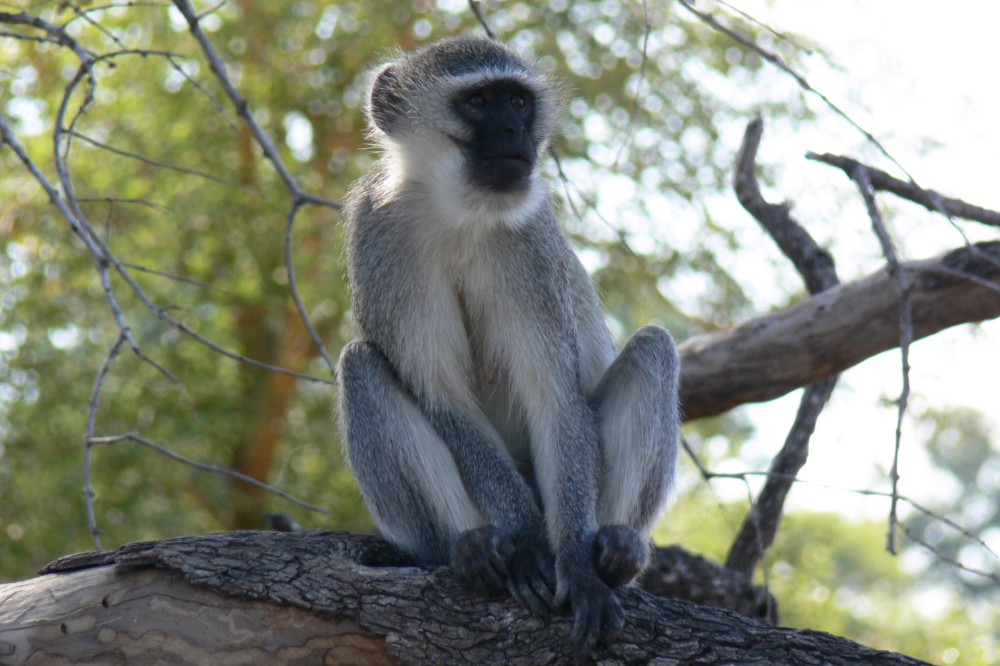
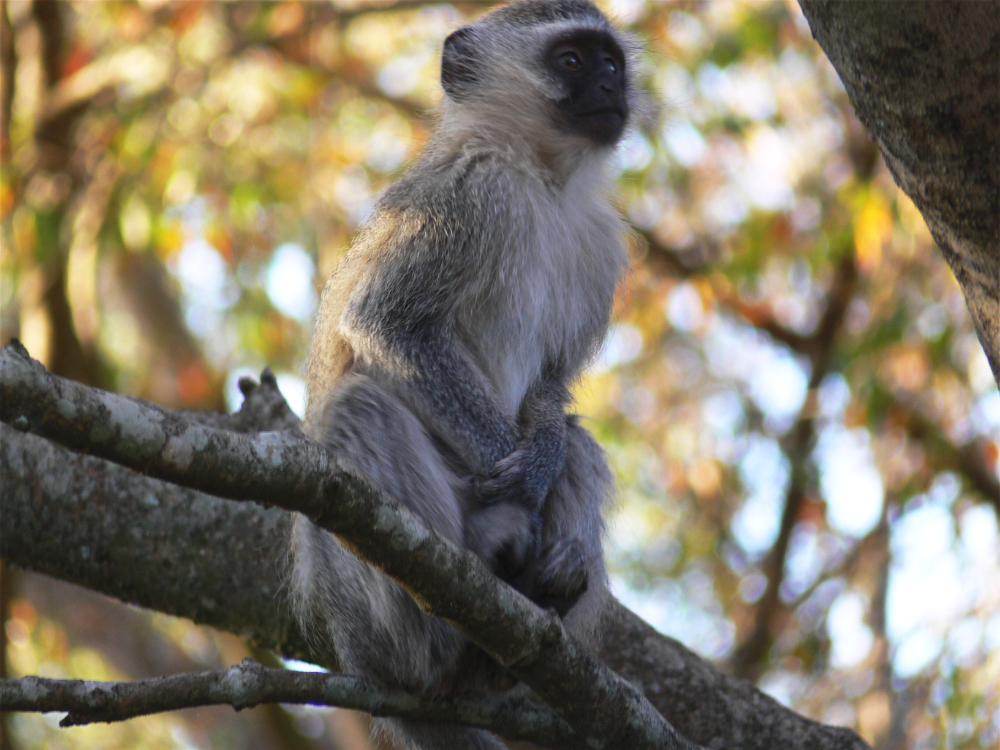
Not every wildlife encounter involved one of Africa’s enormous animals. Monkeys were another part of the experience, often providing a completely different kind of encounter from watching elephants or giraffes from the road.
Birds of Kruger
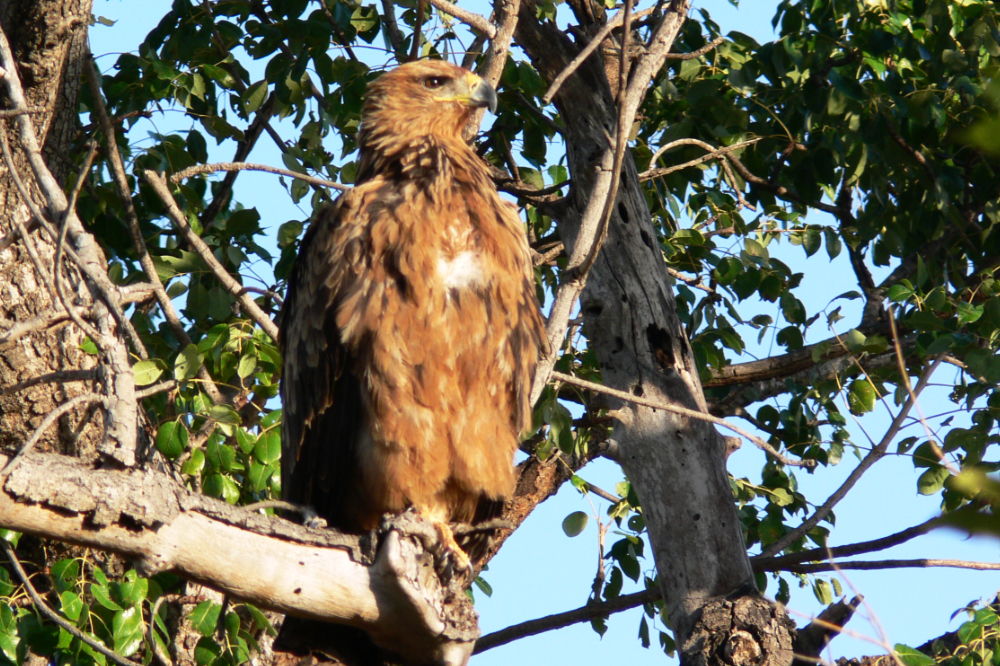
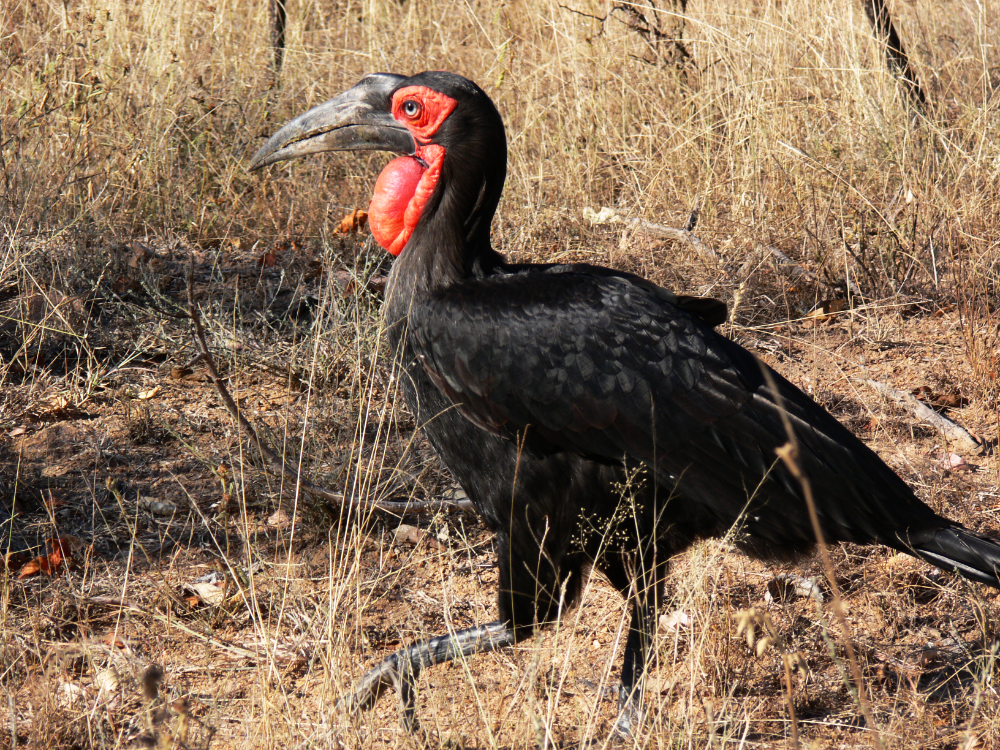
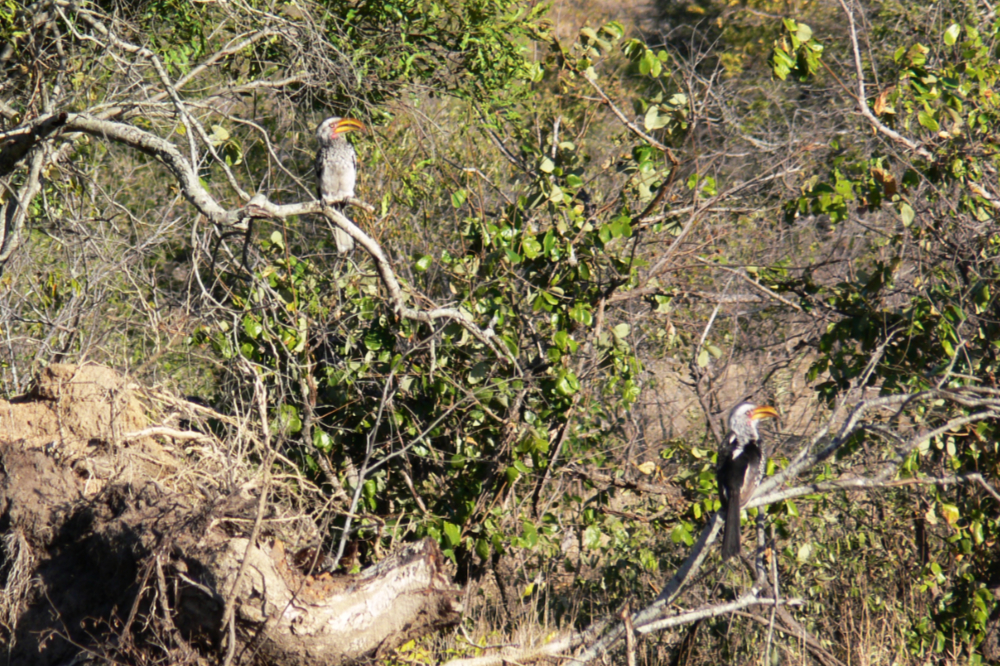
Kruger also has an incredible variety of birdlife. Large mammals naturally get most of the attention on safari, but there always seemed to be something worth watching in the trees or along the roadside as well.
Cold Mornings in South Africa
One thing I hadn’t expected before this trip was just how cold parts of South Africa could become. While driving through the northeastern part of the country, I woke up one morning to find frost covering the windshield of my rental car. South Africa had already surprised me with mountains, penguins, and an enormous variety of landscapes, and scraping frost from a windshield was another experience that didn’t fit the image of Africa I had before traveling there.
Kruger gave me the freedom to experience a safari at my own pace. I didn’t come across any lions during this trip, but between elephants, rhinos, giraffes, zebras, antelope, hippos, crocodiles, monkeys, and birds, there was wildlife almost everywhere I looked. Driving myself through the park also made every sighting feel like something I had discovered rather than something a guide had brought me to.
That independence remains one of my favorite things about Kruger National Park and one of the main reasons I’d return. With a park this large, a single visit can only show you part of it.
