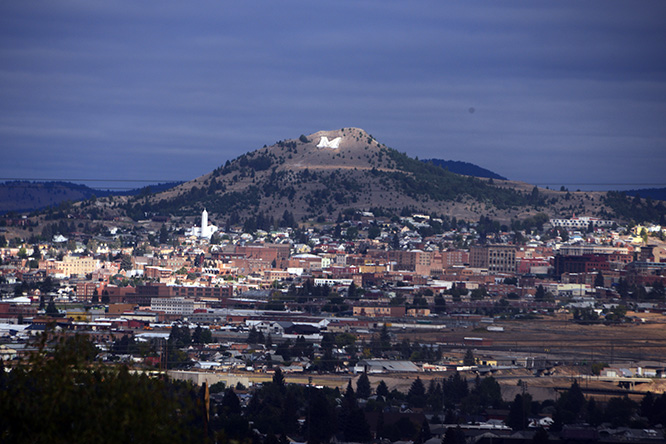
Butte probably isn’t the first city most travelers think of when planning a trip to Montana, but I ended up here while preparing for a much bigger adventure. My friends and I flew into Butte because it was the cheapest airport we could find for reaching the Beartooth Wilderness, where we planned to climb Granite Peak.
Butte itself turned out to be more interesting than I expected. The city was built around mining and still carries that history almost everywhere you look. Even from a distance, old mine structures rise above the hills and remind you that this was once one of the most important mining centers in the United States.
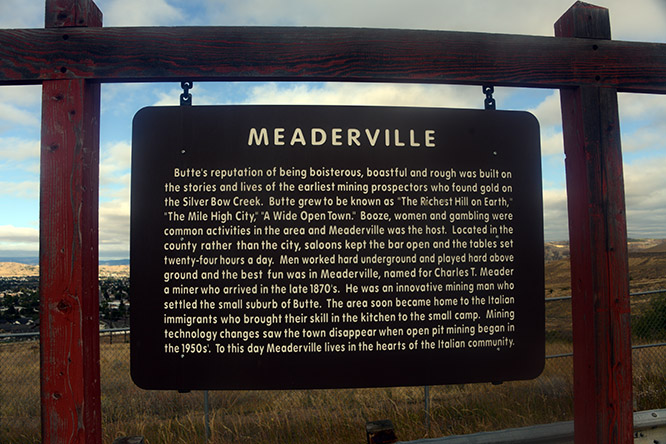
I took my first photos of Butte from an overlook beside the highway. The viewpoint wasn’t necessarily the best place to photograph the city, but several large signs explained how mining transformed Butte from a western settlement into one of America’s great industrial boomtowns.
Our Lady of the Rockies
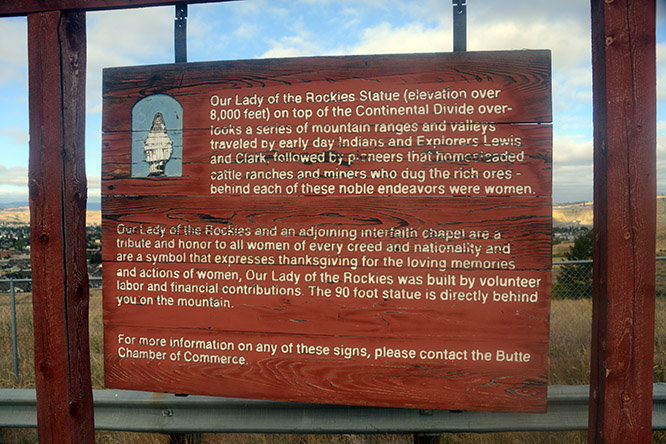
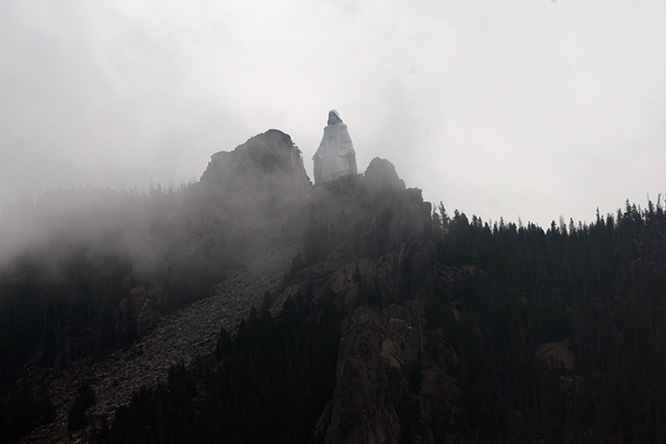
High above Butte is one of the strangest landmarks in Montana: Our Lady of the Rockies. The enormous statue of the Virgin Mary stands about 90 feet tall on the Continental Divide overlooking the city.
I heard two different stories explaining why it was built. The historical signs described the monument as a tribute to women, while a local woman told me a much more dramatic version involving a man who promised to build a statue of the Virgin Mary if his seriously ill wife recovered. The local version was certainly the better story, although I trusted the official history a little more.
Unfortunately, getting close to the statue wasn’t as simple as driving up the mountain. Visits required an organized trip from Butte. We tried driving toward it ourselves and eventually reached a locked gate where we were politely turned around, so this distant photograph was the best view I managed.
Berkeley Pit
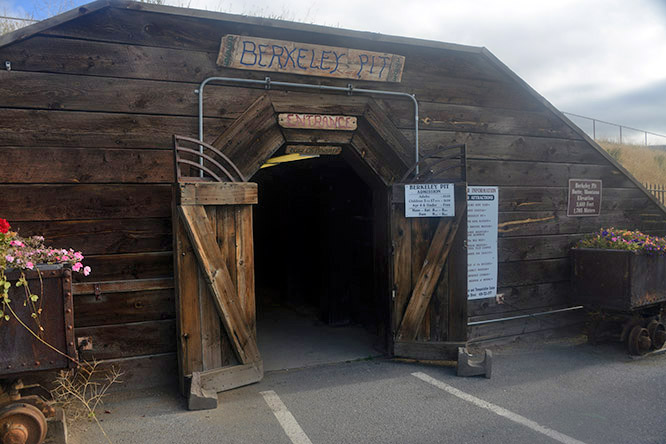
One attraction I could explore on my own was the Berkeley Pit. The enormous former open-pit copper mine is one of the most visible reminders of Butte’s mining era and has become one of the city’s strangest tourist attractions.
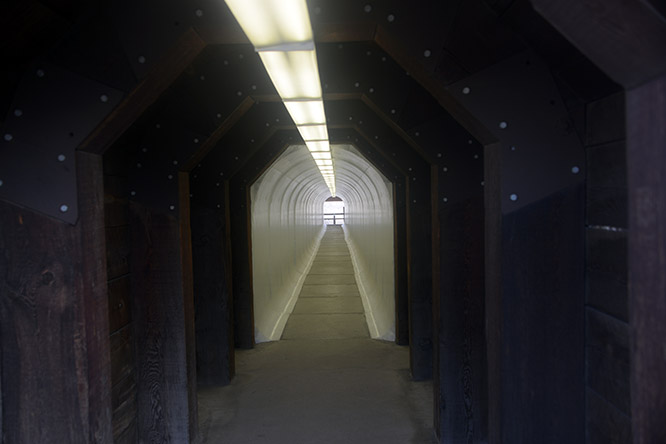
Visitors reach the viewing platform by walking through this short tunnel. Considering that the pit itself is obviously outdoors, I was slightly confused about why a tunnel was necessary, but it did make the approach more dramatic.
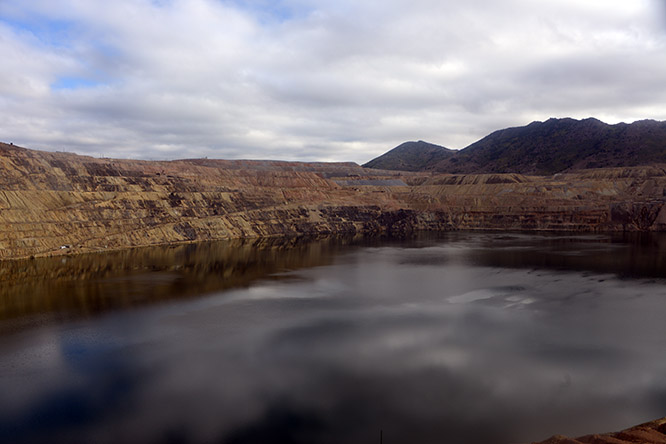
The Berkeley Pit began operating in 1955 and shut down in 1982. Once mining stopped, groundwater began filling the enormous excavation. The water is highly acidic and contains elevated concentrations of metals and minerals left behind by the mining process.
When I originally visited, there was serious concern about the rising water eventually reaching a level where contaminated mine water could affect surrounding groundwater and streams. That situation has changed considerably. Water is now actively pumped from the Berkeley Pit, treated, and discharged under a long-term management system designed to keep the pit below its protective water level.
The pit remains an enormous environmental project rather than simply an abandoned mine, with its water level continuously monitored and waterfowl discouraged from landing on the contaminated lake.
Butte’s Mining Legacy
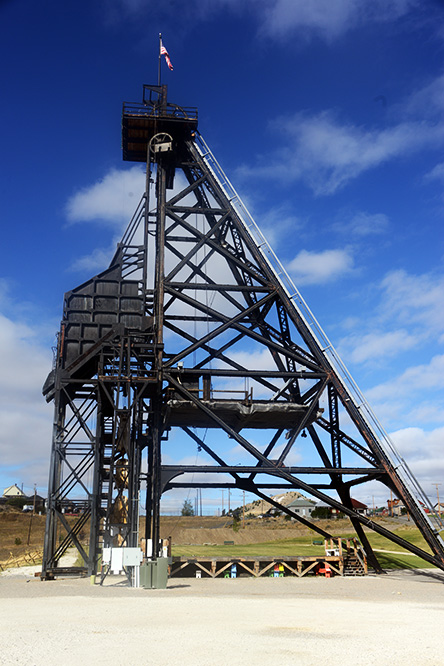
Old mine headframes are still scattered throughout Butte. These towering steel structures once stood above mine shafts and were used to move miners and ore between the surface and the enormous network of tunnels below the city.
The headframes were actually one of the first things I noticed while our flight was descending into Butte. At night many are illuminated, making the city’s mining history visible before you even reach the ground. I wish I had taken a night photograph, but they were still impressive during the day.
Downtown Butte
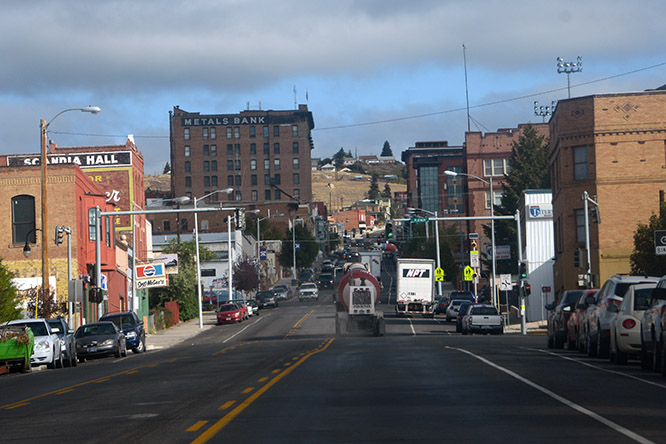
Downtown Butte was quiet during the day when we explored it. The night before, we had gone out to a local bar and experienced a considerably livelier version of the city, but by the middle of the following weekday the streets almost felt like a Sunday morning.
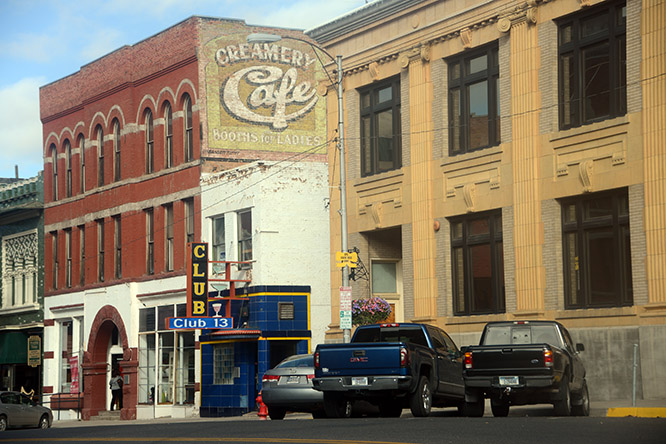
What Butte lacks in modern skyscrapers it makes up for with older architecture. Many buildings in Uptown date back to the city’s mining boom, when enormous amounts of copper wealth passed through Butte.
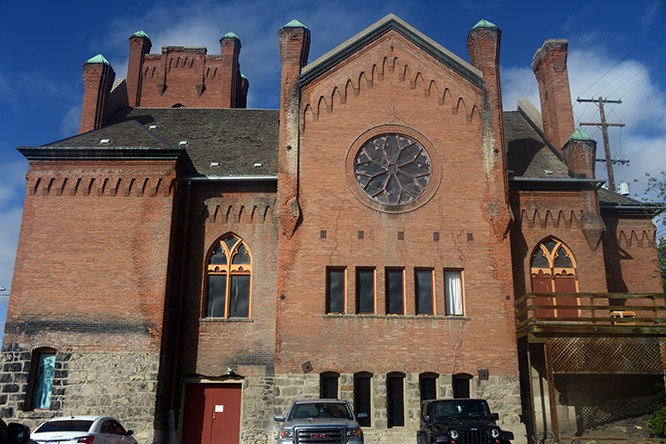
I photographed this building because I assumed it was still a church. It was originally built as the First Presbyterian Church in 1896 and was later converted into the Covellite Theatre.
When I first wrote this page, the building had been closed and there were plans to reopen it. Those plans eventually succeeded. The Covellite is once again an active arts and entertainment venue, hosting live music, theater, films, festivals, and other events inside the historic building.
A Few Random Sights
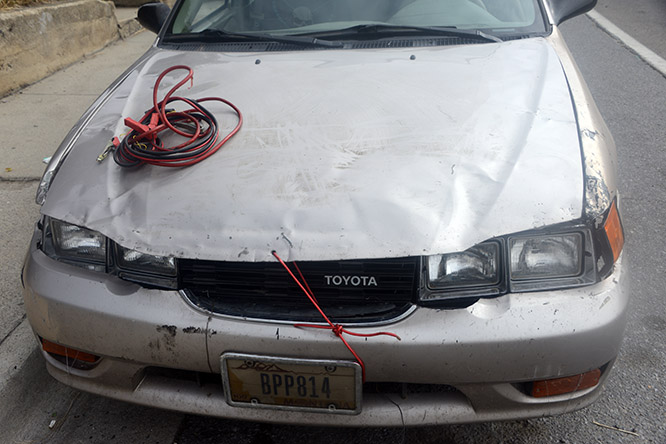
My friend traveling with me wasn’t particularly impressed with the condition of parts of Butte. I was more neutral about it, especially compared with some struggling towns I’d seen elsewhere in the United States.
This car, however, definitely wasn’t helping Butte’s case. With jumper cables ready to go and the hood apparently being held down with rope, I couldn’t imagine it surviving a vehicle inspection back home.
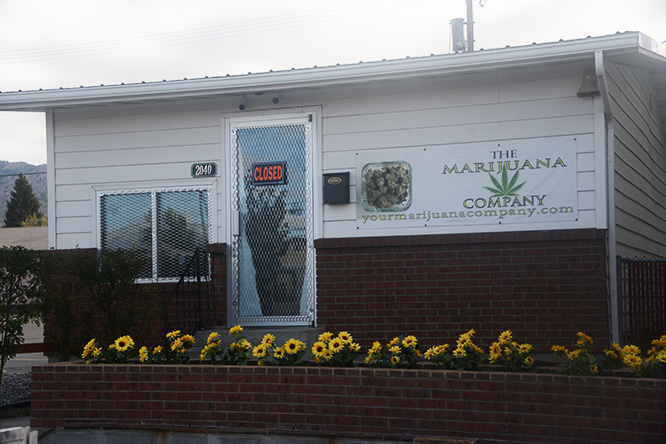
Another thing that surprised me at the time was seeing businesses openly associated with marijuana. This was before recreational marijuana became legal in Montana, so seeing several companies promoting the industry around Butte caught my attention.
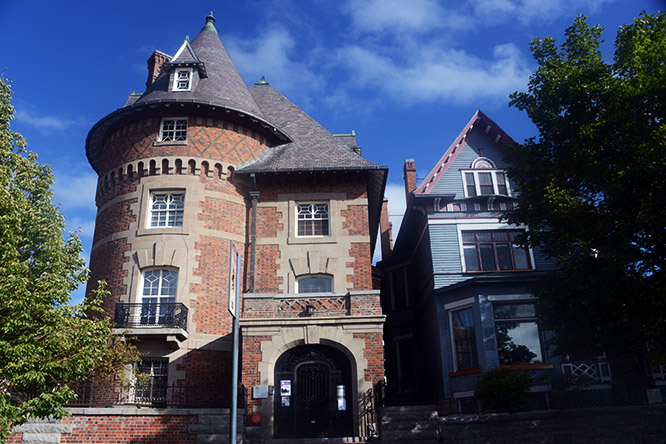
Like most cities, Butte had neighborhoods that looked considerably different from one another. Uptown included some attractive historic houses left from the city’s wealthier mining years. Coming from the Washington, D.C. area, I remember thinking that some of these large homes probably cost less than a small condo back home.
One Last Butte Breakfast
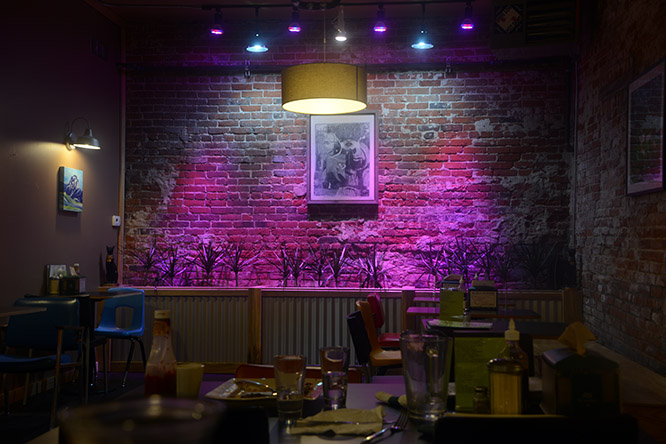
The final thing we did before flying out of Butte was spend a couple of hours at this coffee shop eating breakfast and catching up on everything we had ignored while traveling.
The menu included a drink called the “Butte Breakfast,” which was coffee spiked with Jameson and other liquor. Under normal circumstances, alcoholic coffee first thing in the morning probably wouldn’t have been my choice. But since it was our last morning in Butte, all of us felt strangely obligated to order one.
I originally came to Butte simply because it was the cheapest way to reach the mountains, but the city’s mining history made it much more interesting than I expected. The Berkeley Pit, mine headframes, historic Uptown, and giant Virgin Mary overlooking the city all tell the story of a place that once called itself the Richest Hill on Earth. Butte may not be a conventional Montana destination, but I’m glad my trip to Granite Peak forced me to spend some time here first.