Most of Montana is made up of vast rural landscapes with small towns scattered across them. Here and there you’ll also find the remains of towns that didn’t survive into the modern era. One of the best preserved is Bannack, an old mining town I visited almost exactly 150 years after it was founded. At its height, Bannack had hotels, saloons, houses, stores, a schoolhouse, and just about everything else needed to support a frontier community.
Bannack sprang to life after gold was discovered along Grasshopper Creek in 1862. Within a short time, thousands of prospectors and settlers poured into the area hoping to strike it rich. Bannack even briefly served as the first territorial capital of Montana before the capital moved to Virginia City.
The town also developed a reputation for the violence associated with the Wild West. Outlaws, robberies, and killings became part of Bannack’s history, as did a group of vigilantes who took justice into their own hands. Today it’s hard to imagine how rough life could have been here while walking through the quiet remains of the town.
Hotel Meade
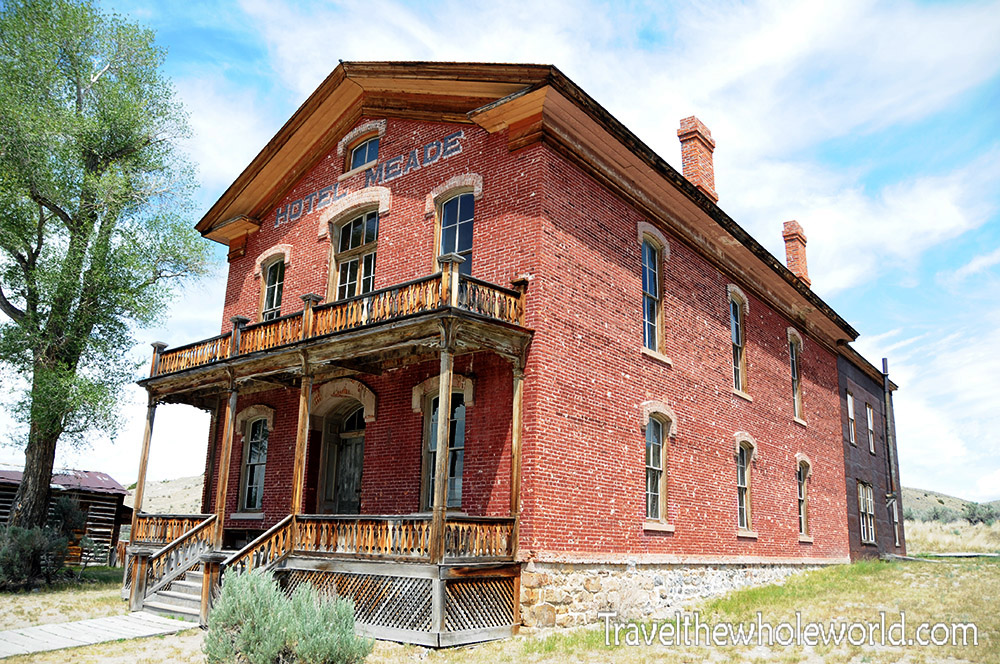
Today Bannack is a ghost town, with its last permanent residents having left decades ago. One of its most impressive surviving buildings is Hotel Meade. The large brick structure was originally built as the Beaverhead County Courthouse in 1875. When the county seat moved to Dillon, the building was eventually purchased and converted into a hotel.
Hotel Meade became one of Bannack’s social centers, offering accommodations, meals, and gathering spaces at a time when the town was becoming increasingly isolated. Today you can walk through many of its rooms and get a surprisingly good idea of what the building must have looked like when it was still operating.
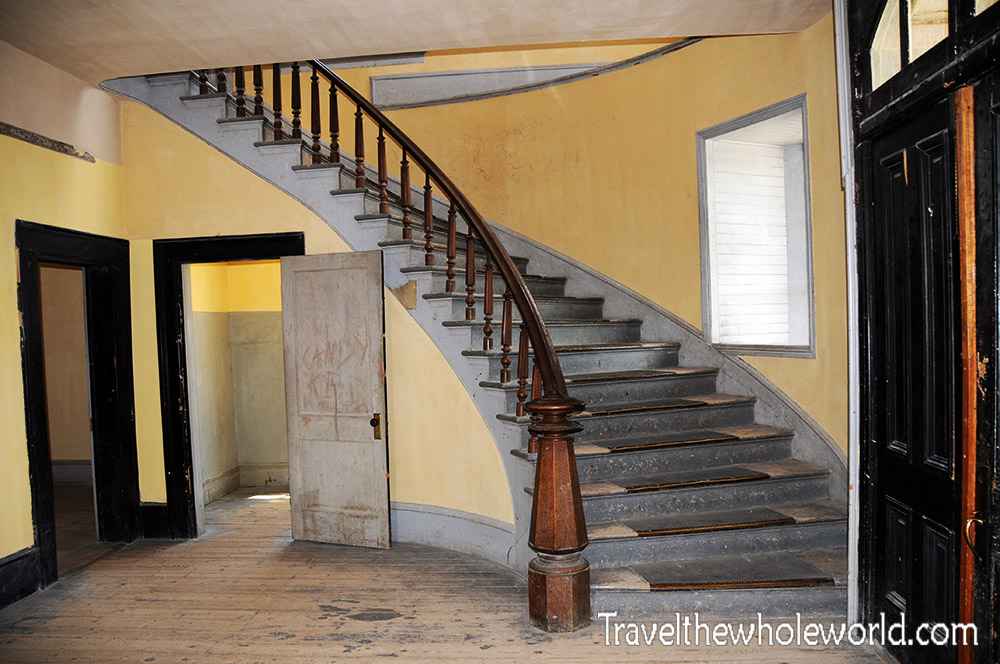
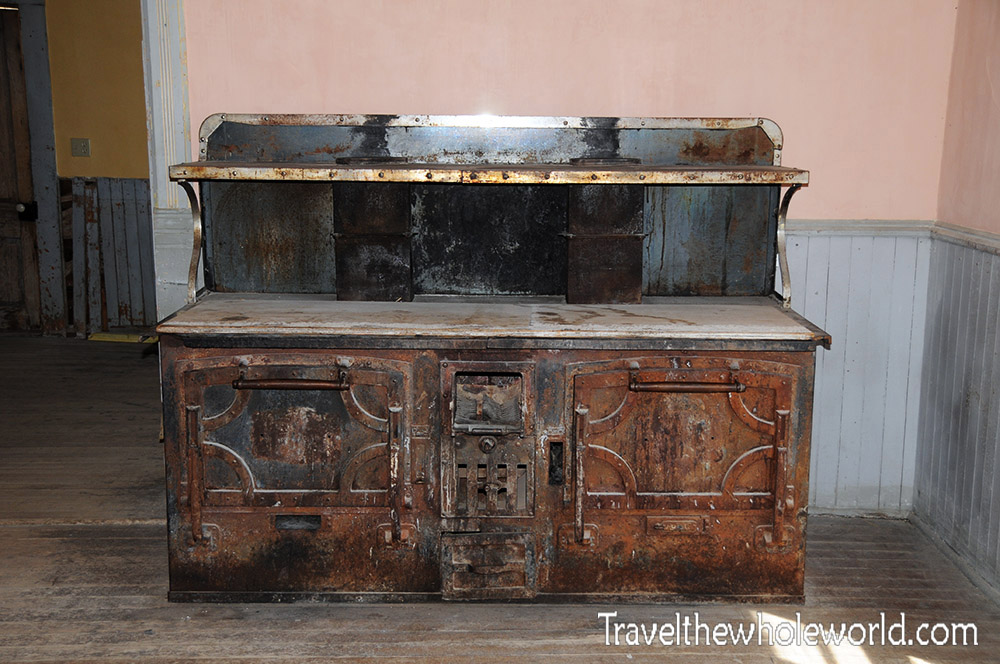
These photos show more of the interior of Hotel Meade. I would have never guessed what the object above was, but it’s actually a large commercial oven. The hotel once hosted dinners and social gatherings and was a surprisingly luxurious establishment for such a remote part of Montana. Staff at Bannack told me about expensive china and other goods that had been brought in from around the world. For someone living in a frontier mining town, staying here probably felt pretty luxurious.
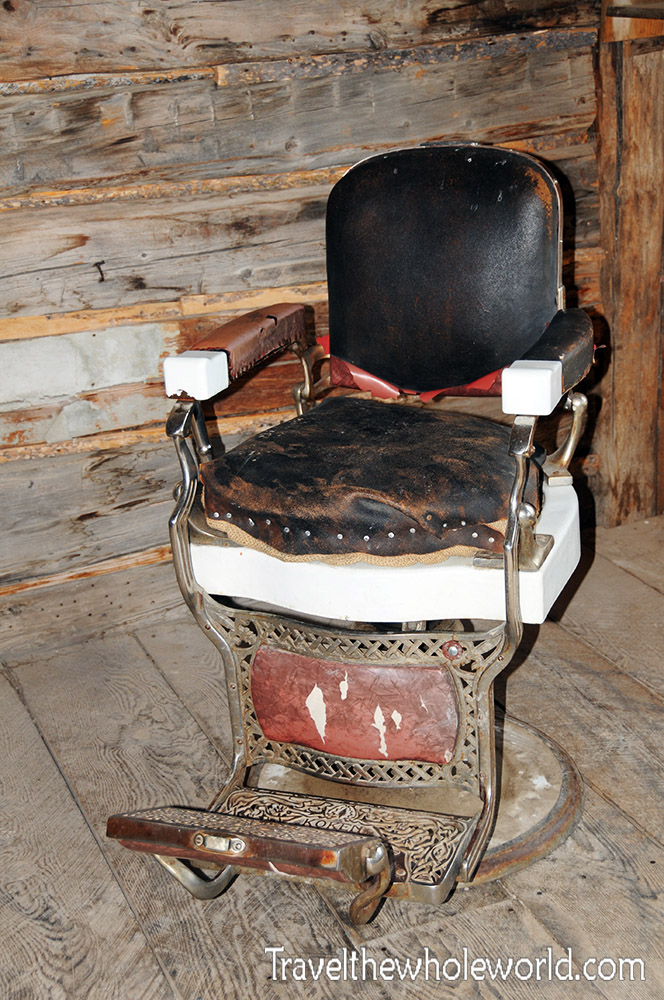
This old barber’s chair was another artifact still sitting inside the hotel. One of my favorite things about Bannack was that so many of its buildings weren’t simply shells viewed from a distance. You could actually walk inside and see remnants of everyday life from when people still lived here.
Exploring the Ghost Town
You’re free to explore much of Bannack on foot, and many of the historic buildings are open to visitors. Hotel Meade is certainly one of the highlights, but there are old houses, cabins, businesses, and other structures spread throughout the town.
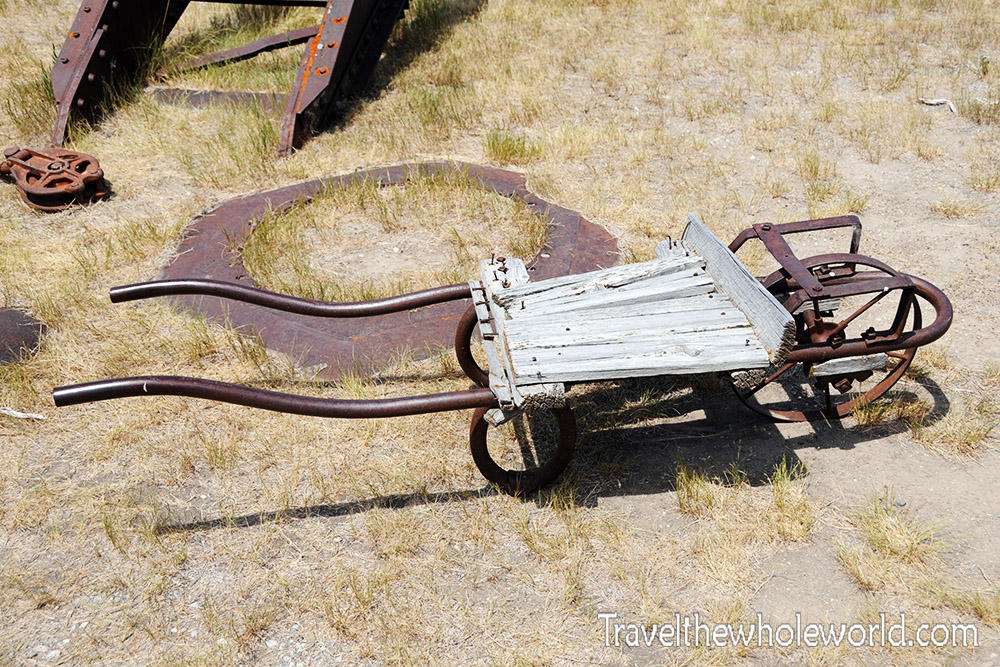
The surrounding grounds are also filled with old equipment left behind by former residents. Some of it has been sitting outside for generations, slowly becoming part of the landscape.
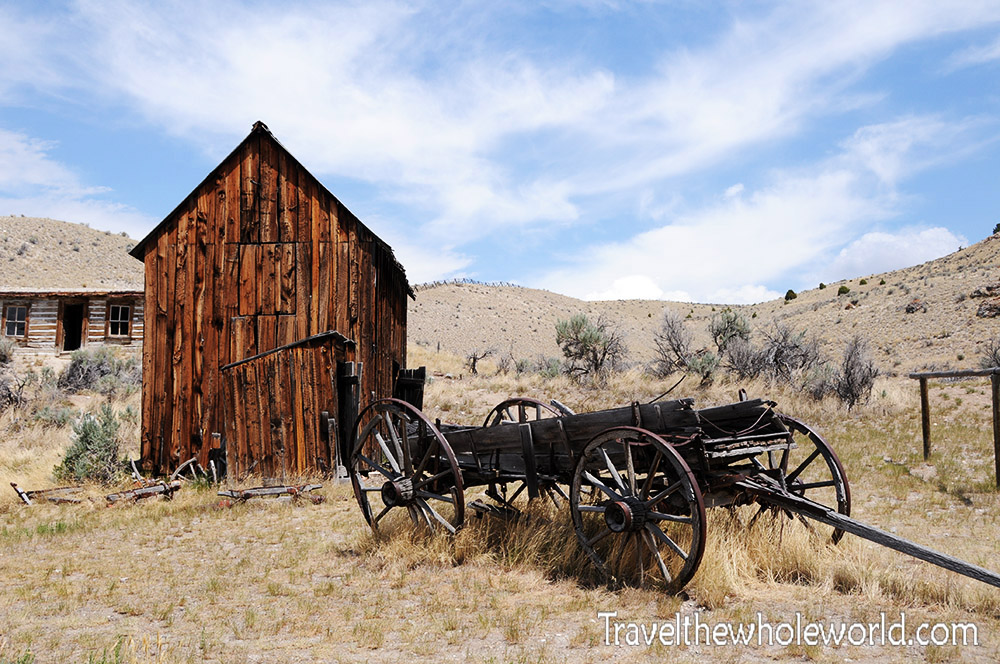
It’s this combination of preserved buildings and abandoned equipment that makes Bannack feel different from a reconstructed historic attraction. You aren’t walking through a recreation of a frontier town. You’re walking through the remains of the actual town where people lived, worked, raised families, and searched for gold.
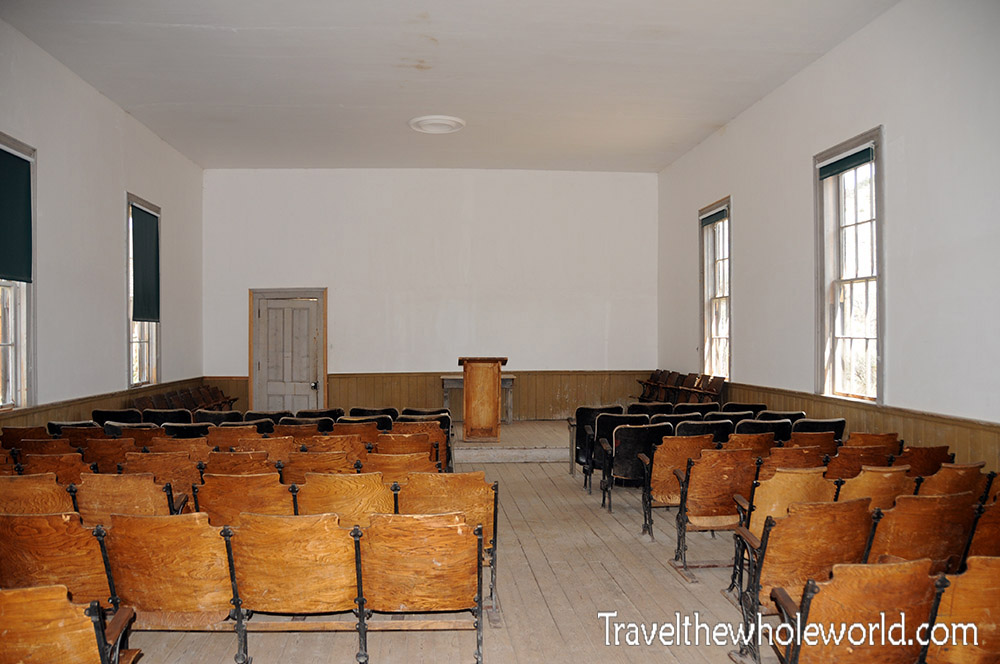
Bannack Schoolhouse
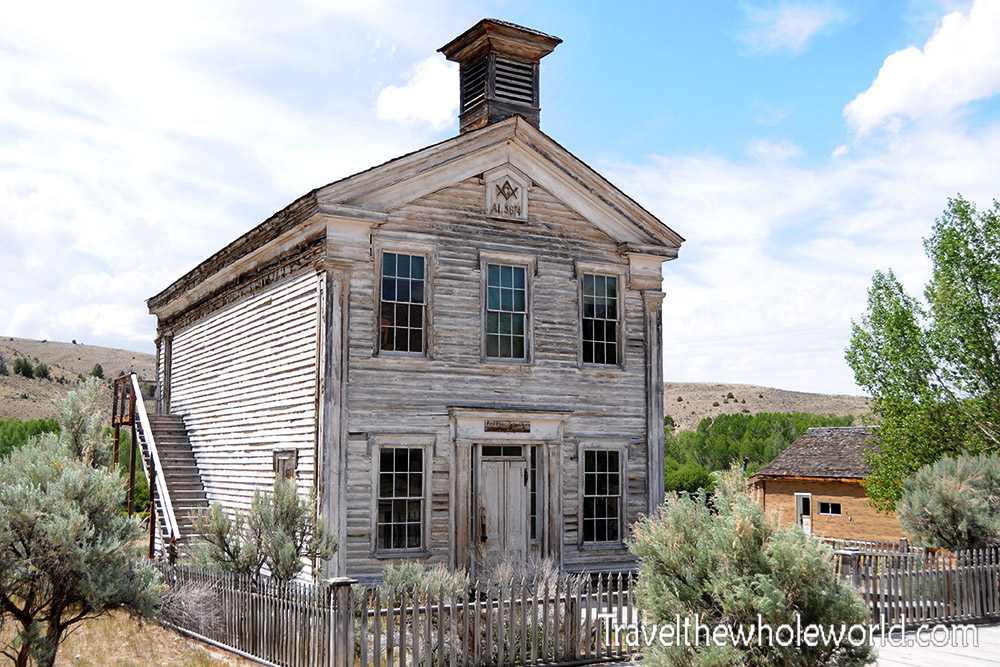
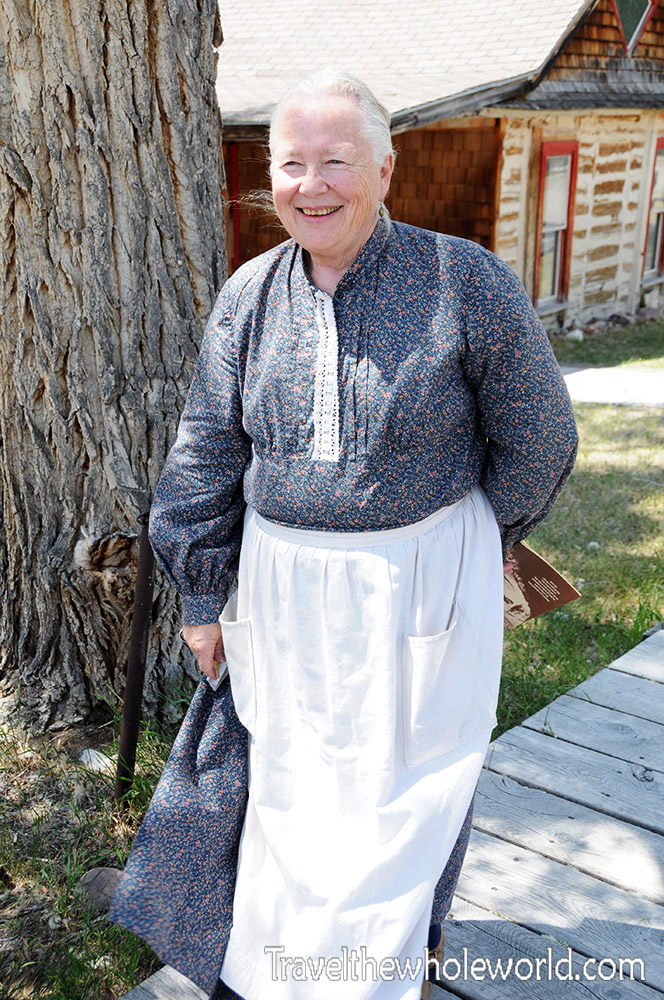
This building served as Bannack’s schoolhouse. When I visited, a woman dressed in period clothing was there to explain some of the town’s history and answer questions. She had plenty of interesting information, but what caught my attention most was something written on the chalkboard inside.
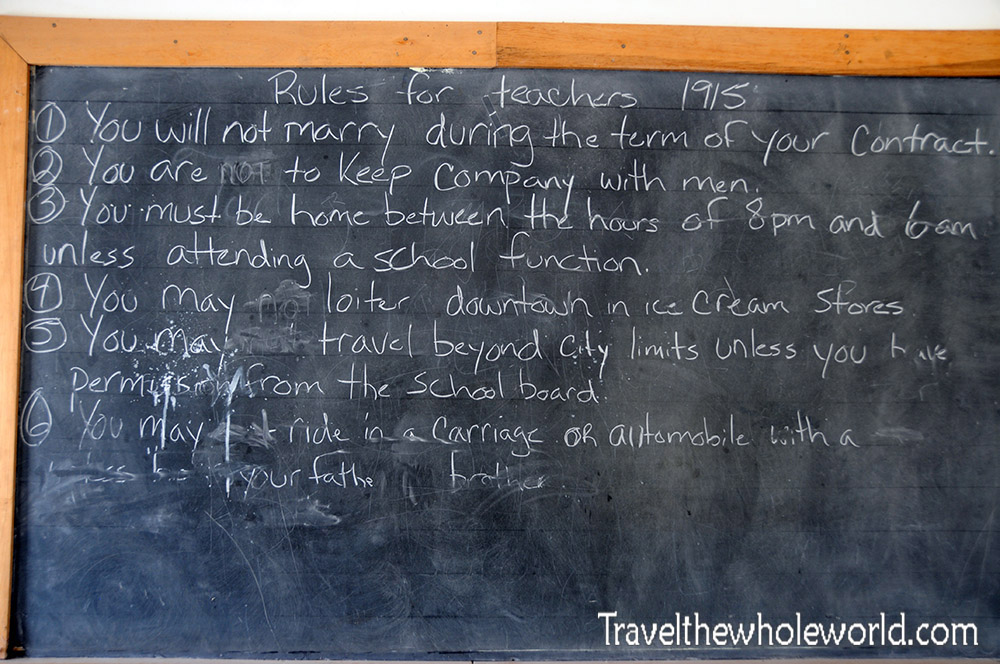
The chalkboard displayed a list of rules supposedly imposed on female schoolteachers during the early 1900s. They included restrictions on spending time with men who weren’t relatives, being out at night, and leaving town without permission. Whether every rule on lists like this was actually enforced exactly as written is difficult to know, but they certainly reflected how differently female teachers were expected to conduct themselves compared with today.
Bannack ended up being one of the more interesting stops on my travels through Montana. What began as a gold rush settlement eventually faded away as the mines declined and residents moved elsewhere, but instead of disappearing completely, much of the town survived. Walking through its empty streets and entering buildings that have stood for more than a century made Bannack feel less like a museum and more like a piece of the Old West that was simply abandoned and left behind.