The first place I went to in Osh was the famous Sulaiman-Too sacred mountain. The mountain has been sacred to the people of Osh for centuries and brings Muslim pilgrims from other parts of Kyrgyzstan as well as neighboring countries. The mountain is also home to several museums and an art gallery. Above is the beautiful mosque at the bottom of the mountain.
Sulaiman-Too Sacred Mountain


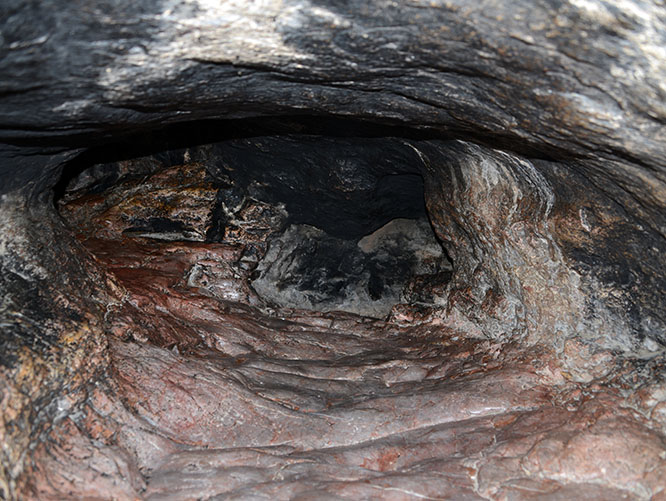
There are several different trails through the Sulaiman-Too mountains. Most are paved and take you to the museums or Babur’s house, while others go through the rougher terrain and lead to scenic viewpoints and petroglyphs. Above is a reconstructed wooden hut representing the type of home people once lived in. The other photo shows a small sacred cave used by local people. When I passed by, several middle-aged women were crawling out and one of them struck up a conversation with me. She gave me a large piece of Kyrgyz bread, which was perfect since I had skipped breakfast!
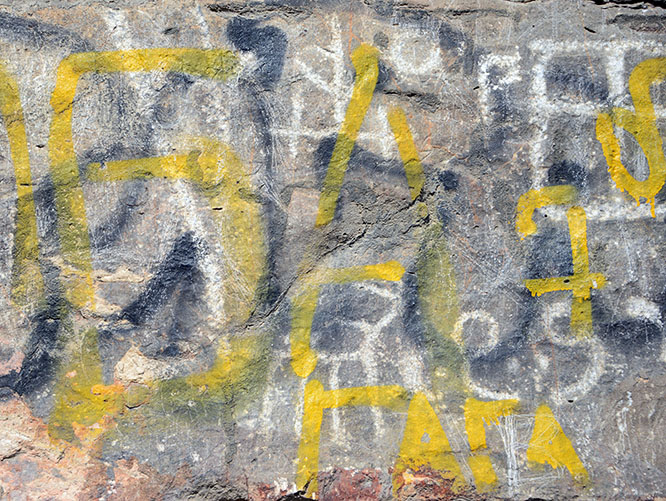
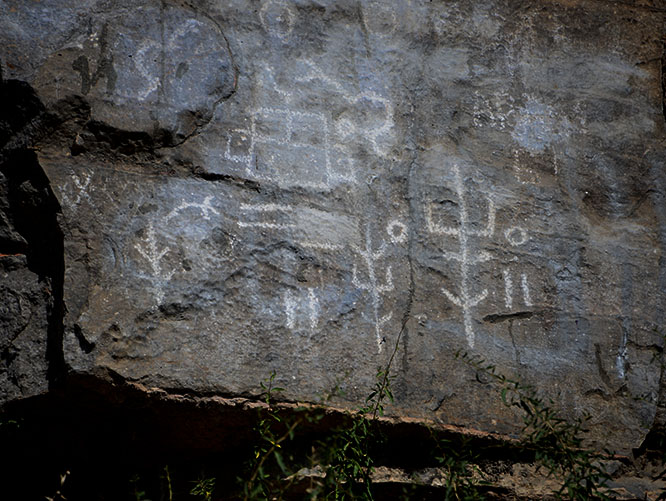
The petroglyphs were mentioned a lot around Sulaiman-Too. There are several signs pointing to their locations and plenty of information about them in the museums. Sadly, there was so much graffiti in the area that some of the petroglyphs were difficult to find. It was rare to find an area near the trail without spray paint, and I even found petroglyphs that had been painted directly over. The photo above was one of the few areas I found where they hadn’t been damaged.
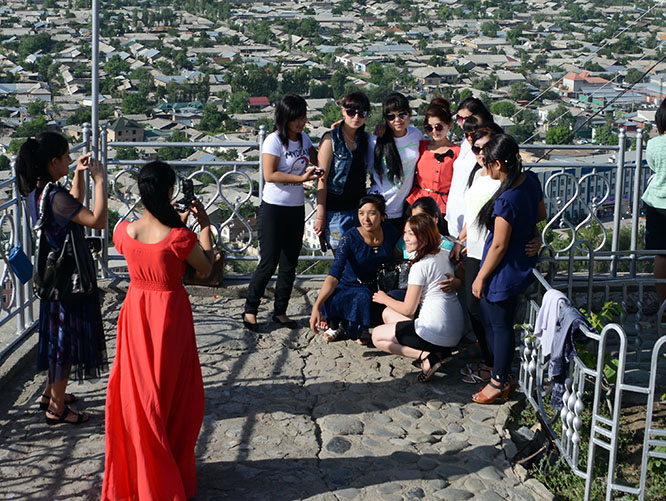
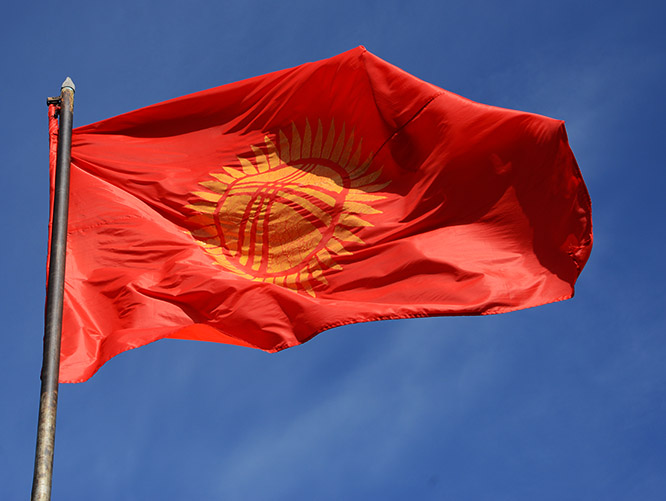
There were a lot of people on the sacred mountain when I visited. I came across a large group of about 20 young women and another group of 50 or more kids on a field trip. Above is part of one of the groups I came across, followed by the national flag of Kyrgyzstan flying over the city.
Babur’s House
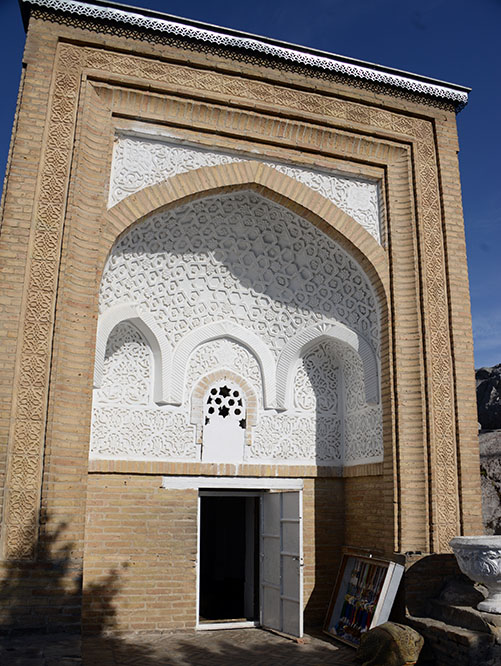
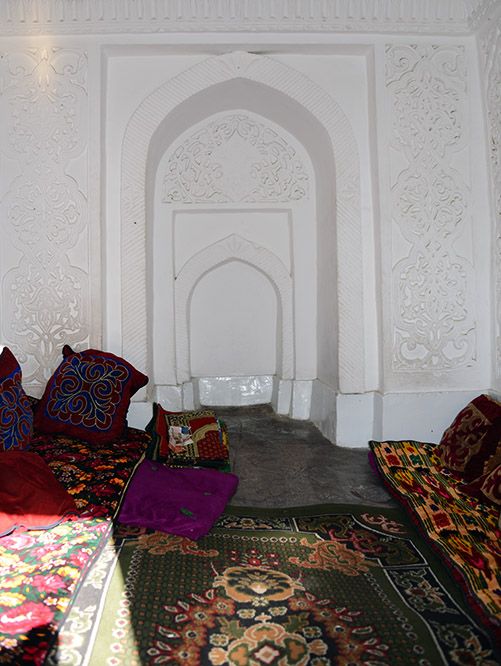
Near the top of the mountain by the flag is Babur’s House. Babur became a ruler while still a teenager and later founded the Mughal Empire. He had a small structure built here on Sulaiman-Too, and the site has remained an important historic and sacred place. The building is quite small, essentially a single room, but nicely decorated inside.
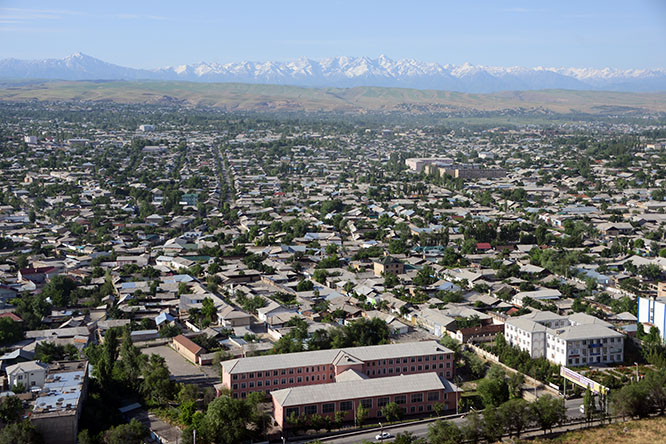
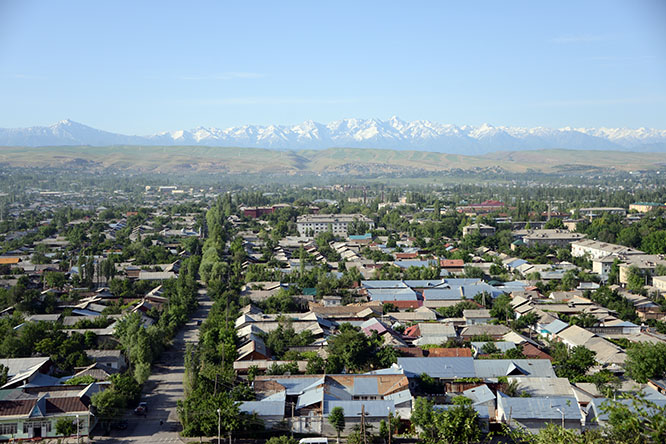
From here you can get some great views of the city. Although it’s very flat and there aren’t many tall buildings, Osh is still beautiful from above. It’s much greener than I expected and sits in front of high snow-covered mountains.
Sulaiman-Too Cave Museum
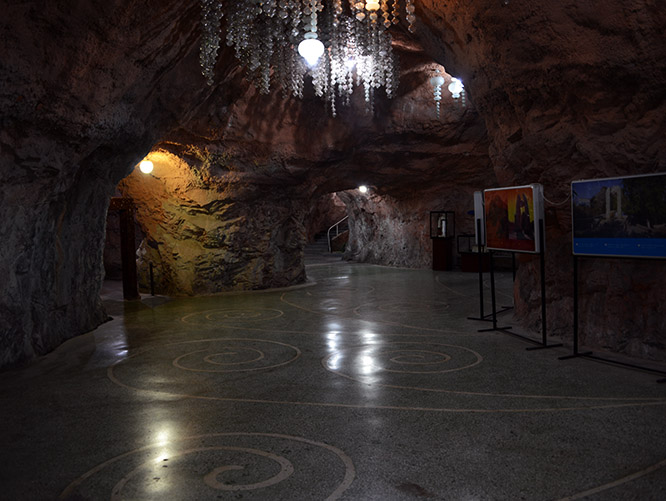
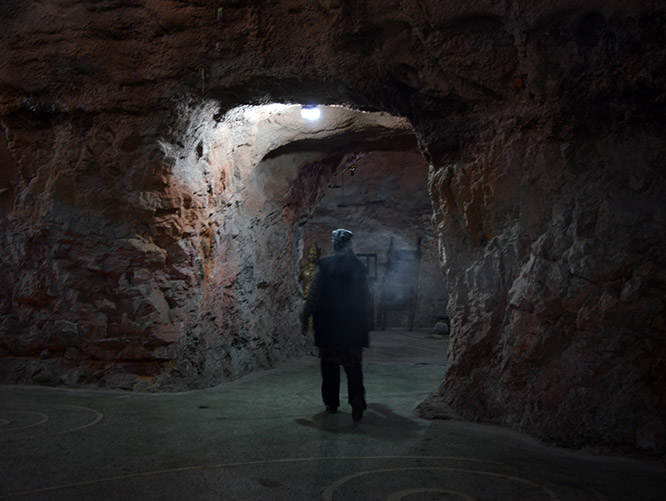
The first of the three museums I went to was the Cave Museum built directly into the mountain. It was pretty hot outside but cold once inside the caves. The museum was split into a main hallway with small rooms branching off to the sides. For some reason there was a woman walking around the caves spreading strong incense.
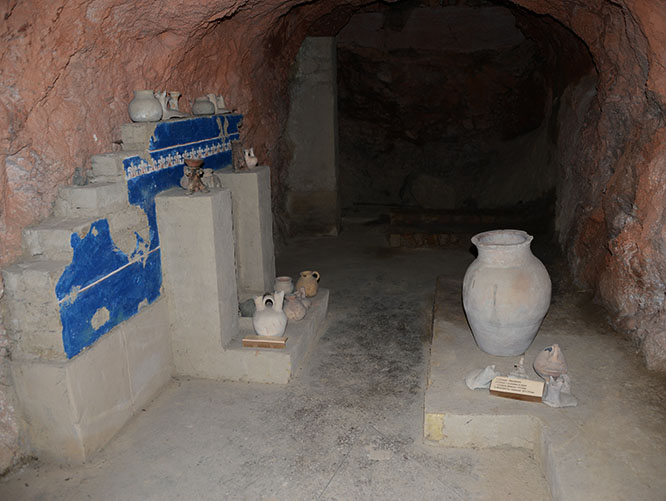
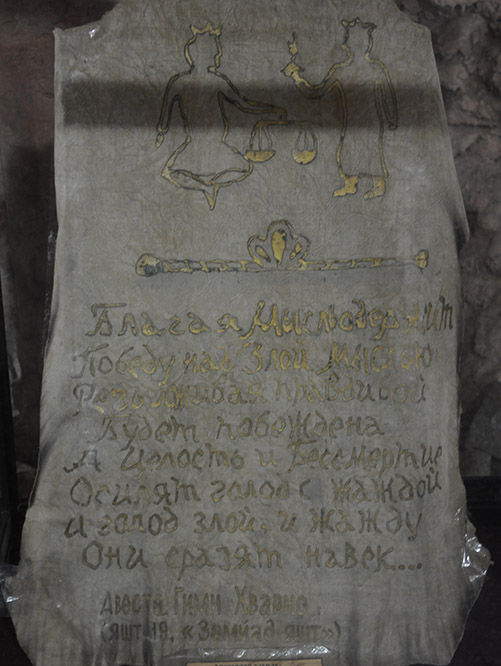
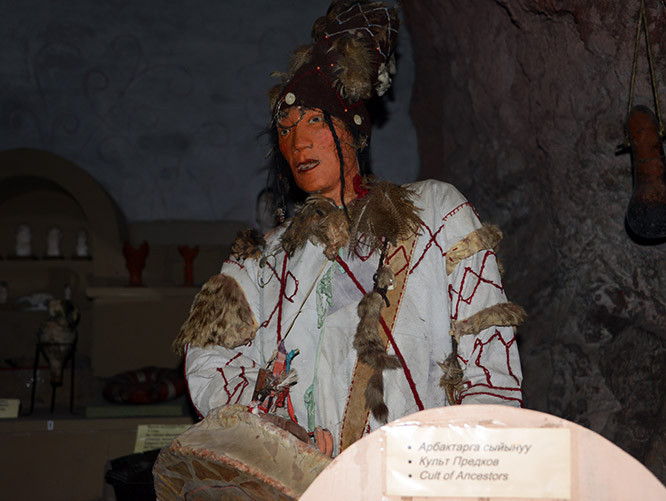
Some of the displays from the cave museum included a reconstructed Zoroastrian home, Zoroastrian writing and traditional Kyrgyz clothing.
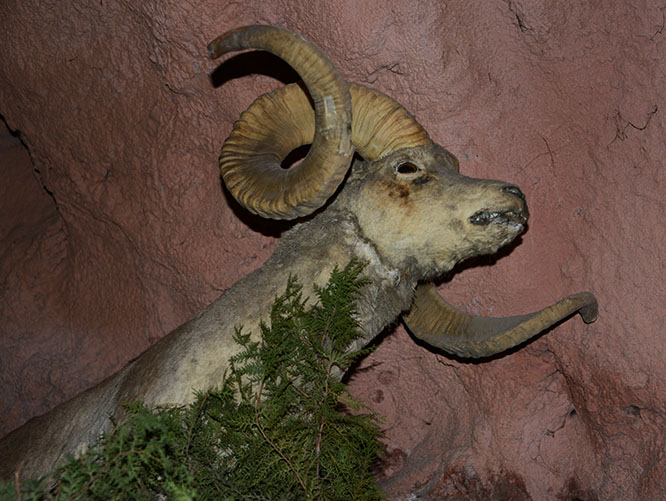
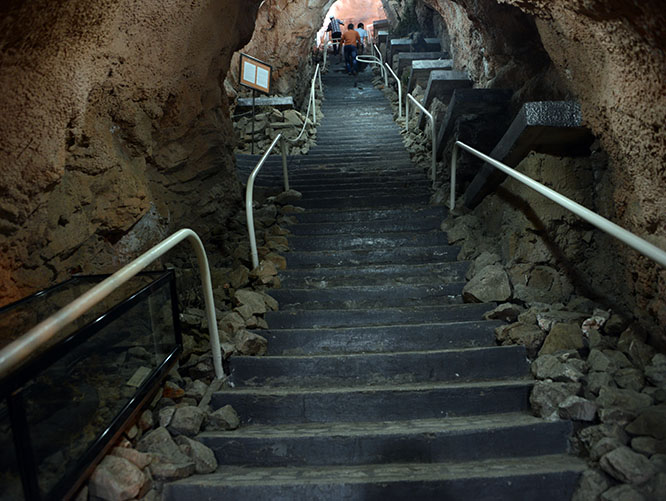
The cave museum’s main floor is at the entrance. Afterwards you climb a really long flight of stairs with preserved animals on either side. This takes you to the top floor where you’re almost blinded by the light entering through a giant window. There are a few more artifacts here before you exit the museum and find yourself back on the mountain.
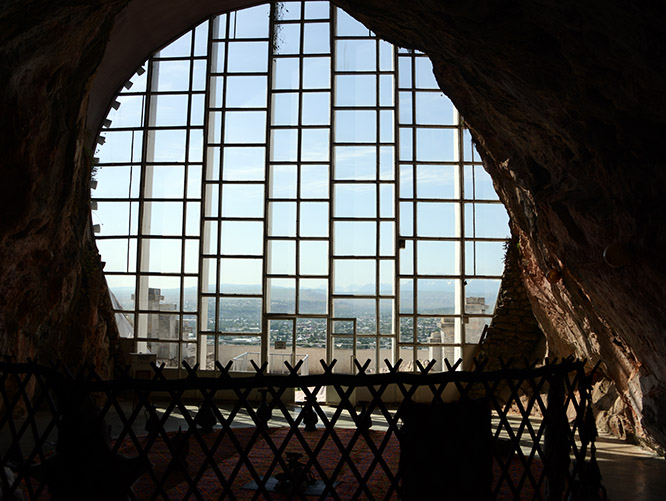
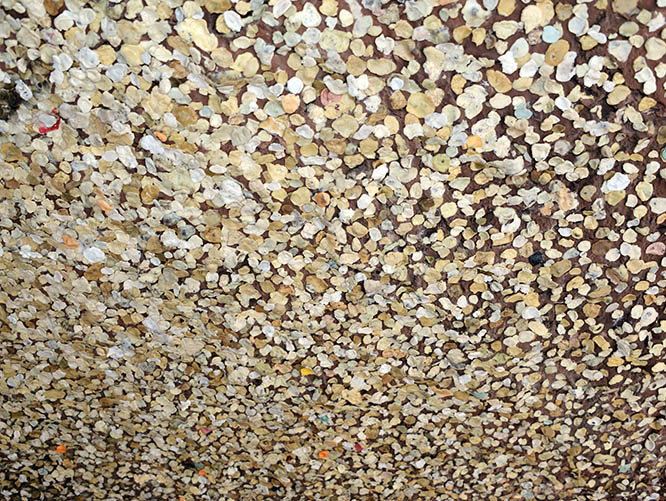
The last thing you have to do is climb down some stairs that pass under a small bridge. Strangely, the ceiling underneath it was covered by hundreds of pieces of chewing gum. Gross!
Osh Historical Museum
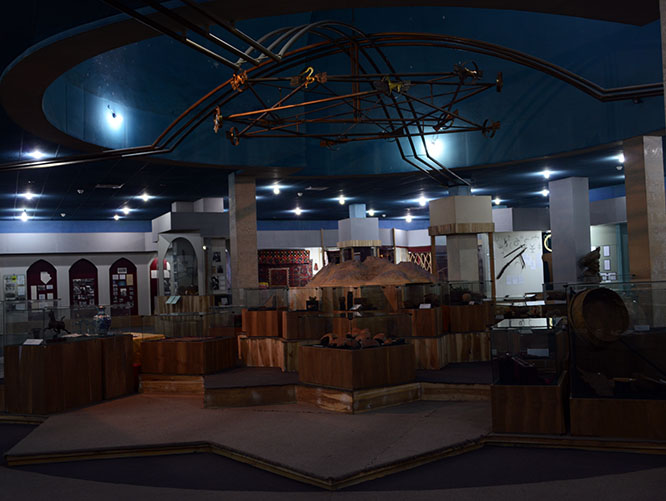

At the base of the mountain is where you’ll find the other museums and the art gallery. The Cave Museum had a sign saying there was a 10 som charge for every photo you took. While they didn’t enforce it there, the historical museum definitely did. I actually had to pay for every photo I took, but since it was less than ten photos it still wasn’t much money. Above is one of the largest rooms in the museum, followed by a depiction of a medieval battle.
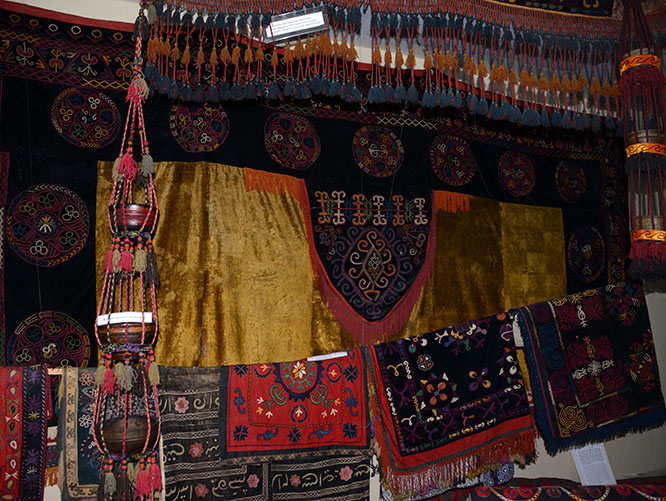

The museum had a wide range of items on display, from textiles and vintage photographs to minerals from around the country and exhibits about the Soviet Union.
Osh Art Gallery

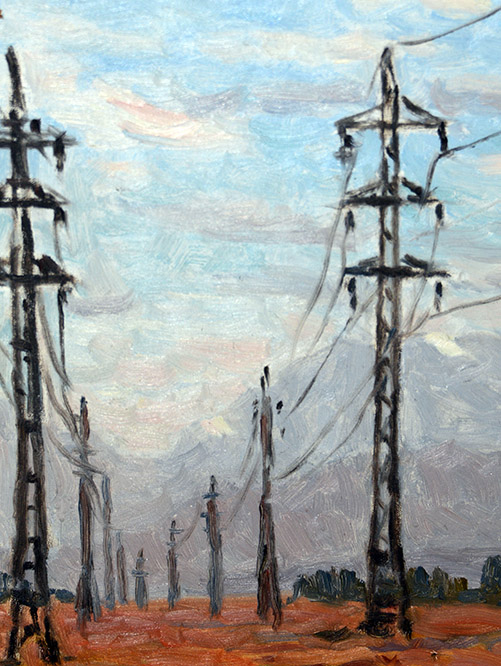
Next I went to the art gallery. The woman at the desk was very kind and gave me a Russian explanation of almost every painting. Although I didn’t understand a word of what she was saying, I still appreciated the personal tour. All the paintings in the gallery were unique and interesting, and I liked how many of them depicted ordinary modern life. When I travel and take photos, I often try hard to find an angle that keeps power lines out of the picture. Instead, this Kyrgyz artist made the power lines themselves the subject.
Yurt Museum
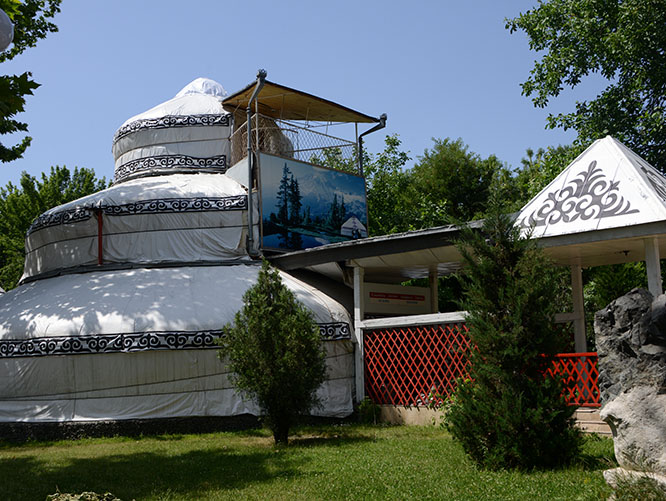
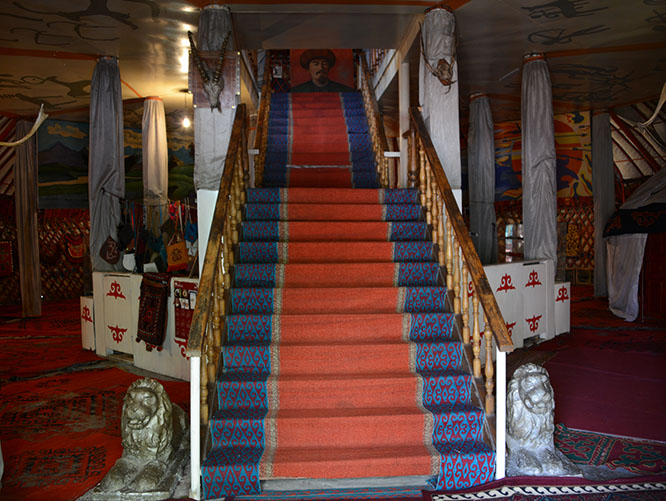
Alright, last museum! I honestly came very close to skipping this one since I had spent so much time in the other museums already. I had heard about this three-story yurt before I arrived, but was kind of disappointed by its appearance in person. Although it was three stories, it looked much smaller than I imagined and I didn’t like the plastic covering around the outside. It made it look like a giant blow-up playhouse. I decided to go inside anyway, and as soon as I entered I was happy I did. The inside of the yurt museum is made of wood and decorated from floor to ceiling with textiles and artwork.
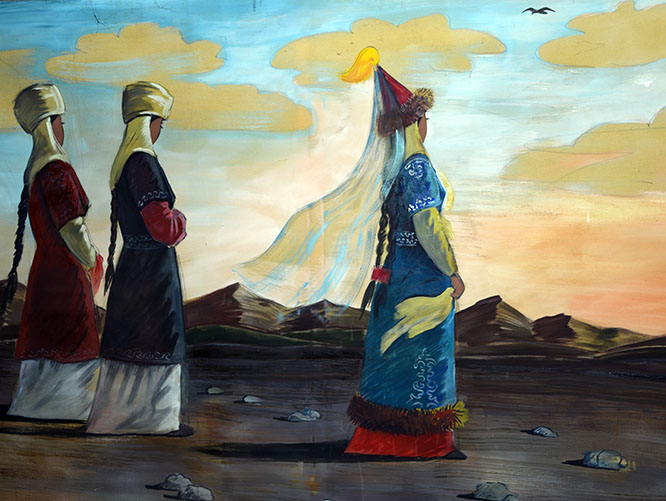
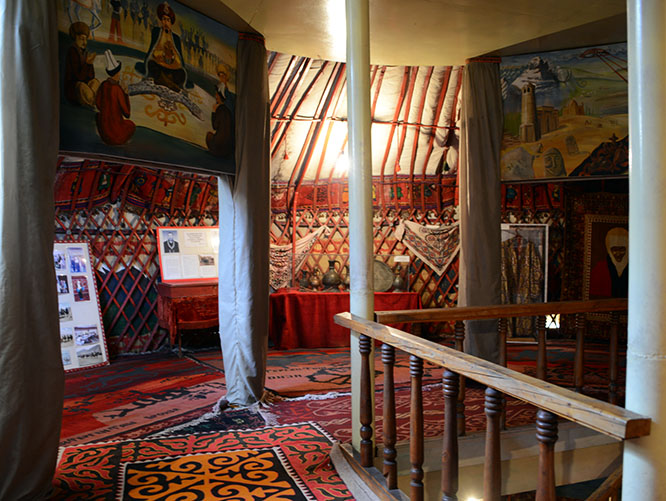
The yurt museum shows traditional clothing, textiles and artwork from Kyrgyzstan. Above is a painting of Kyrgyz women followed by a view of the museum’s second floor.
Osh Bazaar
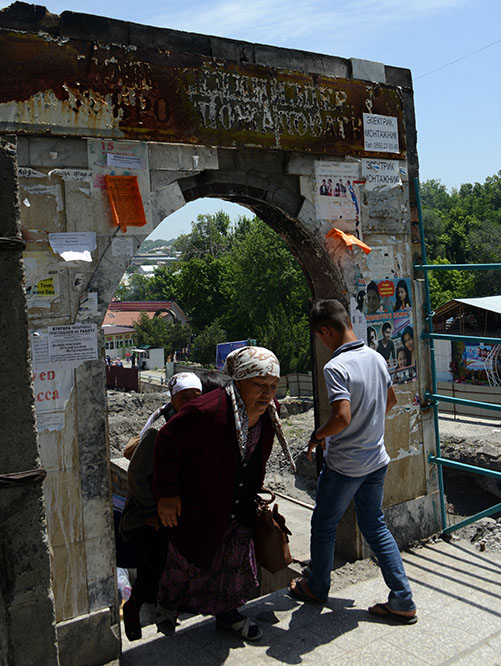
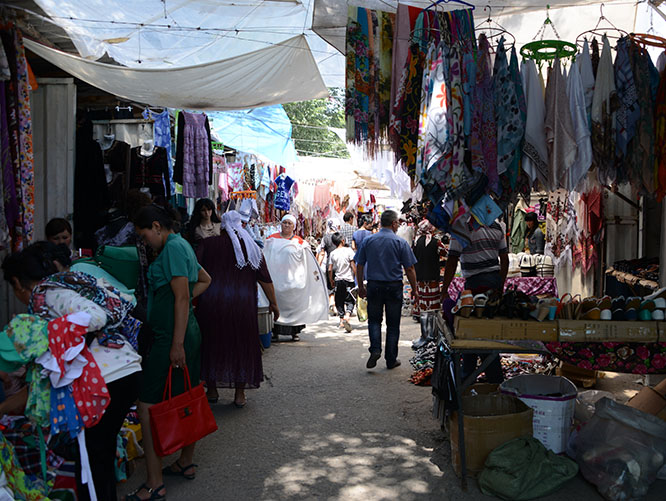
Another great place to go in Osh is the giant bazaar. It extends for about a kilometer and sells just about everything you could think of. For some reason I had difficulty changing Tajik currency after I left that country. I assumed I could do it in Kazakhstan or at least somewhere in Kyrgyzstan since the countries border each other. Osh is fairly close to the Tajik border, but even here the banks wouldn’t take my money. Instead they told me to go to the bazaar!
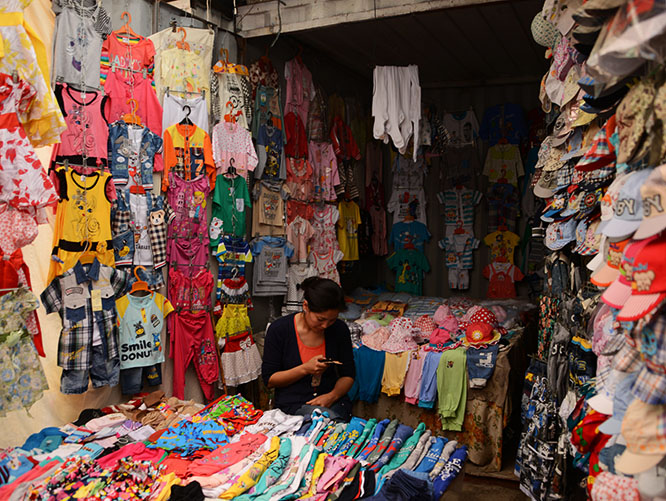
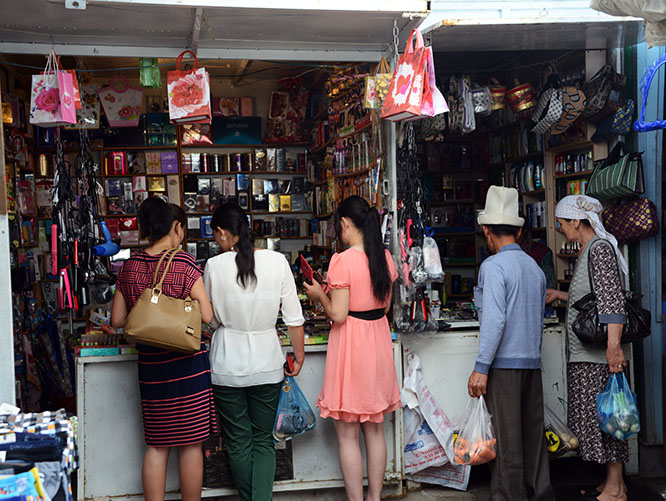
Some of the shops seemed to be very slow, with the owners texting or even asleep. Others were pretty busy and had a steady stream of customers and window shoppers. I ended up buying some sunglasses here since I had broken my other pair while hiking on this trip.
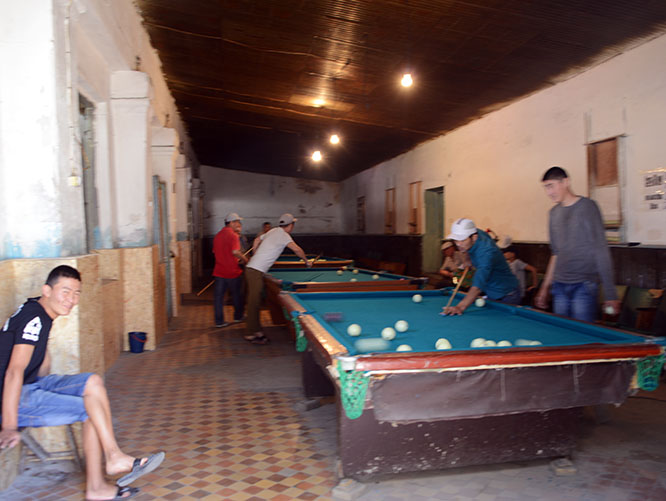
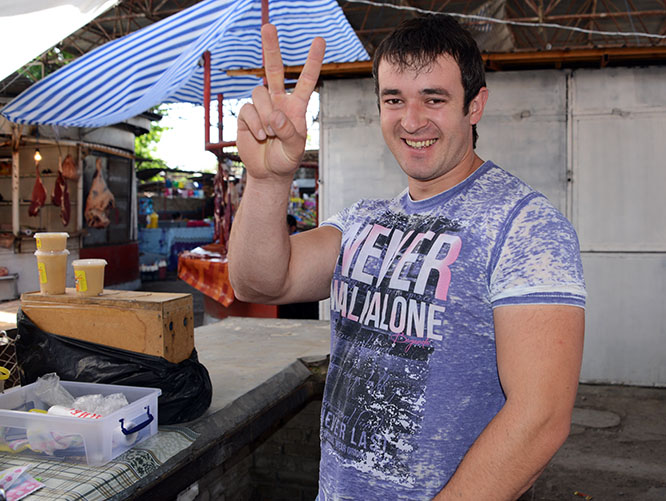
While walking around the bazaar I thought I heard people playing pool. It seemed out of place, but sure enough, around the corner was this pool hall. In another section of the market, the guy above started a conversation with me. His background is Russian, but he was born and raised in Osh. His family business is beekeeping and they make honey. He’s a really nice guy, and after a good conversation he gave me some honey for free, telling me it was “a gift from my heart.”
Meerim Park
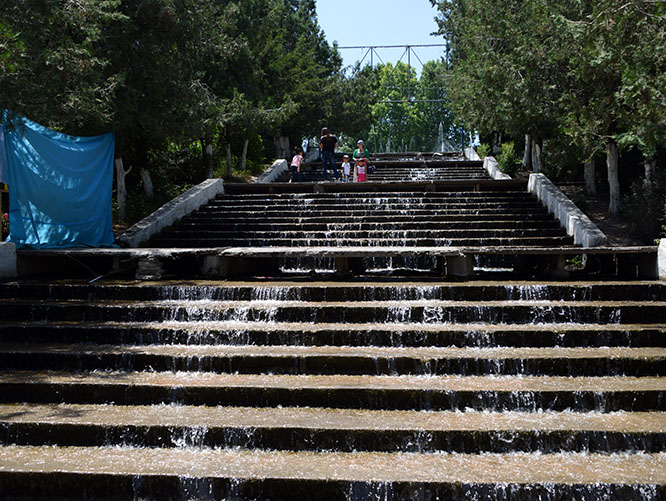
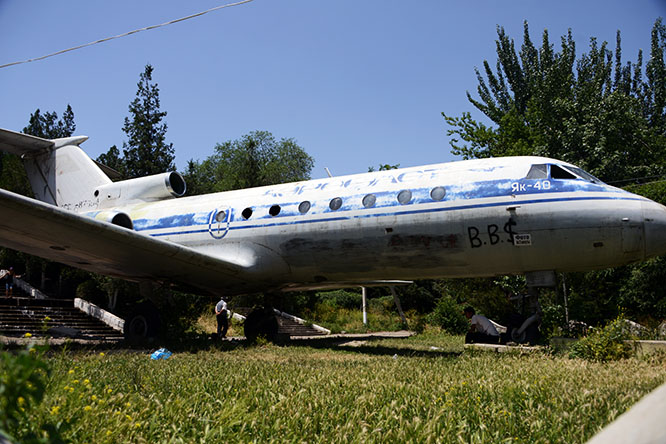
After the market I stumbled across these watery stairs that led to an old airplane. My shoes had been destroyed from the hikes I had done in the Tian Shan Mountains and, being left with only flip-flops, I was able to walk down them. The plane was on display for some reason, and they even had a young photographer underneath who would take your photo with it.


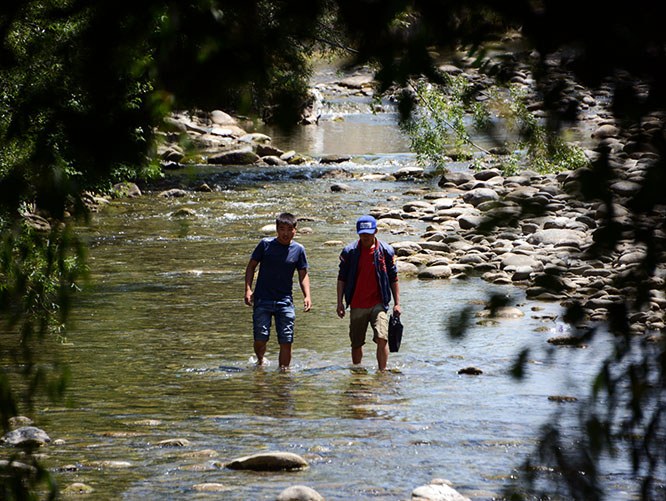
Turns out this was an entrance to Meerim Park. I thought it was just another city park, but when I entered I saw it was more of an amusement park. It was packed with families, rides and games. I didn’t go on any myself since most of the rides were for younger kids, but it was definitely a fun place to walk around. I was surprised by how many people were there and how big the park was. I walked its entire length until I reached a more natural area, where there were couples picnicking among the trees and even several people walking through the river.
Around Osh
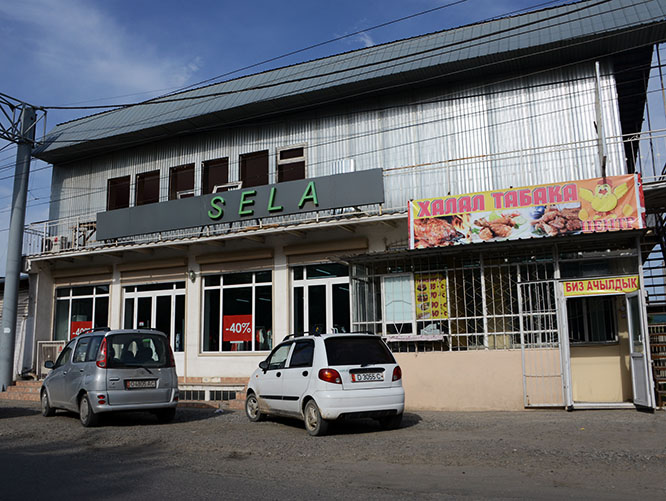
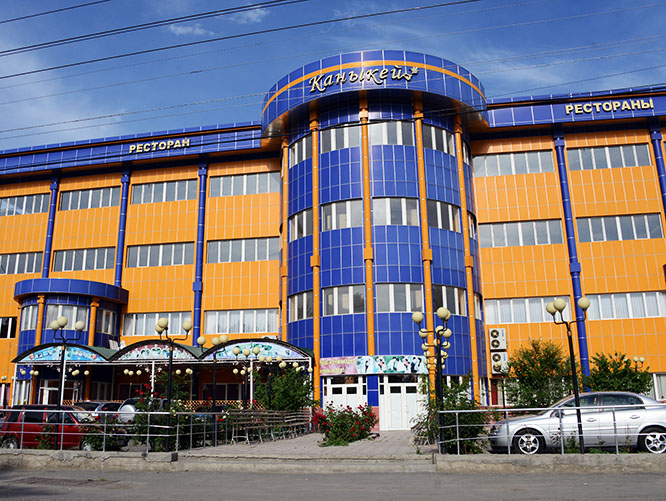
Outside of the main city streets, there isn’t too much going on for the average traveler. You could probably find some new restaurants and things like that, but for the most part the rest of the city is made up of homes and small businesses. These two photos were random shots that I took while driving around.

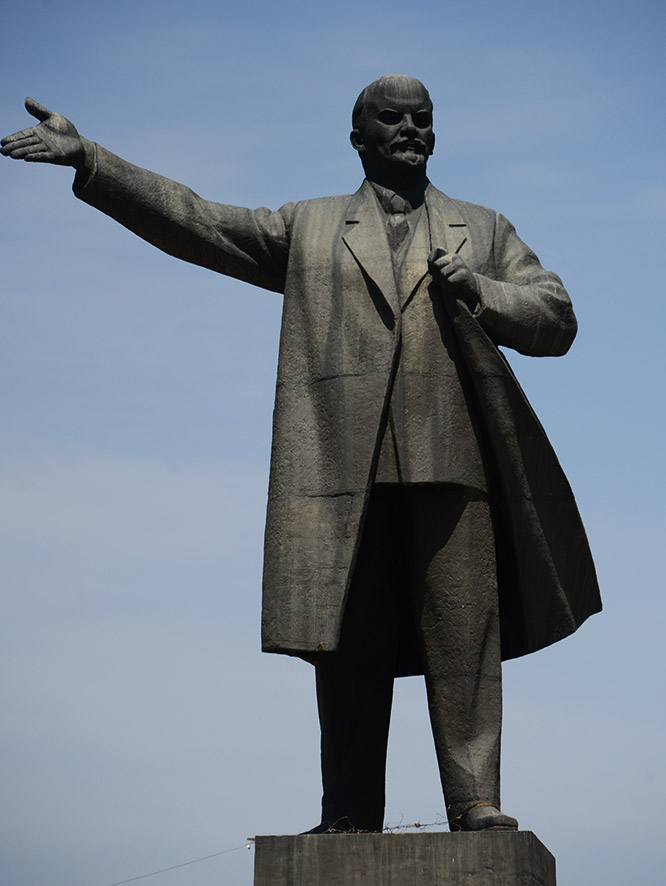
The presence of the Soviet Union can still be seen here in Osh, but it wasn’t as strong as what I saw in Bishkek or even Karakol. While I expected Osh to be more disconnected from the western world, there were still plenty of modern restaurants, coffee shops and bars. Above are some advertisements I saw for a small fast food restaurant and a statue of Soviet leader Vladimir Lenin.
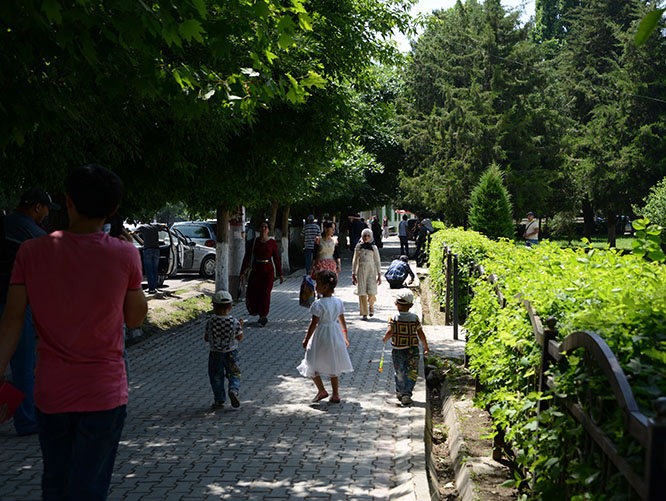
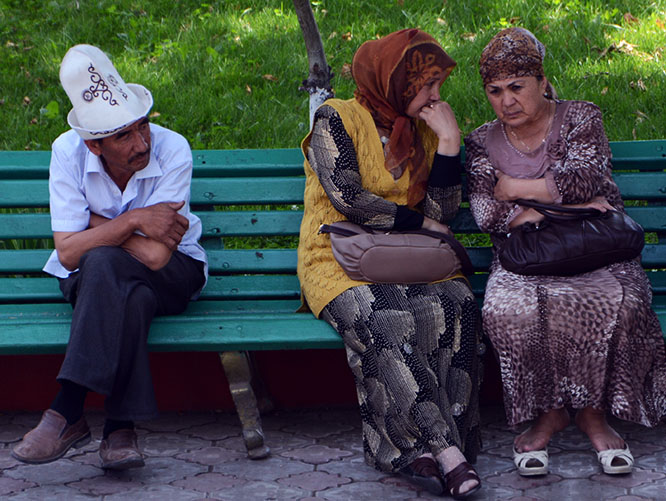
I was surprised by how relatively modern Osh was. I expected some dusty city with older traditional houses, but instead the city was really nice. Above are a couple scenes from the streets of Osh.
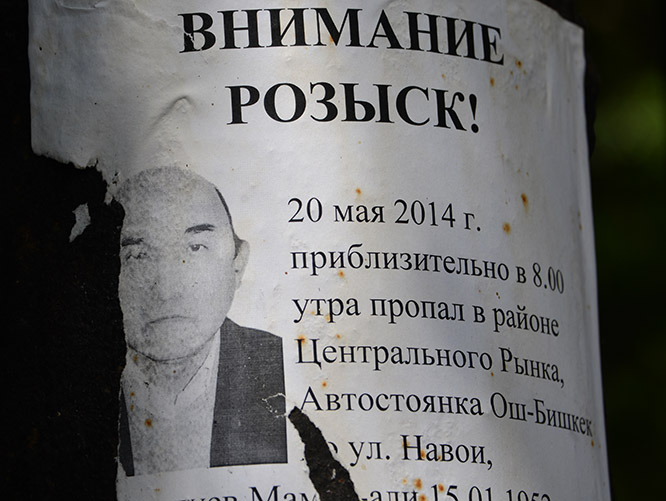
I was aware of the ethnic fighting that had taken place in Osh a few years before my visit, when many people were killed and hundreds were injured. Things had since calmed down, and despite the city’s recent history I felt completely safe while I was there. I did see what I assumed were wanted posters displayed around the city.
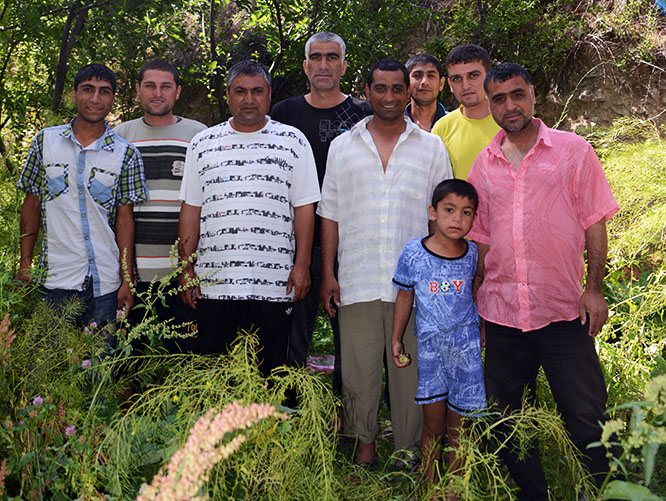
The guys in the final photo called me over while I was walking along a trail on Sulaiman-Too. It seemed a little sketchy at first, but I went over to talk to them anyway. None of them spoke a word of English, but they turned out to be Uzbek tourists who had come to Osh to visit the sacred mountain. They wanted me to take their photo and even invited me to have tea with them.