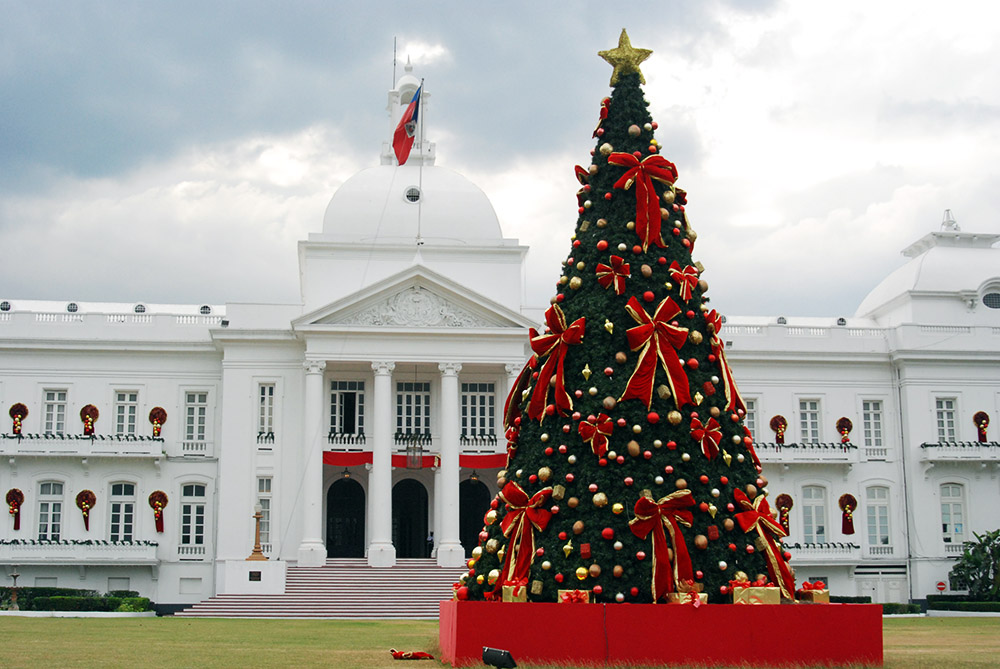
My trip to Haiti started in Port-au-Prince in late December. I visited almost exactly a year before the devastating earthquake of January 2010, which destroyed or severely damaged much of the city’s infrastructure. I was fortunate to see and photograph parts of the capital before the disaster occurred. Above is Haiti’s Presidential Palace as it appeared during my visit, before it was destroyed in the earthquake.
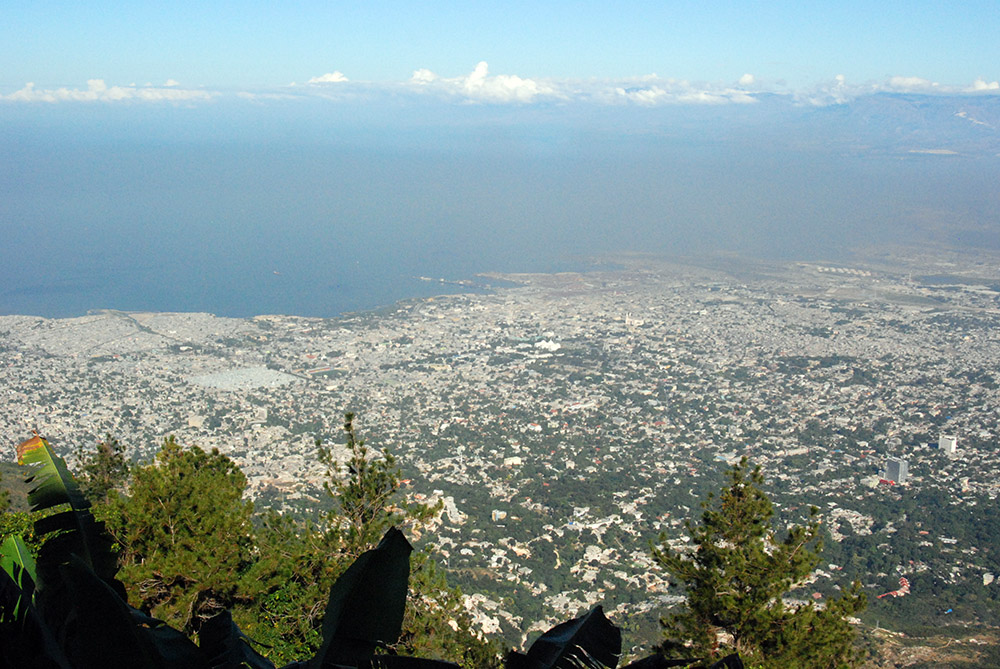
Haiti is an extremely mountainous country, but much of central Port-au-Prince sits on relatively flat land near the sea before the city climbs into the surrounding hills. At all times of the day and night, I saw huge numbers of people out on the streets. From high above, however, Port-au-Prince can look surprisingly spread out compared with how dense and busy it feels at street level.
I took the photo above during a short drive outside the center, where the higher terrain provided great views in all directions. I saw very few other travelers during my trip, so I was surprised to find several persistent souvenir sellers waiting at the viewpoint. I figured they probably didn’t see too many tourists, so I ended up buying a few traditional hand-carved items painted blue and red, Haiti’s national colors.
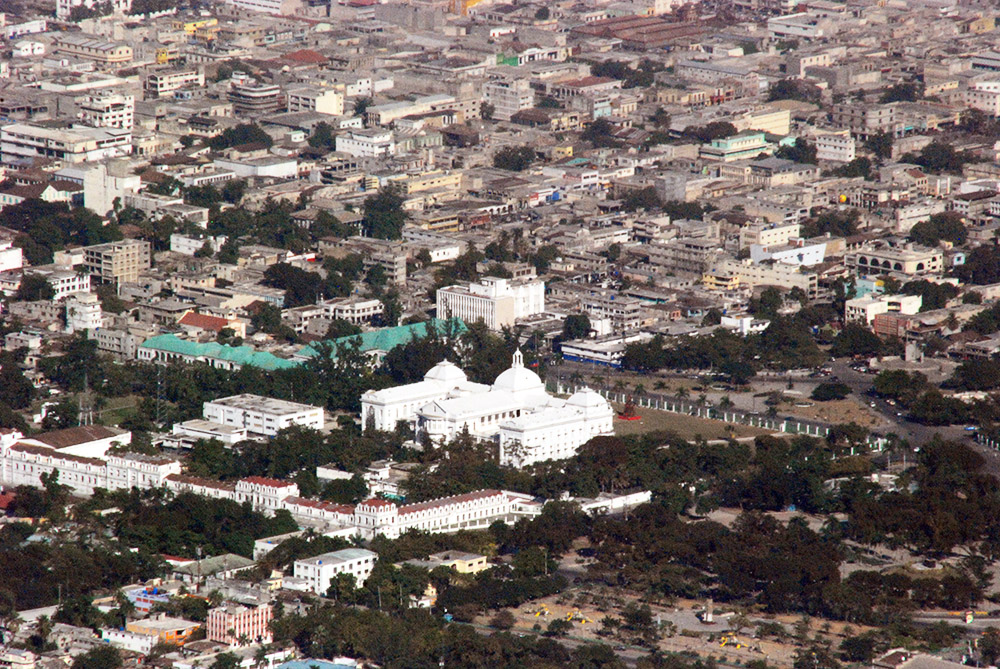
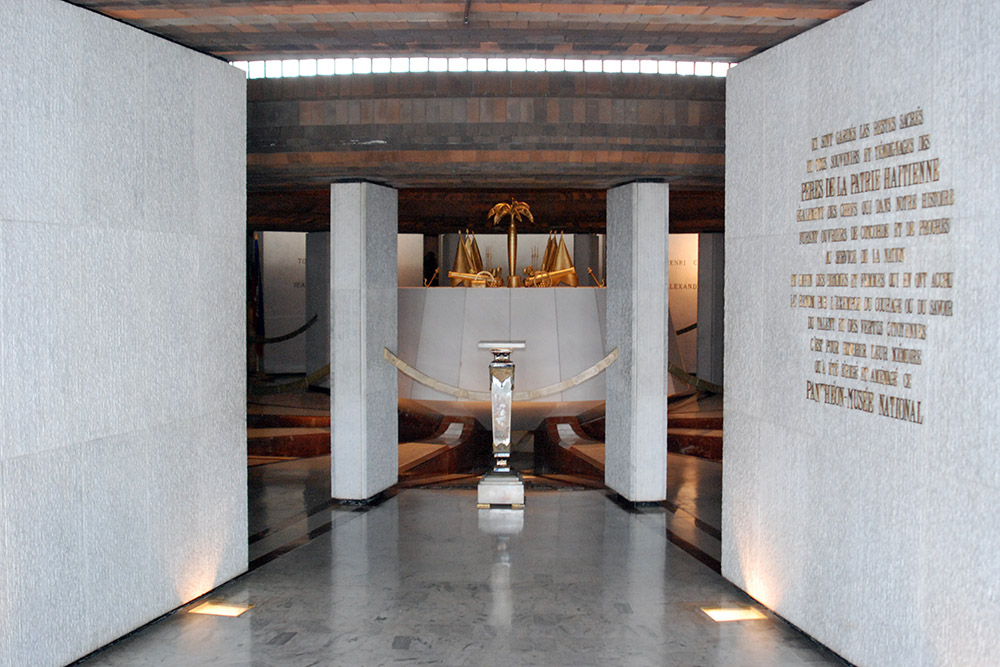
One of the best places to start exploring Port-au-Prince is the Musée du Panthéon National Haïtien, or MUPANAH, in the city center. The museum isn’t especially large, but it’s a great introduction to Haiti’s history and contains artifacts covering the country’s Indigenous past, colonial period, revolution, and independence. One of its most famous artifacts is an anchor believed to have come from Christopher Columbus’s ship the Santa María, which ran aground off Hispaniola in 1492.
Photography wasn’t allowed inside the museum when I visited, something I didn’t realize until after taking the photo above near the entrance. The museum also honors several of the revolutionary leaders who played major roles in Haiti’s fight for independence.
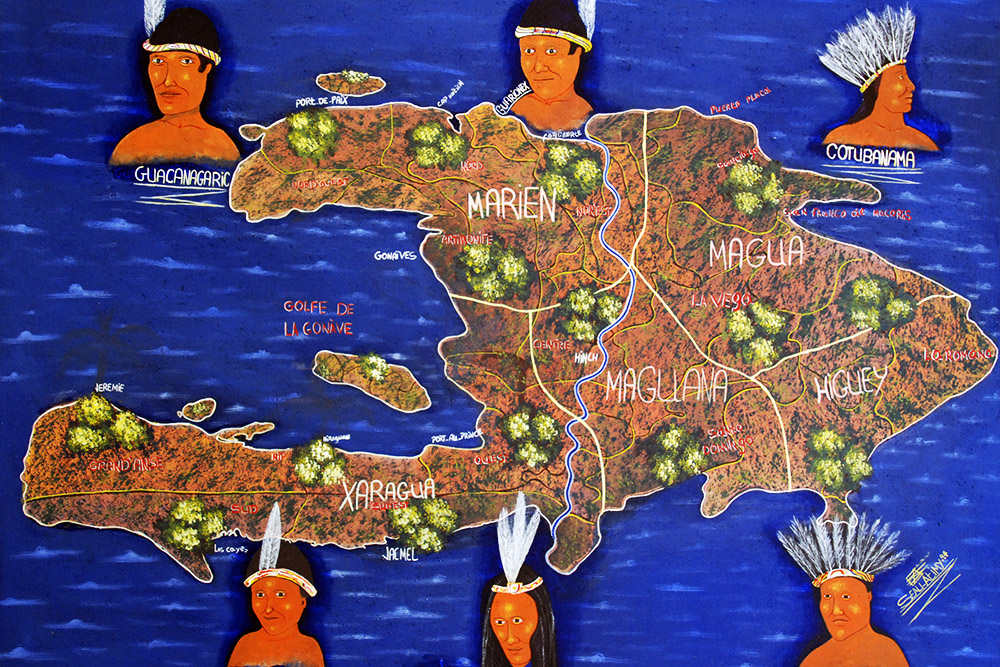
The museum gave me a much better understanding of how dramatically Hispaniola changed following European arrival. Before colonization, the island was inhabited primarily by Taíno communities. Spanish colonization began after Christopher Columbus reached Hispaniola in 1492, and the Indigenous population declined catastrophically in the decades that followed due to disease, warfare, enslavement, and exploitation. France later established control over the western portion of Hispaniola, where the colony of Saint-Domingue became enormously profitable through plantation agriculture and the forced labor of enslaved Africans.
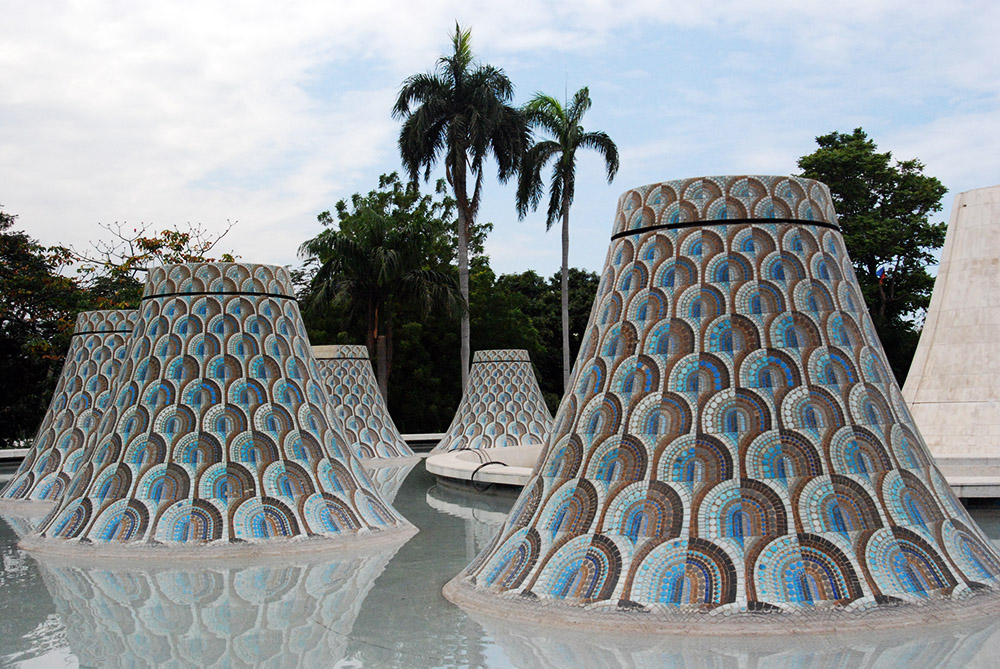
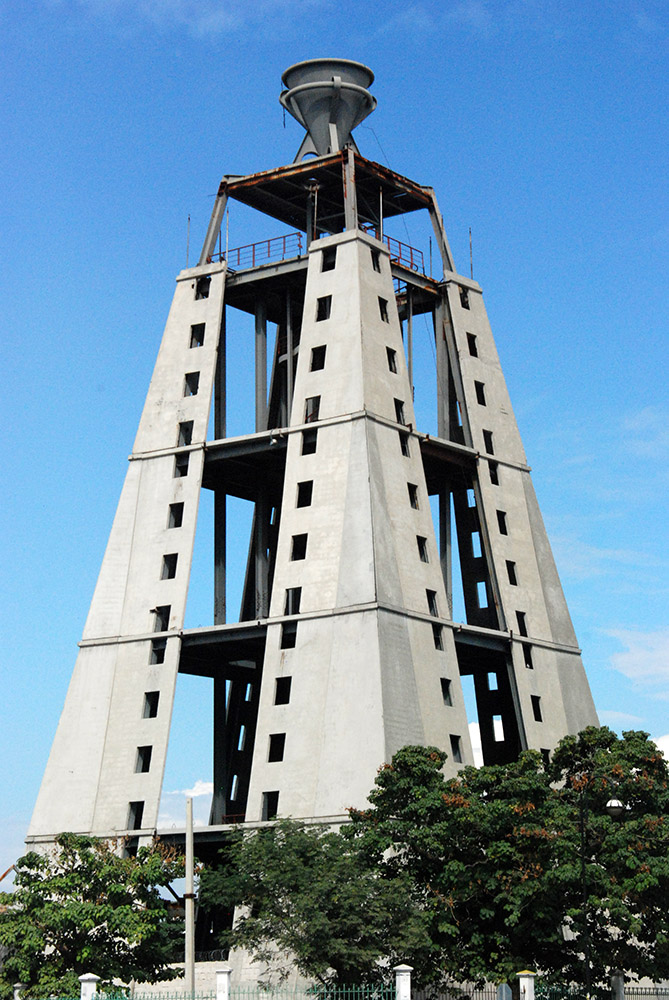
France and Spain competed over Hispaniola until the Treaty of Ryswick in 1697 formally recognized French control over the western portion of the island. More than a century later, the Haitian Revolution defeated French colonial rule, and Haiti declared its independence in 1804. Just outside the national history museum is the Bicentennial Monument, commemorating the 200th anniversary of Haitian independence in 2004.
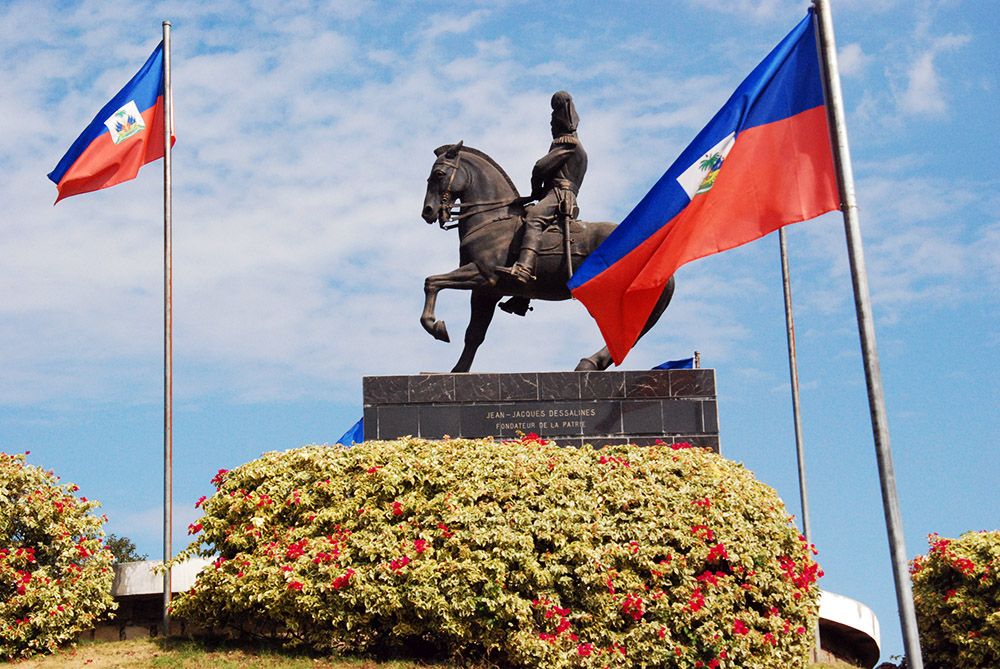
Around the museum are several parks, monuments, and statues dedicated to figures from Haiti’s history. Above is a statue of Jean-Jacques Dessalines, one of the principal leaders of the Haitian Revolution. After independence, Dessalines became Haiti’s first ruler and later declared himself Emperor Jacques I.
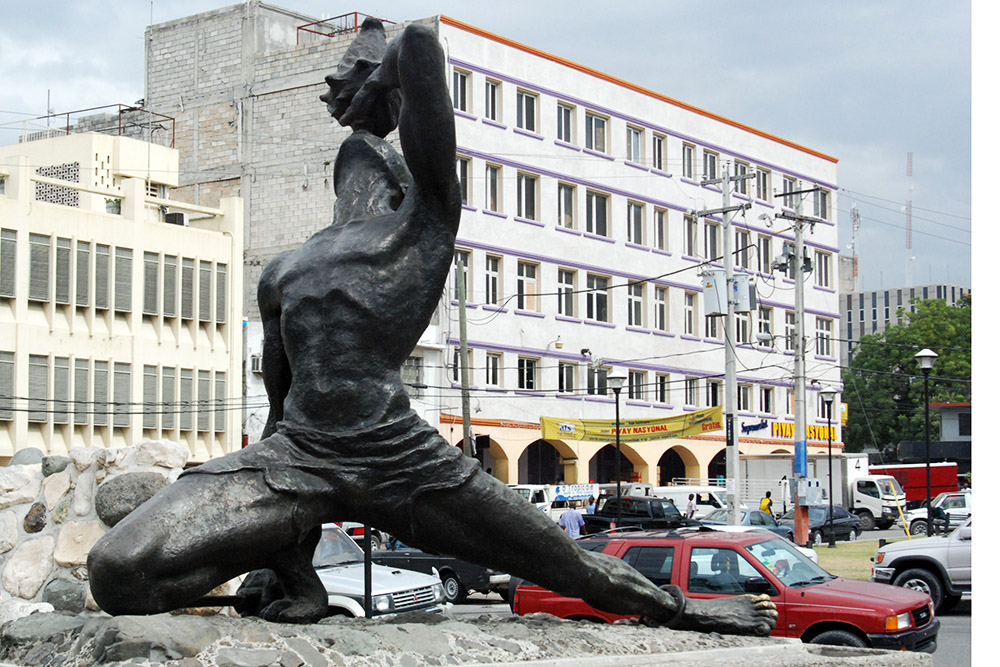
While I was taking this picture of a memorial, a local Haitian came up and offered to take my photo. I politely declined, but he kept insisting that he was a professional photographer. I decided my camera was probably safer remaining in my own hands.
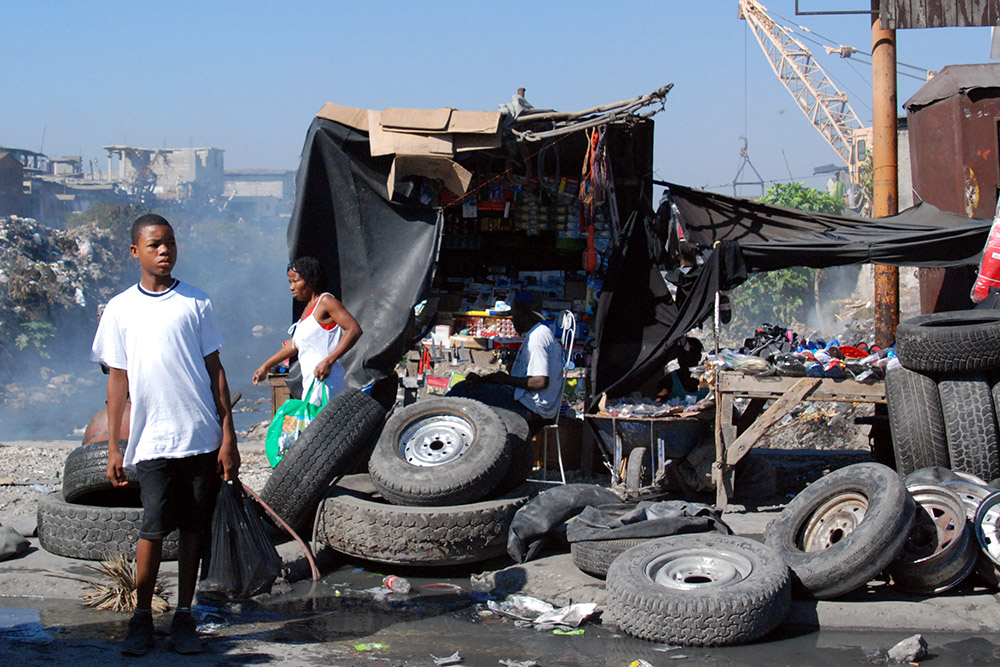
Exploring Port-au-Prince gave me a chance to see very different sides of the capital. Around the museum and government buildings were monuments, public spaces, and some of the city’s most important historical sites, while other neighborhoods were much more crowded and less developed. Rather than feeling like a conventional tourist destination, Port-au-Prince felt like a place where I was getting a glimpse into everyday life in a city few travelers were visiting at the time.
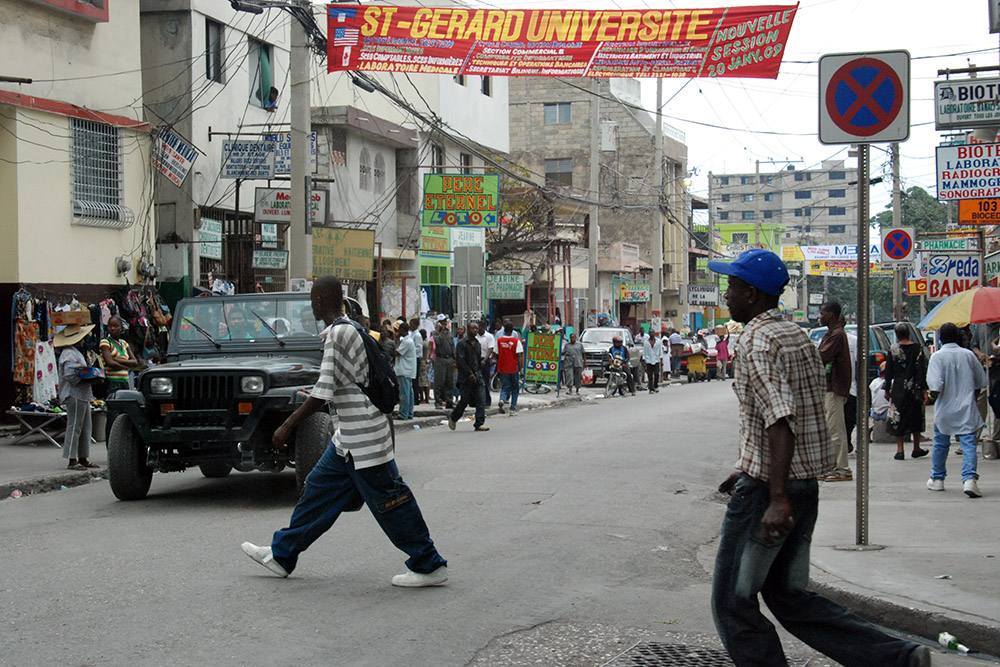
Port-au-Prince was one of the most unique cities I had ever visited. I felt fairly comfortable walking around the city center, although I definitely stood out as a foreign visitor. One of the most memorable experiences was driving through the capital at night. In one large neighborhood I passed through, many shops and homes had little or no electric lighting. Some businesses were illuminated by candles while headlights from the busy roads lit portions of the streets. Thousands of people were still outside walking, shopping, and socializing. I wish I had managed to photograph it because the scene was unlike anything I had experienced before.
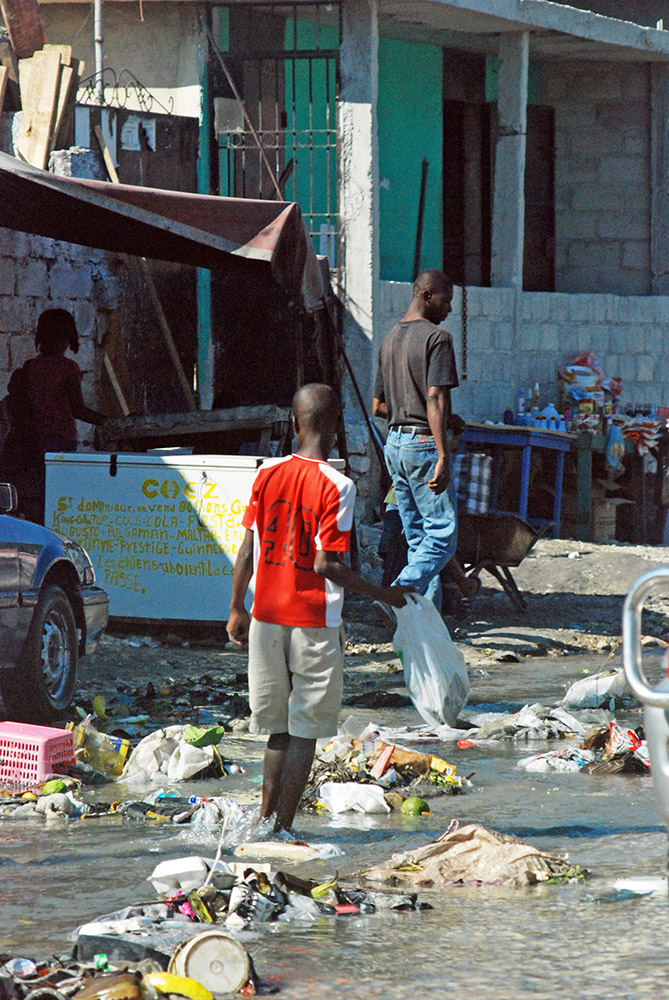
Not everything I encountered was easy to photograph or write about. The photo above shows a drainage channel filled with trash running alongside one of the streets I passed. Scenes like this were part of what I saw during my trip, and while I don’t want them to define Haiti, leaving them out entirely wouldn’t accurately represent my experience either.
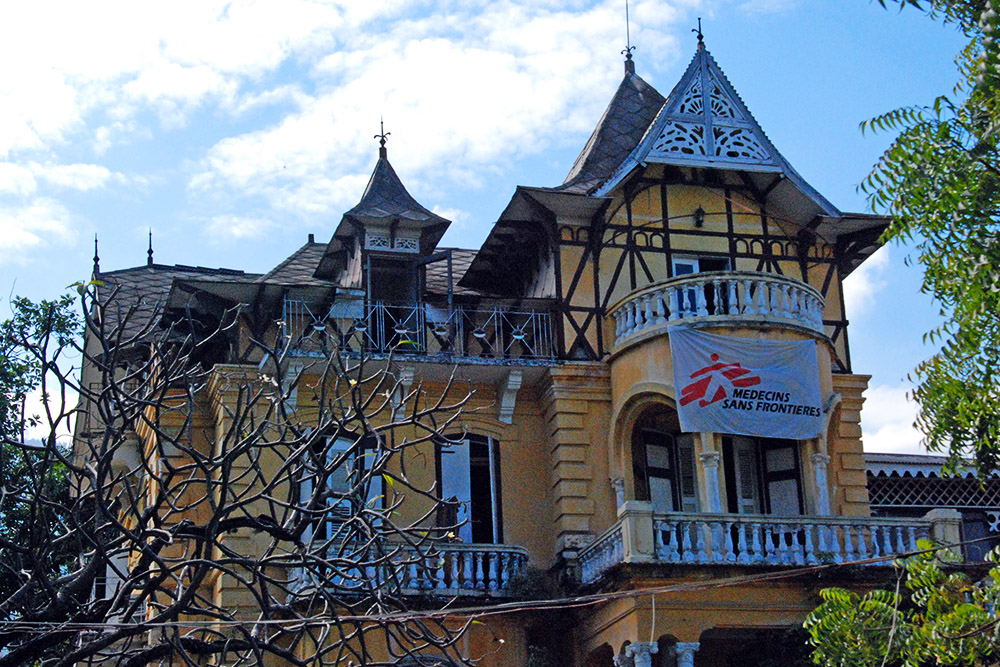
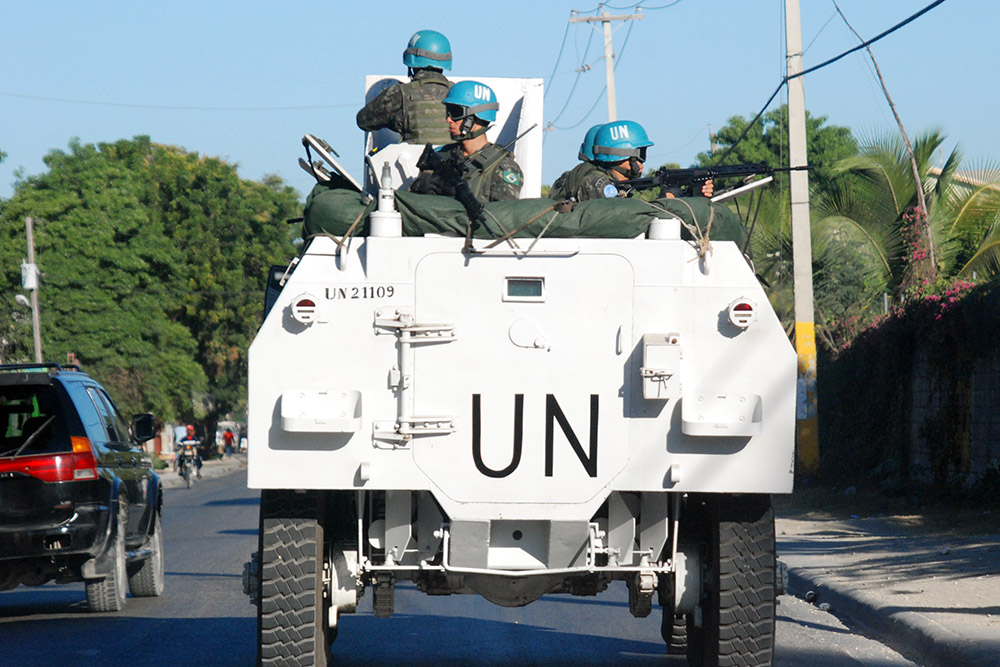
International organizations and NGOs were also a visible presence in Haiti during my visit. The photo above shows an old mansion that had been converted into a medical clinic by a European organization. Traveling around Port-au-Prince, I came across everything from large international operations to much more improvised local services.

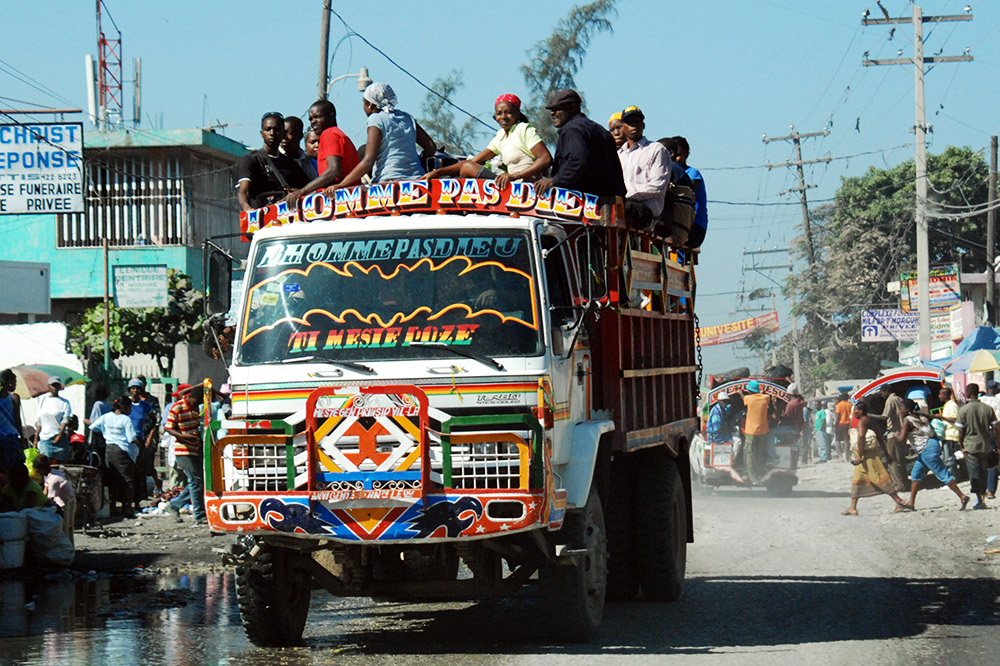
One of the most distinctive sights in everyday Port-au-Prince was the tap-tap, Haiti’s colorful form of shared public transportation. These vehicles were seemingly everywhere and were often packed with passengers. They provide an inexpensive way for locals to move around the city and are an unmistakable part of life in Haiti. While exploring the capital, I also visited several of the city’s busy markets.
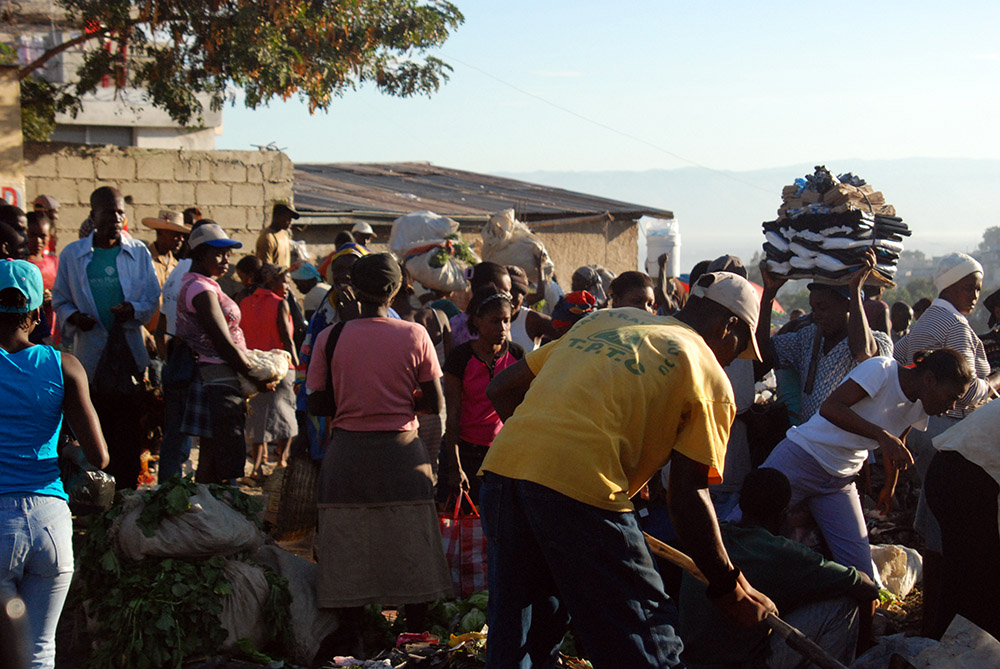
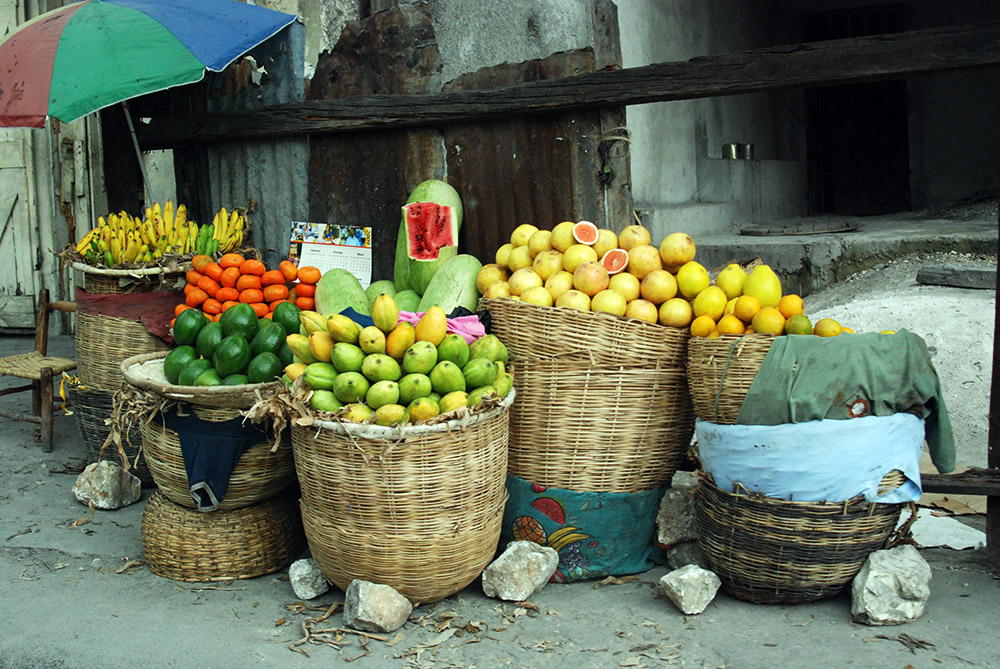
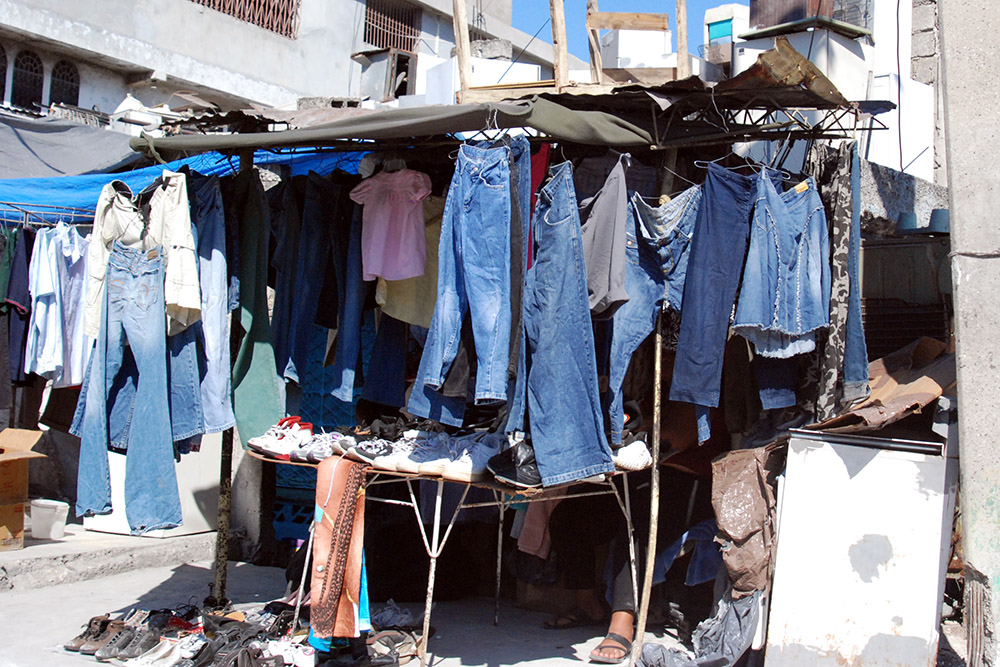
Many of the markets I came across sold fruits and vegetables piled into large baskets like the ones above. Others specialized in basic clothing, shoes, and household goods. Some markets were quieter than others, but the produce markets in particular seemed constantly busy, with people moving through narrow spaces between vendors and their displays.
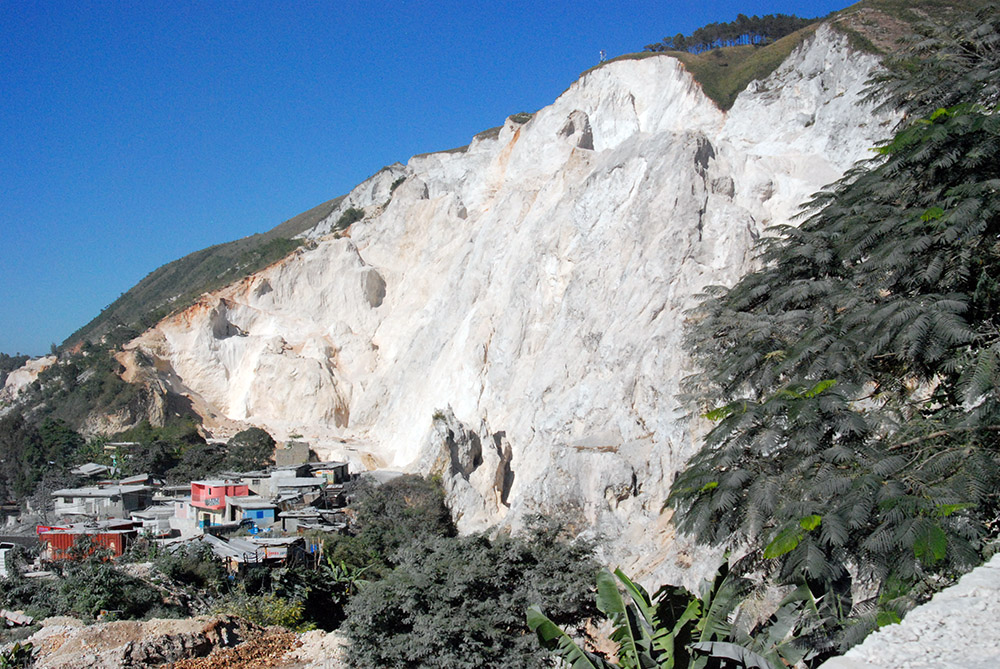
Outside the busiest parts of the capital I also came across this large quarry cut directly into a mountainside. Haiti has experienced extensive deforestation over its history, making timber a limited building resource in many areas. Concrete, stone, and masonry are therefore common construction materials throughout Port-au-Prince. The scale of this excavated mountainside gives some perspective on the amount of raw material needed as the city expanded.
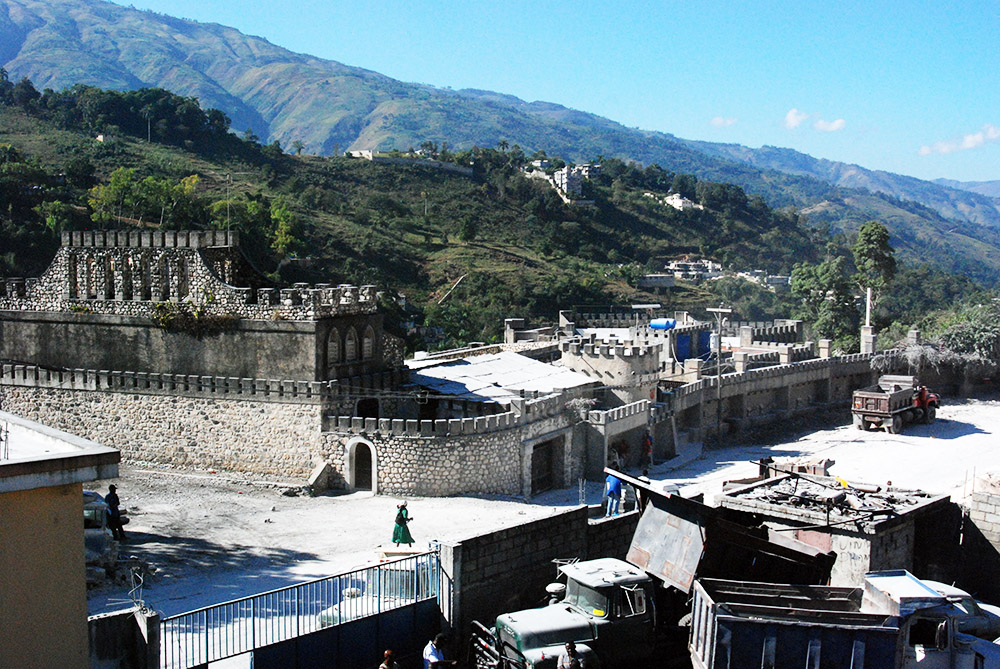
Across from the quarry was this castle-like building that I was told had been used as a rum distillery. Unfortunately it wasn’t operating when I visited. I had hoped to take my first tour of a distillery here and bring some Haitian rum back to the United States to celebrate a successful trip with friends. Maybe next time.
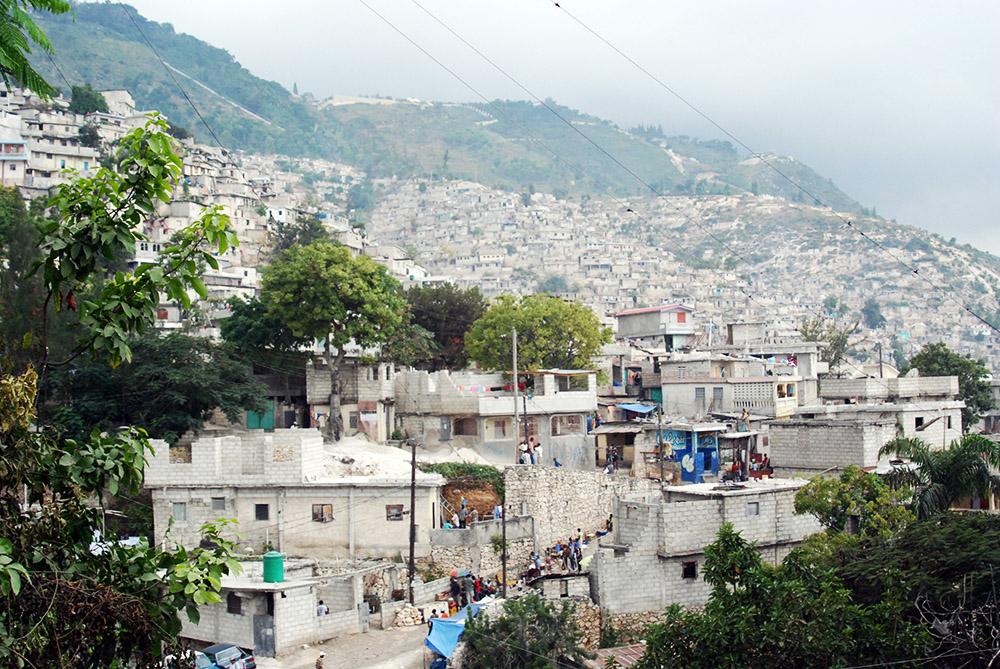
I’ll finish my Port-au-Prince page in Pétion-Ville, located in the hills above the center of the capital. The neighborhood had hotels, restaurants, shops, and some beautiful views over the surrounding area. I also encountered more foreigners here than anywhere else during my stay, although most seemed to be in Haiti for business or aid work rather than tourism.
One evening I decided to eat at my hotel’s restaurant. The menu had so many choices that it took me a while to decide what I wanted, only for the waiter to tell me it wasn’t available. I picked my second choice: also unavailable. Then my third. Eventually it became obvious that it would be easier for both of us if he simply told me what they actually had. It turned out there were only two dishes available from the entire menu! At least the food was pretty good once it arrived.
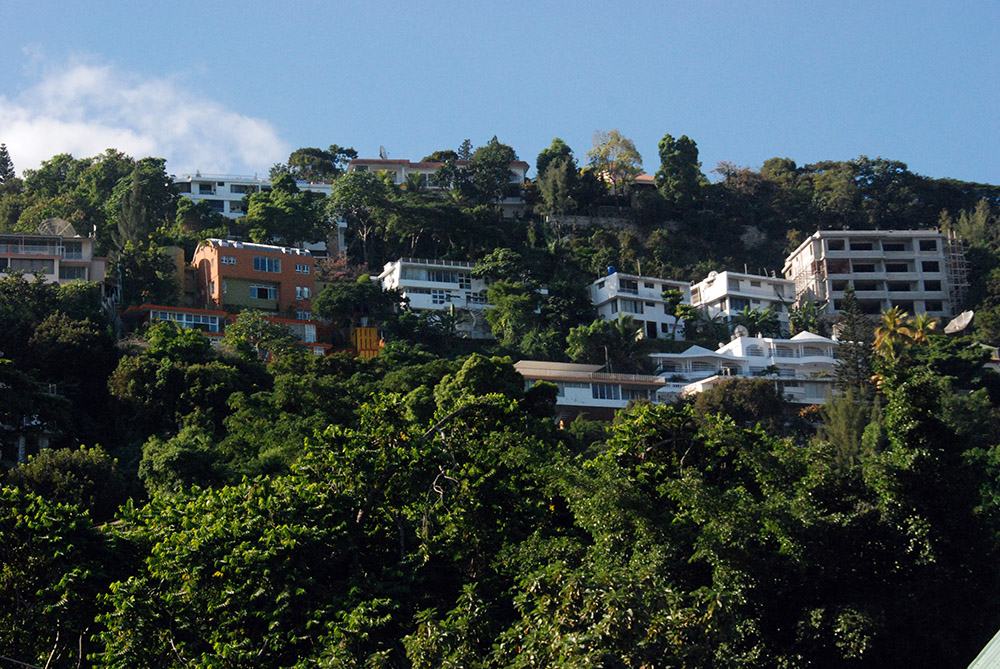
The photograph above shows some of the larger homes I saw around Pétion-Ville. Compared with many of the places I had traveled through earlier in Port-au-Prince, this part of the metropolitan area felt much more developed and had a very different atmosphere.
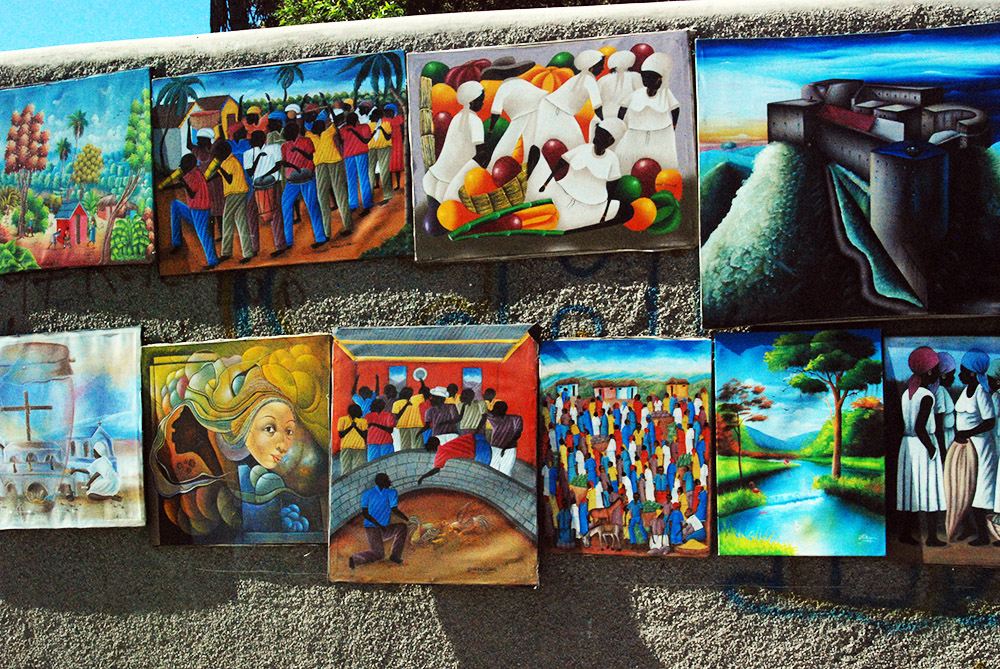
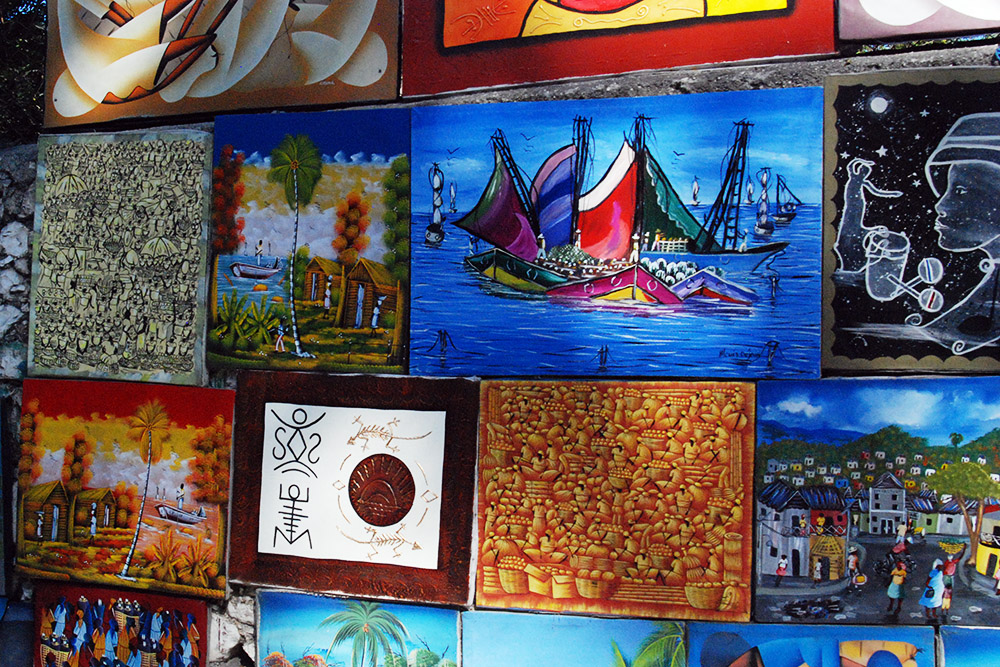
One of my favorite things about Pétion-Ville was the incredible amount of artwork for sale. Otherwise ordinary concrete walls had been transformed into outdoor galleries filled with vibrant paintings by Haitian artists. The artwork depicted everything from famous places and tropical landscapes to village life, markets, and community celebrations. I saw similar artwork elsewhere in the capital, but nowhere near the variety and volume that I found here.
Explore More of Haiti
Port Au Prince • Cap Haitien • Jacmel • the Citadelle